


This is a weekly series with things I’m reading and pondering from Oswald Chambers. You can read the original seed thought here, or type “Thursdays With Oswald” in the search box to read more entries.
 Jeremiah 5
[These are notes from Oswald Chambers’ lecture on Jeremiah 5.]
The Bible is not so much a revelation about God as a revelation of God who is adequate to deal with the worst. …
The tumbling and turmoil in human history is caused everywhere by the consuming fire of God rather than by the futile rage of the devil. In reading history the saint sees that the great presence and power is God, not the devil. …
Hordes of barbarians and powers of worldly dominion are unconscious of God, but God uses them for His own purpose. Nothing happens by chance. When our Lord stood before Pilate He said, “You would have no power over Me if it were not given to you from above” (John 19:11). The tyranny of the Roman Empire over God’s people was the providential order of God, and Jesus recognized that this was so, He did not start a revolution, or say, “We must fight against this” (John 18:36). Perils are clear to God’s mind alone, but they mean panic to everyone who does not know the mind of God. …
We learn the marvelous truth that we may become more than conquerors through our right relationship to God over everything that may come against us. …
In order to make proper changes in a nation’s life, you must change the people’s wants.
From Notes On Jeremiah
All over the globe, it appears that evil is holding sway and that sin is running rampant. It could appear as if the devil is winning, and Christians are just desperately trying to hold on to the end. But is that what it means when the Bible says that we are more than conquerors?
Let’s be clear about this—God is in control.
God may use barbarians, dictators, and evil people to accomplish His purposes, but they are all under His control. These forces have bounds past which they may not go. Any power they have has been given to them from above.
If we forget this, we can easily fall into a hand-wringing panic. But let’s remind ourselves again and again that God is in control! If our relationship with Him is right, then we truly soar over these temporal upheavals; we become more than conquerors through Him Who loves us!





 Craig T. Owens
Book Reviews From 2016
December 27, 2016 — Craig T. Owens#struggles
Alive
An Angel’s Story
Answering Jihad
Archeological Study Bible
Chase The Lion
Churchill’s Trial
Culture
Hope … The Best Of All Things
How To Read A Book
I Stand At The Door And Knock
Jesus Always
Letters To A Birmingham Jail
Light & Truth—Acts & The Larger Epistles
Light & Truth—Revelation
Light & Truth—The Lesser Epistles
More Than A Carpenter
Of Antichrist And His Ruin
On This Day
One Of The Few
Our Iceberg Is Melting
Shaken
So, Anyway…
Streams In The Desert
The American Patriot’s Almanac
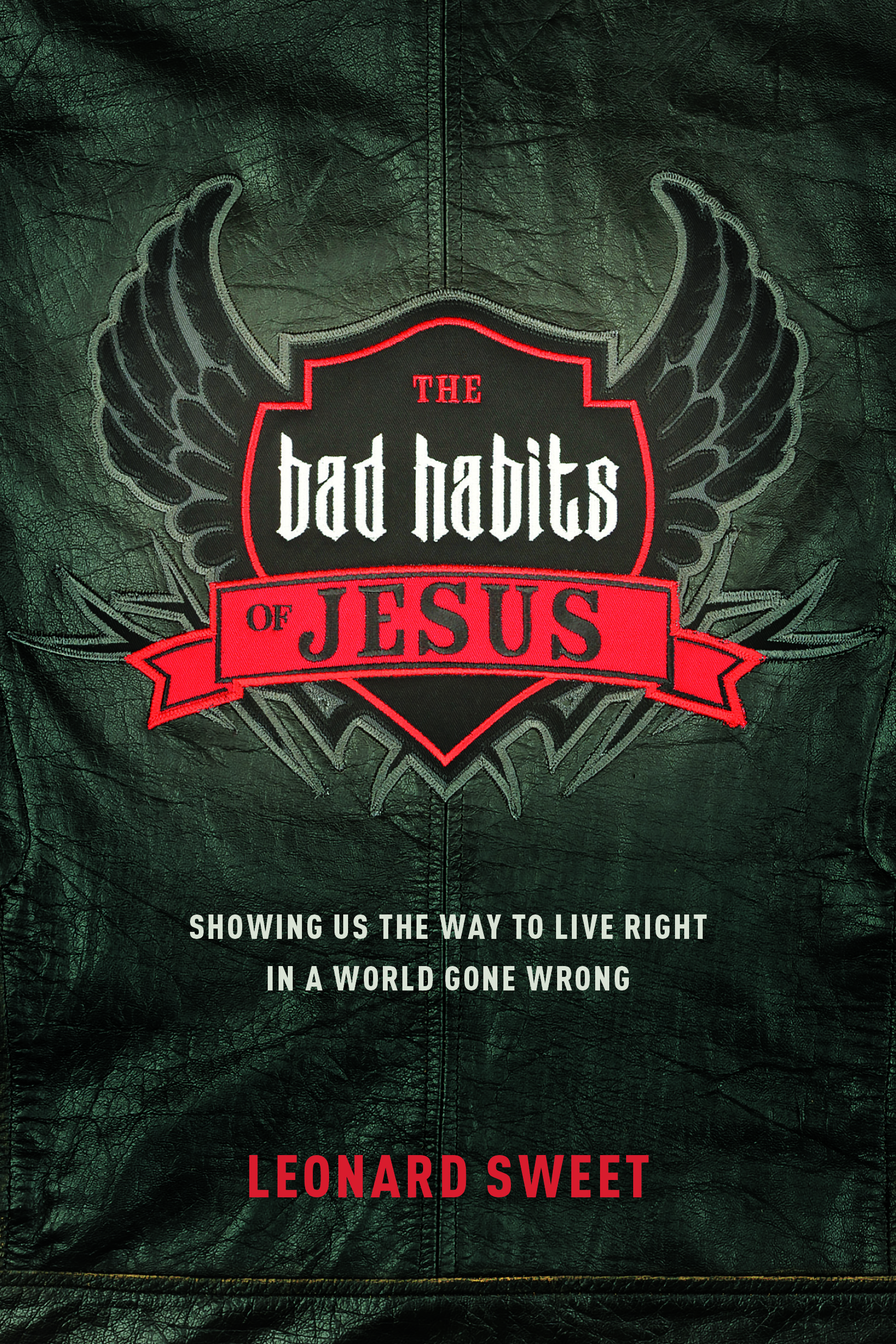
The Bad Habits Of Jesus
The Beauty Of Intolerance
The Blessing Of Humility
The Dawn Of Indestructible Joy
The Duty Of Pastors
The Gospels Side-By-Side
The Mathematical Proof For Christianity
The Philosophy Of Sin
The Place Of Help
The Porn Circuit
The Psychology Of Redemption
The Seven Laws Of Love
The Shadow Of An Agony
The Tabernacle Of Israel
Think On These Things
Today’s Moment Of Truth
Useful Maxims
Your Sorrow Will Turn To Joy
Here are my book reviews for 2011.
Here are my book reviews for 2012.
Here are my book reviews for 2013.
Here are my book reviews for 2014.
Here are my book reviews for 2015.
Share this: