6 Quotes from “Why Is Greater Than What”

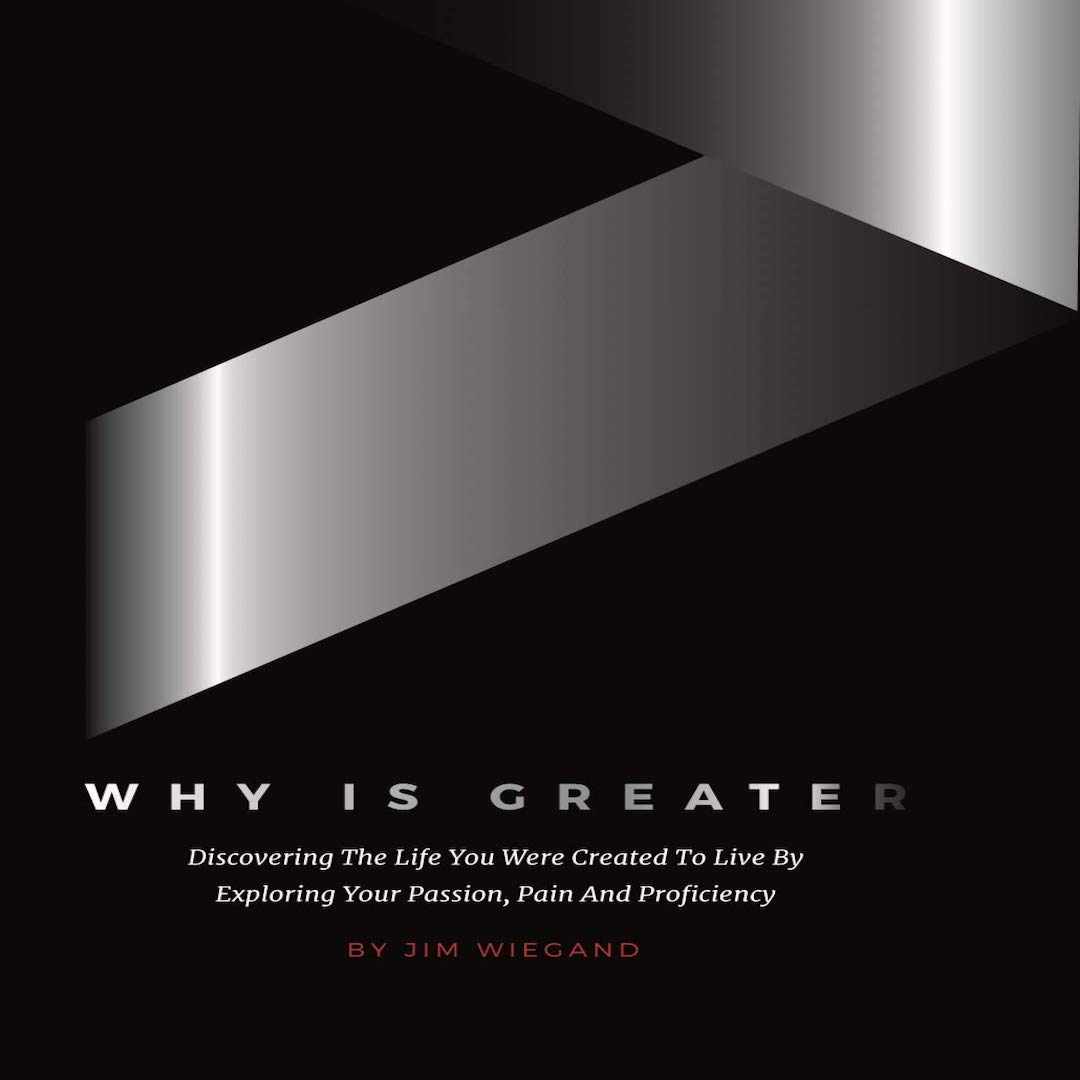
I thoroughly enjoyed Jim Wiegand’s book Why is Greater than What as a guide to helping folks discover God’s purpose for their lives. Check out my full book review here. 

These are a few of the quotes I found highlighter worthy. My Patreon supporters have access to all of the quotes I highlighted. 

“Those who wait for a plan before they pursue their dreams will become little more than the sum of their average deeds. Those who live from their why change the world and those who are in it.” 

“God has hidden many things from us. Some things are for another time. Some things we just could not understand. But God has not hidden your purpose from you. That’s not to say it’s an easy thing to discern at times. Although parts of you are yet unclear, God hasn’t hidden things from you; He’s hidden things for you.” 

“When a person is in pain, he sees life through his pain. He fills in the blanks with his own insecurities and sees things that aren’t really there.” 

“What bothers you? What is it you see in the world that you would change? What breaks your heart? What do you find yourself praying about more than any other thing? What subjects do people no longer want to talk to you about because you’re always talking about those things? Most often (maybe always) this is the first clue to your God-given why.” 

“Sometimes pain is a good thing. Sometimes pain is even a God thing. The ones I truly pity, the ones I call the ‘living dead,’ are the ones who roam the land and live a life that ignores their pain, who never went, never risked, never obeyed what they knew was the right thing for them.” 

“One of the biggest reasons dreams don’t come to pass is that we dream selfish dreams for things that have no eternal value. God is not obligated to move heaven and earth to make you happy. If you believe He is, perhaps you have created a god in your image to serve you. The One True God made you in His image to serve Him.” 

The remaining quotes are available on Patreon.

Why Is Greater Than What (book review)

Listen to the podcast of this post by clicking on the player below, and you can also subscribe on AppleSpotify, or Audible. 

Many people struggle with the thought of, “What am I supposed to be doing with my life?” Jim Wiegand says there is a more fundamental question to be asked—a question that will help clarify direction for all of us. In his book Why Is Greater Than What, Jim outlines how God uses our pain, passion, and proficiency to show us the life He planned for us. This “Why,” he says, is so much greater than our “What.” 

Using character studies from the Bible, his own life, and other historical examples, Jim shows how there are three distinct things that reveal to us why God placed us on earth with the strengths and abilities that we have. 

The first of the three Ps is pain. Noticing what breaks your heart is a key factor to discovering your “Why.” The second P is passion: paying attention to the things that energize you. And the third P is proficiency. This is seeing your unique skill set that allows you to easily do things that others struggle to do. The intersection of these three Ps is the bullseye of why God knit you together the way He did. 

Once you have your “Why,” you will be better able to discover the “Way” which God has prepared for you to walk. 

Not that this is an easy task. In fact, Jim shares quite candidly the challenges that we will all face in attempting to live out our “Why” and “Way.” Jim writes, “This is not a just cheer up book. This is not a get the life of your dreams in three easy steps book. This is a get off your butt and live before God without excuses book!” 

And I would add: This is a vital book to help you live in a way that brings God glory and fills you with a sense of purpose and satisfaction. 

I taught a series of lessons based on this book, which you can check out here. 

If you are a leader, you may also want to check out another Jim Wiegand book called Recruiting To Releasing, which will help you lead people to discovering their three Ps. 

Check out some quotes from this book.

►► Would you please prayerfully consider supporting this ministry? My Patreon supporters get behind-the-scenes access to exclusive materials. ◀︎◀︎

Night Of The Assassins (book review)

Listen to the podcast of this post by clicking on the player below, and you can also subscribe on AppleSpotify, or Audible. 

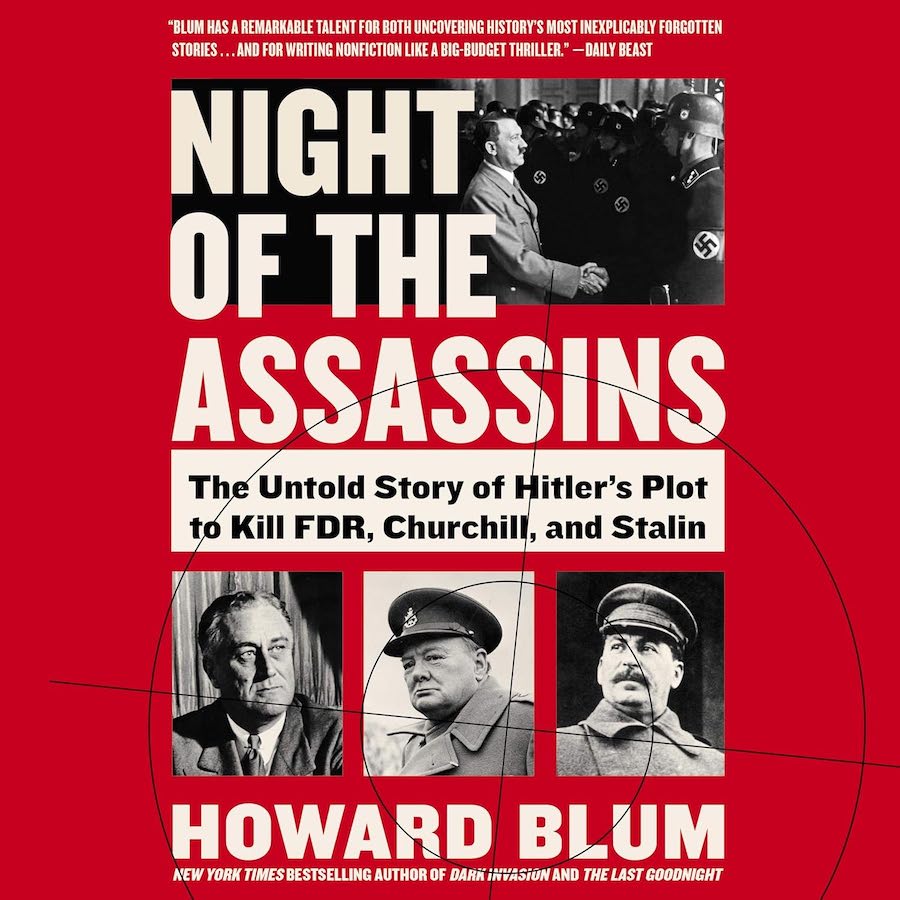
There has always been a lot of discussion in the field of counter-factual history. That is, asking the “What if” questions and then trying to guesstimate what might have been. Howard Blum shares an adventure that might have triggered a whole bunch of “What if” questions, except his story is factual history. 

Imagine if the Nazis would have assassinated Winston Churchill? Or if the Axis powers had been able to take out Franklin D. Roosevelt or Joseph Stalin? Or, even more frightening, what if they were able to target and eliminate all of the leaders of the Allied nations? Shockingly, this was almost a reality, as Howard Blum relates in his book Night of the Assassins. 

This book is primarily told from the perspective of the Nazi spymaster who was trying to pull off “Operation Long Jump” and the head of FDR’s Secret Service detail that was trying to keep the US president out of harm’s way. This true story is full of the twists and turns of leaked plans, lucky guesses, unexpected double agents, good luck, bad luck, and blind luck. Even though I already knew that the Big Three weren’t assassinated by a highly trained Nazi commando squad, I was still on the edge of my seat to see how Blum’s account would play out. 

Students of history and aficionados of detective stories will both thoroughly enjoy this book! 

►► Would you please prayerfully consider supporting this ministry? My Patreon supporters get behind-the-scenes access to exclusive materials. ◀︎◀︎

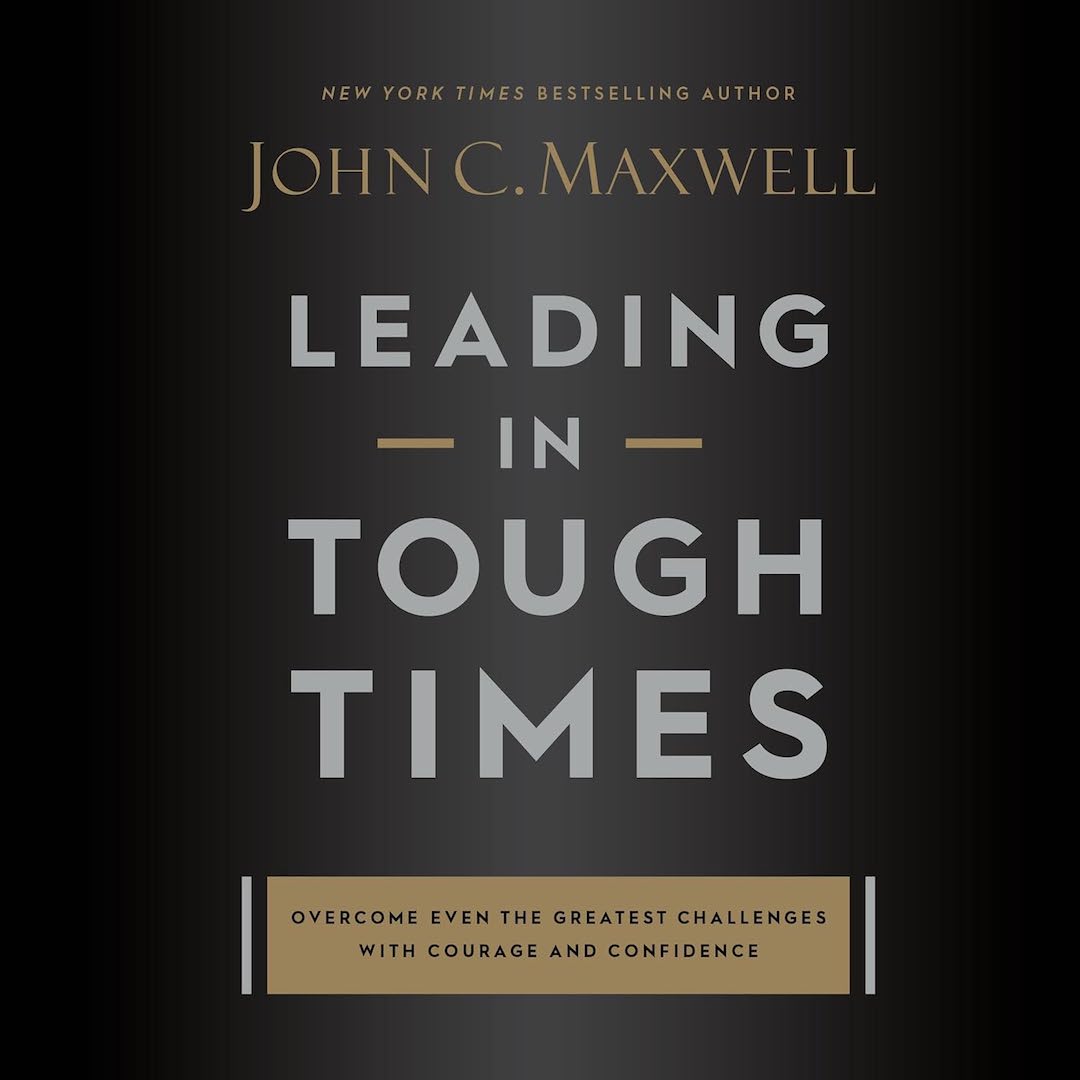
8 Quotes from “Leading In Tough Times”

Everyone faces tough times, but leaders who encounter these difficult times have the opportunity to help their teams thrive or fall during this time. John Maxwell shares the challenges leader face in these situations, and how they can overcome them and help successfully bring others along as well. Check out my full book review of Leading in Tough Times. 

“Good leaders understand that adversity and challenges are actually opportunities to rise up in leadership.

  1. Adversity introduces us to ourselves
  2. Adversity is a better teacher than success
  3. Adversity opens doors for new opportunities
  4. Adversity writes our story if our response is right” 

“How do people overcome problems, challenges, and difficulties? They make changes. Improvement requires change. Innovation requires change. Seizing opportunities requires change. … As a leader in tough times, you need to become a change agent. You need to help others embrace positive change, even when it takes them outside their comfort zone. You need to help them get results, even when they worry that it might not be possible.” 

“There is no downside to adding value to people. Yes, it will cost you time and effort. But when you add value to people, you help them and make them more valuable.” 

“If you lead people who are falling short of their potential, you need to start asking why. Have you put them in their strength zones? Are you providing the training and resources they need to be successful? Is there something they need that you’re not giving? You always need to make sure you are not the problem before you look to see where the problem is.” 

“If you are a leader, the true measure of your success is not getting people to work. It’s not getting people to work hard. It is getting people to work hard together.” 

“In times of difficulty, relationships are a shelter. In terms of opportunity, they are a launching pad. Trust is required for people to feel safe enough to create, share, question, attempt, and risk. Without it, leadership is weak and teamwork is impossible.” 

“One of the best ways to persuade others is with your ears. That may seem counterintuitive, because we expect persuasion to involve speaking. But when a leader listens to members of the team, that act gives the leader greater credibility and therefore influence. In contrast, when team members no longer believe that their leader listens to understand them, they start looking around for someone who will.” 

“Care and candor must be in balance. Care without candor creates dysfunctional relationships. Candor without care creates distant relationships. But care balanced with candor creates developing relationships. … Caring values the person while candor values the person’s potential.” 

My Patreon supporters have access to all of the quotes I shared from this book. You can join them to get exclusive content and early access to other content by becoming a supporter today.

Leading In Tough Times (book review)

Listen to the podcast of this post by clicking on the player below, and you can also subscribe on AppleSpotify, or Audible. 

Some people have a misconception about leadership that John Maxwell dispels in the opening words of his book Leading in Tough Times. He writes, “Good leaders understand that adversity and challenges are actually opportunities to rise up in leadership.” 

In fact, I would say that some of the best leaders have gone through some of the toughest of times, learning lessons that have set them apart as an exemplary leader. 

Tough times come to every organization—no matter its size—but leaders who will seize the opportunity to navigate the difficulty successfully will grow both themselves and the organization they lead. That’s because there are some lessons that can be learned in no other way than to grow through difficulties. 

If those statements inspired you, then Leading in Tough Times is the book for you! As he does in all of his books, John Maxwell culls the best advice from the best sources and distills it down into actionable steps for leaders who are ready to learn. In this book, Mr. Maxwell shares seven challenges that give leaders opportunities not just to go through difficulties, but to grow through difficulties. 

If you are in a challenging season right now, this book could be a lifeline for you. If you aren’t in a difficult season right now, use this book as a training manual for both you and the emerging leaders around you to prepare for the next challenge. After all, the challenging times are inevitable, but our growth as leaders in these times is entirely up to us. 

►► Would you please prayerfully consider supporting this ministry? My Patreon supporters get behind-the-scenes access to exclusive materials. ◀︎◀︎

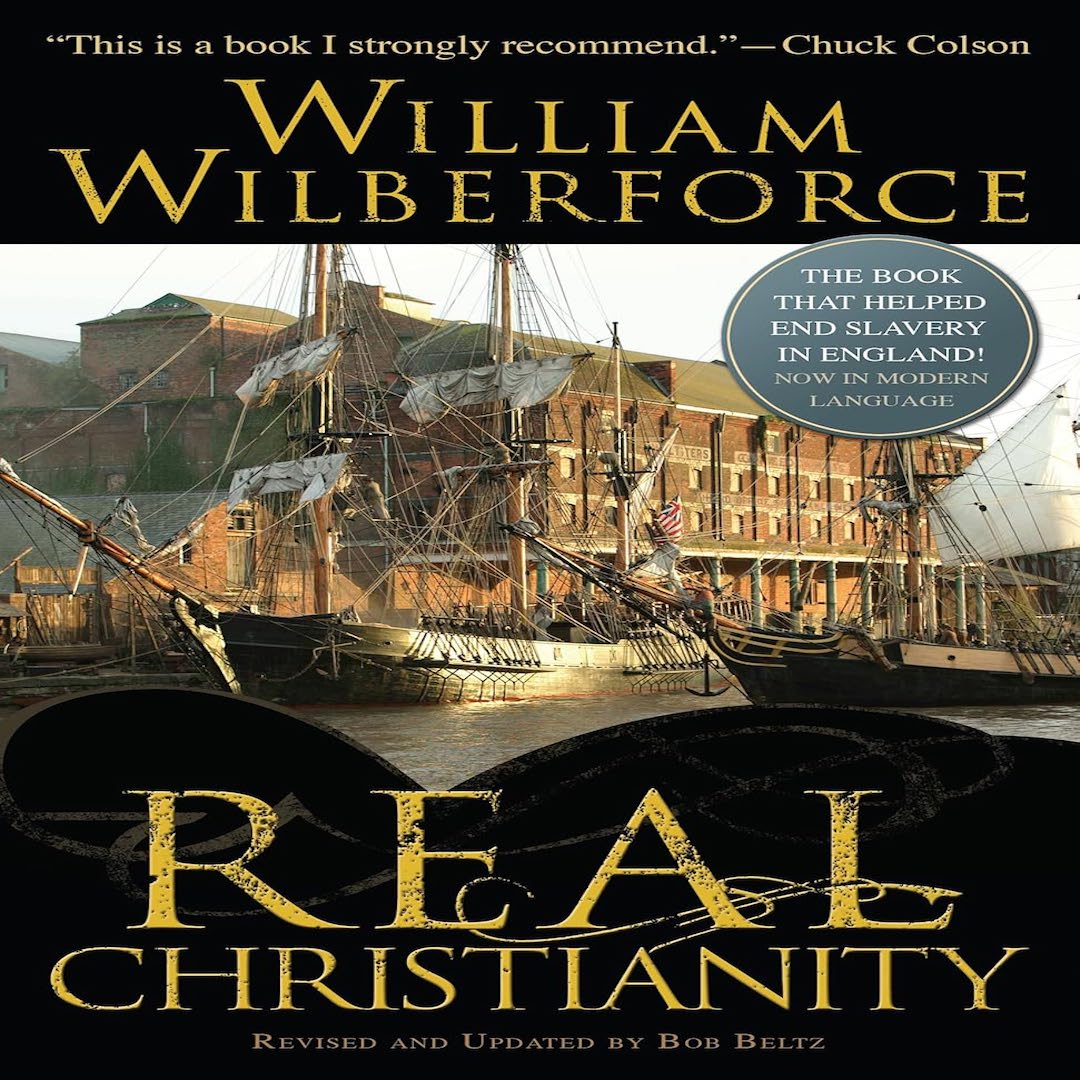
11 Quotes From “Real Christianity”

Slavery abolitionist William Wilberforce wrote a powerful book 200+ years ago that sounds like it could have been written today! Here are just a handful of the numerous passages I highlighted in Real Christianity. Be sure to check out my full book review here. 

“What a difference it would be if our system of morality were based on the Bible instead of the standards devised by cultural Christians.” 

“The Bible is one of God’s greatest gifts to humanity. It tells us of the greatest gift that men and women have longed for throughout the ages and of which the prophets spoke about for centuries.” 

“Even the majority of professing Christians tend to think that the nature of humanity is basically good and is only thrown off course by the power of temptation. They believe that sin and evil are the exception, not the rule. The Bible paints a much different picture. The language of Scripture is not for the faint of heart. It teaches that man is an apostate creature, fallen from his original innocence, degraded in his nature, depraved in his thinking, prone toward evil, not good, and impacted by sin to the very core of his being.” 

“Not that the Bible needs affirmation, but the world around us demonstrates that there is a kind of sowing and reaping that affirms the destructive nature of ignoring the things the Bible teaches.” 

“When we do not take our problem seriously, we do not seek the solution God offers with the measure of sincerity and intensity that our true condition requires. If we don’t understand how seriously ill we are, we don’t pursue the remedy with the required diligence. If we are slightly ill, we take an aspirin. If we are dying, we passionately pursue a cure. The cure is not forced on us; it is offered to us.” 

“The appropriate response to these facts would be one of great excitement, true humility, hatred of sin, humble hope, firm faith, heavenly joy, ardent love and unceasing gratitude! But here is where we find a problem with the experience of those who hold to a cultural Christianity. … Cultural Christians might talk about religion or church in generic terms, but you will rarely hear them use the name of Jesus or speak of His death on the cross or His resurrection. … Cultural Christians probably have no understanding of the work of the Spirit in the life of the believer. Since they do not strive for effectiveness in their own spiritual lives or attempt to live with character consistent with followers of Christ, they have no experience of their own inability to achieve such things without the Holy Spirit’s help.” 

“Authentic faith will often be accompanied by an appropriate zeal. But zeal can often be devoid of any accurate understanding of authentic faith. The product of such zeal is often justified in the name of Christianity, but in reality it has virtually nothing to do with believing in Jesus Christ.” 

“Our inability is our great asset; it creates a humility that becomes dependent on God’s grace working in us.” 

“It is virtually impossible to get to the place where you recognize your need for the Spirit and depend upon His working when you have created a safe religiosity that is perfectly manageable by means of your own abilities.” 

“Authentic Christianity is a way for the most wayward of men and women to enter into a right relationship with God based solely on the fact that ‘while we were yet sinners, Christ died for us’ (Romans 5:8, KJV). They have confused the outcome of getting right with God with the means of getting right with Him. Only when we have come empty-handed to the foot of the Cross and cried out for God’s mercy and grace, and been reborn by the indwelling of the Holy Spirit, can we even begin to live the life to which God calls us. Some seem to think that Christ has made it possible for them to be right with God because His death has somehow lowered God’s standards to the level of their performance.” 

“It makes no sense to take the name of Christian and not cling to Christ. Jesus is not some magic charm to wear like a piece of jewelry we think will give us good luck.”

Real Christianity (book review)

Listen to the podcast of this post by clicking on the player below, and you can also subscribe on AppleSpotify, or Audible. 

Does this sound familiar? “We live in difficult times. Pray for this nation. We have all the marks of a declining civilization. Pray that the God who hears and answers the prayers of His people might intervene on behalf of our country and bring a spiritual renewal that might save the nation.” 

What if I told you that an esteemed and influential politician wrote this? 

What if I told you that he wrote this in 1797? 

The politician was England’s William Wilberforce, the man who tirelessly led the crusade to abolish the British slave trade, but the topics he addressed in Real Christianity sound as though they are topics that we are still wrestling with today. 

Throughout this book, Wilberforce contrasts the many ways that cultural Christianity—or people who are Christian in name only—differ from the real Christianity that is outlined in the pages of the Bible. Wilberforce wrote, “I find it necessary to affirm that the problems we face nationally and internationally are a direct result of the decline of faith and morality in our nation. My only hope of a prosperous future for this country rests not on the size and firepower of our military, nor on the wisdom of its leaders, nor on the spirit of her people, but only on the love and obedience of the people who name themselves after Christ, that their prayers might be heard and for the sake of these, God might look upon us with favor.” 

I found this book encouraging, in that I can see how human nature has remained the same and that the answers we so desperately seek are still found in the Holy Bible. 

I also found this book convicting, as Wilberforce continually challenged me to review my own life to ensure I wasn’t unknowingly slipping into a cultural Christian mindset. I was also confronted by the numerous calls to prayer that Wilberforce made throughout this book. 

It’s a relatively short read, but it is power-packed. I recommend Real Christianity to anyone who is frustrated by the state of affairs in our nation, and is desperate to see a true return to the biblical values of Christianity. 

►► Would you please prayerfully consider supporting this ministry? My Patreon supporters get behind-the-scenes access to exclusive materials. ◀︎◀︎

7 Quotes From “Spiritual Leadership”

In my book review of Spiritual Leadership, by Henry Blackaby and Richard Blackaby, I commented that this book combines two of my favorite topics: Leaders and the Bible. I highlighted so many passages in this book, but here are a few quotes that show that merging of leadership and biblical studies. 

“Spiritual Leadership is moving people on to God’s agenda. … Spiritual leaders cannot produce spiritual change in people; only the Holy Spirit can do that. Yet through the Spirit, God often uses people to bring about spiritual growth in others. … That is the crux of spiritual leadership. Leaders seek to move people on to God’s agenda, all the while being aware that only the Holy Spirit can ultimately accomplish the task.” 

“Spiritual leadership is taking people from where they are to where God wants them to be. Because God’s agenda drives spiritual leaders, it is God, and not the leader, who determines when His will has been accomplished (1 Samuel 15:13–24).” 

“An important truth that is often overlooked is that spiritual leaders can influence all people, not just Christians.” 

“According to the Bible, God is not necessarily looking for leaders, at least not in the sense we might think. He is looking for servants (Isaiah 59:16; Ezekiel 22:30).” 

“It is generally in tumultuous times that people make the greatest difference in their world. The greater the crisis, the greater is the opportunity for leaders to make a difference. Those who complain about their difficulties or shrink from crises prove they are not leaders regardless of whether they hold such an office. But people who recognize the opportunity history affords them and boldly accept the invitation will change their world. … True spiritual leaders do not wring their hands and wistfully recount the better times of days gone by. Genuine leaders understand they have but one life to live and so they expend it with purpose and passion. God placed you on the earth at this particular crossroad in history. You live in a time of great challenges but enormous opportunity.” 

“God has the vision of what He wants to do. God does not ask leaders to dream big dreams for Him or to solve the problems confronting them with their own best thinking. He asks leaders to walk with Him so intimately that when He reveals His agenda they immediately adjust their lives and their organizations to His will and the results bring glory to God.” 

“Leadership development is synonymous with personal development. As leaders grow personally, they increase their ability to lead. As they increase their capability to lead, they enlarge the capacity of their organization to grow. Therefore, the most crucial objective for any leader is personal growth. … The most important thing spiritual leaders do is cultivate their relationship with God (John 15:5; Jeremiah 7:13).” 

More quotes from this amazing book are coming soon, so stay tuned! 

Spiritual Leadership (book review)

Listen to the podcast of this post by clicking on the player below, and you can also subscribe on AppleSpotify, or Audible. 

Two of my favorite topics—leadership and biblical studies—merge beautifully in Spiritual Leadership by Henry Blackaby and Richard Blackaby. 

Of course, I believe the Bible is the ultimate leadership guide, but I also recognize how many leadership authors have expounded on and then applied biblical principles in their leadership lectures and books. In Spiritual Leadership, the Blackaby father-and-son team moves seamlessly from biblical examples, to contemporary leadership quotes, to the latest research, and right back to the lessons found in Scripture. I loved it! 

The authors note, “People know intuitively that claiming to be a leader or holding a leadership position does not make someone a leader. People are warily looking for leaders they can trust.” I believe this trust must come from a leader’s solid foundation of morality and competency. Spiritual Leadership doesn’t claim to be the go-to resource to build this leadership foundation, but I think any thoughtful reader will see that God’s principles for leadership put that foundation in place and give leaders a filter to judge the usefulness of all other leadership books. 

Speaking of other leadership books, the Blackabys have extensively footnoted all of their source materials, so whether you want to read the biblical passages that they are referencing or dive deeper into the research they share, you will have an ample catalogue right at your fingertips. 

Whether you are an emerging leader or a veteran leader, you are still a leader-in-training. I would highly recommend including this book as part of your ongoing leadership development. 

►► Would you please prayerfully consider supporting this ministry? My Patreon supporters get behind-the-scenes access to exclusive materials. ◀︎◀︎

God In The Dock (book review)

Listen to the podcast of this post by clicking on the player below, and you can also subscribe on AppleSpotify, or Audible. 

Let me give you the bottom line right at the top: God in the Dock by C.S. Lewis is a challenging book, but it is so worth your time to work your way through it! 

Sometimes I feel that Lewis is from a different planet that allows his mind to move so beyond the things the rest of us are observing. It reminds me a little of Edwin Abbott’s book Flatland where 3-dimensional Sphere is talking with 2-dimensional Square. Sphere can see so much more than Square can, but he is trying to describe it in terms that Square can grasp. 

This is why I say that God in the Dock is a challenging read. The phrase “in the dock” is how the English would describe someone who is on trial, listening to the evidence against them and presenting evidence in their own favor. Imagine that Person on trial was God! As Lewis himself notes, “The ancient man approached God (or even the gods) as the accused person approaches his judge. For the modern man the roles are reversed. He is the judge: God is in the dock.”

This book is made up of Lewis’ essays, responses to critical attacks on his other written works, conversations with atheists, and correspondence with people of all levels of society. His arguments are witty, biblical, philosophical, logical, sophisticated, and frequently other-worldly. This is why I said it is a challenge to keep up with his line of reason. But I promise you that those who persevere through this book will be the better for it.

►► Would you please prayerfully consider supporting this ministry? My Patreon supporters get behind-the-scenes access to exclusive materials. ◀︎◀︎