Christ’s Advents Bring Hope

Listen to the podcast of this post by clicking on the player below, and you can also subscribe on AppleSpotify, or Audible. 

The word Advent means the appearing—something that bursts onto the scene. At this time of year we are actually thinking about TWO Advents. We look backward in gratitude to celebrate the first Advent of Jesus when He was born in a manger in Bethlehem. And then we look forward in joyful expectation to the second Advent of Jesus when He will return to earth again as King of kings. As we will in this time between the Advents, there are four qualities that we should exemplify—the first is hope. 

When the candle is lit, darkness disappears. 

Darkness is not the opposite of light, it is the absence of light. In the same way, despair or hopelessness is the absence of hope. 

Adam and Eve lived in perfection, but when they tried to do things their way—instead of obeying God’s way—their sin caused them despair. They tried to cover their nakedness, but with a hopeless covering of dying leaves. God came with a promise of full restoration, and illustrated it by covering them with the skin of a sacrificial animal (Genesis 3:7, 15, 21). 

(Check out all of the Scriptures in this post by clicking here.) 

Job knew the hopelessness of self-covering and finality of earthly life, and even David—the man after God’s own heart knew this too (Job 6:11-13, 17:13-16; 1 Chronicles 29:15). 

But Job and David both knew the hope they could have in their Redeemer (Job 19:25; Psalm 16). 

Hope in both the Old and the New Testaments means a patient waiting, anticipating with pleasure, having a confident expectation. It’s a light shining in the darkness that cannot be extinguished—it’s hope that despair cannot darken (Isaiah 9:1-2, 6-7). 

At His first Advent, Jesus appeared in our “clothing” so that He could become our sin and then clothe us in His righteousness (Hebrews 2:17; John 1:14; Romans 4:6-8; Hebrews 6:16-20). For this we look back in gratitude. 

But we don’t live today merely in gratitude for Christ’s first Advent, but we also live in confident hope of Christ’s second Advent (Acts 1:11; John 14:1-3; 2 Corinthians 5:1-8; Revelation 22:7, 12, 20).

He came into this world of sin,
Made flesh and blood His dearest kin;
He died, that He might take us in,
And keep us till He comes again. —Scott Hubbard


How do we live out this confident hope—

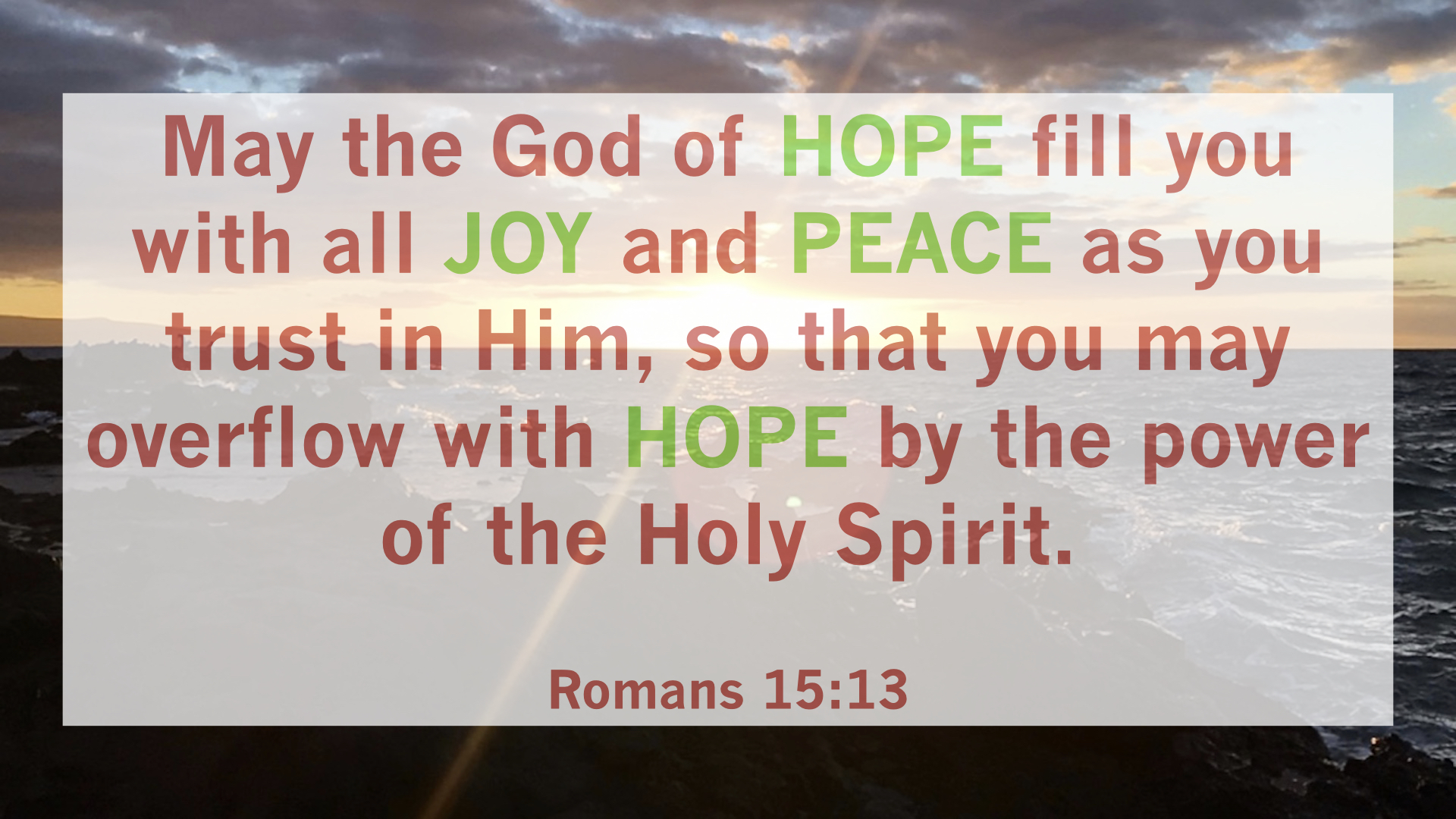
May the God of HOPE fill you with all JOY and PEACE as you trust in Him, so that you may overflow with HOPE by the power of the Holy Spirit. (Romans 15:13) 

Follow along with all four of the Advent attributes by clicking here. 

►► Would you please prayerfully consider supporting this ministry? My Patreon supporters get behind-the-scenes access to exclusive materials. ◀︎◀︎
What Can Your Pain Tell You?

Listen to the podcast of this post by clicking on the player below, and you can also subscribe on AppleSpotify, or Audible. 

Have you ever been trying to finish a DIY project and you’re getting frustrated because there’s one part you cannot seem to complete? Then you phone a friend. They come over, look at the situation, pull the perfect tool out of their toolbox, and quickly fix the problem. You are amazed and they think, “It’s no big deal. I just happened to have the right tool for the job and the skill to know how to use it.”  

We are all gifted, but in different ways. 

God has uniquely prepared you for the situations you will face in your life. David declared, “All the days ordained for me were written in Your book before one of them came to be” (Psalm 139:16). That tells me that your loving Creator knew the challenges and opportunities you would have, and He has already placed the perfect tool in your toolbox that you will need to excel in that moment. 

We have already talked about how your passion helps you discover your areas of giftedness. Finding out what thrills you and what fills you is one key step on this journey. There’s another aspect of this discovery process that at first seems almost the opposite, but I think they are actually two sides of the same coin. 

If passion is what thrills me, then pain is what kills me. I think a good word for this is zeal. In the biblical context, zeal would be anger at the things that keep people from experiencing all that God has for them—things that keep them from knowing the fullness of God’s glory. 

As Moses grew older, it killed him that the Jewish people were now enslaved by the Egyptians and kept from worshiping God in their own place (Exodus 2:11-12). 

(Check out all of the Scriptures in this post by clicking here.)

We see Moses’ zeal misapplied at first (I mean, he did commit a murder!). This about the differences between a river powerfully flowing within its banks, and a flood when the river overflows its banks. When we use our God-implanted zeal in ways that He hasn’t sanctioned, we make a mess like that flood. But when we use our zeal to glorify God, it is as powerful as a mighty river within its banks. 

We see perfect zeal in Jesus. We see Him cleansing the temple so all worshipers could come close to God (John 2:13-17). We see his anger over the religious rules that kept people trapped in their disease( Mark 3:1-5; Luke 13:10-16). 

If passion asks, “What is God passionate about that thrills my heart too?” then pain asks, “What breaks God’s heart that also breaks my heart?” or “What’s broken that I would love to fix?” 

Zeal moves us to action! 

When we move forward in our zeal, others may say we are meddling or we are sticking our nose in places where it shouldn’t be. But we simply cannot help ourselves. 

In Moses’ initial zeal—without God’s commission—he committed murder and then fled to the wilderness. 

Stephen says, “Moses was well educated in all the wisdom of the Egyptians and was powerful in speech and action” (Acts 7:22). The word Stephen uses for “educated” means Moses was fully trained to interact success with is culture. And he also says Moses was “powerful” in speech and action. 

So why does Moses say of himself that he is not “eloquent” and “slow of tongue” (Exodus 4:10)? Literally, Moses is saying, “I might make the same mistake that I made previously.” 

Moses looked back on his initial stumble and was fearful he may misfire again. He was comfortable staying in his restricted comfort zone, but this attitude made God angry (Exodus 4:10-12). 

Saul in his zeal for the rules and traditions of Judaism, persecuted the Christians. After he became a Christian, we see the same zeal—calling out Barnabas and Peter, and asking the Galatians who has bewitched them to stay entangled with meaningless traditions. 

We usually discover our giftedness by looking backward. The devil would love for us to see our previous missteps as disqualifications for future service. But God says that He can use all of these things for His glory (Romans 8:28). We have to surrender our fears to Him if we want to soar out of our comfort zone and into our comfort zone. 

Let me give you three things to consider:

  1. What do you find yourself praying about more than anything else? 
  2. What do you move toward that others ignore or move away from?  
  3. What topic do you talk about all the time?  

Here’s your homework: Think about the three things to consider regarding pain, and then consider where your passion circle and your pain circle may overlap. 

If you’ve missed any of the messages in our series Living In Your Gift Zone, you can find them all here. 

►► Would you please prayerfully consider supporting this ministry? My Patreon supporters get behind-the-scenes access to exclusive materials. ◀︎◀︎

Links & Quotes

When a teammate seems to choke in a pressure-packed situation, good coaches help them learn from their mistake and get right back into the game. This is how leaders help their teammates go from choke to clutch. Check out the full conversation Greg and I had about this.

I have lots of new content every week, which you can check out on my YouTube channel.

“Most of us who aspire to be tops in our fields don’t really consider the amount of work required to stay tops.” —Althea Gibson, tennis great

“There is only one way forward when vindication is delayed: total forgiveness. And I can give you a motivation to forgive totally greater than any other that could be conceived: you do it for an audience of One. Yes. That’s it. That is how you do it! Total forgiveness comes easily when you realize you are doing it for God and the glory of Jesus Christ!” —R.T. Kendall

More archeological evidence supporting the historicity of the Bible. Here are the top ten discoveries related to the Book of Jeremiah.

ICR reports: “Millions of years of erosion should have toppled all the beautiful sandstone arches out West, yet many hundreds remain.” But following the biblical timeline of Creation and the Flood makes it unsurprising that the arches are still standing.

Dr. Glenn Sunshine offers a beautiful, biblically-centric prayer for our nation, especially during this current election cycle.

“A coach is someone who can give correction without causing resentment.” —John Wooden

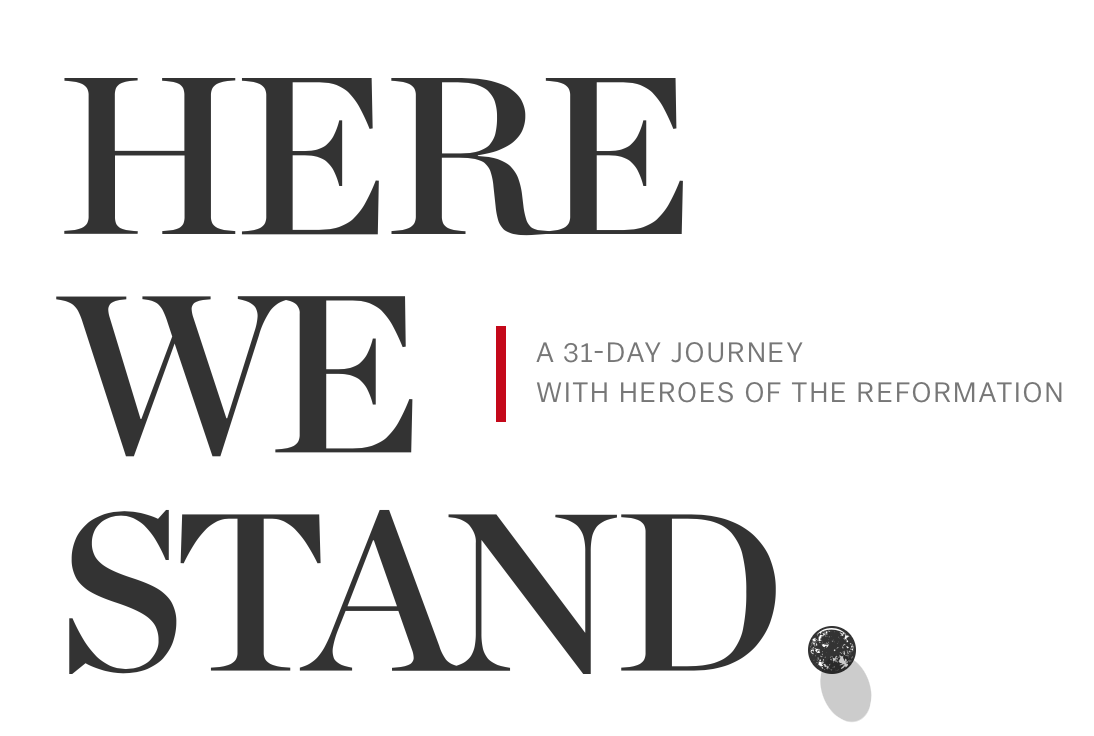
October is the month Protestants remember the start of the Reformation. The folks at Desiring God have a wonderful resource available by email every day during October called Here We Stand. Each day you will receive an email with a mini-biography of a key character in the Reformation. I am thoroughly enjoying these each day. Sign up here.

None of us are self-made. God created us on purpose and for a purpose. He gave us the gifts we need to accomplish that purpose. We will only find our fulfillment in life in stewarding those God-given gifts and opportunities in ways that glorify God. Not only fulfillment here, but then eternal satisfaction when we hear our Savior say, “Well done, good and faithful servant! Enter into your Master’s happiness!”

Empowered For Obedience

Listen to the podcast of this post by clicking on the player below, and you can also subscribe on AppleSpotify, or Audible. 

In the 40 days between His resurrection and His ascension, we read that Jesus was with His disciples “giving instructions through the Holy Spirit” (Acts 1:2). 

I think this word “instructions” in the NIV is too soft. The other translations say things like:

  • commandments (NKJV) 
  • orders (NASB & NET) 
  • instructed and commanded (AMPC) 

The Greek word Luke uses in Acts 1:2 is entellomai and it is a word that carries weight. Throughout the New Testament this word is used to identify…

  • …the words of God (Matthew 4:6, 15:4; Luke 4:10; Acts 13:47; Hebrews 9:20) 
  • …the words of Moses (Matthew 19:7; Mark 10:3; John 8:5) 
  • …the words of Jesus (Matthew 17:9, 28:20; Mark 11:6; John 14:31; 15:14, 17; Acts 1:2, 13:47) 
  • …the words of recognized leaders (Mark 13:34; Hebrews 11:22) 

(Check out all of the above Scriptures by clicking here.)

In the Septuagint (the Greek translation of the Old Testament) this word is used seven times. Five of these times link together the words “command” and “covenant” (Deuteronomy 4:13; Joshua 23:16; Judges 2:20; Psalm 111:9–10; Jeremiah 11:3–4). The other two times express God’s strong promise-keeping power that is awe-inspiring (Psalm 90:11, 91:11). 

In other words, these aren’t just any words, but they carry an awesome authority with them. These are binding commands. They are not merely wise counsel or suggestions for godly living. They are indispensable to the Christian life. 

Luke points out that Jesus gave these commands “through the Holy Spirit” because it is only through the Holy Spirit that you and I can understand them, apply them, and be empowered to obey them. 

Jesus uses the same word entellomai in the Great Commission (Matthew 28:20) as well as in Acts 1:2. Clearly, the Scripture is telling us that we are powerless to understand and powerless to obey without the Holy Spirit’s daily empowerment. Jesus would never give us commands that we were unable to carry out, which is why He gives us instructions through the Spirit, and then the Spirit gives us the power to joyfully obey those commands. 

Don’t ever think that you are on your own in trying to figure out what Jesus said, and how you are going to live it out.

I discuss the role of the Holy Spirit in a Christian’s life in much greater detail in my series called We Are: Pentecostal. 

►► Would you please prayerfully consider supporting this ministry? My Patreon supporters get behind-the-scenes access to exclusive materials. ◀︎◀︎
Getting Uncomfortable With Staying Comfortable

Listen to the podcast of this post by clicking on the player below, and you can also subscribe on AppleSpotify, or Audible. 

We as a Church are underperforming. How do I know this? Look at the way the world treats Christians; specifically, look at what’s NOT happening. 

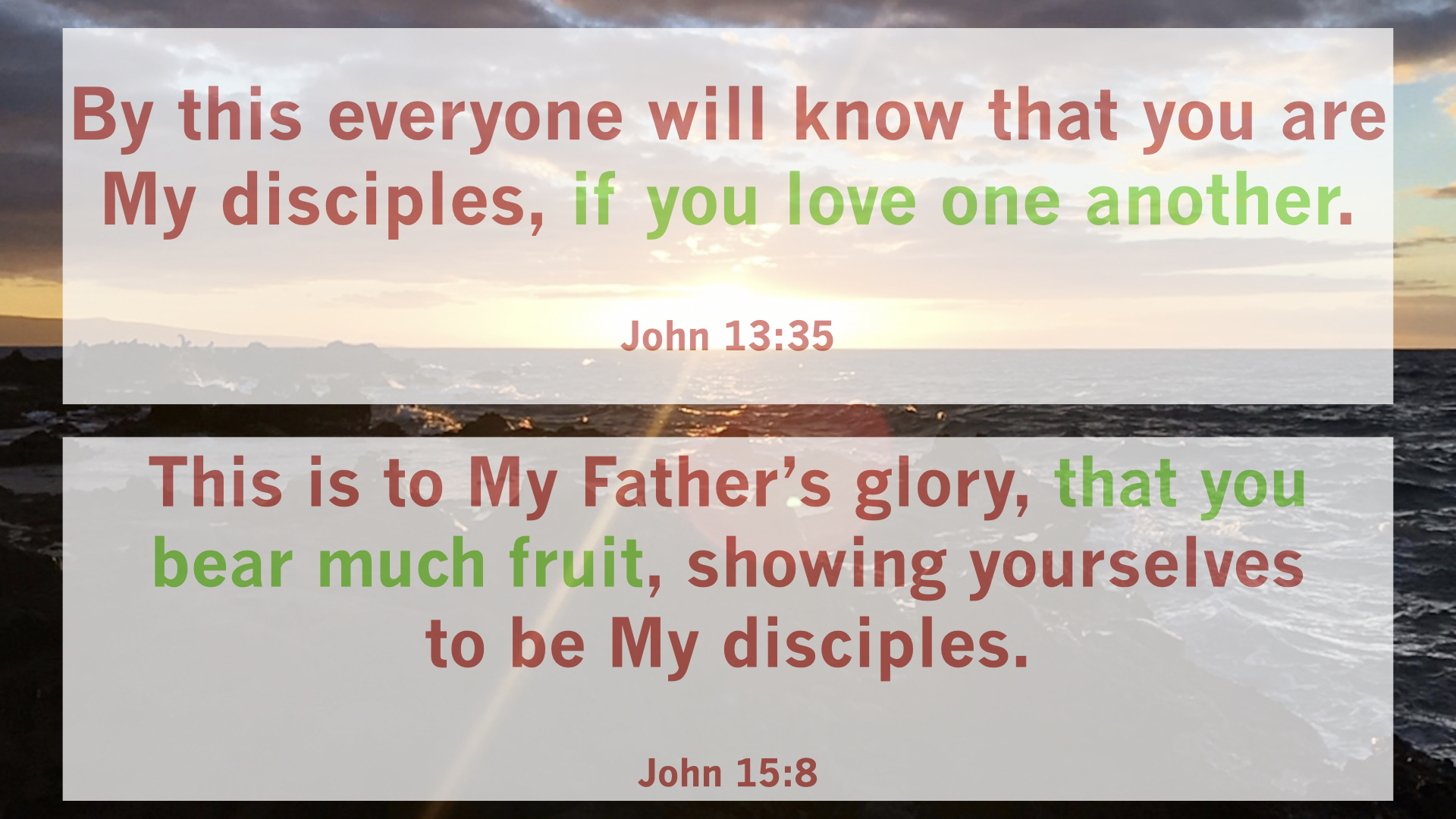
  • By this all will know that you are My disciples, if you have love for one another” (John 13:35). Jesus said this right after He served His disciples by washing their feet. Is this happening today: Do people know you are a Christian by the way you put your love into servant-hearted action, or do they just know what you are against? 
  • “Be prepared to give an answer to everyone who asks you to give the reason for the hope that you have” (1 Peter 3:15). When was the last time someone saw your hope-filled life in such contrast to everyone else’s response that they said, “How can I have what you have?” 

(Find all of the Scriptures I’ve used in this post by clicking here.)

Peter said our adversary prowls like a lion. He is perfectly willing to bide his time, picking the strategy that works best. One of his favorite strategies is lies—sometimes half-truths or out-of-context truths. 

…Woe to the earth and the sea, because the devil has gone down to you! He is filled with fury, because he knows that his time is short. … The dragon was enraged with the woman and went off to make war against the rest of her offspring—those who obey God’s commandments and hold to the testimony of Jesus (Revelation 12:12, 17). 

Lies are his native tongue. He lied to Adam and Eve right in the beginning (Genesis 3:1, 4-5), and he still lies now (Revelation 12:10). Jesus contrasted this with the truth that He came to proclaim (John 8:42-45). 

The devil has learned that with many people, outright attacks drive them TO God. We see this in the oldest book of the Bible (Job 1:6f, 20-22), and in modern times (churches were filled after the 9-11 terrorist attacks). 

What the devil would rather do is lie to you to keep you comfortable. In The Screwtape Letters, Screwtape implores Wormwood to keep his patient indifferent and comfortable. Indeed, we all have a comfort zone and we love to stay in it. 

King Saul went from 3000 men to 600 men, from a full armory to only two swords, from defeating the Ammonites to being hemmed in by the Philistines. King Saul was enjoying life as the king, hanging out with his friends, sitting under a pomegranate tree, far away from his enemies. Life was good for Saul, life was familiar and comfortable. Saul was living in his comfort zone. But the comfort zone is a lousy place to live. 

In the comfort zone you only tell stories, but never live an adventure. In the comfort zone, you only hear about what God has done for others, but you never experience Him move in miraculous ways for yourself. 

God has given us all gifts so that we can live as overcomers and bring Him glory, but we settle for living only in our comfort zone. Our comfort zones are always way smaller than our gift zones, and the devil is perfectly happy to see us stay there.

Moses was comfortable in the desert, but God sent him in His power (Exodus 3:11, 14). 

David was comfortable in the pasture, but God equipped him to lead a whole nation (2 Samuel 7:18; Psalm 78:70-71). 

Jeremiah was comfortable being an anonymous priest, but God gave him words to prophesy to a wayward nation (Jeremiah 1:4-8). 

Saul was comfortable as a Pharisee, but God sent him to tell the world the Jesus is the Messiah (Acts 8:3; 1 Timothy 1:16). 

What lies have kept you in your comfort zone? 

  • Maybe a parent said, “You’ll never amount to anything.” 
  • Maybe a teacher said, “You’re slow.” 
  • Maybe a classmate said, “You’re weird.” 
  • Maybe the devil said, “You cannot make a difference in the world.” 

You need to silence those lies with God’s truth: 

  • God created me on purpose and for a purpose—Psalm 139:13-17 
  • He has given me all the gifts I need to soar—2 Peter 1:3-4 
  • He wants to help me, if I will trust Him—Isaiah 41:10, 13-14 

Charles Spurgeon said, “The extent of power God can infuse into a person is immeasurable; when divine strength is granted, human weakness ceases to be a hindrance.” 

So, friends, it’s time to get uncomfortable with staying comfortable. It’s time to stretch and soar out of your comfort zone and into more of your gift zone! 

How do you discover your gifts? That’s what we are going to unpack in this series over the next few weeks, I hope you will continue to follow along. And you can catch up on anything you may have missed in our series called Living in Your Gift Zone by clicking here. 

►► Would you please prayerfully consider supporting this ministry? My Patreon supporters get behind-the-scenes access to exclusive materials. ◀︎◀︎

When Shepherds And Sheep Talk

Listen to the podcast of this post by clicking on the player below, and you can also subscribe on AppleSpotify, or Audible. 

In John 10:1-18, Jesus calls Himself the Good Shepherd, and He refers to those who follow Him as His sheep. 

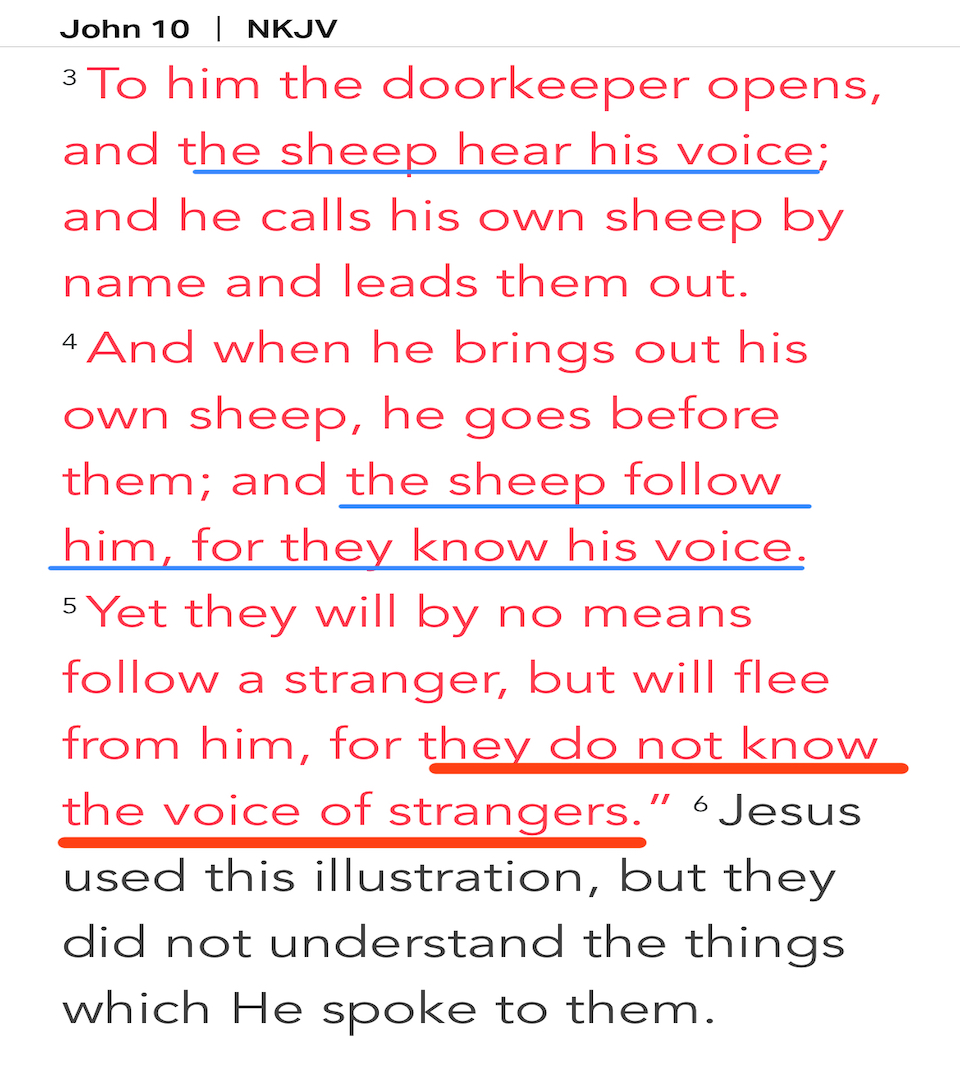
Anyone who has ever seen a shepherd interact with his sheep knows that the sheep are listening for their shepherd’s voice to give them direction, but they will ignore or run away from a stranger’s voice. 

(You may want to check out this video clip where I talk about how shepherds individualize their care for their sheep.)

This requires two-way communication. The shepherd must speak tenderly and convincingly, and the sheep must remain tuned in to their shepherd’s voice with an ear to follow. 

This requires proximity. The shepherd cannot speak from a distance without raising his voice, and sheep will never be attracted to someone who yells at them. 

This requires consistency. The shepherd needs to continually speak life-giving words, and the sheep need to consistently obey the shepherd’s words in order to reap the benefits. 

This requires discernment. The sheep have to be able to know the difference between their shepherd’s voice and a stranger’s voice. The shepherd needs to speak “words of eternal life” (see John 6:68-69). 

This requires patience. A shepherd’s directions really “get through” the first time, so the message needs to be patiently, lovingly, and creatively repeated. 

This requires abiding. The shepherd needs to show himself trustworthy, and the sheep need to show themselves faithful in their abiding with their shepherd. 

Jesus is the good and perfect Shepherd. There is no one else to whom I should be trusting, abiding with, listening to, and obeying. 

The Good Shepherd will call some of His sheep to serve as His under-shepherds for other sheep. Those under-shepherds bring the Good Shepherd glory by shepherding just as Jesus models for them. 

When shepherds and sheep remain in constant communication, there is a vitality and maturity that is readily apparent. And when the communication breaks down, the health of the sheep quickly deteriorates. 

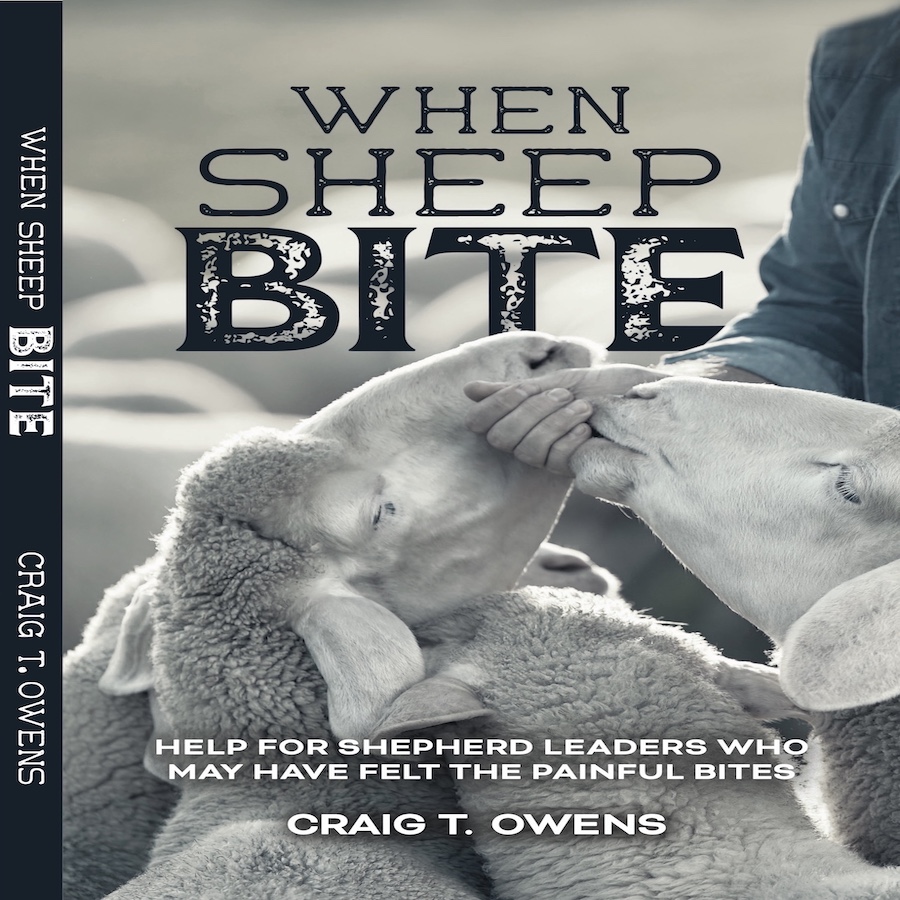
If you have been called to be an under-shepherd, please check out my books Shepherd Leadership and When Sheep Bite that will give you practical, biblical guidelines for you to thrive in this beautiful ministry. 

►► Would you please prayerfully consider supporting this ministry? My Patreon supporters get behind-the-scenes access to exclusive materials. ◀︎◀︎
The Hour, The Power, And The Procedure

Listen to the podcast of this post by clicking on the player below, and you can also subscribe on AppleSpotify, or Audible. 

If you’re going through a dark time in your life right now, I’ve got a word of encouragement for you. Well, actually three words of encouragement!

Check out this episode of The Podcast. 

Here are the Scriptures I reference in this video—John 13:1-5, 18:4-11; Matthew 26:51-54; John 17:11-12; Psalm 23:4 

You may also want to check out a couple of related blog posts:

My book When Sheep Bite is for pastors who are going through challenging times in their ministries.

►► Would you please prayerfully consider supporting this ministry? My Patreon supporters get behind-the-scenes access to exclusive materials. ◀︎◀︎
Oh, The Silliness!

Listen to the podcast of this post by clicking on the player below, and you can also subscribe on AppleSpotify, or Audible. 

Jesus had just been taken from the high priest Caiaphas to the praetorium where the Roman governor Pontius Pilate presided. And then I read one of the most ridiculous statements in this whole crucifixion scenario. 

In order for you to grasp the full impact of this outrageous request, let me take you back in time a few hours. 

Jesus was arrested by the temple guards without there being any formal charges filed against Him. He was taken to the home of the former high priest for an off-the-record interview to attempt to get Jesus to stumble in something He said so that they would have official charges to lodge against Him. 

The Sanhedrin was then convened in the middle of the night. Witnesses were brought in not really to testify as to what they saw or heard, but because the Sanhedrin was “looking for evidence” (Mark 14:55). In the meantime, the Sanhedrin asked Jesus to answer non-existent charges without having any legal representation of His own. They even resorted to physical violence to try to coerce Him to say something incriminating. 

The Sanhedrin eventually reached a non-unanimous decision, without any corroborating testimony, to ask Pilate for the death sentence. 

Now here comes the silly statement—“Then the Jewish leaders took Jesus from Caiaphas to the palace of the Roman governor. By now it was early morning, and to avoid ceremonial uncleanness they did not enter the palace, because they wanted to be able to eat the Passover” (John 18:28). 

To avoid ceremonial uncleanness?! 

In their blind fury and rabid self-righteousness, these men broke both mosaic law and their own rules of order. Doing things like: 

  • not securing charges first before arresting Jesus 
  • physically abusing Jesus without a conviction or even a proper trial 
  • meeting at night instead of during the day 
  • not calling in witnesses one at a time 
  • not getting corroborating testimony from two or three witnesses 
  • not allowing Jesus to have a legal advocate 
  • not getting a unanimous guilty decision before asking for the death sentence 

(Check out these passages to read all about the actions of the Sanhedrin on this night.)

After all that, they’re concerned about being ceremonially clean for the Passover? Oh, the silliness! 

Then I began to wonder: Am I guilty of this same folly? 

Do I keep my own set of rules? Do I justify bending God’s rules because of what I think are special circumstances? Am I self-righteous? Do I really think that I can do things the way that I want to do them and that God will put His stamp of approval on that?  

Isn’t it far better to simply follow God’s ways, to listen to the Holy Spirit speaking to my conscience, and then to repent if I begin to deviate from the truth? 

I need to always deal with my own self-righteousness first—to take care of the plank in my own eye before I point out the speck in someone else’s eye. Or else, I am being just as silly as those religious leaders were! 

You may also be interested in these related blog posts: 

►► Would you please prayerfully consider supporting this ministry? My Patreon supporters get behind-the-scenes access to exclusive materials. ◀︎◀︎
Don’t Take Advice From Armchair Quarterbacks

Listen to the podcast of this post by clicking on the player below, and you can also subscribe on AppleSpotify, or Audible. 

There are some know-it-alls who want to tell pastoral leaders how they should have done things differently. Much like the “armchair quarterbacks” that seem to know all the right calls a team should make, even though they have virtually no experience. 

Pastor, pay very little attention to those armchair quarterbacks that would speak into your life!

Check out this short clip from my time on the Leading From Alignment podcast.

To put the quote that Jim shared from When Sheep Bite into context, here is the full passage—

     Jesus is our perfect example of a Shepherd Leader. His example was to lay it all on the line, regardless of how the sheep were behaving or misbehaving: “I am the Good Shepherd. The Good Shepherd lays down His life for the sheep” (John 10:11). By contrast, Jesus warns us that those who are not willing to put their lives on the line for the sheep are worse than armchair pastors—Jesus calls them mere hired hands: “The hired hand is not the shepherd and does not own the sheep. So when he sees the wolf coming, he abandons the sheep and runs away. Then the wolf attacks the flock and scatters it. The man runs away because he is a hired hand and cares nothing for the sheep” (John 10:12-13). 

     If I am called to be a shepherd leader, attacks will come from both sheep and wolves. It’s what I do in those hard times that shows whether I am truly called or merely acting as an armchair shepherd. 

Please check out both When Sheep Bite and Shepherd Leadership. And get in touch with me if you would like someone to talk to. 

You can check out the full conversation I had with John Opalewski and Jim Wiegand on their Leading From Alignment podcast here.

►► Would you please prayerfully consider supporting this ministry? My Patreon supporters get behind-the-scenes access to exclusive materials. ◀︎◀︎

The Serenity Prayer

Listen to the podcast of this post by clicking on the player below, and you can also subscribe on AppleSpotify, or Audible. 

I am a big fan of Alcoholics Anonymous (AA). They are founded on biblical principles. I would paraphrase two of the most important ones as: (1) We need a Savior to set us free and (2) We need friends to lean on. James 5:16 says this as succinctly as any verse: “Therefore confess your sins to each other and pray for each other so that you may be healed. The prayer of a righteous person is powerful and effective.” 

(Check out all of the Scriptures in this blog post by clicking here.) 

AA says: “Often times, a person with substance use disorder may have a need for control that can prevent them from achieving peace of mind. They may feel frustrated that they cannot control the actions of other people and turn to substances like alcohol to control their feelings, even though the control that alcohol provides is a farce. The Serenity Prayer is a gentle reminder that letting go and accepting a loss of control can help put an end to the substance abuse cycle.” 

In light of our series called Is That in the Bible? let’s ask, is the serenity prayer in the Bible. 

No, it’s not, but still there are some very important principles we shouldn’t miss from this prayer. 

The full prayer is—

God grant me the serenity to accept the things I cannot change; courage to change the things I can; and wisdom to know the difference. 
Living one day at a time; enjoying one moment at a time; accepting hardships as the pathway to peace;
Taking, as He did, this sinful world as it is, not as I would have it; trusting that He will make all things right if I surrender to His will;
That I may be reasonably happy in this life and supremely happy with Him forever and ever in the next. Amen.


Should Christians pray a prayer like this? Biblically, there is nothing wrong with Christians praying prayers that have been written by men or women, provided that they don’t contradict the words God has spoken to us. 

Remember James 5:16 that we looked at earlier? The Personalized Promise Bible has a prayer for that verse: 

If I have stumbled in any way, I do not need to fret over it—I can rest in full confidence that the Lord loves me and forgives all of my shortcomings. I also know that sin is a hindrance to my healing. Therefore, if there is any sin in my life I repent of it. I confess my sins to trusted brothers and sisters in Christ, gaining strength and praying in agreement with them so that I will be healed. 

And then they cross-reference about 10 more biblical passages that support this prayer—Psalm 103:1-5; Isaiah 53:4-5; 1 Peter 2:24; Matthew 9:22, 29; 18:19, 20; Mark 11:22-26; 16:18; Hebrews 12:1-3; Galatians 6:1-2. 

In a similar fashion, I see several passages of Scripture that are woven into the serenity prayer. 

“God grant me the serenity to accept the things I cannot change; courage to change the things I can; and wisdom to know the difference.” Proverbs 1:2-3 describes the help God’s wisdom gives us for daily living. 

“Living one day at a time; enjoying one moment at a time.” Jesus taught us to pray each day for our daily bread (Matthew 6:8, 11). 

“Accepting hardships as the pathway to peace.” Jesus also taught us to pray, “Your will be done on earth as it is in Heaven” (Matthew 6:10), and He also prayed a very similar prayer Himself when He was in the Garden of Gethsemane, “Yet not as I will, but as You will” (Matthew 26:39). 

“Taking, as He did, this sinful world as it is, not as I would have it; trusting that He will make all things right if I surrender to His will.” Jesus promised us both trouble in this world and His overcoming power to stand strong in that trouble (John 16:33). 

“That I may be reasonably happy in this life and supremely happy with Him forever and ever in the next. Amen.” Jesus promises eternal rewards that vastly outweigh the trouble we may face in this life (Luke 12:32; Matthew 25:21, 34). 

The bottom line: The Bible is not just a Book to read through but a Book to pray through. ALL Scripture is for ALL servants of God. ALL Scripture is applicable to ALL the circumstances we will ever face in life.  

If something like the serenity prayer—or any other man-made prayer—is based on Scripture and helps give voice to your prayers, use them! But use them as guides to help you begin to form your own prayers from biblical passages you are reading for yourself.

Check out some of the other topics we have covered in this Is That in the Bible? series here.  

►► Would you please prayerfully consider supporting this ministry? My Patreon supporters get behind-the-scenes access to exclusive materials. ◀︎◀︎