The Lion And The Lamb

Listen to the podcast of this post by clicking on the player below, and you can also subscribe on AppleSpotify, or Audible. Check out the video content in this post by clicking here. 
As we rejoin our series asking, “Is that in the Bible?” we have come to statement #16—The lion will lay down with the lamb. 

Is that in the Bible? No! 

You may be surprised by that because it is one of those phrases repeated so often that people assume it has to be in the Scripture. Even those who don’t have a religious persuasion for their life still accept this phrase as meaning world peace, where former adversaries now live together in harmony.  
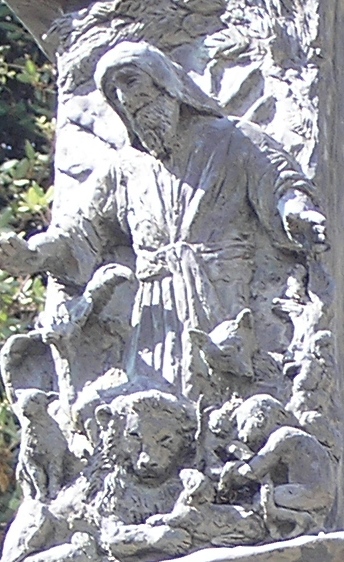
There are some verses in the prophesies of Isaiah from which this phrase may have originated, like Isaiah 11:6. On the 8th anniversary of the modern independence of the nation of Israel (in April 1956), the British parliament presented a bronze Menorah to the Israeli Knesset. Benno Elkan designed this beautiful piece, modeled after the lampstand in the Holy Place of the Temple. On one of the branches, Benno portrays the prophet Isaiah, and at his feet are images of a lion, a wolf, a lamb, and a small child. 

(Check out all of the Scriptures in this post by clicking here.)

But in the images on this menorah, based on so many Kingdom-anticipating passages throughout the Old Testament, is the hope for which we long. Peace is coming. It is peace purchased by the Prince of Peace and it is a peace that only He can establish and maintain. 

To see the peace that will exist in God’s kingdom, we must look back to the beginning of Time. The Book of Isaiah has been called “the Bible within the Bible.” Partly because it is near the middle of the Bible, but partly because its 66 chapters (like the 66 books of the Bible) trace the perfection of God that was marred by sin, the ravages of sin, the redemption that comes only through the Messiah, and His eternal kingdom of peace that is for all who put their faith in Jesus. So today I want us to look at the first book of the Bible, the “Bible within the Bible,” and the last book of the Bible. 

God created perfection in the Earth. Part of His plan included man and animals as herbivores (Genesis 1:29-30). At least one of God’s animals could talk (Genesis 3:1). Given the fact that neither Adam nor Eve were distressed by a talking snake, perhaps there was a way for man and animals to navigate their differences. 

This encounter with the devil led to sin, which also opened the door for further pain and hardship—self-awareness that brought embarrassment, pain in childbirth, difficulty farming the land, and removal from the Garden of Eden (3:16-19). 

Sin continued to ravage (Genesis 6:6). At the time of the Flood, it appears men and animals were still herbivores (vv. 20-21), but that changes after the Flood (9:1-6). 

Sin ravages and destroys and enslaves people in their ungodly passions. God does forgive, but many times the consequences of sin still remain—as we witness in our world today. 

Remember that after Adam and Eve sinned, they were aware of their nakedness. Their attempt to cover themselves was with what they had dominion over: fig leaves (Genesis 3:7). The very first animal sacrifice was performed by God Himself—an innocent calf or lamb had to shed its blood so that God could cover the shame of sin (v. 21). 

Sinful man tries to copy what God did without calling on God Himself, and God sees it for what it is: a sham (Isaiah 65:1-7; Revelation 7:9-10). 

Only Jesus can bridge the gulf between sinful man and righteous God (Isaiah 11:1-9; Revelation 5:1-6; 11-13). 

“[Jesus] endured death as a lamb; He devoured it as a lion.” —Augustine

(see John 1:29; Revelation 1:18)

We get a small glimpse of the eternal kingdom during the Millennial Reign (Isaiah 65:17-25), but the eternal kingdom is the Reality for the saints of God forever (Isaiah 35:8-10; Revelation 21:1-8, 22:1-5)! 
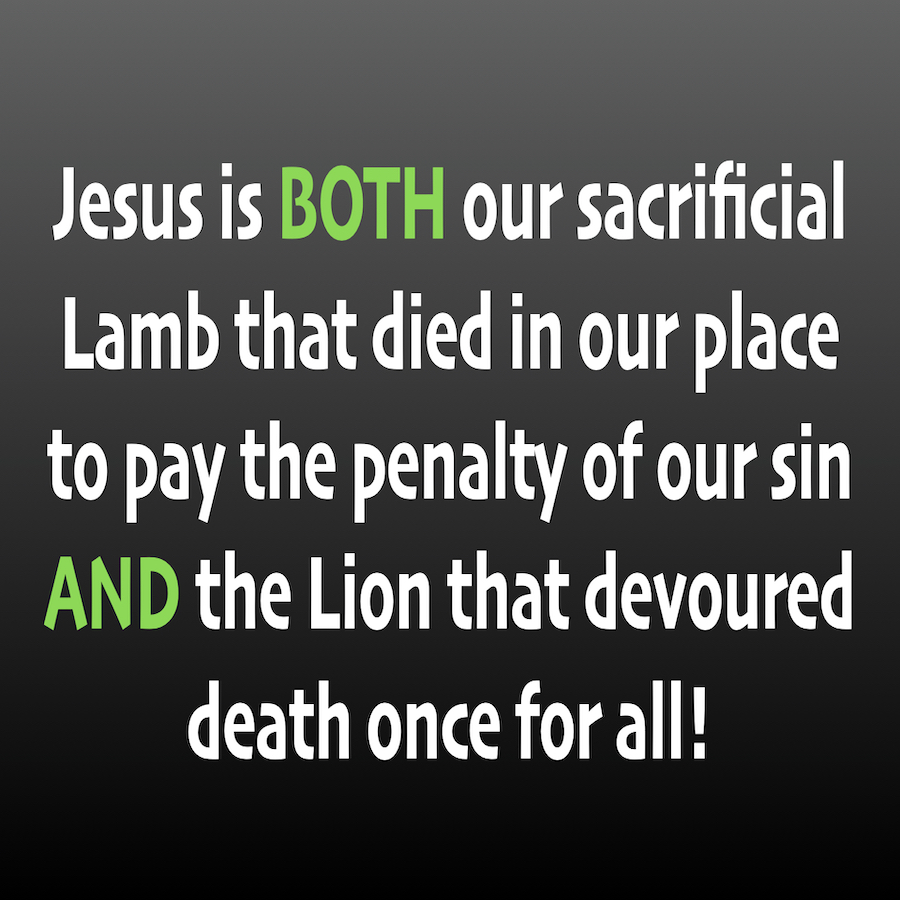
The next time you hear someone long for the day when “the lion will lay down with the lamb,” remind them that the Lion and the Lamb are one in the same. Jesus is BOTH our sacrificial Lamb that died in our place to pay the penalty of our sin AND He is the Lion that devoured death once for all! 

There is an eternal Kingdom where peace and joy and wholeness are indescribable and unending. But we only get into this Kingdom by the blood of the Lamb and the power of the Lion! 

Check out the previous statement we have discussed in this series by clicking here. 

►► Would you please prayerfully consider supporting this ministry? My Patreon supporters get behind-the-scenes access to exclusive materials. ◀︎◀︎
Jesus Is Prince Of Peace

Listen to the podcast of this post by clicking on the player below, and you can also subscribe on AppleSpotify, or Audible. 

I opened an email this week and clicked on the link to login in to my auto and homeowner’s insurance account, and I was greeted on their website with this message, “Peace of mind is the best gift you can give yourself this season.” And I said to myself, “How perfect, because we are looking at the next prophesied name for Jesus which was given before He was born in Bethlehem: Prince of Peace.”   

Except there’s a huge problem here. Did you see it in that website message? “The best gift you can give yourself.” Quite frankly: I cannot give myself peace! Colossians 1:21 says, “Once you were alienated from God and were enemies in your minds because of your evil behavior.” All of us have sinned and are hopelessly destined for eternal punishment (Romans 3:23, 6:23a). 

(Check out all of the Scriptures in this post by clicking here.)

Thankfully, Romans 6:23 goes on to say “the gift of God is eternal life in Christ Jesus our Lord.” This is what the fourth prophesied title of Jesus foretells (Isaiah 9:6-7). 

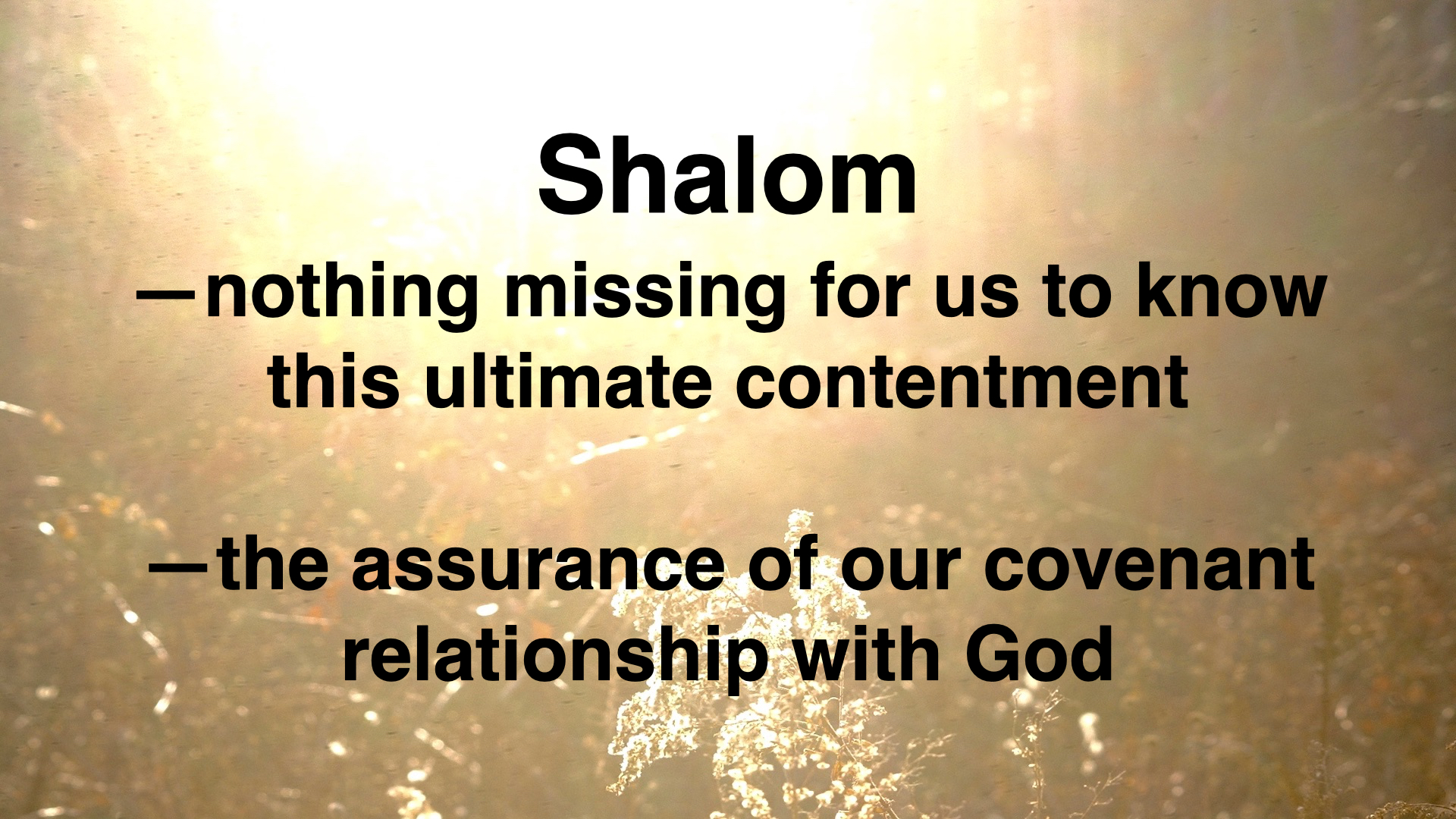
Prince means a Ruler or Overseer. Peace is the Hebrew word shalom which means completeness, soundness, and contentment. Some have described shalom as there being nothing missing for us to know this ultimate contentment. Many call this the assurance of our covenant relationship with God. 

Isaiah uses the word shalom quite a bit, but he uses it here in chapter 9 for the first time in the Book of Isaiah. 

Zechariah saw the covenant as being fulfilled before Jesus the Messiah was born. Noticed the past tense words that culminate in light and peace in Luke 1:67-79. Zechariah concludes his prophetic word by noticing two profound transitions: 

  • Darkness (Isaiah 8:21-22; 59:2, 7-10) → Light (Isaiah 9:2; 59:16-17)
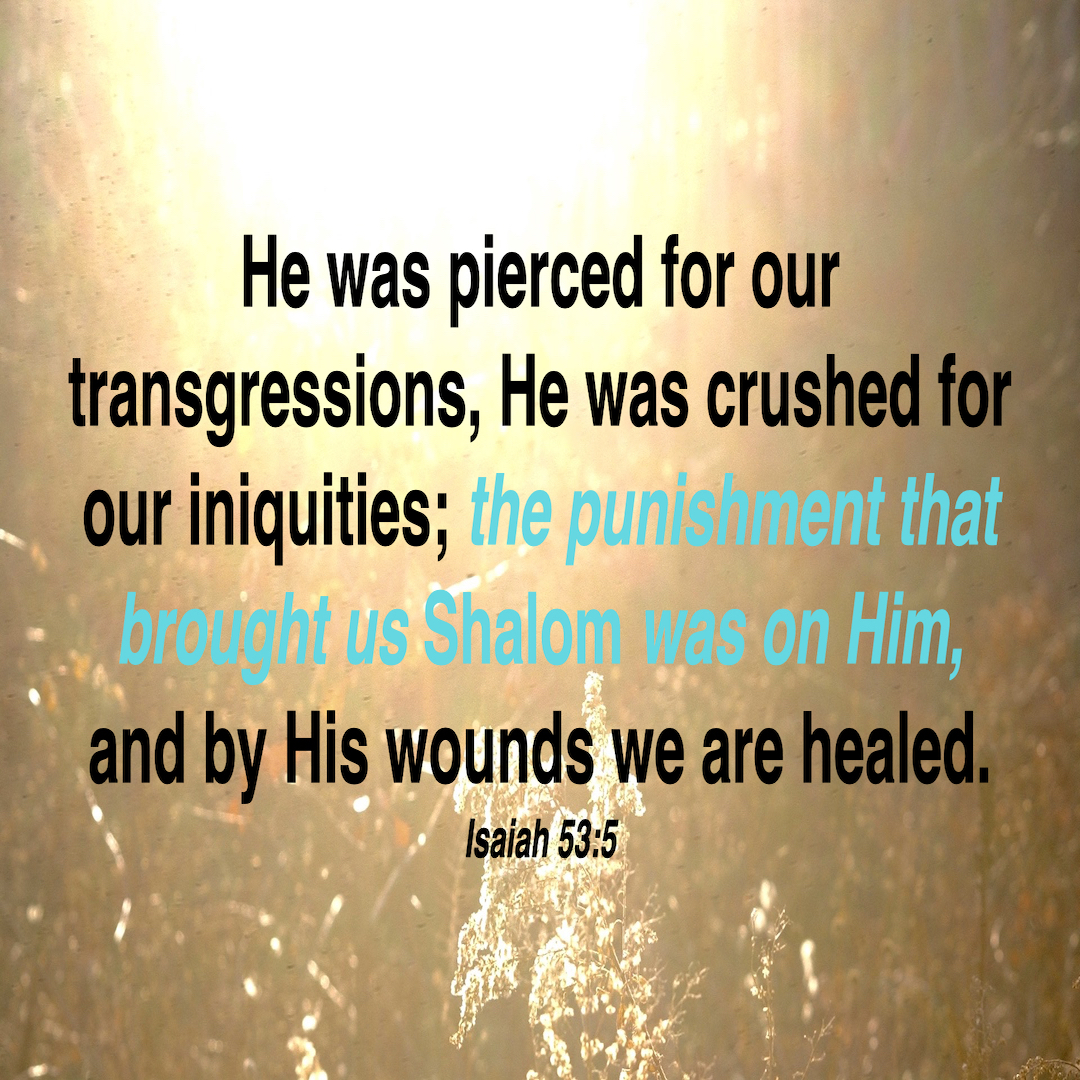
  • HostilityPeace (Luke 2:25, 38; Isaiah 40:1-2; Isaiah 53:5; Colossians 1:15-22; Luke 2:29)

The First Advent of Jesus made peace with God possible for us (Luke 2:8-14; Hebrews 2:14-15).  

Now we can live in peace (Isaiah 26:3, 12; John 16:33) and we can announce “peace on earth” to others (John 20:21; Romans 10:15). 

The Second Advent of Jesus will reveal His unending peace that gives us eternal life in Him (Isaiah 52:7-10; Genesis 3:22; Revelation 22:14). 

We have the peace of God because of the Prince of Peace! And we have the message of peace to share with those who don’t know the Prince of Peace. I pray that this Advent season we will messengers of peace to all those who are living in darkness and hostility. 

If you’ve missed any of the other messages in this series, you can find them all here. 

►► Would you please prayerfully consider supporting this ministry? My Patreon supporters get behind-the-scenes access to exclusive materials. ◀︎◀︎
Christ’s Advents Bring Peace

Listen to the podcast of this post by clicking on the player below, and you can also subscribe on AppleSpotify, or Audible. 

We lit the candle of Hope last week and today we light the candle of Peace.  As we saw, hope is what allows us to experience peace and joy: “May the God of hope fill you with all joy and peace as you trust in Him, so that you may overflow with hope by the power of the Holy Spirit” (Romans 15:13). 

(You can read all of the Scriptures I reference in this post by clicking here.)

But notice the phrase “as you trust in Him” in that verse. Peace doesn’t come just because we want it to, but it only comes as we trust in the One called the Prince of Peace. 

Light drives out darkness and exposes sin, and often people don’t like it (John 1:9-11). In fact, Jesus Himself said that He was first coming with a sword to do battle against all of the things that rob us of lasting peace (Matthew 10:34). 

Oswald Chambers described it this way, “The coming of Jesus Christ is not a peaceful thing; it is overwhelmingly and frantically disturbing, because the first thing He does is to destroy every peace that is not based on a personal relationship to Himself.” 

Peace is only possible when the war is over. Modern-day diplomats use a phrase “sue for peace,” but this can only be done when one side admits defeat. God is at war with sin and He only gives peace to those who throw up their hands in total surrender to Him (Isaiah 57:14-21).  

Jesus said He was the Light of the world and the only way to peace with the Father. The apostle Paul elaborates on that idea—

Remember that at that time you were separate from Christ, excluded from citizenship in Israel and foreigners to the covenants of the promise, without hope and without God in the world. But now in Christ Jesus you who once were far away have been brought near by the blood of Christ. For He Himself is our peace, who has made the two groups one and has destroyed the barrier, the dividing wall of hostility, by setting aside in His flesh the law with its commands and regulations. His purpose was to create in Himself one new humanity out of the two, thus making peace, and in one body to reconcile both of them to God through the Cross, by which He put to death their hostility. He came and preached peace to you who were far away and peace to those who were near. For through Him we both have access to the Father by one Spirit. Consequently, you are no longer foreigners and strangers, but fellow citizens with God’s people and also members of His household. (Ephesians 2:12-19) 

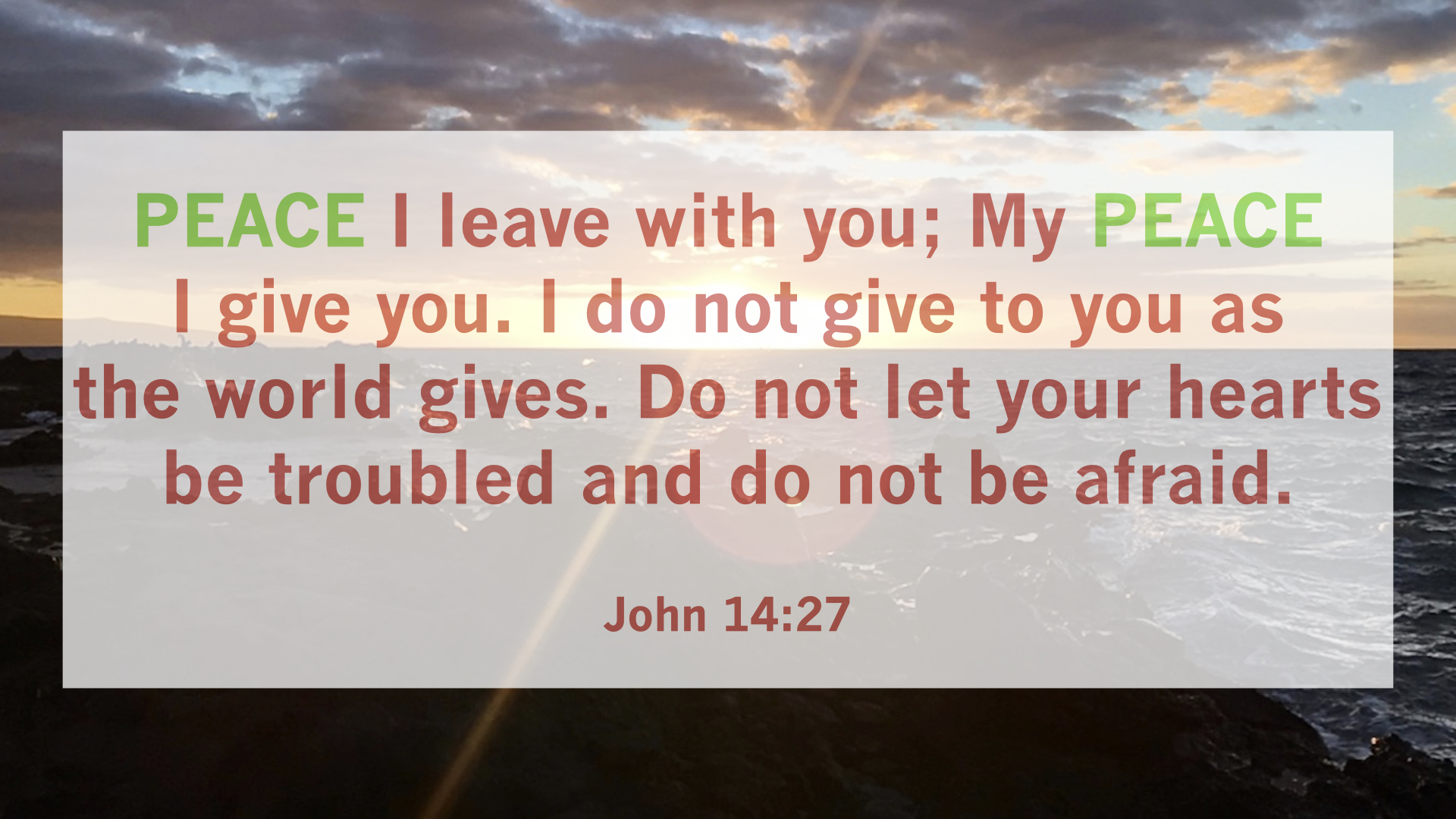
That’s what Jesus provided for us at His First Advent. Now, as we live between the Advents of Jesus, we can expect to have trouble in the world, but never peacelessness (John 14:27, 16:33). 

The Messiah’s peace will:

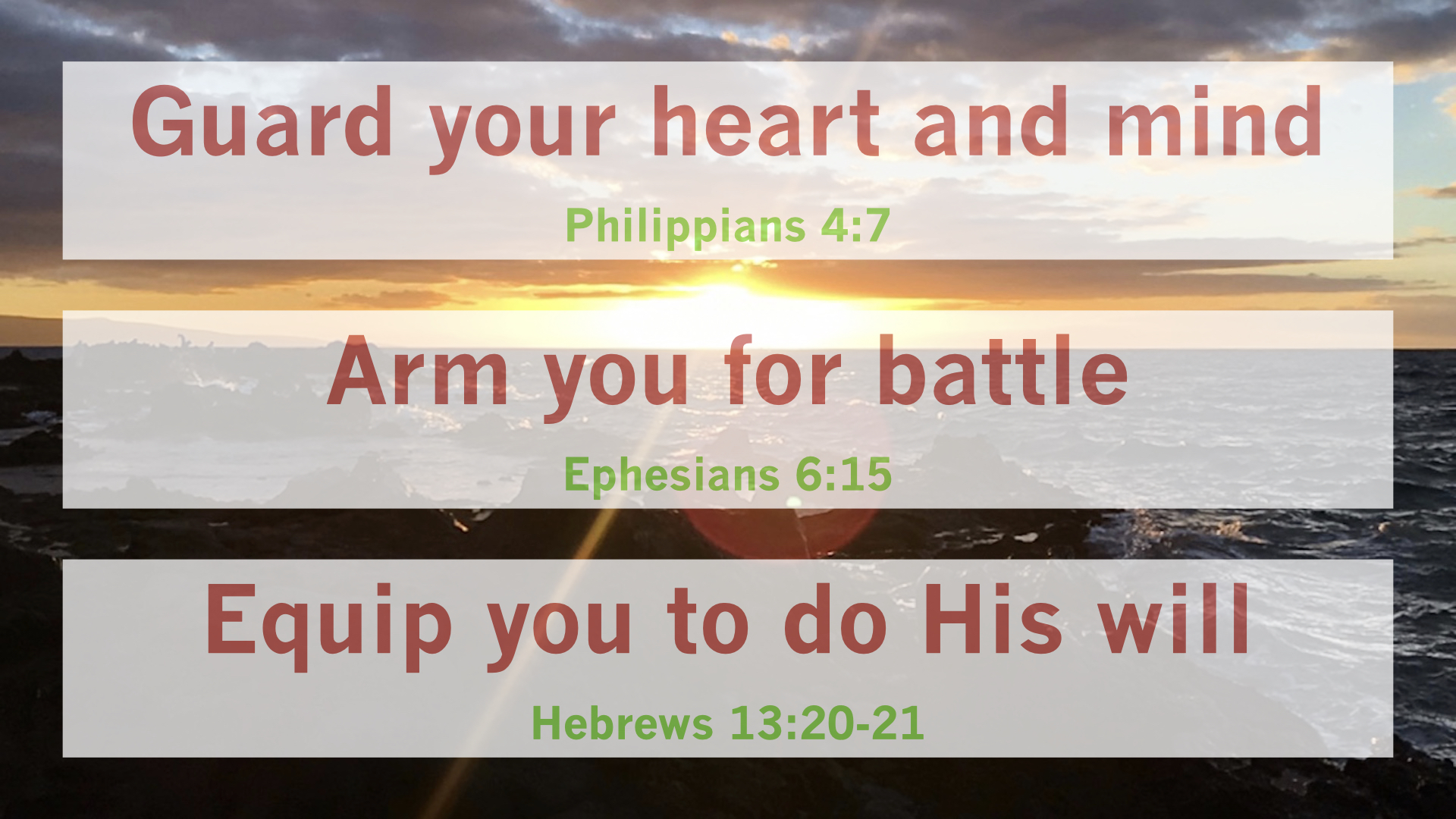
  • Guard your heart and mind—Philippians 4:7 
  • Arm your for battle against the enemy—Ephesians 6:15 
  • Equip you to do His will—Hebrews 13:20-21  

As our hearts are guarded, we are prepared to stand firm in spiritual battle, and we are equipped to do God’s will, we can live in peace concerning Christ’s Second Advent. 

Jesus will appear again to fulfill one of the first promises made about the peace He would bring. God told satan that Jesus would crush his head, and then Paul tells us, “The God of peace will soon crush satan under your feet” (Genesis 3:15, Romans 16:20)! 

So we have no fear of Death or Hell because the Prince of Peace has forever defeated those things for those who “trust in Him” (Revelation 20:10, 14; 21:1-5). 

The bottom line:

  • No Jesus = no peace
  • Know Jesus = know peace 

If you’ve missed any of the other messages in our Advent series, you can find them all here. 

►► Would you please prayerfully consider supporting this ministry? My Patreon supporters get behind-the-scenes access to exclusive materials. ◀︎◀︎
The Prince Of Peace

Listen to the podcast of this post by clicking on the player below, and you can also subscribe on AppleSpotify, or Audible. 

Last week we saw the dark times in which Micah lived as he prophesied the advent of the Messiah. Israel was both surrounded by enemies as well as lots of practices within their borders that were heartbreaking to God. Many times, our lives can feel the same way: enemies of God all around us and our own turmoil and doubts inside our hearts and minds.      

In this dark, hopeless time, the Messiah came as our Great Shepherd. Take a look at what this Shepherd brings us:

He will stand and shepherd His flock in the strength of the Lord, in the majesty of the name of the Lord His God. And they will live securely, for then His greatness will reach to the ends of the Earth. And He will be their peace. (Micah 5:4-5)

We see this idea of Jesus our Great Shepherd bringing peace to our hearts in the New Testament as well: 

May the God of peace, who through the blood of the eternal covenant brought back from the dead our Lord Jesus, that Great Shepherd of the sheep, equip you with everything good for doing His will, and may He work in us what is pleasing to Him, through Jesus Christ, to Whom be glory for ever and ever. Amen. (Hebrews 13:20-21) 

This peace is also implied in Psalm 23:1 when David wrote, “The Lord is my Shepherd, I shall not be in want.” That phrase “I shall not be in want” really captures the definition of peace. 

The Hebrew word for peace is shalom. An easy-to-remember definition of shalom is “nothing lost, nothing missing.” Our Great Shepherd makes sure nothing is lost or missing that would cause us anxiety or doubt, so we can have total peace—we can have shalom!

Jesus said the devil’s agenda was for everything to be lost or missing—“the thief comes only to steal and kill and destroy”—but our Great Shepherd’s agenda is for there to be nothing lost or missing—“I have come that they may have life, and have it to the full” (John 10:10). 

Isaiah, who was prophesying at the same time as Micah, sounded a similar note:

Therefore the Lord Himself will give you a sign: The virgin will conceive and give birth to a Son, and will call Him Immanuel. … And He will be called Wonderful Counselor, Mighty God, Everlasting Father, Prince of Peace. (Isaiah 7:14, 9:6) 

When this Great Shepherd was born in Bethlehem, the shepherds in the field were the first to hear the good news. Notice what the angels announced: “Glory to God in the highest heaven, and on earth peace to those on whom His favor rests” (Luke 2:14). 

Who has God’s favor? Those with faith in Him: “Without faith it is impossible to please God” (Hebrews 11:6). So those with faith in God have God’s favor. 

Faith in what? In all that Jesus purchased for us by His blood shed on the Cross: “Therefore, since we have been justified through faith, we have peace with God through our Lord Jesus Christ” (Romans 5:1). 

Check this out: The root word of shalom is a word that means, “It is finished.” These are the exact same words our Price of Peace announced from the Cross! Jesus finished the work that brings us peace from the turmoil and anxiety of sin! 

Faith comes from believing that God has made the promise of peace, that God has fulfilled the promise of peace through Jesus, and that God is bringing us to His eternal peace. So now our lives of peace in a world of turmoil can serve as a testimony to others. 

Jesus called His followers to be peacemakers (Matthew 5:9) but we cannot do this while we are experiencing anxiety or doubts. To be peacemakers we must be full of peace because of our relationship with the Prince of Peace, who has ensured that nothing is lost and nothing is missing! 

If you feel anxious, remember that Bethlehem is your proof that the Prince of Peace has come to remove doubts, anxiety, fear, and inner turmoil. Let every pang of anxiety be immediately a call to run to the Prince of Peace. He has paid an incalculable price to purchase your peace, so don’t leave this gift unopened and unused. A dark, anxious world is looking for peace. Know the author of shalom so that you can introduce others to this Prince of Peace. 

If you’ve missed any of the message in this series, please check them out by clicking here. 

►► Would you please prayerfully consider supporting this ministry? My Patreon supporters get behind-the-scenes access to exclusive materials. ◀︎◀︎
X-ing Out Anxiety

Two brothers—one a doctor and one a pastor—addressed the prevalence of anxiety in our culture. They wrote, “A recent survey of primary care physicians in the United States revealed that at least one-third of office visits were prompted by some form of anxiety.” 

Anxiety can negatively impact our relationships, our ability to think creatively, our physical health, and even our relationship with God. Thankfully, one of the titles given to Jesus is The Prince of Peace. 

Join us for this freeing series called X-ing Out Anxiety, where we will be learning what God’s Word says about getting free from the anxiety that is robbing us of life, and replacing that anxiety with His peace. Please join me either in-person or online at Calvary Assembly of God.

If you have missed any of the messages in this series, check them out here:

Poetry Saturday—Peace

Listen to the podcast of this post by clicking on the player below, and you can also subscribe on Apple or Spotify.

Sweet Peace, where dost thou dwell? I humbly crave,
                                           Let me once know.
             I sought thee in a secret cave,
             And ask’d, if Peace were there.
A hollow winde did seem to answer, No:
                                           Go seek elsewhere.

I did; and going did a rainbow note:
                                           Surely, thought I,
             This is the lace of Peaces coat:
             I will search out the matter.
But while I lookt, the clouds immediately
                                           Did break and scatter.

Then went I to a garden, and did spy
                                           A gallant flower,
             The Crown Imperiall: sure, said I,
             Peace at the root must dwell.
But when I digg’d, I saw a worm devoure
                                           What show’d so well.

At length I met a rev’rend good old man,
                                           Whom when of Peace
             I did demand, he thus began:
             There was a Prince of old
At Salem dwelt, who liv’d with good increase
                                           Of flock and fold.

He sweetly liv’d; yet sweetnesse did not save
                                           His life from foes.
       But after death out of his grave
              There sprang twelve stalks of wheat:
Which many wondring at, got some of those
                                           To plant and set.

It prosper’d strangely, and did soon disperse
                                           Through all the earth:
        For they that taste it do rehearse,
             That vertue lies therein,
A secret vertue bringing peace and mirth
                                           By flight of sinne.

Take of this grain, which in my garden grows,
                                           And grows for you;
        Make bread of it: and that repose
             And peace, which ev’ry where
With so much earnestnesse you do pursue,
                                           Is onely there. —George Herbert **spelling is 1663 English**

►► Would you please prayerfully consider supporting this ministry? ◀︎◀︎