Zechariah and Haggai are both very specific in the dating of their prophetic activity. We can also cross-reference their dates with the historical books of Ezra and Nehemiah, and with numerous other extra-biblical sources.
[0:58] Our empowerment comes from facing our fears.
[1:35] How does fear paralyze a leader?
[2:14] One fear leaders need to address in themselves and others: The fear of dropping the ball.
[3:00] Leaders need to be aware that confidence can ebb and flow.
[3:50] How we lead through fear.
[4:27] Transparency in a leader empowers the team to greatness. On the other hand, blaming is a defense mechanism that disempowers the team.
[5:49] Greg shares how we lead by example and with transparency.
[7:25] I address the fear that blocks leaders from giving authority to others.
[8:15] Greg suggests we switch our mindset from fear to learning opportunities.
[9:21] I share a Little League lesson that served me well into adulthood.
[10:50] How Greg and I help coach people through their fears.
[11:34] What other fears to leaders face?
[12:50] Creating a culture of safety helps our teammates confront their fears.
[14:03] How can leaders encourage people who are trapped by their fears?
[15:41] Leaders have to go first. I said, “Sometimes bravery is just going one step farther than you went before.”
[16:50] Greg shares a brave moment in his adoption process.
[18:18] We need to assess the gifts that others on our team possess.
[19:20] Greg unpacks a great quote about bravery.
[20:03] I share about the moment when I think bravery begins.
Check out this episode and subscribe on YouTube so you can watch all of the upcoming episodes. You can also listen to our podcast on Spotify and Apple.
Listen to the podcast of this post by clicking on the player below, and you can also subscribe on Apple, Spotify, or Audible.
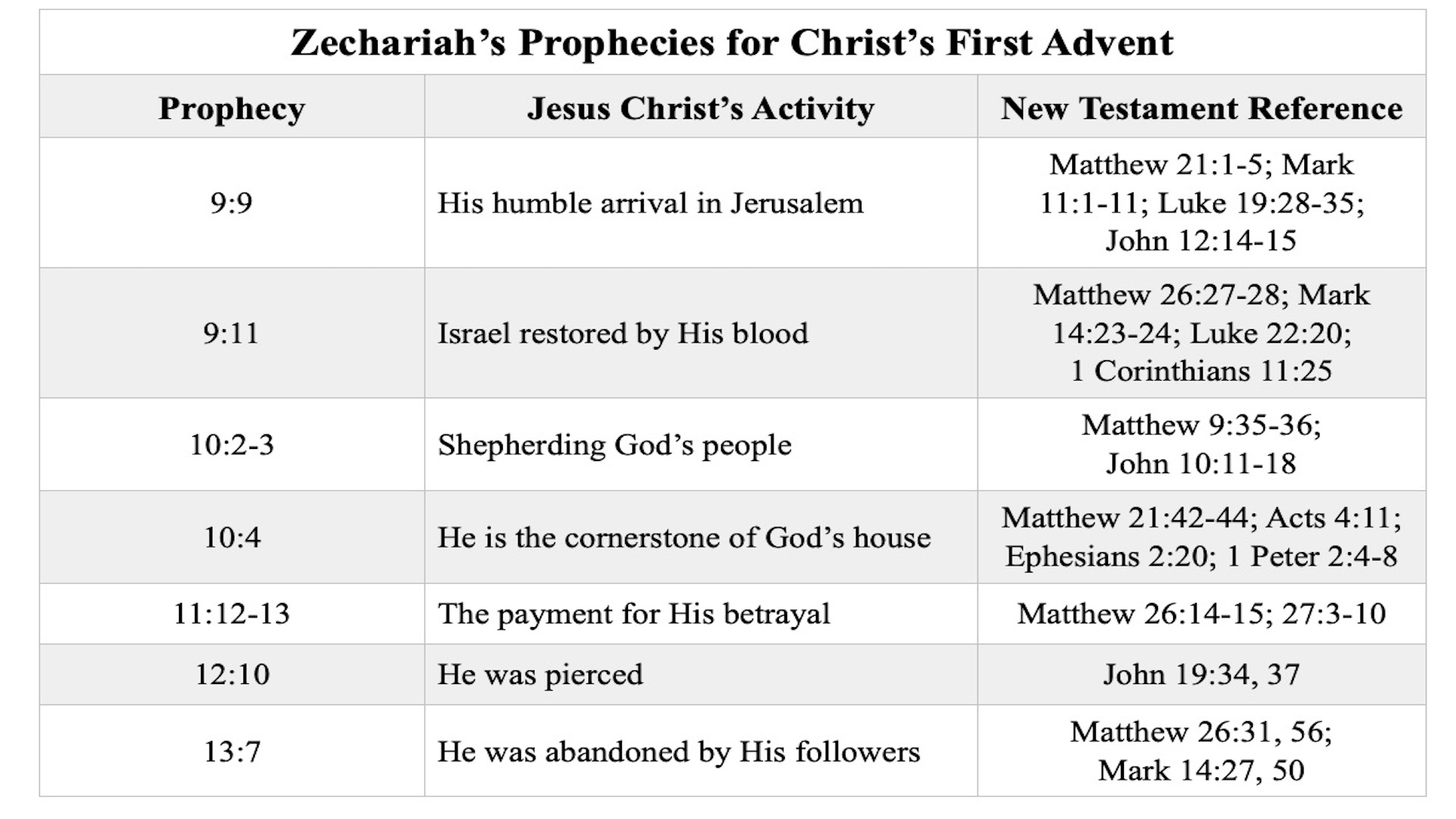
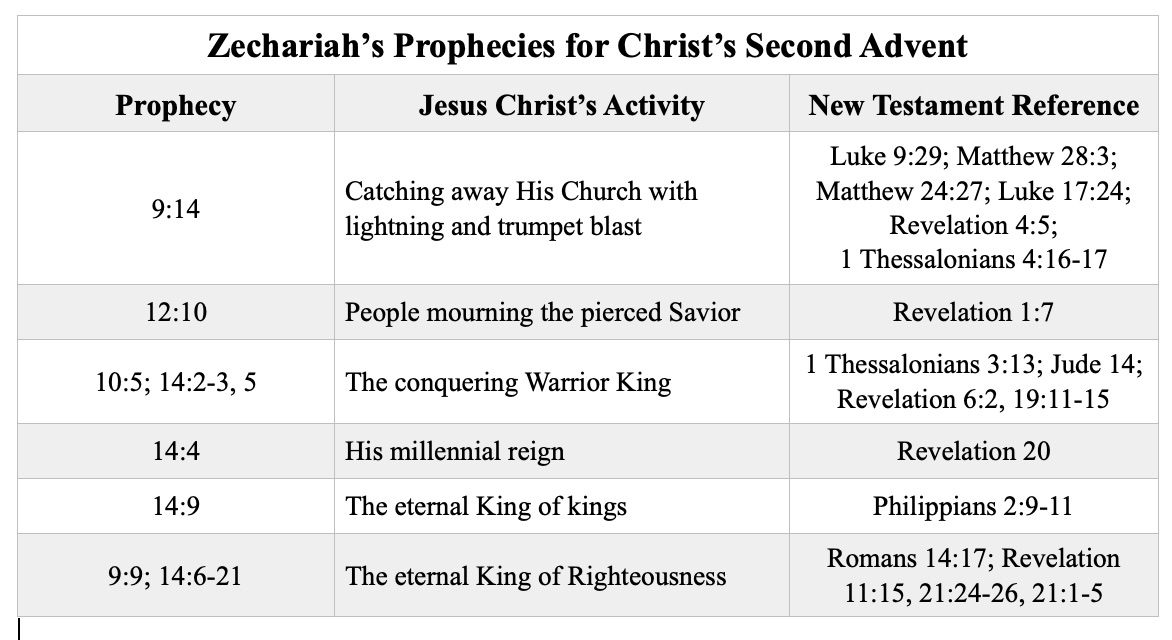
Zechariah pronounces more messianic prophecies than any other biblical writer, with the exception of Isaiah (and he wrote 66 chapters!). These prophecies are fulfilled in Christ’s First Advent, and promised for His Second Advent. Check these out for yourself…
(All of the biblical references for the above chart can be viewed by clicking here.)
(All of the biblical references for the above chart can be viewed by clicking here.)
Why is it so vital that Jesus fulfilled these prophecies?
(1) The historicity of these fulfilled prophecies gives us a confidence for the future.
These fulfilled prophecies assure us that God is sovereign over all history. There are no accidents, and God needs no help from anyone else in fulfilling what He has promised. As a result, no world event—no matter how big it may seem—should be able to rattle us!
(2) The authenticity of what God has done gives us boldness for today.
When God does the miraculous, He authenticates His Word. This authenticity has always made God’s people stand out (see Genesis 41:39). It’s also why people recognized Jesus as the divine Son of God (John 3:2; 9:30-33). So we can live with the boldness to know that what God says He will do, He will do!
(3) The exclusivity of God’s promises and fulfillment of those promises gives us joy for our testimony.
Only Jesus could have done all of this (Luke 24:26-27, 44), so only Jesus can fulfill what is still remaining to be fulfilled! We can have supreme joy in knowing that only Jesus is our hope of salvation (John 14:6; Acts 4:12).
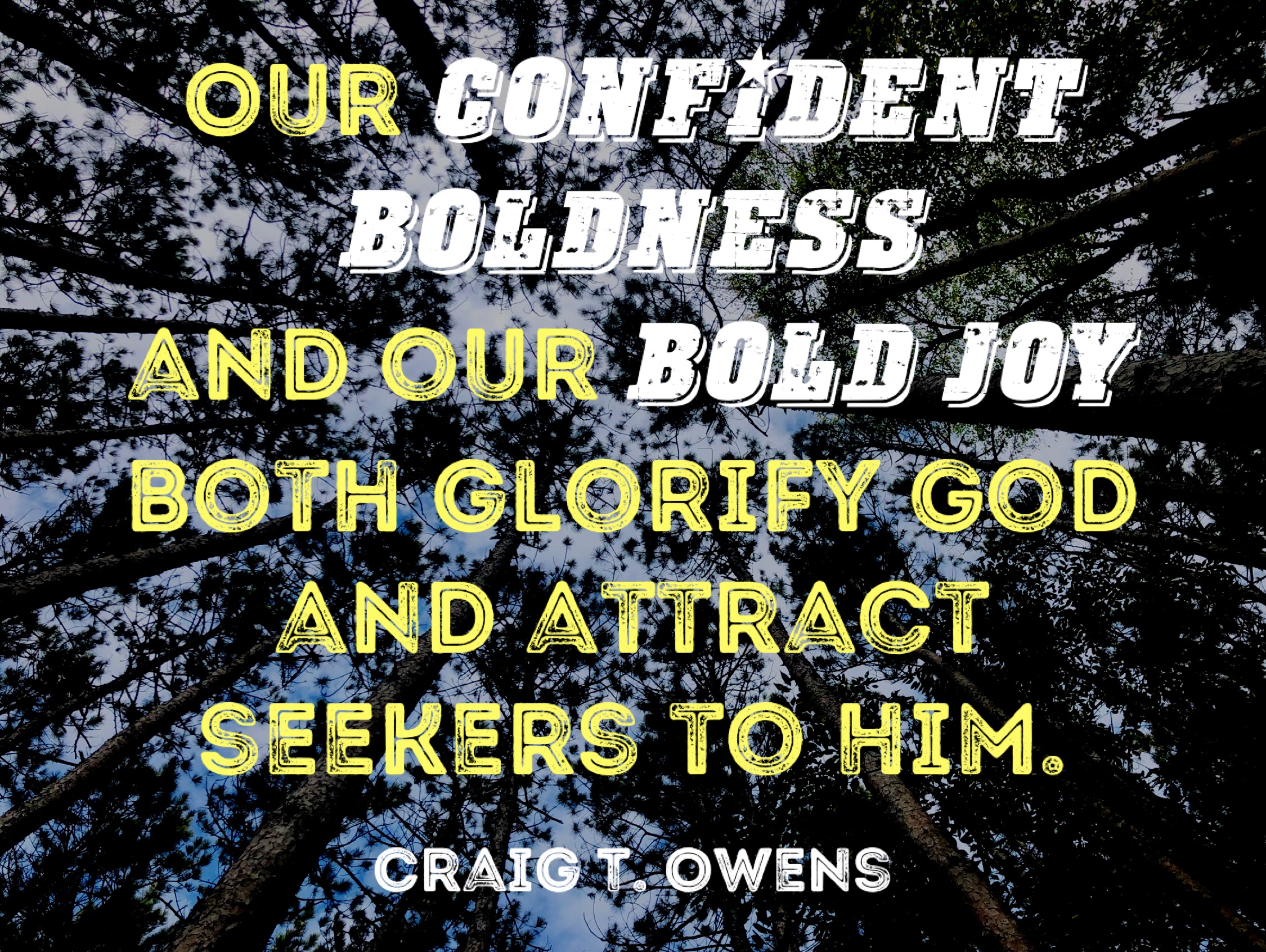
It’s vital that we know this is true so that we can live confident, bold, and joyful!Our confident boldness and our bold joy both glorify God and attract seekers to Him.
This is a weekly series with things I’m reading and pondering from Charles Spurgeon. You can read the original seed thought here, or type “Thursdays With Spurgeon” in the search box to read more entries.
Listen to the podcast of this post by clicking on the player below, and you can also subscribe on iTunes or Spotify.
Keep Moving Forward
For we walk by faith, not by sight. (2 Corinthians 5:7)
God does not say to us, ‘This is the way,’ and then stop. He says, ‘This is the way, walk in it.’ We are always to be making advances. We are to be going from faith in its beginnings to faith in its perfections, from faith to assurance, from assurance to full assurance. And from there, we are to go to the full assurance of hope to the full assurance of understanding, always forward, waxing stronger and stronger. …
The Christian’s motto is ‘Upward and onward.’ Not as though he has already obtained, either is already perfect, he presses forward to the mark for the prize of his high calling in Christ Jesus. …
Can you perform the common activities of the household and the daily duties that fall to your lot in the spirit of faith? This is what the apostle means. He does not speak about running or jumping or fighting, but about walking—and he means to tell you that the ordinary life of a Christian is different from the life of another man—that he has learned to introduce faith into everything he does.
From Faith Versus Sight
I have a t-shirt that says on the front, “Keep moving forward.” But the back of the t-shirt has the real-life challenge: “Crawling is acceptable. Falling is acceptable. Puking is acceptable. Crying is acceptable. Pain is acceptable. Quitting is not!”
How true!
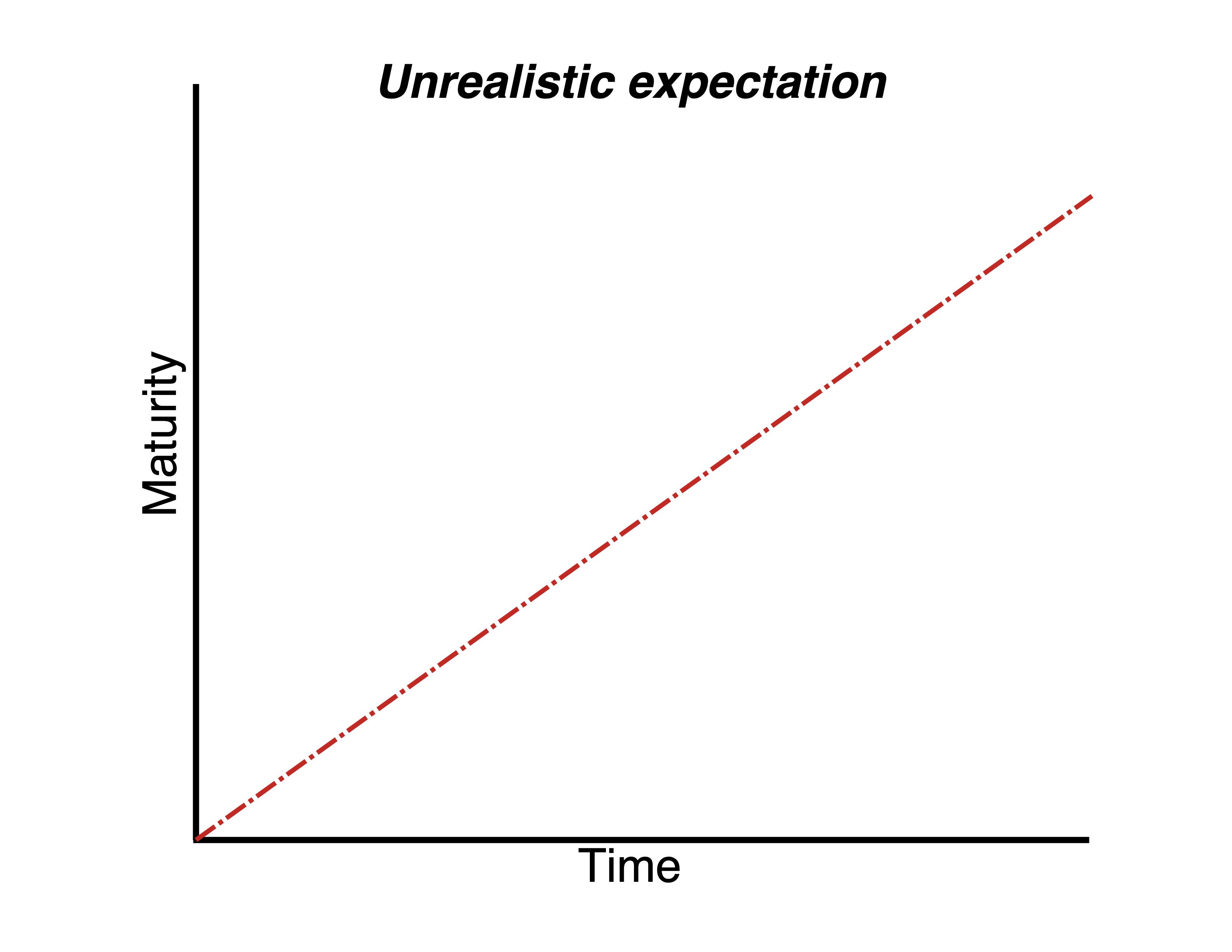
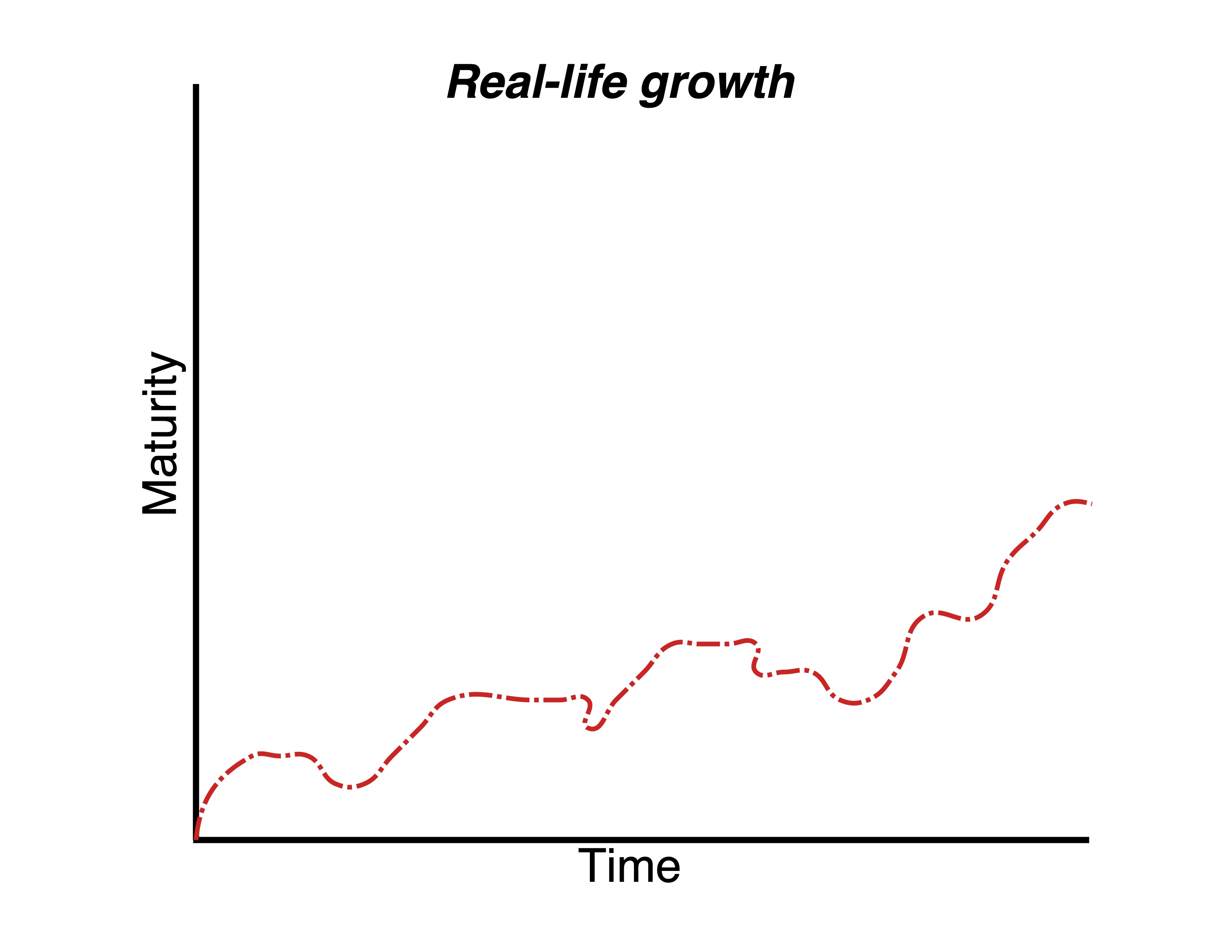
I think the problem for many Christians is that they have an unrealistic expectation of growth. Somehow we’ve come to believe that our Christian growth is a constant upward trajectory to maturity, and that if there are ever any stumbles along the way, that means we’ve blown it. (By the way, Oswald Chambers has some helpful thoughts on our stair-step growth.)
But Paul tells us, “We walk”: We keep moving forward. That doesn’t mean there aren’t times of stumbling, or a plateau, or even a pause to catch our breath. Paul tells us that an important aspect of our walk is that we forget what’s behind us and we keep moving forward—keep walking—keep going.
Every single day, let us say along with Paul, “I don’t mean to say that I have already achieved these things or that I have already reached perfection. But I press on to possess that perfection for which Christ Jesus first possessed me. No, dear brothers and sisters, I have not achieved it, but I focus on this one thing: Forgetting the past and looking forward to what lies ahead, I press on to reach the end of the race and receive the heavenly prize for which God, through Christ Jesus, is calling us” (Philippians 3:12-14 NLT).
My friend, keep moving forward in faith, believing that the Holy Spirit is with you—maturing you, strengthening you—on every single step on your Christian walk.
Listen to the podcast of this post by clicking on the player below, and you can also subscribe on Apple, Spotify, or Audible.
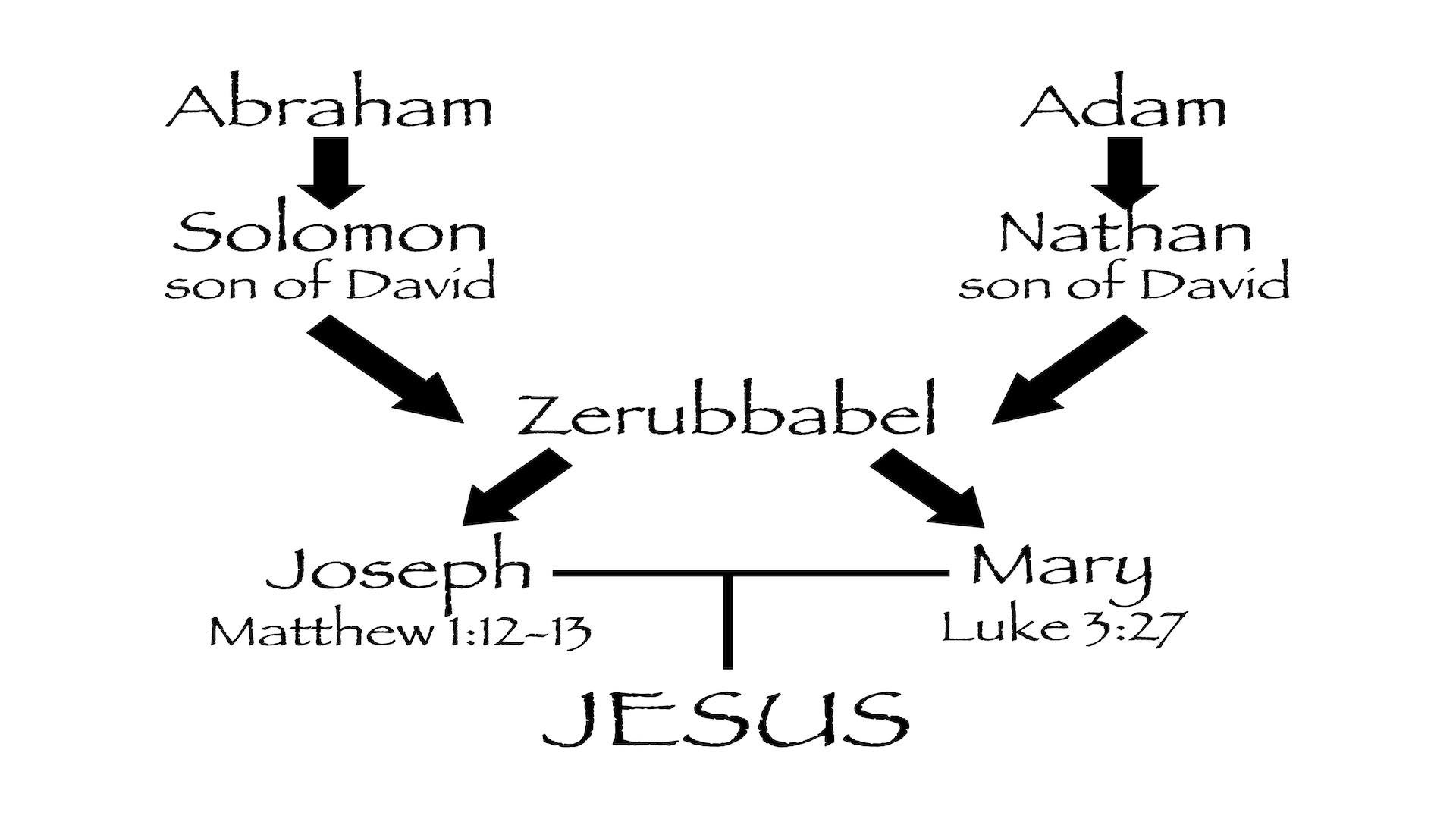
God foretells that He will make governor Zerubbabel “like My signet ring.” This means that Zerubbabel would have God’s supreme authority—he could speak for God.
How could this happen? Zerubbabel couldn’t do it himself, but God sovereignly placed him in the family lines of both Joseph and Mary. This family lineage of Jesus Christ carried BOTH the covenant-fulfilling, kingly authority that traced back to Abraham AND the satan-crushing promise given to Adam’s human line.
Jesus joined these two promises through Zerubbabel the signet ring. Jesus became God’s Ultimate Signet Ring so that now every promise is “Yes” in Him. This mens every time we pray and claim promises in God’s Word, Jesus adds His stamp of authority—His “Amen!”—to our prayers (see 2 Corionthians 1:20).
Many pastors limit their leadership effectiveness by clinging to either confidence or humility. The better option—and one that Jesus Himself demonstrated for us—is to be both confident and humble.
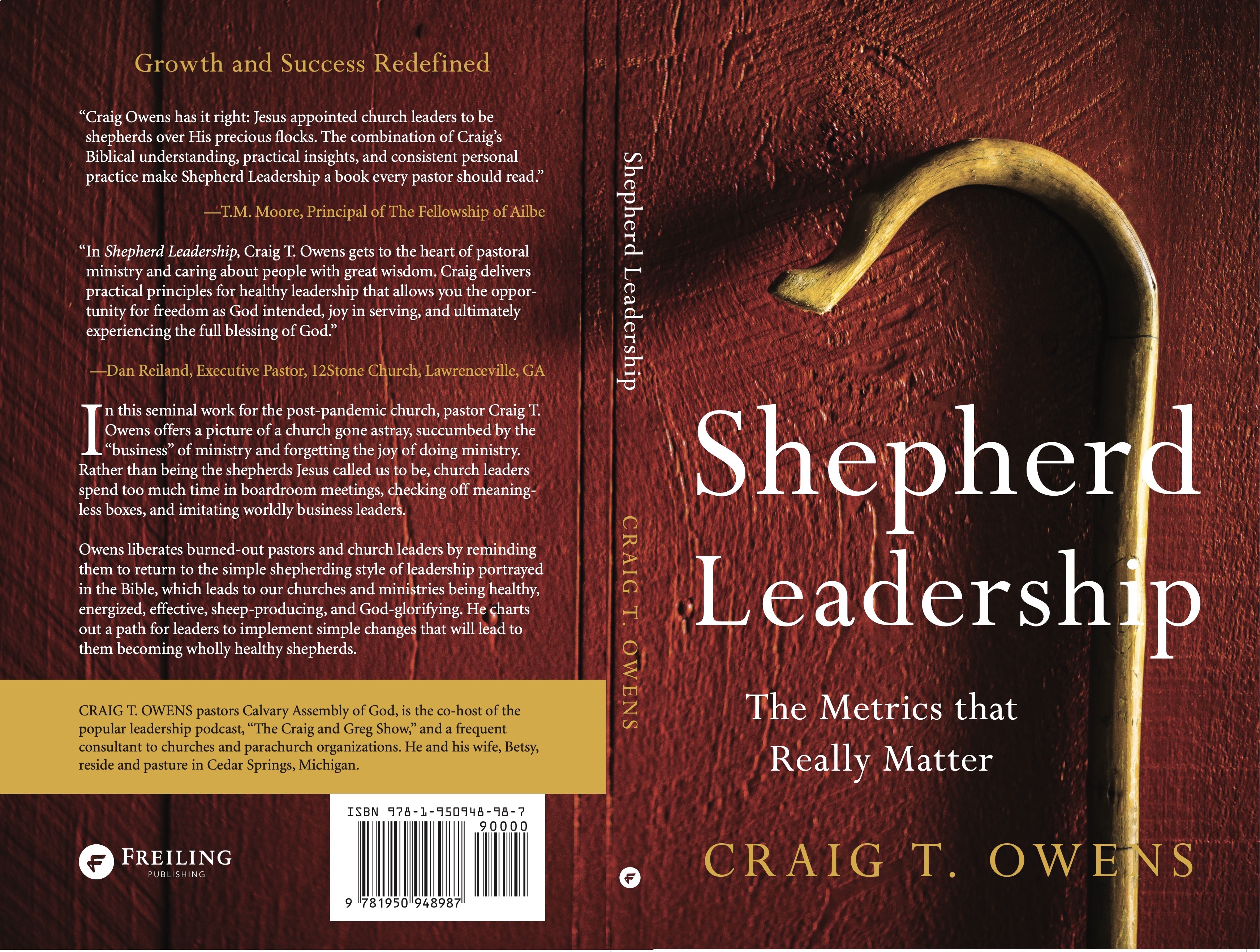
I unpack this idea in my book Shepherd Leadership: The Metrics That Really Matter. It’s available in print, ebook, and audiobook.
Listen to the podcast of this post by clicking on the player below, and you can also subscribe on Apple, Spotify, or Audible.
Zechariah is the longest book of the minor prophets. His ministry overlaps Haggai the prophet, Ezra the priest, Zerubbabel the governor, and Joshua the high priest. I point all of this out because we need to always keep in mind that the Bible isn’t a collection of stories. It’s a verifiable (or falsifiable) record of real people at real moments in history. Many of the stories in the Bible confirm and even amplify each other.
Stand assured, encouraged, and unmovable on God’s Word
Aren’t you more assured of a message that has a confirmation? Like if one person gives you a compliment that you hadn’t considered before, and then later on someone else notices the same attribute. I think we are more ready to receive the word when it has a confirmation like that.
Haggai delivered a word directed to Zerubbabel the governor, which we saw was a prophecy pointing to and ultimately fulfilled in Jesus. God called Zerubbabel “Mysignet ring”—a mark of God’s supreme authority.
That might have been a difficult thing for Zerubbabel to accept, so Zechariah is given a confirming word two months after Haggai’s prophecy (Zechariah 4:1-9). This prophecy affirms the message given through Haggai, and also points to its ultimate fulfillment in Jesus.
But then Zechariah is also given an amplifying word, as he speaks a word from God to Joshua, the other “olive tree” in his God-given vision (Zechariah 3:1-9; 6:9-13).
Zechariah confirmed and amplified Haggai’s message. And then Jesus fulfilled both of their prophecies! We have the benefit of seeing the prophecy and fulfillment, which should build our faith in ALL of the promises in God’s Word.
The Word of God then become the (s)word of God in our mouths and hearts!
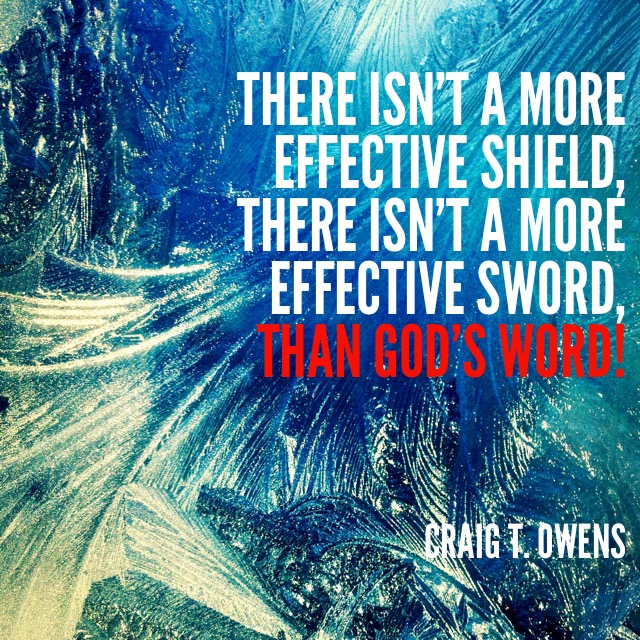
Because of these specific prophecies that have been fulfilled in Jesus Christ, we can now stand assured, encouraged, unmovable, and well-armed with the same sword of God.
There isn’t a more effective sword or shield than God’s (s)word!
God frequently picks people we would consider the least qualified. He sometimes has one in an unglamorous position for years, and sometimes He catapults somebody immediately to the top. Sometimes God will keep His hand-selected individual in a prominent leadership position until death, and sometimes He will remove that person to a place of obscurity after only a short time. God’s ladder of success is nothing like ours!
We discuss the American cultural ladder and how that may or may not square with what we read on the pages of the Bible. I use the example from the life of Philip to make my point that we would be wise to not try to set up our own ladder of success.
I’ll be sharing more clips from this interview soon, so please stay tuned. Shepherd Leadership: The Metrics That Really Matter is now available in print or ebook, and in audiobook through either Audible or Apple.
This is a weekly series with things I’m reading and pondering from Charles Spurgeon. You can read the original seed thought here, or type “Thursdays With Spurgeon” in the search box to read more entries.
Listen to the podcast of this post by clicking on the player below, and you can also subscribe on iTunes or Spotify.
Walking Preachers
For we walk by faith, not by sight. (2 Corinthians 5:7)
Walking is a position that…signifies activity. You would suppose from the way some Christians deport themselves, that their whole life was spent in meditation. It is a blessed thing to sit ‘with Mary at the Master’s feet.’ But we walk as well as sit. We do not merely learn, but we practice what we know. We are not simply scholars, but, having been taught as scholars, we go on to show our scholarship by working in the vineyard or wherever else the Master may be pleased to place us. …
You would gather indeed from what others say, that the whole life of a Christian is to be spent in prayer. Prayer, it is true, is the vitality of the secret parts of Christian life, but we are not always on our knees! We are not constantly engaged in seeking blessings from heaven. We do continue in prayer, but we are also engaged and showing forth to others the blessings that we have received and in exhibiting in our daily actions the fruits that we have gathered on the mountaintop of communion with God. We walk, and this implies activity. …
‘We walk.’ This is more than some can say. They can affirm, ‘We talk. We think. We experience. We feel.’ But true Christians can say with the apostle Paul, ‘We walk.’ Oh, that we may ever be able to say it too! Here, then, is the activity of the Christian life.
From Faith Versus Sight
Edgar A. Guest captured this idea well in his poem “Sermons We See.” The first stanza says,
I’d rather see a sermon than hear one any day;
I’d rather one should walk with me than merely show the way.
The eye’s a better pupil and more willing than the ear;
Fine counsel is confusing, but example’s always clear.
And the best of all preachers are the men who live their creeds.
For to see the good in action is what everybody needs.
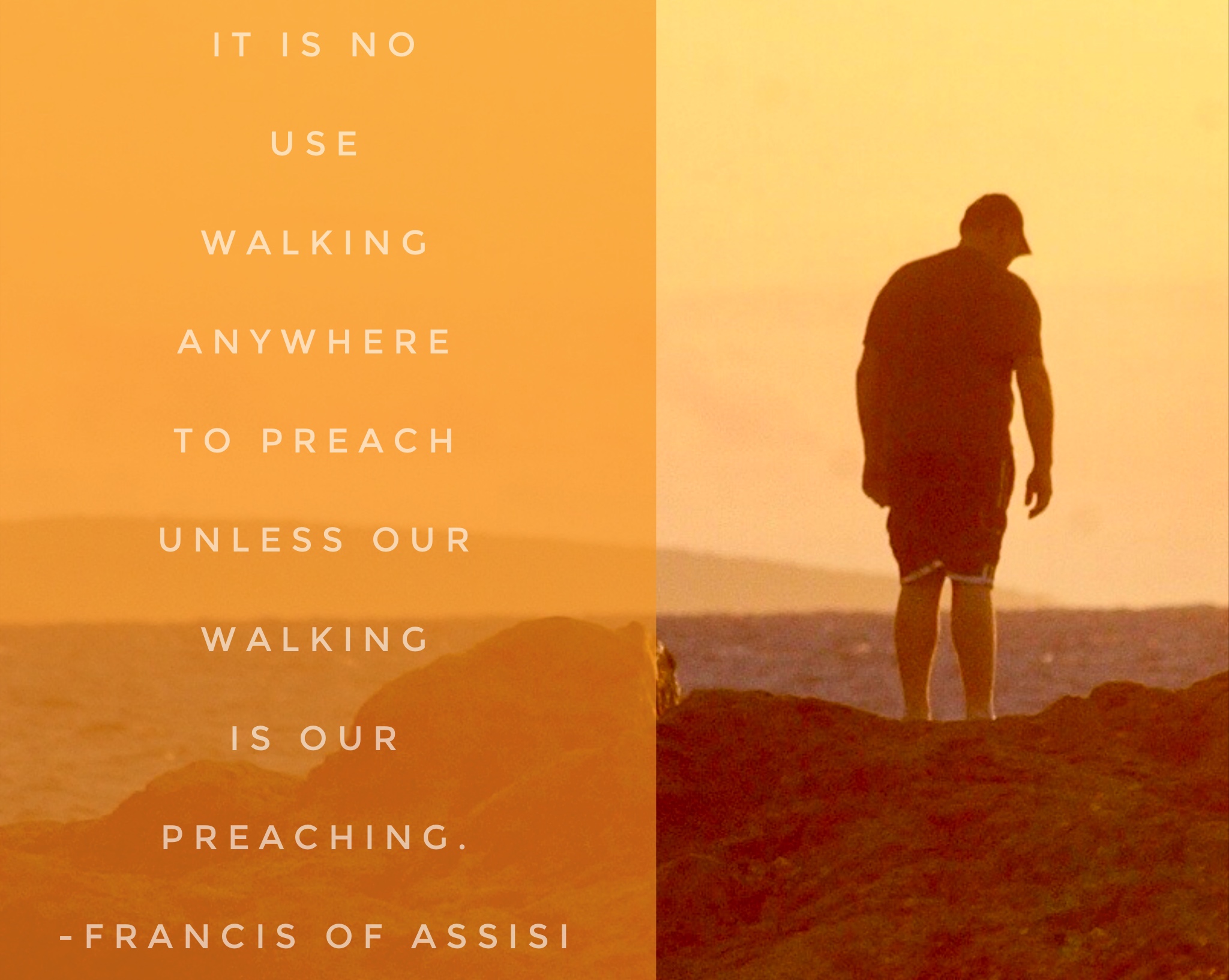
Or as Francis of Assisi noted, “It is no use walking anywhere to preach unless our walking is our preaching.”
So a fantastic question for every Christian to ask themselves is this: Do people know that I’m walking with Jesus even if I never open my mouth to tell them?
[2:18] Only servant leaders truly know how to breathe hope into the people around them.
[3:17] Greg describes how leaders can become hope dealers.
[3:53] I paraphrase a proverb to help leaders see the immense value in dispensing hope.
[5:59] Greg explains how leaders instill hope into themselves.
[7:48] Hope-filled people are still realistic about the present difficulties they are facing.
[8:59] Hope isn’t just about one-time vision casting—we talked about how leaders keep the message of hope consistent.
[12:29] Leaders have to be around people in order to invest hope into them.
[14:00] Greg notices how hope connects faith and love.
[15:32] Greg gives leaders a challenge to grow as hope-fillers.
[17:42] Leaders give their teammates hope for a better future.
Check out this episode and subscribe on YouTube so you can watch all of the upcoming episodes. You can also listen to our podcast on Spotify and Apple.



 Zechariah and Haggai are both very specific in the dating of their prophetic activity. We can also cross-reference their dates with the historical books of Ezra and Nehemiah, and with numerous other extra-biblical sources.