Is There Room In Your Heart For Jesus?

I think all of you can finish this poem: ’Twas the night before Christmas and all through the house not a creature was stirring, not even a mouse. 

Haddon Sundblom’s painting for Coca-Cola

This poem was written in 1837 by Clement Moore. Most people assume the title of the poem is the first line of the poem, but Moore’s original title is actually “A Visit From St. Nicholas.” And we all know what St. Nicholas (aka Santa Claus) looks like, right? Actually, this well-known painting of Santa Claus is the creation of Haddon Sundblom for Coca-Cola in 1930, but it’s not too far off from the original St. Nicholas. 
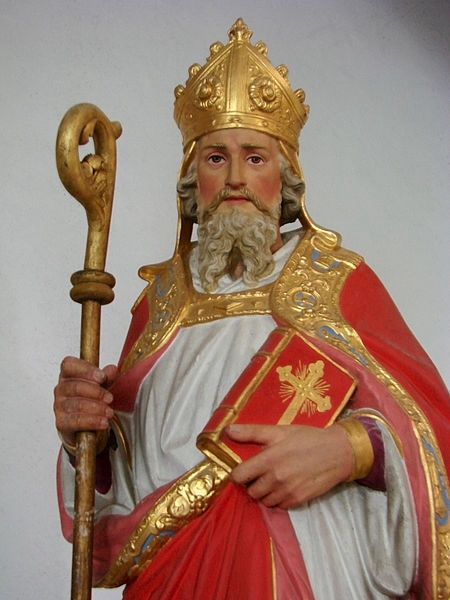
Nicholas of Myra

Nicholas of Myra was a Christian bishop who lived in the 3rd century AD. It was discovered by some of his peers that he would anonymously throw bags of money through the open windows of the poor people in his town. Some of the coins landed in these poor families’ shoes and socks as they were drying by the fireplace. The myth grew that without your stockings hung by the fireplace you wouldn’t receive any gifts. After Nicholas died in 342 AD he was declared a saint, so his popular practice of blessing the poor spread and took on a life of its own. 

I’m struck by a contrast from the line in Moore’s poem that “the stockings were all hung by the chimney with care.” This tells us how well people prepare for the “arrival” of St. Nicholas each Christmas, but let’s contrast that with how ill-prepared—if they even know they need to prepare!—people are for the absolutely certain fact of the arrival of King Jesus! 

Just as the vast majority of Israelites weren’t prepared for the Messiah’s first Advent in Bethlehem in the 1st century, how many people are still unprepared for His second Advent which could occur at any moment? 

Think about the contrasts between the legend of St. Nicholas (i.e. Santa Claus) and the certainty of Jesus Christ:

  1. St. Nicholas was a poor monk who has now become richer than imaginable. Jesus is the King of kings who left all His riches and kingly rights to become poor. 
  2. St. Nicholas was a servant who has now been elevated to royalty status. Jesus is Absolute Royalty who became a servant. 
  3. St. Nicholas lives in a castle at the North Pole; there wasn’t even a room for Jesus at His birth, or even later in His adult life. 
  4. St. Nicholas is a fable that people venerate; Jesus is the Truth that people mock. 
  5. St. Nicholas left a legend with nothing of lasting value; Jesus is Absolute Reality and He is coming again (see Hebrews 2:14; Philippians 2:6-11; Luke 2:7; Matthew 8:20; Acts 2:22-23).
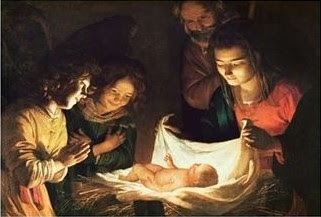
There was no room in any inn, although Joseph knocked and knocked. Jesus is still knocking today, except today it’s on the door of your heart (Revelation 3:20). Will you let Him in? Or will you continue to allow your heart and mind to be dominated by myths and legends? 

Advent is a time for reflection. I don’t think we could ask a more heart-searching question than this—

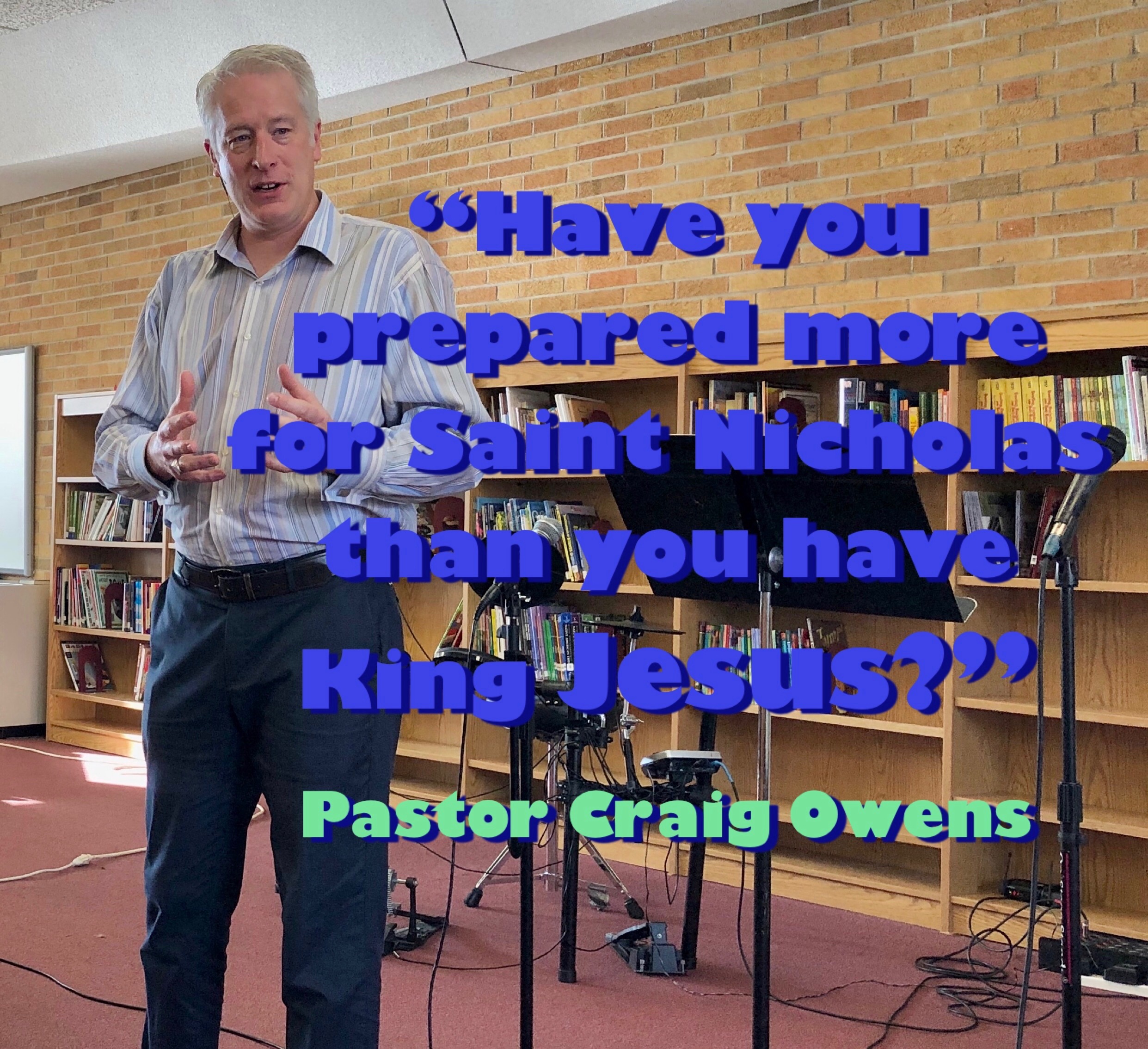
Am I more prepared for St. Nicholas than I am for King Jesus?

If you’ve missed any of the message in this series, you can check them out by clicking here.
Poetry Saturday—Thou Didst Leave Thy Royal Throne

Thou didst leave Thy throne and Thy kingly crown,
When Thou camest to earth for me;
But in Bethlehem’s Home was there found no room
For Thy Holy nativity.

O come to my heart, Lord Jesus
There is room in my heart for Thee.

Heaven’s arches rang when the angels sang,
Proclaiming Thy royal degree;
But of lowly birth didst Thou come to earth,
And in great humility.

The foxes found rest and the birds their nest
In the shade of the forest tree
But Thy couch was the sod, O Son of God
in the deserts of Galilee 

Thou camest, O Lord, with the living Word
That should set Thy people free;
But with mocking scorn, and with crown of thorn,
They bore Thee to Calvary. 

When the heavens shall ring, and the angels sing,
At Thy coming to victory
Let Thy voice call me home, saying “Yet there is room,
There is room at My side for thee.”
 
My heart shall rejoice, Lord Jesus,
When Thou comest and callest for me. —Emily Elliott

Thursdays With Spurgeon—The Depths Of God’s Love For Us

This is a weekly series with things I’m reading and pondering from Charles Spurgeon. You can read the original seed thought here, or type “Thursdays With Spurgeon” in the search box to read more entries.

The Depths Of God’s Love For Us

I have made You known to them, and will continue to make You known in order that the love You have for Me may be in them and that I Myself may be in them. (John 17:26) 

     Is He not Himself very God of very God? … He declared the righteous Father in His life, for in His life He incarnated truth and grace. Jesus Christ on earth was without sin in thought, in word, and in deed. Point me to a sin He ever committed, inculcated, or excused. Righteousness was about Him as the atmosphere that He breathed. Well did the psalmist say of Him, “You love righteousness and hate wickedness” (Psalm 45:7). And yet what love there was in Him and pity for the wandering sheep! He mingled with sinners and yet was separate from sinners. He touched their diseases and healed them and yet was not defiled by their impurities. He took their infirmities upon Himself and yet in Him, personally, there was no trace of sin. Our Lord was so righteous that you perceived at once that He was not of this world—and yet He was so lovingly human that He was altogether a Man among men. … 

     He was man’s Brother and his physician, his Friend and his Savior! When you want to know the Father’s righteousness and love, read the history of Jesus Christ—no, know the Lord Jesus Himself and you know the Father! … 

     Beloved, when Jesus Christ died, there was a greater display of the righteousness and the fatherhood of God than could have been possible by any other means! Then the mystery was made plain and the depth opened up to its very bottom! O Lord our God, what an abyss of adorable goodness have You thus laid bare before us! … 

     And now, today, it is the business of our Lord to continue to reveal the righteous fatherhood of God, and He does so by the work of His Holy Spirit [John 14:26]. … That Spirit of God working on behalf of Christ is still declaring this among the nations! As the years roll on, He is opening the eyes of the blind and bringing His own chosen, one by one, to behold the glory of God in the face of Jesus Christ! And then they can say, “O righteous Father, I know You and rejoice in You.”

To each one of us who is saved, Jesus is declaring this righteous Father more and more.… I trust that every day we see a little more of the righteous fatherhood of God and will continue to do so, world without end!

From The Righteous Father Known And Loved

May we never, ever come to the end of learning about these depths of love that Jesus revealed in His life, death, and resurrection, and which the Holy Spirit is continuing to impart to us. 

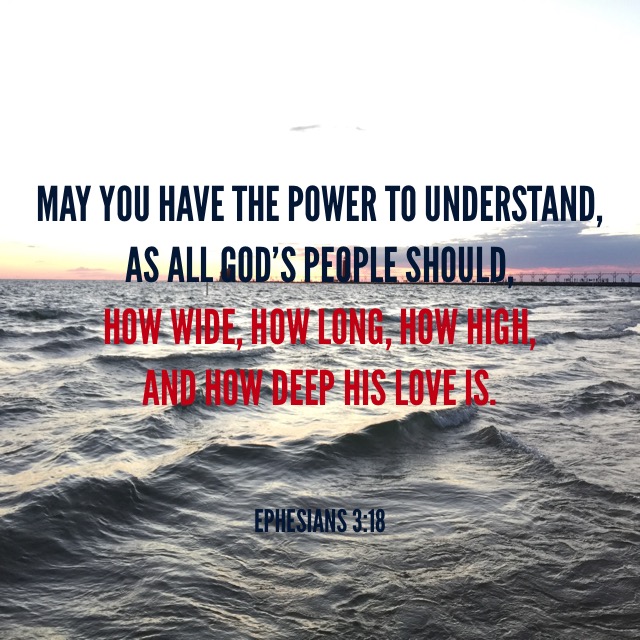
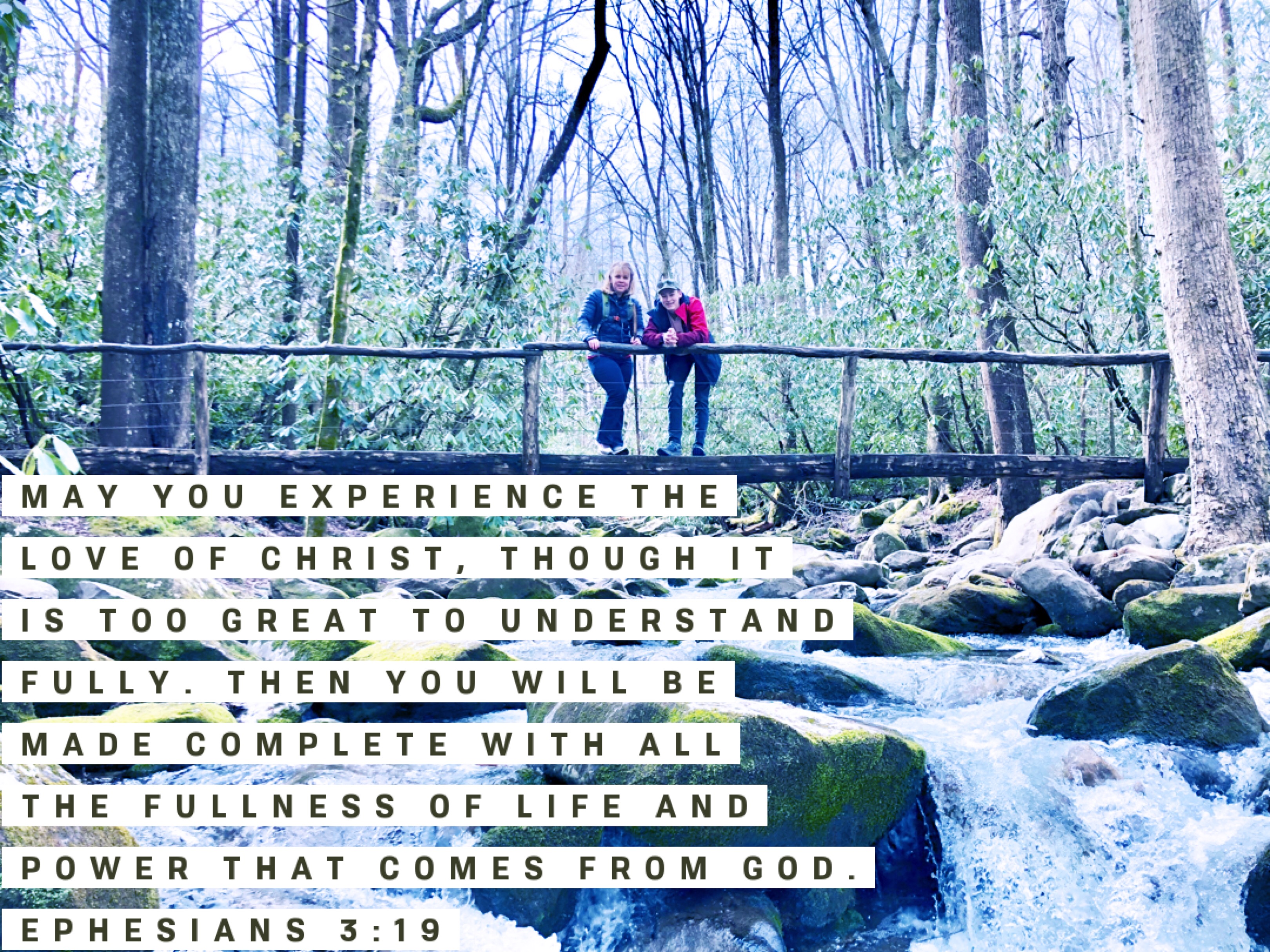
May we add our Amen to the apostle Paul’s prayer: I keep asking that the God of our Lord Jesus Christ, the glorious Father, may give you the Spirit of wisdom and revelation, so that you may know Him better. … I pray that out of His glorious riches He may strengthen you with power through His Spirit in your inner being, so that Christ may dwell in your hearts through faith. And I pray that you, being rooted and established in love, may have power, together with all the Lord’s holy people, to grasp how wide and long and high and deep is the love of Christ, and to know this love that surpasses knowledge—that you may be filled to the measure of all the fullness of God. (Ephesians 1:17; 3:16-19)

What We Can Know

… we know … (1 John 3:16, 19, 24; 4:2, 6, 13; 5:2, 13, 19, 20).

God clearly reveals Himself to us so that it is not a mystery of how to abide with Him. 

The word John uses for “know” in the Greek is ginosko. This is a knowledge through personal, firsthand experience; not knowledge someone told us about secondhand. 

God reveals Himself in Creation, in His law, in the rituals of worship, in our conscience, and in the voice of the prophets. Ultimately—and most unmistakably of all—God reveals Himself in Jesus (John 14:9). 

So here are 8 things we can now know…

  1. We know true love because of the sacrifice of Jesus (3:16; 4:7-10).
  2. We know we have God’s love in us by the way we treat others (3:17-19; 4:11; 4:20-21).
  3. We know our hearts our confident by the inward witness of the Holy Spirit Who assures us that we abide in God and He in us (3:20-24).
  4. We know how to discern deceptive spirits (4:1-6).
  5. We know what it means to be confident on Judgment Day (4:12-19).
  6. We know that loving others fulfills God’s commands (5:1-13).
  7. We know God hears our prayers (5:14-17).
  8. We know that we can be victorious over sin (5:18-21).

WE KNOW!

No doubts, no ambiguity. It’s crystal clear, pure knowledge through Him Who loves us!  

10 Quotes From “The Sermons Of Charles Spurgeon”

I share lengthy passages from Charles Spurgeon’s sermons in my weekly Thursdays With Spurgeon feature, along with my short commentaries. But here are some individual quotes from the prince of preachers who were just too good to not share! 

“Would you lose your sorrows? Would you drown your cares? Then go to plunge yourself in the Godhead’s deepest sea—be lost in His immensity. And you will come forth as from a couch of rest, refreshed and invigorated.” 

“Blessed be His dear name, He is unchanged in His love. When He first wrote the covenant, how full His heart was with affection to His people. He knew that His Son must die to ratify the articles of that agreement. He knew right well that He must rend His Best Beloved from His heart and send Him down to earth to bleed and die. He did not hesitate to sign that mighty covenant. Nor did He shun its fulfillment. He loves as much now as He did then. And when suns will cease to shine and moons to show their feeble light, He still will love on forever and forever.” 

“We sweat, we toil, and we fail. How often do we come back weeping because we have toiled, as we think, without success! Yet, Christian man, you have not been without success, for ‘He is still in one mind.’ All this was necessary to the fulfillment of His one purpose. You are not lost; your labor has not rotted under the clod. All, though you see it not, has been working together toward the desired end.” 

“Creation is an arrow from the bow of God, and that arrow goes on, straight on, without deviation to the center of the target that God ordained that it should strike.” 

“Though in the dark hours you and I may slip and often fall, yet His loving-kindness changes not. Your strong arm, O God, will bear us on. Your loving heart will never fail. You will not turn your love away from us or make it cease to pour upon us Your fierce anger, but having begun You will complete the triumphs of Your grace.” 

“God calls upon us, until the world is utterly destroyed with fire, to go on saving men with all our might and main. Every year that passes is meant to be a year of salvation. We rightly call each year the year of our Lord. Let us make it so by more earnest efforts for the bringing of sinners to the Cross of Christ.” 

“The very fact that you are made to groan and cry by reason of God’s long-suffering to guilty men gives you sympathy with Christ and union with Christ, who endured such contradiction of sinners against Himself! … But when, through the long-suffering of God with the ungodly, you are made to suffer, account it to be a mark of your salvation. ‘Rejoice and be exceedingly glad, for great is your reward in heaven, for so they persecuted the prophets who were before you’ (Matthew 5:12).” 

“Blessed be God, the effect of Christ’s medicine does not depend upon the degree to which we can realize how it acts, but if we receive it by faith, if it penetrates into the heart, if it takes possession of the affections, it will work in us that wondrous change by which we will be delivered from the love of sin and saved both from its condemnation and its power! Thank God for a simple gospel!” 

“Although our Lord Jesus Christ is more perfect than any other example—indeed, the only perfect example—yet it is easier to imitate Christ than it is to imitate some of the best of His people.” 

“Because the pill is gilded, you suck down the poison. Because the thing is popular, you patronize it, though it is lustful, it is abominable, it is deceitful!” 

More quotes coming soon, so stay tuned! 

Why Should Christians Sing?

Some things are fascinating by what isn’t said. For instance, in the Christmas carol It Came Upon A Midnight Clear there is something conspicuously missing. 

One thing that isn’t missing is singing. Every one of the stanzas ends with a phrase about the angels singing. But can you spot what IS missing? I didn’t see it at first until I read this quote from respected music professor Dr. C. Michael Hawn: “This may be the only commonly sung Christmas carol in our hymnals that does not mention the birth of Christ! 

This carol just sort of assumes that we know why the angels are singing. But do we know? 

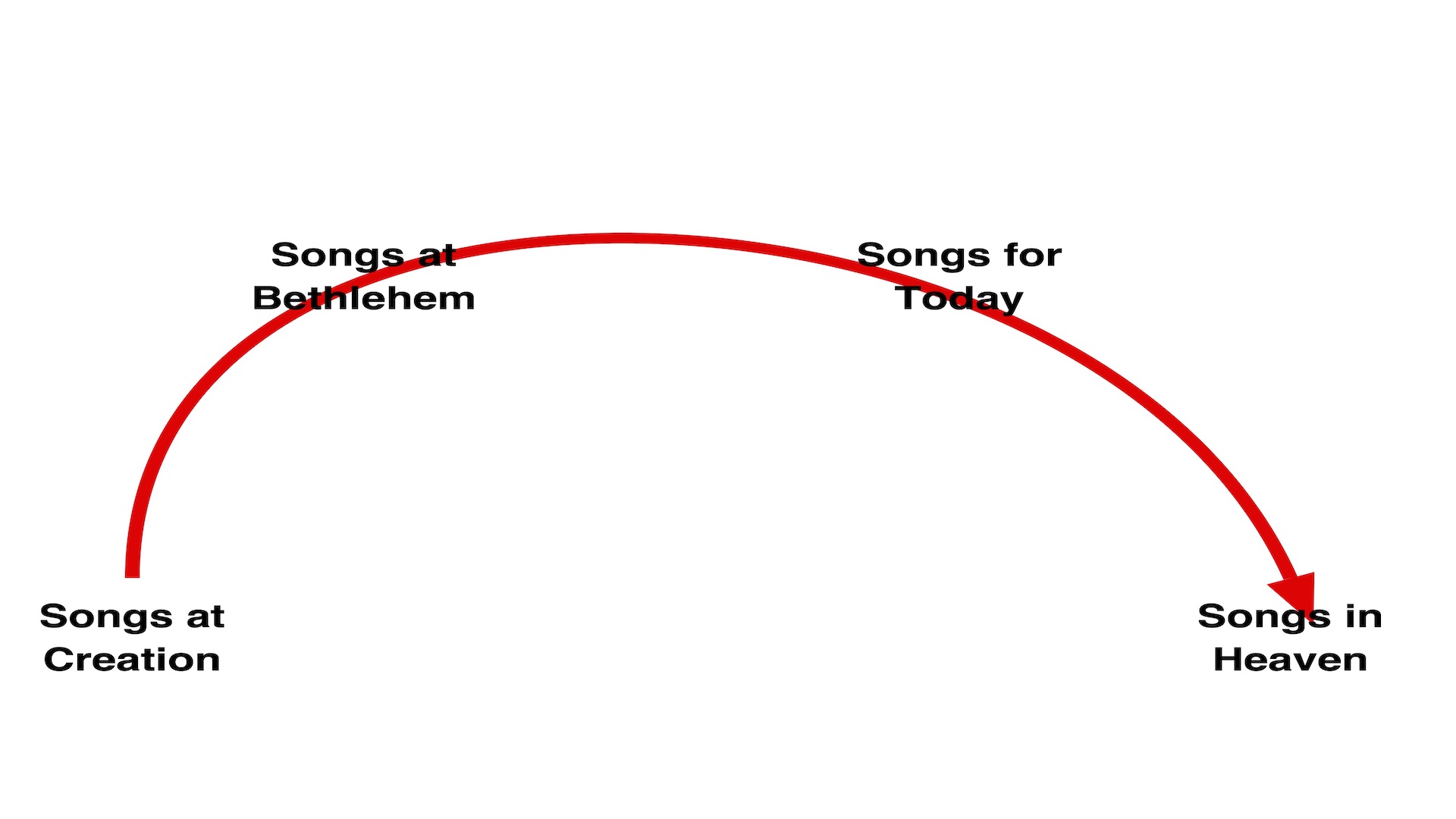
The Bible tells us that the angels were singing at Creation and that they are still singing in Heaven for all of eternity (Job 38:4-7; Revelation 5:9-13; 7:9-12; 15:2-4). Then we have this glimpse of the angels singing when Jesus was incarnated as a human baby in Bethlehem (Luke 2:14). Where did they get their song and their inspiration to sing it?

Their song comes from the Choir Leader who is the King of kings. Jesus is singing in Heaven, before the throne of His Father, about the salvation that He brought to mankind through His incarnation, sinless life, death on Calvary, and resurrection from the grave (see Hebrews 2:9-12). 

The song that Jesus sings tells the story of how He came to earth just like us—made a little lower than the angels—so that He might taste sin and death and conquer them for us. Now as our victorious Savior, He is not ashamed to call those who put their faith in Him His brothers and sisters.

Now perhaps you see why angels are also singing all the time! 

Even today there is a lot of singing around the Christmas season, but there is something missing in most of the songs: a focus on what Christmas really means. The world’s songs are about trees, and gifts, and Santa, and falling in love, but it’s a song that is out of tune with the angelic song. 

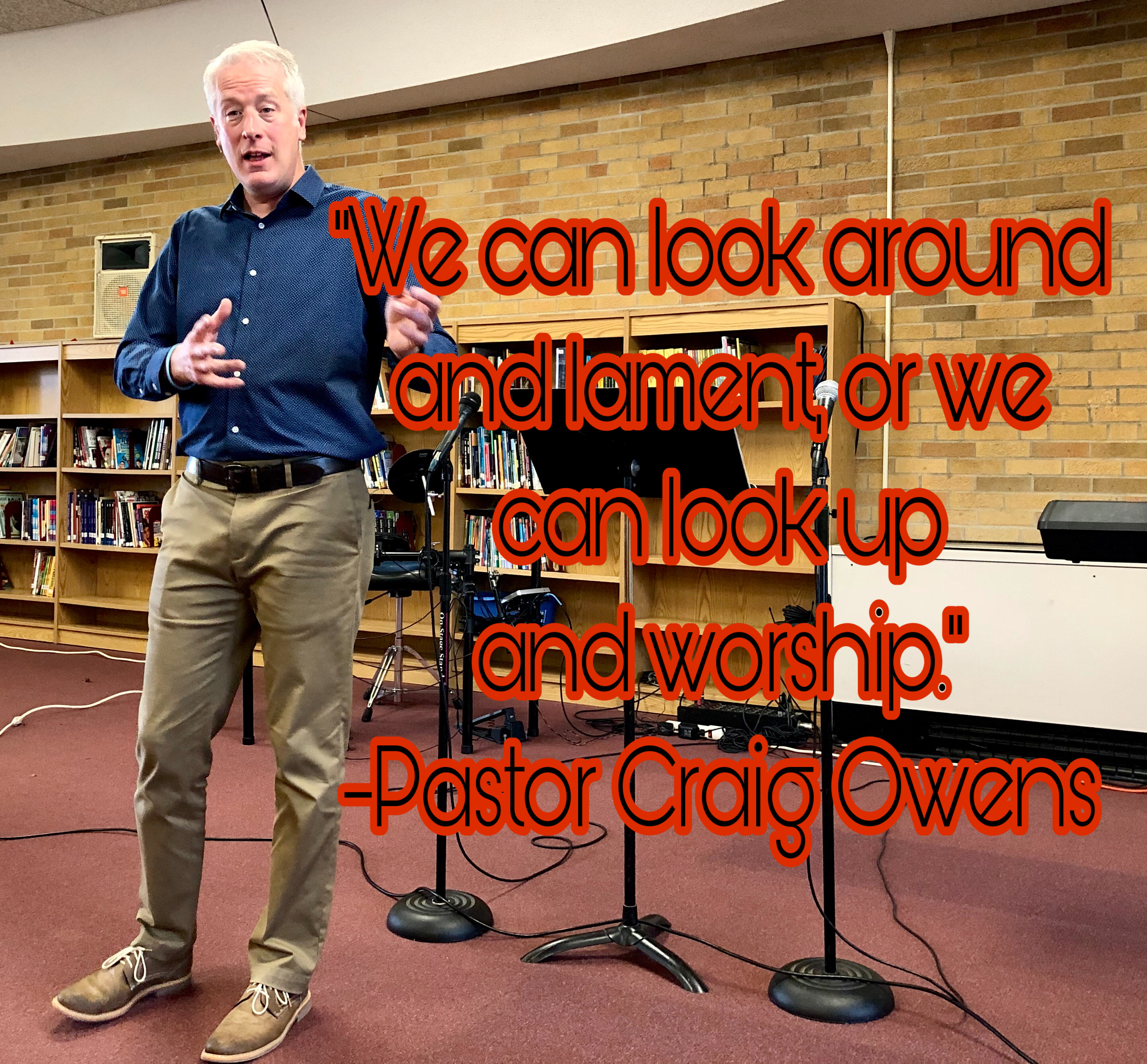
As Christians, we have a choice we can look around at this out-of-tune singing and lament what’s happening in our world, we can join in these meaningless songs, or we can look up at our Savior and sing the song He is singing. 

Christian, will you join with the angelic choir to let the world hear the unmistakable love song that Jesus is still singing today? 

If you’ve missed any of the message in this series, you can check them out by clicking here.

Poetry Saturday—On A Day When Men Were Counted

On a day when men were counted, God became the Son of Man,
That His name in every census should be entered was His plan.
God, the Lord of all creation, humbly takes a creature’s place;
He whose form no man has witnessed has today a human face.

On a night, while silent shepherds watched their flocks upon the plain,
Came a message with its summons brought by song of angel train:
Lo, in Bethlehem’s little village has arrived the shepherd King,
And each shepherd to his Master must his sheep as offering bring.

When there shone the star of David in the spangled eastern sky,
Kings arrived to pay their homage to the Christ, the Lord Most High.
Yet not all, for lo, there soundeth through the streets a fearful cry;
For a king who will not worship has decreed that Christ must die.

Yet it’s Christmas, and we greet Him, coming even now to save;
For the Lord of our salvation was not captive to the grave.
Out of Egypt came the Savior, man’s Immanuel to be—
Christmas shines with Easter glory, glory of eternity. —Daniel Thambyrajah Niles

Thursdays With Spurgeon—Righteous Father

This is a weekly series with things I’m reading and pondering from Charles Spurgeon. You can read the original seed thought here, or type “Thursdays With Spurgeon” in the search box to read more entries.

Righteous Father

O righteous Father! The world has not known You, but I have known You; and these have known that You sent Me. And I have declared to them Your name, and will declare it, that the love with which You loved Me may be in them, and I in them. (John 17:25-26)

     In the sublime transactions of Calvary, God manifests all the love of a tender Father’s heart and all the justice of an impartial Ruler’s sword! … 

     When we see in a man unconditional submission to the justice of God and yet a trustful hopefulness in His boundless love, we may be sure that he is a renewed man. He cries, “You are righteous, O my God, and if You destroy me, I can say nothing. But, Father, You will not destroy me, for I perceive that You are love. Though I see You grasp your sword of fire, yet do I trust You, for I still believe You to be gracious and loving.” … 

     They would not have come to know the righteous Father unless there had been a change in their character worked by the Spirit of God, and that once done they know Him as of necessity. … To know the only true God, and Jesus Christ whom He has sent, is the climax, the essence, the sum total of wisdom! … 

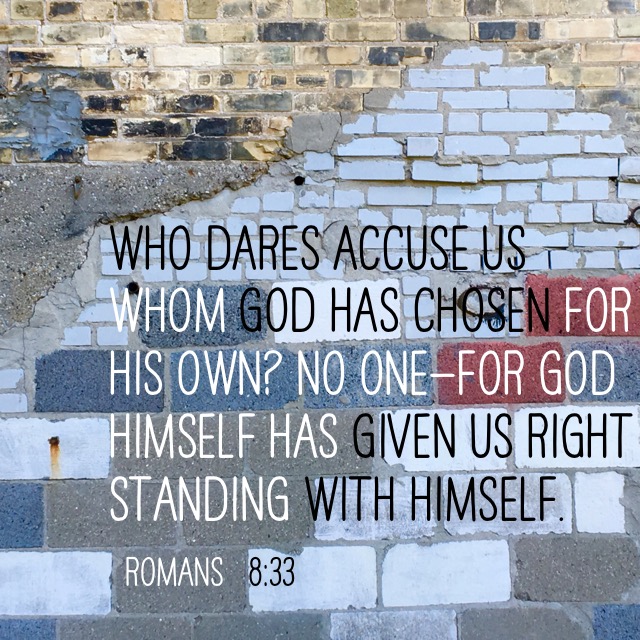
     In Christ Jesus, God is just and yet our Justifier! We are so safe that we begin to challenge opposition and cry, “Who shall bring a charge against God’s elect?” (Romans 8:33). We take up a triumphant note and sing with exceeding joy, “If God is for us, who can be against us?” (Romans 8:31). If God is righteous and yet my Father, then I am saved and saved in such a way that the attributes of God are glorified by my salvation, and therefore I am most securely and certainly saved!

From The Righteous Father Known And Loved

Jesus prayed that we might know the Father as He knew Him—both just and the Justifier. 

When we know God this way, we also know ourselves and our position in Him more clearly. We are both guilty and worthy of God’s full wrath AND justified and an object of God’s favor. We can never earn this on our own, but we stand in this precious and secure place only because we stand in the righteousness of Jesus. 

Jesus wants us to know His Father this way. Do you? 


“With-ness”

…fellowship… (four times in 1 John 1:3, 6, 7)

The word “fellowship” is the Greek word koinonia. It means intimacy of relationship.

All of the apostle John’s books carry this key theme: Jesus loves us so this is how we should live differently because of that love. 

Koinonia means giving all I’ve got to someone else, and graciously receiving all they have to give to me. This creates a… 

  • … oneness
  • … togetherness
  • … with-ness

Our with-ness creates a visible witness of God’s love. 

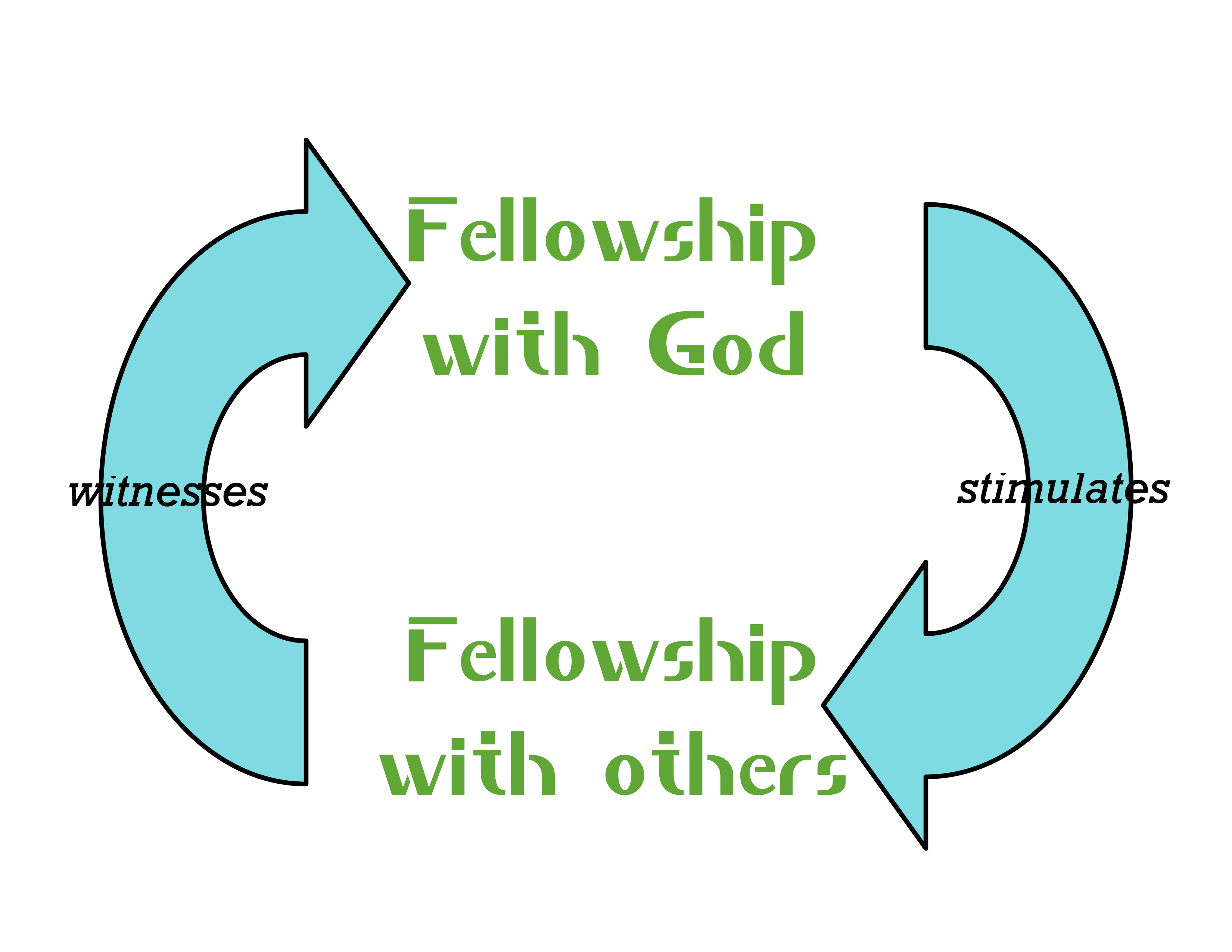
John says that fellowship with God can’t help but be expressed in fellowship with others. And then fellowship with others stimulates us to a deeper relationship with God. This love dance is itself a picture of the Ultimate Koinonia of the Trinity—“I am in You, Father, and You are in Me. These followers of Us are in Me and I in them,” said Jesus.

Don’t try to pursue a relationship with Jesus on your own, but find people that you can be in fellowship with and then watch how that deepens your fellowship with God!

8 Thankful Quotes

“…May we also unite in most humbly offering our prayers and supplications to the great Lord and Ruler of Nations and beseech Him—To pardon our national and other transgressions, To enable us all, whether in public or private stations, to perform our several and relative duties properly and punctually, To render our national government a blessing to all the people, by constantly being a government of wise, just, and constitutional laws, discreetly and faithfully executed and obeyed, To protect and guide all nations and to bless them with good government, peace, and concord, To promote the knowledge and practice of true religion and virtue, and the increase of science, And generally to grant unto all mankind such a degree of temporal prosperity as He alone knows to be best.” —George Washington’s Thanksgiving Proclamation in 1789 

“Let your soul lose itself in wonder, for wonder is in this way a very practical emotion. Holy wonder will lead you to grateful worship and heartfelt thanksgiving. It will cause within you godly watchfulness; you will be afraid to sin against such a love as this.” —C.H. Spurgeon 

“As flowers carry dewdrops trembling on the edge of the petals, and ready to fall at the first waft of wind or brush of bird, so the heart should carry its beaded works of thanksgiving, and, at the first breath of heavenly flavor, let down the shower perfumed with the heart’s gratitude.” —Henry Ward Beecher 

“Thanksgiving will draw our hearts toward God and keep us in fellowship with Him; it will take our attention from ourselves and give the Spirit room in our hearts.” —Andrew Murray 

“If we pray without ceasing, we shall not want matter for thanksgiving in everything. We shall see cause to give thanks for sparing and preventing, for common and uncommon, past and present, temporal and spiritual mercies. Not only for prosperous and pleasing, but also for afflicting providences, for chastisements and corrections; for God designs all for our good, though we at present see not how they tend to it.” —Matthew Henry 

“Blessed is that home which has in it an altar of sacrifice and of prayer, where daily thanksgivings ascend to heaven and where morning and night praying is done.” —E.M. Bounds 

“Not to lose myself and reader in this digression, the sum is, the unspeakable blessings which the priesthood of Christ hath obtained for us are a strong obligation for the duty of praise and thanksgiving; of which that in some measure we may discharge ourselves, He hath furnished us with sacrifices of that kind to be offered unto God.” —John Owen

“Gratitude is from the same root word as ‘grace,’ which signifies the free and boundless mercy of God. Thanksgiving is from the same root word as ‘think,’ so that to think is to thank.” —Willis P. King