10 Quotes From “Cultivation Of Christian Character”

J. Oswald Sanders has given us a short but powerfully effective book for developing more Christlikeness in each and every Christian. Check out my full book review by clicking here. 

“In a word, spiritual maturity is Christlikeness.” 

“Christ set the standard in everything. He was never petulant, always calm; never rebellious, always obedient; never fearful, always courageous; never vacillating, always resolute; never pessimistic, always cheerful; never subtle, always sincere; never grasping, always generous; never acting from expediency, always from principle. He is the pattern of spiritual maturity.” 

“So then our spiritual maturity or immaturity is seen in the manner in which we react to the changing circumstances of life. … It has to be learned. Is it not striking that it is recorded of Christ that ‘though He were a Son, yet He learned obedience by the things which He suffered; and being made perfect, He became the author of eternal salvation’ (Hebrews 5:8-9)? He alone was fully mature. The rest of us are ‘going on to maturity.’ In all of us there are some expressions of our personality in which we react immaturely instead of as mature men of God.” 

“The highest manifestation of spiritual maturity is love. We are only as mature as we are mature in love.” 

“God forbid that we should ever cease to love the gospel in its simplicity, but we must not be content to stay there. We must go on to appreciate increasingly the gospel in its profundity.” 

“There is a place for a constructive contending for the faith. The church has degenerated sadly since Pentecostal days and the servant of the Lord has an important part to play in its revival.” 

“It is possible to get to heaven without living a consecrated life, but the journey there will be barren and disappointing, since consecration is the doorway to undreamed-of joy. Neglect it, fail to seek it, and life will be greatly impoverished. Welcome it, and life becomes inexpressibly enriched.” 

“When we dedicate our lives to God, He consecrate us to His service. We dedicate our lives to Him that He may work His will in us. He consecrates us to Himself that He might make us holy.” 

“It has been suggested that in consecration we bring our lives to God as a blank sheet of paper with our names signed at the bottom. Confident of His love, we invite Him to fill in the details as He will.” 

“It is a life separated to the glory of God. Inherent in the word ‘consecration’ is the idea of separateness. There must of necessity be separation from sin if there is to be separation to God. … The consecrated Christian hates evil, but he has a passion for the right and for the glory of God and Christ. He tests all his actions by the one standard, ‘Is this for the glory of God?’ He will do anything, suffer anything, if only God is glorified. Nothing is too costly to give to the Master.” 

Poetry Saturday—Out Of Touch With Your Lord

Only a smile, yes, only a smile,
That a woman o’er burdened with grief
Expected from you; ‘twould have given relief
For her heart ache sore the while;
But weary and cheerless she went away,
Because as it happened, that very day
You were “out of touch“ with your Lord.

Only a word, yes, only a word,
That the Spirit’s small voice whispered, “Speak”;
But the worker passed onward, unblessed and weak,
Whom you were meant to have stirred
To courage, devotion and love anew,
Because when the message came to you,
You were “out of touch“ with your Lord.

Only a note, yes, only a note,
From a friend in a distant land;
The Spirit said, “Write,” but then you had planned
Some different work, and you thought
It mattered little, you did not know
‘Twould have saved a soul from sin and woe;
You were “out of touch“ with your Lord.

Only a song, yes, only a song,
That the Spirit said, “Sing tonight—
Thy voice is thy Master’s by purchased right“;
But you thought, “Mid this motley throng
I care not to sing of the City of Gold,”
And the heart that your words might have reached grew cold;
You were “out of touch“ with your Lord.

Only a day, yes, only a day!
But, oh, can you guess, my friend,
Where the influence reaches, and where it will end
Of the hours that you frittered away?
The Master’s command is, “Abide in Me,”
And fruitless and vain will your service be,
If “out of touch“ with your Lord. —Jean H. Watson

How Will You Respond To Jesus?

Although most nativity scenes show the wise men visiting Jesus alongside the shepherds the night He was born, in reality the Magi showed up much later. 

They came first to Israel’s capital city—Jerusalem—and went to the man who currently bore the title King of the Jews—Herod—with an odd question, “Where is He who has been born King of the Jews? We’ve come to worship Him.”

The call to come to worship the Christ has always stirred different responses in people’s hearts. But I have noticed that the responses today aren’t any different than they were over 2000 years ago at Christ’s first Advent. 

Notice these four responses in the Gospel of Matthew:

  1. King Herodwhen King Herod heard this he was disturbed.

The word disturbed means an inward commotion, someone robbed of any calmness; someone who has become restless and agitated. 

King Herod wasn’t all that different from a lot of people today who have their personal lives organized according to their own plans. They have everything figured out. They are masters of their own fate. They know how everything is supposed to work. They are god of their own world. 

But inside it’s a different story. They may not acknowledge it to anyone else, but they are uneasy. King Herod was political, not religious. He knew how to play the games with the right Jewish leaders and Roman politicians to get and keep his throne. So when he hears, “Where is He who is born KING OF THE JEWS?” you can understand why he instantly becomes so agitated! He feels like his well-ordered world and best-laid plans are about to crash in on him! 

  1. All JerusalemKing Herod…was disturbed, and all Jerusalem with him. 

The people of Jerusalem had a love-hate relationship with King Herod. If you were on his side, he could be quite generous with his gifts and favorable with his influence. But if you were against him, he could be incredibly cruel (just take a look at verse 16!). 

So when Herod got upset, you can imagine why the citizens of Jerusalem were as well. They all longed for the Messiah—the Christ—to come and set them free, but in the meantime they were trying to keep their options open. They wanted the Messiah, if they could have Him, but they didn’t want to abandon Herod yet, just in case the Messiah couldn’t follow through.  

  1. Religious leadersHerod…called together all the people’s chief priests and teachers of the law. 

Of all the people looking for the Christ, you would think the chief priests and teachers of the law would be the most excited! When Herod asked them for the birthplace of the Messiah, they immediately knew the answer, but after they delivered this information to King Herod they aren’t mentioned again in this narrative. Bethlehem was only 6 miles away, but they didn’t do a single thing! The Messiah being born in such a lowly manner didn’t fit the image they had concocted in their minds. Later on, Jesus would challenge them on this (see John 5:38-40). 

  1. MagiMagi from the east came to Jerusalem. 

Whereas the Jewish religious leaders were only 6 miles away, the Magi that came from the east might have been anywhere from 400-800 miles away. They left the comforts of their home to travel perhaps as long as 4 months. But, Oh! the journey was so worth the effort! They got to see the Christ with their very own eyes! We read that they were overjoyed, and that they bowed down and worshiped Him and opened their treasures. 

What’s your idea about Jesus? 

  • King Herod wanted a Savior that would enable him to continue to run his own life, but he didn’t want a King that would call the shots. 
  • The people of Jerusalem wanted access to God’s power, but they didn’t want to give their full allegiance to Jesus. 
  • The religious leaders wanted Jesus to fit their mold, but they didn’t want to have to change anything about their own lives. 
  • Only the Magi accepted Jesus as both Savior and King, willingly laying everything at His feet. 

What about you? What’s your idea about Jesus? He isn’t just a Baby in a manger; He’s also King and Judge and Ruler and Lord. When you hear the call to come worship Him, what will your response be? 

Poetry Saturday—Like A River Glorious

Like a river, glorious
Is God’s perfect peace,
Over all victorious
In its bright increase;
Perfect, yet it floweth
Fuller every day,
Perfect, yet it groweth
Deeper all the way.

Stayed upon Jehovah,
Hearts are fully blest;
Finding, as He promised,
Perfect peace and rest.

Hidden in the hollow
Of His blessed hand,
Never foe can follow,
Never traitor stand;
Not a surge of worry,
Not a shade of care,
Not a blast of hurry
Touch the spirit there.

Stayed upon Jehovah,
Hearts are fully blest;
Finding, as He promised,
Perfect peace and rest.

Every joy or trial
Falleth from above,
Traced upon our dial
By the sun of love;
We may trust Him fully
All for us to do—
They who trust Him wholly
Find Him wholly true.

Stayed upon Jehovah,
Hearts are fully blest;
Finding, as He promised,
Perfect peace and rest. —Frances Ridley Havergal

Everywhere, Everywhere Christmas Tonight

christmas-stockings-and-treeEverywhere, everywhere, Christmas tonight!
Christmas in lands of the fir tree and pine,
Christmas in lands of the palm tree and vine;
Christmas where snow-peaks stand solemn and white,
Christmas where corn-fields lie sunny and bright;
Everywhere, everywhere, Christmas tonight.

Christmas where children are hopeful and gay,
Christmas where old men are patient and gray,
Christmas where peace, like a dove in its flight,
Broods o’er brave men in the thick of the fight;
Everywhere, everywhere, Christmas tonight.

For the Christ-child who comes is the Master of all,
No place too great and no cottage too small;
The Angels who welcome Him sing from the height,
“In the city of David, a King in His might.” 
 Everywhere, everywhere, Christmas tonight.

Then let every heart keep its Christmas within
Christ’s pity for sorrow, Christ’s hatred for sin.
Christ’s care for the weakest, Christ’s courage for right,
Christ’s dread of the darkness, Christ’s love of the light.
Everywhere, everywhere, Christmas tonight.

So the stars of the midnight which compass us round
Shall see a strange glory, and hear a sweet sound,
And cry, “Look! the earth is aflame with delight,
O sons of the morning, rejoice at the sight.” 
Everywhere, everywhere, Christmas tonight. —Phillips Brooks 

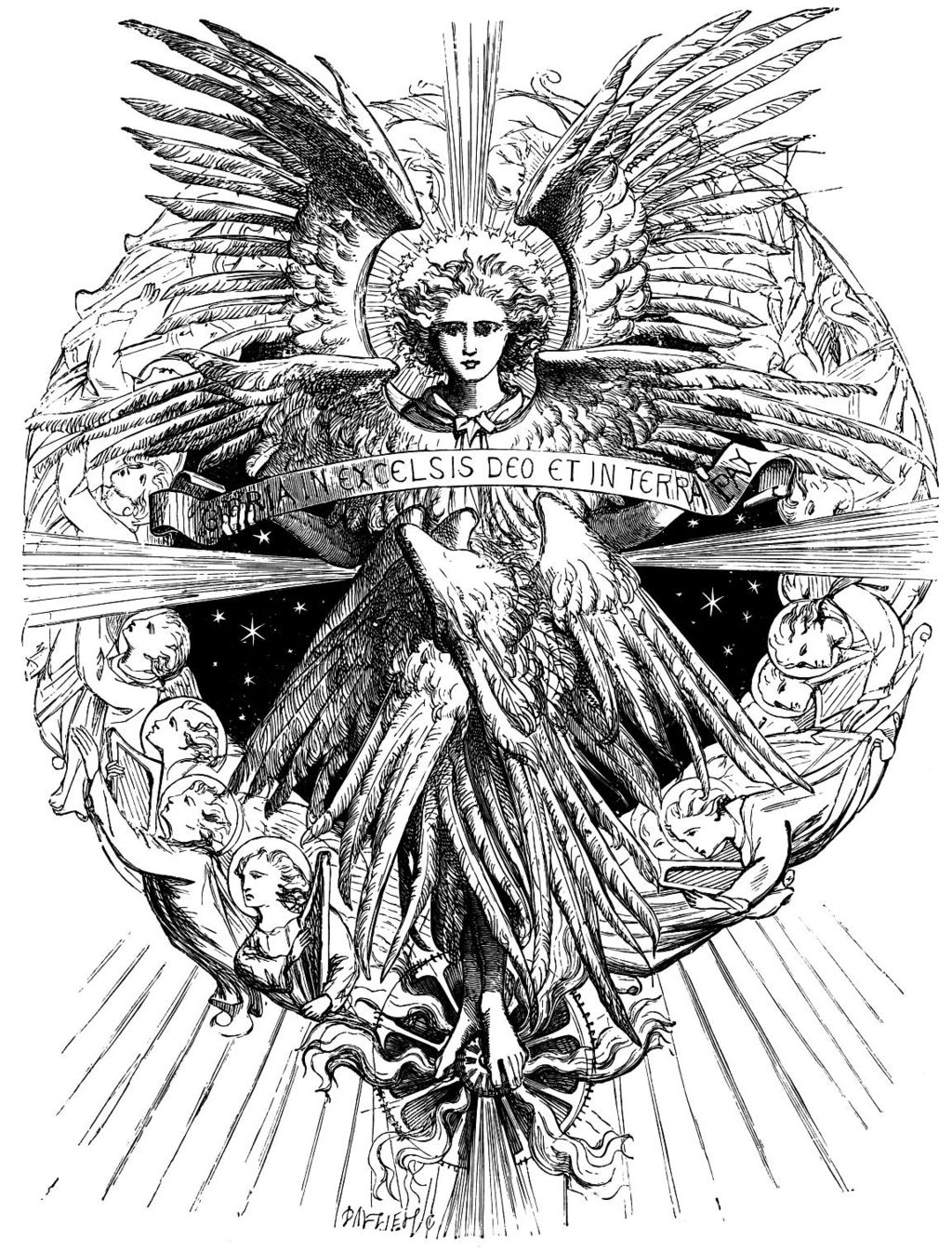
What Does “Gloria In Excelsis Deo” Mean Today?

Listen to the podcast of this post by clicking on the player below, and you can also subscribe on AppleSpotify, or Audible.

A “mondegreen” is a misunderstood word or phrase usually because it’s in a song lyric that is misunderstood. In Christmas carols, many mondegreens come from the fact that the Old English lyrics are sometimes up to 200 years old and simply aren’t the way Americans talk today. One of my favorite mondegreens comes from I Heard The Bells On Christmas Day where people say “the bell freeze up all Christians dumb” instead of “the belfries of all Christendom”! 

If this happens to 200-year-old songs written in English, can you imagine what happens to a song that is 1700 years old and was originally written in Latin?! I’m talking about the chorus from Angels We Have Heard On High which simply says, “Gloria in excelsis Deo.” 

That Latin phrase means Glory to God in the highest! The idea is that our praise of God is both excellent and increasing in its level of adoration. The Latin phrase is shorthand for a doxology that is traced back to 300 AD.

The angels aren’t the subject of this carol, but the focal point is to Whom their song is being raised—“Come to Bethlehem and see Him Whose birth the angels sing; come adore on bended knee Christ the Lord, the newborn King.

The idea of gloria in excelsis is to keep making our praise bigger and more magnificent. We are to MAGNIFY what God has done for us through the advent of Jesus.  

In Hebrew, the word gadal is usually translated as “magnify” or “glorify” in English, and it means something that is growing and becoming more powerful. David uses gadal as he not only praises God from deep within his soul but encourages others to join in his song (Psalm 34:1-3). 

In Greek, the word megalynō is also translated “magnify,” and means to make something great, make it obvious, declare it to be great, celebrate it. Mary’s song called The Magnificat begins with this word (Luke 1:46).

I cannot make God great because He is already THE GREATEST! 
I cannot make God powerful because He is already OMNIPOTENT!
But I can make His greatness and His power more obvious by celebrating Him!

Just like a magnifying glass doesn’t make an object bigger, it just helps us see it better. So, too, our praise and adoration don’t make God bigger, it just helps others see Him better.  

So I have a question to ask you—which I’ve already been asking myself:

How will you give gloria in excelsis Deo this Christmas season and beyond?

►► Would you please prayerfully consider supporting this ministry? ◀︎◀︎

If you’ve missed any of the message in this series, you can check them out by clicking here.

Poetry Saturday—Angel Hymn

Glory to You who have shown us the light.
Glory to God in the highest and on earth peace, goodwill to all people.
We praise You, we bless You, we worship You, we glorify You, we give thanks to You for Your great glory.
Lord, King, heavenly God, Father, Almighty; Lord, the only-begotten Son, Jesus Christ, and Holy Spirit.
Lord God, Lamb of God, Son of the Father who takes away the sin of the world, have mercy on us, You who take away the sins of the world. —Angel Hymn / Doxology (~300 AD)

Glory to God in the highest
and peace to His people on earth.
Lord God, heavenly King,
Almighty God and Father,
we worship You, we give You thanks,
we praise You for Your glory.
Lord Jesus Christ, only Son of the Father,
Lord God, Lamb of God,
You take away the sin of the world:
have mercy on us;
You are seated at the right hand of the Father:
receive our prayer.
For You alone are the Holy One,
You alone are the Lord,
You alone are the Most High,
Jesus Christ,
with the Holy Spirit,
in the glory of God the Father. Amen. —updated in the Book of Common Prayer (~1975)

Thursdays With Spurgeon—Christ Came On Purpose

This is a weekly series with things I’m reading and pondering from Charles Spurgeon. You can read the original seed thought here, or type “Thursdays With Spurgeon” in the search box to read more entries.

Christ Came On Purpose

     This heavenly knowledge is not given to us for its own sake alone. Even the high and blessed revelation of the righteous Father is not made to us that we may know it and end in knowing. Our Lord says, “I have declared to them Your name, and will declare it, that the love with which You have loved Me may be in them, and I in them” [John 17:24-26]. The objective of the knowledge bestowed upon us is the infusion of a love unrivaled in value and extraordinary to the last degree! … 

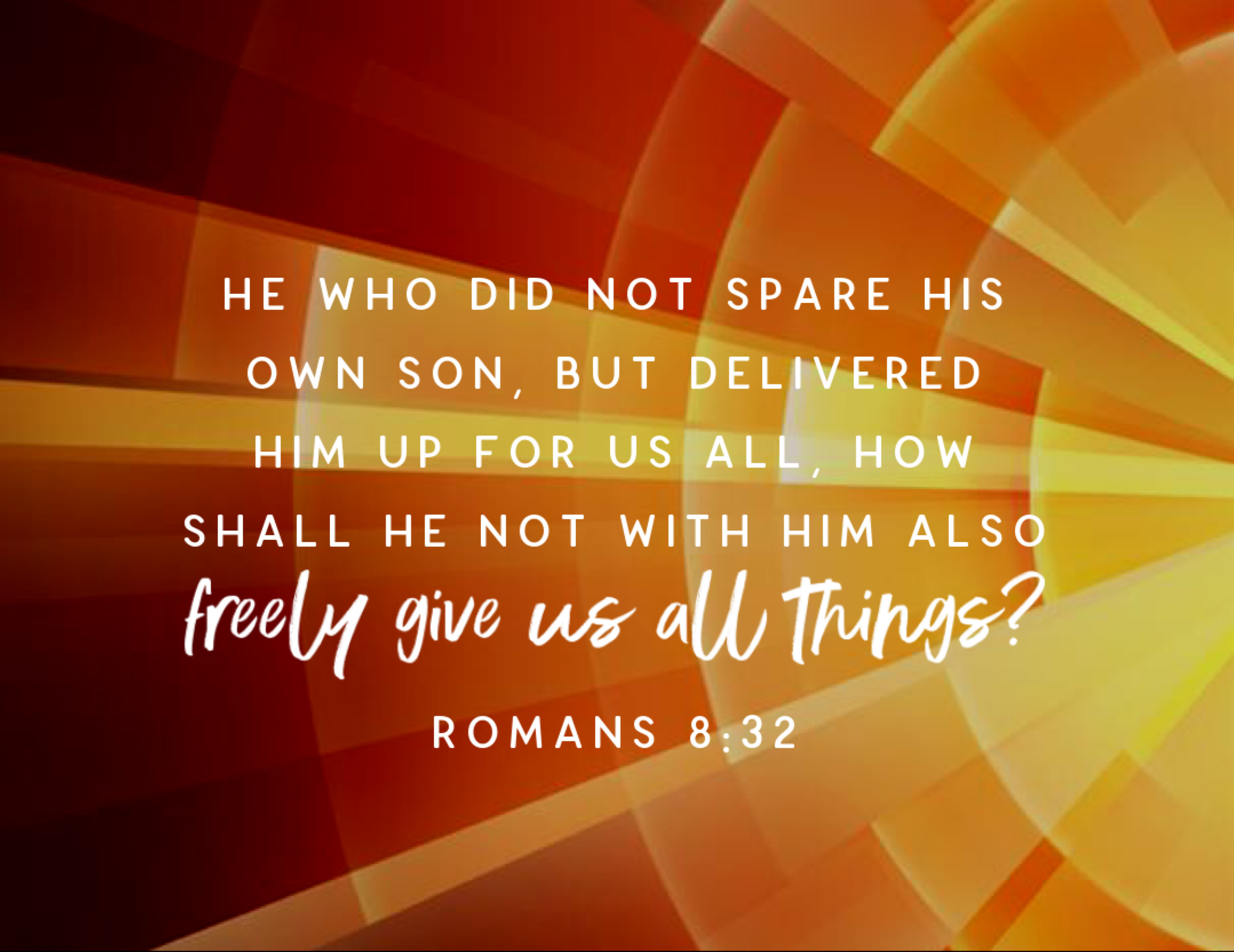
     Therefore does Christ declare the blessed name of the righteous Father, in order that it may come home to you with an unconquerable power that the Father loves you and loves you beyond conception, seeing that not even His dear Son was so loved as to be spared, but He must die that you might live and that the justice of God might be satisfied on your account! … 

     Christ has come on purpose to declare the name of God that the love of God may be perceived by us, its power felt, its glory recognized, its greatness wondered that, its infinitude delighted in. … 

     Now, if you fully know the righteous fatherhood of God, as Christ would have you know it, you will learn that God loved you as He loved His Son. … If He had not loved you as He loved His Son, He would have said to His Son, “Son, you will never leave heaven for that polluted planet. You will never descend to poverty and suffering. You will never have Your hands and feet pierced. You will never be despised and spit upon and put to a cruel death.” But because He loved us as He loved His Son, He gave His Son! …

     Do you try, if you can, to realize this high privilege. It is true, O believer, that God, the infinite Father, takes pleasure in you!

From The Righteous Father Known And Loved

THIS is what we celebrate in remembering Christ’s First Advent! 

THIS is why forgiven sinners can eagerly long for Christ’s Second Advent!

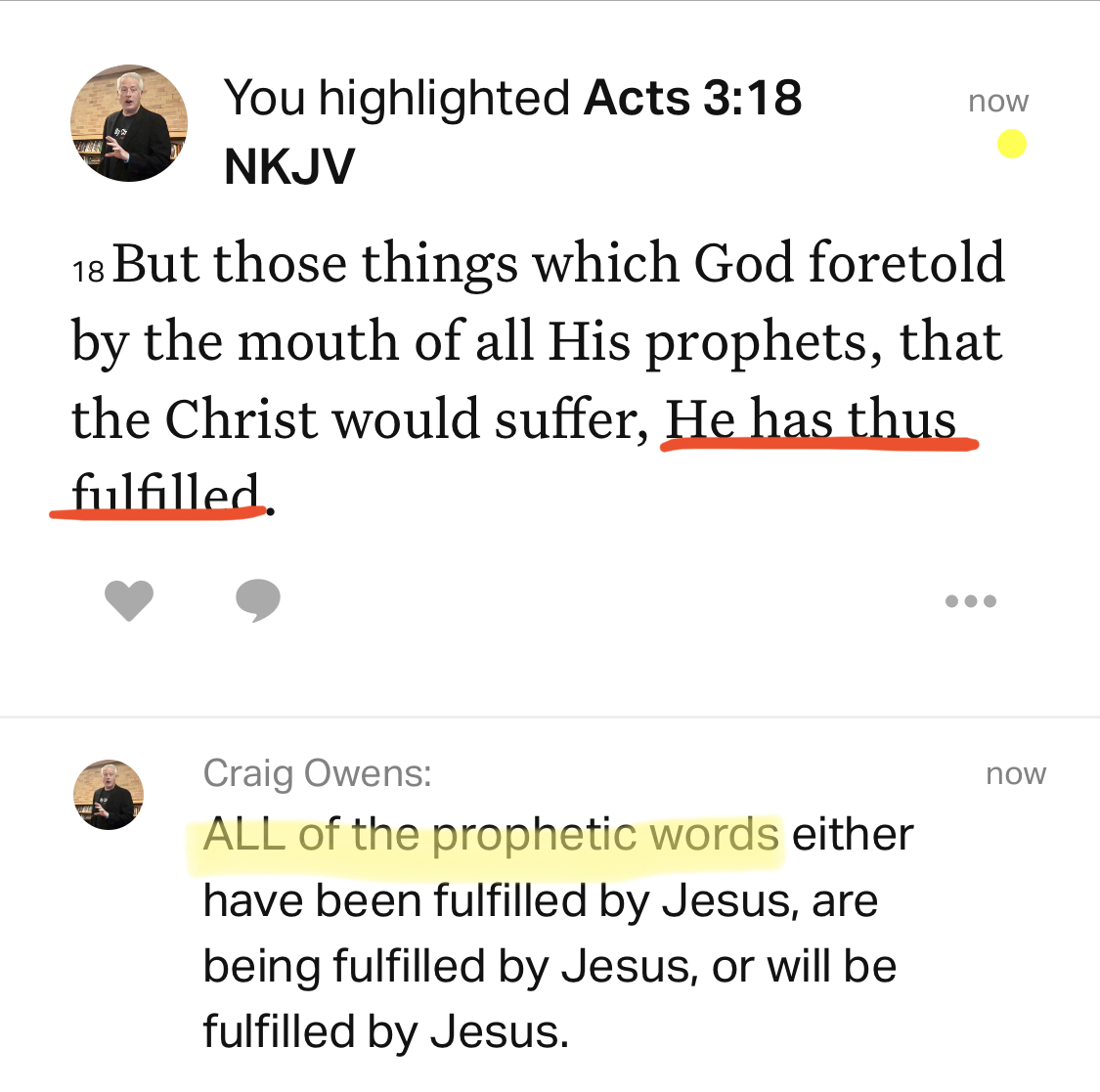
Prophecy Fulfilled

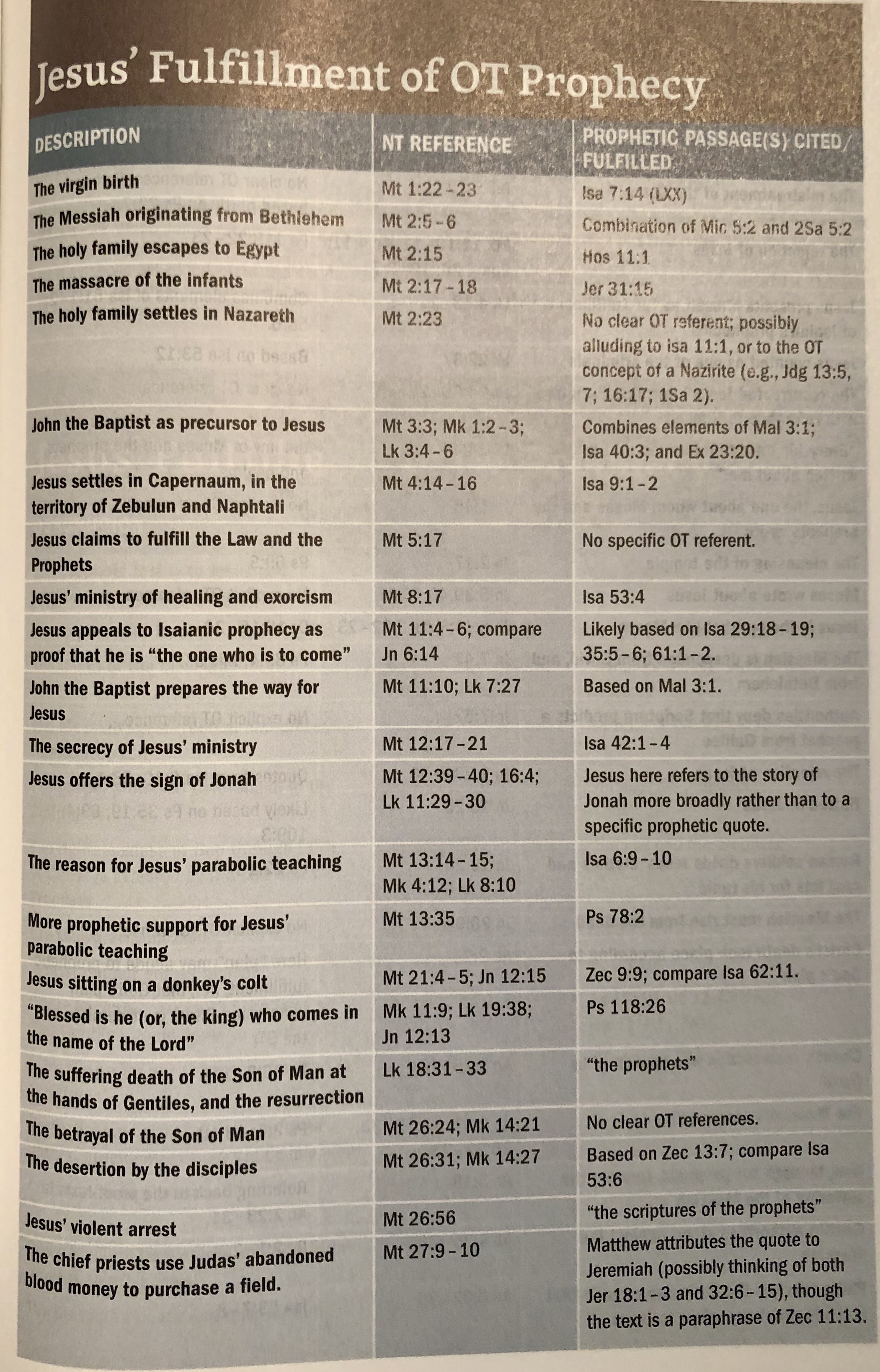
Jesus doesn’t just appear in the pages of the New Testament. All of the Old Testament Scriptures are pointing to Jesus, with some of them being quite specific concerning the time that Jesus would be living on Earth. 

Whether or not the New Testament writers explicitly point to how Jesus fulfilled those prophecies, they are all there for us to discover. It’s absolutely astounding! 

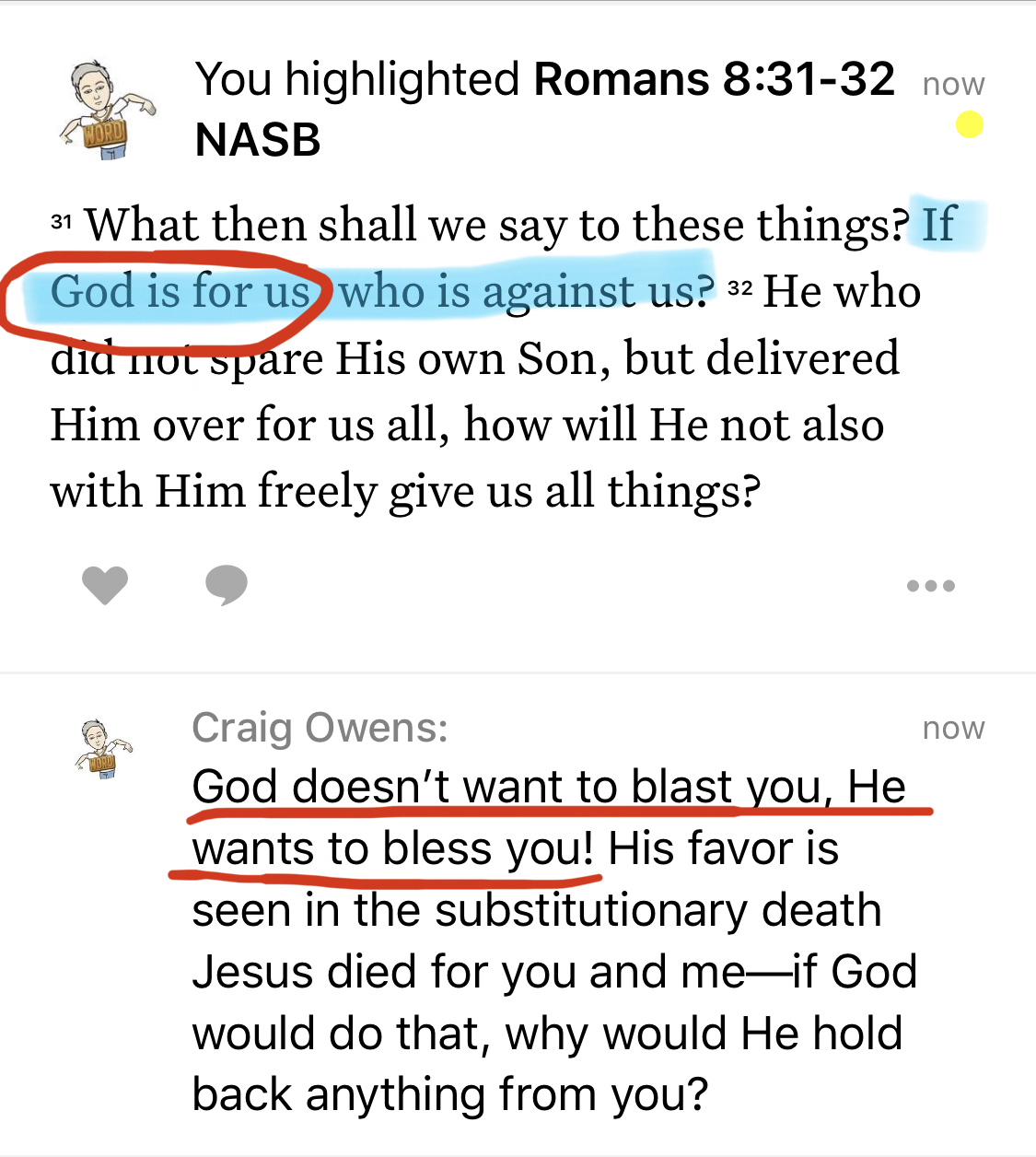
Here are two graphics from The Infographic Bible and the Faithlife Illustrated Study Bible that will help you see some of these fulfilled prophecies in Christ’s First Advent. And there are still more prophecies that Jesus will fulfill in His any-day-now Second Advent! 

Book Reviews From 2019