The Pinnacle Of A Leader’s Health

Listen to the podcast of this post by clicking on the player below, and you can also subscribe on AppleSpotify, or Audible. 

In my book Shepherd Leadership, I take five chapters to unpack the lessons we can learn from the health of Jesus. Yes, Jesus was mentally, physically, spiritually, and relationally healthy. 

On the 200churches podcast with Jeff Keady we talked about a chapter in my book called “The Pinnacle of a Shepherd’s Health.” In that chapter I wrote—

     The phrase Dr. Luke uses about Christ’s growth is, “Jesus grew in favor with men” [Luke 2:52]. People liked having Jesus around. The word Luke uses for favor is from the same root word that is also translated “grace.” Jesus was a graceful Man. Or we could say that He was a Man so full of grace that when He was jostled, only grace spilled out of Him. 

     What does it mean when someone is graceful? It means they are pleasant to be around. It means you feel safe around them, knowing they will never belittle you or put you down. It means that their focus is on your agenda, not their own agenda. It means they are a “there you are!” person, not a “here I am!” person. The bottom line: grace-full people are full of grace for others. 

The way we react as leaders says more about our health than our planned actions do. Once again, let me share with you a passage from Shepherd Leadership

     Let’s return to our perfect example in Jesus. He was treated rudely and spoken to condescendingly, even by people who should have been His allies. Then there were those on a constant mission to try to trip Him up or get Him to say or do something that would have undermined His credibility. Yet Jesus never spoke inappropriately nor acted childishly. Jesus never had to say, “My bad, I misspoke there,” or “Sorry, I shouldn’t have done that.” 

     We can make all of our plans to behave in loving ways toward the sheep under our care, but what happens when the sheep ignore us, bite us, or leave us? As boxer Mike Tyson noted, “Everyone has a plan until they get punched in the mouth.” Surely the best indication of our overall healthiness and servant-like attitude is not so much our actions but our reactions. 

If your reactions are less than what you would like them to be, I believe you will find a lot of excellent content in my book that can help you. 

If you want to catch up on some of the other clips I’ve already shared from this interview, you can find them here, and I’ll be sharing more clips from this 200churches interview soon, so please stay tuned. Shepherd Leadership: The Metrics That Really Matter is available in print or ebook, and in audiobook through either Audible or Apple. 

►► Would you please prayerfully consider supporting this ministry? My Patreon supporters get behind-the-scenes access to exclusive materials. ◀︎◀︎

Links & Quotes

Premier athletes know the value of flexibility for keeping them in the game. I think we would be wise to practice flexibility in our relationships too—this is definitely a game-changing move! Check out my weekly Monday Motivation videos on my YouTube channel

“The bravest are surely those who have the clearest vision of what is before them, glory and danger like, and yet notwithstanding, go out to meet it.” —Thucydides

This week we remember Columbus Day. You probably remember the rhyme: In 1492, Columbus sailed the ocean blue. Many people have thought Columbus set out to prove the world was round, but the History Channel has a mini-biography that debunks this claim.

One of my YouVersion friends (Nikki) commented a great reminder: “God can do way more with my surrender than with my striving.”

Thomas Zimmerman was an influential leader in the early days of the Assembly of God fellowship’s history. “Over a 50-year period, Thomas F. Zimmerman (1912-1991) served the Assemblies of God as pastor, district official, department leader, assistant general superintendent, and general superintendent. His leadership greatly increased the influence of the Pentecostal movement in the evangelical world, as well as in the broader American religious landscape.”

I post quality content nearly every day. If you don’t have time to read all that I share, please let me read it for you. The Craig T. Owens Audio Blog is just like this blog, except you get to hear me read my blog posts. Check it out my podcast on Spotify, Apple, and even Audible.

“The word ‘hell’ is used in the New Testament fourteen times, twelve times by Jesus Himself. It is not a myth created by dismal and angry preachers. It is a solemn warning from the Son of God who died to deliver sinners from its curse. We ignore it at great risk.” —John Piper

Christian apologist and cold-case detective J. Warner Wallace wrote, “the battleground on the abortion issue is beginning to shift, and this shift is going to cause us to rethink our approach to the debate.” Pro-life advocates need to check out Wallace’s post Justifying Homicide: The Future Battleground In The Abortion Debate.

Responsibility isn’t supposed to be fatal! Exceptional leaders accept and promote appropriate responsibility, while weak leaders play the blame game. But accepting responsibility doesn’t mean “falling on your sword”! You can check out the rest of this conversation I had with my podcast partner Greg Heeres on The Craig And Greg Show leadership podcast.

5 Quotes From “The Poetry Of Prayer”

In The Poetry Of Prayer, T.M. Moore not only introduces us to the imaginative poetry of George Herbert, but he also shows us what Herbert was trying to portray: There’s an undiscovered world in our prayer time! You can check out my full book review by clicking here. 

“The imagination is a wonderful if much-neglected resource. It is that place in the soul where mind, heart, and conscience, most fruitfully overlap to enhance, enrich, and enlarge each other. 

“When our imaginations are functioning as God intends, they can open the windows of refreshment into our souls, so that we think bigger and more clearly and excitedly; we feel with more urgency and delight; and we establish new priorities and values. 

“Poetry stretches the imagination by inviting it on to familiar ground and then changing the nature of that ground, right under our feet. Images, metaphors, rhyme, rhythm, and in an agreeable form can lead us, through our imaginations, into seeing familiar things in new and exciting ways.” 

“Prayer fixes the focus of our minds on unchanging spiritual realities. Prayer engages our imaginations—what Paul calls ‘the eyes of your understanding’—with visions of unseen glories and wonders. …

“At the same time, as we gaze in prayer upon the beauty of Christ, and commune with Him in His glory, we find that our hearts are enlarged in love for the Lord. The sheer beauty, majesty, and immensity of God can suck the breath out of us and fill us with the Spirit of the Lord at the same time. Lesser things lose their thrall as we drink in the vision of Christ and pour out heartfelt words of worship, adoration, and praise. These, in turn, exercise our heart in love for the Lord, just as our physical muscles are exercised during a workout.” 

“We feed our souls in prayer when, having entered His presence, we fill our minds with the vision of His glory, our hearts with the joy and pleasure of His presence, and our wills with iron resolve to serve this glorious God at every moment.” 

“Even now, as the Apostle Paul indicates [2 Corinthians 4:6], we who feast at the banquet table of prayer can glimpse the glory of God in the face of Jesus Christ and know daily revival and renewal in His grace.” 

“Prayer brings us from earth to heaven, and then brings heaven to earth in our transformed souls and renewed commitments for the day ahead.”

My Patreon supporters have been given all the rest of the quotes I pulled from this book. If you would like to have access to all of the content I regularly share with my Patreon team, please click here. 

Firsthand Experience

Listen to the podcast of this post by clicking on the player below, and you can also subscribe on AppleSpotify, or Audible. 

I had an encounter with my atheist college professor that has always stuck with me. I was reminded of that interaction when I was reading the question John the Baptist sent to Jesus from prison. 

Always remember:

The one with a firsthand experience is never at the mercy of the one with only secondhand information. 

The biblical passages I reference in this video are Matthew 11:1-6 and 1 Peter 3:12-16. 

►► Would you please prayerfully consider supporting this ministry? My Patreon supporters get behind-the-scenes access to exclusive materials. ◀︎◀︎

You Have To Be Tuned In To Yourself

Listen to the podcast of this post by clicking on the player below, and you can also subscribe on AppleSpotify, or Audible. 

I had a great time on the Thriving In Ministry podcast with Kyle Willis while his podcast partner Dace Clifton was on sabbatical.

From all of the podcasts and interviews they had done, Kyle shared with me how so many pastors find it difficult to take a Sabbath break. Kyle noted that a pastor’s day of rest seems to bump into everyone else’s day of work. 

I’ve found this to be true for anyone in leadership, even if they’re not a pastor. It seems that a leader’s work is never done, making it very easy to try to maintain a 24/7 availability. If you feel like rest is a difficult thing to maintain, you’re in good company because Jesus had the same struggle. 

That passage in Mark 6 that I mentioned is instructive for leaders in a couple of ways. First, Jesus was looking out for His teammates. He saw that they were tired and He called them to a place of rest. Good shepherds are always tuned in to the needs of the flock around them. As David said in Psalm 23, the Good Shepherd knows when to lead us to quiet pastures and still waters. 

Second, I see that Jesus was also tuned in to Himself. Even though He was trying to get to a quiet place, He took time to minister in teaching and food to a crowd that was described as “sheep without a shepherd.” When this time was finished, Jesus took time alone to pray (Mark 6:46). 

I think sometimes leaders have sabotaged their own health and effectiveness by saying things like, “This is quitting time” or “This is my day off.” Instead, we should listen to the Holy Spirit giving us insight like, “Take a break now. It’s time to go to a quiet pasture. It’s time to recharge in prayer.” 

Leaders, don’t stick rigidly to your schedule but stay tuned in to yourself. Listen for the unmistakable voice of the Holy Spirit giving you wisdom. I have a section of five chapters in my book Shepherd Leadership that deal with every aspect of a leader’s health. Please pick up a copy today.

I’ll be sharing more clips from this Thriving In Ministry interview soon, so please stay tuned. Shepherd Leadership: The Metrics That Really Matter is available in print or ebook, and in audiobook through either Audible or Apple.

►► Would you please prayerfully consider supporting this ministry? My Patreon supporters get behind-the-scenes access to exclusive materials. ◀︎◀︎

A High And Holy Calling

Listen to the podcast of this post by clicking on the player below, and you can also subscribe on AppleSpotify, or Audible. 

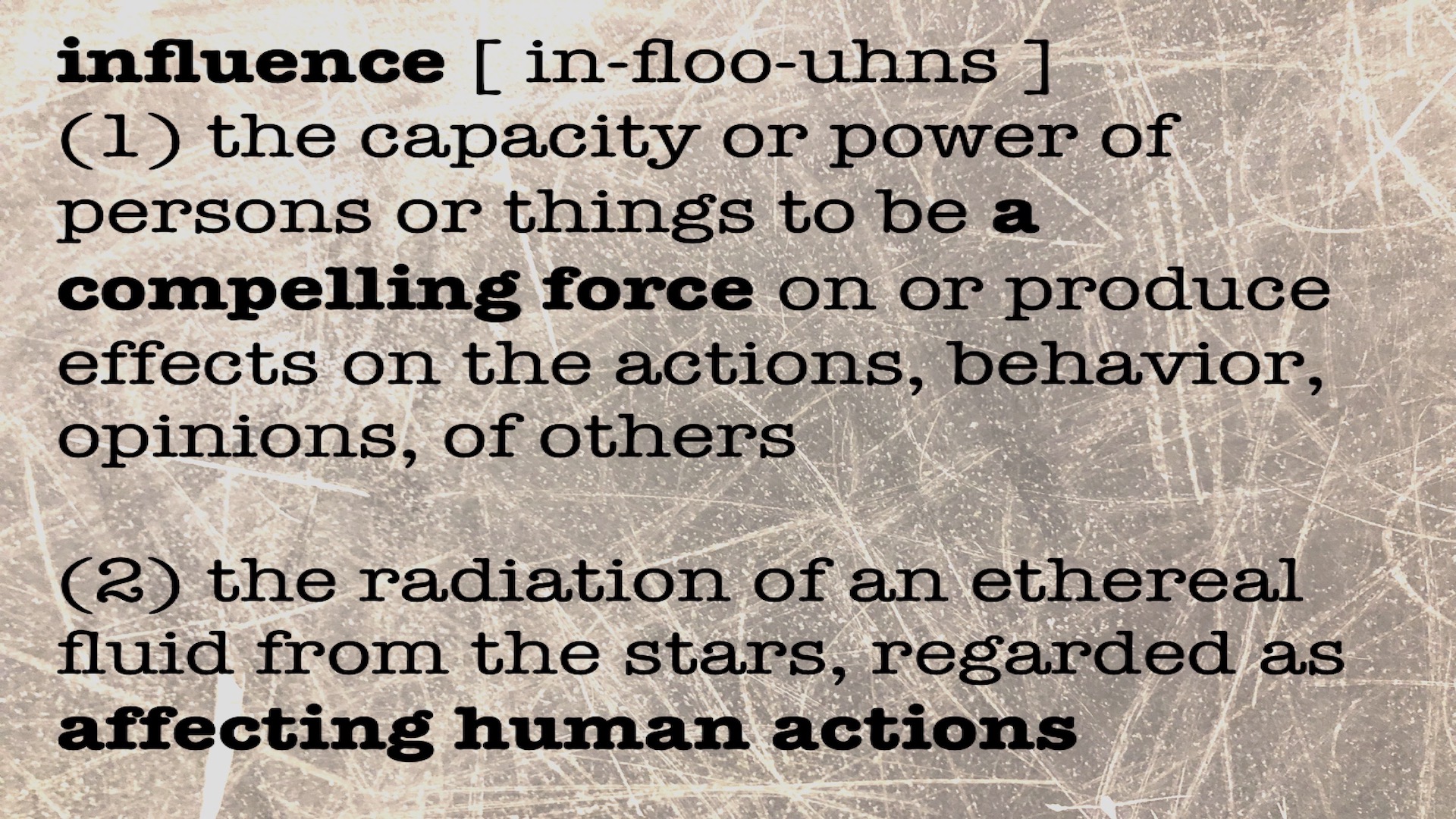
When God spoke to the “princes of Israel,” He was speaking to those in leadership positions. They were men who had wealth, position, and a high level of influence. God called them to live up to their title as “prince” because leadership is a high and holy calling given by God. 

Leaders are to set an example for others. They are to provide what is lacking so that others can live up to their own God-given potential as well. Here’s the way God describes His leaders in Ezekiel 45-46:

They are to be peacemakers, never men of violence nor oppression (45:9). 

They are to be fair, consistent, and impartial in their interactions with others (45:10). 

They are to generously provide for the people under their care (45:15-17, 22; 46:13-14). 

They are to have a “get to do it” attitude toward their duties, not a “have to do it” attitude” (46:5, 7, 11). 

They are to be among their people, not aloof nor isolated from them (46:10). 

They are to provide for their family without impoverishing the people under their care (46:18). 

Since God calls leaders, He will also call them to account. Jesus made it clear that there are only one-of-two assessments that leaders will hear from God:

  1. Well done, good and faithful servant 
  2. You wicked, lazy servant

Let me say it again: Leadership is a high and holy calling. So…

A mark of a godly leader is one who joyfully and faithfully fulfills God’s leadership call. 

This is part 67 in my series on godly leadership. You can check out all of my posts in this series by clicking here.

►► Would you please prayerfully consider supporting this ministry? My Patreon supporters get behind-the-scenes access to exclusive materials. ◀︎◀︎

Links & Quotes

Immature people only want to do the bare minimum, but mature people want to do more than is expected of them. Jesus called these people those that went the second mile. That was a topic in my most recent Monday Motivation series.

I am a big fan of The Babylon Bee. If you haven’t checked out their satirical wit, please do so! One post that caught my eye this week is called What Your Favorite Book Of The Bible Says About You. Wow, did this one make me laugh! If you would like to check out some real Bible studies, I have some here and here.

Cold-case detective and Christian apologist J. Warner Wallace discusses how Jesus impacted other world religions—

The drought in north Texas has revealed some more dinosaur tracks, raising some new questions about these massive animals that roamed Earth.

The devil loves to try to pervert the conviction of the Holy Spirit into condemnation. Here is the freeing truth we can stand on: There is NO condemnation for those who are in Christ Jesus.

Sean McDowell elaborates on the dangers of pornography.

Judging The Right Way

Listen to the podcast of this post by clicking on the player below, and you can also subscribe on AppleSpotify, or Audible. 

I have probably heard this verse quoted more by non-Christians than any other verse: “Do not judge, or you too will be judged” (Matthew 7:1). 

Does Jesus mean that we can never point out to anyone else an area of concern? No, because Jesus Himself did this as well as nearly every epistle writer of the New Testament. What it does mean is that confrontation needs to be truly corrective and never condemning. 

Correcting means that I am never serving as the judge and jury. But it does mean that I can lovingly help someone before they have to stand before God on Judgment Day. Jesus said that if I am a mean, self-serving judge of others, I can expect to receive that same treatment (v. 2). 

Instead, I need to first recognize that what I may see in another person may only be apparent to me because I am afflicted with the same thing. So my first response when I see “a speck” in someone else’s eye is to ask the Holy Spirit to show me a possible “plank” in my own eye. Only after I have dealt with this through repentance and making appropriate changes, will I have the necessary empathy and gentleness to help my brother or sister deal with their own eye speck (vv. 3-4). 

Jesus said that trying to get someone else to repent of something that still exists in my own life is being a hypocrite. It’s playing a role that isn’t me. So Jesus says “first” deal with my own sin, “then” I may help a brother or sister (v. 5). 

Notice that I have been very careful to use the phrase “brother and sister.” I believe that Christians should deal with fellow Christians, but we shouldn’t try to bring correction to those who don’t come from the same biblical paradigm that we have. In legal terms, I may say that we have no standing, or that non-Christians are out of my jurisdiction. 

One final thought. I think I need to treat a concern that another person brings to me in a very similar fashion as I would treat an eye speck in someone else. Perhaps God sent them to me, so I need to ask the Holy Spirit to show me any “plank” that may be in my eye, even if it has been brought to my attention through a judgmental person. It is very God-honoring for me to give that person the benefit of the doubt by saying that they cared enough for my well-being that they would be willing to point something out to me. 

Correction is an important aspect of Christian maturity. But we need to make sure we do it in a Christlike way.

►► Would you please prayerfully consider supporting this ministry? My Patreon supporters get behind-the-scenes access to exclusive materials. ◀︎◀︎

Watch Out When Wants Become “Needs”

Listen to the podcast of this post by clicking on the player below, and you can also subscribe on AppleSpotify, or Audible.

There is a mistaken belief that urges or yearnings or cravings that humans have are sinful and must be quickly squelched. To that end, many will deny themselves absolutely anything that brings them pleasure. 

But what God creates, He calls “good” and even “very good” (Genesis 1:4, 10, 12, 18, 21, 25, 31). In one part of the Creation account, we read that God created “trees that were pleasing to the eye and good for food” (2:9). Things used in the way God created them are both good and good for us. The Creator knows the best uses, and He shares these with us. He also knows the harmful misuses, and He warns us of these. 

Even Lucifer was created “perfect in beauty” until his craving for more than God had given him corrupted his goodness and turned him into satan (Ezekiel 28:12-19). satan’s craving perverted his heart because he craved more than what the Creator had given him. 

He still uses the same tactic today: he attempts to turn a craving for a legitimate good into an irresistible, entitled pursuit for more. This is what he did with Adam and Even in the Garden of Eden, trying to get them to doubt God’s wisdom in forbidding them from eating that one tree (Genesis 2:16-17, 3:1-6). 

Adam and Eve needed food, and God gave them a craving for good food. But they didn’t need the fruit from the Tree of the Knowledge of Good and Evil—they just wanted that forbidden fruit. 

When wants become “needs,” “needs” become idols. 

Once again, satan tried the same strategy with Jesus. Jesus had a craving for food after 40 days of fasting, but His Father said, “Not yet.” Notice how satan again tried to get Jesus to question God’s wisdom with his “if” questions at each temptation. He even quotes a Scripture out of context to try to legitimize turning a want into a need (Luke 4:3, 7, 9). 

These longings may seem irresistible, but John counsels us: For every child of God can obey Him, defeating sin and evil pleasure by trusting Christ to help him (1 John 5:4 TLB). Jesus defeated the craving for wants-turned-to-“needs” by using the Word of God, and we would be wise to do the same (Luke 4:4, 8, 12). 

When wants become “needs,” “needs” become idols. And when “needs” become idols, our unfulfilled cravings create anxiety. And when anxiety persists, sin is usually not too far behind. 

So any anxiety in our hearts should alert us to the idols of wants-turned-to-“needs.” In other words, make sure what you are calling “needs” aren’t just wants in disguise. 

How can you do this? By asking yourself these four questions: 

  1. Is this an earthly craving or an eternal craving? Cravings for earthly things will ultimately fail because this world is temporary (1 John 2:17).  
  2. If I don’t get this thing, will I die? If I answer “no,” it’s probably a want. 
  3. Will this craving bring me closer to God? Jesus said, “Your Father knows what you need before you ask Him” (Matthew 6:8). So let’s ask ourselves, “If this longing is fulfilled, will it make me more dependent on God?” If the answer is “no,” then it’s probably a want. 
  4. Will this craving glorify God’s name? Jesus taught us to begin our prayer with an attitude of longing for God’s name to be glorified (Matthew 6:9-10). We can definitely spot wants we’ve turned into “needs” when we are looking for personal gain. Check out this verse from the prophet Isaiah— 

And therefore the Lord earnestly waits, expecting, looking, and longing to be gracious to you; and therefore He lifts Himself up, that He may have mercy on you and show loving-kindness to you. For the Lord is a God of justice. Blessed—happy, fortunate, to be envied—are all those who earnestly wait for Him, who expect and look and long for Him—for His victory, His favor, His love, His peace, His joy, and His matchless, unbroken companionship! (Isaiah 30:18 AMP) 

God longs to be gracious to you, so He puts cravings in your heart that can only be satisfied by His presence. Lucifer and Adam and Eve all lost God’s “matchless, unbroken companionship” when they tried to appease the wants-turned-to-“needs” idol. It doesn’t have to be like that for us! Ask the Holy Spirit to help you spot those wrong cravings and turn them into cravings that only God can satisfy. 

If you’ve missed any of the messages in our series called Craving, you can find the full list by clicking here. 

►► Would you please prayerfully consider supporting this ministry? My Patreon supporters get behind-the-scenes access to exclusive materials. ◀︎◀︎
Links & Quotes

The churches in my hometown have banded together to get food to students who need it for the weekend. Would you like to help us? We can use both your food donations and your financial support as we serve nearly 200 students every week.

Jesus said we are hypocrites when we give, pray, or fast only outwardly. He called our prayers “pagan” when we try to pray unnaturally. Jesus desires for our giving, praying, and fasting to be natural parts of who we are. This is a short clip of a full-length teaching called “Keepin’ it real” that I shared exclusively with my Patreon supporters. If you would like to sponsor me too for just $5/month, check out the details here.

“Nothing is impossible, the word itself says ‘I’m possible’!” —Audrey Hepburn

“Astronomers are thrilled by the extraordinary images provided by the new James Webb Space Telescope (JWST)—but some of the data already contradict Big Bang expectations. … Creationists have long noted that the Big Bang suffers from the mature distant galaxy problem. Big Bang theorists assume that light from the most distant galaxies took more than 13 billion years to reach Earth. By Big Bang reckoning, we should be seeing these very distant galaxies, not as they are today, but as they were more than 13 billion years ago. Hence, these galaxies should look ‘unevolved’ and ‘immature.’ Yet this expectation is routinely contradicted, and preliminary data from Webb continues the trend.” Check out more from this ICR article.

“Our leadership will always be second to our followership of Jesus.” —Pastor Ben Stoffel

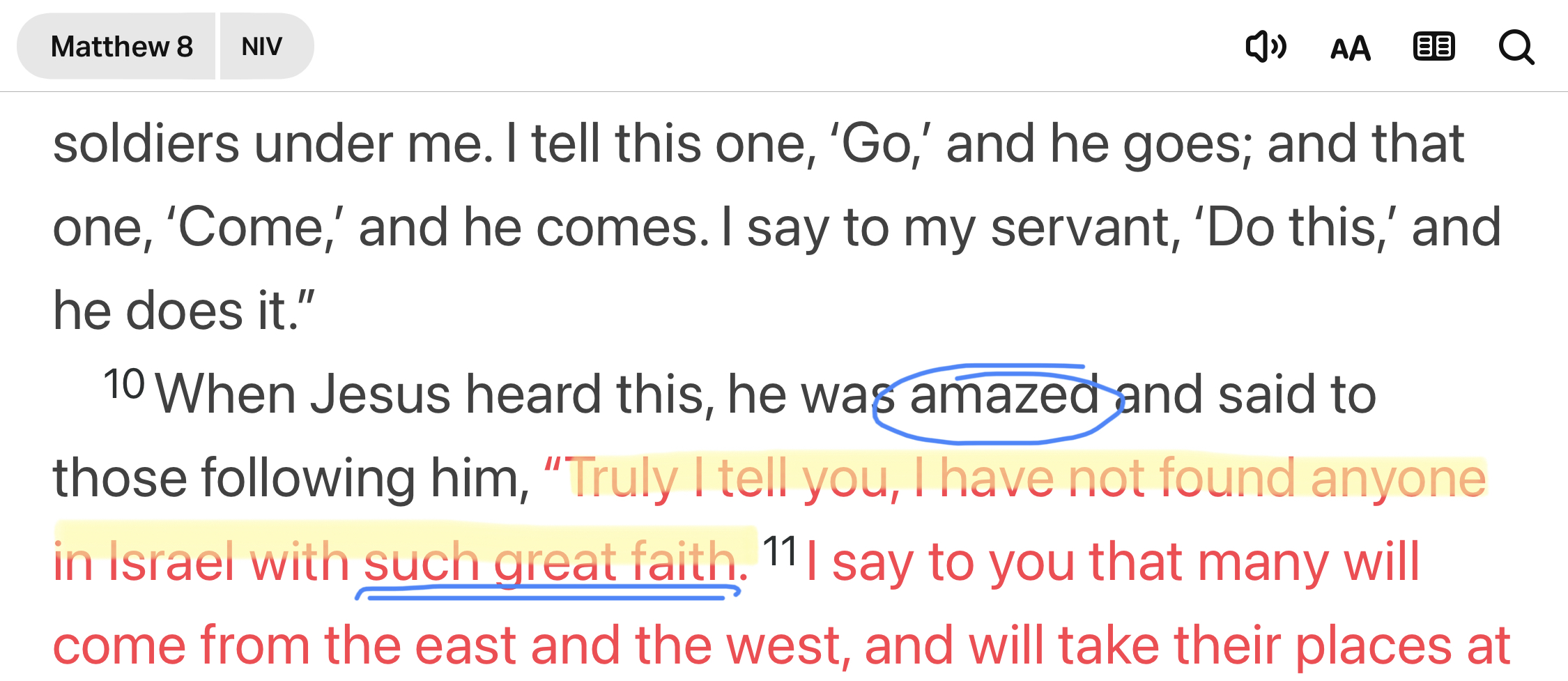
Have you ever been cursed out? Here’s how Jesus wants Christians to respond. It’s pretty easy to say something nice to someone who has done something nice for you. But Jesus tells us to say nice things to people regardless of how they have treated us.

“The battles that count aren’t the ones for gold medals. The struggles within yourself—that’s where it’s at.” —Jesse Owens

“Your walk walks, and your talk talks, but your walk talks more than your talk talks.” —Anonymous