This is a weekly series with things I’m reading and pondering from Charles Spurgeon. You can read the original seed thought here, or type “Thursdays With Spurgeon” in the search box to read more entries.
God Sovereignly Gives Gifts
…Am I not permitted to do what I choose with what is mine? (Matthew 20:15)
There is no attribute of God more comforting to His children than the doctrine of divine sovereignty. Under the most adverse circumstances, in the most severe troubles, they believe that sovereignty has ordained their afflictions, and that sovereignty overrules them and that sovereignty will sanctify them all. …
On the other hand, there is no doctrine more hated by worldlings, no truth of which they have made such a football, as the great, stupendous, but yet most certain doctrine of the sovereignty of the infinite Jehovah. Men will allow God to be everywhere except on His throne. … When God ascends His throne, His creatures then gnash their teeth. And when we proclaim an enthroned God and His right to do as He wills with His own, to dispose of His creatures as He thinks well, without consulting them in the matter, then it is that we are hissed and execrated. …
O you who are gifted with a noble frame, a comely body—boast not yourself therein, for your gifts come from God. Oh, glory not, for if you glory you become uncomely in a moment. The flowers boast not of their beauty, nor do the birds sing of their plumage. Be not vain, you daughters of beauty. Be not exalted, you sons of comeliness. And, all you men of might and intellect, remember that a sovereign Lord bestows all you have. …
Therefore I say do not exalt yourself above measure, but use what God has given you, for it is a royal gift and you should not lay it aside. But if the sovereign Lord has given you one talent and no more, lay it not up in a napkin, but use it well. … Bless God that you have more than others and thank Him also that He has given you less than others, for you have less to carry on your shoulders. And the lighter your burden, the less cause you will have to groan as you travel on toward the better land. Bless God, then, if you possess less than your fellows, and see His goodness in withholding as well as in giving.
From Divine Sovereignty
God does all that He does on purpose. Just because you or I cannot perceive His purpose doesn’t mean that there is no purpose. There is!
God is sovereign. We can fight against this, or we can see it as the amazing comfort that God intends for it to be. Since God is sovereign, I can rest assured that I am where He needs me to be, equipped with all He has given me to bring Him glory in that place!
Listen to the podcast of this post by clicking on the player below, and you can also subscribe on Apple, Spotify, or Audible.
A “mondegreen” is a misunderstood word or phrase usually because it’s in a song lyric that is misunderstood. In Christmas carols, many mondegreens come from the fact that the Old English lyrics are sometimes up to 200 years old and simply aren’t the way Americans talk today. One of my favorite mondegreens comes from I Heard The Bells On Christmas Day where people say “the bell freeze up all Christians dumb” instead of “the belfries of all Christendom”!
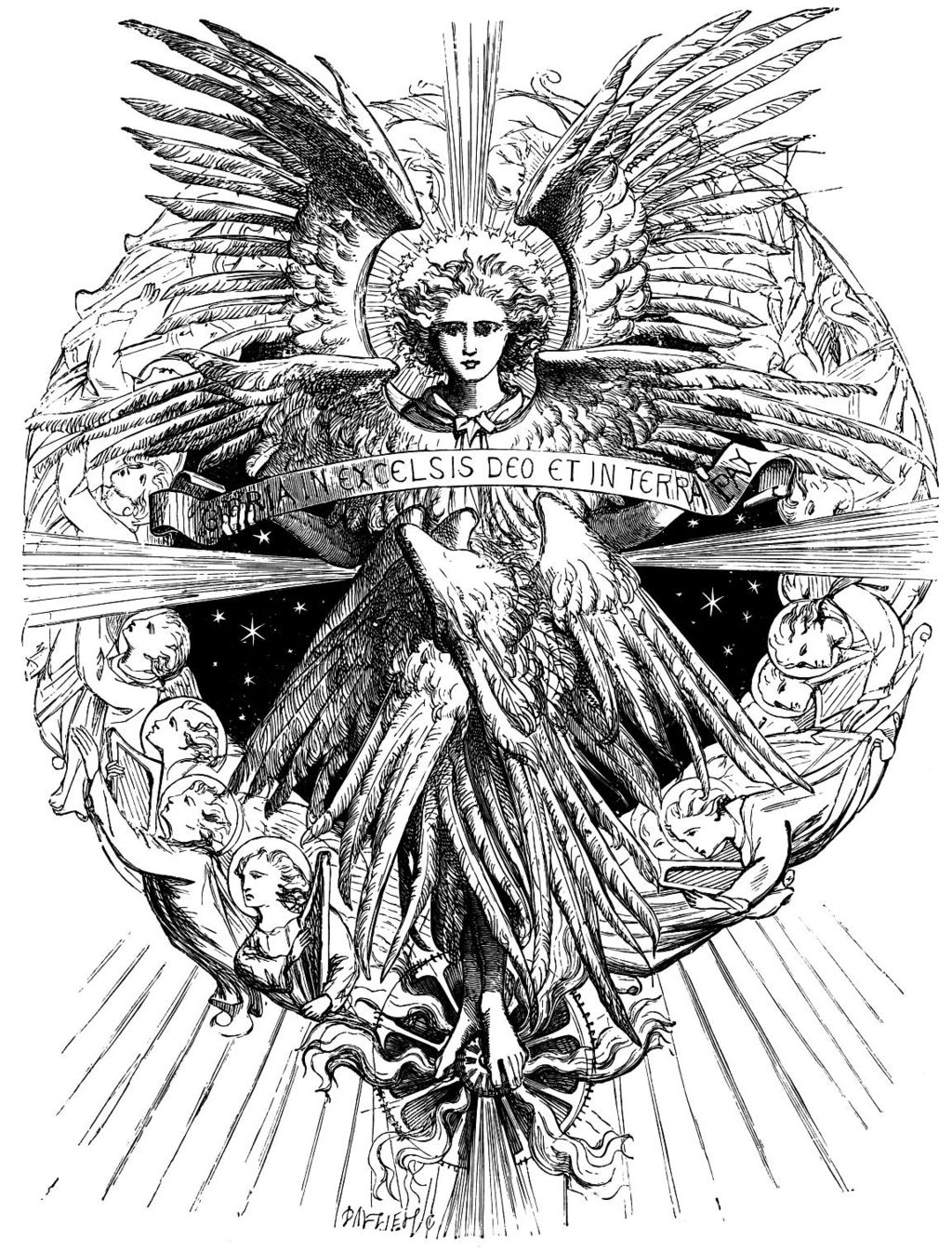
If this happens to 200-year-old songs written in English, can you imagine what happens to a song that is 1700 years old and was originally written in Latin?! I’m talking about the chorus from Angels We Have Heard On High which simply says, “Gloria in excelsis Deo.”
That Latin phrase means Glory to God in the highest! The idea is that our praise of God is both excellent and increasing in its level of adoration. The Latin phrase is shorthand for a doxology that is traced back to 300 AD.
The angels aren’t the subject of this carol, but the focal point is to Whom their song is being raised—“Come to Bethlehem and see Him Whose birth the angels sing; come adore on bended knee Christ the Lord, the newborn King.”
The idea of gloria in excelsis is to keep making our praise bigger and more magnificent. We are to MAGNIFY what God has done for us through the advent of Jesus.
In Hebrew, the word gadal is usually translated as “magnify” or “glorify” in English, and it means something that is growing and becoming more powerful. David uses gadal as he not only praises God from deep within his soul but encourages others to join in his song (Psalm 34:1-3).
In Greek, the word megalynō is also translated “magnify,” and means to make something great, make it obvious, declare it to be great, celebrate it. Mary’s song called The Magnificat begins with this word (Luke 1:46).
Just like a magnifying glass doesn’t make an object bigger, it just helps us see it better. So, too, our praise and adoration don’t make God bigger, it just helps others see Him better.
So I have a question to ask you—which I’ve already been asking myself:
►► Would you please prayerfully consider supporting this ministry? ◀︎◀︎
If you’ve missed any of the message in this series, you can check them out by clicking here.
This is a weekly series with things I’m reading and pondering from Charles Spurgeon. You can read the original seed thought here, or type “Thursdays With Spurgeon” in the search box to read more entries.
Christ Came On Purpose
This heavenly knowledge is not given to us for its own sake alone. Even the high and blessed revelation of the righteous Father is not made to us that we may know it and end in knowing. Our Lord says, “I have declared to them Your name, and will declare it, that the love with which You have loved Me may be in them, and I in them” [John 17:24-26]. The objective of the knowledge bestowed upon us is the infusion of a love unrivaled in value and extraordinary to the last degree! …
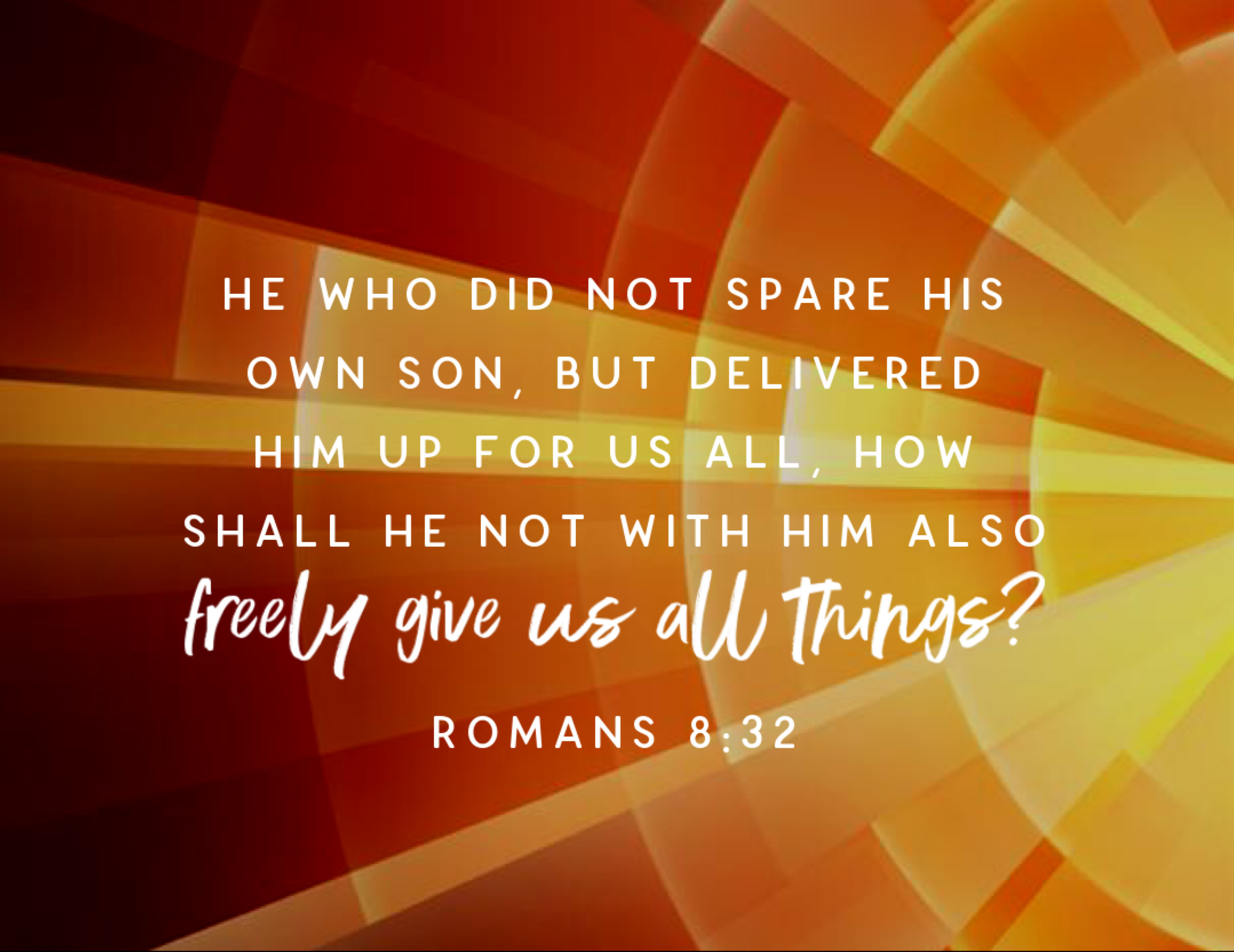
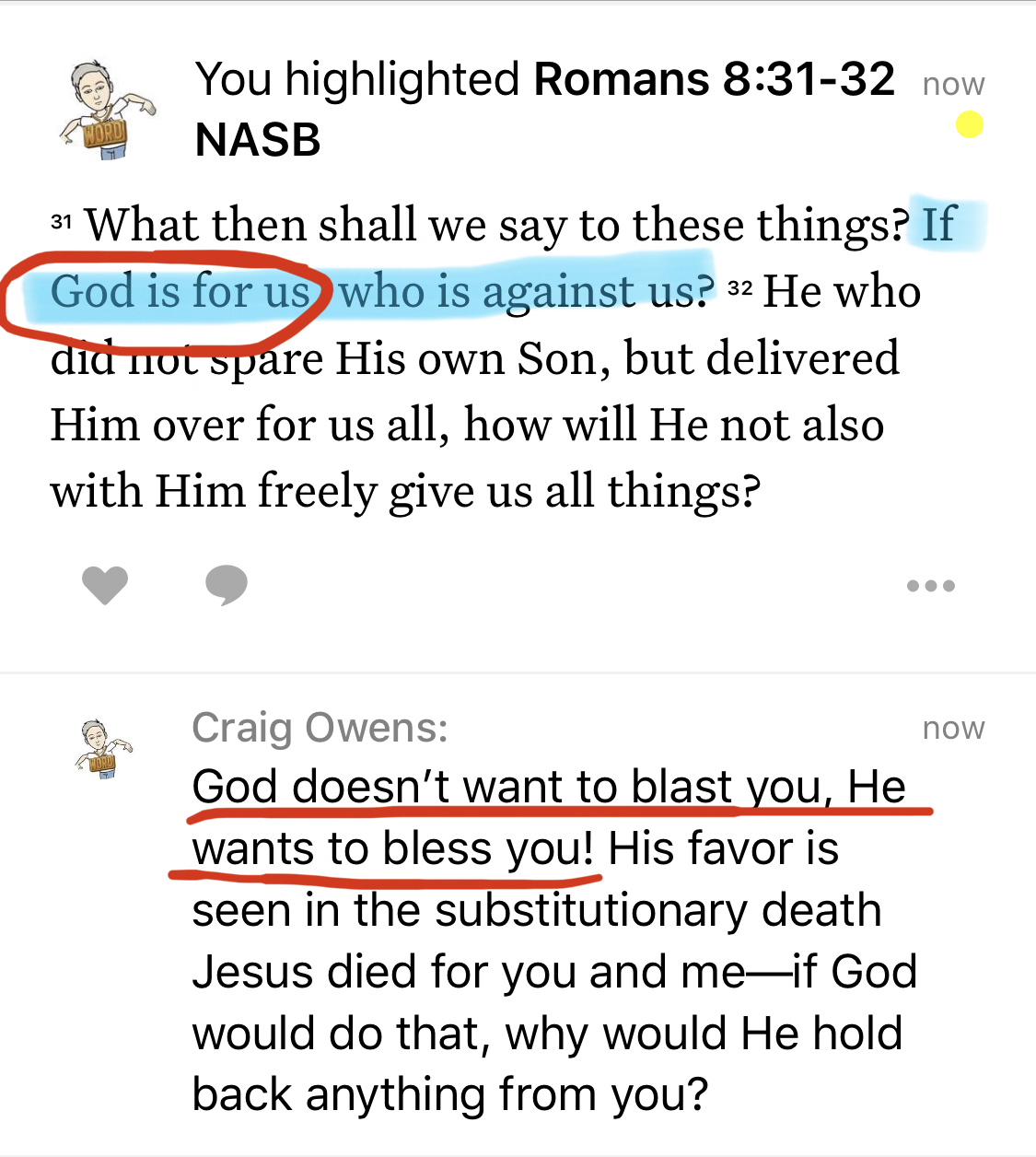
Therefore does Christ declare the blessed name of the righteous Father, in order that it may come home to you with an unconquerable power that the Father loves you and loves you beyond conception, seeing that not even His dear Son was so loved as to be spared, but He must die that you might live and that the justice of God might be satisfied on your account! …
Christ has come on purpose to declare the name of God that the love of God may be perceived by us, its power felt, its glory recognized, its greatness wondered that, its infinitude delighted in. …
Now, if you fully know the righteous fatherhood of God, as Christ would have you know it, you will learn that God loved you as He loved His Son. … If He had not loved you as He loved His Son, He would have said to His Son, “Son, you will never leave heaven for that polluted planet. You will never descend to poverty and suffering. You will never have Your hands and feet pierced. You will never be despised and spit upon and put to a cruel death.” But because He loved us as He loved His Son, He gave His Son! …
Do you try, if you can, to realize this high privilege. It is true, O believer, that God, the infinite Father, takes pleasure in you!
From The Righteous Father Known And Loved
THIS is what we celebrate in remembering Christ’s First Advent!
THIS is why forgiven sinners can eagerly long for Christ’s Second Advent!
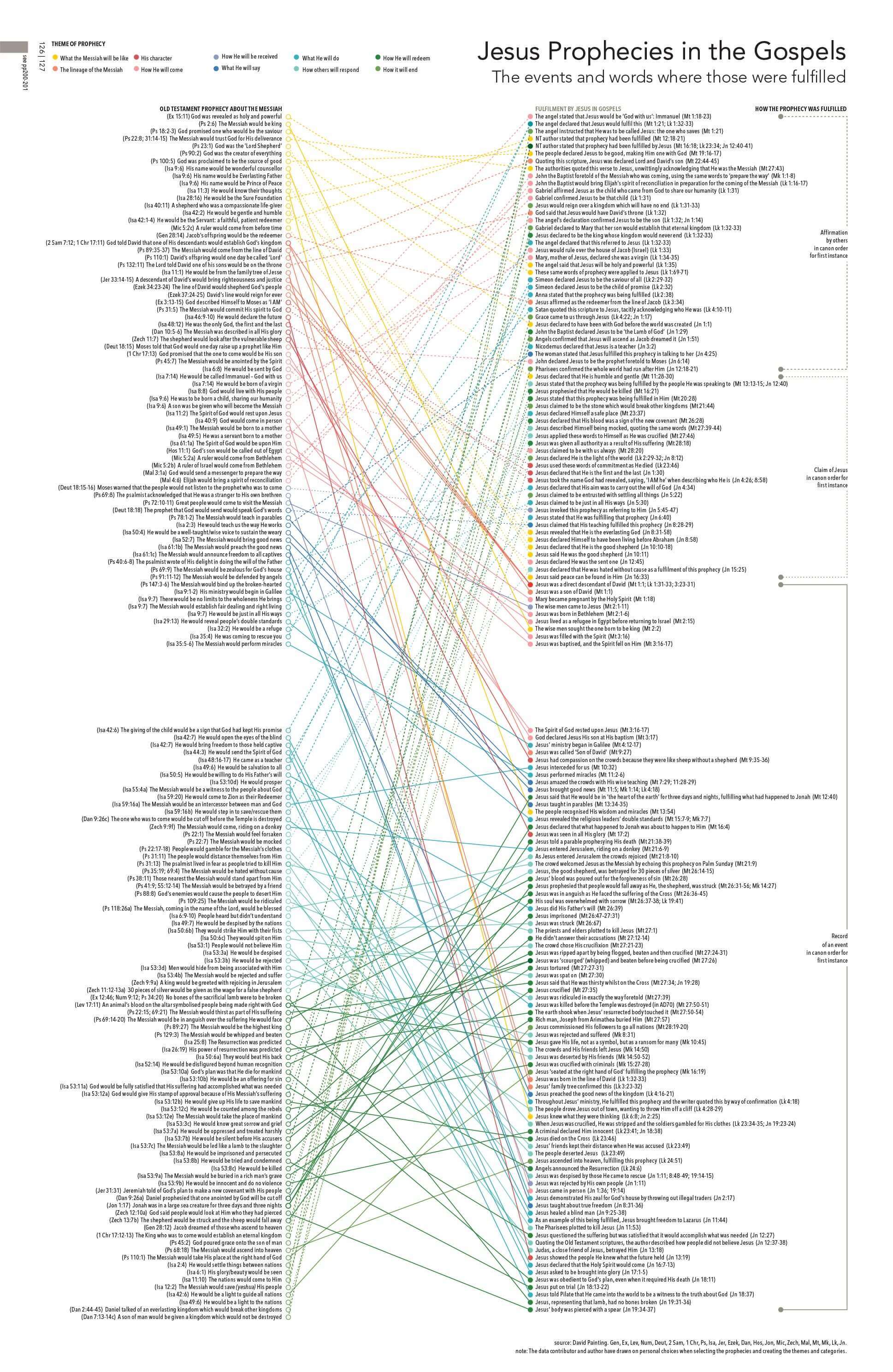
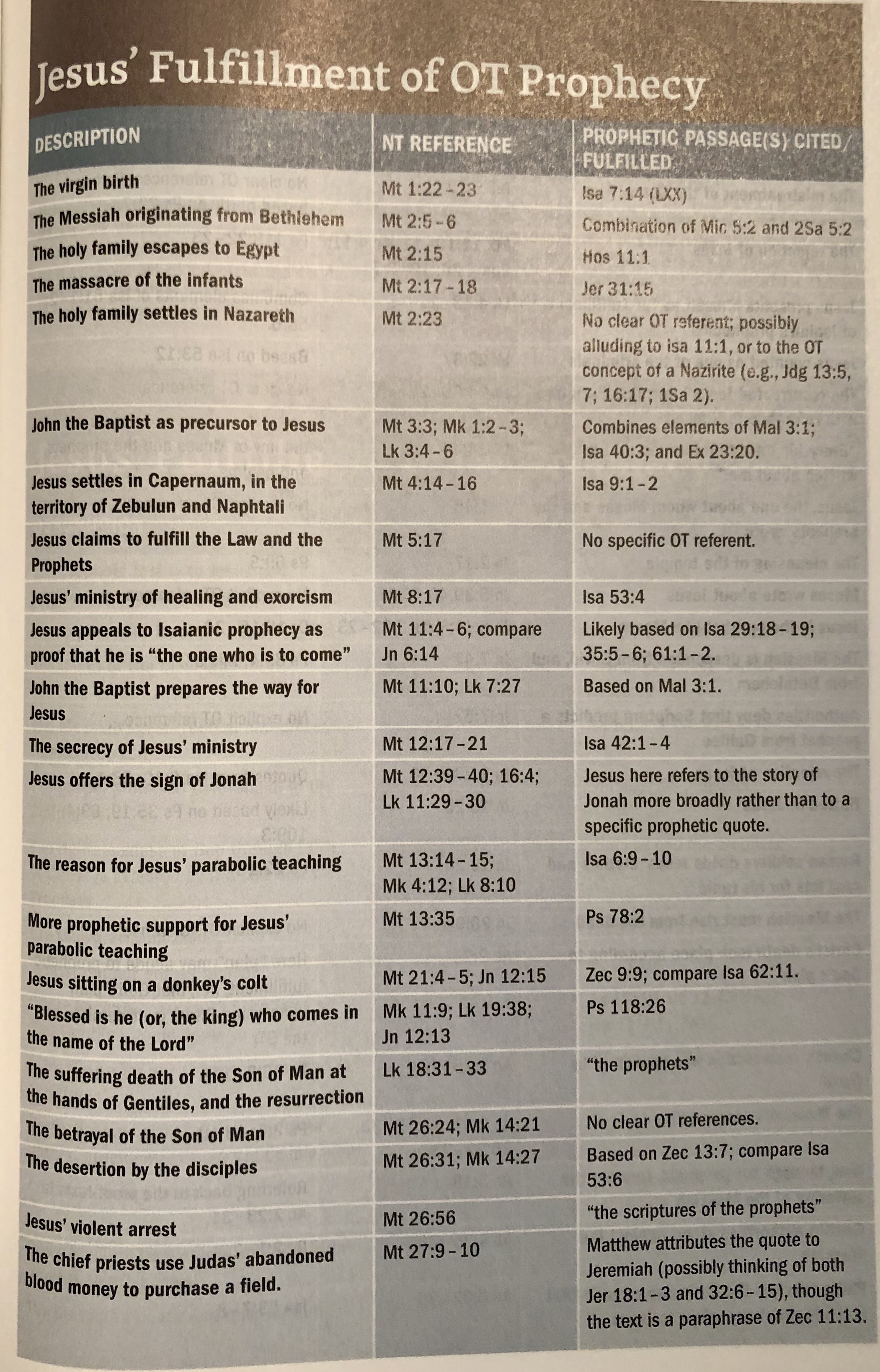
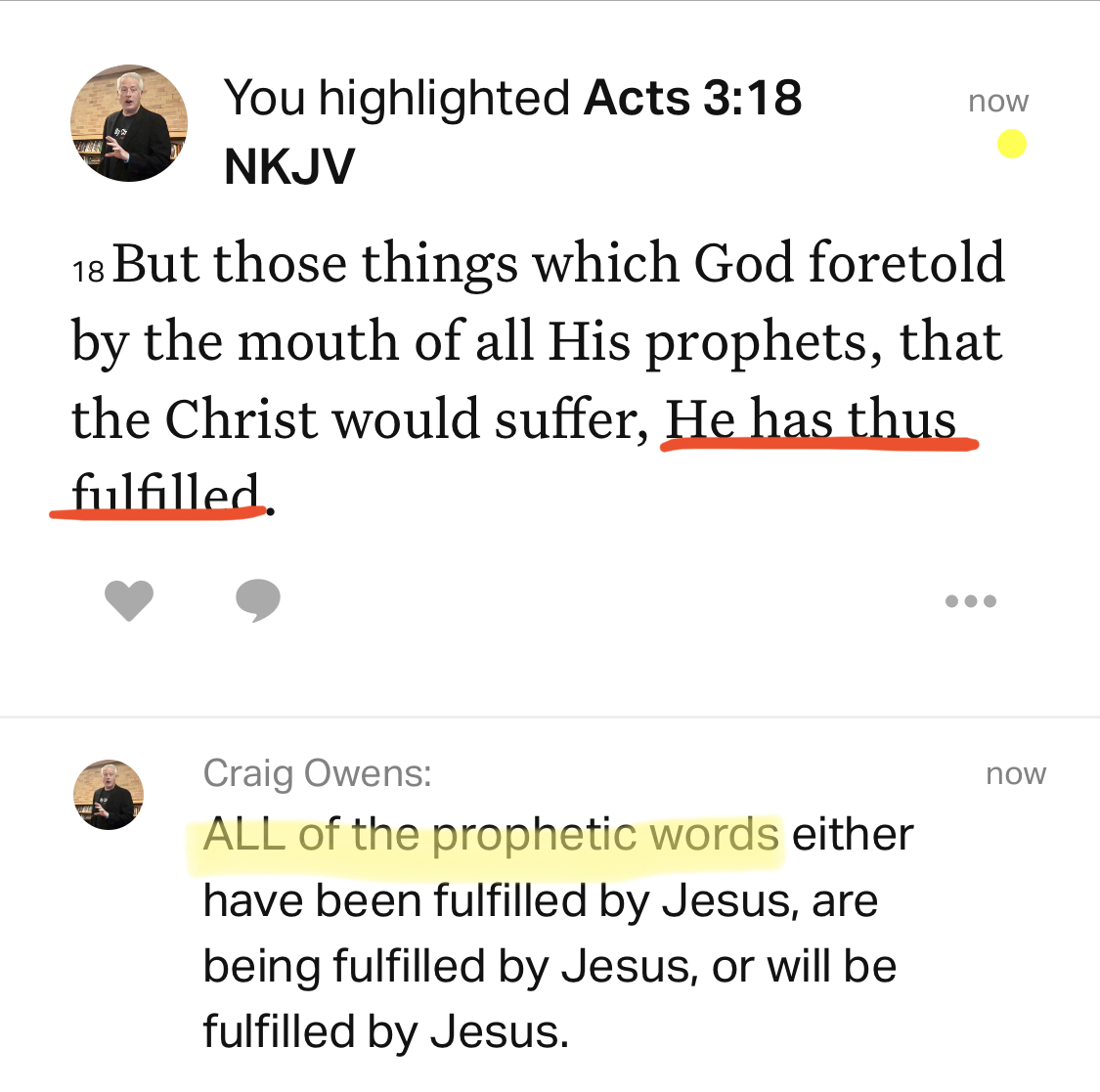
Jesus doesn’t just appear in the pages of the New Testament. All of the Old Testament Scriptures are pointing to Jesus, with some of them being quite specific concerning the time that Jesus would be living on Earth.
Whether or not the New Testament writers explicitly point to how Jesus fulfilled those prophecies, they are all there for us to discover. It’s absolutely astounding!
Here are two graphics from The Infographic Bible and the Faithlife Illustrated Study Bible that will help you see some of these fulfilled prophecies in Christ’s First Advent. And there are still more prophecies that Jesus will fulfill in His any-day-now Second Advent!
I think all of you can finish this poem: ’Twas the night before Christmas and all through the house not a creature was stirring, not even a mouse.
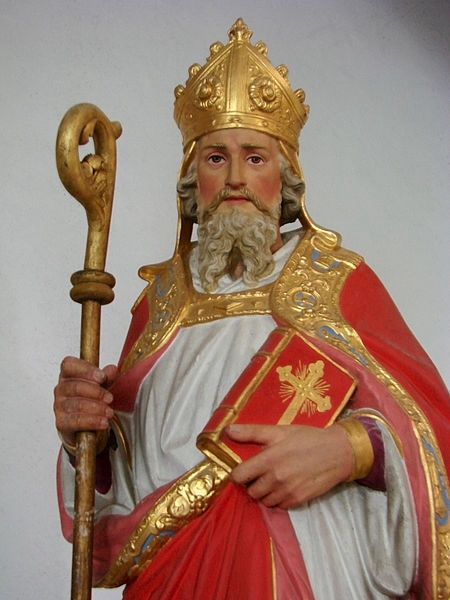
This poem was written in 1837 by Clement Moore. Most people assume the title of the poem is the first line of the poem, but Moore’s original title is actually “A Visit From St. Nicholas.” And we all know what St. Nicholas (aka Santa Claus) looks like, right? Actually, this well-known painting of Santa Claus is the creation of Haddon Sundblom for Coca-Cola in 1930, but it’s not too far off from the original St. Nicholas.
Nicholas of Myra was a Christian bishop who lived in the 3rd century AD. It was discovered by some of his peers that he would anonymously throw bags of money through the open windows of the poor people in his town. Some of the coins landed in these poor families’ shoes and socks as they were drying by the fireplace. The myth grew that without your stockings hung by the fireplace you wouldn’t receive any gifts. After Nicholas died in 342 AD he was declared a saint, so his popular practice of blessing the poor spread and took on a life of its own.
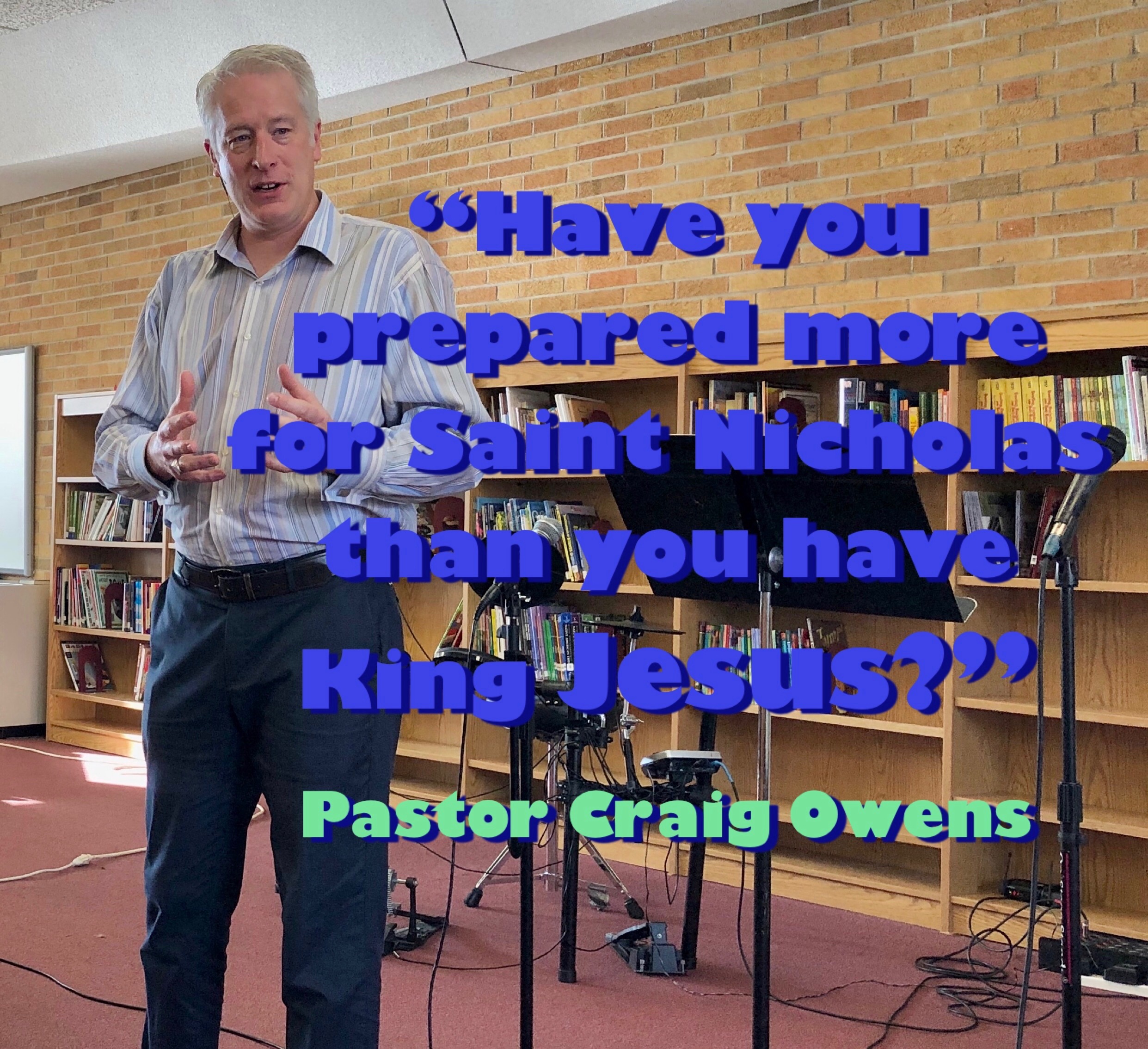
I’m struck by a contrast from the line in Moore’s poem that “the stockings were all hung by the chimney with care.” This tells us how well people prepare for the “arrival” of St. Nicholas each Christmas, but let’s contrast that with how ill-prepared—if they even know they need to prepare!—people are for the absolutely certain fact of the arrival of King Jesus!
Just as the vast majority of Israelites weren’t prepared for the Messiah’s first Advent in Bethlehem in the 1st century, how many people are still unprepared for His second Advent which could occur at any moment?
Think about the contrasts between the legend of St. Nicholas (i.e. Santa Claus) and the certainty of Jesus Christ:
There was no room in any inn, although Joseph knocked and knocked. Jesus is still knocking today, except today it’s on the door of your heart (Revelation 3:20). Will you let Him in? Or will you continue to allow your heart and mind to be dominated by myths and legends?
Advent is a time for reflection. I don’t think we could ask a more heart-searching question than this—
If you’ve missed any of the message in this series, you can check them out by clicking here.