


 “Poverty, you may walk through my door, but God is already in my house, and He has chosen me. Sickness, you may intrude into my life, but I have a cure standing ready—God has chosen me. Whatever occurs in the valley of tears, I know He has chosen me. Dear Christian, do not be afraid, for Jesus is with you. Through all your fiery trials, His presence is both your comfort and safety. He will never forsake those He has chosen for His own. ‘Do not be afraid, for I am with you’ (Genesis 26:24) is His unfailing word of promise to His chosen ones who are experiencing ‘the furnace of affliction.’” —Charles Spurgeon
Charles Spurgeon To Christians: Don’t Be Afraid
July 19, 2016 — Craig T. Owens20 More Useful Maxims
July 18, 2016 — Craig T. Owens I have already shared two sets of maxims from Brian Ridolfi’s great book Useful Maxims (you can read them here and here). These are some additional maxims targeting particular topics…
Maxims On Sex & Relationships
- When two lovers give, they each receive.
- Loveless sex is listless sex, and commoditized sex is lobotomized sex.
- Women are the gatekeepers of virtue; lost women make lost civilizations.
Maxims On Science & Philosophy
- The difference between science and philosophy: science attempts to answer the how questions, and philosophy the why questions.
- The difference between sound and unsound philosophy: good philosophy justifies itself, bad philosophy justifies the philosopher.
- When science becomes a god, science becomes a fraud.
- Atheistic theories are not necessarily scientific, and theistic theories are not necessarily unscientific.
- In science, the facts make the case, but in evolution, the case makes the facts.
- What came first, the cell or the DNA?
- Creationism is the enemy of scientists, not science.
- The theory of evolution evolved from moral devolution.
Maxims On satan & Evil
- A godless world is a joyless world.
- All is rotten after God is forgotten, and all goes sour that is under satanic power.
- satan is no threat to God, he is a threat to man. He is not God’s adversary, he is man’s adversary.
- The devil cannot make you do anything; he just makes you believe you can do anything.
- The way to spot satan is to know Christ.
- satan is not to be feared, he is to be avoided.
- Evil which appears godly is the most insidious form of evil.
- The difference between evil spirits and evil men: evil spirits know they are dead, and evil men are dead because they do not know.
- Allowing evil to continue is the most evil act of all.
To read some of the other quotes from Useful Maxims that I am sharing, be sure to follow me on Twitter and on Tumblr, and check out my review of Useful Maxims here.
4 Quotes On Persecution From “The Blessing Of Humility”
July 15, 2016 — Craig T. Owens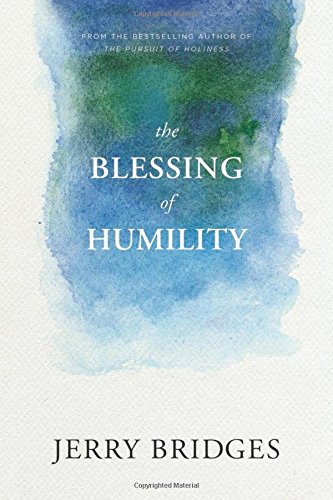 As I stated in my review of Jerry Bridges’ book The Blessing Of Humility, reading through these thoughts slowly—Beatitude by Beatitude—would bring about the most life-changing impact. In that spirit, I will be sharing some noteworthy quotes one Beatitude at a time. Here are some quotes on blessed are those who are persecuted because of righteousness (Matthew 5:10-12)…
“There is no doubt that the culture is becoming more and more antagonistic toward biblical values. For some years I have thought our American culture to be ungodly; that is, to believe and act as if God is irrelevant. Now I believe we have become not just ungodly but actually anti-God. An increasing number of those who most influence our culture—such as academia, the media, and the entertainment industry—are openly hostile to the whole idea of God or of biblical values.”
“I suspect that our own court system will eventually fail us, as more and more judges are appointed who have been trained in law schools that at best are indifferent to biblical righteousness and at worst are openly hostile to it. Even our Supreme Court seems to be rendering decisions based on the mores of popular culture rather than on a principled application of the Constitution.”
“There is a sense in which this eighth Beatitude is the climax of several preceding ones dealing with our response to the way others treat us. … In this eighth Beatitude Jesus has in mind persecution rooted in the hostility of the anti-God culture we live in.”
“Keep in mind these words from Jesus [Luke 6:27-28] are precepts—authoritative commands of God. Furthermore, they address more than our attitude toward those who persecute us. They are action steps: we are to love our enemies, do good to them, bless them, and pray for them.”
I have previously shared quotes on:
6 Quotes On Peacemakers From “The Blessing Of Humility”
July 14, 2016 — Craig T. OwensAs I stated in my review of Jerry Bridges’ book The Blessing Of Humility, reading through these thoughts slowly—Beatitude by Beatitude—would bring about the most life-changing impact. In that spirit, I will be sharing some noteworthy quotes one Beatitude at a time. Here are some quotes on blessed are the peacemakers (Matthew 5:9)…
“Jesus was speaking of making peace when we ourselves are involved in conflict with others.”
“It is often the sinful use of our tongues that cause conflict. But the tongue is only an instrument. The real problem is the heart. … To become peacemakers, then, we must begin with ourselves. We must ask ourselves, ‘Why do I make cutting remarks to another person? Why do I make demeaning remarks about them?’ We must also ask us ourselves, ‘What causes my resentment toward that person?’ or ‘Why do I continue to nurse hurts by that person instead of forgiving them? What is it that causes me to be envious or jealous of that person?’ In order to even ask those questions, we have to admit that we have those attitudes. But because we know they are sinful, we tend to live in denial that we have them.”
“Peacemaking where there is conflict with someone else is not an option for us. It is God’s commandment. We are to strive for peace with everyone (Hebrews 12:14). The word strive is a translation of the Greek word dioko. It is a very intense word and is most often used for the word pursue. (See also Philippians 3:12, 14; 2 Timothy 2:22; 1 Peter 3:11.)”
“Jesus tells us, ‘Love your enemies and pray for those who persecute you’ (Matthew 5:44). Are we willing to pray for those who have hurt us, that God will bless them? To be a peacemaker, then, means we absorb the hurtful words or actions of others without becoming resentful, retaliating, or even cutting off a relationship with the person.”
“To be a peacemaker means taking the initiative to restore such broken or damaged relationships, even when the major cause of the rupture lies with the other person.”
“To be a peacemaker means we must seek to be delivered from self-interest and not look at everything in terms of how it affects us. Instead we must be concerned about the glory of God and how we can best promote that glory in situations of conflict.”
I have previously shared quotes on:
- blessed are the poor in spirit
- blessed are those who mourn
- blessed are the meek
- blessed are those who hunger and thirst for righteousness
- blessed are the merciful
- blessed are the pure in heart
Quotes on the final Beatitude will be posted soon. Stay tuned…
6 Quotes On Purity From “The Blessing Of Humility”
July 12, 2016 — Craig T. OwensAs I stated in my review of Jerry Bridges’ book The Blessing Of Humility, reading through these thoughts slowly—Beatitude by Beatitude—would bring about the most life-changing impact. In that spirit, I will be sharing some noteworthy quotes one Beatitude at a time. Here are some quotes on blessed are the pure in heart (Matthew 5:8)…
“The word pure is used of clothing that has been washed, of grain from which all chaff has been removed, and of gold that has been refined until all impurities have been removed. A pure heart, then, is one from which all sinful desires have been removed. Positively it means to love God with all my heart, soul, and mind (Matthew 22:37). It means to live all of my life to the glory of God (1 Corinthians 10:31).”
“Once we acknowledge God’s ownership of us, our responsibility becomes clear: Whatever we do must serve God’s purposes. And central among God’s purposes, as demonstrated throughout the Scriptures, is God’s glory.”
“To present our bodies (and our hearts also) is to recognize Christ as the ‘Owner’ of our lives [Romans 12:1]. It is the subjective, experiential response to the objective truth that we are His own possession.”
“Our minds can only be transformed as they are regularly exposed to the Word of God. This means we need to regularly read and study our Bibles and apply what we find there to our daily lives.”
“To be—or better, to seek to be—pure in heart produces humility in action as we become more God-focused in our daily lives.”
“To acknowledge how far short we fall from purity of heart will send us back to the first Beatitudes: to be poor in spirit and to mourn because our hearts are so often divided. That is humbling. But that honest humility should drive us back to the gospel, where we see ourselves united to the One Who had the only perfectly pure heart in all of history. This will motivate us and empower us to see what we can never fully attain: to be pure in heart.”
I have previously shared quotes on:
- blessed are the poor in spirit
- blessed are those who mourn
- blessed are the meek
- blessed are those who hunger and thirst for righteousness
- blessed are the merciful
Quotes on the next Beatitude will be posted soon. Stay tuned…
5 Quotes On Mercy From “The Blessing Of Humility”
July 11, 2016 — Craig T. OwensAs I stated in my review of Jerry Bridges’ book The Blessing Of Humility, reading through these thoughts slowly—Beatitude by Beatitude—would bring about the most life-changing impact. In that spirit, I will be sharing some noteworthy quotes one Beatitude at a time. Here are some quotes on blessed are the merciful (Matthew 5:7)…
“The first four character traits of the Beatitudes…all address our internal character and our relationship to God. Here in this Beatitude, ‘Blessed are the merciful,’ Jesus begins to address our relationship with other people.”
“Note the subtle distinction between compassion and mercy. The Samaritan had compassion [Luke 10:33] and then showed mercy [v. 34-35].”
“Mercy expresses itself in two general areas: In the temporal sense, mercy seeks to meet the physical needs of others, as the Good Samaritan did in Jesus’ parable. The second way mercy expresses itself is granting forgiveness to those who have sinned against us.”
“The magnitude of our sin is not measured by its effects on other people but by its assault upon the infinite majesty and holiness of God.”
“To forgive others means we regard ourselves as ten-thousand-talent debtors [Matthew 18:23-35].”
I have previously shared quotes on:
- blessed are the poor in spirit
- blessed are those who mourn
- blessed are the meek
- blessed are those who hunger and thirst for righteousness
Quotes on the next Beatitude will be posted soon. Stay tuned…
7 Quotes On Hungering & Thirsting From “The Blessing Of Humility”
July 9, 2016 — Craig T. OwensAs I stated in my review of Jerry Bridges’ book The Blessing Of Humility, reading through these thoughts slowly—Beatitude by Beatitude—would bring about the most life-changing impact. In that spirit, I will be sharing some noteworthy quotes one Beatitude at a time. Here are some quotes on blessed are those who hunger and thirst for righteousness (Matthew 5:6)…
“To hunger and thirst for righteousness, then, indicates a strong overwhelming desire for righteousness. … Righteousness denotes the state of being right. Biblically, it means perfect according to God’s law in every way: thought, word, deed, and even motive.”
“At the moment we trusted Christ as Savior, we were justified—declared by God to be righteous. You will never be more or less righteous before God any day of your life than you were the moment you trusted Christ as your Savior. This raises another question: Why should I hunger and thirst for that which I already have? The answer is that the more we grow and mature in the Christian life, the more sensitive we become to the sin and failure we see in our lives. It is not that we necessarily sin more but rather that we become more aware of and mourn over the sin that is already there. As that happens, we hunger more and more after the righteousness we have only in Christ.”
“There is a legitimate sense in which we are to hunger and thirst for that perfect righteousness we already have in Christ. This should be a continual daily attitude of all growing Christians because we continue to sin every day.”
“There is a second righteousness that we should hunger and thirst for: the experiential righteousness we are to pursue every day. God has inextricably linked together the righteousness we have in Christ and the righteousness we should pursue. He does not give one without the other. Therefore, whoever hungers and thirsts after the righteousness we have in Christ will also hunger and thirst to be righteous in his or her daily experience.” [See 2 Timothy 2:2; 1 Peter 2:24; 1 John 3:10]
“It is clear from Scripture, then, that we are to pursue an experiential righteousness. But what will cause us to hunger and thirst for it? The answer is twofold. First, as we have already observed, the new nature is inclined by the Holy Spirit to pursue righteousness. … The second motivation is gratitude for the righteousness we have in Christ.”
“There will be no growth in experiential righteousness apart from a regular intake of the Word of God.”
“We are absolutely dependent on the Holy Spirit to work in us Himself and to enable us to work. We cannot make one inch of progress toward experiential righteousness without His divine enablement.”
I have previously shared quotes on:
Quotes on the remaining Beatitudes will be posted next week so stay tuned. Even better: subscribe to my blog, and you’ll receive the new quotes directly in your email inbox.
6 Quotes On Meekness From “The Blessing Of Humility”
July 8, 2016 — Craig T. OwensAs I stated in my review of Jerry Bridges’ book The Blessing Of Humility, reading through these thoughts slowly—Beatitude by Beatitude—would bring about the most life-changing impact. In that spirit, I will be sharing some noteworthy quotes one Beatitude at a time. Here are some quotes on blessed are the meek (Matthew 5:5)…
“Meekness is not being timid, spineless, unassertive, and easily dominated. It is not a natural niceness. In fact, it has nothing to do with one’s personality or temperament.”
“There is then a twofold expression of meekness: first toward God and then toward other people. Meekness toward God involves: (1) responsiveness to His Word; (2) submission to His Providence.”
“As I reflect on our evangelical community to the extent I am aware of it, it seems we are more knowers of the Word than doers of the word. … Instead we too often use the Scriptures not as a means of judging ourselves but as a means of judging others, especially those whose sins are more flagrant than ours. The meek person, in contrast, searches the Scriptures (or listens to it taught) not to judge others but to allow the Holy Spirit to judge him or her. In fact, the meek person earnestly desires the Spirit to use His Word to effect a deep change in his or her inner being.”
“Thomas Watson wrote that meekness toward other people consists of three things: the bearing of injuries, the forgiving of injuries, and the returning of good for evil.”
“Because we have been forgiven so much, we have an obligation to forgive those who sin against us. Yet our motive for forgiving should not be our obligation but the realization of how much we have been forgiven.”
“Meekness towards man means bearing patiently with the hurtful actions of others and dealing gently with their failures, not only in the assurance that all of these are under God’s providential control, but in the knowledge that, left to ourselves, we have no claim to be any stronger than the weakest of our friends or any better than the worst of our enemies.” —John Blanchard
I have previously shared quotes on:
Quotes on the next Beatitude will be posted soon. Stay tuned…
6 Quotes On Mourning From “The Blessing Of Humility”
July 7, 2016 — Craig T. OwensAs I stated in my review of Jerry Bridges’ book The Blessing Of Humility, reading through these thoughts slowly—Beatitude by Beatitude—would bring about the most life-changing impact. In that spirit, I will be sharing some noteworthy quotes one Beatitude at a time. Here are some quotes on blessed are those who mourn (Matthew 5:4)…
“The word that Jesus used in this Beatitude is the strongest word in the Greek language for mourning. It is the word for Jacob’s morning over what he thought was the death of Joseph (Genesis 37:35). … Jesus uses this word to show the intensity of mourning He blesses here. He is, however, actually talking about mourning not over death but over our sin.”
“To be ‘poor in spirit’ is to be convicted of one’s sin, whereas to ‘mourn’ is to be contrite for it.” —John Blanchard
“King David committed two sins: first adultery, and then (essentially) murder to try to cover up his adultery. God sent the prophet Nathan to confront him, and in his skillful accusation of David, Nathan twice used the word despised (2 Samuel 12:7-11). First, David despised the Word of the Lord—that is, he despised the law of God (verse 9). In so doing, he also despised the Person of God (verse 10). Why is this true? Despising the law of God is not only an expression of rebellion. It is also a despising of His very character, since His law is a reflection of His character. This is true not only of such heinous sins as adultery and murder, but also of our more refined sins: pride, selfishness, gossip, and the like. So let us pray that God will indeed allow us to see our sin as rebellion against the rule of God—a despising of God’s law and even of His character.”
“Failure to see our sin as primarily against God is, I believe, the reason we experience so little heartfelt grief over it. … But be it ever so small in our own eyes, whenever we sin we also break God’s law. And Scripture says, ‘Whoever keeps the whole law but fails in one point has become accountable for all of it’ (James 2:10). God’s law is seamless, one complete whole. So when we break any of it, we break the whole law.”
“Is mourning over sin just for those first coming to Christ? No, Jesus’ words are in the present active tense. We could literally translate them as ‘blessed are those who continue to mourn.’ He is pronouncing a blessing on those whose attitude toward their sin is characterized by mourning. One mark of a growing Christian, then, is a growing sense of his or her sin, and an attitude of mourning over it.”
“So mourning over our sin is truly a display of humility in action. We cannot be proud and mourn over sin at the same time. We cannot be judgmental toward other believers, or even toward unbelievers, if we are truly contrite and brokenhearted over our own sin.”
I just shared quotes on blessed are the poor in spirit. Quotes on the next Beatitude will be posted soon. Stay tuned…
My most-viewed posts


 Craig T. Owens
6 Quotes From “Light & Truth—The Lesser Epistles”
July 13, 2016 — Craig T. Owens“It is a busy, lighthearted, laughing, pleasure-seeking world. But sin is here, and pain is here, and broken hearts are here, and weeping is here, and death is here, and the grave is here. Oh! in spite of all its laughter and vanity, it is an evil world. And the great proof of its evil is, that it cost the death of the Son of God to deliver you from it. … Give yourselves to Him Who came to deliver you from it, and Who stretches out His hands to you all day long, asking you to allow Him to deliver you. He yearns over you; and with sincere earnestness proffers to you His love, His friendship, His great salvation. Consent, O man, consent! His desire is to bless, and not to curse; to save, and not to destroy.” [Galatians 1:4]
“There never have been two gospels. There is not an Old Testament gospel and a New Testament Gospel. There is not one gospel for the Jew, and another for the Gentile, one gospel for the first century, and another for the nineteenth. It is but one gospel, as there is but one Cross and one Savior. Many ages, but one gospel; many sinners, but one gospel; many prophets and apostles, but one gospel. As our earth has had but one sun, so it has had but one gospel. Nor does it need more; that one is sufficient.” [Galatians 1:6-9]
“As the earth without rain or sunshine turns to barrenness, so is it with the Church or soul without the Spirit. … The age thinks it can do without the Spirit. Let the Church watch against this blasphemy. Let her keep hold of the Lord’s promise, the promise of the Father. Let her prize the gift; long for more of it. Let every saint seek more of it. Let our cry be continually: More of the Holy Spirit; more of His fullness; more of His gifts and graces!”
“Strength for the race is needed, hourly strength, superhuman strength; for it is no earthly race, but something lofty, supernatural, divine. Forgetting the supernatural source of strength, we betake ourselves to the internal or the simply external. And so we weary. For only God can supply the power which keeps us running. By Him only shall we run, and not be weary.” [Galatians 5:7]
“‘To Him who is able’—He is the Mighty One, the mighty God, the Lord God Almighty. Hear how this word ‘able’ is used. ‘He is able to subdue all things unto Himself’ (Philippians 3:21). ‘He is able to help them that are tempted’ (Hebrews 2:18). ‘He is able to save to the uttermost’ (Hebrews 7: 25). ‘He is able to keep us from falling’ (Jude 24). It is with the mighty God that we have to do; mightier than ourselves or our foes; mightier than earth or hell; omnipotent.” [Ephesians 3:20]
“Are you expecting the Lord? Are you living in this expectation? Is it a deep-seated, abiding, cherished hope? Is it a hope that tells upon your character, your life, your daily actings in public or private, your opinions, your whole man? Does it quicken you? Does it purify you? Does it keep you separate from the world? Does it keep you calm in the midst of earth’s most exciting events, or most untoward changes? Does it give you a new view of history as well as prophecy? … Let your expectation of the Lord’s coming be a calm and healthy one; not one that excites, but one that tranquilizes; not one that unfits for duty, but one that nerves you more firmly for it; not one that paralyzes exertion, but one that invigorates you for it; not one that makes you indifferent to present duty, but one that makes you doubly in earnest about everything that your hand findeth to do; not one that stops liberality, and prayer, and work, but one that increases all these a hundred fold; not one that dwells exclusively on the future’s dark side—the judgments that are at hand—but one that realizes the glory and the joy of Messiah’s approaching victory and triumphant reign.” [Philippians 3:20]
Share this: