 Traced back to a play in the early 1600s, it still rings true: “He who laughs last, laughs best.”
The distraught father named Jairus hurriedly left his home. He was looking for this Man named Jesus. People said Jesus could perform miracles, and Jairus needed one.
He found Jesus and quickly explained that his 12-year-old daughter was dying. They had tried everything they knew to do, but she kept inching closer and closer to death’s door. Jesus readily agreed to go with Jairus to his home.
Along the way, Jesus was interrupted by another woman in desperate need, and He stopped to heal her. As Jairus was (im)patiently waiting for Jesus to continue on the journey, one of his servants ran up to Jairus with the sad news, “Your daughter is dead.”
Jesus looked at this heartbroken father and simply said, “Don’t be afraid. Just believe, and your daughter will be well.”
Jairus took Jesus at His word and continued walking with Jesus to his home.
While Jairus was gone, family members and friends had shown up to mourn the death of this sweet girl. They were wailing loudly, but the clear voice of Jesus could be heard even over their woeful cries: “Stop crying. She is not dead, only asleep.”
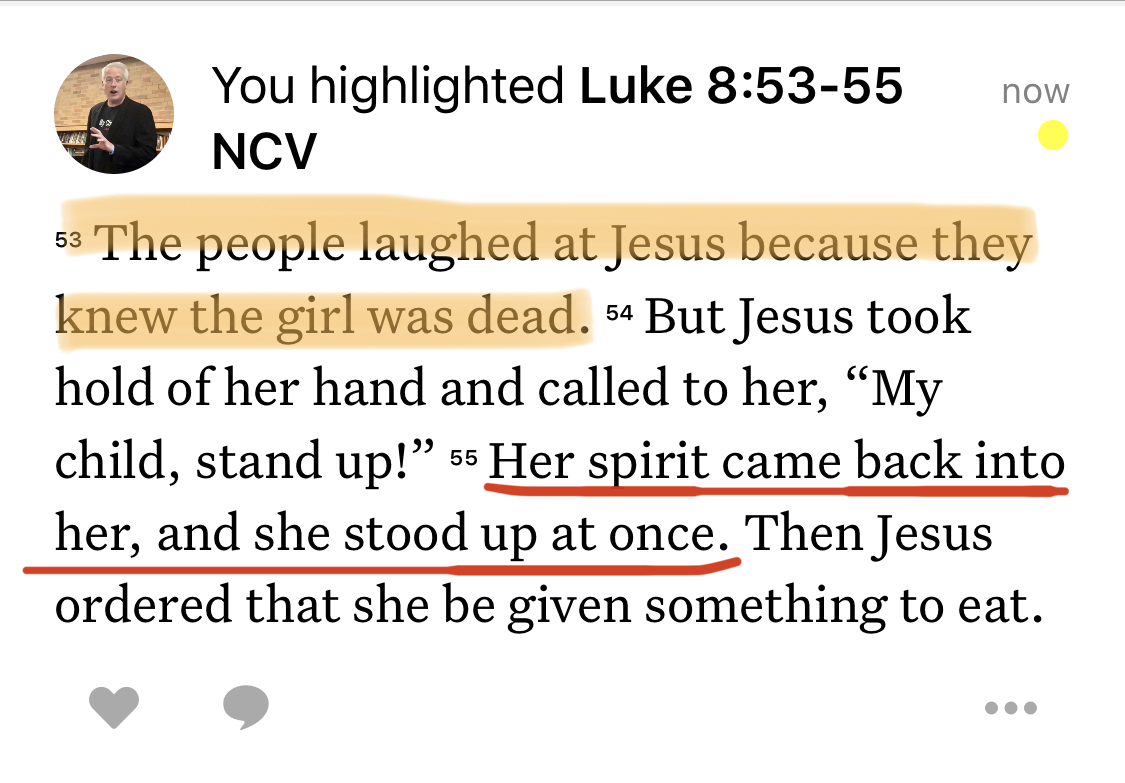
There was a pause, and then there was a totally unexpected and out-of-place response: laughter.
Not joy-filled laughter, but mocking, derisive laughter at the utter foolishness of the words of Jesus.
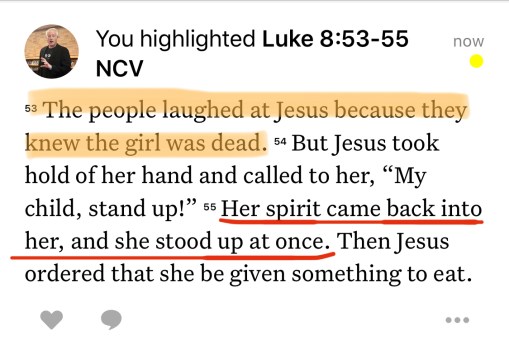
“What do you mean, ‘She isn’t dead’” they yelled. “We’ve been in her room. We’ve seen the cold, lifeless body! She is absolutely, undeniably dead!” And they continued to laugh at the sheer ridiculousness of what Jesus had pronounced. Many of the laughs probably turned to jeers as they began to mock His foolish, insensitive statement. The historian Luke wrote, “They knew the girl was dead.”
Jesus took the grieving yet believing parents into the girl’s room, He took her lifeless hand in His hand, and simply said, “Little girl, get up.”
And she did. Fully alive!
Let me ask you something: Who was laughing now?!
I’m sure the uncontainable joy of these parents burst out into laughter. And I think Jesus shared in the joyful laughter as well.
“He who laughs last, laughs best.”
Friend, what do you “know” right now? What’s gone wrong that cannot be fixed? What terminal diagnosis have the doctors given? What is approaching death’s door? What has already died?
Listen again to the words of Jesus: “Don’t be afraid. Just believe.”
Jesus gets the final word. Jesus gets the final laugh. Jesus will make all things new!
The Sovereign Lord will wipe away the tears from all faces; He will remove His people’s disgrace from all the earth. (Isaiah 25:8)
He will wipe every tear from their eyes. There will be no more death or mourning or crying or pain, for the old order of things has passed away. He who was seated on the throne said, “I am making everything new!” (Revelation 21:4-5)
Don’t be afraid. Just believe.
Jesus has secured the last—and best—laugh for both you and Himself! A laughter that will reverberate through all of eternity!



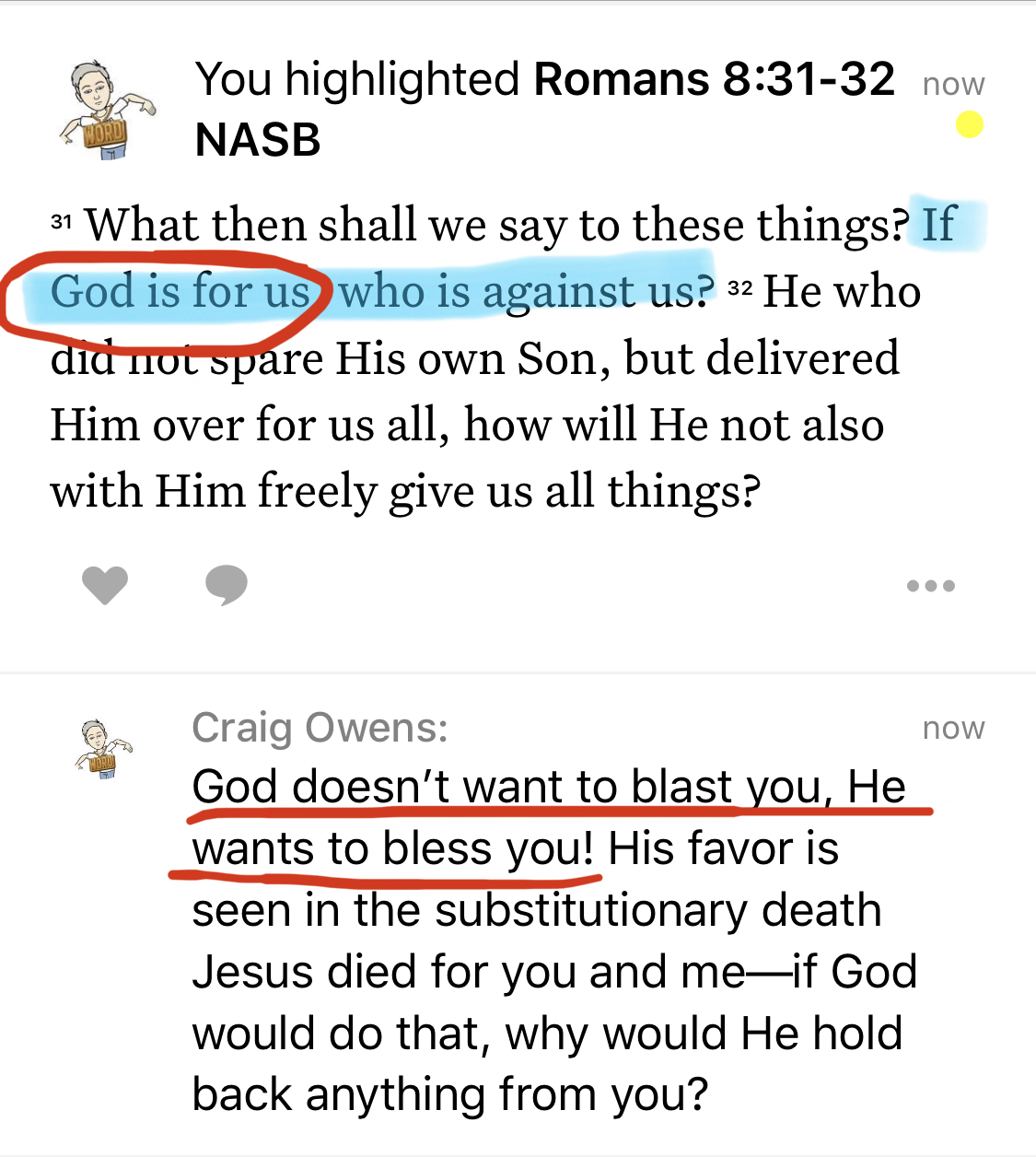
 A helpful Bible study tool—