Listen to the podcast of this post by clicking on the player below, and you can also subscribe on Apple, Spotify, or Audible.
Back in 2014, I was reading through the history of the divided kingdoms of Judah and Israel. The historical accounts of these kingdoms in both the Books of Kings and Chronicles go back-and-forth from kings in the north to kings in the south. I was having trouble keeping them all straight, so I began designing a side-by-side chart to help me.
I had no idea that this chart would be viewed and downloaded by other Bible students literally thousands and thousands of times each year.
You can find all of the download information for this chart by clicking here.
Christian parents often experience both a weight and a wait as they pray for their children. Biblical waiting is always active, calling us to continue to pray for our kids—not matter how old they are!
The Institute for Creation Research reported: “Perhaps one of the top evidences for creation are the subcellular and incredibly efficient molecular protein machines that clearly function by known engineering principles. They are hardly simple. Determining just a part of their function requires the best science has in twenty-first-century technology: ‘While belonging to the nanoscale, protein machines are so complex that tracing even a small fraction of their cycle requires weeks of calculations on supercomputers.’”
Dr. Thaddeus Williams said, “What do you think is the most repeated phrase in the entire Bible? It’s, ‘Thus says the Lord…’ which clocks in at over 400 occurrences. The God of the Bible is not the stone-cold silent god of the ancient Greeks. Nor is He the stone-cold silent god of the ancient Stoics or Epicureans, too busy enjoying the amenities of divine bliss to bother with humanity. No. The God who exists is a God who speaks.” What does this mean for us? Dr. Williams talks about what happens to people who make time to regularly hear what God has to say to them through His Word.
“Work is the outcome of effort; fruit, of life. A bad man may do good work, but a bad tree cannot bear good fruit.” —Hudson Taylor
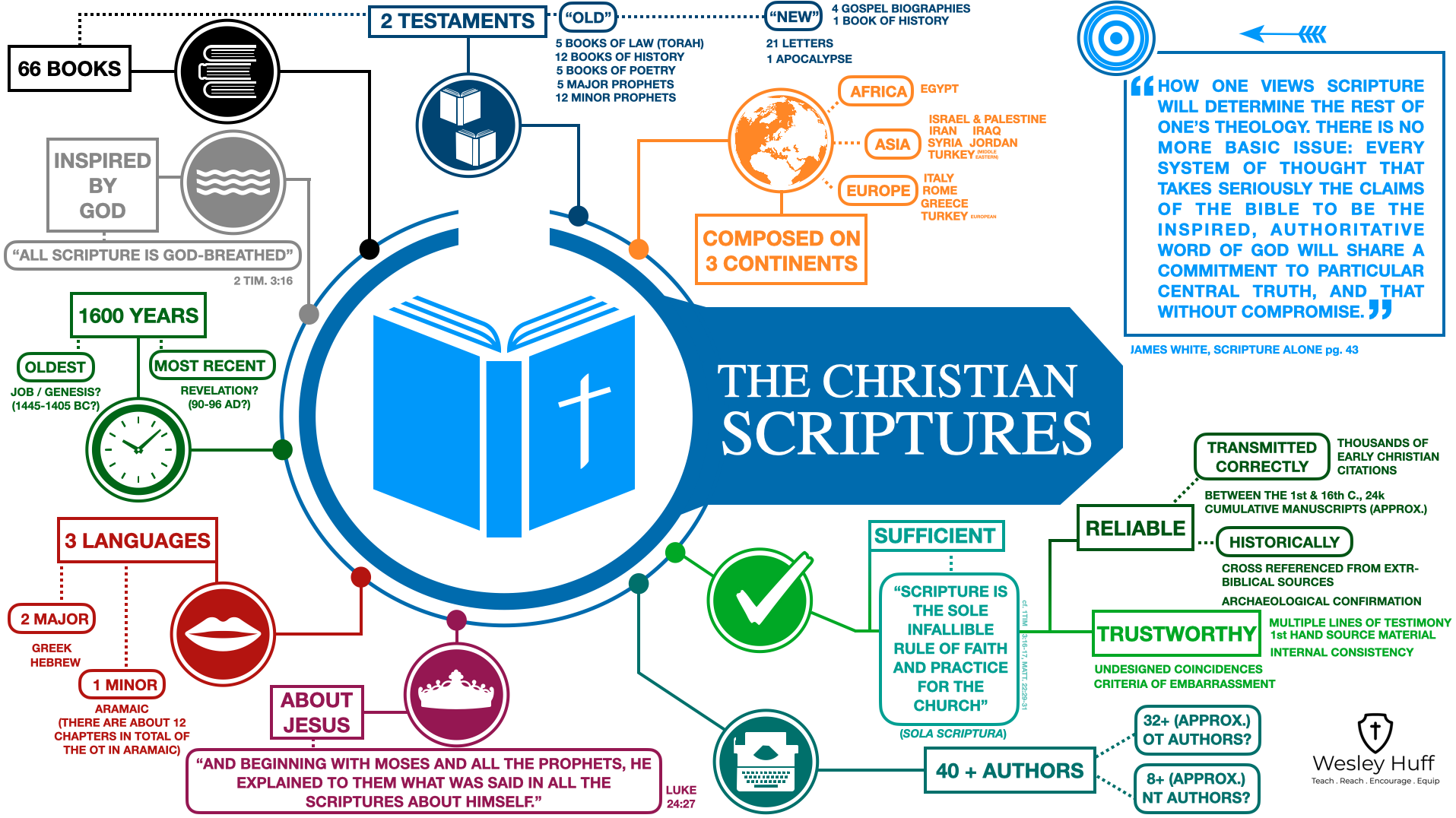
I love studying my Bible, and I also enjoy passing along things that encourage others to begin studying their own Bibles. This is a really cool infographic from Wesley Huff, giving a great overview of the Bible.
J. Warner Wallace leads us all along “the fuse” that led up to the arrival of Jesus as the Messiah, the One to whom the Old Testament prophets predicted.
Axis reported this in their weekly Cultural Translator newsletter. “Gallup polling data has found a huge spike in the percentage of Americans who say they get less sleep than they need. Survey results also indicate an increase in Americans’ daily stress. Why it’s news you can use: This data indicates that when you interact with anyone—in a store, on the road, at work, or in church—there’s a decent chance that particular human is feeling both exhausted and stressed out. The odds of this stress/exhaustion matrix are even higher if you are conversing with a young woman aged 18 to 29. In 2001, 42% of young women in that bracket said they get enough sleep, but that number has dropped to 27%. Younger women are also the most likely to say they experience daily stress. Stress and sleep have a symbiotic relationship, and parents should understand how both factors play a role in teens’ mental health.” I have written quite a few posts about getting enough sleep, and about taking some time for self-care.
“The world and its culture will not improve unless we play an active role in trying to improve it. Beginning with ourselves, we must make sure the culture we choose honors God and spreads His grace to the people around us. From there we must become informed about the state of culture, especially that which is most potent in conveying ideas and establishing practices—law, education, entertainment, social media, and pop culture in all its forms. That’s not to say we have to participate in all these; but at the least, we need to understand the times and how they shape and are shaped by various forms of culture so that we can know what we ought to do in pursuing a culture of love (1 Chronicles 12:32).” —T.M. Moore
“A man gives little if he gives much with a frown; he gives much if he gives little with a smile.” —Talmud, Ketubot
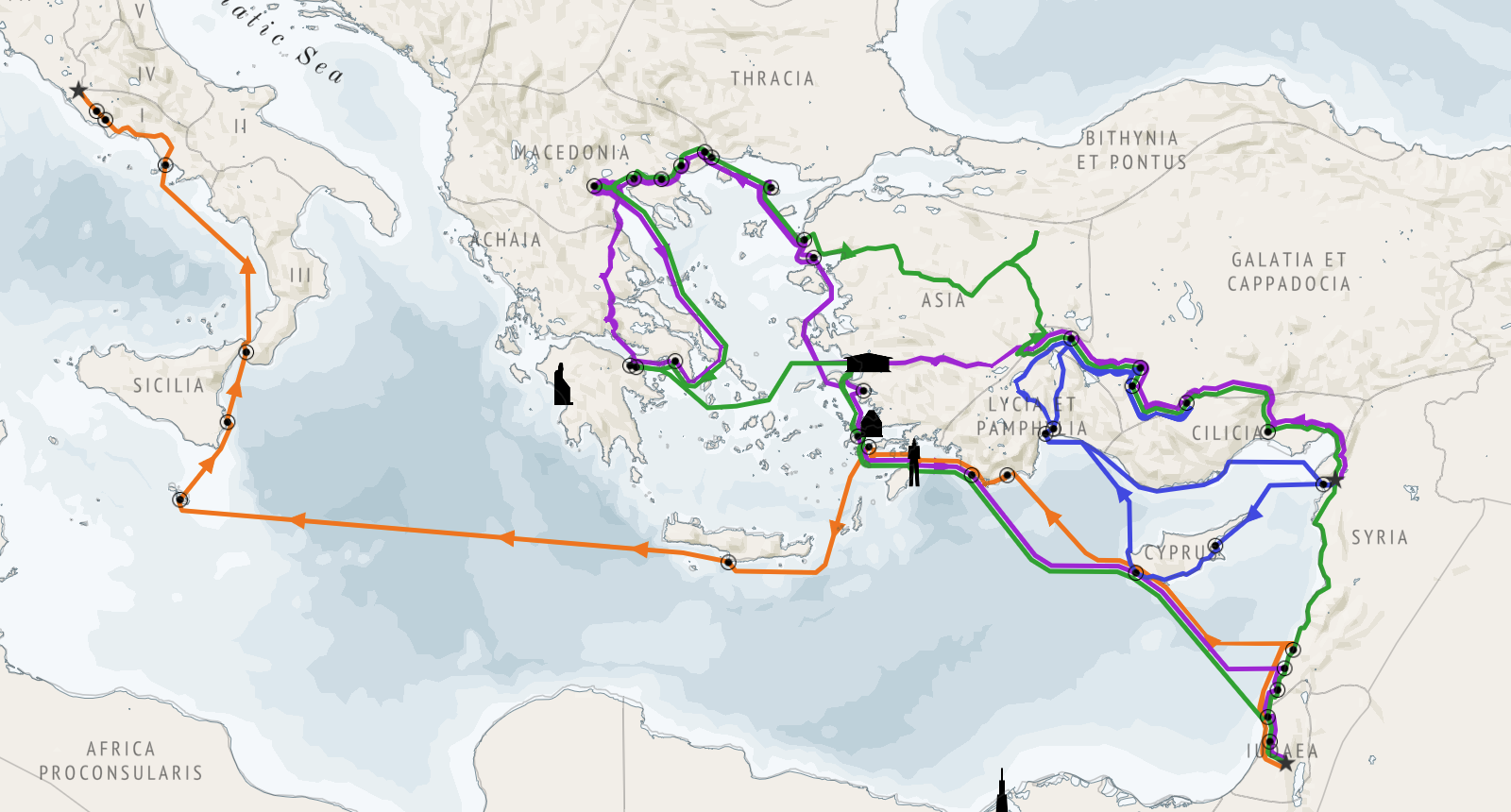
This is a very helpful interactive map of Paul’s missionary journeys. While you are on the viz.bible website, be sure to check out all of the other amazing infographics they have. I use these quite often to help me grasp the message of Scripture visually.
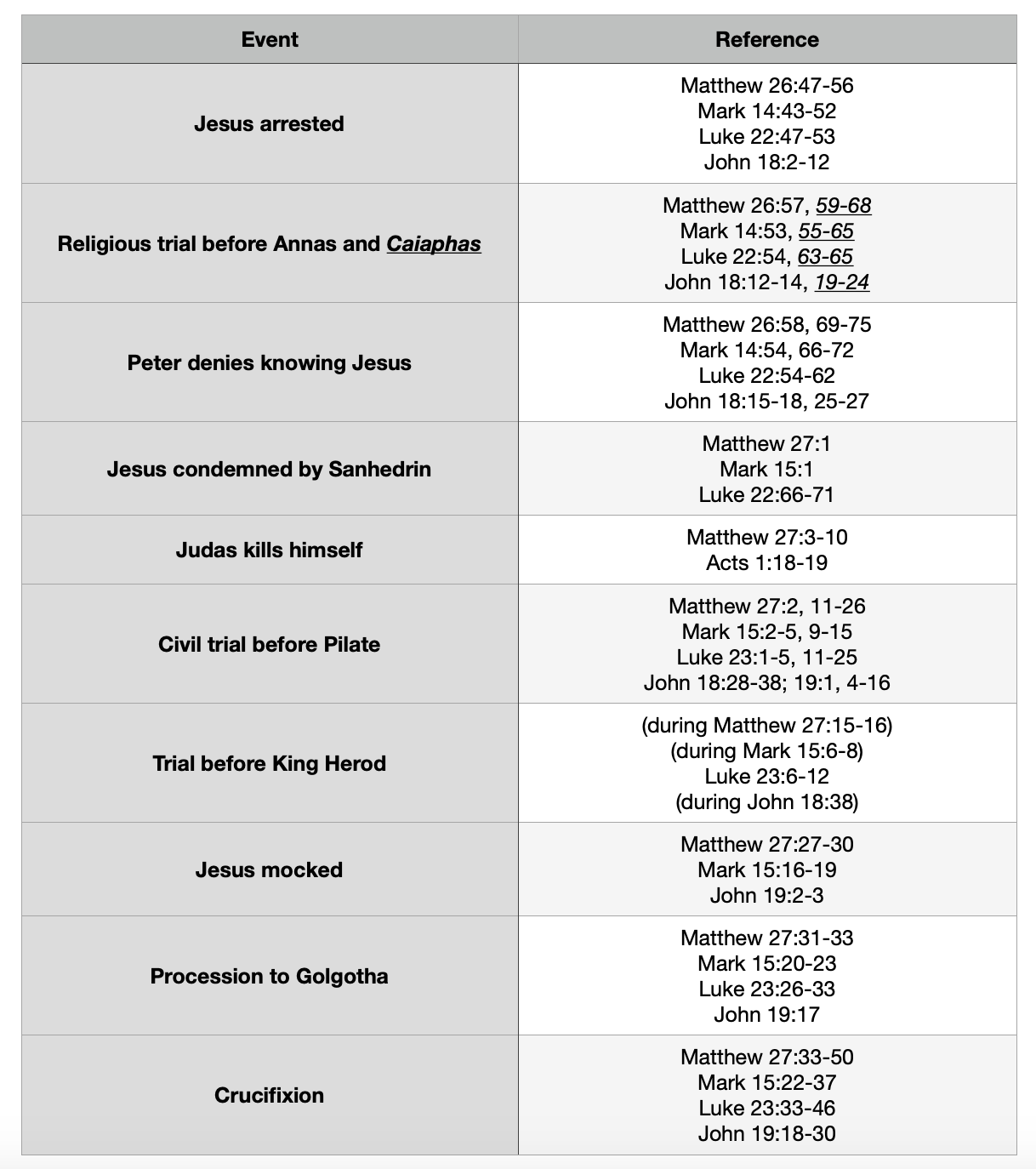
“In what year was Jesus born, and when was He crucified? These are long-standing historical questions. The seemingly obvious answer to the first—that He was born in A.D. 1 (there is no year 0)—is incorrect, however, since the calculations on which our modern calendar is based were faulty. …
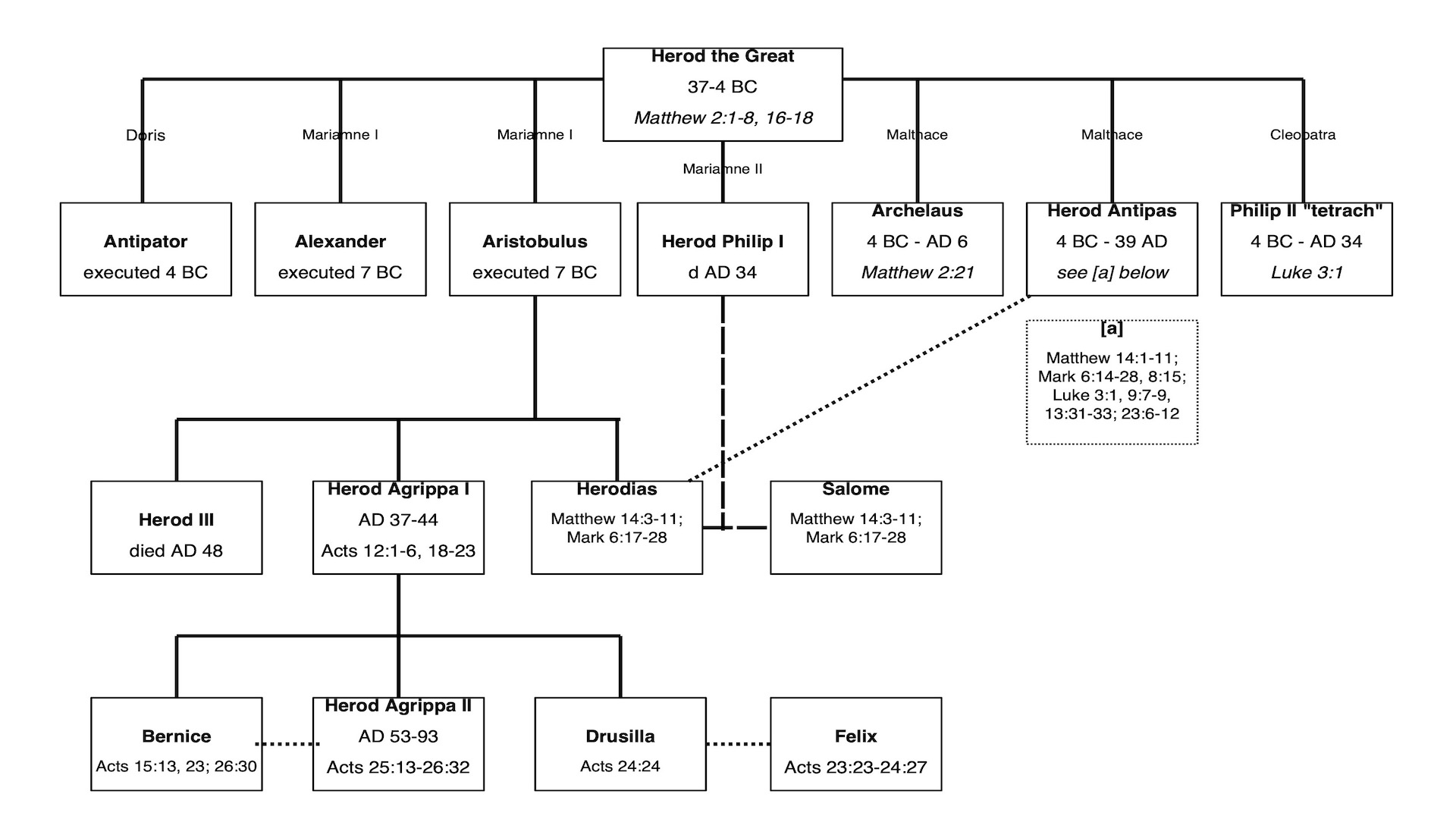
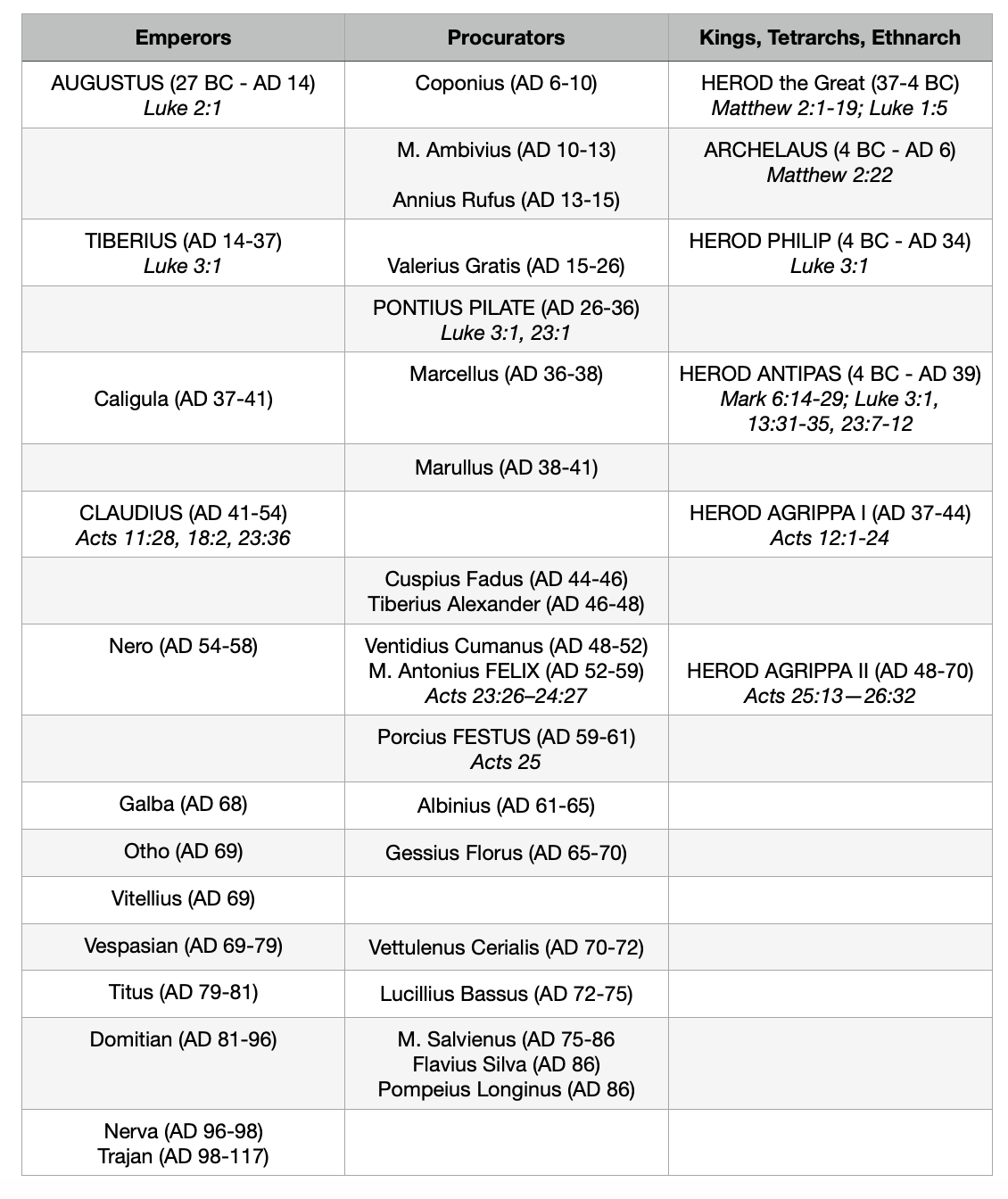
“The chronology of Jesus’ life, though clear in outline, cannot be fixed with absolute precision. Matthew and Luke both inform us that Jesus was born before the death of Herod (4 B.C.), though it would appear that His birth occurred toward the final years of Herod’s reign, suggesting an approximate date of 6-4 B.C. The next chronological marker comes from Luke 3:1, where we learn that John the Baptist’s ministry began during the fifteenth year of the reign of the emperor Tiberius. Since A.D. 14 is the generally accepted date for Tiberius’ accession to the throne, John’s ministry would have commenced between August A.D. 28 and December of 29. Jesus began His own ministry shortly after John had embarked on his, at some point in A.D. 28 or 29, making Jesus about 32 or 33 years old at the time. This fits well with Luke’s statement that Jesus was ‘about 30 years old’ (Luke 3:23).
“The duration of Jesus’ public ministry was approximately three years. While the exact chronology of this period is difficult to ascertain, the final phase of His ministry allows for closer scrutiny. It is clear that Jesus was crucified under Pontius Pilate, who governed Judea from A.D. 26-36. …
“Taking Friday, Nisan 14, as the day of the crucifixion, astronomical data informs us that the only years from A.D. 29-36 that could have seen Nisan 14 on a Friday are A.D. 30, 33 and 36. A.D. 36 is easily dismissed as too late, while A.D. 30 seems too early (although some who begin Jesus’ ministry in A.D. 28 and shorten His public ministry find it acceptable). This leaves A.D. 33 as the most likely date for the year of Jesus’ death and resurrection.”
As you celebrate the victory over sin and death that Jesus won by His sacrificial death on the Cross, rejoice also that this is an actual historical event that bought your freedom from your sin. It is indeed miraculous, but it is also historic. Let’s never lose sight of either of those facets.
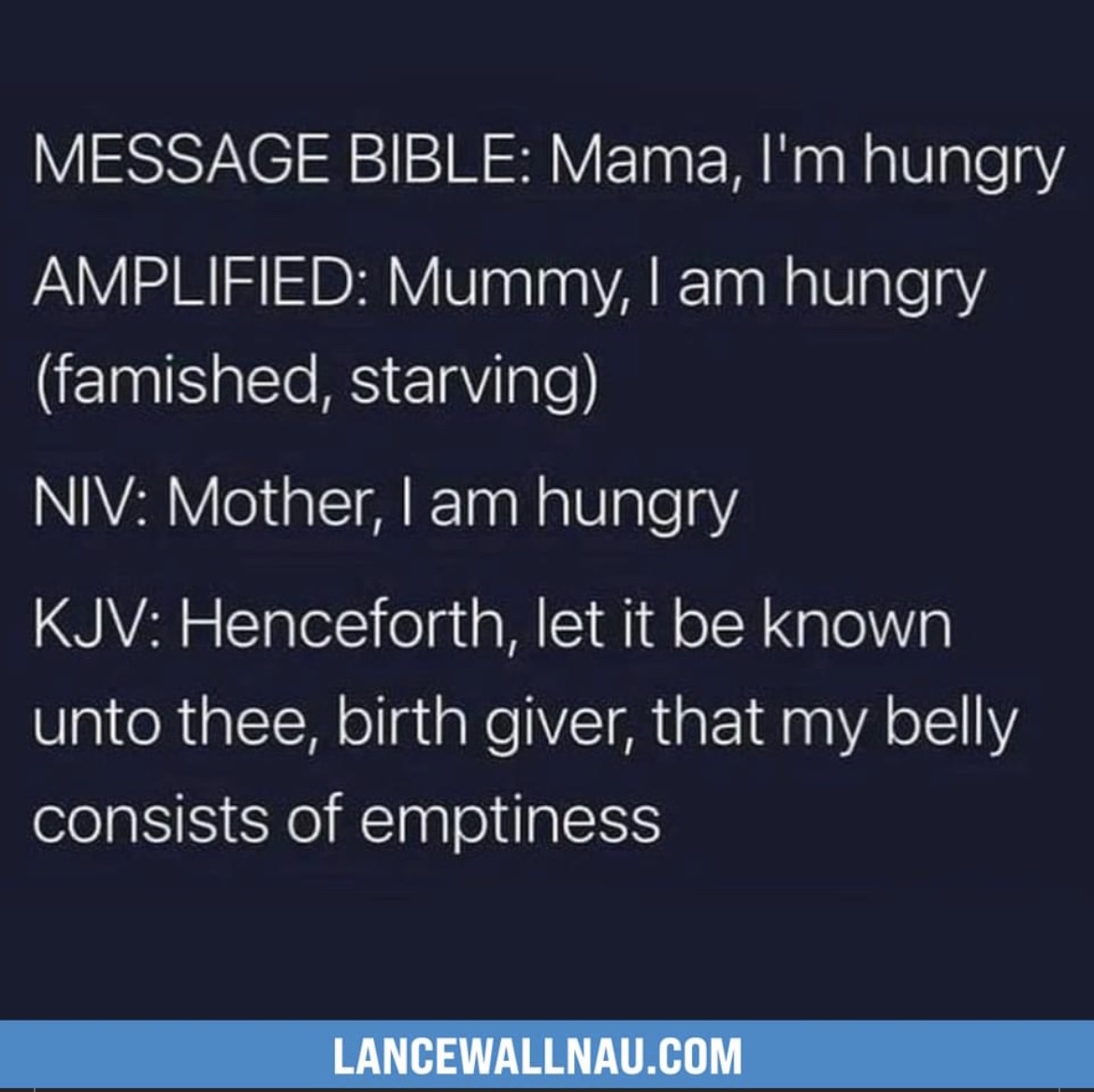
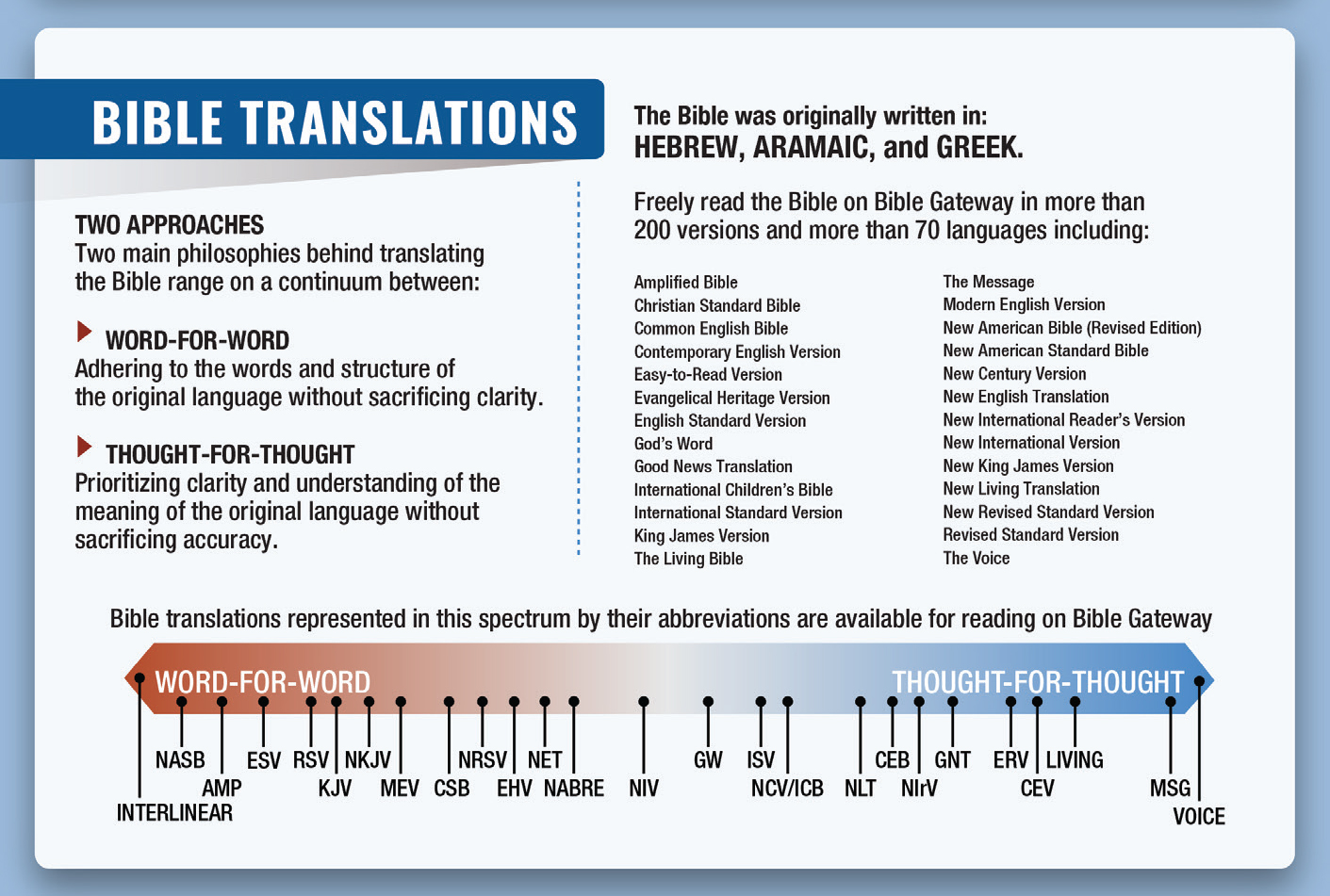
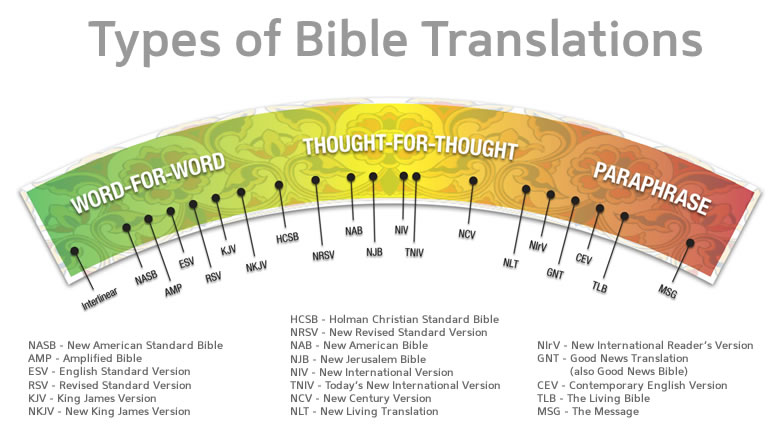
There are so many quality translations of the Bible to help us read God’s Word profitably, but many people ask me about the origin of each of these translations. I have shared three views of biblical translations below—two serious and one comical way of looking at them.
They only caution I would point out is a translation or paraphrase that is from a single person’s point of view. The Bible itself talks about success that comes from the combined wisdom of counselors, so a single-person paraphrase does open itself up more to the author’s whims than to true scholarship.
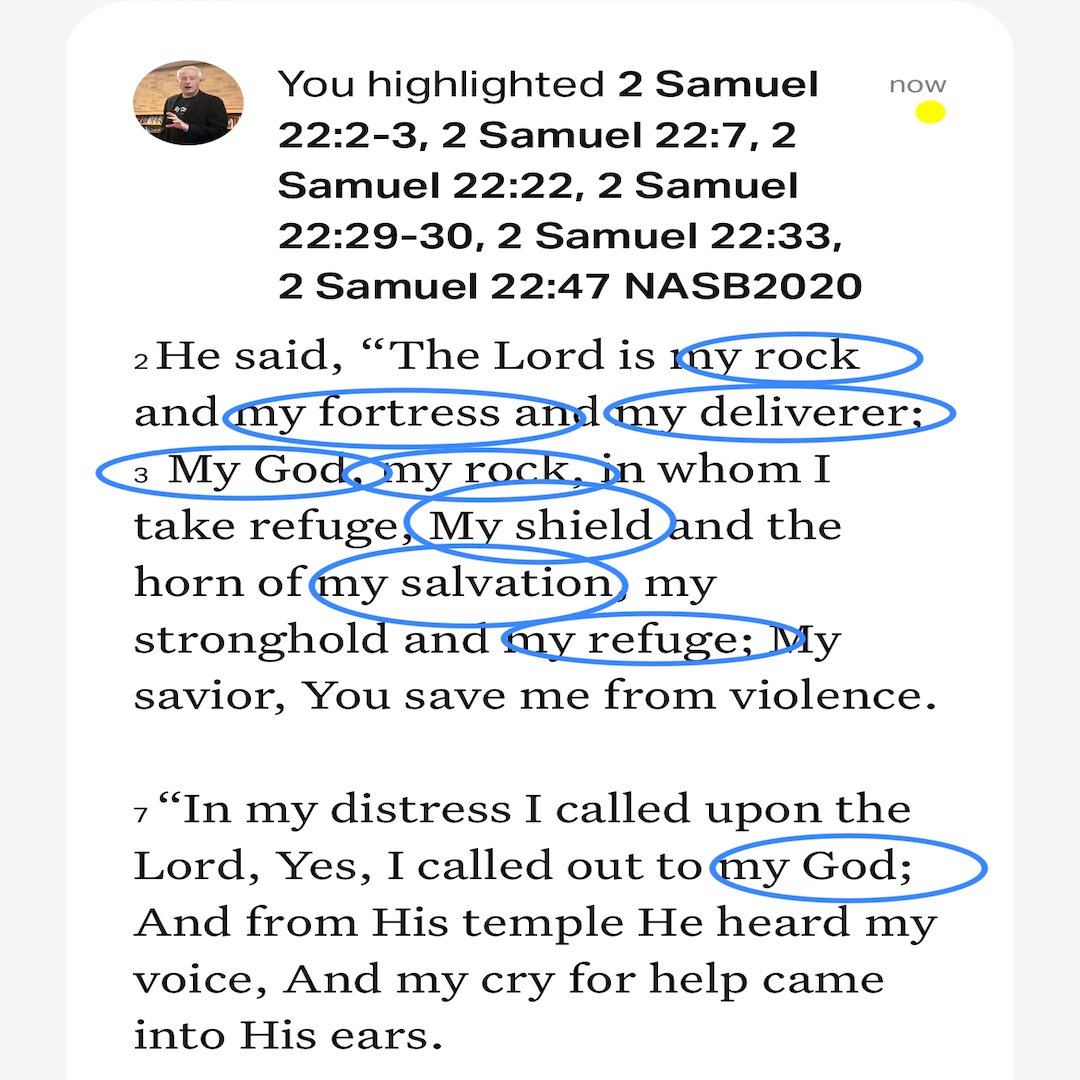
As regular readers of this blog probably know, on Saturdays I like to share poems that I have read during the week. One place I encounter poetry on a regular basis is in my daily Bible reading. But if you have read the Bible, no doubt you have discovered what I have discovered: ancient Hebrew poetry is very different from the poetry we usually read!
I found this helpful chart explaining the parallelism of Hebrew poetry in my Faithlife Illustrated Study Bible, and I thought you might benefit from it too.
If you would like to download this chart, I have shared it as a PDF here → Parallelism
This is a weekly series with things I’m reading and pondering from Charles Spurgeon. You can read the original seed thought here, or type “Thursdays With Spurgeon” in the search box to read more entries.
Listen to the podcast of this post by clicking on the player below, and you can also subscribe on iTunes or Spotify.
Keep Moving Forward
For we walk by faith, not by sight. (2 Corinthians 5:7)
God does not say to us, ‘This is the way,’ and then stop. He says, ‘This is the way, walk in it.’ We are always to be making advances. We are to be going from faith in its beginnings to faith in its perfections, from faith to assurance, from assurance to full assurance. And from there, we are to go to the full assurance of hope to the full assurance of understanding, always forward, waxing stronger and stronger. …
The Christian’s motto is ‘Upward and onward.’ Not as though he has already obtained, either is already perfect, he presses forward to the mark for the prize of his high calling in Christ Jesus. …
Can you perform the common activities of the household and the daily duties that fall to your lot in the spirit of faith? This is what the apostle means. He does not speak about running or jumping or fighting, but about walking—and he means to tell you that the ordinary life of a Christian is different from the life of another man—that he has learned to introduce faith into everything he does.
From Faith Versus Sight
I have a t-shirt that says on the front, “Keep moving forward.” But the back of the t-shirt has the real-life challenge: “Crawling is acceptable. Falling is acceptable. Puking is acceptable. Crying is acceptable. Pain is acceptable. Quitting is not!”
How true!
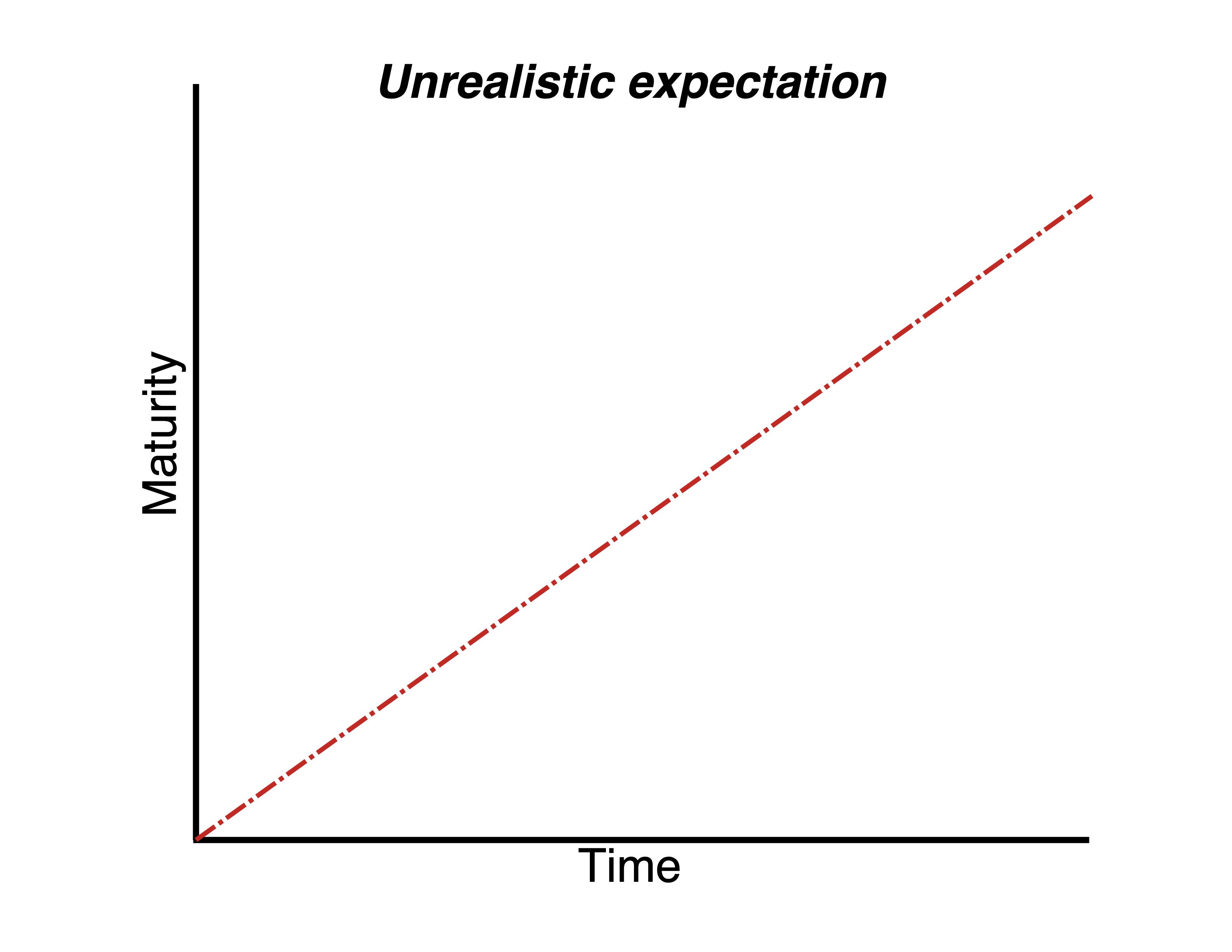
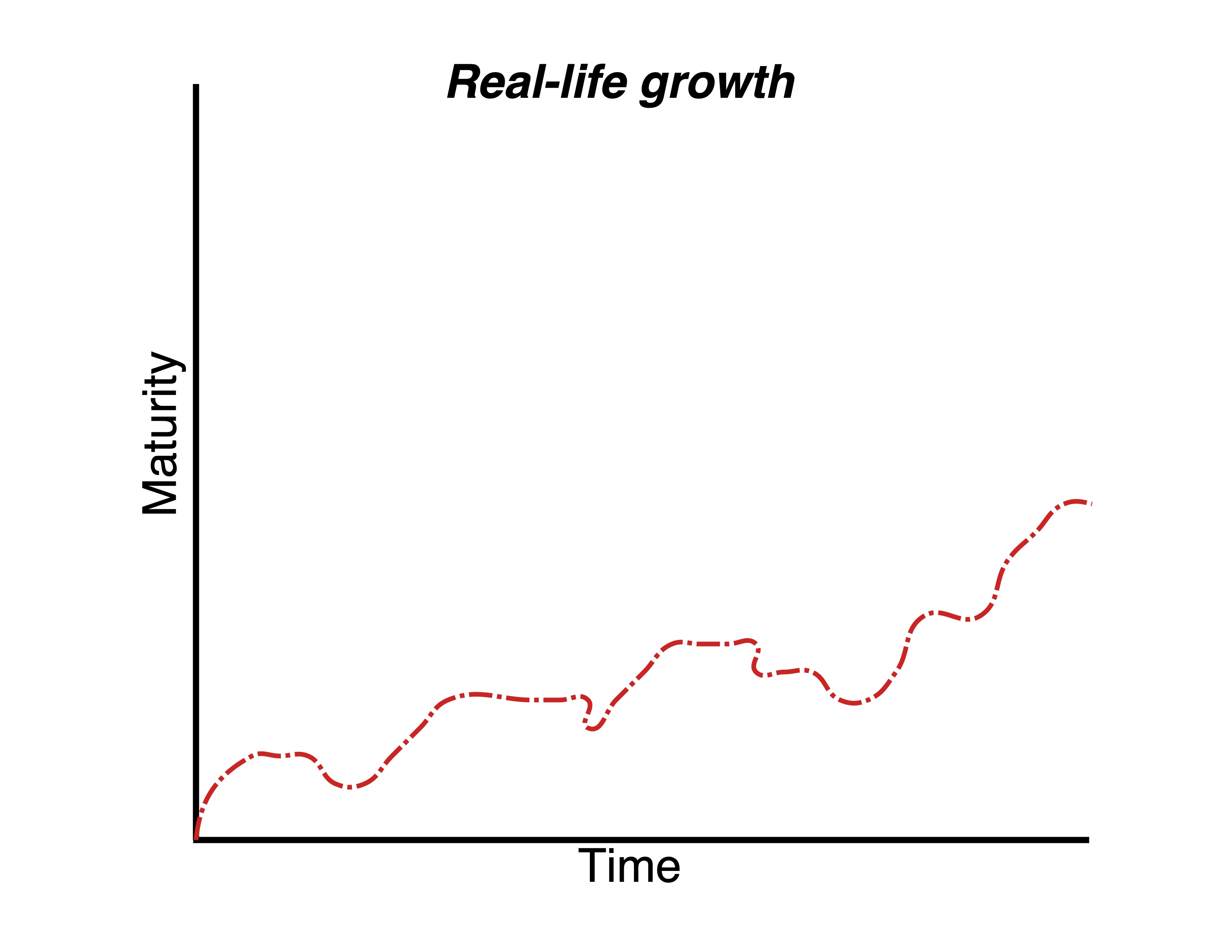
I think the problem for many Christians is that they have an unrealistic expectation of growth. Somehow we’ve come to believe that our Christian growth is a constant upward trajectory to maturity, and that if there are ever any stumbles along the way, that means we’ve blown it. (By the way, Oswald Chambers has some helpful thoughts on our stair-step growth.)
But Paul tells us, “We walk”: We keep moving forward. That doesn’t mean there aren’t times of stumbling, or a plateau, or even a pause to catch our breath. Paul tells us that an important aspect of our walk is that we forget what’s behind us and we keep moving forward—keep walking—keep going.
Every single day, let us say along with Paul, “I don’t mean to say that I have already achieved these things or that I have already reached perfection. But I press on to possess that perfection for which Christ Jesus first possessed me. No, dear brothers and sisters, I have not achieved it, but I focus on this one thing: Forgetting the past and looking forward to what lies ahead, I press on to reach the end of the race and receive the heavenly prize for which God, through Christ Jesus, is calling us” (Philippians 3:12-14 NLT).
My friend, keep moving forward in faith, believing that the Holy Spirit is with you—maturing you, strengthening you—on every single step on your Christian walk.
I have frequently made the assertion that God is sovereign over all history, or as I like to say it… All History is His Story!
When we are reading the Bible, it is important to keep in mind that these are not “once upon a time” stories, nor are they set “a long time ago in a galaxy far, far away,” but we are reading the accounts of actual people in actual moments of history.
Listen to the podcast of this post by clicking on the player below, and you can also subscribe on Apple or Spotify.
The baptism in the Holy Spirit is what Pentecostal Christians frequently refer to as our distinctive doctrine. Notice I said distinctive, not better. Can someone go to heaven without being baptized in the Spirit? Yes! But I’ve found that living in this distinctive empowerment makes the journey to heaven so much more productive and joyful.
After the resurrection of Jesus, everything took on a whole new meaning, because the “light” had been turned on in the Old Testament palace. All of the practices that Jews had been observing for thousands of years suddenly had a new illumination in the New Testament.
Pentecost had always been a celebration 50 days following the Passover. In the Old Testament, the law was given from Sinai on the fiftieth day after the deliverance from Egypt, so in a sense, the appearance of God on Sinai was the birthday of the Jewish nation. In the New Testament, the first outpouring of the Holy Spirit on the first Pentecost after Jesus ascended to heaven was the birthday of the Christian nation for all people.
One of our foundational truths says: “All believers are entitled to and should ardently expect and earnestly seek the promise of the Father, the baptism in the Holy Spirit and fire, according to the command of our Lord Jesus Christ. This was the normal experience of all in the early Christian Church.”
And another foundational truth is a corollary: “The baptism of believers in the Holy Spirit is witnessed by the initial physical sign of speaking with other tongues as the Spirit of God gives them utterance.”
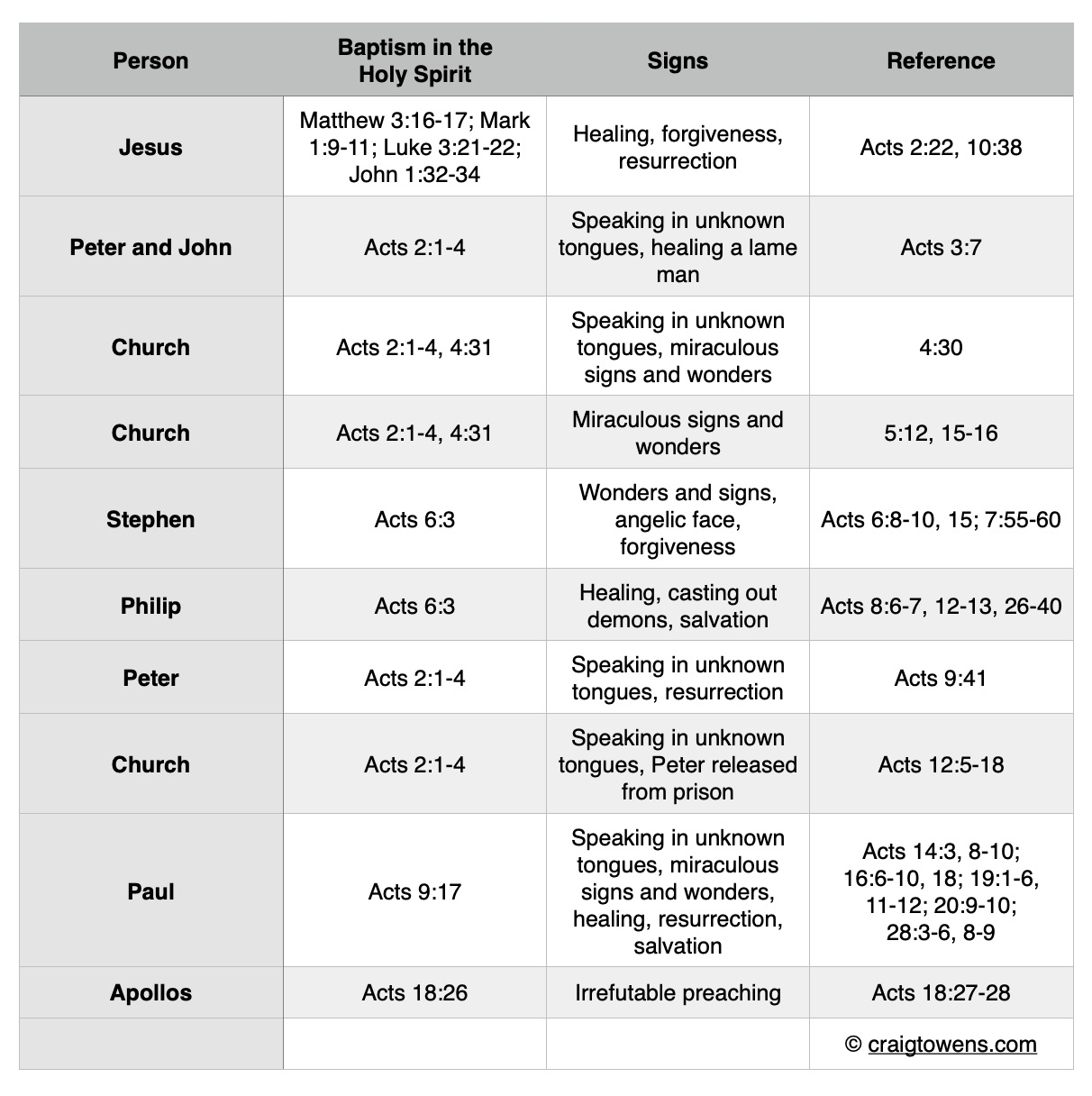
God has always confirmed His presence with signs and wonders. From the signs in Egypt to convince Pharaoh that Jehovah was greater than the Egyptian gods to the ministry of Jesus. In fact, Peter said that the signs and wonders done by Jesus were God’s authentication of His ministry (see Luke 5:17-26; Acts 2:22; Acts 10:38).
R.A. Torrey noted, “The baptism of the Holy Spirit always imparts power for service…. The baptism of the Holy Spirit is the Spirit of God falling upon the believer, taking possession of his faculties, imparting to him gifts not naturally his own, but which qualify him for the service to which God has called him.”
Check out this chart that walks us through the book of Acts to see how God authenticated the ministry of those who were baptized in the Holy Spirit by performing signs and wonders through them:
When a Christian is baptized in the Holy Spirit there are two types of evidence:
Initial evidence—typically speaking in a language that hasn’t been studied but has been supernaturally given by God.
Ongoing evidence—I would sum this up in the word sanctification (or as I like to remember it by saying “saint-ification”). This is the lifestyle change, the empowered living, and even the miraculous that cannot be counterfeited by man’s efforts alone.
Let’s not try to put God in a box—telling Him when, where, how, and through whom He can work. Instead, let’s yield ourselves entirely to Him by letting the Holy Spirit empower us to be effective, unmistakable witnesses for Jesus Christ.
I will be relaunching our series called We Are: Pentecostal in two weeks. Please follow along with all of the messages in this series by clicking here for the details.









 Craig T. Owens