How Do We Wait Expectantly?

Listen to the podcast of this post by clicking on the player below, and you can also subscribe on AppleSpotify, or Audible. 

Last week I asked, “How long do we keep praying?” Answer: Until God answers or until He lifts our burden. In the meantime, the Bible encourages us to…

  1. Keep asking with full confidence that God hears you 
  2. Keep expecting an answer 
  3. Keep worshiping God for Who He is 
  4. Keep trusting that your Heavenly Father wants to give you the very best! 

With that in mind, let me ask you another question: What does this look like? How do we wait expectantly for God to answer? I’ve got three thoughts from the Scripture.

(1) Keep walking

Eliezer had a 300-mile journey which would have taken him about 10 days. Abraham prayed for him before he left and Eliezer prayed when he arrived (Genesis 24:7, 12, 15). His expectation that God would answer him kept him walking. The answer came after 10 days—before he even finished praying! 

(Check out all of the Scriptures in this post by clicking here.)

Nehemiah prayed for God’s favor with King Artaxerxes (Nehemiah 1:11) but then he had to keep walking to work every single day for at least 4 months (2:4). All the while he was praying, expecting, and planning, so when the king asked him what he wanted, Nehemiah was ready to answer. 

A royal official met Jesus in Cana and asked Him to heal his son who was was sick in Capernaum. Jesus said, “Go! Your son will live,” and that father began walking his 20-mile journey home. Along the way, his servants met him to deliver the good news of the boy’s full recovery. When the father asked, he found out it was at the very moment Jesus had said, “Go” (John 4:46-53). 

Faith takes Jesus at His word and starts walking toward the approaching miracle! 

(2) Keep waiting

There are two Hebrew words in the Old Testament that frequently are translated “wait”: 

  • qava = expecting in hope 
  • yahal = guarding that hope    

Check out how one psalmist linked hoping and waiting—

Out of the depths I cry to You, LORD; Lord, hear my voice. Let Your ears be attentive to my cry for mercy. … I wait for the LORD, my whole being waits, and in His Word I put my hope. I wait for the Lord more than watchmen wait for the morning, more than watchmen wait for the morning. (Psalm 130:1-2, 5-6) 

And David wrote how he had learned to quiet himself in God’s loving presence: But I have calmed and quieted myself, I am like a weaned child with its mother; like a weaned child I am content (Psalm 131:2). 

Then listen to the wait-hope-quiet link in Jeremiah’s prayer—

I say to myself, “The LORD is my portion; therefore I will wait for Him.” The LORD is good to those whose hope is in Him, to the one who seeks Him; it is good to wait quietly for the salvation of the LORD. (Lamentation 3:24-26) 

In the New Testament, the idea is patience for an expected result is like a farmer who had prepared his field, planted good seed, watered it with his prayers, and is now assured of an abundant harvest (James 5:7-8; Galatians 6:9). 

(3) Keep smiling

We put on a smile, not a show! 

Contrast what Jesus said about the wrong way to pray and fast…

And when you pray, do not be like the hypocrites, for they love to pray standing in the synagogues and on the street corners to be seen by others. … And when you pray, do not keep on babbling like pagans … When you fast, do not look somber as the hypocrites do, for they disfigure their faces to show others they are fasting… (Matthew 6:5, 7, 16) 

…with the God-honoring, God-trusting way—

But when you pray, go into your room, close the door and pray to your Father, who is unseen … But when you fast, put oil on your head and wash your face. (Matthew 6:6, 17) 

It’s not a fake smile, but a smile that comes from the joy in our rock-solid expectation in God’s reply to our prayer (Psalm 28:6-7; 38:15) 

Pray—then keep walking, keep waiting, and keep smiling in anticipation of what your Heavenly Father is doing on your behalf. 

If you want to check out the other messages in this prayer series, please click here. 

►► Would you please prayerfully consider supporting this ministry? My Patreon supporters get behind-the-scenes access to exclusive materials. ◀︎◀︎
Lessons From The Playground

Listen to the podcast of this post by clicking on the player below, and you can also subscribe on AppleSpotify, or Audible.

Some time on the playground with some little kids taught me some great lessons about leadership.

The Scriptures I mentioned in this episode—1 Corinthians 1:14-17; 1 Corinthians 11:1; 1 Corinthians 2:4-5; 1 Thessalonians 2:4; Matthew 20:28; Mark 10:45.

Please check out the full post from T.M. Moore here, but these are the three criterion he gives us to consider:

First, they teach the Word of God faithfully (Hebrews 13:7). They aren’t trying to impress anyone with how clever, witty, or visionary they are personally. Their desire is that the Word of Christ might dwell in people richly, and all their teaching is based on that holy and inspired Word (Colossians 3:16).

“Second, their lives exemplify the things they teach (Hebrews 13:7). True leaders are people whom, as you follow them, you begin to become like in ways that reflect full faith in Jesus Christ (John 13:1-15). 

“Third, true leaders care for our souls (Hebrews 13:17; 1 Thessalonians 5:12-13). They are interested in us, want to get to know us, do everything they can to serve and build us up; and they will go the extra mile when necessary to help us become people of full faith in Jesus.”

(Check out all of the biblical references in T.M. Moore’s quote here.)

A mark of a godly leader is one who is NOT trying to grow a personal following.

This is part 81 in my series on godly leadership. You can check out all of my posts in this series by clicking here.

►► Would you please prayerfully consider supporting this ministry? My Patreon supporters get behind-the-scenes access to exclusive materials. ◀︎◀︎
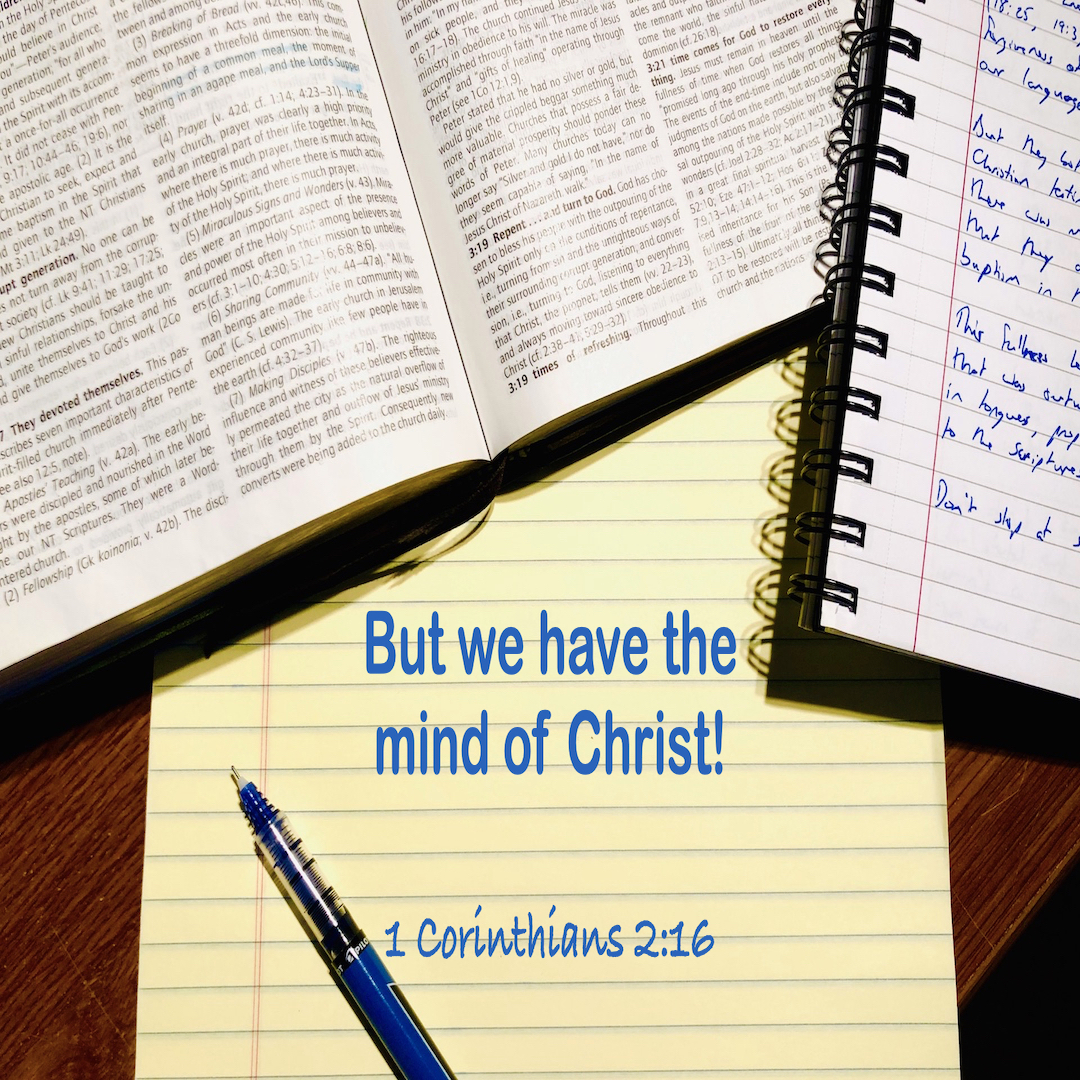
Prayer That Opens Our Eyes

Listen to the podcast of this post by clicking on the player below, and you can also subscribe on AppleSpotify, or Audible. 

Charles Spurgeon said, “We too often rush into the presence of God without forethought or humility. We are like people who present themselves before a king without a petition, and what wonder is it that we often miss the end of prayer?” I hope you are starting to…

Spurgeon also asked an important question: “Do we not miss very much of the sweetness and efficacy of prayer by a want of careful meditation before it, and hopeful expectation after it?” 

We talked about competing priorities, but also how Jesus made prayer the priority for His life. This means that some things we call important may have to temporarily be set aside. 

(Check out all of the Scriptures in this post by clicking here.)

Let’s look at the example of Jesus. He prioritized prayer over:

  1. Training. In Luke 5:16 and 9:18 we see Jesus praying in private even though His disciples were right there with Him. This was so revolutionary to the disciples that it prompted them to ask Jesus how they could pray like He did (Luke 11:1-13). 
  1. Sleep. Mark 1:32-35 tells us Jesus was up after sunset ministering to the needs of people, and that He was up and praying while it was still dark. And Luke 6:12 tells us Jesus spent the whole night in prayer before making a big decision. 
  1. Strategizing. The big decision Jesus had to make was choosing the twelve men who would be His apostles—the ones He would spend the most time training and preparing. He didn’t hold strategizing sessions or interviews with the perspective candidates, but He spent the night praying for wisdom (Luke 6:12-13). 
  1. Ministering. People were looking for Jesus, but He guarded His prayer time so the Holy Spirit could guide Him into His ministry time (Mark 1:37). 

Why did He treat prayer this way? Because He knew that God knows our day better than we do. He knows the people will encounter, the conversations that we need to have, the decisions that await us. So we must prayerfully entrust our days to Him (Proverbs 16:9, 3:5-6). 

Remember that Spurgeon said “careful meditation” before prayer and then “hopeful expectation after it.” This is exactly what David said in Psalm 5:1-3 where he was expectant of God’s answers throughout the day.

We see this example throughout the Bible, but let me give you three quick examples: 

  • Hagar’s eyes were opened to see the supply of water that was already there (Genesis 21:14-19) 
  • Eliezer had success in finding a wife for Isaac by seeing a woman that was already at the well (Genesis 24:7, 12-15, 21, 27) 
  • Nehemiah prayed for 4 months so he could pray in the moment that the king asked him what he needed to be successful (Nehemiah 1:4, 11; 2:1-4, 8) 

I think this is what Paul meant when he told us to “pray continually “ (1 Thessalonians 5:17). 

Jesus could announce that everything He did (John 5:19) and everything He said (John 12:49) was directed by the Father. 

We can live like this too, if we will only make prayer the priority that sets the order for any other thing that we call a priority. Missionary Hudson Taylor said, “Do not have your concert first, and then tune your instrument afterwards. Begin the day with the Word of God and prayer, and get first of all into harmony with Him.”

If you have missed any of the messages in our series called Our Prayer Book, you can find them all by clicking here.

►► Would you please prayerfully consider supporting this ministry? My Patreon supporters get behind-the-scenes access to exclusive materials. ◀︎◀︎
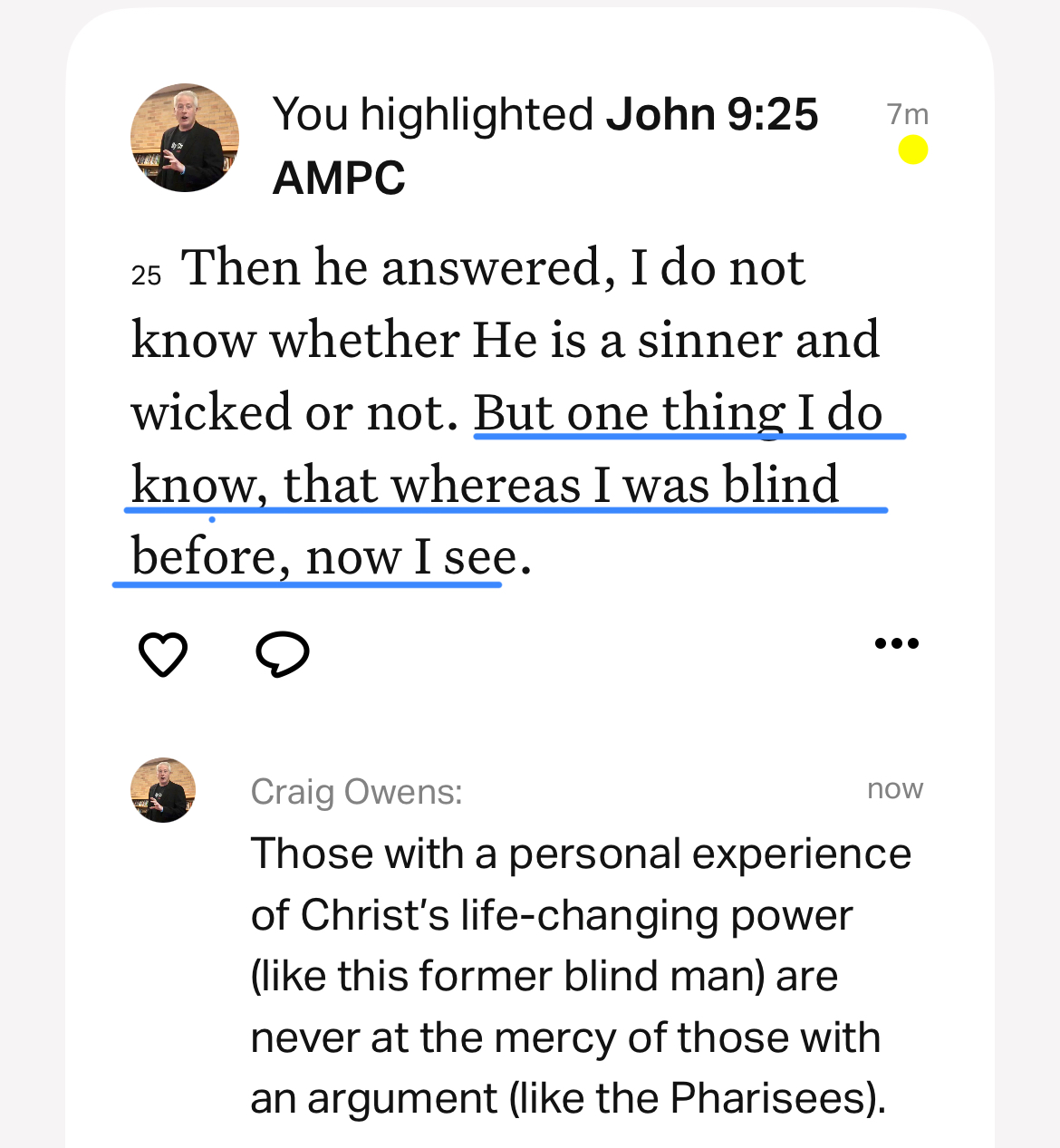
The Prayer Before The Prayer

Listen to the podcast of this post by clicking on the player below, and you can also subscribe on AppleSpotify, or Audible. 

Last week I shared this thought with you from Pastor Tim Keller: “Your prayer must be firmly connected to and grounded in your reading of the Word. This wedding of Bible and prayer anchors your life down in the real God. … Without immersion in God’s words, our prayers may not be merely limited and shallow but also untethered from reality.” 

“Untethered from reality” means that we determine the manner in which we come to God in prayer, the way prayer works, and the way God must respond to our prayer. But what we read in the Bible is the opposite of this (Isaiah 1:11-15). 

(Check out all of the Scriptures in this post by clicking here.)

I think there are two opposite and equal erroneous thoughts about how we approach prayer:

  1. I’m not worthy to come into the presence of an all-holy God 
  2. I can waltz right into God’s presence whenever and however I please 

Both are wrong and both are strategies the devil has used to keep us prayerless. Either we don’t go to God at all or our prayers are unheard because the Bible says that our arrogance has made our prayer ineffectual. 

Our Prayer Book—the Bible—helps us find the balance. George Whitefield noted, “Reading the Bible is a good preparative for prayer, as prayer is an excellent means to render reading effectual.” So here’s what we read about those two errors. 

  1. I’m not worthy. God is unapproachable in His holiness, but Jesus has made it possible for us to enter in through His righteousness (1 Timothy 6:15-16; Isaiah 6:1-5; Hebrews 4:1, 14, 16; John 16:23-24). 
  2. I can come anyway I want to. Passages like Psalm 15:1-5 and Isaiah 58:2-4 make it clear that we cannot simply approach God in a way of our choosing. 

Let’s unpack that second error a little more. We have to be clothed in righteousness in order to come into God’s presence, but we cannot be clothed in a righteousness that is apart from Jesus. When we say that we are praying in the name of Jesus, it means we are praying in the nature of Jesus and through the righteousness of Jesus. We must be wearing His righteous robe (Romans 3:22-24; Isaiah 61:10). 

So I think we need to pray before we pray. Let’s try these actions which are tethered to the reality of our Prayer Book. 

  1. Worship. This is a deep pondering of who God is; it is humbly assigning Him the highest worth. In face, the Old English spelling of this word (“worthship”) gives us insight into what worship does. It is this kind of humility that God responds to (Isaiah 6:5-7; 57:15; Luke 18:9-14).
  1. Confession. As we are worshiping, we will see our inadequacies (much like Isaiah did in Isaiah 6, or the tax collector did in Luke 18). We then need to confession these shortcomings. Dick Brogden wrote, “Confessed sin opens the portals of heaven into our darkness, and light and glory overwhelm shame. Confession is our glory for it lifts our heads and eradicates shame.” We see this so vividly lived out in the prayers of David (Psalm 139:23-24; 51:1-2; 19:12-14). 
  1. Repentance. I think we could also call this Repair. After confession where we have fallen short, we resolve now to both take a different path and repair what was damaged (Matthew 5:23-24; Mark 11:25-26; 1 Peter 3:7). 
  1. Petition. After worship, confession, and repentance / repair, our heart’s attitude is now in the place for God to heed our cries for His help (1 Peter 3:12). 

Let’s learn to pray before we pray. Don’t just rush in and rush out of God’s presence. Take time to worship, confession any sins the Holy Spirit reveals, make things right, and then present your petitions. 

Our hearts need to be prepared to present our petitions. This is how we know that God will hear our voice. 

If you’ve missed any of the messages in our prayer series, you can find them all here. 

►► Would you please prayerfully consider supporting this ministry? My Patreon supporters get behind-the-scenes access to exclusive materials. ◀︎◀︎
Christ’s Advents Bring Love

Listen to the podcast of this post by clicking on the player below, and you can also subscribe on AppleSpotify, or Audible

The lights of hope, peace, and joy burn brightly. They drive out the darkness in our own lives and in the lives of others with whom we come in contact. But you and I both know lots of people who are very positive people—always upbeat, seemingly peaceful and joyful. The real question is: What is the source of this light? Or more specifically, how do people know that you are hopeful, peaceful, and joyful because you know Jesus as your Savior and King?  

Jesus said there were two proofs that we are His followers:

  1. That we love others (John 13:35) 
  2. That we are producing God-honoring fruit (John 15:8) 

God IS love—it’s His very nature. Just like an apple doesn’t have the capacity for apple-ness but is by its nature an apple, so God doesn’t have the capacity for love, or love more than others, but He is by His nature Love. 

Any qualities of hope, peace, and joy in our lives have to originate from God’s love. We cannot manufacture these fruits, but they are a natural result of our being connected with Love Himself. 

Love is what brought Jesus to earth at His First Advent (John 3:16-17; Romans 5:5-8). And we can only love others and produce the fruit of hope, peace, and joy because Jesus went first and became our Source (1 John 4:19; John 15:1). 

Love brought Jesus to earth at His First Advent, and Love is what empowers us to be loving and fruitful between His Advents. 

  1. Love one another means that love serves (John 13:1-5, 15-17, 34-35) 
  2. Bear much fruit means that love grows (John 15:1-12) 

We can only serve and be lovingly fruitful as we stay connected to Love (2 Peter 1:2-7; 1 John 2:28). 

Love brought Jesus to earth at His First Advent, Love is what empowers us to be loving and fruitful between His Advents, and Love is what patiently waits for Christ’s Second Advent (2 Peter 3:3-4, 9). 

We continue to grow in our love and produce fruit by being connected to the Vine of Love (1 Corinthians 13:11-12; 1 John 3:1-2 ; Hebrews 10:23-24). 

We need to let our love be continually supplied by Love Himself so that our fruitfulness can shine as a bright testimony. Jesus said, He was the Light of the world, and then He called us to be the light to our part of the world where He has placed us (John 8:12; Matthew 5:14-16). 

Always remember that we celebrate the First Advent and look forward to the Second Advent by staying connected to Jesus, growing in our love for Him and for others, and allowing the fruit of hope, peace, and joy to shine brightly for God’s glory. 

If you’ve missed any of the other messages in our Advent series, you can find them all by clicking here

►► Would you please prayerfully consider supporting this ministry? My Patreon supporters get behind-the-scenes access to exclusive materials. ◀︎◀︎
Christ’s Advents Bring Joy

Listen to the podcast of this post by clicking on the player below, and you can also subscribe on AppleSpotify, or Audible. 

We have the candles of hope and peace burning brightly. Romans 15:13 tells us that our hope in God’s fulfilled promises and our hope in His fulfilling of His future promises is what brings us not only peace but joy as well. 

(You can read all the Scriptures I reference in this post by clicking here.)

William Gurnall noted, “Joy is the highest testimony which can be given to our peace.” That means that hope bubbles up in peace and joy, but joy then sustains and fuels future hope, which allows us to experience peace all over again!  

The English dictionary has the right definition for joy: the emotion of great delight caused by something exceptionally good or satisfying. Unfortunately, all of the examples the dictionary gives for joy are fleeting external things. 

The Bible makes it quite clear that pleasure is not the same thing as joy, but still people try to find what they call joy in things that bring them pleasure. C.S. Lewis wrote, “Joy is never in our power and pleasure often is.” 

Just ask the wisest and richest man who ever lived: King Solomon. He wrote the Book of Ecclesiastes which is all about his pursuit of pleasure, yet every attempts ends with him crying, “Vanity! Meaningless!” But notice something: every time he says this, the phrase “under the sun” is adjacent to it. In other words, nothing on earth can provide true joy. 

Paul experienced the same thing in the New Testament (see Romans 7:18-20). 

Just like we said about these candles that darkness is not the opposite of light, but it is the absence of light, so too, this wretched state of joylessness is the absence of things that are eternally satisfying. 

That means we need something other-worldly—something higher than the sun—to truly bring light and satisfaction. The prophet Isaiah foretold the light that Jesus would bring from Heaven, and this light would be our eternal joy and salvation (Isaiah 9:1-3, 6-7; Matthew 1:21). 

Notice how the angelic announcement of Christ’s birth ties together the thoughts of joy with Savior (Luke 2:8-11).

Isaiah foretold this First Advent which Jesus fulfilled (Isaiah 61:1-3; Luke 4:18-19), and which Paul come to discover as well (Romans 7:24-25).

Another biblical definition for the word joy is delighting in God’s grace in our trials because we understand that these trials enlarge our capacity for even greater joy. This is the joy we can know as we live between the two Advents of Jesus. We see this in the example of Jesus fixing His eyes on the eternal joy even as He walked toward Calvary, and how His Father then exalted Him for that (Hebrews 12:2; Philippians 2:9-11). 

In a similar, Jesus prepares us for the joy following our time of grief (John 16:17-24). The writer of Hebrews agreed with this (Hebrews 12:11), as did the writer of the 126th Psalm (notice the word joy being used four times in just six verses here!). 

The Second Advent of Jesus will be eternally satisfying joy beyond anything we can imagine! I love how Isaiah 35 foretells what we can read on the last pages of the Book of Revelation. 

This thought from Charles Spurgeon is spot-on: “We who trust in Jesus are the happiest of people, not constitutionally, for some of us are much tried and are brought to the utter depths of poverty, but inwardly, truly, our heart’s joy is not to be excelled.” 

May we all live in that hope-filled, peace-fueled joy every single day until Christ returns or calls us Home! 

If you missed it, check out the lights of hope and peace in our previous messages in this series by clicking here. 

►► Would you please prayerfully consider supporting this ministry? My Patreon supporters get behind-the-scenes access to exclusive materials. ◀︎◀︎
Christ’s Advents Bring Peace

Listen to the podcast of this post by clicking on the player below, and you can also subscribe on AppleSpotify, or Audible. 

We lit the candle of Hope last week and today we light the candle of Peace.  As we saw, hope is what allows us to experience peace and joy: “May the God of hope fill you with all joy and peace as you trust in Him, so that you may overflow with hope by the power of the Holy Spirit” (Romans 15:13). 

(You can read all of the Scriptures I reference in this post by clicking here.)

But notice the phrase “as you trust in Him” in that verse. Peace doesn’t come just because we want it to, but it only comes as we trust in the One called the Prince of Peace. 

Light drives out darkness and exposes sin, and often people don’t like it (John 1:9-11). In fact, Jesus Himself said that He was first coming with a sword to do battle against all of the things that rob us of lasting peace (Matthew 10:34). 

Oswald Chambers described it this way, “The coming of Jesus Christ is not a peaceful thing; it is overwhelmingly and frantically disturbing, because the first thing He does is to destroy every peace that is not based on a personal relationship to Himself.” 

Peace is only possible when the war is over. Modern-day diplomats use a phrase “sue for peace,” but this can only be done when one side admits defeat. God is at war with sin and He only gives peace to those who throw up their hands in total surrender to Him (Isaiah 57:14-21).  

Jesus said He was the Light of the world and the only way to peace with the Father. The apostle Paul elaborates on that idea—

Remember that at that time you were separate from Christ, excluded from citizenship in Israel and foreigners to the covenants of the promise, without hope and without God in the world. But now in Christ Jesus you who once were far away have been brought near by the blood of Christ. For He Himself is our peace, who has made the two groups one and has destroyed the barrier, the dividing wall of hostility, by setting aside in His flesh the law with its commands and regulations. His purpose was to create in Himself one new humanity out of the two, thus making peace, and in one body to reconcile both of them to God through the Cross, by which He put to death their hostility. He came and preached peace to you who were far away and peace to those who were near. For through Him we both have access to the Father by one Spirit. Consequently, you are no longer foreigners and strangers, but fellow citizens with God’s people and also members of His household. (Ephesians 2:12-19) 

That’s what Jesus provided for us at His First Advent. Now, as we live between the Advents of Jesus, we can expect to have trouble in the world, but never peacelessness (John 14:27, 16:33). 

The Messiah’s peace will:

  • Guard your heart and mind—Philippians 4:7 
  • Arm your for battle against the enemy—Ephesians 6:15 
  • Equip you to do His will—Hebrews 13:20-21  

As our hearts are guarded, we are prepared to stand firm in spiritual battle, and we are equipped to do God’s will, we can live in peace concerning Christ’s Second Advent. 

Jesus will appear again to fulfill one of the first promises made about the peace He would bring. God told satan that Jesus would crush his head, and then Paul tells us, “The God of peace will soon crush satan under your feet” (Genesis 3:15, Romans 16:20)! 

So we have no fear of Death or Hell because the Prince of Peace has forever defeated those things for those who “trust in Him” (Revelation 20:10, 14; 21:1-5). 

The bottom line:

  • No Jesus = no peace
  • Know Jesus = know peace 

If you’ve missed any of the other messages in our Advent series, you can find them all here. 

►► Would you please prayerfully consider supporting this ministry? My Patreon supporters get behind-the-scenes access to exclusive materials. ◀︎◀︎
Christ’s Advents Bring Hope

Listen to the podcast of this post by clicking on the player below, and you can also subscribe on AppleSpotify, or Audible. 

The word Advent means the appearing—something that bursts onto the scene. At this time of year we are actually thinking about TWO Advents. We look backward in gratitude to celebrate the first Advent of Jesus when He was born in a manger in Bethlehem. And then we look forward in joyful expectation to the second Advent of Jesus when He will return to earth again as King of kings. As we will in this time between the Advents, there are four qualities that we should exemplify—the first is hope. 

When the candle is lit, darkness disappears. 

Darkness is not the opposite of light, it is the absence of light. In the same way, despair or hopelessness is the absence of hope. 

Adam and Eve lived in perfection, but when they tried to do things their way—instead of obeying God’s way—their sin caused them despair. They tried to cover their nakedness, but with a hopeless covering of dying leaves. God came with a promise of full restoration, and illustrated it by covering them with the skin of a sacrificial animal (Genesis 3:7, 15, 21). 

(Check out all of the Scriptures in this post by clicking here.) 

Job knew the hopelessness of self-covering and finality of earthly life, and even David—the man after God’s own heart knew this too (Job 6:11-13, 17:13-16; 1 Chronicles 29:15). 

But Job and David both knew the hope they could have in their Redeemer (Job 19:25; Psalm 16). 

Hope in both the Old and the New Testaments means a patient waiting, anticipating with pleasure, having a confident expectation. It’s a light shining in the darkness that cannot be extinguished—it’s hope that despair cannot darken (Isaiah 9:1-2, 6-7). 

At His first Advent, Jesus appeared in our “clothing” so that He could become our sin and then clothe us in His righteousness (Hebrews 2:17; John 1:14; Romans 4:6-8; Hebrews 6:16-20). For this we look back in gratitude. 

But we don’t live today merely in gratitude for Christ’s first Advent, but we also live in confident hope of Christ’s second Advent (Acts 1:11; John 14:1-3; 2 Corinthians 5:1-8; Revelation 22:7, 12, 20).

He came into this world of sin,
Made flesh and blood His dearest kin;
He died, that He might take us in,
And keep us till He comes again. —Scott Hubbard


How do we live out this confident hope—

May the God of HOPE fill you with all JOY and PEACE as you trust in Him, so that you may overflow with HOPE by the power of the Holy Spirit. (Romans 15:13) 

Follow along with all four of the Advent attributes by clicking here. 

►► Would you please prayerfully consider supporting this ministry? My Patreon supporters get behind-the-scenes access to exclusive materials. ◀︎◀︎

What Can Your Pain Tell You?

Listen to the podcast of this post by clicking on the player below, and you can also subscribe on AppleSpotify, or Audible. 

Have you ever been trying to finish a DIY project and you’re getting frustrated because there’s one part you cannot seem to complete? Then you phone a friend. They come over, look at the situation, pull the perfect tool out of their toolbox, and quickly fix the problem. You are amazed and they think, “It’s no big deal. I just happened to have the right tool for the job and the skill to know how to use it.”  

We are all gifted, but in different ways. 

God has uniquely prepared you for the situations you will face in your life. David declared, “All the days ordained for me were written in Your book before one of them came to be” (Psalm 139:16). That tells me that your loving Creator knew the challenges and opportunities you would have, and He has already placed the perfect tool in your toolbox that you will need to excel in that moment. 

We have already talked about how your passion helps you discover your areas of giftedness. Finding out what thrills you and what fills you is one key step on this journey. There’s another aspect of this discovery process that at first seems almost the opposite, but I think they are actually two sides of the same coin. 

If passion is what thrills me, then pain is what kills me. I think a good word for this is zeal. In the biblical context, zeal would be anger at the things that keep people from experiencing all that God has for them—things that keep them from knowing the fullness of God’s glory. 

As Moses grew older, it killed him that the Jewish people were now enslaved by the Egyptians and kept from worshiping God in their own place (Exodus 2:11-12). 

(Check out all of the Scriptures in this post by clicking here.)

We see Moses’ zeal misapplied at first (I mean, he did commit a murder!). This about the differences between a river powerfully flowing within its banks, and a flood when the river overflows its banks. When we use our God-implanted zeal in ways that He hasn’t sanctioned, we make a mess like that flood. But when we use our zeal to glorify God, it is as powerful as a mighty river within its banks. 

We see perfect zeal in Jesus. We see Him cleansing the temple so all worshipers could come close to God (John 2:13-17). We see his anger over the religious rules that kept people trapped in their disease( Mark 3:1-5; Luke 13:10-16). 

If passion asks, “What is God passionate about that thrills my heart too?” then pain asks, “What breaks God’s heart that also breaks my heart?” or “What’s broken that I would love to fix?” 

Zeal moves us to action! 

When we move forward in our zeal, others may say we are meddling or we are sticking our nose in places where it shouldn’t be. But we simply cannot help ourselves. 

In Moses’ initial zeal—without God’s commission—he committed murder and then fled to the wilderness. 

Stephen says, “Moses was well educated in all the wisdom of the Egyptians and was powerful in speech and action” (Acts 7:22). The word Stephen uses for “educated” means Moses was fully trained to interact success with is culture. And he also says Moses was “powerful” in speech and action. 

So why does Moses say of himself that he is not “eloquent” and “slow of tongue” (Exodus 4:10)? Literally, Moses is saying, “I might make the same mistake that I made previously.” 

Moses looked back on his initial stumble and was fearful he may misfire again. He was comfortable staying in his restricted comfort zone, but this attitude made God angry (Exodus 4:10-12). 

Saul in his zeal for the rules and traditions of Judaism, persecuted the Christians. After he became a Christian, we see the same zeal—calling out Barnabas and Peter, and asking the Galatians who has bewitched them to stay entangled with meaningless traditions. 

We usually discover our giftedness by looking backward. The devil would love for us to see our previous missteps as disqualifications for future service. But God says that He can use all of these things for His glory (Romans 8:28). We have to surrender our fears to Him if we want to soar out of our comfort zone and into our comfort zone. 

Let me give you three things to consider:

  1. What do you find yourself praying about more than anything else? 
  2. What do you move toward that others ignore or move away from?  
  3. What topic do you talk about all the time?  

Here’s your homework: Think about the three things to consider regarding pain, and then consider where your passion circle and your pain circle may overlap. 

If you’ve missed any of the messages in our series Living In Your Gift Zone, you can find them all here. 

►► Would you please prayerfully consider supporting this ministry? My Patreon supporters get behind-the-scenes access to exclusive materials. ◀︎◀︎
Links & Quotes

When a teammate seems to choke in a pressure-packed situation, good coaches help them learn from their mistake and get right back into the game. This is how leaders help their teammates go from choke to clutch. Check out the full conversation Greg and I had about this.

I have lots of new content every week, which you can check out on my YouTube channel.

“Most of us who aspire to be tops in our fields don’t really consider the amount of work required to stay tops.” —Althea Gibson, tennis great

“There is only one way forward when vindication is delayed: total forgiveness. And I can give you a motivation to forgive totally greater than any other that could be conceived: you do it for an audience of One. Yes. That’s it. That is how you do it! Total forgiveness comes easily when you realize you are doing it for God and the glory of Jesus Christ!” —R.T. Kendall

More archeological evidence supporting the historicity of the Bible. Here are the top ten discoveries related to the Book of Jeremiah.

ICR reports: “Millions of years of erosion should have toppled all the beautiful sandstone arches out West, yet many hundreds remain.” But following the biblical timeline of Creation and the Flood makes it unsurprising that the arches are still standing.

Dr. Glenn Sunshine offers a beautiful, biblically-centric prayer for our nation, especially during this current election cycle.

“A coach is someone who can give correction without causing resentment.” —John Wooden

October is the month Protestants remember the start of the Reformation. The folks at Desiring God have a wonderful resource available by email every day during October called Here We Stand. Each day you will receive an email with a mini-biography of a key character in the Reformation. I am thoroughly enjoying these each day. Sign up here.

None of us are self-made. God created us on purpose and for a purpose. He gave us the gifts we need to accomplish that purpose. We will only find our fulfillment in life in stewarding those God-given gifts and opportunities in ways that glorify God. Not only fulfillment here, but then eternal satisfaction when we hear our Savior say, “Well done, good and faithful servant! Enter into your Master’s happiness!”