


 When I was a kid, I couldn’t wait for “Martial Arts Theater” on Saturday afternoons! My friends and I would gather at my house with our snacks and watch a movie with outstanding martial arts action, and then run outside to try to practice what we had just watched. In these movies, I was always intrigued by the reluctant hero—the guy who had enough skill to snap your neck with his little finger, but who didn’t want to fight. When the bad guys finally crossed the line, our hero would instantly spring into action to restore peace. These are the memories that came flooding back into my mind as I read Erwin McManus’ latest book The Way Of The Warrior.
The warrior is a peaceful man living in a hostile world. He is prepared to fight, but will only fight when it is the only option to restore peace in his community. The warrior is nobody’s fool, but neither does he flaunt his knowledge before fools. The warrior doesn’t seek honor for himself, but fights to secure a better future for those he loves.
In short, the warrior is vividly portrayed on the pages of Scripture as the kind of man God delights to bless. McManus interweaves all of these concepts masterfully in his book. As I read, I found my mind flipping between images of my childhood martial arts movies, and heroes in the Bible, and the opportunities I have right now to be a warrior for peace.
Like the ancient samurai, McManus instructs us in the eight codes of the God-honoring warrior. This type of warrior fights only for peace, seeks to become invisible, finds honor in serving others, gains mastery over his own thoughts, owns defeat, harnesses and channels his strengths, becomes one with all that’s around him, and stands unmoving in his pain.
As is the case with all of McManus’ books that I have read, I find myself invigorated mentally, emotionally, and spiritually. After reading The Way Of The Warrior, I have a clearer picture of the type of warrior God has called His men to be.
Guys, this is an excellent book for you to read on your own, but I would highly recommend that you read with other warriors. The concepts in this book will spark some much-needed conversation about how godly men should live in today’s culture.
I am a Waterbrook book reviewer.


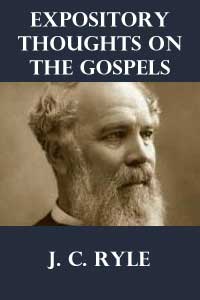



Expository Thoughts On The Gospels (book review)
November 13, 2018 — Craig T. OwensThe Gospels obviously focus on the life and teaching of Jesus Christ. Ryle takes how Jesus lived and taught and pulls out of them practical applications for Christians in his day, which still have perfect application for Christians today. I think what keeps his words so relevant is how closely he sticks with the biblical texts, seldom straying into his own opinion, but simply saying to us, “Did you see that?”
His thoughts are presented to us section-by-section, not verse-by-verse as many biblical commentators do. This method has two distinct advantages for us: (1) It’s easier to get a “big picture” view of what Jesus was doing and teaching, and (2) It’s more manageable to use this book as a complement to a personal or group Bible study.
In fact, Ryle himself suggested that the design of his commentary was with family devotions in mind. Purposely, he doesn’t delve into deep doctrine so that the youngest or most novice of Christians can gain much insight. But don’t confuse that statement with this being “light reading.” On the contrary, even the most tenured Christian will find ample thoughts to challenge his mind.
I highly recommend this series of commentaries to those who want a deeper Bible study time.
Share this: