9 More Quotes From “The Wisdom Of God”

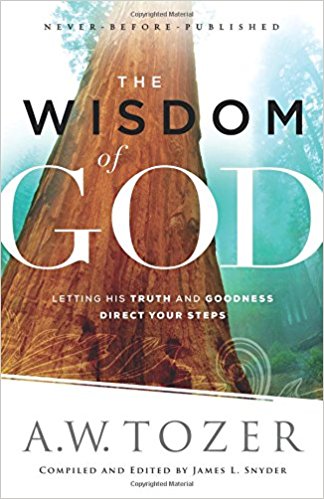
The Wisdom Of God is a collection of never-before-published sermons from A.W. Tozer, in which he makes the case that true Wisdom is a Person to be known not a quality to be gained. 

“Wisdom and power cannot be separated from the Cross. If we do not obey, we blind ourselves, and we become dependent upon our own intellect, which will be in no way sufficient to teach others.” 

“Today, Christians need to learn how to worship, and instead of having all this religious claptrap and modern entertainment to hold people together, have the fire of God and the presence of the Holy Spirit, which, by the way, will be enough.” 

“The one thing God has to offer us and the only thing we absolutely need is His wisdom. Flowing from that wisdom is the solution to all the problems that we could ever face. To know the wisdom of God in its fullness is to experience life as God intended it to be.” 

“Our relationship with God must be based upon God’s ways and not our ways.” 

“To fear God, out of which flows wisdom, is to submit myself to God unconditionally and without any personal agenda. When I come to God as He invites me to come, I will have what God intends for me to have.” 

“This effusion of superior wisdom is a gift imparted by God in addition to the gift of wisdom that He gives the birds so they know to fly south and that which He gives man to invent a spaceship or an electric light. This effusion of superior wisdom is something you either have or you don’t. It does not come gradually to anyone. So a man is either born or he is not. He is either born-again or he has not been born again; he cannot come into that gradually. The doctrine of gradualness is from the devil to keep the church of Christ from going forward.” 

“For wisdom dwells with God and He pours her out upon all His works in the degree they are able to absorb it, and the wisest man is the one who turns to the Lord in repentance and faith.” 

“Christ is that ancient, most excellent wisdom incarnated in our nature and making atonement for all our moral infamy. Any emphasis that makes sin less infamous than that is not biblical. Any interpretation of grace and mercy that allows sin to appear even reasonably excusable in the eyes of God is not a proper interpretation. Any doctrine, any view of sin that allows it to be excused in anyway is not biblical. It is not God’s way of looking at it, for God looks at sin as alienation. … God sent His only Son to make atonement for our infamy and saves those that turn to the wisdom of the just through repentance.” 

“We Christians are a strange crowd. We make a more of the invisible than the visible. We talk constantly to Someone we cannot see. We act as if thing were real that people do not believe are real and waive aside things that some people attach great value to. We sing about a Man who was rejected and crucified, and we say, ‘We find the yoke easy.’” 

You can read my review of The Wisdom Of God by clicking here. And be sure to check out some other quotes from this book here. 
Prayer Is A Weapon

…the twenty-four elders fell down before the Lamb. Each one had a harp, and they held gold bowls filled with incense, which are the prayers of God’s people (Revelation 5:8). 

Then another angel with a gold incense burner came and stood at the altar. And a great amount of incense was given to him to mix with the prayers of God’s people as an offering on the gold altar before the throne. The smoke of the incense, mixed with the prayers of God’s holy people, ascended up to God from the altar where the angel had poured them out (Revelation 8:3-4). 

No prayer is ever lost.

Every prayer is a weapon. 

Every prayer is an incense of worship before God’s throne. 

I may not see the result of my prayers immediately, but they are all known in Heaven, and they are being stored up for a day when God will unleash His power. 

I must never think my prayers are trivial, temporary, or impotent. 

EVERY PRAYER is a mighty weapon!

Work Can Be Worship

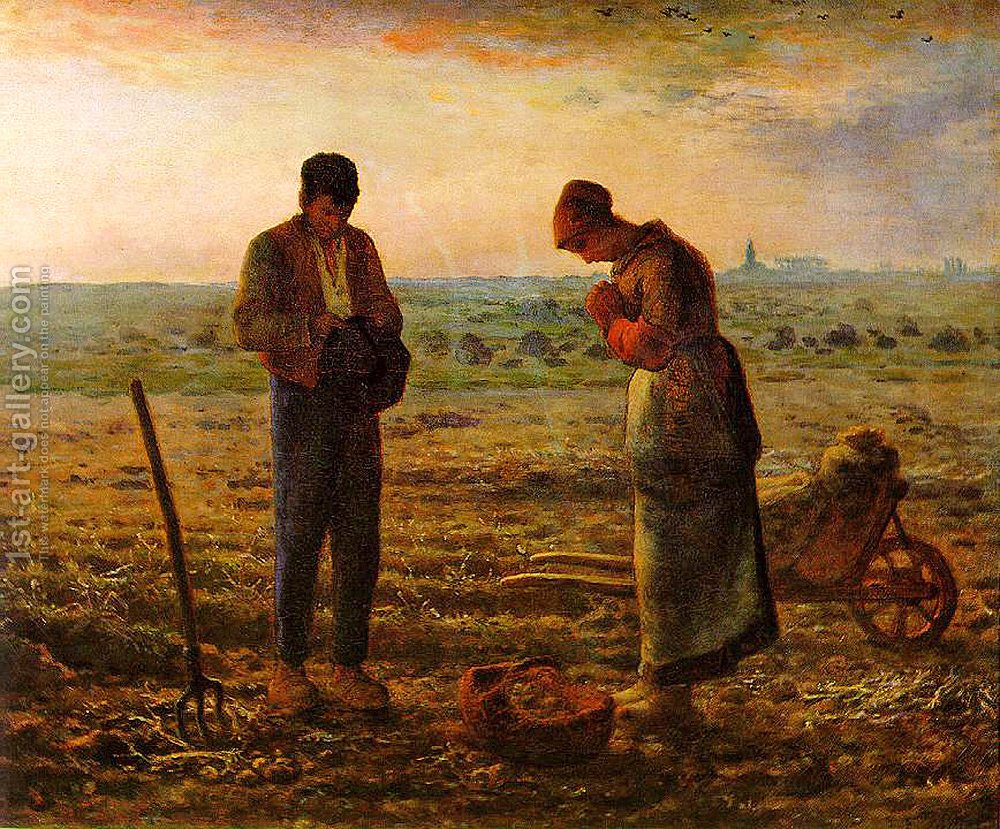
“Have you seen the painting The Angelus by Jean-Francois Millet? It portrays two peasants praying in their field. A church steeple sits on the horizon, and a light falls from heaven. The rays do not fall on the church, however. They don’t fall on the bow heads of the man and woman. The rays of the sun fall on the wheelbarrow and the pitchfork at the couple’s feet. 

“God’s eyes fall on the work of our hands. Our Wednesdays matter to Him as much as our Sundays. He blurs the secular and sacred. One stay-at-home mom keeps this sign over her kitchen sink: Divine tasks performed here daily. An executive hung this plaque in her office: My desk is my altar. Both are correct. With God, our work matters as much as our worship. Indeed, work can be worship.” —Max Lucado, in You!

(To read some other quotes from You!click here, please .)

What Is Church?

All across the world on Sunday morning, people met for church? But what exactly is church? Is it a place we go to? Is it something that only happens on Sundays? 

The Greek word for church is ekklesia. It meant an assembly of citizens. Luke used the term when he recorded a government official saying, “If there is anything further you want to bring up, it must be settled in a legal assembly” (Acts 19:39). But in the New Testament, it came to mean “a community based on a special religious idea and established in a special way” (Dr. Marvin Vincent). It can also mean either a local group of Christians or “the whole body of Christians scattered throughout the earth” (Dr. James Strong). 

Church never means a building. Nowhere does the phrase “go to church” appear in the New Testament. Instead, church carried the idea of a living, growing organism because church was wherever a follower of Jesus was. Sometimes the church met collectively in one location, and sometimes individual believers were out in the community. But wherever the Spirit of God went, church was happening. 

If church is not something we go to, it’s also not something that takes place only one day per week. Look at what Jesus did on the Sabbath day: 

But we also see Jesus doing all of these things EVERY day of the week. 

For Jesus, neither the day of the week nor the location determined the way He lived. Peter summed it up this way, “God anointed Jesus of Nazareth with the Holy Spirit and with power. Then Jesus went around doing good and healing all who were oppressed by the devil, for God was with Him” (Acts 10:38). 

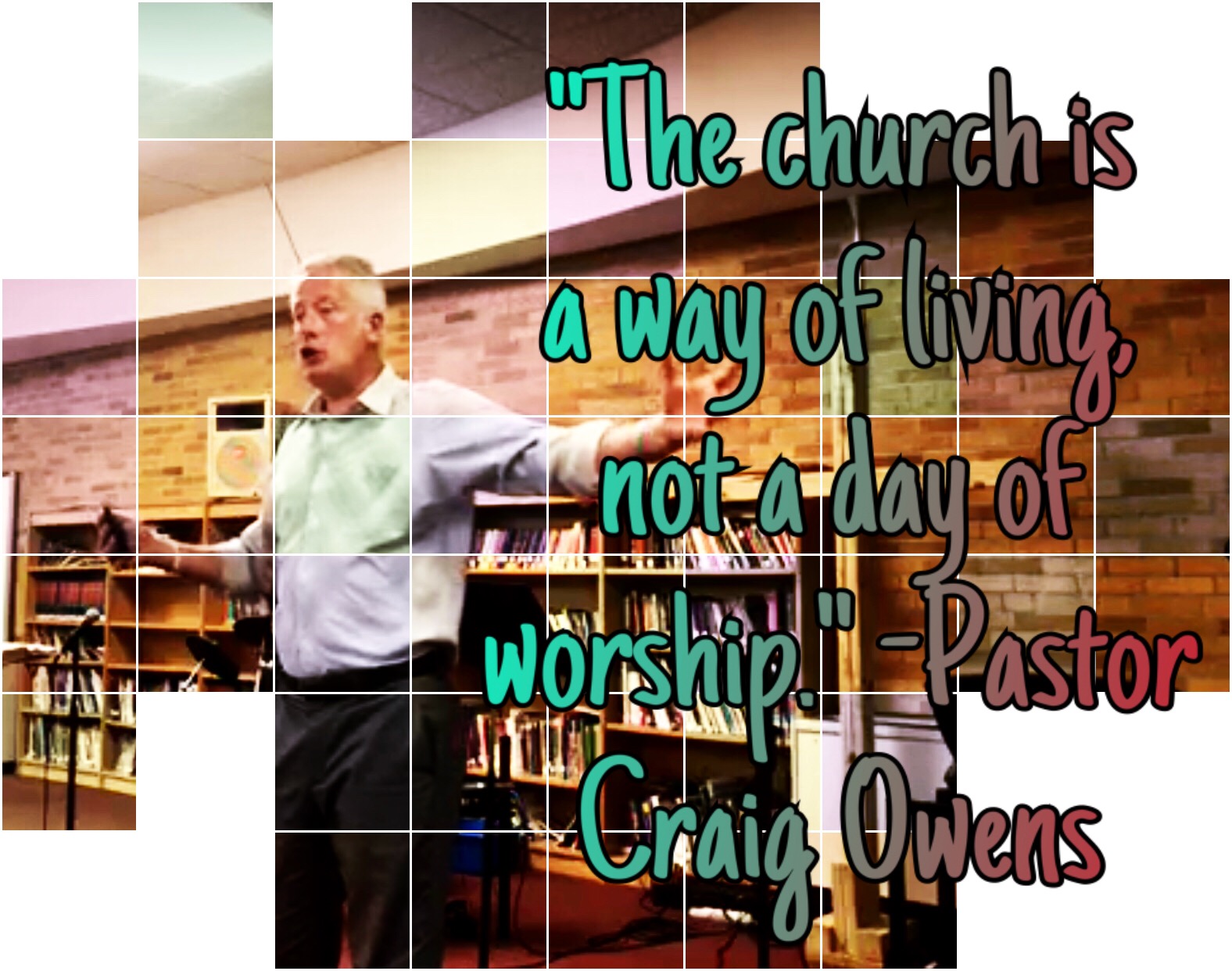
In fact, before they were called Christians the church was simply called “the Way” letting us know that the church was a way of life, not a day of the week. 

Based on how Jesus lived and how the Apostle taught, I think we can see the Church Way like this: 

In other words, EVERY day and in EVERY place the followers of Jesus were being enriched in their own lives so that they could reach out to the hurting so that they could come to know Jesus personally so that their lives could be enriched so that they too could reach out to others, and on, and on, and on it goes! 

Limiting “church” to a specific location or to a specific day of the week is way too small-minded. Church as Jesus intended it was a powerful force that would set people free EVERY day and in EVERY place from the power of the devil and introduce them to God’s eternal life! 

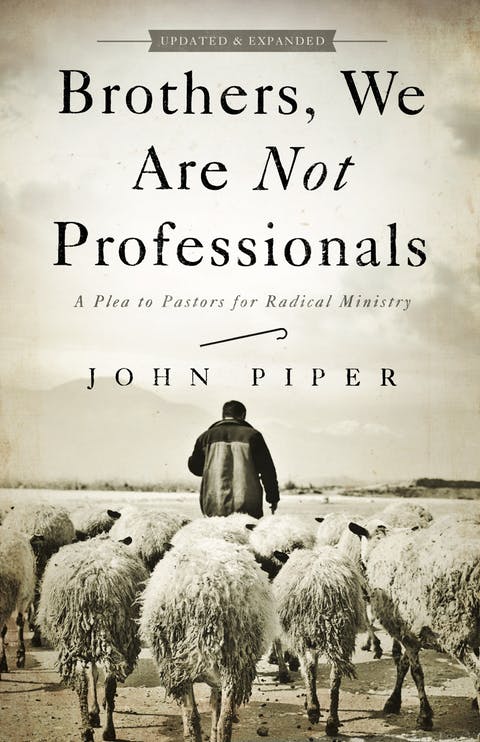
9 More Quotes From “Brothers, We Are Not Professionals”

Those in pastoral ministry are ministers; they are not professional, career-minded, corporate ladder-climbers. John Piper has written a book that I believe every pastor should read: Brothers, We Are Not Professionals. Here are a few more quotes from this excellent book. 

“Is not our most painful failure in the pastorate the inability to weep over the unbelievers in our neighborhoods and the carnal members of our churches? …  

“I must feel the truth of hell—that it exists and is terrible and horrible beyond imaginings forever and ever. ‘These will go away into eternal punishment’ (Matthew 25:46). Even if I try to make the ‘lake of fire’ (Revelation 20:15) or the ‘fiery furnace’ (Matthew 13:42) a symbol, I am confronted with the terrifying thought that symbols are not overstatements but understatements of reality. …

“I say to you, on the authority of Scripture, remember, remember, remember the horrid condition of being separated from Christ, without hope and without God, on the brink of hell. ‘Remember that you were at that time separated from Christ, alienated from the commonwealth of Israel and strangers to the covenants of promise, having no hope and without God in the world’ (Ephesians 2:12). … 

“When the heart no longer feels the truth of hell, the gospel passes from good news to simply news.” 

“Warning has value in stirring us up to take the glories of holiness and heaven seriously so that we come to see them for what they are and delight in them. But it is the delight in them that causes the true grief when we fall short.” 

“Pastors, you will know your people’s souls best by knowing your own. So try to be ruthlessly honest with yourself.” 

“If the heart is without passion, it will produce lifeless, jargon-laden spontaneity. And if the heart is aflame, no form will quench it.” 

“We ought to experience the deepest emotions about the deepest things. And we ought to speak often, and publicly, about what means most to us, in a way that shows its value.” 

“Eating, exercising, and sleeping are more spiritually relevant in the ministry than we may think. … The point is that we be intentional about how our eating affects the ability of our body to be a helpful partner in seeing the glory of God.” 

“When we say that what we do on Sunday morning is to ‘go hard after God,’ what we mean is that we are going hard after satisfaction in God, and going hard after God as our prize, and going hard after God as our treasure, our soul-food, our heart-delight, our spirit’s pleasure. Or to put Christ in His rightful place—it means that we are going hard after all that God is for us in Jesus Christ, crucified and risen.” 

“It will transform your pastoral leadership in worship if you teach your people that the basic attitude of worship on Sunday morning is not to come with your hands full to give to God but with your hands empty to receive from God.” 

“Brothers, we are leaders, and the burden of change lies most heavily on us.” 

You can read my full book review of Brothers, We Are Not Professionals by clicking here, and you can check out some other quotes from this book here. 
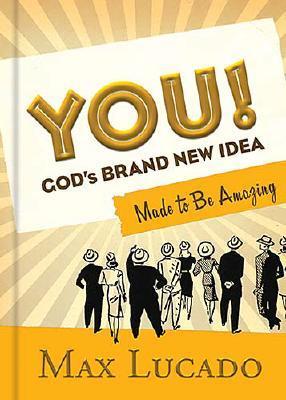
10 Quotes From “You!”

Max Lucado has given us a collection of short passages that will reaffirm to you how much God values YOU! This book could be a great pick-me-up for you, or a life-saving helper to your friend who is in crisis. Check out my full book review by clicking here. 

“Since you are God’s idea, you are a good idea. What God said about Jeremiah, He said about you: ‘Before I made you in your mother’s womb, I chose you. Before you were born, I set you apart for a special work’ (Jeremiah 1:5).” 

“God ‘personally formed and made each one’ (Isaiah 43:7 MSG). … And if you aren’t you, we don’t get you. The world misses out.” 

“You are a custom design; you are tailor-made. God prescribed your birth. Regardless of the circumstances that surrounded your arrival, you are not an accident. God planned you before you were born. The longings of your heart, then, are not incidental; they are critical messages. The desires of your heart are not to be ignored; they are to be consulted. As the wind turns the weather vane, so God uses your passions to turn your life. God is too gracious to ask you to do something you hate.” 

“God never called you to be anyone other than you. But He does call on you to be the best you you can be.” 

“God promises no applause for self-promoters. But great reward awaits God promoters: ‘Good work! You did your job well’ (Matthew 25:23 MSG).” 

“Don’t confuse God’s love with the love of people. The love of people often increases with performance and decreases with mistakes. Not so with God’s love. He loves you right where you are. He loves you just the way you are, but He refuses to leave you that way.” 

“Enough of this self-deprecating ‘I can’t do anything.’ And enough of its arrogant opposite: ‘I have to do everything.’ No, you don’t! You’re not God’s solution to society, but a solution in society.” 

“When asked to describe the width of His love, Jesus stretched one hand to the right and the other to the left and had them nailed in that position so you would know He died loving you. But isn’t there a limit? Surely there has to be an end to this love. You think so, wouldn’t you? But David the adulterer never found it. Paul the murderer never found it. Peter the liar never found it. When it came to life, they hit rock bottom. But when it came to God’s love, they never did.” 

“There are two extremes of poor I-sight. Self-loving and self-loathing. … Self-elevation and self-deprecation are equally inaccurate. Where is the truth? Smack-dab in the middle. Dead center between ‘I can do anything’ and ‘I can’t do anything’ lies ‘I can do all things through Christ who strengthens me’ (Philippians 4:13). … Not self-secure or insecure, but God-secure—a self-worth based in our identity as children of God. The proper view of self is in the middle.” 

“Each time we do our best to thank God for giving His, we worship.” 

Saturday In The Psalms—Happy!!

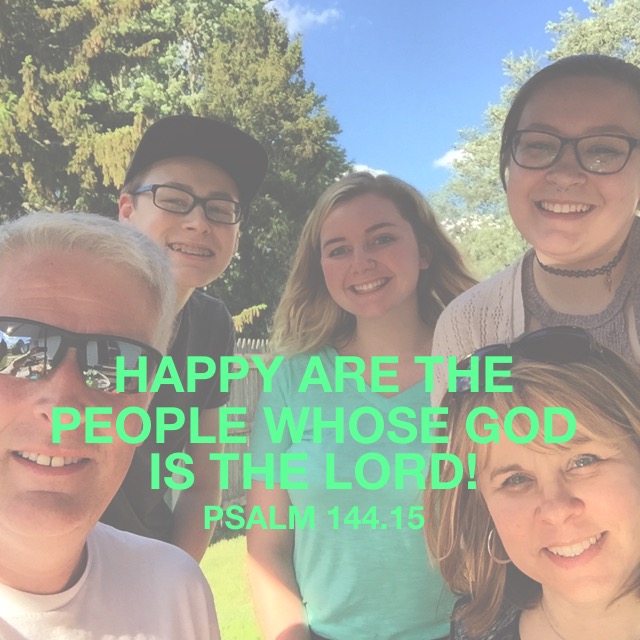
…happy are the people whose God is the Lord! (Psalm 144:15).

Happy indeed are people who have learned that there is only One God, and have also acknowledged Him as the Lord of their life.

David lists some fabulous blessings for those have made God their Lord…

  • …are equipped by God for victory
  • …experience His lovingkindness
  • …are intimately known by God
  • …know that God bends heaven and earth to help those who love Him
  • …are protected from evil people
  • …have new songs to sing
  • …experience God’s miraculous deliverance and rescue
  • …see blessings on their children and their work and their home
  • …are used as peacemakers and unity-restorers

Happy, happy, HAPPY!

Happy are the people who are in such a state;
Happy are the people whose God is the Lord!

Thursdays With Oswald—Isaiah 1

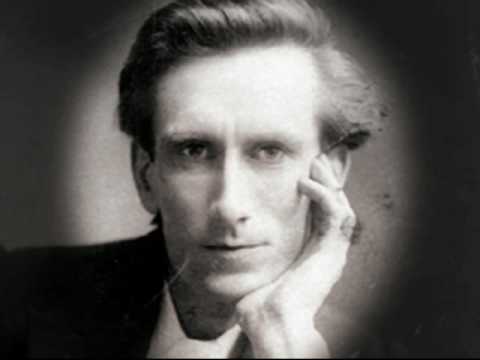
Oswald ChambersThis is a weekly series with things I’m reading and pondering from Oswald Chambers. You can read the original seed thought here, or type “Thursdays With Oswald” in the search box to read more entries.

Isaiah 1

[These are notes from Oswald Chambers’ lecture on Isaiah 1.]

     There is no such thing as fate; a human being always has the power to do the incalculable thing. There are fatal issues, not fate. When God’s decrees come to pass it is because men will not turn. God’s will is supreme, but God never fights against us; it is self-will that fights against God. …  

     If God were love according to our natural view of love He ought never to cause us pain, He ought to allow us to be peaceful; but the first thing God does is to cause us pain and to rouse us wide awake. He comes into our lives all along with ideals and truths which annoy and sting us and break up our rest, until He brings us to the one point, that it is only moral and spiritual relationships which last. That is why God looks cruel judged from the human sentimental standpoint; He loves us so much that He will not prevent us being hurt. …  

     Many a life is paralyzed because this is not realized—“I know God has forgiven me, I know I am right with God, but every now and again I remember the things I did that damaged other lives.” If I put the wrong right with my fellow men, have I become right with God? No, get right with God and He will put you on the way to be right with your fellow men. 

From Notes On Isaiah

Isaiah 1 opens with God taking His people to task for merely going through the motions of worship, with their hearts being far away from Him. Chambers reminds us that this self-will that fights against God will often bring its own pain. Why? Because God loves us too much to let us go unmolested down the path to eternal destruction. Instead, God longs for us to turn our hearts unreservedly to His love and purpose for our lives.

Saturday In The Psalms—Creation Recognizes Its Creator

The sea saw it and fled; Jordan turned back, the mountains skipped like rams … rocks turned into a pool of water… (Psalm 114:3, 4, 8).

What would cause a sea to shrink?

Or a river to stop flowing? Or mountains and hills to quake in fear?

What could turn flint rocks into puddles?

God’s presence!

Creation recognizes its Creator!

Do we?

Waters and mountains and rocks cannot think or feel or appreciate majesty and beauty—but they can and do recognize their majestic Creator and bow in His presence.

How much more so we who can think and feel and appreciate—how much more so should we bow before our Majesty, the Creator of all!

Jesus may have had this Psalm 114 in mind when He said that rocks would cry out in praise if we humans did not [Luke 19:37-40]. I, for one, am not going to let rocks or waters praise on my behalf!

Saturday In The Psalms—Resolutions

I will… (9x in Psalm 101).

Psalm 101 is only eight verses long, but David makes nine I will resolutions to God. Perhaps you might consider making these resolutions yourself—

(1) I will sing of mercy and justice. These are two sides of the same coin; in fact, it’s only when we know God’s justice that we can appreciate His mercy. Both God’s justice and His mercy need to be celebrated.

(2) I will sing praises. Regardless of our situation or setting, God is worthy to be praised.

(3) I will behave wisely in a perfect way AND (4) I will walk within my house with a perfect heart. A commitment to integrity, living a godly lifestyle, and leaving a godly legacy.

(5) I will set nothing wicked before my eyes AND (6) I will not know wickedness. A commitment to be childlike in regard to wickedness, and watchfulness of anything impure.

(7) I will destroy AND (8) I will not endure AND (9) I will destroy all the wicked. A resolution to cut-off all relationships that are not God-honoring.

Resolutions aren’t just for New Year’s Day. Resolutions can be made any time we sense something in our life isn’t as God-pleasing as it could be.

What resolutions are you willing to make?