Listen to the podcast of this post by clicking on the player below, and you can also subscribe on Apple, Spotify, or Audible.
I had a great time on the Thriving In Ministry podcast with Kyle Willis while his podcast partner Dace Clifton was on sabbatical.
Kyle and I wanted to help pastors get a better understanding of the value of a sabbath rest, but also an understanding of the challenges that come with trying to sabbath. Throughout the Old Testament, we read of God taking the Israelites to task for their unwillingness to rest, which ultimately led to them having to take a forced rest.
As I mentioned in this interview, just because the calendar says “Sunday” doesn’t automatically mean that it’s a sabbath day. This is especially true for pastors who are busily engaged in ministry activities on Sundays. But I take comfort in the example of Jesus who showed shepherd leaders how to make sabbathing an active and integral part of effective ministry.
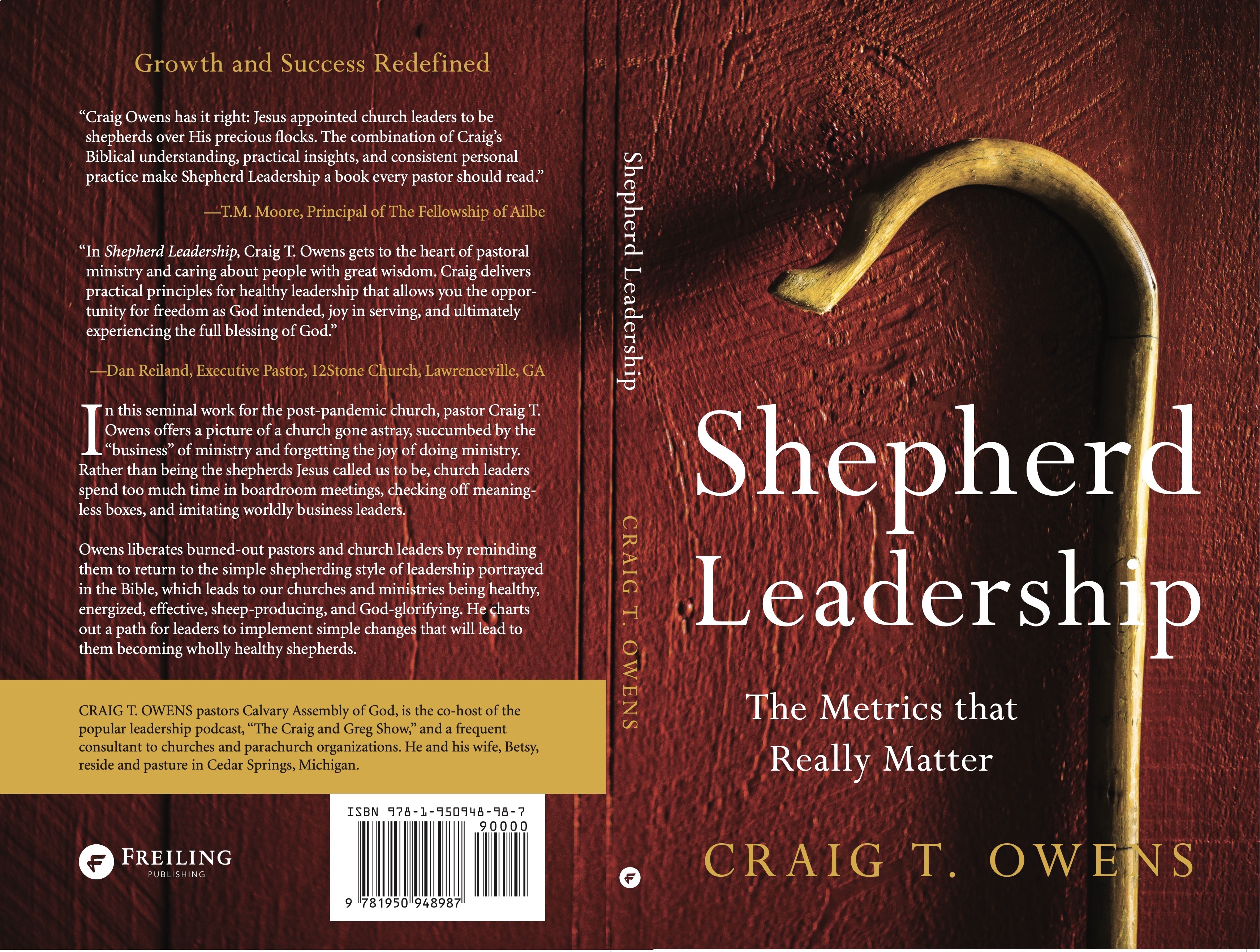
I have a chapter in my book Shepherd Leadership called “A Healthy Shepherd’s Sabbath,” and then I have a follow-up chapter called “Can’t, Won’t, or Don’t” which addresses some changes pastors can make to ensure they are getting the vital rest they need. If you are a church leader, I encourage you to pick up a copy of my book Shepherd Leadership: The Metrics That Really Matter.
I’ll be sharing more clips from this Thriving In Ministry interview soon, so please stay tuned. Shepherd Leadership: The Metrics That Really Matter is available in print or ebook, and in audiobook through either Audible or Apple.
[19:17] You don’t have it all, so don’t act like it!
[19:43] Greg would love to help your organization develop an abundance mindset.
Check out this episode and subscribe on YouTube so you can watch all of the upcoming episodes. You can also listen to our podcast on Spotify and Apple.
Listen to the podcast of this post by clicking on the player below, and you can also subscribe on Apple, Spotify, or Audible.
I just came back from California where drought-like conditions cause residents a lot of concern—wildfires, crop failure, what happens if too much rain falls too quickly? Being dry causes people a lot of stress.
Most people live under-hydrated, if not dehydrated. Depending upon the size of the person, the amount of water in the human body makes up 55-75%. That means that when we don’t get enough water, many complications can arise. So if you struggle with…
…headaches, don’t take a Tylenol, but trying drinking more water
…bad breath, don’t swish mouthwash, but trying drinking more water
…being tired, don’t guzzle caffeine, but trying drinking more water
…gut problems, don’t pop an Alka-Seltzer or milk of magnesia, but trying drinking more water
…bags under your eyes, don’t get botox, but trying drinking more water
The introduction to Psalm 143 only says, “A psalm of David,” but nothing about his actual predicament. But we can see the things that were weighing heavy on David:
he pleaded for mercy, which means not getting the punishment he deserved (vv. 1-2)
enemies were pursuing him (v. 3)
he felt faint in spirit and dismayed in heart (v. 4)
he had a failing spirit (v. 7)
he was lost, asking God to “show me the way” (v. 8)
he prayed for God to “preserve my life…bring me out of trouble” (v. 11)
he felt the slander of his enemies (v. 12)
All of this must have led to David feeling emotionally and spiritually—if not even physically—dehydrated.
We have said there are three definitions for Selah, but I think the context of this chapter clearly limits it to just one definition: a pause to reflect. David’s Selah in this psalm is actually a quadruple Selah! A dehydrated David reminds himself and us to…
remember or recall to mind
meditate or speak to yourself (also see Psalm 42:5-6)
consider—some translations use the word “muse,” a word meaning an inner conversation, including airing our complaints
Selah—the call to “pause and calmly think of that,” as the Amplified Bible defines that word
All of these things pressing in on David were getting his full attention, so he forgot to drink deeply of the Living Water of God. As a result, David was dehydrated. This is why he calls for that quadruple Selah to be refreshed.
But what if there are so many problems around us that we cannot even think of anything that we can “drink” from God? What if there are so many troubles that we don’t know what to thank Him for?
Let me point you to a tiny preposition: IN in vv. 8, 9 (and also in Psalm 42:5-6). David is not saying he has to get a drink, but that he has to go IN to the Source of Living Water.
Rejoice IN the Lord (Philippians 4:4) and Trust IN the Lord (Isaiah 26:4). As a result, God will then keep us IN His peace (Isaiah 26:3; Philippians 4:7).[Check out all of these verses by clicking here.]
This is what I think David spoke to himself in his remembering, meditating, and considering—in his inner conversations. Let the morning bring me word of Your unfailing love, for I have put my trust IN You. Show me the way I should go, for to You I entrust my life (Psalm 143:8).
When you’re dehydrated, it’s hard to think of things to be thankful for, but we can look to the unchangeable attributes of God. David did this and it helped him with his actions and attitude:
God’s love is unfailing so we can rely on Him (v. 8a)
God’s omniscience is infinite so we can trust His leading (v. 8b)
God’s omnipotence is unmatched so we can be secure in Him (v. 9)
God’s sovereign wisdom is unrivaled so we can confidently obey and follow Him (v. 10)
God’s eternal glory is unending so we can have eternal hope (v. 11)
Again David notes that God’s love is unfailing so we can continue to fearlessly serve Him (v. 12), which takes us right back to the opening two verses of this psalm
The Selah time allowed David to make these connections, or rather, it allowed him the quiet time to drink in the Holy Spirit’s reminders of these attributes of God. David always knew who God was, but in his time of dehydration his Selah re-reminded Him of who God was to him.
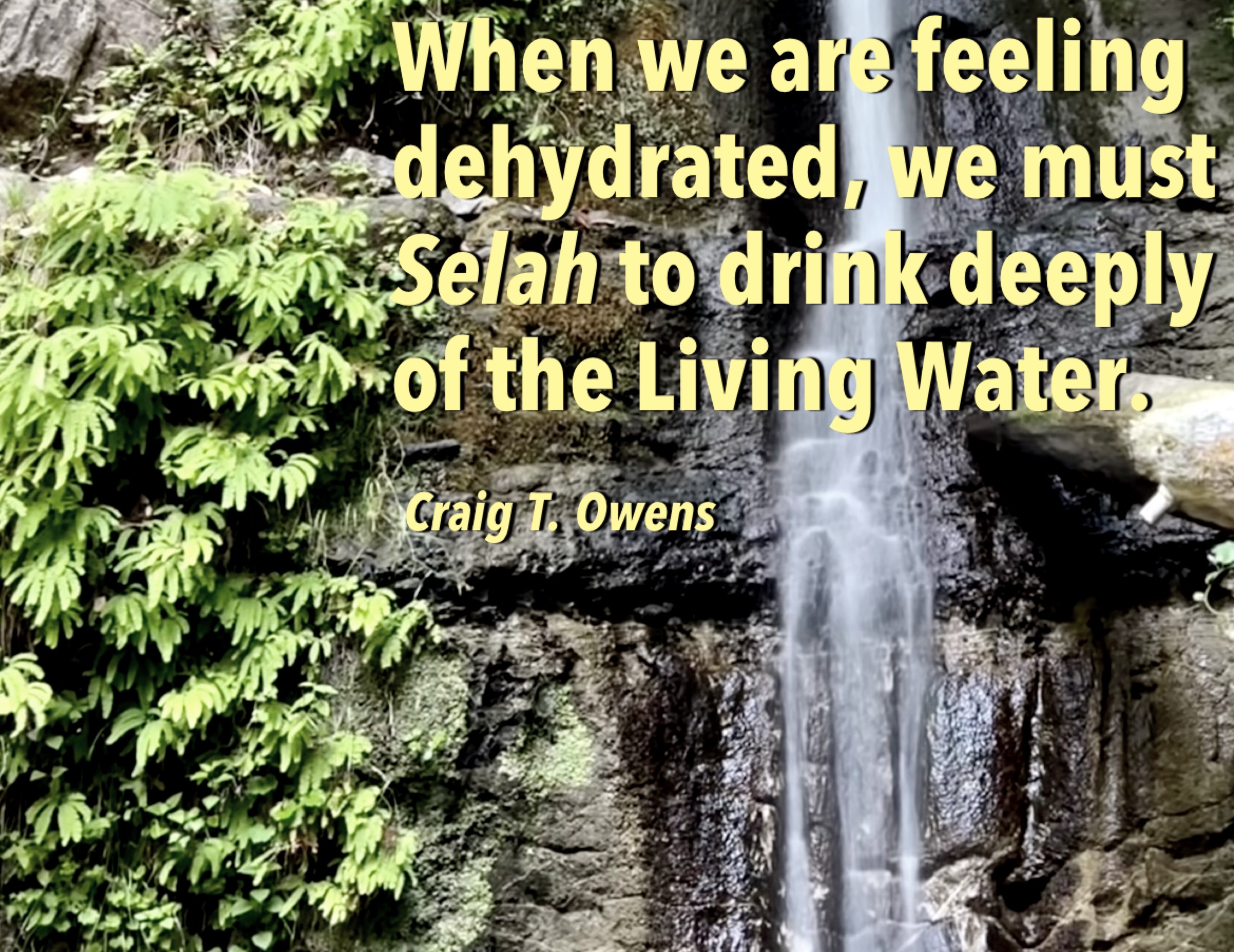
When we are feeling dehydrated, we must Selah to drink deeply of the Living Water. This Selah pause plunges us INTO God’s presence and allows us to make His attributes personal.
God is doing something in me through wicked people and evil times.
But there is one more Selah in this chapter that we need to consider—Do not grant the wicked their desires, O Lord; do not let their plans succeed, or they will become proud. Selah. (v. 8)
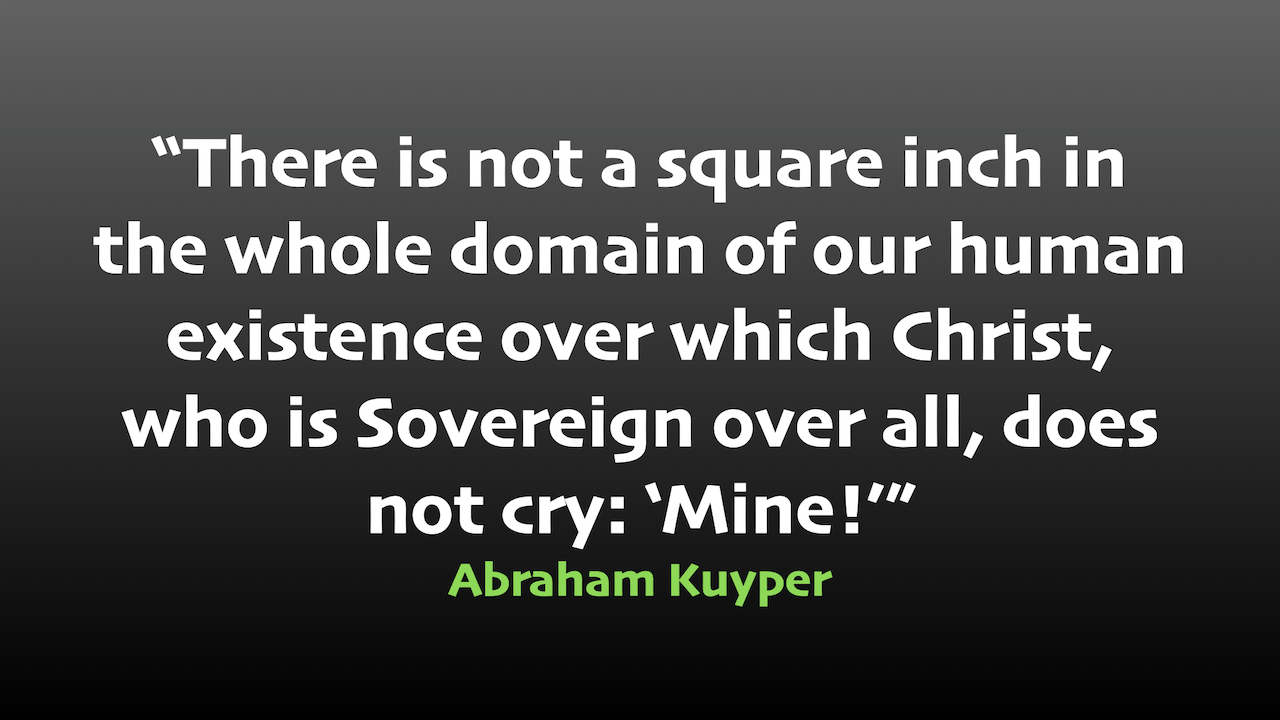
Most ofus would probably agree with Abraham Kuyper who said, “There is not a square inch in the whole domain of our human existence over which Christ, who is Sovereign over all, does not cry: ‘Mine!’”
But the amazing thing here is that God allows David—and you and me—to call Him mine! “O LORD, I say to You, ‘You are MY God’” (v. 6). David goes on to say that God is my strong deliverer who shields me against evildoers (v. 7).
But isn’t David’s God also the God of the wicked? Aren’t they a part of “the whole domain of human existence” that is His? Yes!
So that must mean that God wants even wicked people to call Him, “My God”!
This is exactly what Jesus told us: For God so loved the world [including wicked people] that He gave His one and only Son, that whoever [including wicked people] believes in Him shall not perish but have eternal life. For God did not send His Son into the world to condemn the world, but to save the world [including wicked people] through Him (John 3:16-17).
Just before this third Selah in verse 8 David prays that the plans of the wicked might be thwarted so that proud people don’t become even more proud. That seems okay. But after the Selah David seems to be asking God to let everything that wicked people have planned to boomerang back on them (vv. 9-11).
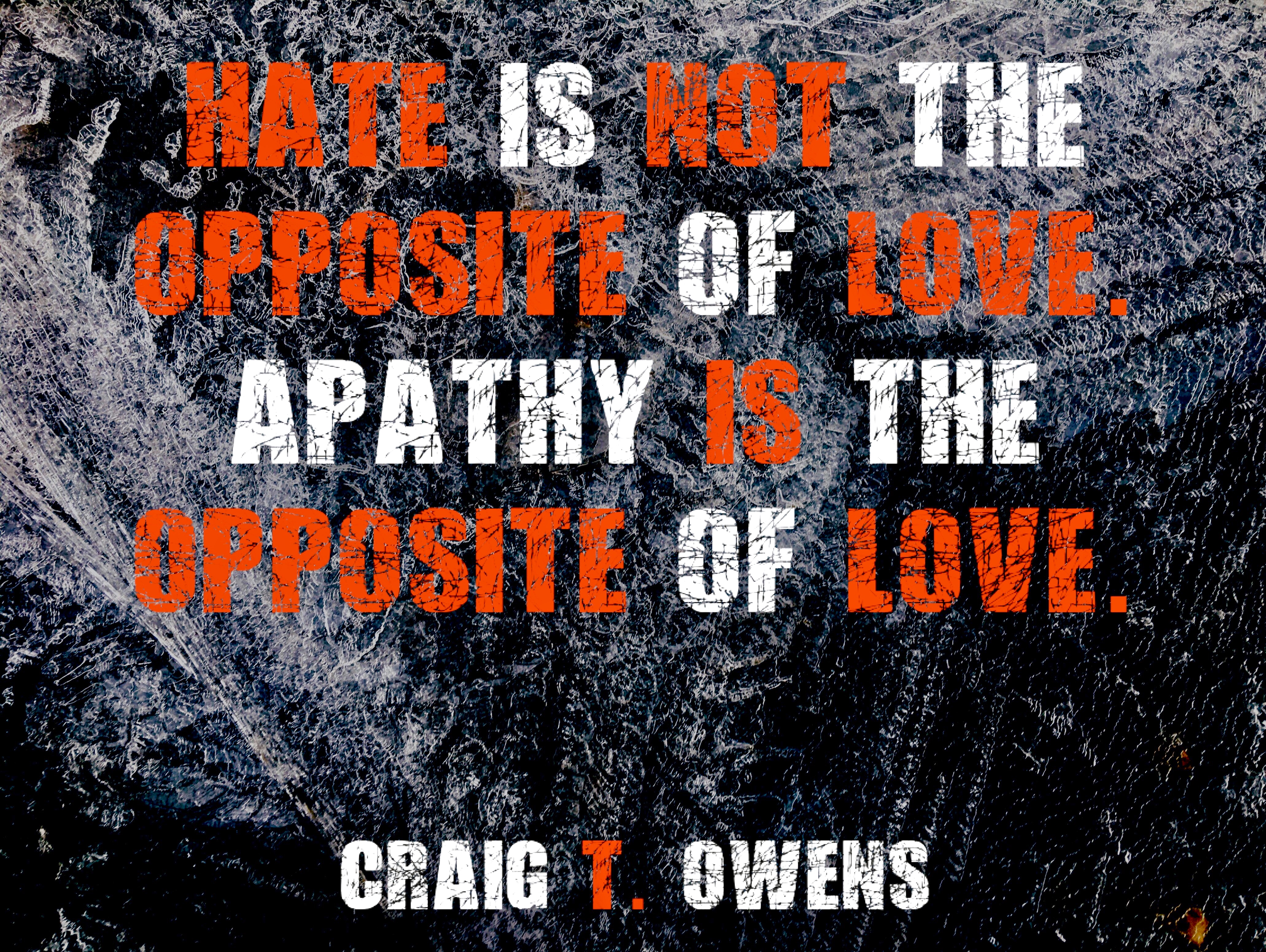
Hate isn’t the opposite of love, but apathy is the opposite of love. Hate is a very strong emotion that usually comes out when something we love or desire is thwarted or kept from us.
Just as we learned last week that God allows evil people and their slander and wickedness to prune us and make us more fruitful, can’t God give back to evil people exactly what they need to get their attention? Can’t He use their own evil plans for them just as He used them for us? Yes!
If God loves us—and He does—then He must hate anything that keeps us from Him.
If God loves wicked people—and He does—then He must also hate anything that keeps them from accepting the atoning work Jesus did for them on the Cross.
God is love. There is nothing you can do to make God love you any more. There is nothing an evil person can do to make God love them any less.
David’s third Selah is really his reminder that he must leave evil people to the only One who can discipline them in perfect measure. We have to leave evil people to God’s care—the only One who can rescue them. That’s why Jesus told us to “love your enemies and pray for those who persecute you” (Matthew 5:44).
David’s prayer in verses 9-13 does leave evil people in God’s hands, and it’s a prayer you and I can personalize for those whom we desire to know Jesus as their Savior.
It’s not God’s desire that any should perish. So let’s Selah to call God, “My God,” but to also pray that even the wicked people around us will come to the realization that through faith in Jesus, they too can cry out, “My God!”
God gave me a unique story when I was walking through a challenging time with a friend that I needed to leave to God’s care. I called the story The Parable of the Lifeguard. You can watch it in the video below, or you can read it by clicking here.
T.M. Moore wrote to pastors, “Effective ministry and fruitful Christian living are not automatic. They don’t just happen. Each requires that we receive the gifts of God, develop them according to His Word, and put them to proper use day by day. We must work out our salvation and work at our calling with focus and vigor.” Check out the rest of his post.
Speaking of pastors: In order for us pastors to be at our peak, we need to take care of ourselves. Here is a short video where I talk about the principle of sabbathing (a topic I explore in-depth in my book Shepherd Leadership: The Metrics That Really Matter).
This study from PennMedicine tells us that our brains can continue to learn new things until the day we die. So apparently you can teach an old dog new tricks!
My friend Greg and I have always tried to combine work and play. We’ve found that fun can really help leadership lessons stick. Check out this clip from a recent Craig And Greg Show leadership podcast.
According to 1 Corinthians 12-14, the Holy Spirit operates in nine different gifts to both evangelize the sinner and edify the saints. The apostle Paul says that these gifts are available to all Christians who will allow the Holy Spirit to operate through them.
If you would like to join us in person for this class, here is where you can find us. If you have missed any of the classes in this series, check them out here:
Jeff and I talked about my unique background and how that contributed to not only the book I wrote but also to the activities in which I am presently involved.
God took me on a long journey before I came to be a shepherd in Cedar Springs, MI. There were times in my younger life when I questioned why my path didn’t look like a straight line that was heading toward a career or vocation, but God showed me the truthfulness of the promise in Romans 8:28—He is using ALL THINGS to accomplish what He needs for me and for His Kingdom.(Check out the short video below where I share a bit of my autobiography.)
I hope this is a word of encouragement for you too. God IS directing every single one of your steps, He IS using all of your education and experiences to accomplish His purpose. Don’t bail out of this process, and don’t ever get discouraged that your path seems different than those around you. God is being as unique with you as He is with everyone else.
If you are a church leader, I encourage you to pick up a copy of my book Shepherd Leadership: The Metrics That Really Matter. I believe you will find many more encouraging thoughts that will keep you engaged in the work to which God has called you.
I’ll be sharing more clips from this 200churches interview soon, so please stay tuned. Shepherd Leadership: The Metrics That Really Matter is available in print or ebook, and in audiobook through either Audible or Apple.
Listen to the podcast of this post by clicking on the player below, and you can also subscribe on Apple, Spotify, or Audible.
Many “church growth experts” will tell people how to grow their church. But when we say “grow,” what exactly do we mean? Does that mean more people? Does that mean more engaged church members? Or is it a combination of both?
But more importantly: What does the Bible say about church growth? Does it give us any indication about whether church growth should be quantity or quality?
I taught on this subject with some summer ministry interns. Take a look…
I unpack this idea in much greater depth in my book Shepherd Leadership: The Metrics That ReallyMatter. My book is available in print or ebook, and in audiobook through either Audible or Apple.
Listen to the podcast of this post by clicking on the player below, and you can also subscribe on Apple, Spotify, or Audible.
We just finished a 2-week look at Psalm 88 & Psalm 89 which reminded us of the reality of temporary darkness and the certainty of eternal light. We said our dark days are meant to get our attention to rely on God’s covenant promise.
Something else we should be aware of: Whenever we run to or return to Jesus, the enemy of our souls prepares an attack (1 Samuel 7:3-10; 1 Peter 5:8).
The next psalm with a Selah is David’s prayer in Psalm 140. Selah appears 3 times in this short, 13-verse psalm.
We’ve said that Selah can mean a pause to carefully consider, a pause to observe the contrasts, or a pause to prepare for a crescendo. The Selahs after verses 3 and 5 don’t appear to fit the second or third definitions, but why would David ask us to pause to consider what wicked men are doing? I believe it is because we need to pause to contemplate two vital things, which I’ll share with you in a moment.
But first, notice the wicked men and evil times that David is confronting. He speaks of evildoers, violent people, wicked men, arrogant people, and slanderers (vv. 1, 4-5, 8, 11).
Surrounding the first two Selahs, check out David’s prayer for God to…
…rescue me (v. 1a)—get me out of here, or take the evil away from me
…protect me (v. 1b, 5b)—don’t let me be defeated or even diminished
…keep me (v. 4a)—we might say David is asking God to “watch my six” or guard the places I cannot see (notice the words net and traps in v. 5b)
The first Selah lesson we should take away is:There, but for the grace of God, go I.
If I hadn’t accepted Jesus as my Savior and had a new nature imparted to me, I would be doing exactly what these wicked people are doing. Paul tells Timothy what evil people will do, and he tells the Corinthian Christians that they used to be those same kinds of people (2 Timothy 3:1-5; 1 Corinthians 6:11).
When I see evil men, men of violence, and wicked people who are proud and slandering, I need to Selah to pray that the light and love of Jesus will be revealed to them.
The second Selah lesson we should take away is: God is doing something in my life through wicked men and evil times.
The words the Holy Spirit prompted David to pen have a richer definition than what I previously shared with you. Check this out…
…rescue me (v. 1a) also means make me strong and well-armed for battle
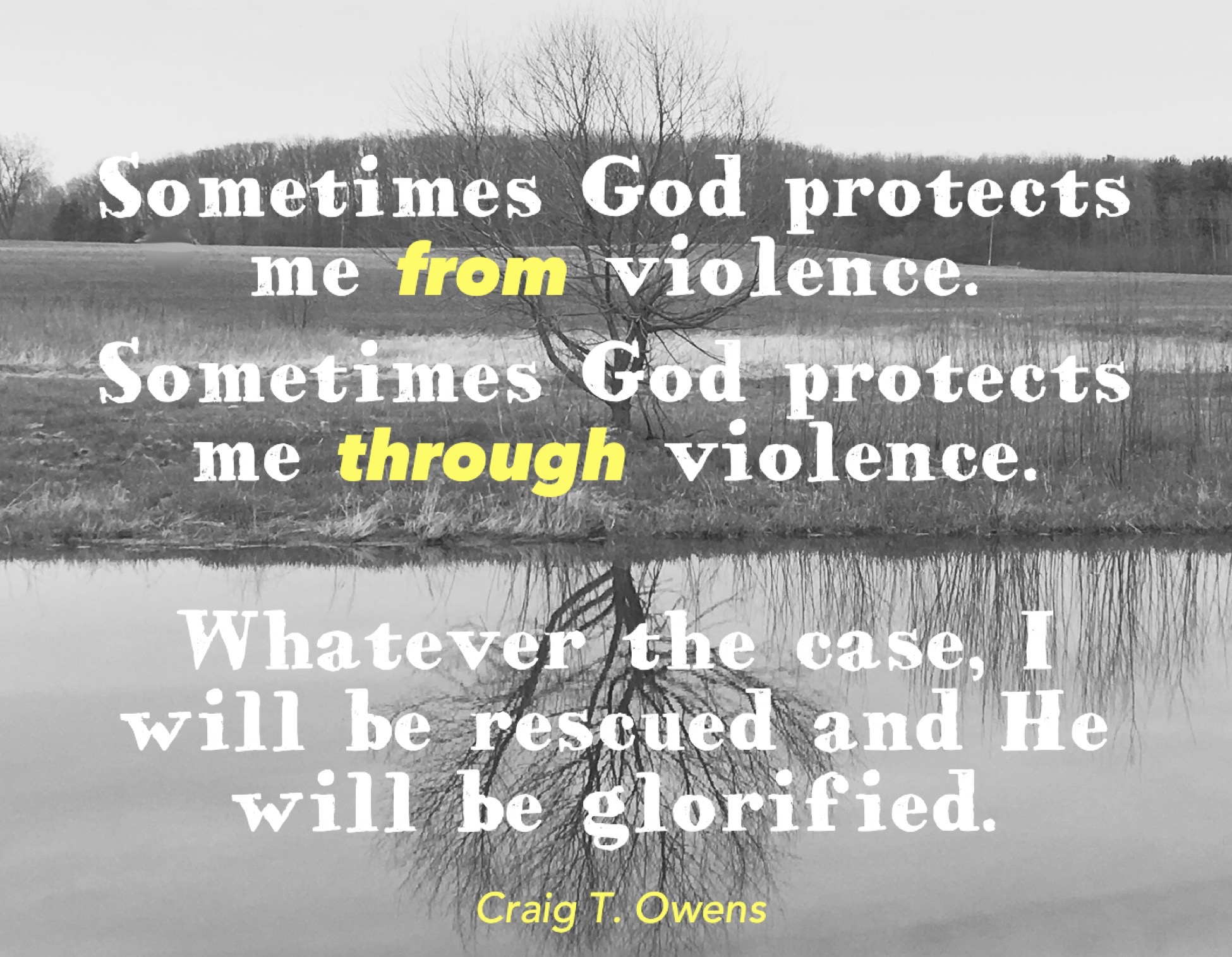
Sometimes God protects me from violence. Sometimes God protects me through violence. Whatever the case, I can be assured that I will be rescued and He will be glorified.This prayer in Psalm 140 is a prayer for protection so that we can be fruitful for God’s kingdom.
We need to Selah during the evil times we live in and whenever we have to endure wicked attacks.
Selah to thank God that you have been redeemed from that evil lifestyle by your faith in Jesus, and then pray for your attackers (Matthew 5:44).
Selah to thank God that He is using even evil people to make you more fruitful, to arm you for battle, and to glorify His name (Mark 13:9).
John Stonestreet wrote, “The moment Roe v. Wade was overturned last month, desperate activists began to dust off the oldest and oddest arguments for abortion. These “gotcha” scenarios are supposed to prove that pro-lifers don’t really value human life or consider preborn babies from the earliest stages of development to be human. Instead, these pretend scenarios demonstrate that pro-lifers are simply hypocrites.” Check out the rest of his post.
“When the facts are not clear [in a relationship issue] it is better to consider someone innocent until proven guilty. That is the law of mercy, which we all want applied to us as well.” —Dr. John Townsend, Who’s Pushing Your Buttons
Pornography is contributing to the over-sexualization of young people, which is reaping some painful consequences…
A good friend of mine, Pastor Kristi Rhodes, is in a battle with cancer and I’m fighting alongside her! If you want to join Team Kristi, join the team by clicking here.



 I had a great time on the Thriving In Ministry podcast with Kyle Willis while his podcast partner Dace Clifton was on sabbatical.



 Craig T. Owens