Unafraid Of End Times Events

Listen to the podcast of this post by clicking on the player below, and you can also subscribe on AppleSpotify, or Audible.

When people ask me about end times events, it is usually from a posture of hand-wringing worry. But when Jesus told His followers about what is to come, He repeatedly told them not to be afraid.

Some resources from this video:

►► Would you please prayerfully consider supporting this ministry? My Patreon supporters get behind-the-scenes access to exclusive materials. ◀︎◀︎

The Courage Of A Spiritual Father

Listen to the podcast of this post by clicking on the player below, and you can also subscribe on AppleSpotify, or Audible. 

Father’s Day can bring up a lot of different emotions for folks. Growing up, you might not have had a very good experience with your father or perhaps you didn’t have a father involved with you at all. Maybe you look back on your own history as a Dad and have some regrets. Perhaps you’re an empty-nester now or maybe you’ve never had kids of your own. 

Regardless of your experience with your father or with your own circumstances, I think there are some things that we all naturally expect from our Dads. These are things that we should honor and things we as Dads should strive to demonstrate in our lives.  

Luke introduces us to a man in the Book of Acts named Joseph. We don’t know if he is a biological father or not, but he is presented to us as a spiritual father that we would do well to emulate. In fact, we only know his name is Joseph from our first introduction to him. This man was such an inspiration to so many people that he was given the nickname Barnabas—the name that is used everywhere else in the New Testament. 

When we think of our list of attributes of an ideal father, I think we all look to our fathers for these five things.

(1) Be there when we are getting started. Barnabas was there when Saul (later named Paul) first became a Christian and when the first Gentiles became Christians (Acts 9:26-28; 11:19-23). 

(2) Provide for us financially. Barnabas is the first person mentioned by name that gave a significant and much-needed financial donation to the Church (Acts 4:34-37).  

(3) Help us learn to leave our nest and fly on our own. Barnabas gave Paul his first leadership role in the Church (Acts 11:25-26). 

(4) Step back as we learn to soar on our own. Barnabas took the lead in the first commissioned missionary journey, but then we see him stepping aside for Paul to take the lead (Acts 13:1-2, 13). 

(5) Continue to “be there” for us even after we’ve left the nest. Barnabas also picked John Mark to accompany him and Paul on that first missionary endeavor, but when Barnabas stepped aside for Paul, Mark headed home instead of continuing on their trip. Later on, Barnabas wanted to give Mark another shot, but Paul was strongly against that. As a result, Paul and Barnabas parted company, with Barnabas taking Mark with him. From this point on, Luke doesn’t tell us anything else about Barnabas, but we know that Mark became the first one to write his Gospel account of the life of Jesus and that he became reconciled to both Paul and Peter, becoming an invaluable help to both of them. Although we don’t read what happened, I think it’s a good bet that all of this came about through the encouragement of Barnabas (Acts 13:13, 15:36-40; 2 Timothy 4:11; 1 Peter 5:13). 

(Check out all of the above Scriptures by clicking here.)

The name Joseph means “exalted.” Joseph was born into the tribe of Levi, placing him at the heart of the Jewish faith, yet he risked it all to not only acknowledge Jesus as the Messiah but to be so invested in the Christian Church that they called him Barnabas. Luke tells that his name means Son of Encouragement. 

The word “encourage” literally comes from in + courage—to put courage into someone, to inspire others with the courage or confidence they need to do something great. 

The word “encouragement” in Acts 4:26 in Greek is paraklesis: the same word used for the Holy Spirit. 

Fathers can only put in others what is already in themselves.

Acts 11:24 tells us that Barnabas was “a good man, full of the Holy Spirit and faith.” Because He was full of the Spirit of God, he could put that courage and security in others around him. 

Guys, it’s the same for us today. We have to be filled with the security, the joy, and the courage that springs eternally from the Holy Spirit. Only when we are filled with the Spirit can we put something truly impactful into the lives of our kids—both our biological and spiritual children. 

We don’t know how old Barnabas was. We don’t know if he had children of his own or not. All we know is that he was a good man that was full of the Holy Spirit, and that gave him the courage to put into others. 

What a great example for all of us to follow! 

If you’ve missed any of the other messages in our series We Are: Pentecostal, where we’ve been learning about the blessings that come to those who are baptized in the Holy Spirit, you can find all of those messages here. 

►► Would you please prayerfully consider supporting this ministry? My Patreon supporters get behind-the-scenes access to exclusive materials. ◀︎◀︎

Be Careful Of Your Ego

Listen to the podcast of this post by clicking on the player below, and you can also subscribe on AppleSpotify, or Audible. 

The Scriptures I reference in this video—Mark 12:38-40; James 3:1; Mark 10:45

Some other blog posts and videos that can help you go deeper on this topic:

►► Would you please prayerfully consider supporting this ministry? My Patreon supporters get behind-the-scenes access to exclusive materials. ◀︎◀︎

Should Christians Debate?

Listen to the podcast of this post by clicking on the player below, and you can also subscribe on AppleSpotify, or Audible. 

One of the teachers of the law came and heard them debating… (Mark 12:28). 

The “them” in this verse are the Pharisees, the Herodians, the Sadducees, and Jesus. Mark especially loves this Greek word syzeteo, using it six times in his Gospel. Neither Matthew nor John uses this word at all. Luke uses it four times: twice in the Gospel of Luke and twice in the Book of Acts. This word appears nowhere else in the New Testament. 

Syzeteo is a compound word that means a joint pursuit. Check out some of the ways this word is translated: 

  • debating (NIV) 
  • arguing (NASB) 
  • disputing (AMP) 
  • lively exchanges of questions (MSG)
  • reasoning together (NKJV) 

The phrase “reasoning together” may sound familiar to you. It appears in the Old Testament when God says, “Come now, and let us reason together” (Isaiah 1:18). This is just one word in Hebrew (yāḵaḥ), which is defined as making something clear by demonstrating or proving. 

Whether in the Old or New Testaments, this is not considered to be one-upmanship, or attempting to get the knockout punch, or trying to prove one’s superiority. It is a legitimate journey of discovery—asking good questions, truly listening to the answer (not just listening to respond or counter), and then processing the other’s words before responding. Plato defined syzeteo as seeking or examining together. 

The teacher of the law noticed “that Jesus had given them a good answer.” He then asked a follow-up question. After hearing the reply from Jesus, he said, “Well said,” and reiterated Christ’s answer. To this Jesus noted “that he had answered wisely” and said to the teacher, “You are not far from the kingdom of God” (Mark 12:28-34). 

The word “argue” used to mean the presenting of premises that led to a conclusion. Then the other person would perhaps challenge one of the premises to maybe show a different conclusion. These arguments or debates weren’t screaming matches and they certainly weren’t intended to be over trivial matters. 

So should Christians debate? I would say yes IF all of these conditions are true:

  • IF this isn’t a trivial matter which has no impact on eternity. 
  • IF I can ask good questions and truly listen to the other person’s answer. 
  • IF I can have an attitude of journeying together toward the truth found in God’s Word. 
  • IF I can humbly receive the truth that is spoken to me by the other person. 

True Christian debating is not bantering with the other person, not attempting to score a “gotcha!” against the other person, not wanting to win an argument. The only true win comes when both parties arrive at the truth given to us in Scripture. This is true reasoning together. 

►► Would you please prayerfully consider supporting this ministry? My Patreon supporters get behind-the-scenes access to exclusive materials. ◀︎◀︎
Jesus In The Seven Feasts

Listen to the podcast of this post by clicking on the player below, and you can also subscribe on AppleSpotify, or Audible. 

Douglas Carmel from Rock Of Israel ministries shared an amazing overview of the seven Jewish feasts that are listed in the Book of Leviticus, and how Jesus is the fulfillment of all of these feasts. Doug was born into a Jewish family and became a Christian in his late teens, so he has firsthand knowledge of both the traditional celebrations and the Christian understanding of these feasts. 

One of the things I appreciated was Doug’s explanation that the feasts were merely a shadow of the reality—Jesus is the Reality! 

Please check out the message he shared at Calvary Assembly of God. I encourage you to visit his website to get more information on all of the ministries Rock Of Israel. 

Passover—celebrated on the 14th day of the first month 

  • Leviticus 23:4-5
  • Matthew 26:17-29; Mark 14:12-26; Luke 22:7-20
  • Jesus was crucified on the same day that the Passover lamb was being sacrificed 

Unleavened Bread—celebrated on the 15th day of the first month

  • Leviticus 23:6
  • 1 Corinthians 5:6-9

Firstfruits—celebrated on the 16th day of the first month (or the day after the Sabbath) 

  • Leviticus 23:9-14 
  • 1 Corinthians 15:12-26 

Seven Weeks—celebrated 50 days after Firstfruits 

  • Leviticus 23:15-21 
  • Also known as Pentecost 
  • Acts 2:1-41

Doug called our attention to the calendar on which these feasts appeared. Passover, Unleavened Bread, Firstfruits, and Seven Weeks all happen in the spring. All four of these feasts have already been fulfilled in the life, death, and resurrection of Jesus. 

There are no feasts in the summer months, as these are the months of field work (Leviticus 23:22). This is where we are now, which is why Jesus told us, “Ask the Lord of the harvest, therefore, to send out workers into His harvest field” (Matthew 9:38). This is the time for us to tell others about Jesus the Messiah! 

The final three feasts appear in the autumn—Trumpets, Atonement, and Tabernacles. These are feasts that are still to be fulfilled at Christ’s Second Advent. 

Trumpets—celebrated on the 1st day of the seventh month

  • Leviticus 23:23-25 
  • This is also known as Rosh Hashanah when the shofar is blown 
  • 1 Corinthians 15:51-53; 1 Thessalonians 4:15-18

Atonement—celebrated on the 10th day of the seventh month

  • Leviticus 23:26-32 
  • This is also known as Yom Kippur—the one day of the year the high priest goes into the Holy of Holies 
  • Romans 11:25-32; Matthew 23:39 

Tabernacles—celebrated on the 15th through the 21st days of the seventh month

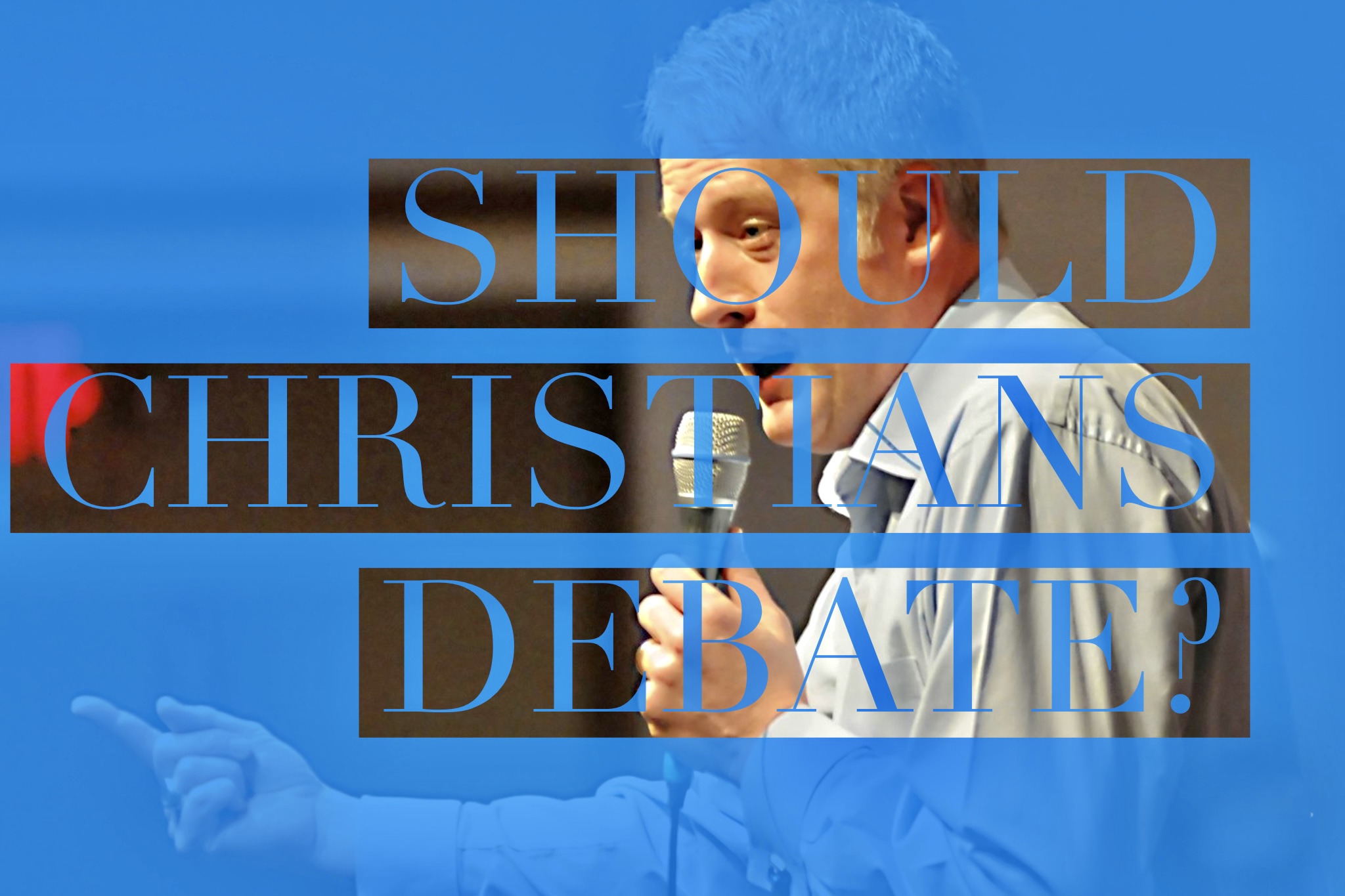
Jesus said of Himself, “I am the Alpha and the Omega, who is, and who was, and who is to come, the Almighty” (Revelation 1:8). Jesus is THE Reality and THE Fulfillment of all of these celebrations! 

(Check out all of the Scripture verses I listed above by clicking here.) 

►► Would you please prayerfully consider supporting this ministry? My Patreon supporters get behind-the-scenes access to exclusive materials. ◀︎◀︎
Whose Words Have Weight?

Listen to the podcast of this post by clicking on the player below, and you can also subscribe on AppleSpotify, or Audible. 

A teacher of the law asked Jesus an important question. In essence, he asks, “There are a lot of commandments in the Scripture. If I have to give a student the most basic of instruction, which of the commandments is the most vital?” 

The response from Jesus is especially important for two reasons: 

  1. Which commandments He listed
  2. The relatively few words He spoke 

Check out His short reply—

The most important one, is this: “Hear, O Israel: The Lord our God, the Lord is one. Love the Lord your God with all your heart and with all your soul and with all your mind and with all your strength.” The second is this: “Love your neighbor as yourself.” There is no commandment greater than these. (Mark 12:29-31)

In this sermon from Jesus, He speaks a total of 57 words. Notice the breakdown of the words He spoke:

  • Words from Scripture: 40 words 
  • His own words: 17 words

I wonder how many times we get this reversed? How many times do we share a short passage from the Bible and then use a whole bunch of our own words to try to explain the Scripture? Do we think the Holy Spirit needs our help to illuminate the inspired Word? 

Solomon warned twice of the dangers of “many words” (Ecclesiastes 5:3, 7), and Jesus said that if we think a lot of words spoken in prayer makes that prayer effective, we are really just babbling (Matthew 6:7). 

The teacher of the law is astounded at this sermon Jesus delivered. He speaks almost as many words as Jesus (52 words), but nearly all of his words are simply repeating what Jesus had said. Jesus said this man’s synopsis of His message was “wise” and indicated that he was “not far from the kingdom of God” (Mark 12:32-34). 

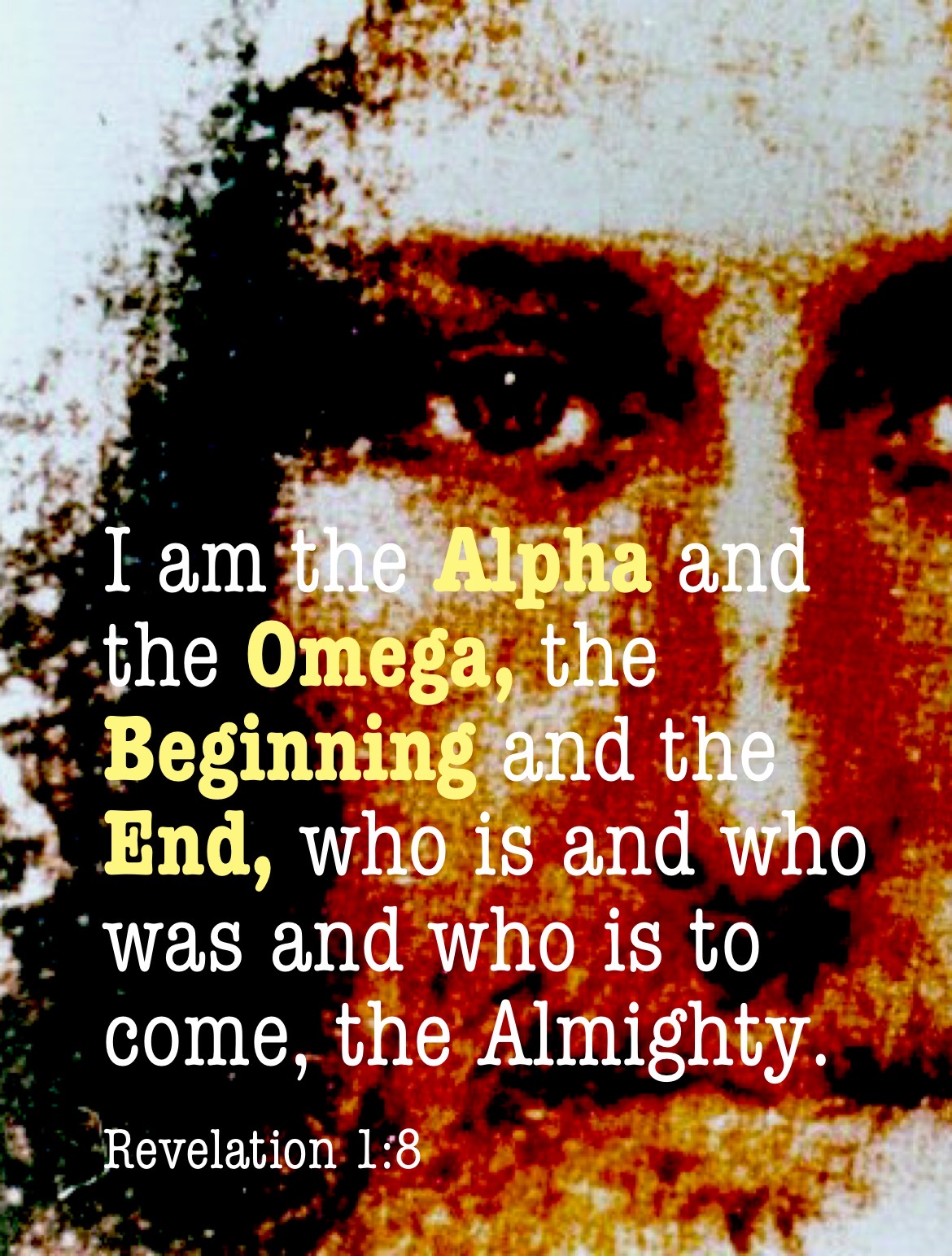
When we are asked questions about the Bible, let’s let the Bible do most of the talking. Let’s be careful that our attitude is not one of trying to “help” the Holy Spirit, but let’s rely on the Holy Spirit to help us know what Scripture to quote, what limited commentary to share, and when to be silent to allow the Word to do its irresistible work. 

►► Would you please prayerfully consider supporting this ministry? My Patreon supporters get behind-the-scenes access to exclusive materials. ◀︎◀︎
Talk Back To Your Thoughts

Listen to the podcast of this post by clicking on the player below, and you can also subscribe on AppleSpotify, or Audible. 

Do you talk to yourself? 

Of course you do. We all talk to ourselves: it’s called “thinking.” 

But do you talk out loud when you talk to yourself? 

An unhealthy habit for most of us is that our thoughts are only a one-way monologue. That is, we are listening to our thoughts but we are not talking back to them. As a result, everything negative we’ve heard from our enemies is bouncing around in our heads. The more we hear it, the more likely we are to believe it. 

In Psalm 42, we hear from a psalmist who is longing to experience God’s presence but at the same time there’s a nagging thought implanted by skeptics: “Where is your God?” The psalmist reminisces how it used to be, which means there is a nagging doubt in his mind that it may never be like that again. 

But finally, the psalmist does the mentally healthy thing: he talks back to his thoughts. He asks himself a question and then he gives a new response—a response that is hope-filled instead of doubt-plagued. 

Why are you downcast, O my soul? Why so disturbed within me? Put your hope in God, for I will yet praise Him, my Savior and my God. My soul is downcast within me; therefore I will remember You. (Psalm 42:5-6) 

When the nagging thought of “Where is your God?” comes up again just a couple of verses later, he doesn’t linger or brood over this doubt-inducing thought but immediately talks back to that negative voice with hope-filled words (vv. 10-11). 

The devil has a singular agenda: to separate you from God. He does this through lies and doubts. Jesus told us the devil’s native language is lies: “He was a murderer from the beginning, not holding to the truth, for there is no truth in him. When he lies, he speaks his native language, for he is a liar and the father of lies” (John 8:44). 

The Bible tells us that the devil can also put thoughts and desires in our hearts, but they are all lies (see John 13:2; Acts 5:3). 

We cannot let these lies go unchallenged, so here’s our battle strategy: 

For the weapons of our warfare are not physical weapons of flesh and blood, but they are mighty before God for the overthrow and destruction of strongholds, inasmuch as we refute arguments and theories and reasonings and every proud and lofty thing that sets itself up against the true knowledge of God; and we lead every thought and purpose away captive into the obedience of Christ—the Messiah, the Anointed One. (2 Corinthians 10:4-5 AMP) 

There are five questions we need to use to talk to ourselves about the thoughts we hear: 

  1. Is this thought unbiblical? (2 Timothy 3:16-17)
  2. Does this thought rob God of the glory due His name (Psalm 29:1-11)? 
  3. Does this thought stifle my love for God or others (Mark 12:28-31)? 
  4. If I linger on this thought, does it rob me of peace (Isaiah 26:3-4)? 
  5. Does this thought make me apathetic toward sin (Genesis 4:7)? 

(Check out all of the above verses by clicking here.)

If we answer “yes” to any of these questions, we must capture that thought and put it to death, which requires the sword of the Spirit, which is the Word of God (Ephesians 6:17). Because of what Jesus has done for us on the Cross, every promise in God’s Word is “yes and amen” in Jesus, and therefore is an invincible weapon against lying thoughts (2 Corinthians 1:20). 

Here’s how we use those promises: 

For the accuser of our brothers and sisters, who accuses them before our God day and night, has been hurled down. They triumphed over him by the blood of the Lamb AND by the word of their testimony. (Revelation 12:10-11)

Listen to your thoughts, but don’t listen too long before you start to challenge them with these five questions. Then demolish those lies—triumph over them by the blood of the Lamb and your spoken testimony. Speak the truth out loud for all to hear. 

This is part 4 in our series on a Christian’s mental health. If you’ve missed any of the other messages I’ve shared, you can find them all by clicking here. 

►► Would you please prayerfully consider supporting this ministry? My Patreon supporters get behind-the-scenes access to exclusive materials. ◀︎◀︎
Links & Quotes

Shalom—the peace that comes from God—could be defined simply as “nothing missing.” But couldn’t it also be defined as “no one missing”? It sure could! What peace there is when no one is missing from Heaven! Check out more of this message hereAnd be sure to check out all of my videos on my YouTube channel.

“A good man is a God-fixated man, ever-receiving, ever-overflowing.” —Dick Brogden, in Proverbs: Amplified and Applied

“Despite the moon’s apparently simple shape, uniformitarian scientists have long had great difficulty explaining how it could form by natural processes apart from a supernatural Creator. One Harvard astrophysicist once quipped that the best explanation for the moon’s existence was observational error—the moon doesn’t really exist!” This is a very interesting post from the Institute for Creation Research.

“Do we not miss very much of the sweetness and efficacy of prayer by a want of careful meditation before it, and hopeful expectation after it? … We too often rush into the presence of God without forethought or humility. We are like people who present themselves before a king without a petition, and what wonder is it that we often miss the end of prayer? We should be careful to keep the stream of meditation always running, for this is the water to drive the mill of prayer. … Prayer without fervency is like hunting with a dead dog, and prayer without preparation is hawking with a blind falcon. Prayer is the work of the Holy Spirit, but He works by means. God made man, but He used the dust of the earth as a material. The Holy Ghost is the Author of prayer, but He employs the thoughts of a fervent soul as the gold with which to fashion the vessel. Let our prayers and praises be not the flashes of a hot and hasty brain but the steady burning of a well-kindled fire.” —Charles Spurgeon, in Spurgeon and the Psalms

What a powerful word to pastors from T.M. Moore’s post First Things First. “Pastors sometimes complain that their people don’t seem very hungry or thirsty for the things of the Lord. Sated on the junk food of getting-and-spending, generously ladled over with pop culture, God’s people have little appetite for Christ or His Word. But what about us? Does our hunger and thirst for Christ make them long for the same? Do they see in us that earnest desire to be with the Lord that tells them they’re missing something of great importance? Loving Christ and delighting to be with Him is infectious. If the people we serve see it in us, they’ll want it for themselves, more than anything this world might offer.”

We don’t read about Jesus getting angry that often, but what usually got Him upset was when people in need were being kept from the God who could meet their needs. Sadly, it was usually man-made rules and practices that kept people away. I don’t want to make Jesus angry, so I need to evaluate anything in my life that may be standing in the way of connecting needy people with a need-satisfying God. 

“So in our broader culture, people no longer sin; they make mistakes. What about our Christian environment? In our case, sin is not denied. Instead it is often redefined to refer to the more flagrant sins of society. We tend to ignore our own sins of pride, selfishness, gossip, and the like. So, effectively, no one sins anymore. The reason is that we have lost sight of the biblical meaning of sin.  Typically, if we are not actually murderers, felons, or adulterers, we tend to think of our common sins as no more serious than a parking violation. We are so used to living with pride, selfishness, envy, gossip, and a whole host of other ‘respectable sins’ that we don’t even think of them as sin. But the fact is that, as serial sinners, we are all as guilty before God as that murderer. You and I sin every day in thought, word, deed, and motive. And whether those sins appear great or small in our own sight, in reality every sin we commit is an act of rebellion against God, a rejection and attempted negation of His sovereignty and rulership over us.” —Jerry Bridges

The Timeliest Of Words

Listen to the podcast of this post by clicking on the player below, and you can also subscribe on AppleSpotify, or Audible.

Jesus began to speak to them in parables… (Mark 12:1). 

This is only the fourth parable that Mark records, and as the final parable that Jesus uses in this Gospel, it brings His public ministry to a close. 

Jesus concludes this parable by quoting from Psalm 118. This psalm is the last of the “Hallel Psalms” to be sung at the conclusion of the Passover celebration—it is the psalm that looks eagerly to the Messiah‘s arrival. It contains the words that the crowds just used on Palm Sunday: “Lord, save us! Lord, grant us success! Blessed is He who comes in the name of the Lord” (Psalm 118:25-26; Mark 11:9-10).

At the conclusion of this parable, the religious leaders “knew He had spoken this parable against them” (Mark 12:12). 

This is the essence of a Holy Spirit-anointed sermon: The connection of timeless Scripture to current events. The Holy Spirit is also the One who brings the application to bear on the hearts of the audience. 

This is important for pastors as they prepare their sermons, but it’s also important for every Christian. We face challenges every day. The Holy Spirit can give us the timeliest of words. The Word of God is the inspired message for us. It is just as relevant and applicable today as it was the day the words were penned. The same Holy Spirit who inspired the authors of Scripture is the same Holy Spirit in us today who will illuminate and apply the Word for us (John 14:26).

Let’s not find our “timely word” from the ever-changing attitudes and opinions of culture, but let us continually go back to the unchanging, always-timely, always-relevant Word of God. That is the only place to find the timeliest of words every single time!

►► Would you please prayerfully consider supporting this ministry? My Patreon supporters get behind-the-scenes access to exclusive materials. ◀︎◀︎

Be An “Instead” Leader

Listen to the podcast of this post by clicking on the player below, and you can also subscribe on AppleSpotify, or Audible.

So Jesus called them together and said, “You know that the rulers in this world lord it over their people, and officials flaunt their authority over those under them. Not so with you. Instead…” (Mark 10:42-43).

A Christlike leader is an “instead” leader. 

Instead of exercising authority, exercising humility. 

Instead of being served, serving everyone else. 

Instead of being first in line, being last in line. 

Instead of seeking recognition, seeking anonymity. 

Instead of collecting titles, collecting calluses.

Instead of receiving, giving. 

Jesus, help me to be an “instead” leader—to strive to more consistently lead like You. 

►► Would you please prayerfully consider supporting this ministry? My Patreon supporters get behind-the-scenes access to exclusive materials. ◀︎◀︎