…the things which happen to me have actually turned out for the furtherance of the gospel (Philippians 1:12).
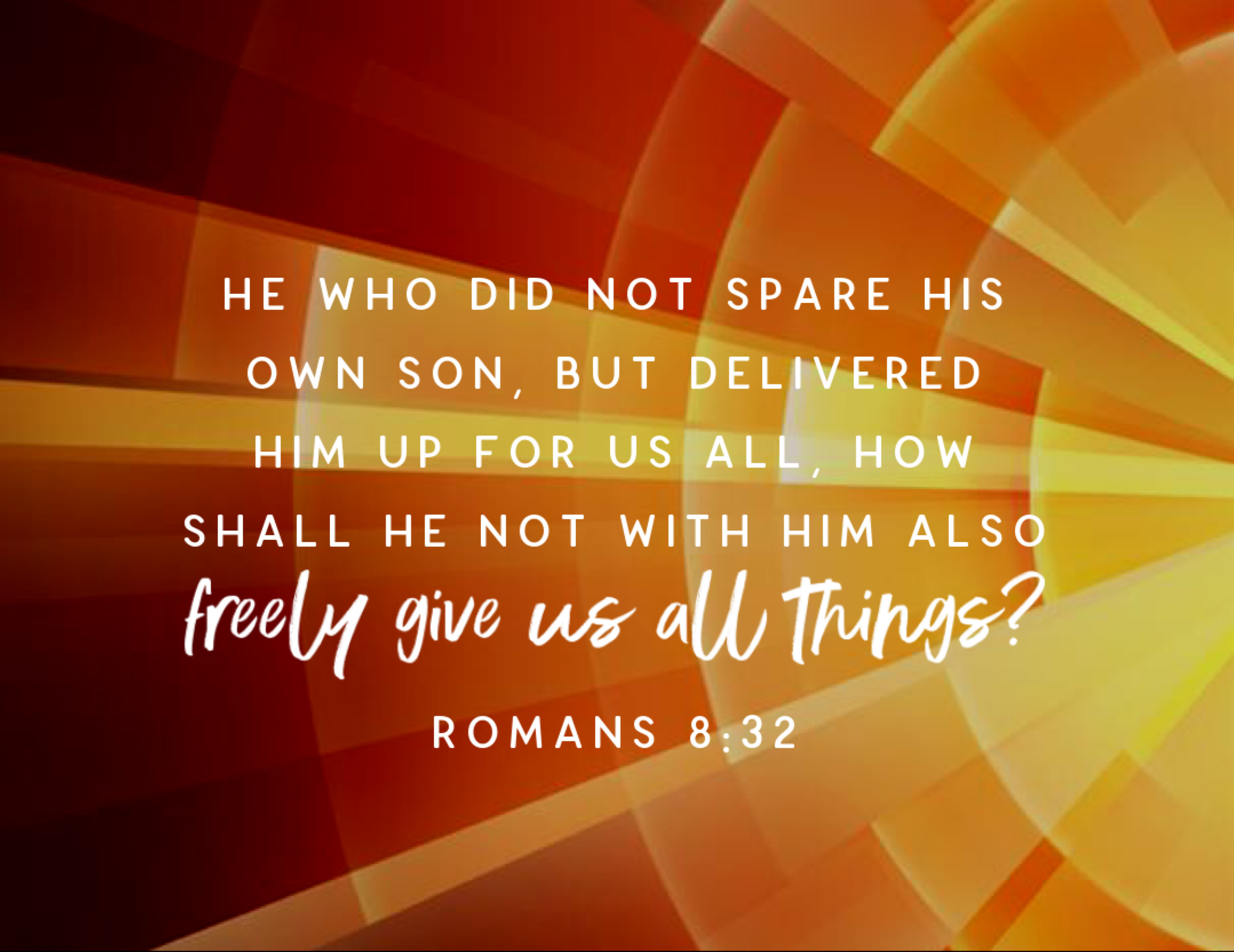
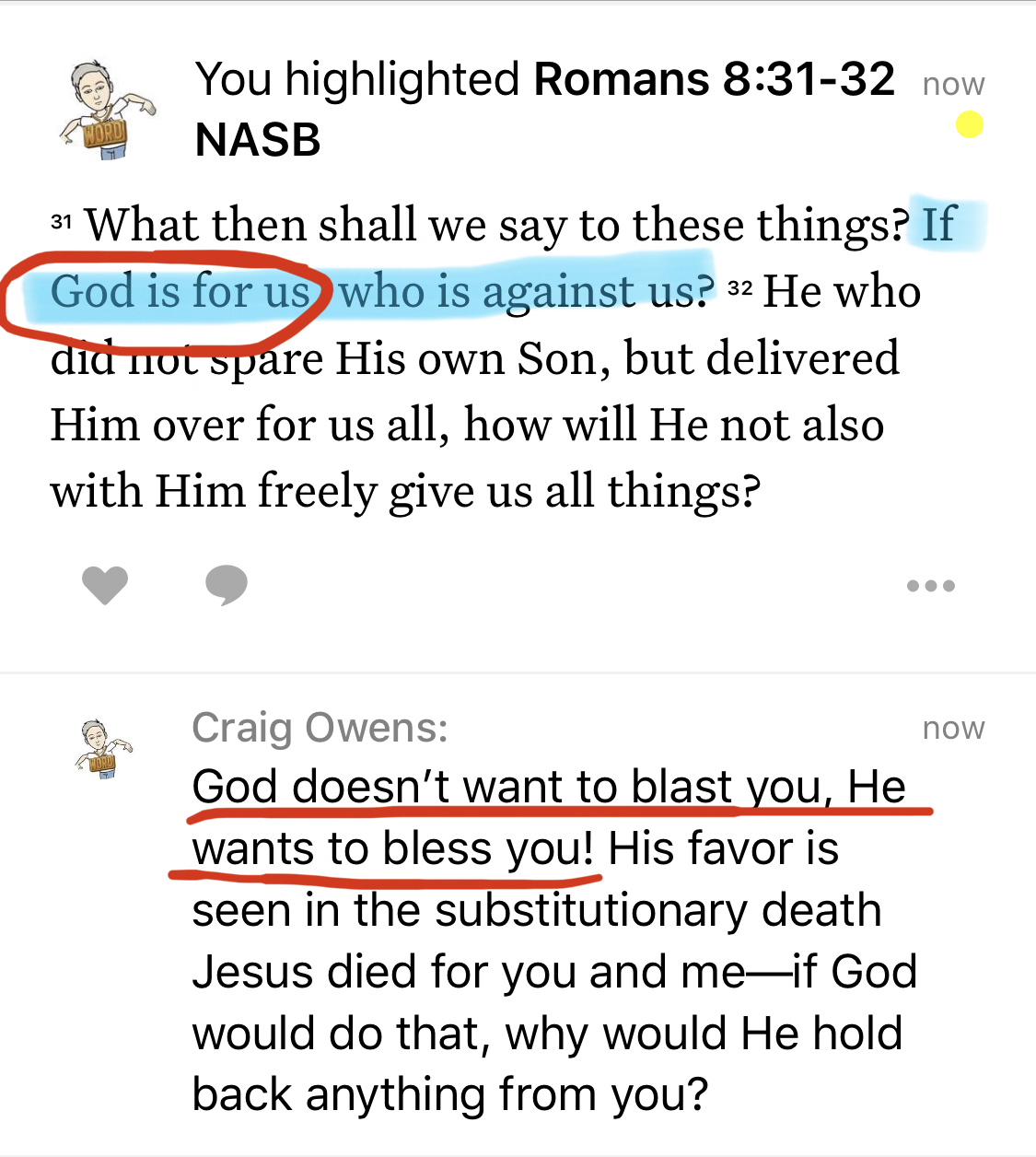
About 4-5 years before Paul wrote this, he wrote to the church in Rome: “And we know that in all things God works for the good of those who love Him, who have been called according to His purpose” (Romans 8:28).
Paul said, “All things” were being used in God’s plan for his life.
If I was one of those Philippian Christians I might respond, “Even in imprisonment?! C’mon, Paul, your liberty has been taken away and you can’t travel and preach anymore—can God use even that??”
Paul would give me an emphatic “Yes!”
A mark of a godly leader is one who practices what he preaches.
Paul said even his imprisonment was being used by God…
… the palace guards heard the gospel
… others became bolder in their Christian testimony
This is a weekly series with things I’m reading and pondering from Charles Spurgeon. You can read the original seed thought here, or type “Thursdays With Spurgeon” in the search box to read more entries.
Holding Two Extreme Truths
This is a deep, unsearchable mystery. Man walks without a leash yet treads in the very steps that God ordained him to tread in as certainly as though manacles had bound him to the spot! Man chooses his own seat, selects his own position; guided by his will, he chooses sin, or guided by divine grace, he chooses right. And yet in His choice God sits as sovereign on the throne, not disturbing but still overruling and proving Himself to be as able to deal with free creatures as with creatures without freedom. As able to effect His purpose when He has endowed men with thought and reason and judgment, as when He had only to deal with the solid rocks and with the imbedded sea.
O Christians! You will never be able to fathom this, but you may wonder at it. I know there is an easy way of getting out of this great deep either by denying predestination altogether or by denying free agency altogether. But you can hold the two: You can say, “Yes, my consciousness teaches me that man does as he wills, but my faith teaches me that God does as He wills, and these two are not contrary the one to the other. And yet I cannot tell how it is. I cannot tell how God effects His end. I can only wonder, and say, ‘Oh, the depth of the riches both of the wisdom and knowledge of God! How unsearchable are His judgments and His ways past finding out!’” (Romans 11:33). Every creature is free and doing as it wills, yet God is freer still and doing as He wills not only in heaven, but also among the inhabitants of this lower earth.
From The Infallibility Of God’s Purpose
The debate has raged for years: predestination vs. freewill.
People will sometimes ask me, “Are you a Calvinist (predestination) or an Arminian (freewill)?” And I always give the same answer, “Yes, I am a solid Cal-minian!” As with most things that are difficult for our finite, human minds to grasp about God’s nature, the answer is not either-or but it’s both-and.
C.S. Lewis captured the same sentiments as Spurgeon. Lewis always said the best course between two immovable ideas was right between them. He added, “Heaven will solve our problems, but not, I think, by showing us subtle reconciliations between all our apparently contradictory notions. The notions will all be knocked from under our feet. We shall see that there never was any problem” (emphasis mine).
Spurgeon would agree—there never was any problem, at least not with God. Any problems of understanding are in ourselves, not in Him. So far better than choosing one over the other, choose the both-and, and then stand in awe and wonder and worship that our infinite God is sovereign over all. Even over our puny, limited theologies and doctrines.
Hosea is the only prophet from Israel (he calls the Israelite king “our king” in 7:5), and along with Amos he is the only prophet to address the northern kingdom exclusively. Hosea addresses the northern tribes of Israel with brutal honesty—he calls them an adulteress wife! Hosea isn’t alone in saying this, as Isaiah, Jeremiah, and Ezekiel all same the same thing too.
But Hosea alone is called on to live out his message in a most unusual way: God instructs him to marry “an adulterous woman”! The question is: was she already a promiscuous woman before they married? Or did she become unfaithful after they were married?
I believe that she became unfaithful after marriage. When Gomer gives birth to their first son, Hosea writes that “she bore him a son”—indicating he is the father. But with Gomer’s second and third pregnancies, Hosea simply writes, “she gave birth,” leading me to think that Hosea wasn’t the father of those children.
Jezreel—This boy’s name means “God sows.” It is a neutral word meaning either sowing good seed and reaping a healthy harvest, or sowing godlessness and reaping punishment.
Lo-Ruhamah—Her name means “not pitied.” God indicates that He will bring a judgment on Israel that is deserved justice. He has been patiently calling them to repentance but they kept running farther away from Him.
Lo-Ammi—This boy’s name is saddest of all. It means “not My people.”
How sad! Can you imagine Hosea’s heartache?! Can you imagine God’s heartache?! God tells Hosea the penalty for their adulterous life (Hosea 2:2-13), which the apostle Paul would later sum up in these straightforward words: the wages of sin is death (Romans 6:23).
“YET” and “THEREFORE”…
In the middle of God expressing His heartache over His wayward wife He says two amazing words “Yet” and “Therefore” (1:10; 2:14).
“Yet I will bless you and reverse your misfortune”
“Therefore I will allure you and speak tenderly to you”
This is UNBELIEVABLE!! Who would respond like this to such vile unfaithfulness?!
God would.
God did! But God shows and clearly proves His own love for us by the fact that while we were still sinners, Christ—the Messiah, the Anointed One—died for us (Romans 5:8).
Hosea—whose name means salvation—is called on to do exactly what Jesus did for us. Hosea buys back his wife from her master. Hosea pays the price for Gomer’s sin, just as Jesus paid the price for our sin.
What amazing love God has for us!
You have never lived an unloved day in your life. Not a single one! God loves you more than the best husband could ever love his wife. He paid for your forgiveness and your freedom. Will you receive that forgiveness and restoration today?
This is a weekly series with things I’m reading and pondering from Charles Spurgeon. You can read the original seed thought here, or type “Thursdays With Spurgeon” in the search box to read more entries.
God’s Purpose Prevails
But He is in one mind, and who can turn Him? and what His soul desireth, even that He doeth (Job 23:13 KJV). But He is unchangeable, and who can turn Him? And what He wants to do, that He does (AMP).
Now the fact taught here is that in all the acts of God in providence, He has a fixed and a settled purpose. ‘He is in one mind.’ It is eminently consolatory to us, who are God’s creatures, to know that He did not make us without a purpose and that now, in all His dealings with us, He has the same wise and gracious end to be served. …
O believer, ever look, then, on all your sufferings as being parts of the divine plan and say, as wave upon wave rolls over you, ‘He is in one mind!’ He is carrying out still His one great purpose. None of these comes by chance; none of these happens to me out of order; but everything comes to me according to the purpose of His own will and answers the purpose of His own great mind. …
We sweat, we toil, and we fail. How often do we come back weeping because we have toiled, as we think, without success! Yet, Christian man, you have not been without success, for ‘He is still in one mind.’ All this was necessary to the fulfillment of His one purpose. You are not lost; your labor has not rotted under the clod. All, though you see it not, has been working together toward the desired end. …
From every evil, good has come. And the more the evil has accumulated, the more has God glorified Himself in bringing out at last His grand, His everlasting design. This, I take it, is the first general lesson of the text—in every event of providence, God has a purpose. ‘He is in one mind.’
Mark, not only a purpose, but only one purpose—for all history is but one. There are many scenes, but it is one drama. There are many pages, but it is one book. There are many leaves, but it is one tree. There are many provinces, yes, and there are many lords and rulers, yet there is but one empire and God the one Potentate.
From The Infallibility Of God’s Purpose
All of history is His story—and your life is a part of that Grand Story as well. God doesn’t miss a thing. He is working all things out to accomplish His purpose (see Romans 8:28). Even when it seems nothing is happening, turn your thoughts back to God Whose plans never fail, Whose purposes are never frustrated, Who is always working out His grand plan.
Notice that the title of this post says “when” not “if.” Maybe this will be a newsflash for some of you (but I highly doubt it): Christians will face trials.
Even the apostle James says, “Dear brothers and sisters, when troubles of any kind come your way, consider it an opportunity for great joy” (James 1:2). Wait, trials are “an opportunity for great joy”? How can that be?!
→ Trials teach us lessons that we can learn in no other way! ←
How much more mature, and wise, and empathetic would we become if instead of trying to get out of the trials that come our way, we would instead see what we could get out of that trial!
We can rejoice, too, when we run into problems and trials, for we know that they help us develop endurance.And endurance develops strength of character, and character strengthens our confident hope of salvation.And this hope will not lead to disappointment. For we know how dearly God loves us, because He has given us the Holy Spirit to fill our hearts with His love. (Romans 5:3-5)
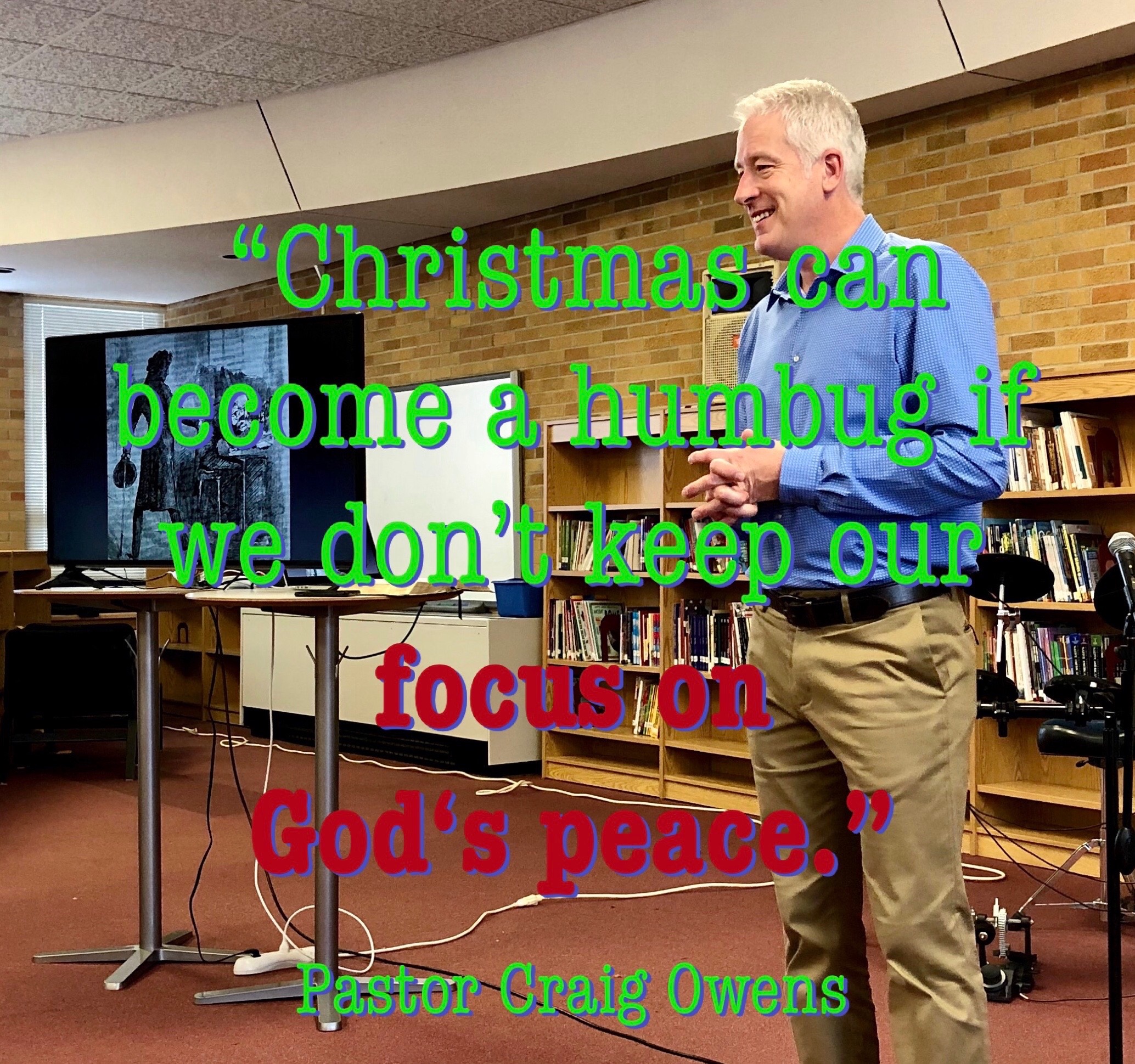
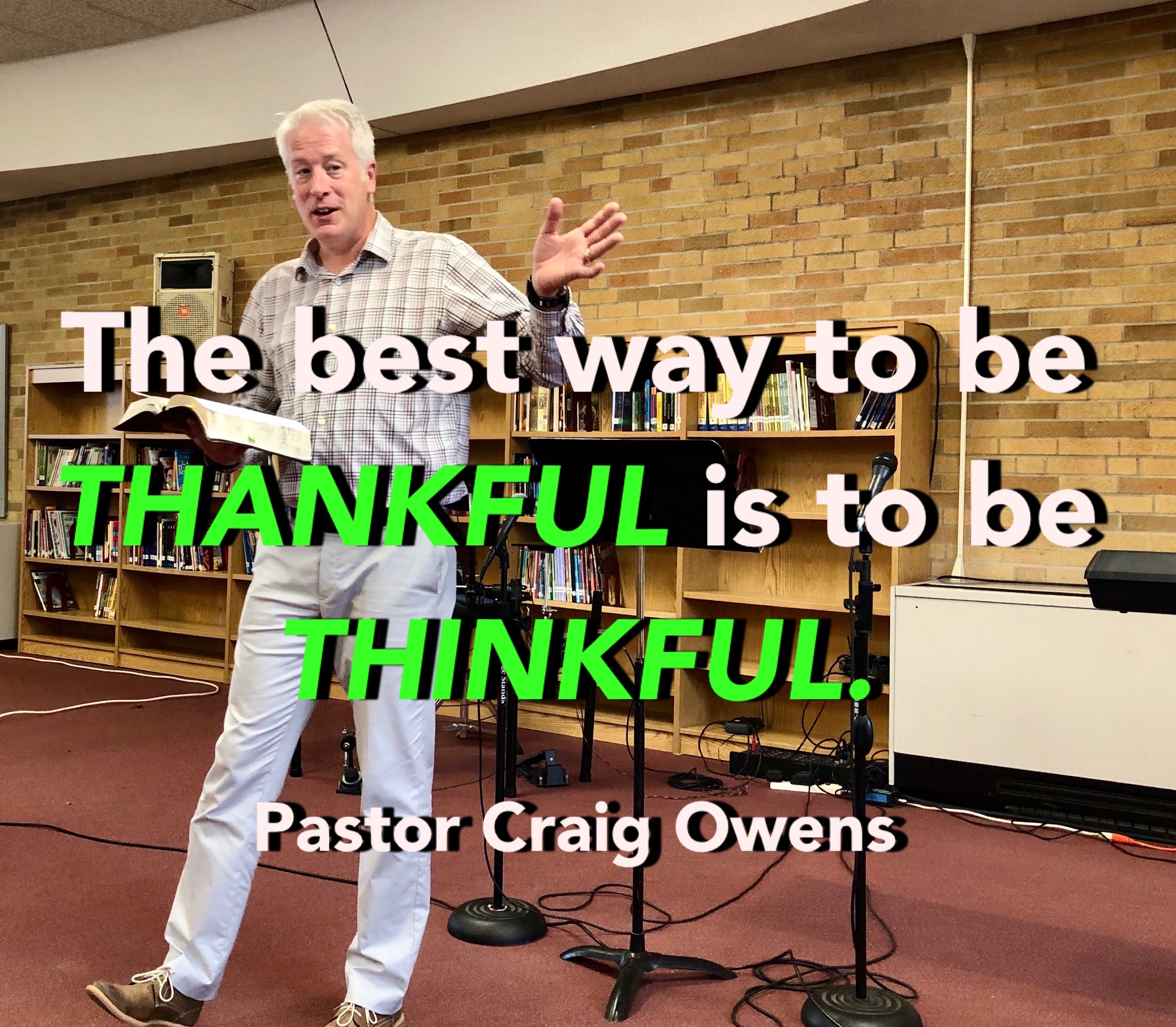
“When trials come we can try to get out of them, or we can learn to get something out of them.”
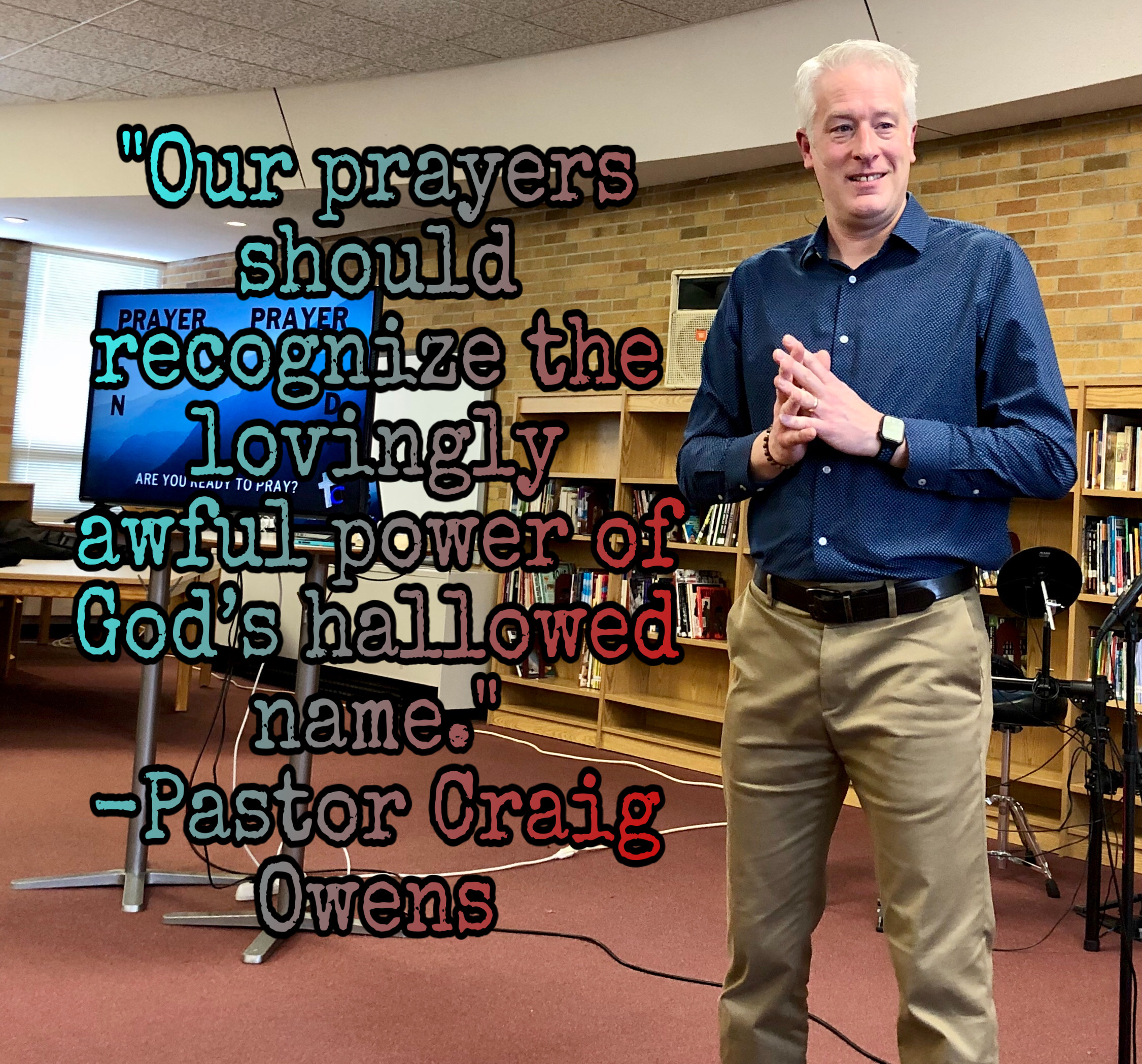
—Craig T. Owens
So the next time a trial comes your way, ask the Holy Spirit to show you what lessons you can learn by going through the trial.
My dear friend Josh Schram relaunched our summertime series looking at the Selahs in the Psalms. “Selah” (or “Interlude” in some Bible translations) can mean either a time of reflection, a deep breath to go into something stronger, or a time to weigh the contrasts.
Psalm 44 is a classic example of a Selah calling us to weigh the contrasts! The first 8 verses of this psalm celebrate the recollections of God’s past victories, declarations of God being our King, and crescendoing to a note of continual praise—O God, we give glory to You all day long and constantly praise Your name!
Then comes the Selah—pause.
And after the pause, the scene turns dark. The psalmist now recounts how bad his situation is, descending to the low note of “we collapse in the dust, lying face down in the dirt” (v. 25).
Josh reminded us how our preferences change over time. Consider the telephone—we’ve gone from push-button corded phones, to phones with longer cords, to cordless phones, to bulk bag phones, to smaller cell phones, to smartphones. It’s very human for our preferences to want more and better.
But God’s preference never changes. God’s preference is YOU!
He can never love you any more than He already does. Nor can He love you any less.
The apostle Paul quotes Psalm 44:22—yet for Your sake we face death all day long; we are considered as sheep to be slaughtered—when he explains that absolutely nothing can separate us from God’s love (see Romans 8:31-39).
In marriage vows, we usually promise to love our spouse “for better or for worse, for richer or for poorer, in sickness or in health.” True love goes through it all!
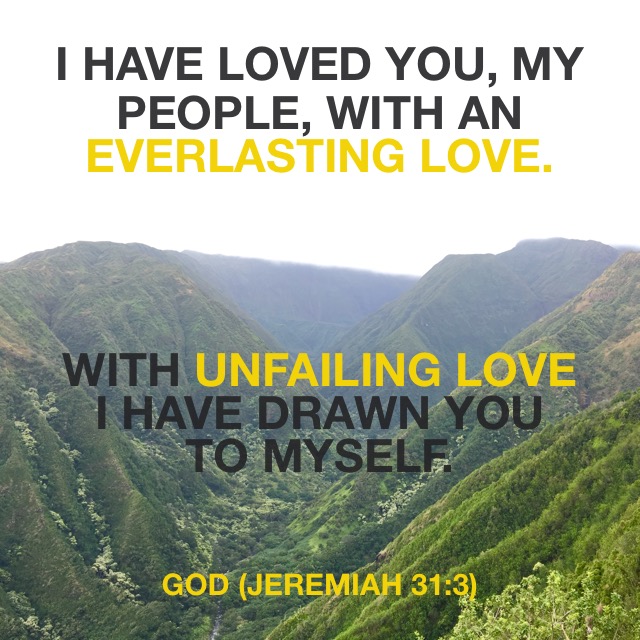
God’s love goes through it all with us. That’s why the psalmist’s last words are so hopeful: Rise up and help us; rescue us because of Your unfailing love. His unfailing love is our assurance of His presence and His ultimate rescue. Paul also reminds us “indeed we share in His sufferings in order that we may also share in His glory” (Romans 8:17).
Josh said, “I want you to remember one thing: Nothing!” Nothing can separate you from God’s love. Ever!
Hillsong United has some memorable words in their song Highlands—“I will praise You on the mountain, and I will praise You when the mountain’s in my way. … You’re the heaven where my heart is, in the highlands and the heartache all the same.”
No matter what you’re facing, God’s preference is you. He loves you, and He wants you to grow closer to Him through this trial. Praise Him for His unfailing love on the mountain and in the valley, and then wait in eager expectation for Him to come to rescue you.
The Apostle Paul tells us to “be transformed by the renewing of your mind” (Romans 12:2). This implies that there is an ongoing process of evaluation and renewal. This starts when I give up my way of doing things (v. 1), and then the remainder of that 12th chapter is a checklist of changes in behavior that come about because of the renewing of our minds.
We need a regular report card on—
☐ Seeing myself in the right light of faith
☐ Knowing and using my God-given gifts
☐ Loving without hypocrisy
☐ Avoiding evil
☐ Promoting good
☐ Loving others like brothers and sisters
☐ Not fighting for my way
☐ Being diligent in my work
☐ Being diligent in my spiritual health
☐ Serving God
☐ Rejoicing even in difficulties
☐ Growing in patience
☐ Praying regularly
☐ Hospitably serving others
☐ Blessing my enemies
☐ Being appropriately empathetic
☐ Finding common ground
☐ Remaining humble
☐ Repaying good for evil
☐ Not trying to get even
☐ Being a peacemaker
☐ Overcoming evil with good
Holy Spirit, I need Your honest evaluation. Show me my deficits, and then help me hear Your loving voice that guides me in the changes I need to make. I want Jesus to be seen in my life. Amen!
Examine and test and evaluate your own selves to see whether you are holding to your faith and showing the proper fruits of it. Test and prove yourselves… (2 Corinthians 13:5).
The root word for discern in the New Testament Greek is dokimazō. This word means to examine something—scrutinize it closely—to see if it is genuine. We’re instructed to take a close, scrutinizing look at…
…our beliefs about God (Romans 1:28)
…our understanding of God’s will for our lives (Romans 12:2)
…our relationship with God and others (1 Corinthians 11:28)
In his book Romans: God’s Glory, Donald Grey Barnhouse discussed the root word for discern (the Greek word dokimos). He said,
“In the ancient world there was no banking system as we know it today, and no paper money. All money was made from metal, heated until liquid, poured into moulds and allowed to cool. When the coins were cooled, it was necessary to smooth off the uneven edges. The coins were comparatively soft, and of course many people shaved them closely. In one century, more than eighty laws were passed in Athens to stop the practice of whittling down the coins then in circulation. But some money-changers were men of integrity, who would accept no counterfeit money; they were men of honour who put only genuine, full-weight money into circulation. Such men were called dokimos, and this word is used here for the Christian as he is to be seen by the world.” (emphasis mine)
This should be said of every Christian: “They are dokimos—men and women who are honorable and are the real deal. They don’t shave anything off; they don’t water anything down. They can be scrutinized closely and found to be the genuine article.”
The Bible makes it clear that before the world can call us dokimos, the Holy Spirit first has to stamp that word on us. It’s only after we have allowed Him to scrutinize (and correct) our beliefs, relationships, faith, and motives that we can be labeled dokimos. When we are the real deal in His presence, the world cannot help but see the genuine article when they examine us.
Let’s live this way! May both God and the watching world be able to call us dokimos!
This is a weekly series with things I’m reading and pondering from Charles Spurgeon. You can read the original seed thought here, or type “Thursdays With Spurgeon” in the search box to read more entries.
Honorable Disagreement
If you ask me, do I hold the doctrinal views that were held by John Calvin, I reply, I do in the main hold them, and rejoice to avow it. …
Most atrocious things have been spoken about the character and spiritual condition of John Wesley, the modern prince of Arminians. I can only say concerning him that, while I detest many of the doctrines that he preached, yet for the man himself I have a reverence second to no Wesleyan; and if there were wanted two apostles to be added to the number of the Twelve, I do not believe that there could be found to men more fit to be so added than George Whitefield and John Wesley. The character of John Wesley stands beyond all imputation for self-sacrifice, zeal, holiness, and communion with God; he lived far above the ordinary level of common Christians and was one of whom the world was not worthy.
From The Autobiography Of Charles Spurgeon
Calvinists and Arminians have appeared at odds with each other for centuries.Spurgeon teaches us a valuable truth—
Men can disagree on doctrines without vilifying the men who believe and teach those doctrines.
Spurgeon (an avowed Calvinist) and Wesley (an outspoken Arminian) strongly believed and forcefully and persuasively taught what they saw to be true in Scripture. Yet they did so without attacking or demonizing each other. They practiced what the Apostle Paul taught—
If it is possible, as far as it depends on you, live at peace with everyone. (Romans 12:18)
Oh, that today we would again follow the counsel of Paul and the example of Spurgeon and Wesley!
According to Paul, there are only two ways people can live: in the flesh or in the Spirit. That is—(1) operating separate from God, or (2) with a soul/body that is operating with God’s full involvement.
The trouble is: we’re always—as long as we’re alive—still in the flesh because we need these bodies to carry around our soul and spirit. But changes begin to occur first at salvation (when the connection of our spirit to God’s Spirit is reestablished), and even more so after being baptized in the Holy Spirit (when we are not trying to work out things on our own).
As a result, we have the same brain, but a mind that is being renewed; the same eyes, but insight that is being expanded; the same ears, but learning new ways to hear what the Holy Spirit is saying.
Remember that Jesus promised that the baptism in the Holy Spirit would empower us TO BE His witnesses (Acts 1:8). Not just to do things differently, but to have our spirit so enlivened by the Holy Spirit that we are living, breathing, walking, talking witnesses of a life transformed.
Have you noticed that there wasn’t a steep “learning curve” for the disciples of Jesus following Pentecost? Part of that is due to four key habits that the Holy Spirit helped form in their lives.
Correct biblical application—We immediately see people going from “They didn’t understand from the Scriptures” to quickly applying biblical texts to their current situations. This is exactly what Jesus promised would happen (John 20:6-9; Acts 2:16, 25, 34; John 14:26).
Intercessory prayer—To intercede is to take someone else’s needs to God on their behalf. The Holy Spirit can help us apply Scripture to our prayers, and can even help us without words at all (Acts 4:24-26; Romans 8:26-27).
Healthy conflict resolution—We’re all different, so not seeing eye-to-eye is bound to happen, but Spirit-empowered Christians will be able to resolve conflicts faster and with better results (Acts 6:1-8; Acts 15:1-31).
“Your life as a Christian should make unbelievers question their disbelief in God.” —Dietrich Bonhoeffer
Amen! Your life as a Christian that is living out daily habits that have been empowered by the Spirit should make everyone around you want to go deeper and deeper into all that the Holy Spirit has in store for them too.