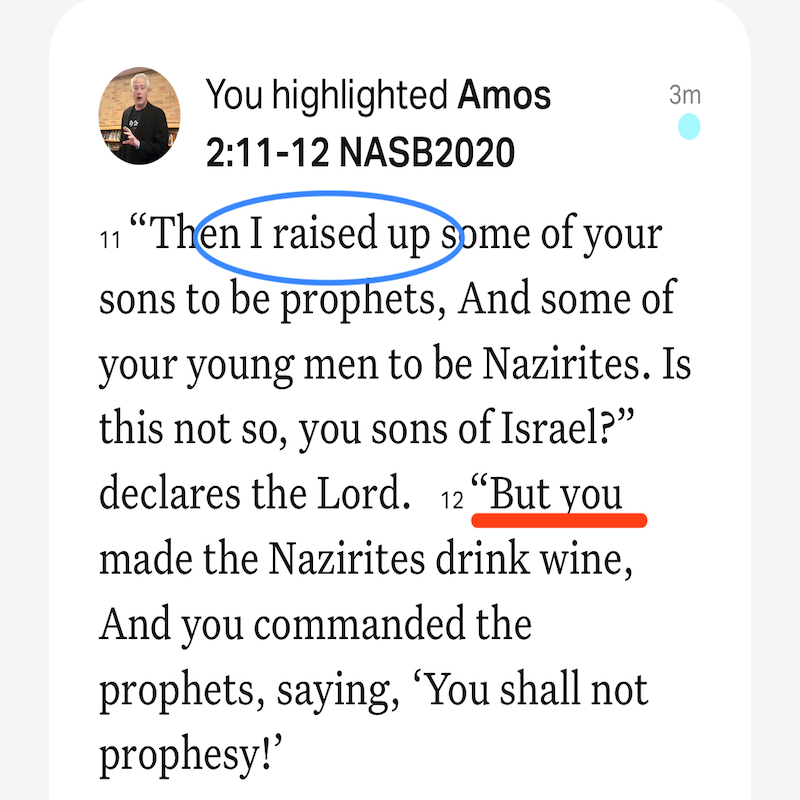
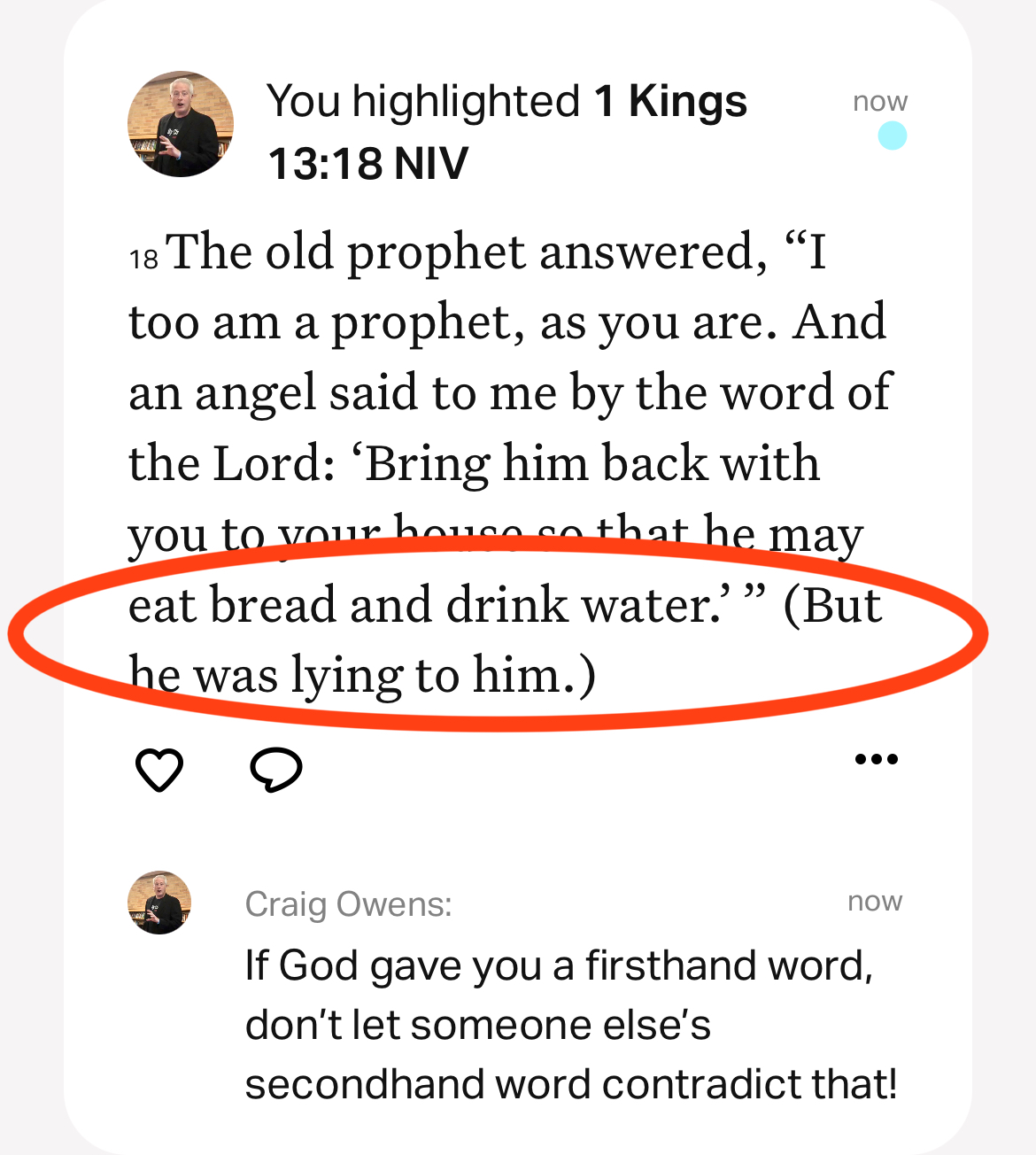
Jesus asks us to proclaim the message about Him, not argue about Him. The best witness is one who truthfully shares his or her personal life-changing experience with Jesus. There is never a reason to quarrel about this! Check out this whole message here. I have lots of new content every week, which you can check out on my YouTube channel.
“In 1977, 40 years after arriving in Guatemala, the Franklins retired from full-time ministry, returning to the United States. They made numerous short-term trips back to Guatemala to rejoice with the people who had become their family. From the five small groups of believers they found in 1937, God had blessed them with 600 established churches, 700 licensed ministers, and 55,000 Assemblies of God believers.” What an amazing testimony of faithful, Christ-honoring ministry!
“Enduring peace cannot be bought at the cost of other people’s freedom.” —Franklin D. Roosevelt
“When we are out of the way of duty, we are in the way of temptation.” —Matthew Henry
“Work of the enemy! Such deeds he loves: friend at war with friend, loyalty divided, and confusion of hearts.” —Gandalf, in J.R.R. Tolkien’s Return of the King
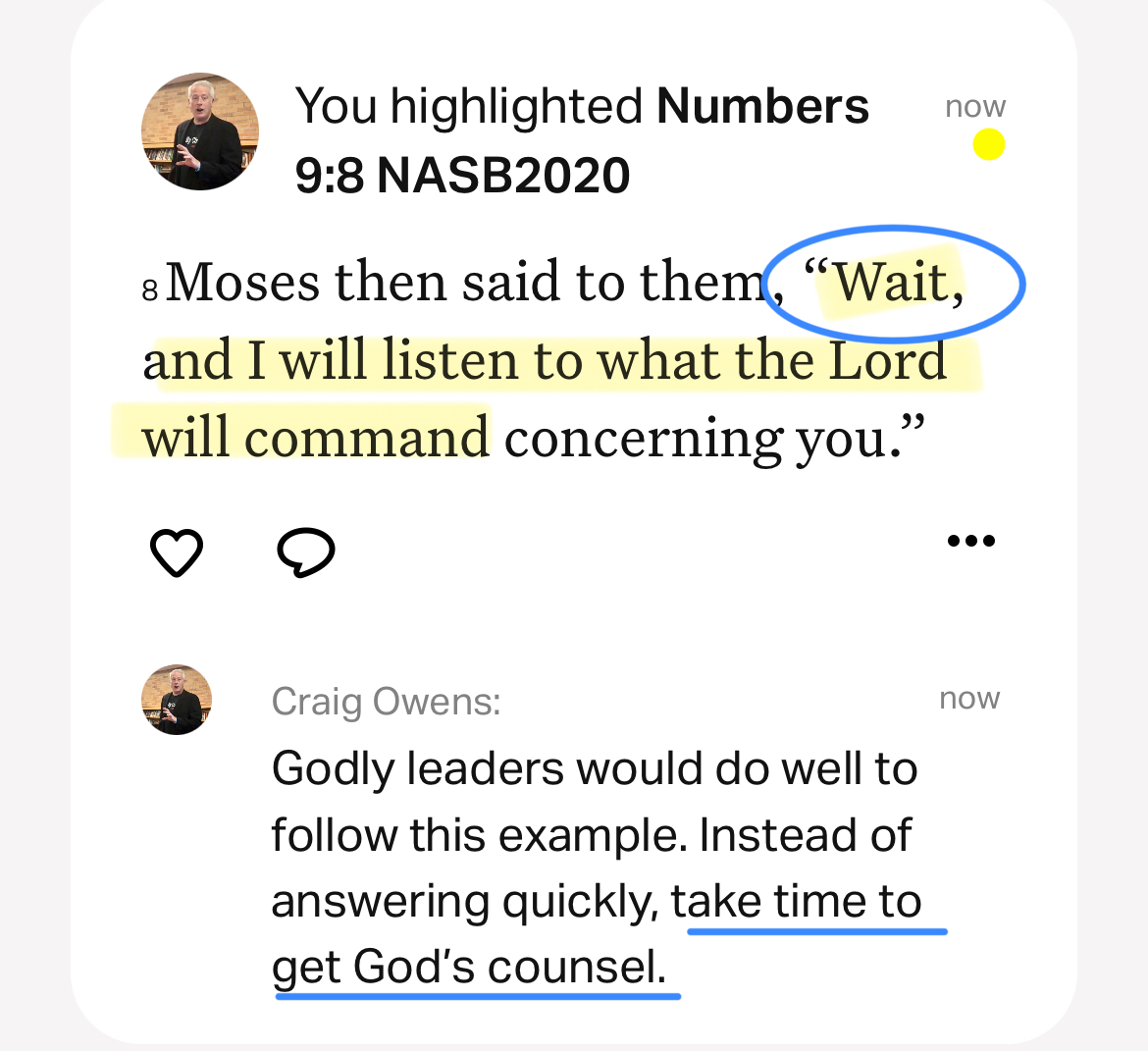
I absolutely love the leadership insights I discover during my daily Bible reading. I have turned many of these insights into an ongoing series called Godly Leadership.
“Before one can correctly understand the work of the Holy Spirit, he must first of all know the Spirit Himself. A frequent source of error and fanaticism about the work of the Holy Spirit is the attempt to study and understand His work without first of all coming to know Him as a Person. … If we think of the Holy Spirit as so many do as merely a power or influence, our constant thought will be, ‘How can I get more of the Holy Spirit,’ but if we think of Him in the Biblical way as a Divine Person, our thought will rather be, ‘How can the Holy Spirit have more of me?’” —R.A. Torrey, The Person and Work of the Holy Spirit
The devil wants us to remember what we’ve done or what we still need to do, but Jesus wants us to remember what He has already done. There is a huge difference! Check out this whole message here. I have lots of new content every week, which you can check out on my YouTube channel.
“The most likely man to go to hell is the man who has nothing to do on earth. Idle people tempt the devil to tempt them.” —Charles Spurgeon
“What were we made for? To know God. What aim should we have in life? To know God. What is the eternal life that Jesus gives? To know God. What is the best thing in life? To know God. What in humans gives God most pleasure? Knowledge of Himself.” —J.I. Packer
We can learn childlike faith by simply watching and listening to how young children interact with their loving parents. This video is a clip from one of the message in our series called Kingdom Praying.
Technological advancements abound all around us. How are Christians supposed to interact with technology: embrace it? ignore it? This is a thoughtful message to give us a biblical paradigm for our daily use of technology.
“We must quit bending the Word to suit our situation. It is we who must be bent to that Word, our necks that must bow under the yoke.” —Elizabeth Elliot
“The things you pray about are the things you trust God to handle. The things you neglect to pray about are the things you trust you can handle on your own.” —H.B. Charles
“Learning to pray doesn’t offer us a less busy life; it offers us a less busy heart.” —Paul Miller
Romans 8:28 tells us that God uses ALL things to accomplish His purpose for our lives. Too many times I tried to rush through things without getting anything out of it. I have lots of new content every week, which you can check out on my YouTube channel.
He is 98 years old and he’s still busy serving other people! I pray we can all be as selfless and vibrant in ministering to others until the day God calls us home.
“When with an eye of faith we behold Christ crucified we ought to weep, not for Him, but for ourselves. We must not be affected with the death of Christ as with the death of a common person whose calamity we pity, or of a common friend whom we are likely to part with. The death of Christ was a thing peculiar; it was His victory and triumph over His enemies; it was our deliverance, and the purchase of eternal life for us. And therefore let us weep, not for Him, but for our own sins, and the sins of our children, that were the cause of His death; and weep for fear (such were the tears here prescribed) of the miseries we shall bring upon ourselves, if we slight His love, and reject His grace, as the Jewish nation did, which brought upon them the ruin here foretold.” —Matthew Henry, on Jesus’ word, “Do not weep for Me” in Luke 23:28
J. Warner Wallace shares three responses Christians can give to those who make the claim that Jesus didn’t think He was God. In this video, Detective Wallace talks about a section of his website that gives further evidence. You can find that section here.
The Institute for Creation Research is a group of scientists explaining how science points to a Creator. What does Creation have to do with Easter? “Any view of Christianity that incorporates long ages of death and suffering before Adam makes a sham of the Cross. This Easter season, as we remember our salvation made possible by the death of our Lord Jesus Christ on the Cross and His triumphant resurrection from the grave, let us understand it within the ‘big picture’ of a ‘very good’ creation that was ruined by our rebellion but restored by the willing sacrifice of our great Creator-Savior.”
“One measure of the greatness of a man is not only that he practices what he preaches, but also that he doesn’t consider himself above the ordinary means of grace that all Christians need.” —John Piper
“Beware of idleness—satan sows most of his seed in fallow ground.” —Thomas Watson
We are to love the sinner but hate the sin. This is hard to do, especially when the sin they are doing is directed at us and making us angry! Jesus gave us a great example in these times of high anger: withdraw. Check out my full message “A Christlike Response to Skeptics.” I have lots of new content every week, which you can check out on my YouTube channel.
“In many pagan religions the purpose of worship is to placate the gods—to keep them happy and to stay on their good side, lest they mess with, you know, the harvest or procreation or whatever. Worship is thus a work pagans do to earn or keep the favor of their deity. Christians don’t worship to placate God or earn His favor. We don’t worship to make God happy or bring Him pleasure. God is all-satisfied, all-happy, and all-pleased in Himself alone. We add nothing to Him when we come together to worship. At the same time, as we worship, God adds Himself to us. He deigns to commune with us, inhabits our praises, and brings us into His presence and joy in ways that transform all we are, think, feel, value, say, and do. … In worship, rightly conceived and conducted, our minds and imaginations expand beyond their everyday thoughts and dreams, stretched and molded to fill up with the glory of the heavenly throne room, to be conformed to the mind of Christ, and to see the world as He does (1 Corinthians 2:16).” —T.M. Moore
J. Warner Wallace shares two reasons why we can still consider the Bible relevant today.
My grandpa had honey bees on his farm, and I’ve been intrigued by them ever since that time. In fact, honey bees were subject of my semester-long research project in my ecology class. So I’m always fascinated to read more discoveries about these amazing insects!
The level of a leader’s strength and courage is directly tied to the leader’s meditation upon God’s word. God’s wisdom transforms a leader’s heart and sharpens his thoughts. This is what gives the leader the necessary courage to lead people in a God-honoring way. I have a whole series of posts on godly leadership where I expand more on these thoughts.
“Our human minds cannot comprehend the immensity of [Christ’s] task and His sacrifice. We simply know that it was to save us, and that Jesus’ suffering is the most blessed influence the world has ever known.” —Dr. Henry Halley, Halley’s Study Bible
The Hill, though high, I covet to ascend, The Difficulty will not me offend; For I perceive the Way to life lies here. Come, pluck up Heart, let’s neither faint nor fear;
Better, though difficult, the Right Way to go,
Than wrong, though easy, where the End is Woe. —Christian in John Bunyan’s The Pilgrim’s Progress
“Nearly half the Law of God is devoted to directing God’s people in how to worship Him. And while the specific practices of that portion of God’s Law have been replaced (Hebrews 7:11-18), the emphasis on worship and the idea that worship and life are related remains. The more faithful we are in worshiping the Lord the more we will love our neighbors with the justice His Law prescribes.” —T.M. Moore
The deaths of Nadab and Abihu is a tragic story, but I think there are some important leadership insights to be gleaned from it. I shared an exclusive video with my Patreon supporters. Will you prayerfully consider joining?
God’s blessings are not primarily for me, but they are through me for His glory. This is a short clip from an exclusive video I shared with my Patreon supporters. Become a supporter today! I have lots of new content every week, which you can check out on my YouTube channel.
“What to do with a mistake: recognize it, admit it, learn from it, forget it.” —Dean Smith
Until the mid-1800s, the historicity of King Sargon II (mentioned by Isaiah) was in doubt. Not only has archeology again affirmed the historical statements made in Scripture, but “the way Isaiah spelled Sargon’s name is an indicator that the prophet lived at the time of Sargon II, and that the book was not penned hundreds of years later.” Check out this archeological biography of Sargon II.
And then there is this archeological report about the destruction of Sodom and Gomorrah. Fascinating!
How sweet and gracious even in common speech,
Is that fine sense which men call Courtesy!
Wholesome as air and genial as the light,
Welcome in every clime as breath of flowers—
It transmutes aliens into trusting friends,
And gives its owner passport round the globe. —James T. Fields
“A person always doing his or her best becomes a natural leader, just by example.” —Joe DiMaggio
Not using the spiritual gift God has given you is selfish. He gave you these gifts on purpose so that His kingdom could be made more visible and desirable.
Listen to the podcast of this post by clicking on the player below, and you can also subscribe on Apple, Spotify, or Audible.
Can we trust our Bibles? There are some things that skeptics point to that we need to be able to defend—even in this model prayer that we have been studying. We come to the last verse of this prayer, which many of you probably learned or heard as, “For Yours is the kingdom and the power and the glory forever. Amen.” Yet some Bibles have a footnote here that notes that this doxology is not seen in all biblical manuscripts.
We don’t have the autographs (original writings) but we have manuscripts (copied by a trained scribe from the autograph, and then copied from by yet another reliable scribe, and so forth). The oldest calfskin manuscript we have goes back to 1500 BC, and the oldest papyrus manuscript goes back to 2400 BC.
The scribes were incredibly talented and disciplined men. They became a recognized group called the Sopherim (scribes) in about 500 BC. By AD 100, the Talmudic scribes eclipsed them, and then the Masoretic scribes—the most stringent scribes of all—dominated from AD 500-900.
Let’s turn our attention first to the manuscripts that compromise what we call the Old Testament. What did Jesus—and others that lived in His time—call those 39 books of the Old Testament? They were called Scripture. Those books were not in doubt even before Jesus was on earth.
Dr. Peter Flint notes, “The biblical Dead Sea Scrolls are up to 1,250 years older than the traditional Hebrew Bible, the Masoretic text. We have been using a one-thousand-year-old manuscript to make our Bibles. We’ve now got scrolls going back to 250 BC. … Our conclusion is simply this—the scrolls confirm the accuracy of the biblical text by 99 percent.”
In the New Testament era, the disciples of Jesus went out in pairs. Their oral transmission of the news of Jesus and the quoting of Scripture was verified by their traveling partners. Even for those who happened to be by themselves (e.g. Philip in Samaria), there was always follow up by other church leaders.
So the New Testament epistles were written to verify the spoken words—James was the earliest (probably AD 45). The number of manuscripts we have of these New Testament words are simply astounding!
After the canon of the New Testament was completed, the church fathers quoted so much of the New Testament in their letters and books that we could completely reconstruct those 27 books just from their writings.
With this many manuscripts in existence, is it likely that there would variations in manuscripts? Yes. But none of the variations ever discovered have been fundamental enough to change anything in the meaning. Josh McDowell states, “Compared with other ancient writings, the Bible has more manuscript evidence to support it than the top ten pieces of classical literature combined.”
So how do we handle these places where scholarly footnotes tell us of a discrepancy in the existing manuscripts?
Get the context—does this fit with what is happening around it?
Is there corroboration—can we cross-reference it from elsewhere in the Bible?
In the conclusion of the powerful model prayer Jesus has given us, the closing words appear to be a doxology. But I think we can trust this because for three main reasons:
This doxology seems to come full circle with how the prayer begins in: Our Father in heaven, hallowed be Your name, Your kingdom come, Your will be done, on earth as it is in heaven (vv. 9-10).
These words are found almost verbatim in the words of David: Yours, Lord, is the greatness and the power and the glory and the majesty and the splendor, for everything in heaven and earth is Yours. Yours, Lord, is the kingdom; You are exalted as head over all (1 Chronicles 29:11).
As we have noted throughout this prayer series, the focus of this prayer is two-fold: It is both an acknowledgement of the awesome, praiseworthy glory of our God, and it is a petition for our lives to be empowered to help others see our glorious God and Savior for themselves.
For these reasons, this doxology, I believe, is an indispensable part of this majestic prayer.
Many of the examples Jesus used to tell us about the Kingdom of God seem like such small things. But those small beginnings have irresistible growth potential!Check out more thoughts in my series of posts called Kingdom Praying. I have lots of new content every week, which you can check out on my YouTube channel.
My wife is a school teacher and I also work quite a bit in our local schools. I think T.M. Moore is spot-on in his analysis of the breakdown in our current educational system: “This commitment to the Law and Word of God as foundational to the education of the young was everywhere practiced throughout the pre-revolutionary period in colonial America. It was unthinkable in the colonies that young people should be submitted to any instruction for any length of time without being taught the commandments and statutes of God, including the Gospel of Jesus Christ. Parents insisted on it, colonial and local statutes required it, and local school boards dutifully saw to it in all their schools.Since the middle of the previous century, assailed by specious invocations of ‘the separation of Church and State,’ educational policy in America has increasingly denied a place to God, His commandments, and His Word in the public-school curriculum. Generations of American children have grown up in a ‘disenchanted’ world (Charles Taylor), a world in which God, spiritual things, and the Law of God are deemed to be irrelevant if not oppressive, or at least a nuisance. The present crisis of morality, culture, and social upheaval is only the most visible consequence of that policy.”
David Mathis shared some thoughts about the healthy pace of ministry Jesus demonstrates for us. He said, “Let’s sit together at the feet of Jesus, and consider the pace and patterns of His life and ministry. He was not idle. Nor was He frenzied. From all we can tell from the Gospels, Jesus’s days were full. I think it would be fair to say He was busy, but He was not frantic. He lived to the full, and yet He did not seem to be in a hurry. In Jesus, we observe a human life with holy habits and patterns: rhythms of retreating from society and then reentering to do the work of ministry. Even as God Himself in human flesh, Jesus prioritized time away with His Father. He chose again and again, in His perfect wisdom and love, to give His first and best moments to seeking His Father’s face.“ These words resonate with me, because they are thoughts that I considered quite extensively for my book Shepherd Leadership.
I love reading stories like these that show how a relationship with Jesus utterly transforms a person’s life! “Opal W. Eubanks joined the Mississippi Highway Patrol during the race riots of 1964. A large, broad-shouldered white man, he relished the opportunity to strike fear in the hearts of African-Americans who were in trouble with the law. By his own admission, he was a foul-mouthed sinner who liked ‘rough stuff.’ A radical conversion to Christ in the early 1970s altered the course of Eubanks’ life, and his hardened heart became tender toward African-Americans in his rural community. He and his wife, Thelma, ultimately pioneered an Assemblies of God congregation consisting mostly of African-Americans, which they pastored for 21 years.”
The Greek word for “teaching” in Mark 9:31 means an ongoing dialogue. It’s an imperfect verb here because it is an activity that is never fully completed. Jesus wants us to abide with Him—to dialogue with Him—to continually learn from Him. The New Living Translation says it this way, ”For He wanted to spend more time with His disciples and teach them.” This is just as true for us today!
J. Warner Wallace addresses the claims that the Old Testament prophets actually foretold that Jesus would be the Messiah. I love considering the apologetics for the death and resurrection of Jesus Christ, and this video will become an added resource for me in the future.
We’ve added things that we think should be in our prayer vocabulary. But kingdom praying should be as natural as talking to the most loving Father you can imagine! Check out more thoughts in my series of posts called Kingdom Praying. I have lots of new content every week, which you can check out on my YouTube channel.
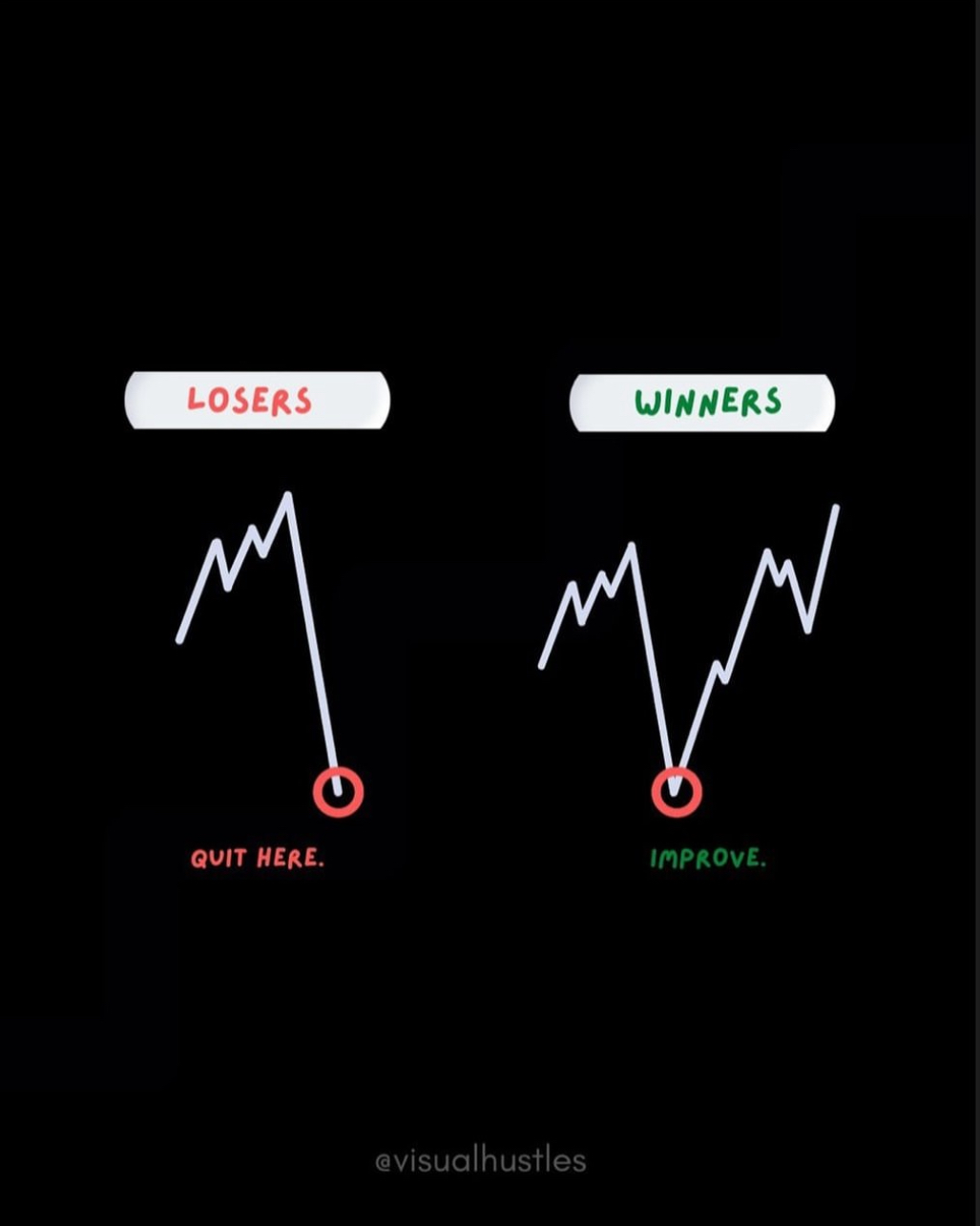
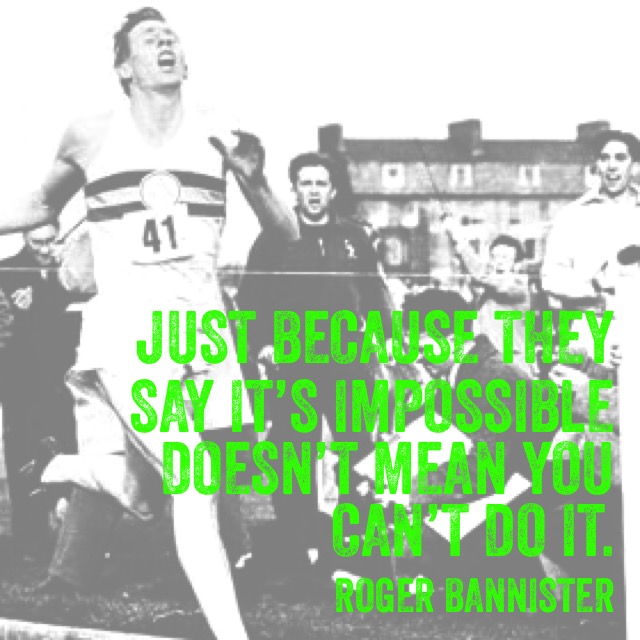
“Obstacles don’t have to stop you. If you run into a wall, don’t turn around and give up. Figure out how to climb it, go through it, or work around it.” —Michael Jordan
In the post-Flood rock layers, fossils are often found of animals that were much larger than are currently observed. This has been called giantism. “Evolutionists claim that adaption occurs as random mutations make some organisms better fitted for their environment, and the less-fit organisms then die off. … This supposed, random, trial-and-error process requires long periods of time waiting for the ‘right’ random mutation to occur. In contrast, ICR gives credit to Jesus. He designed organisms with built-in sensors that enable them to detect changes in their environment. Internal genetic programming then allows these organisms to rapidly adapt to these changes in predictable ways. Such adaptation is often too rapid for natural selection to be the correct explanation. This design-based paradigm of adaptation is called continuous environmental tracking (CET).” This is an excellent article.
“If the stone falls on the pot, alas, for the pot; if the pot falls on the stone, alas for the pot.” —Jewish proverb, based on Psalm 118:22 and Luke 20:17-18
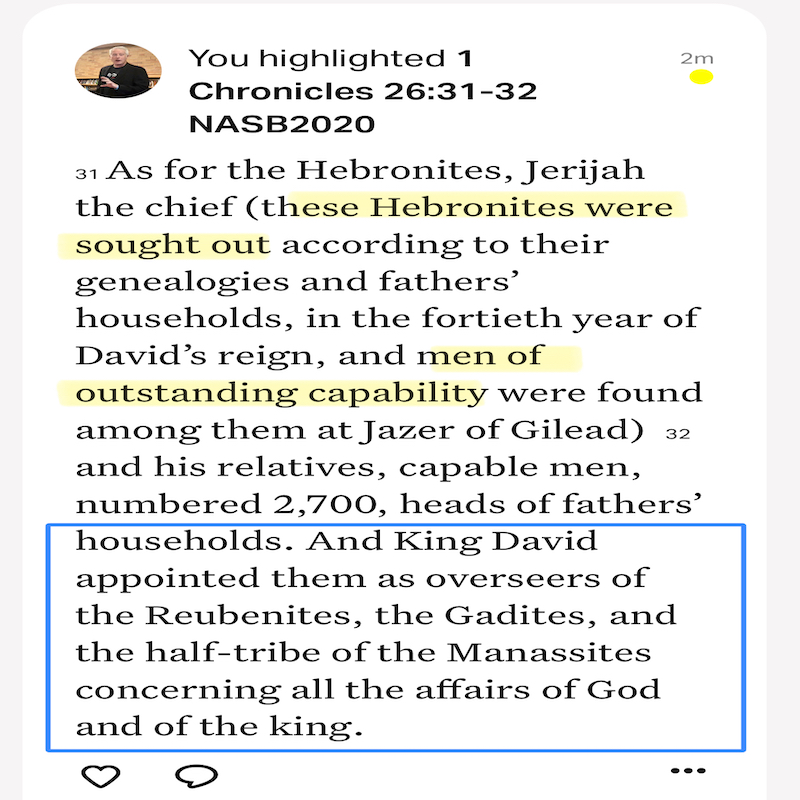
…ears consecrated to hear God’s voice and the voice of the people
…hands dedicated to ministering in love and obedience
…feet that only walk in God-directed paths
Godly leaders don’t minister to please people, but to lead people to God. So godly leaders are ever aware that in all they do, they must hear God say, “Well done, good and faithful servant.”
John Opalewski’s short book is highly readable and easily applicable. I recommend this book to both help you get emotionally healthier and then to maintain that emotional health. You can check out my full book review here.
Here are a few quotes that especially caught my attention—
“Maybe you are reading this book and have no issues currently with depression. Be thankful to God for your health. But understand depression is easier to prevent than it is to cure. Educating yourself while healthy minimizes your future risk.”
“Emotional health is a choice. If you choose to ignore your emotional health, no one else will pay attention to it for you.”
“God used words to create the universe. They have the power to create or destroy, heal or wound. … Nobody talks to you more than you talk to yourself. Verbally assaulting yourself damages your emotional health—every time. Being kind to yourself with words enhances your emotional health—every time. … Loving yourself means you gain increasing control of your self-talk.”
“Learn to be assertive rather than aggressive or passive. Aggression includes foul language, yelling, or getting physical with people. Passivity is another word for repression. Here we stuff our anger and let it boil on the inside. An example of passivity is giving someone the silent treatment. Assertiveness, on the other hand, means standing up for yourself by expressing your needs to others with love and respect.”
“A depressed person often complains of having no energy to deal with people. Therefore, they tend to isolate themselves, which usually compounds a person’s distress. Depression thrives in isolation. Consequently, it is critical to surround yourself with the right kind of people during your battle with this affliction.”
I have shared another half-dozen quotes from this book with my Patreon supporters. Please become a supporter and get access to lots of exclusive content—videos, early-releases, study aids, and so much more!
Links & Quotes
February 24, 2024 — Craig T. OwensWe’ve added things that we think should be in our prayer vocabulary. But kingdom praying should be as natural as talking to the most loving Father you can imagine! Check out more thoughts in my series of posts called Kingdom Praying. I have lots of new content every week, which you can check out on my YouTube channel.
“Obstacles don’t have to stop you. If you run into a wall, don’t turn around and give up. Figure out how to climb it, go through it, or work around it.” —Michael Jordan
In the post-Flood rock layers, fossils are often found of animals that were much larger than are currently observed. This has been called giantism. “Evolutionists claim that adaption occurs as random mutations make some organisms better fitted for their environment, and the less-fit organisms then die off. … This supposed, random, trial-and-error process requires long periods of time waiting for the ‘right’ random mutation to occur. In contrast, ICR gives credit to Jesus. He designed organisms with built-in sensors that enable them to detect changes in their environment. Internal genetic programming then allows these organisms to rapidly adapt to these changes in predictable ways. Such adaptation is often too rapid for natural selection to be the correct explanation. This design-based paradigm of adaptation is called continuous environmental tracking (CET).” This is an excellent article.
“If the stone falls on the pot, alas, for the pot; if the pot falls on the stone, alas for the pot.” —Jewish proverb, based on Psalm 118:22 and Luke 20:17-18
Godly leaders don’t minister to please people, but to lead people to God. So godly leaders are ever aware that in all they do, they must hear God say, “Well done, good and faithful servant.”
Share this: