


I’ve got lots of great things happening on my YouTube channel.
Please check it out and subscribe today.
I’ve got lots of great things happening on my YouTube channel.
Please check it out and subscribe today.
Listen to the podcast of this post by clicking on the player below, and you can also subscribe on Apple, Spotify, or Audible.
 “Woe is me!” said the prophet (Isaiah 6:5).
The Hebrew word for “woe” here is the word “oy!” Although the word “woe” appears 20 times in the English translation of Isaiah, the Hebrew word “oy” is only used four times, and two of those times are Isaiah speaking of himself (6:5; 24:16). “Oy!” is a cry from a profound stab of pain from the realization that my sin has transgressed an All-Holy God.
Isaiah saw his own sin (6:5) as well a the sin of his people (3:9, 11), and it took his breath away. He stood trembling before a holy God pleading for mercy and cleansing before he could answer the call to be God’s messenger to the people of Israel (6:5-8).
The other Hebrew word that gets translated into the English word “woe” is “howy.” This is usually uttered from someone in pain because things aren’t going well. It’s a cry of, “Hey! Look! This is painful. This is not good at all.” But unlike “oy” which requires a profound heart change, “howy” can be said with the mouth without any change of the heart.
Isaiah cried, “Oy!” because his sin deserved the punishment of the Righteous Judge, but his heart posture called on God’s mercy for forgiveness and restoration. Because of his cleansed heart, Isaiah could now call, “Howy!” to the people: “Hey, sinful Israel, look at your sin. Look at how you’ve transgressed against God. Feel that pain, then don’t delay, but cry out ‘Oy!’ to Him now, while mercy may still be found.”
Isaiah’s “howy” had the impact of godly integrity because he had first cried “oy” in God’s presence. His “howy” was a call to others to do what he had done: see the holiness of God, see their sin, tremble in fear before an All-Holy God, and then cry “oy” to an All-Merciful God for forgiveness and restoration.
We should do the same thing. When the Holy Spirit convicts you of sin, don’t merely say, “Hey (howy), that hurts!” But say, “Oy! I have sinned, but God is a merciful Forgiver of sin.” Let that stab of pain from the conviction of your sin bring a change in your heart as well as a cry from your lips. God is merciful, and He does forgive.
►► Would you please prayerfully consider supporting this ministry? ◀︎◀︎
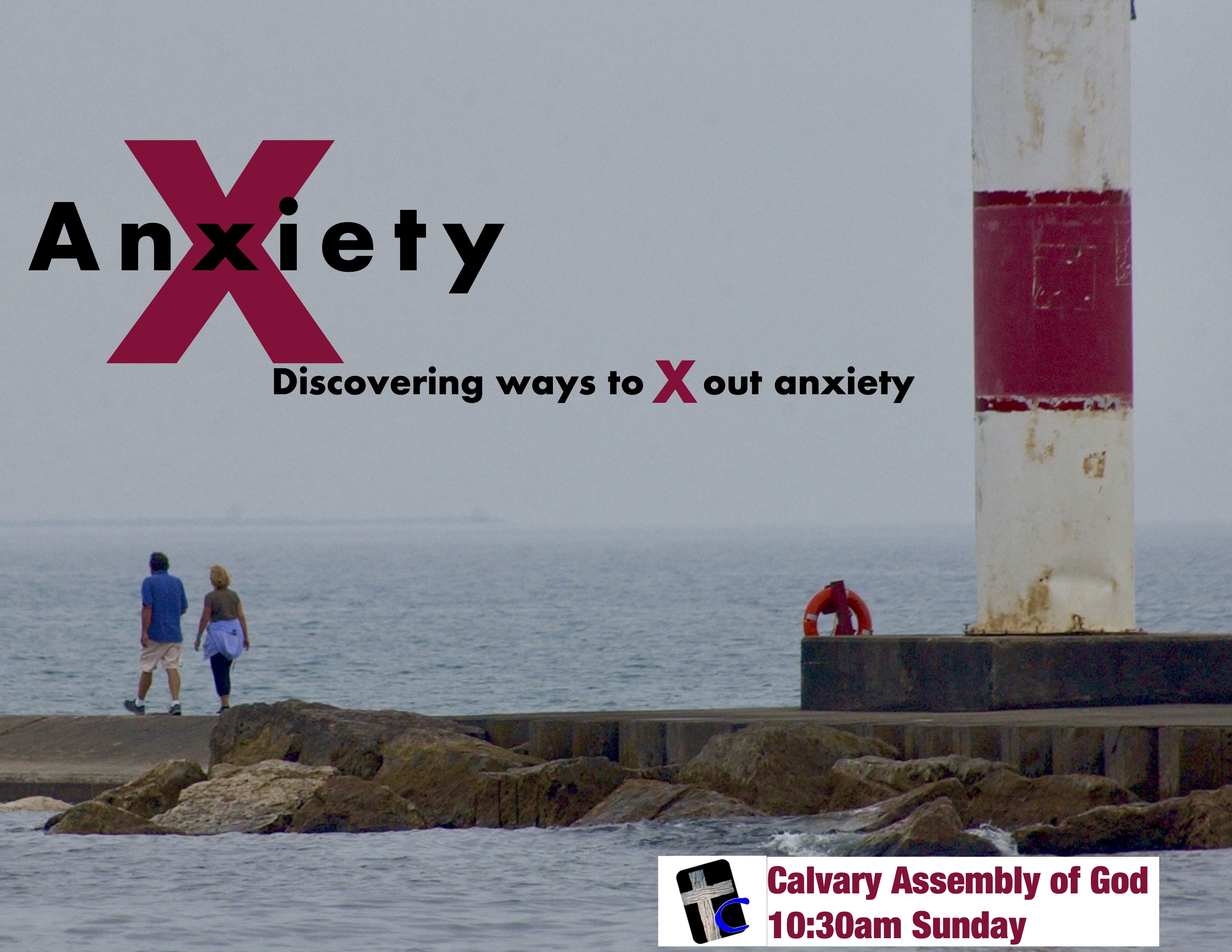 Two brothers—one a doctor and one a pastor—addressed the prevalence of anxiety in our culture. They wrote, “A recent survey of primary care physicians in the United States revealed that at least one-third of office visits were prompted by some form of anxiety.”
Anxiety can negatively impact our relationships, our ability to think creatively, our physical health, and even our relationship with God. Thankfully, one of the titles given to Jesus is The Prince of Peace.
Join us for this freeing series called X-ing Out Anxiety, where we will be learning what God’s Word says about getting free from the anxiety that is robbing us of life, and replacing that anxiety with His peace. Please join me either in-person or online at Calvary Assembly of God.
If you have missed any of the messages in this series, check them out here:
Listen to the podcast of this post by clicking on the player below, and you can also subscribe on Apple, Spotify, or Audible.
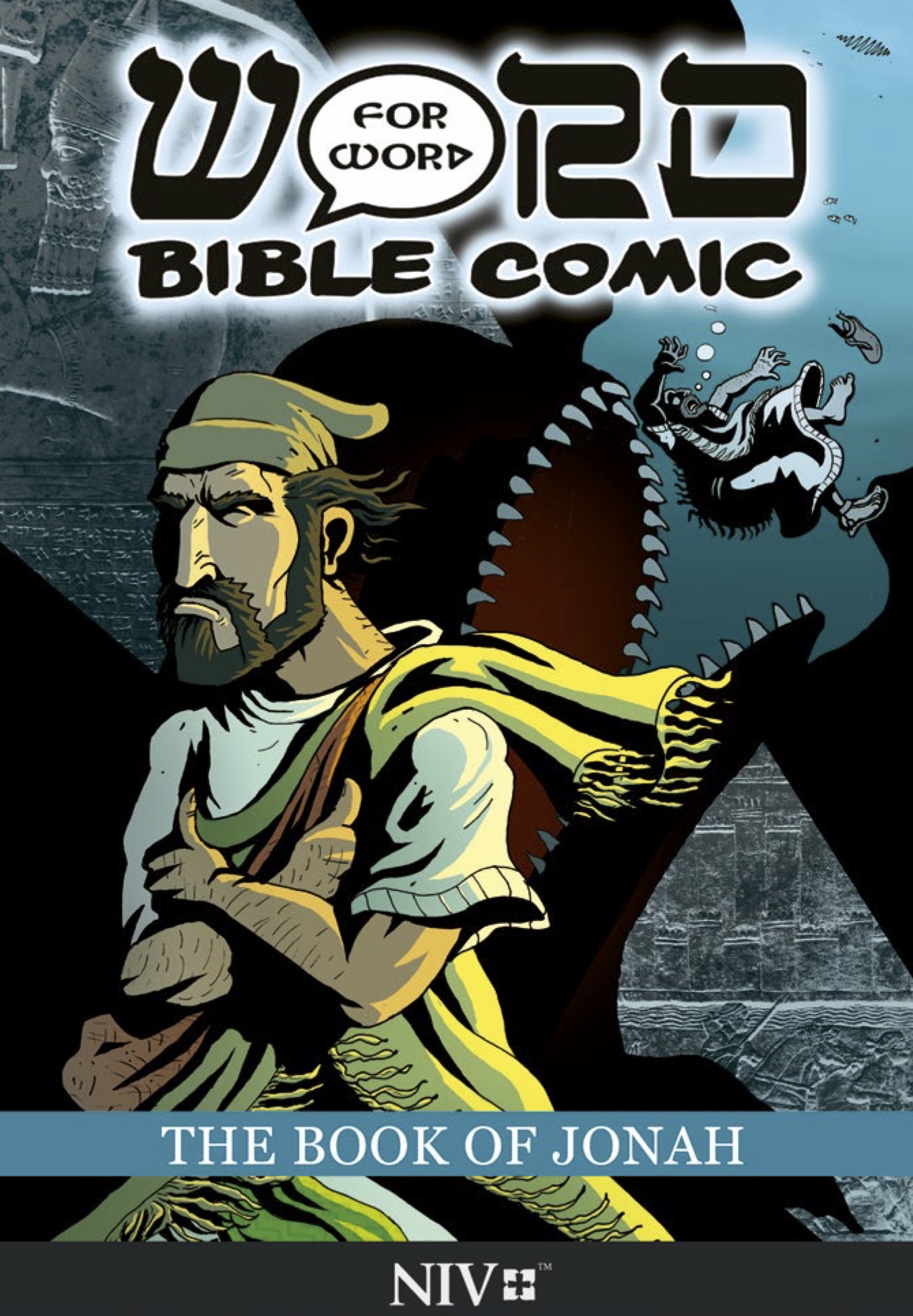 Some of my regular readers who check out my book reviews might be saying, “A comic book? Craig read and reviewed a comic book?” That’s because I’ve stated many times that with all of the wonderful books there are to read, I had to make a choice to be very discriminating in my reading. As a result, I almost exclusively read non-fiction books.
But Simon Amadeus Pillario has done something so wonderful with my all-time favorite Book—the Bible—by graphically illustrating the people, places, expressions, and activities of the biblical storyline. The Word-For-Word Bible Comic I read was The Book of Jonah.
When I was a parent with young children, I would tell them the story of Jonah in a very dramatic way, by giving voices to the characters and adding my own sound effects to the events. This is how Simon Pillario has helped all of us. He’s taking the amazing stories of Scripture, and helping us read and tell these accounts in memorable ways. I can envision these comic books engaging people into reading the Bible like nothing else has before.
Part of the title of this series of comic books is “word-for-word.” That is precisely what this comic book does. It contains every word of the story from the Bible, but Simon does it in such a clever way, that some of the descriptive text that is captured in a drawing is so seamlessly integrated into the page design that it never becomes distracting. Then at the back of the comic book you will find some additional historical information that went into the creative process of illustrating these books.
There are several books of the Bible already completed in word-for-word comic books, which you can check out here. Parents and youth pastors will especially want to check these out as a compelling way to draw young people into reading the Bible for themselves.
I am a Zondervan book reviewer.
►► Would you please prayerfully consider supporting this ministry? ◀︎◀︎
Listen to the podcast of this post by clicking on the player below, and you can also subscribe on Apple, Spotify, or Audible.
 As we wrap up our series looking at our foundational belief statements, I want to combine the last four statements together, not only because they all cover the same theme of end-times events, but also because these statements should give every Christian hope!
Christians have a fantastic, unshakable, blessed hope on which we can stand not only secure but joyful!
Foundational truth #13: “The resurrection of those who have fallen asleep in Christ and their translation together with those who are alive and remain unto the coming of the Lord is the imminent and blessed hope of the church.”
This blessed hope in the future helps us live with joy today! Knowing that death has been defeated and Jesus will come back to take us home with Him should fuel us to say “no” to the temporary pleasures of sin, and live such godly lives that it turns others’ eyes to Jesus (Titus 2:11-14; 1 Corinthians 15:51-52; 1 Thessalonians 4:16-17).
Foundational truth #14: “The second coming of Christ includes the rapture of the saints, which is our blessed hope, followed by the visible return of Christ with His saints to reign on earth for one thousand years.”
Sometimes you will hear Christians talk about the “rapture” of the Church. Although this word itself isn’t in the Bible, the Greek word harpazo in 1 Thessalonians 4:17 means “catching up.” It also means “to eagerly claim for one’s self,” which reminds me that Jesus is thrilled to bring His Bride home to be with Him forever! After the Church has been caught up to Heaven, a period of tribulation will plague the earth, followed by Christ’s Second Coming and His millennial reign (Zechariah 14:4-5; Revelation 19:11-15; 20:1-10).
 Foundational truth #15: “There will be a final judgment in which the wicked dead will be raised and judged according to their works. Whosoever is not found written in the Book of Life, together with the devil and his angels, the beast and the false prophet, will be consigned to the everlasting punishment in the lake which burns with fire and brimstone, which is the second death.”
Christians have no fear of the second (or final) death because our names are written in the Book of Life (Luke 12:4-6; Revelation 20:11-15). Not only is there judgment for the wicked, but there will be rewards for the righteous.
Foundational truth #16: “In keeping with His promise we are looking forward to a new heaven and a new earth, where righteousness dwells” (2 Peter 3:13). Revelation 21-22 give us a small glimpse of our eternal home.
In light of these truths, how should Christians live while still on earth? I think there are three ways we should live:
(see Ephesians 5:15; Matthew 28:18-20; Proverbs 24:11-12; Jude 1:20-25)
With this blessed hope of the Second Coming of Jesus and our security in knowing we will remain with Him forever, let’s tell everyone we can how they too can know what it is to live with this hope in their heart.
If you’ve missed any of the messages in our series exploring our foundational beliefs, you can access the full list by clicking here.
►► Would you please prayerfully consider supporting this ministry? ◀︎◀︎
Listen to the podcast of this post by clicking on the player below, and you can also subscribe on Apple, Spotify, or Audible.
 Though troubles assail
Listen to the podcast of this post by clicking on the player below, and you can also subscribe on Apple, Spotify, or Audible.
 In my book Shepherd Leadership: The Metrics That Really Matter I take two chapters to talk about how confident leaders need to add humility to their confidence, and how humble leaders need to add confidence to their humility.
For me, I created and became a character named Plungerman to help me learn some humility.
At a recent Q&A and book signing event I was asked about the origins of Plungerman. Take a listen to my explanation of how Plungerman came to be, and then stay tuned to hear the epic adventure of Plungerman himself!
Shepherd Leadership: The Metrics That Really Matter is available in print or ebook, and in audiobook through either Audible or Apple.
►► Would you please prayerfully consider supporting this ministry? ◀︎◀︎
 Leaders need to give their teammates permission to try some things, to take some chances.
If they are just standing still, doing nothing, that means there is nothing for you to coach. Let them take some chances and see what happens! You never know when their big swing is going to result in something amazing!
This is a recent clip from our leadership podcast “The Craig And Greg Show.”
This is a weekly series with things I’m reading and pondering from Charles Spurgeon. You can read the original seed thought here, or type “Thursdays With Spurgeon” in the search box to read more entries.
Listen to the podcast of this post by clicking on the player below, and you can also subscribe on iTunes or Spotify.

Always Follow The Example Of Jesus
The heathen moralists, when they wished to teach virtue, could not point to the example of their gods, for, according to their mythologists, the gods were a compound of every imaginable and, I had almost said, unimaginable vice! Many of the classic deities surpassed the worst of men in their crimes—they were as much greater in iniquity as they were supposed to be superior in power. It is an ill day for a people when their gods are worse than themselves! The blessed purity of our holy faith is conspicuous, not only in its precepts, but in the character of the God whom it reveals. There is no excellence that we can propose, but we can see it brightly shining in the Lord our God! There is no line of conduct in which a believer should excel, but we can point to Christ Jesus our Lord and Master as the pattern of it! In the highest places of the Christian faith, you have the highest virtue, and to God our Father and the Lord Jesus be the highest praise.
From Forgiveness Made Easy
If you’ve ever studied ancient mythologies, the gods and goddesses of those stories did not live a life worthy of emulation! But Jesus is an entirely different story. Even people who don’t want to acknowledge the deity of Jesus still find His lifestyle worthy of following.
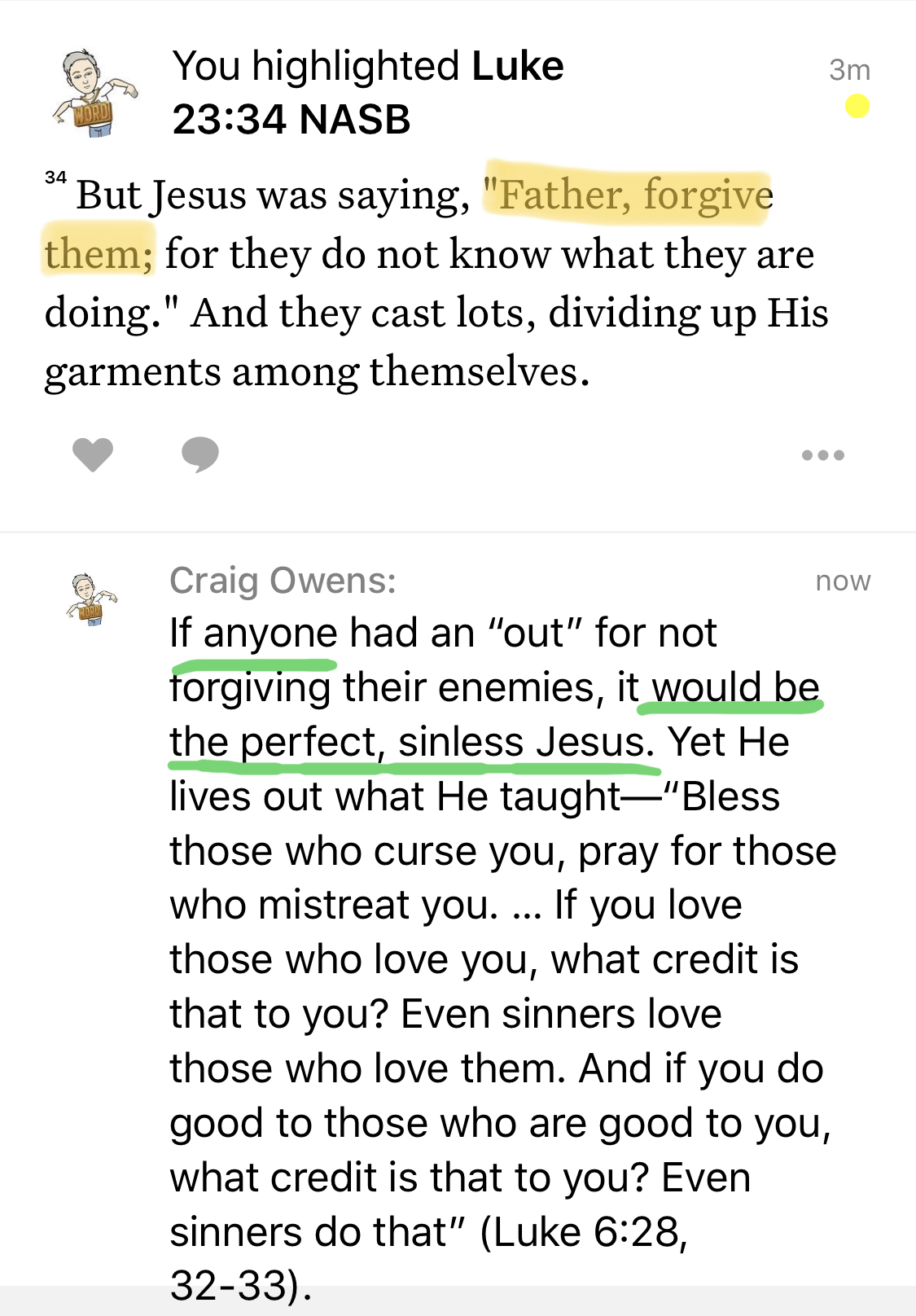
So not only did Jesus say, “Bless those who curse you, pray for those who mistreat you,” but He lived it out. “When they hurled their insults at Him, He did not retaliate; when He suffered, He made no threats. Instead, He entrusted Himself to Him who judges justly,” and said, “Father, forgive them, for they do not know what they are doing.” (See Luke 6:28; 1 Peter 2:21-23; Luke 23:34).
Don’t say, “That person really injured me. It was unfair! I cannot forgive them.” Instead, follow the example of Jesus, the only one who ever lived an absolutely perfect life and yet He was still shamefully mistreated. Peter reminds us that by forgiving His tormenters, Jesus was entrusting Himself to the Perfect Judge—He trusted God to take care of it.
It may seem impossible, but the same Holy Spirit that empowered Jesus to do these things is living in you and He will empower you too. Always, always, always follow the example of Jesus.
Check out some other posts on forgivness by clicking here.
►► Would you please prayerfully consider supporting this ministry? ◀︎◀︎
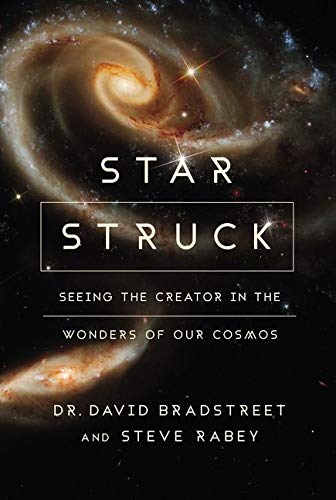 Star Struck by Dr. David Bradstreet is an insightful book for astronomical issues, but I found it lacking in the way he missed multiple opportunities to use the mind-boggling discoveries in astronomy to point to a majestic Creator. Check out my full book review by clicking here.
“Those who study the stars have God for a teacher.” —Tycho Brahe, a sixteenth-century astronomer
“Almost all ancient civilizations believed that the universe had existed forever. Throughout the ancient world there was just one civilization that didn’t subscribe to this cyclical vision of eternity. Jewish Scripture, with the story of the Creation, stated clearly that the world had a beginning.” —Martin Gorst, historian
“Science is great as science, but it makes a lousy religion.” —Guy Consolmagno
“The atoms that so liberally and congenially flock together to form living things on Earth are exactly the same atoms that decline to do it elsewhere.” —Bill Bryson
“Eratosthenes of Alexandria (276–194 BC) “did the math, concluding that the earth was 24,662 miles around. His results were shockingly accurate: within 1 percent of our current estimate of 24,859 miles.” —Dr. David Bradstreet
“The sun is so powerful that we sometimes must shield ourselves from its heat, even after that heat has taken an eight-minute journey to earth, losing a third to half of its radiant energy to the protective atmosphere of our clouds. ‘Nothing is deprived of its warmth,’ says the psalmist (Psalm 19:6).” —Dr. David Bradstreet
“I wanted to become a theologian. For a long time I was restless. Now, however, behold how through my effort God is being celebrated in astronomy.” —Johannes Kepler
“Science keeps religion from sinking into the valley of crippling irrationalism and paralyzing obscurantism. Religion prevents science from falling into the marsh of obsolete materialism and moral nihilism.” —Dr. Martin Luther King, Jr.
“If we study science without Scripture, we risk falling into the ditch of atheistic evolutionism; on the other hand, the study of Scripture separated from God’s laws in nature risks ideologies that misinterpret God and distort His character.” —Timothy Jennings
“Holy Scripture and nature are both emanations from the divine Word.” —Galileo
“God cannot be reduced to the role of a scientific hypothesis.” —Father Georges Lemaître
Interesting astronomical tidbits:


 Craig T. Owens