I had an amazing time last week at the Willow Creek Global Leadership Summit. Every year I came away with some many thoughts, and a brand new passion for the various leadership roles in which I get to serve.
Below are just a few of my notes that I jotted down during an intense two days.
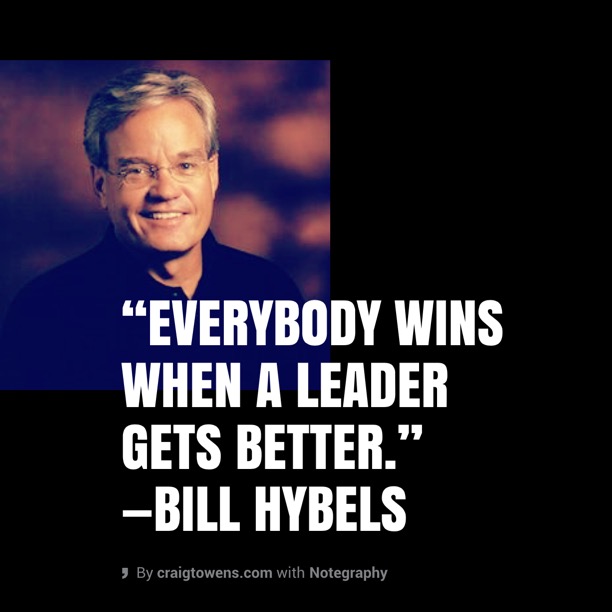
 Bill Hybels—The Lens Of Leadership
“Everybody wins when a leader gets better.”
“Armed with enough humility, leaders can learn from anyone.”
Hybels discussed four leadership lenses:
1. Passionate leader (depicted by vibrant bright red frames)
- They understand unbridled passion in leadership.
- “Passion is like protein for the team.”
- A motivated worked will outperform an unmotivated worker by 40%.
- People are more motivated by working for a passion-filled leader than they are by compensation or perks.
- Passion comes from a mountain-top dream, or a valley-deep frustration of current settings.
2. People leader (cool frames, but cracked lenses)
- An organization will only be as healthy as the top leader wants it to be.
- This world needs more pastors of businesses, factories, medical offices, military units, etc.
3. Performance leader (self-adjusting glasses)
- Leaders ask: what progress should be made? how do we measure this? what doesn’t need to be measured?
- Every worker wants to know how they are doing. For the leader, it’s cruel to hire someone and never let them know how they’re doing. Every staff member should get an update at least every six months.
4. Legacy leader (sunglasses with a rearview mirror [cyclist])
- Every once in awhile we need to look behind to see what legacy we’re leaving behind.
- Leaders should reflect on this annually.
- If my leadership assignment were to end today, what legacy would I leave?
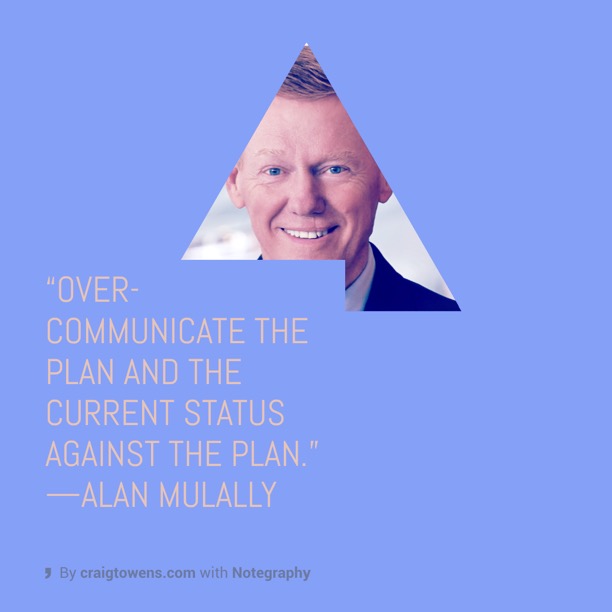
 Alan Mulally—CEO Boeing and Ford Motor Company
An average commercial airline has 4 million parts!
- People first
- Include everyone
- Create a compelling vision
- Present a workable strategy
- Set clear performance goals
- Relentless implementation
- Share lots of data
- “Over-communicate the plan and the current status against the plan.”
- Instill a positive can-do attitude
- Keep your emotional resilience
- Have fun
 Melinda Gates—Gates Foundation
Melinda says of herself, “I am an impatient optimist. We are changing the world, but we need to change it faster.”
“At the end of the day, you have to hear the cries of those in need, let your heart break and act in courage.”
Jossy Chacko—Empart
“All of us have been entrusted with something. What are we doing to leverage it?”
In thinking about the parable of the talents … “To Jesus, faithfulness is not just sitting with what you have been given, but multiplying what you have been given. God’s mission is not maintaining.”
“Playing it safe is not enough for a follower of Jesus Christ.”
Three principles for expanding our leadership reach:
 1. Enlarge your vision
- “When people hear my vision, they should know the size of my God.”
- “An enlarged vision should keep us driven.”
- “Do not be confused about what people say about your vision; trust what God has said to you.”
2. Empower your people
- “Leadership is about taking wise chances and giving people opportunities.”
- “Your leadership reach will be determined by your empowerment choices.”
- Three things to keep in mind: (1) Focus on building their character before empowering them; (2) Empowerment has to be through relationship; and (3) Make sure we have agreed on the right outcomes, and have the right way to measure them.
3. Embrace risk
- Faith = risk. Without faith it is impossible to please God = without taking risks it is impossible to please God.
- Paradigms to be changed: (1) See risk as your friend to love, not as your enemy to be feared; (2) See comfort and safety as your enemies; and (3) Increase your pain threshold.
- “Your leadership capacity is in direct relationship to your pain threshold.”
- “Don’t allow the fear of losing what we have to lose what God has in store for you.”
- “By me not taking risks, who is missing out?”
 Dr. Travis Bradberry—TalentSmart
All inputs into the brain travel through the limbic system first (emotional center) before the inputs travel to the frontal cortex. The EI (emotional intelligence) center is in the front of the brain, just above the left eye.
Only 36% of people are able to accurately identify their emotions as they happen.
EQ (the Emotional Quotient that measures emotional intelligence) is not IQ.
EQ can be improved all throughout life.
Four components of emotional intelligence:
1. Self-awareness: knowing my emotions, and knowing my tendencies. I need to lean into my discomfort if I want to improve.
2. Self-management: what I do with this increased self-awareness. This is not “stuffing” my feelings. The biggest mistake is only trying to manage negative emotions; positive emotions need to be managed too.
3. Social awareness: focusing more on others than on myself.
4. Relationship management: using the first three skills in concert. Seeing how my behavior is affecting the other person, and then adjusting accordingly.
How to increase my EQ:
- Control stress—stress under control is healthy; chronic stress is unhealthy. Gratitude reduces the stress hormone cortisol.
- Clean up my sleep hygiene—sleep cleans up toxic hormones in the brain. To get better sleep: (1) Don’t take any kind of sleeping pill; and (2) Reduce “blue lights” in the evening.
- Reduce my caffeine input—especially after noon.
 Patrick Lencioni—Author
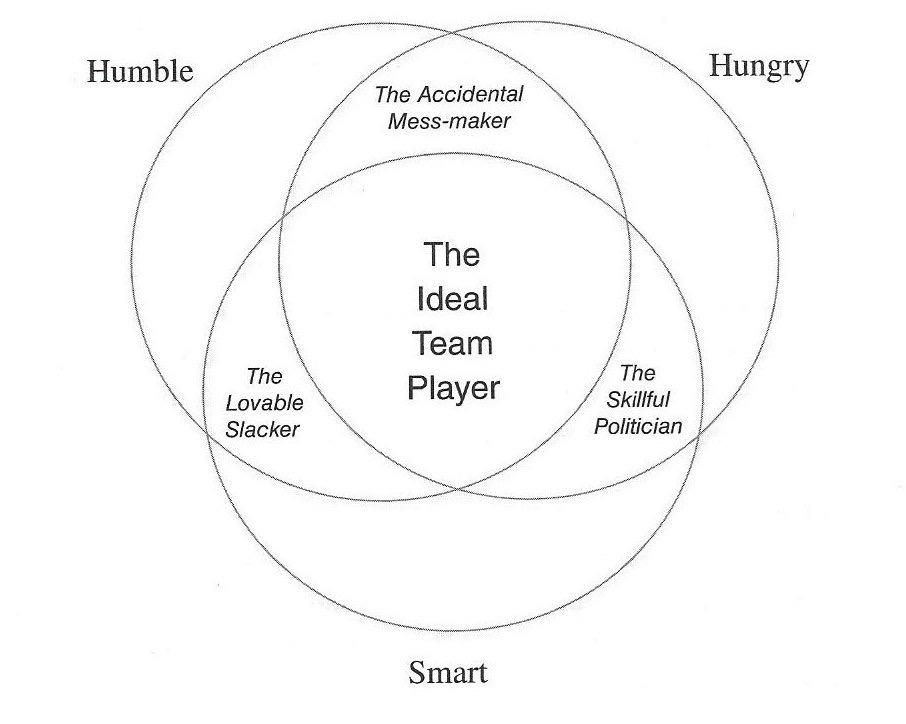
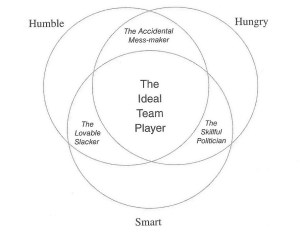
Three qualities of an ideal team player:
1. Humble
- Lacking self-confidence is not humility.
- “Denying skills and downplaying abilities is not humility.”
2. Hungry
- Strong work ethic
- Driving hard
3. Smart
- Not intellectual smarts, but people smarts = EQ
“To develop people, we have to have the courage to humbly and constantly talk to people about their ‘stuff.’”
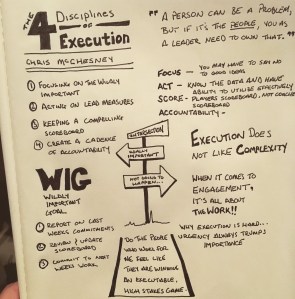 Chris McChesney—Franklin Covey
Rahm Charan asked:
- Q: Do leaders struggle more with strategy or execution? A: Execution.
- Q: Are leaders more educated in strategy or execution? A. Strategy.
“The hardest thing a leader will ever do is drive a strategy that changes someone’s behavior.”
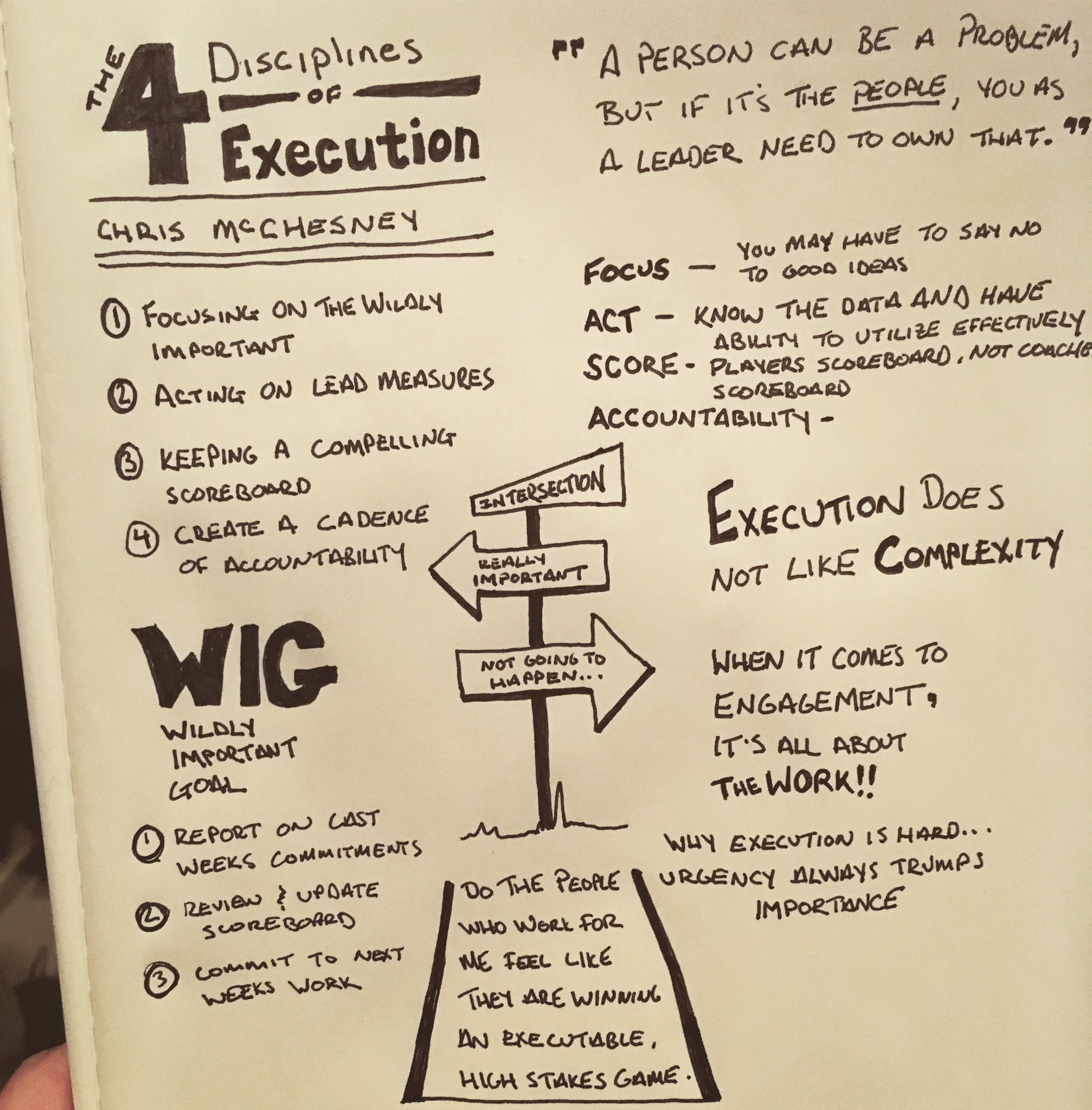
There are four disciplines for making changes in human behavior:
1. Focus
- “Focus on the wildly important.”
- If a team focuses on 2-3 goals, they are likely to get them done. But if there are 4-10 goals, momentum is killed. At 11+ goals, the team is going backward.
- We narrow the focus by coming up with a WIG: wildly important goal (this lives at the intersection of ‘really important’ and ‘not going to happen’).
2. Leverage
- “What are the fewest number of battles necessary to win the war?”
- “When you want to go big, don’t think big, think narrow.”
- One WIG per team at the same time. Everything else is in sustainment mode.
- Make goals like this—“From x to y by when.”
3. Engagement
- “The biggest driver of engagement is when people feel like they’re winning.”
- “Do the people who work for me feel like they’re playing a winnable game?”
4. Accountability
- Everyone needs to answer: “What are the things I do that have the biggest impact on the WIG?”
- After sharing the scoreboard, allow people to determine what they need to do next. The people need to determine their own next moves, not the leader. The leader pulls this out of people.
 Erin Meyer—INSEAD
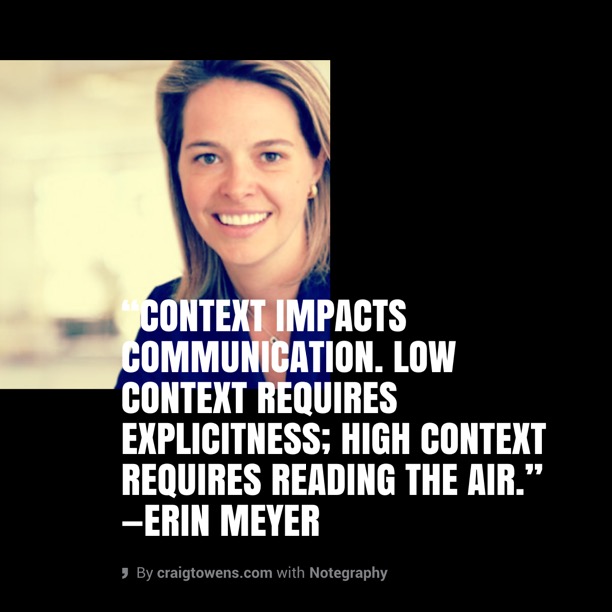
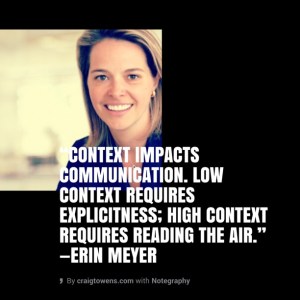
On The Culture Map communication is divided into Low vs. High Context:
- Low = feel we don’t have the same context or relationship. We feel we need to explain things very simply and explicitly.
- High = we assume we have a larger body of shared reference points. We feel communication is more implicit or nuanced.
Anglo-Saxon countries are typically low context.
Latin American are mid-low.
Asian countries are usually high context.
In low context we tend to nail things down in writing, where in high context we leave things more open to later interpretation.
“Context impacts communication. … We need to read both the messages ‘in the air’ as well as the explicitly stately messages.”
“In a high context culture, repeat things less, ask more questions, learn to ‘read the air.’”
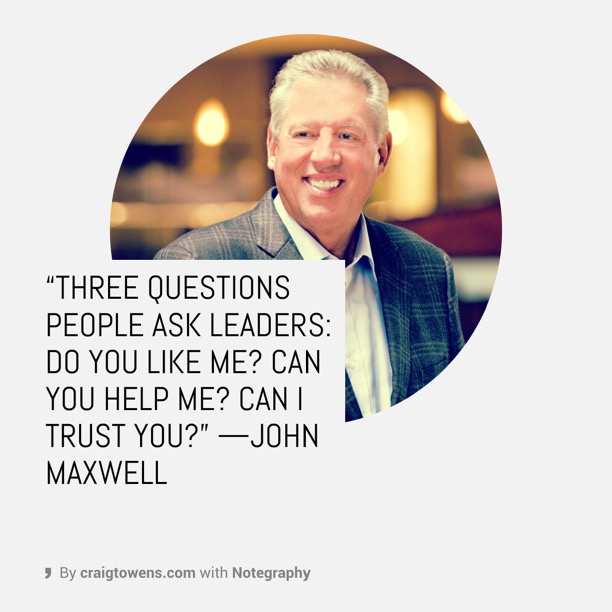
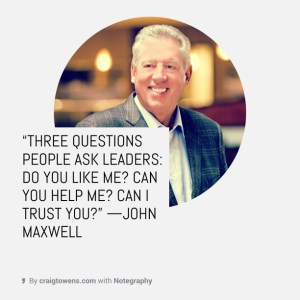 John Maxwell—Author
“Good leaders lift.”
“You have to find the people before you lead the people.”
“The one thing leaders have to get right—they must intentionally add value to people every day.”
Five things that intentionally adds value to people:
- Value people—“God values people I don’t know; He even value people I don’t like.” “Are we going to spend our lives connecting with people, or correcting them?”
- Think of ways to add value to people—“Intentional living is thinking upfront on how to help people.”
- Look for ways to add value to people.
- Do things that add value to people.
- Encourage others to add value to people.
If you attended the GLS, please share in the comments below something amazing / challenging / paradigm-busting that you learned. Let’s all keep on learning!



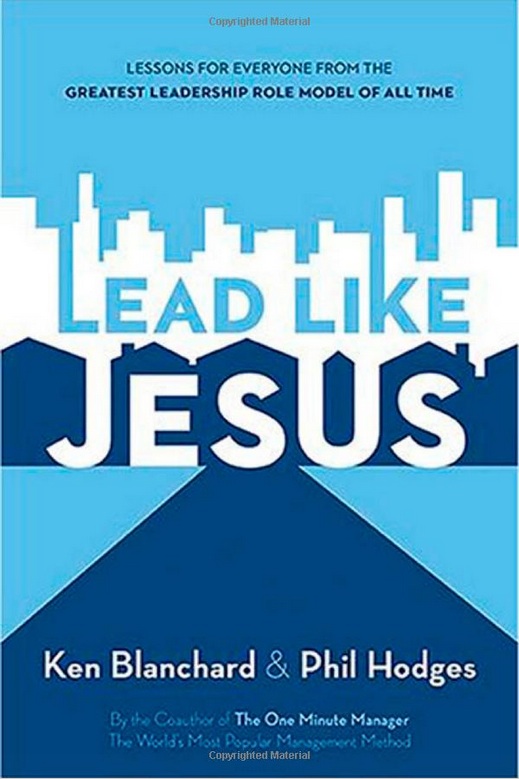 “Forgiveness is the way for a heart grounded in the unconditional love of God to respond to the imperfections of others. … EGO-driven leaders, impatient for results, are quick to judge and discount less-than-perfect efforts as failure rather than to forgive and redirect. Forgiveness is a supernatural act, not a natural response to being hurt or let down. It is an act of the will, a choice, of one who has surrendered control to a higher court of judgment. …