Listen to the podcast of this post by clicking on the player below, and you can also subscribe on Apple, Spotify, or Audible.
Day by day and with each passing moment, Strength I find to meet my trials here; Trusting in my Father’s wise bestowment, I’ve no cause for worry or for fear. He whose heart is kind beyond all measure Gives unto each day what He deems best—
Lovingly, its part of pain and pleasure, Mingling toil with peace and rest.
Ev’ry day the Lord Himself is near me With a special mercy for each hour; All my cares He fain would bear, and cheer me, He whose name is Counselor and Pow’r. The protection of His child and treasure Is a charge that on Himself He laid; “As thy days, thy strength shall be in measure,” This the pledge to me He made.
Help me then in eve’ry tribulation So to trust Thy promises, O Lord, That I lose not faith’s sweet consolation Offered me within Thy holy Word. Help me, Lord, when toil and trouble meeting, E’er to take, as from a father’s hand, One by one, the days, the moments fleeting, Till I reach the promised land. —Lina Sandell
This is a weekly series with things I’m reading and pondering from Charles Spurgeon. You can read the original seed thought here, or type “Thursdays With Spurgeon” in the search box to read more entries.
Listen to the podcast of this post by clicking on the player below, and you can also subscribe on iTunes or Spotify.
Faultless
To Him who is able to keep you from stumbling and to present you before His glorious presence without fault and with great joy—to the only God our Savior be glory, majesty, power and authority, through Jesus Christ our Lord, before all ages, now and forevermore! Amen. (Jude 24-25)
I would rather turn to the blessings of which Jude speaks. He seems to ascribe in this doxology three blessings, at least, to the power of the Lord Jesus. The first is the ability to keep you from stumbling, and for this, I am sure, the highest praise is due when you consider for a moment the dangerous way. In some respects, the path to heaven is very safe. It is so as God made it. But in other respects, there is no road as dangerous as the road to eternal life. It is beset with difficulties. … One false step (and how easy it is to take that if divine grace is absent), and down we go! …
Only Christ has the power to take us into heaven. … Christ preserves His people though they have offended God and daily provoke His justice. And He does more, for He presents them to the King of kings in the high court of heaven itself! …
We proceed to notice the condition in which the saints are to be when presented—they are to be faultless—for our Lord never stops short of perfection in His work of love. … Our Savior will carry His people through this life, safe from falling, and He will present them, how?—faultless! … The righteousness of Jesus Christ will make the saint who wears it so fair that he will be positively faultless! Yes, perfect in the sight of God!
From Christians Kept In Time And Glorified In Eternity
Reading these stirring words from Charles Spurgeon, I cannot help but recall the equally stirring lyrics of this Edward Mote hymn:
This is a weekly series with things I’m reading and pondering from Charles Spurgeon. You can read the original seed thought here, or type “Thursdays With Spurgeon” in the search box to read more entries.
Listen to the podcast of this post by clicking on the player below, and you can also subscribe on iTunes or Spotify.
Secure Forever
Our first parent, Adam, lived in the midst of happiness and peace in the garden. Unlike ourselves he had no depravity, no bias toward evil. God made him upright. He was perfectly pure, and it was in his own will whether he should sin or not. The balance hung evenly in his hands.
But have you forgotten how on that sad day he took of the forbidden fruit and ate and thereby cursed himself and all of us! … When you recollect the paradise he left, the happiness and peace that have forever passed away through his sin, do you not hear the voice that says to you, as a depraved and fallen creature, ‘Therefore let him who thinks he stands take heed lest he fall’ (1 Corinthians 10:12)? Conscious of your own weakness as compared with your parent Adam, you are ready to cry out, ‘O my God, how can I stand where Adam falls?’
But here comes the joyous thought that Christ, who has begun with you, will never cease till He has perfected you! Can you help singing with Jude, ‘Now to Him who is able to keep us from stumbling’?”
From Christians Kept In Time And Glorified In Eternity
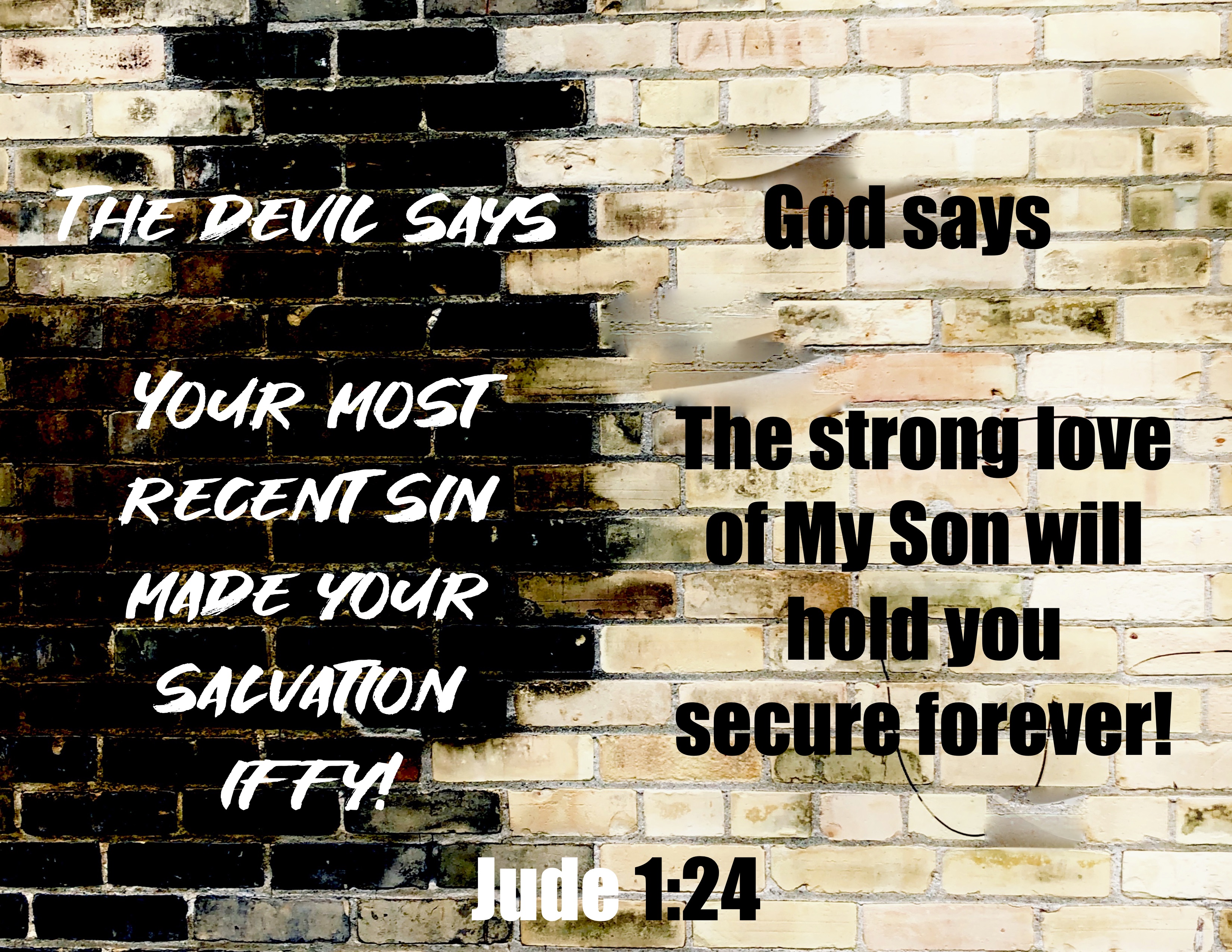
When the devil says, “Your most recent sin made your salvation iffy,” you remind him what God says: “The strong love of My Son will hold you secure forever!”
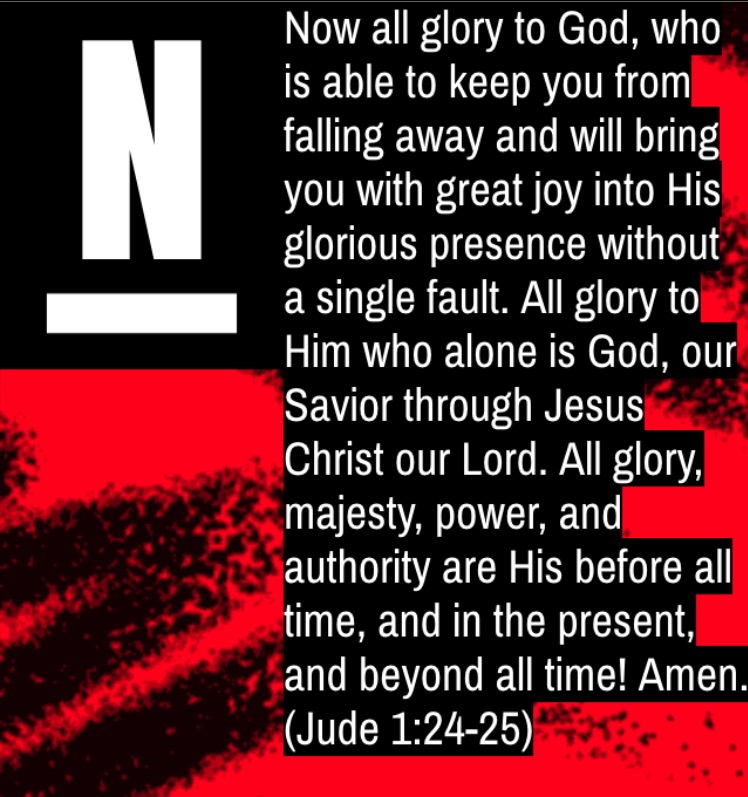
To Him who is able to keep you from stumbling and to present you before His glorious presence without fault and with great joy—to the only God our Savior be glory, majesty, power and authority, through Jesus Christ our Lord, before all ages, now and forevermore! Amen. (Jude 1:24-25)
Listen to the podcast of this post by clicking on the player below, and you can also subscribe on Apple, Spotify, or Audible.
One of the things I enjoy about my Apple Watch is the connection I have with others who also use an Apple Watch. For instance, I get notified when my wife has finished a workout, and one of the pre-set replies I could choose is, “I’ve got questions!” That’s a funny way of me saying, “How did you complete that workout?!”
In Psalm 75 and Psalm 76, Asaph tells us how God will deal with the wicked. But then Psalm 77 begins with Asaph using words like, “My soul refused to be comforted, my spirit is overwhelmed,” and then he launches into the tough questions like: “How long is this going to last? Has God forgotten me? Have I fallen out of favor with God? Has His mercy dried up? Can God keep what He has promised? Is God angry with me?” When I read all this, I feel like saying, “Asaph, I’ve got questions!”
Yet, these complaints of Asaph ring true to real life. Like when a friend called me last week and started our conversation by asking, “Why can’t things just go easy for me?”
Here’s the simple answer: The Story isn’t over yet. We are in a battle, and the enemy of our soul is still trying to take us out, or at least shut us up.
In Psalm 77, Asaph tells his story to Jeduthun (a Levite worship leader whose name means praising) in four chapters, with a Selah for each of the breaks between the chapters.
Chapter 1—Distress (vv. 1-3)
The word distress means confronted by an adversary. Ever been there? Every follower of God has been, so Asaph invites us to Selah: pause to contemplate things like (a) Is this distress causing me to reevaluate the foundation on which I stand? (b) What is it God is shaking in my life? When God shakes things up, it is to cause us to remember and muse about the ONLY sure foundation that can withstand any storm (see Matthew 7:24-27).
Chapter 2—Questioning (vv. 4-9)
Notice the words Asaph uses: thought, remembered, mused, inquired. He is asking those tough questions, but he is asking them in a way that he can carefully consider the answers. That means he is really taking a Selah pause with each question. I think he has come to this conclusion: “Aren’t all these really just rhetorical questions? And isn’t the answer to all of them a resounding ‘NO!’?” If you aren’t sure the answer to all of these questions is no, please read Romans 8:31-39.
Chapter 3—Recalling (vv. 10-15)
Notice the continuation of the words: thought, remember, meditate, consider. He also asks another question in v. 13 which he then answers in the next two verses. His call to Selah here is another pause to reflect: “Has God lost His power? Has He changed His mind?” And once again the answer is a loud and clear, “NO!” (see Isaiah 59:1; Hebrews 13:8)
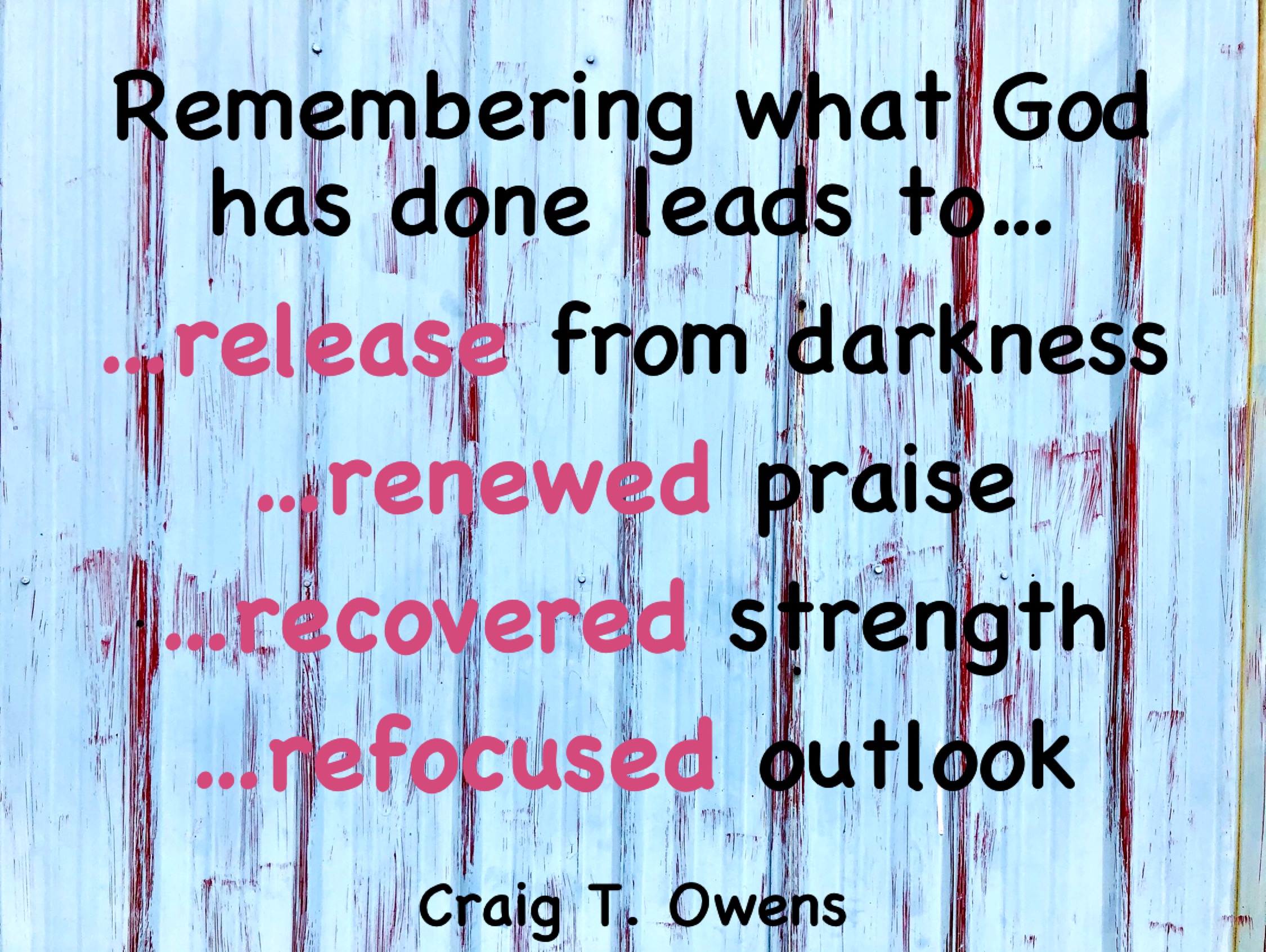
One of the important takeaways from this stanza of Psalm 77 is this: Looking back in gratitude at what God has done allows me to look forward in hope to what He is still going to do. My remembering what God has done in the past leads to:
Release from the darkness
Renewed praise
Recovered strength
Refocused outlook
Chapter 4—Hope (vv. 16-20)
Asaph says, “Look what God did! And since He is the same today as He was yesterday, guess what He’s still able to do!” We know this because the Bible says, “For no matter how many promises God has made, they are ‘Yes’ in Christ. And so through Him the ‘Amen’ is spoken by us to the glory of God” (2 Corinthians 1:20).
Remember I said earlier that God isn’t done telling His story yet? God isn’t done yet, He knows His Story, and His Story is still being told. But He’s also already told us how His story will end (see Revelation 21:4-6). And the end of His story is really just the beginning of the Real Story!
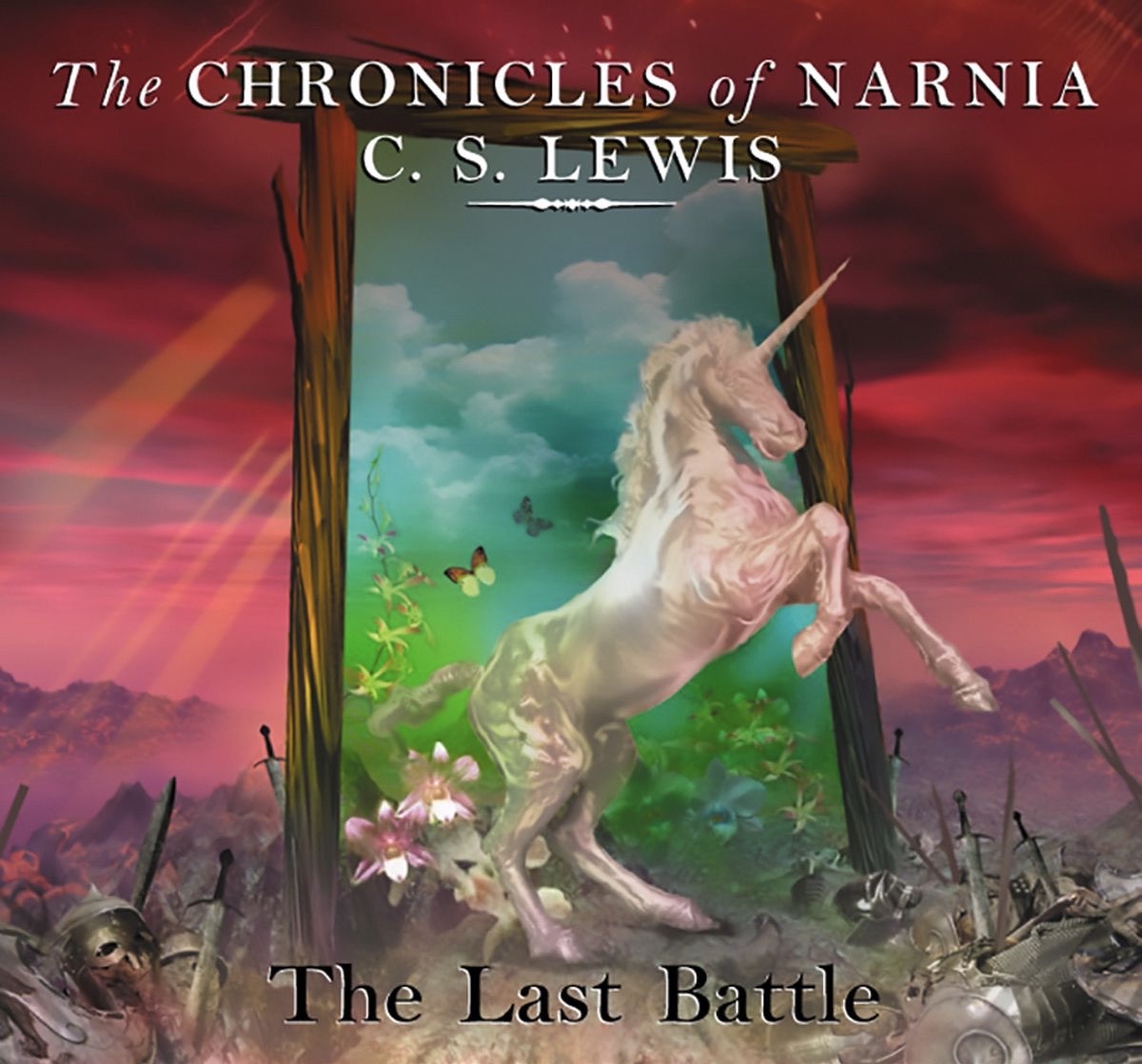
C.S. Lewis said it this way in the closing words of The Last Battle:
“And for us this is the end of all the stories, and we can most truly say that they all lived happily ever after. But for them it was only the beginning of the real story. All their life in this world and all their adventures in Narnia had only been the cover and the title page; now at last they were beginning Chapter 1 of the Great Story, which no one on earth has read; which goes on forever; in which every chapter is better than the one before.”
When you find yourself saying, “I’ve got questions: How long is this going to last,” Selah to remember that the Story isn’t over yet. The Storyteller knows how it ends, and He promises us: But what of that? For I consider that the sufferings of this present time—this present life—are not worth being compared with the glory that is about to be revealed to us and in us and for us and conferred on us! (Romans 8:18 AMP)
This is a weekly series with things I’m reading and pondering from Charles Spurgeon. You can read the original seed thought here, or type “Thursdays With Spurgeon” in the search box to read more entries.
Listen to the podcast of this post by clicking on the player below, and you can also subscribe on iTunes or Spotify.
An Assured Eternity
The life of God in the soul is not transient but abiding. Not temporary but eternal. Some think that the life of God in the believer’s soul may die out. But how then could it be eternal? If it dies, it is not eternal life. If it is eternal life, it cannot die. … We are said to have been made ‘partakers of the divine nature’ (2 Peter 1:4). Surely this means, among other things, that we receive an undying life. …
If our life is Christ’s life, we will not die until Christ dies. …
This is John’s desire for you: that you would believe with all your heart and soul and strength. He would have you believe more constantly, so that you may say, ‘My heart is steadfast, O God, my heart is steadfast; I will sing and give praise’ (Psalm 57:7). It is not always so with us. We are at times chicken-hearted. We play the man today and the mouse tomorrow. Lord, have mercy upon us. We are an inconsistent people, fickle as the wind. The Lord would have us abide always in Him with strong and mighty confidence, being rooted and built up in Him. He would have us trust courageously.
From The Blessing Of Full Assurance
John the Beloved wrapped up his Gospel with this statement: “But these are written that you may believe that Jesus is the Messiah, the Son of God, and that by believing you may have life in His name” (John 20:31). The word John uses for “life” is the Greek word zoe. This is how zoe is defined—
Life real and genuine, a life active and vigorous, devoted to God, blessed, in the portion even in this world of those who put their trust in Christ, but after the resurrection to be consummated by new accessions…and to last for ever. (Strong’s Greek dictionary)
Do you believe Jesus died and rose again? Based on that faith, have you asked the Father to forgive you of your sins? If so, then listen for the voice of the Holy Spirit in your heart that is giving you full assurance of promises like these:
Everyone who believes may have eternal life in [Jesus] (John 3:15)
Whoever believes in [Jesus] shall not perish but have eternal life (John 3:16)
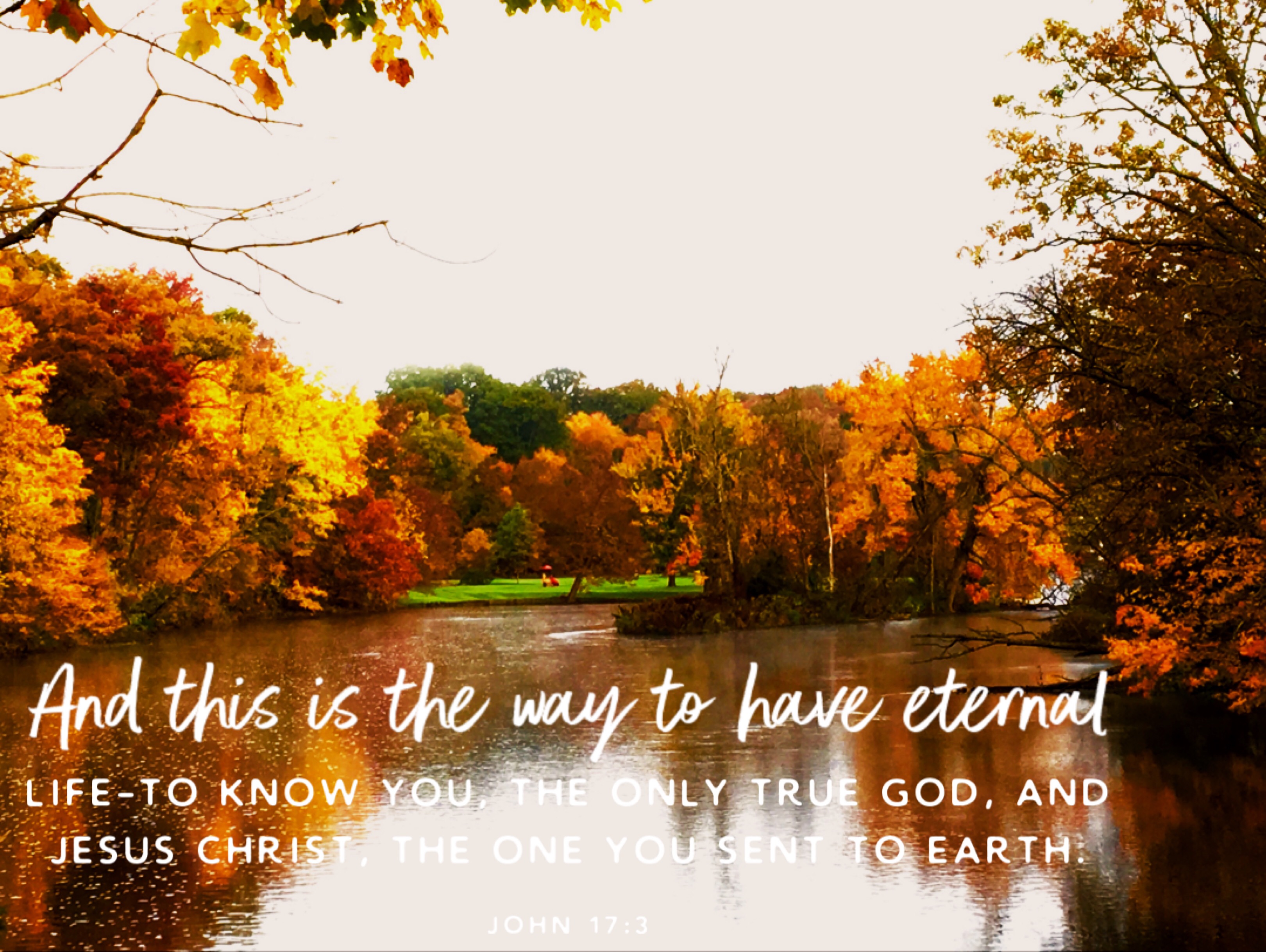
Now this is eternal life: that they know You, the only true God, and Jesus Christ, whom You have sent (John 17:3)
Whoever believes in the Son has eternal life (John 3:36)
Whoever drinks the water I give them will never thirst. Indeed, the water I give them will become in them a spring of water welling up to eternal life (John 4:14)
Because I live, you also will live (John 14:9)
Whoever hears My word and believes Him who sent Me has eternal life and will not be judged but has crossed over from death to life (John 5:24)
My Father’s will is that everyone who looks to the Son and believes in Him shall have eternal life, and I will raise them up at the last day (John 6:40)
When Christ, who is your life, appears, then you also will appear with Him in glory (Colossians 3:4)
Resting in the hope of eternal life, life which the ever truthful God Who cannot deceive promised before the world or the ages of time began (Titus 1:2)
I write these things to you who believe in the name of the Son of God so that you may know that you have eternal life (1 John 5:13)
Friend, this is why it’s so important for us to regularly read the Bible. We need to have our faith bolstered by hearing these rock-solid, unchanging, eternal words of God so that we can live each day in full assurance of our salvation and eternal life.



 E’en for the dead, I will not bind





 Craig T. Owens