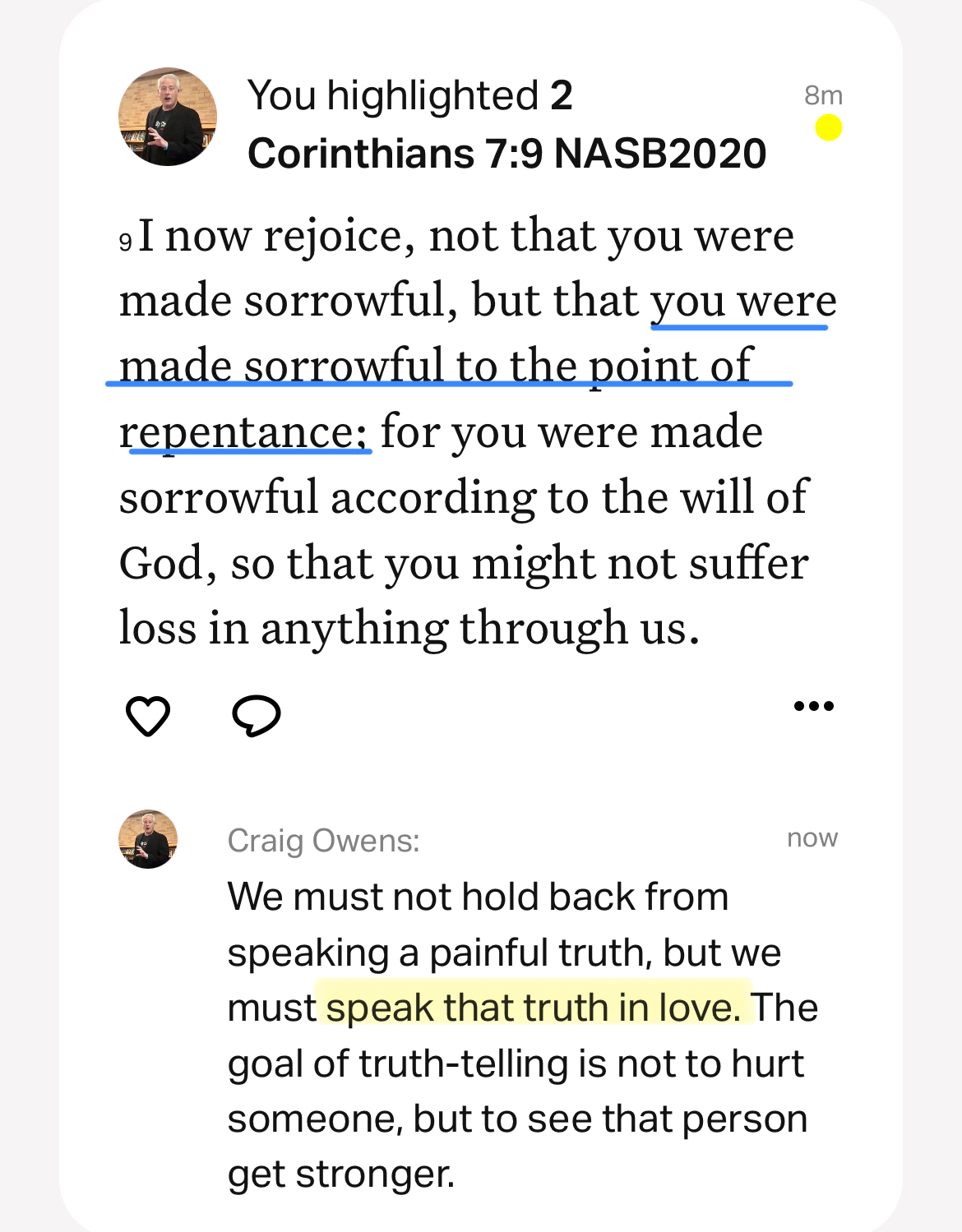
For though I caused you sorrow by my letter, I do not regret it; though I did regret it—for I see that that letter caused you sorrow, though only for a while—I now rejoice, not that you were made sorrowful, but that you were made sorrowful to the point of repentance; for you were made sorrowful according to the will of God, so that you might not suffer loss in anything through us. For the sorrow that is according to the will of God produces a repentance without regret, leading to salvation, but the sorrow of the world produces death. (2 Corinthians 7:8-10 NASB)
Is it okay for you to hurt your friend’s feelings?
I think it is acceptable if those painful words save your friend from a world of hurt.
We must not hold back from speaking a painful truth, but if we do have to share that word, we must ensure that we are speaking that truth in love (Ephesians 4:15). Remember that people don’t care what you know until they know that you care. The goal of truth-telling is not to hurt a friend’s feelings, but to spare that friend a greater pain or to see that friend get stronger.
If you have to speak these words, be sure to water your lovingly truthful words in tears before you share them. As Jesus said, “Remove the plank in your own eye first” (Matthew 7:5).
If you are on the receiving end of painful words, ask yourself, “Is this a friend who loves me and wants the best for me? If so, is there truth in these words?” Even if the words were delivered clumsily, see the love behind the words and find the truth that can help you make a change for the better (Proverbs 27:6, 17).
To dive a little deeper into this topic, check out my video on The Podcast called Speak the truth in love.
Listen to the podcast of this post by clicking on the player below, and you can also subscribe on Apple, Spotify, or Audible.
We’ve now learned about all three circles that help us discover our God-implanted gifts:
Passion—what thrills you?
Pain—what kills you?
Proficiency—what fulfills you?
What do you do with these gifts? What’s the whole purpose in learning about them? I think the goal as saints is to help the Body of Christ mature in ways that brings God glory (Ephesians 4:12-16).
Solomon also gives a great word picture of friends using their gifts for each other—“As iron sharpens iron, so a friend sharpens a friend” (Proverbs 27:17 NLT).
In an earlier message in this series, I talked about the thousands of enzymes in our human bodies. Each enzyme has just one task, and each task is indispensable to the health of the whole body. It is exactly the same in the Body of Christ—your gift-in-action is indispensable to the health of the whole Body.
How do you squander your grace gift? I think these are five basic ways:
Not discovering it—“I have a gift?”
Devaluing it—“My gift is nothing special.”
Overvaluing it—“My gift is super-important.”
Laziness—“My gift is fine just the way it is.”
Selfishness—“My gift is just for me.”
We need to discover our own gifts, but then we need to work on making the switch from “me” to “we.” I want to excel in using my gift so that I can help you excel in using your gift so that we can help another brother or sister excel in using their gift.
Oswald Chambers said, “The Book of God is insistent on this: we cannot develop a holy life alone, it would be a selfish life, without God in it and wrong. … Beware of isolation; beware of the idea that you have to develop a holy life alone. It is impossible to develop a holy life alone, you will develop into an oddity and a peculiarism, into something utterly unlike what God wants you to be. The only way to develop spiritually is to go into the society of God’s own children, and you will soon find how God alters your set.”
Frequently we need another brother or sister in Christ to help nudge us into discovering and using our gifts. For example, look how…
Mordecai assured Esther (Esther 4:13-14)
Matthias was chosen by those in the upper room (Acts 1:21-26)
The first deacons were unanimously chosen by the Church (Acts 6:3-6)
Barnabas and Saul were chosen by the Holy Spirit and confirmed by other prophets and teachers in the church (Acts 13:1-3)
Paul encouraged his proteges to appoint elders who were recognized by others in the church (Titus 1:5; 1 Timothy 3:1f)
Consider this poem—
For want of a horseshoe nail the shoe was lost.
For want of a shoe the horse was lost.
For want of a horse the rider was lost.
For want of a rider the message was lost.
For want of a message the battle was lost.
For want of a battle the kingdom was lost.
And all for the want of a horseshoe nail.
Listen to the Holy Spirit. Listen to the confirming words from fellow saints—words like “You are gifted,” “You are so good at…,” and “How did you know how to do that?” Then step out of your comfort zone and soar into your gift zone!
Listen to the podcast of this post by clicking on the player below, and you can also subscribe on Apple, Spotify, or Audible.
I am a big fan of Alcoholics Anonymous (AA). They are founded on biblical principles. I would paraphrase two of the most important ones as: (1) We need a Savior to set us free and (2) We need friends to lean on. James 5:16 says this as succinctly as any verse: “Therefore confess your sins to each other and pray for each other so that you may be healed. The prayer of a righteous person is powerful and effective.”
AA says: “Often times, a person with substance use disorder may have a need for control that can prevent them from achieving peace of mind. They may feel frustrated that they cannot control the actions of other people and turn to substances like alcohol to control their feelings, even though the control that alcohol provides is a farce. The Serenity Prayer is a gentle reminder that letting go and accepting a loss of control can help put an end to the substance abuse cycle.”
In light of our series called Is That in the Bible? let’s ask, is the serenity prayer in the Bible.
No, it’s not, but still there are some very important principles we shouldn’t miss from this prayer.
The full prayer is—
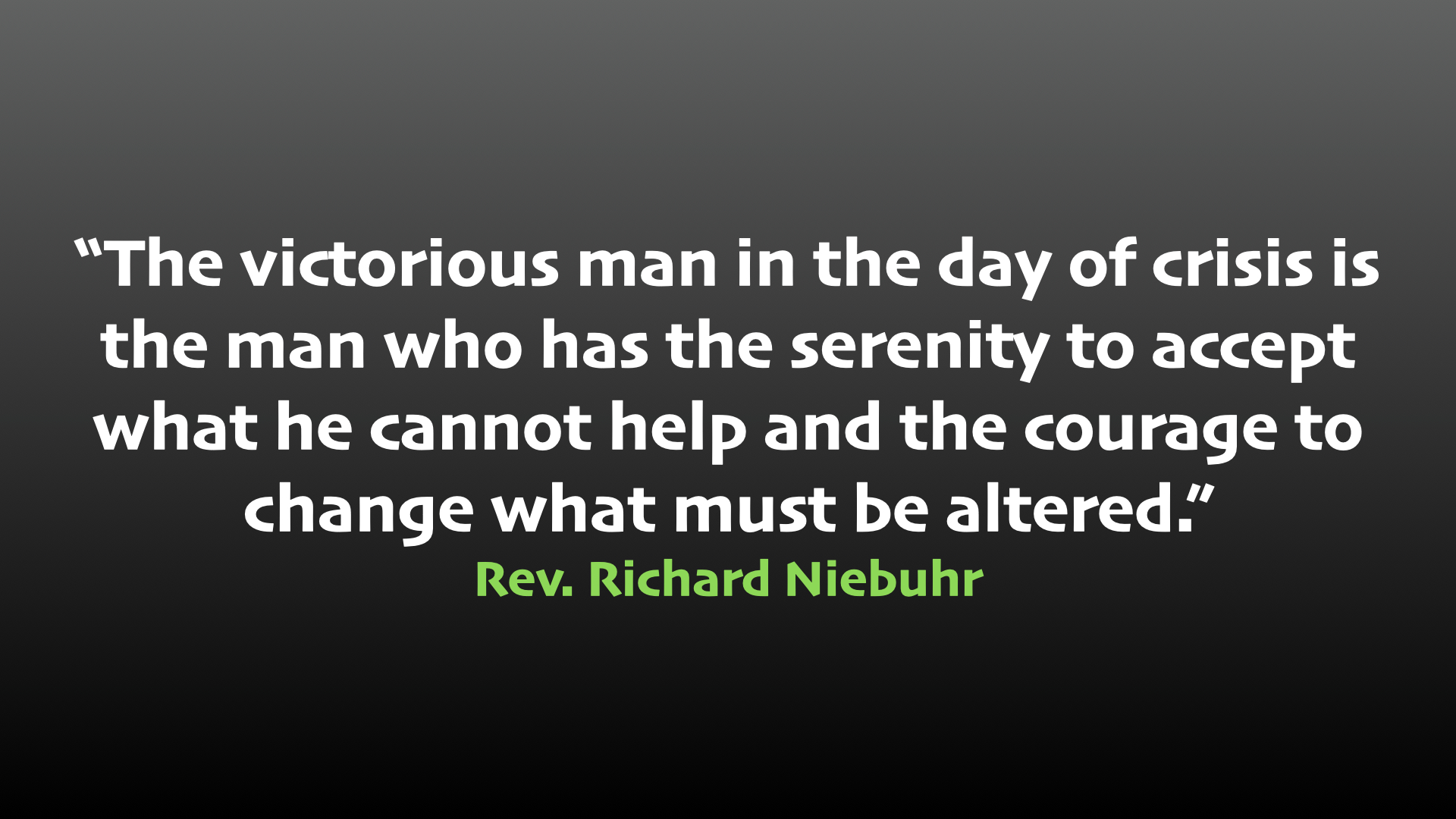
God grant me the serenity to accept the things I cannot change; courage to change the things I can; and wisdom to know the difference.
Living one day at a time; enjoying one moment at a time; accepting hardships as the pathway to peace;
Taking, as He did, this sinful world as it is, not as I would have it; trusting that He will make all things right if I surrender to His will;
That I may be reasonably happy in this life and supremely happy with Him forever and ever in the next. Amen.
Should Christians pray a prayer like this? Biblically, there is nothing wrong with Christians praying prayers that have been written by men or women, provided that they don’t contradict the words God has spoken to us.
Remember James 5:16 that we looked at earlier? The Personalized Promise Bible has a prayer for that verse:
If I have stumbled in any way, I do not need to fret over it—I can rest in full confidence that the Lord loves me and forgives all of my shortcomings. I also know that sin is a hindrance to my healing. Therefore, if there is any sin in my life I repent of it. I confess my sins to trusted brothers and sisters in Christ, gaining strength and praying in agreement with them so that I will be healed.
In a similar fashion, I see several passages of Scripture that are woven into the serenity prayer.
“God grant me the serenity to accept the things I cannot change; courage to change the things I can; and wisdom to know the difference.” Proverbs 1:2-3 describes the help God’s wisdom gives us for daily living.
“Living one day at a time; enjoying one moment at a time.” Jesus taught us to pray each day for our daily bread (Matthew 6:8, 11).
“Accepting hardships as the pathway to peace.” Jesus also taught us to pray, “Your will be done on earth as it is in Heaven” (Matthew 6:10), and He also prayed a very similar prayer Himself when He was in the Garden of Gethsemane, “Yet not as I will, but as You will” (Matthew 26:39).
“Taking, as He did, this sinful world as it is, not as I would have it; trusting that He will make all things right if I surrender to His will.” Jesus promised us both trouble in this world and His overcoming power to stand strong in that trouble (John 16:33).
“That I may be reasonably happy in this life and supremely happy with Him forever and ever in the next. Amen.” Jesus promises eternal rewards that vastly outweigh the trouble we may face in this life (Luke 12:32; Matthew 25:21, 34).
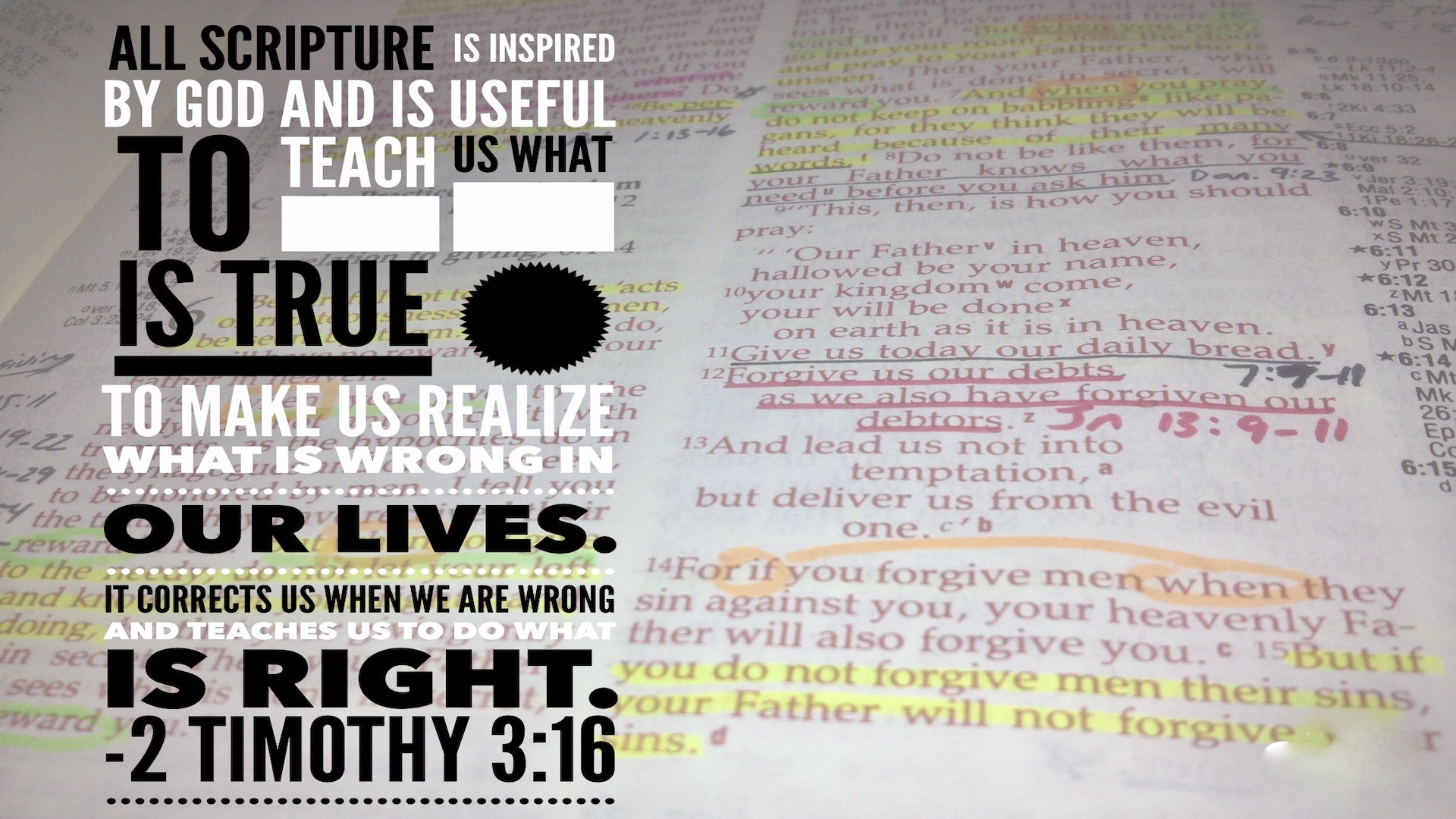
The bottom line: The Bible is not just a Book to read through but a Book to pray through. ALL Scripture is for ALL servants of God. ALL Scripture is applicable to ALL the circumstances we will ever face in life.
If something like the serenity prayer—or any other man-made prayer—is based on Scripture and helps give voice to your prayers, use them! But use them as guides to help you begin to form your own prayers from biblical passages you are reading for yourself.
Listen to the podcast of this post by clicking on the player below, and you can also subscribe on Apple, Spotify, or Audible.
We’re up to Psalm 131. After this step, only three more steps to go until we reach the top! We’re almost there. We started in a dark valley surrounded by enemies that wanted to keep us in the valley, but we persevered, we matured, and now the end it almost in sight!
Notice that David wrote this Song of Ascent, and I think he may have had a particular instance from his history in mind when he did.
At the height of David’s success, the Bible says that, “David knew that the LORD had established him as king over Israel and that his kingdom had been highly exalted for the sake of His people Israel” (1 Chronicles 14:2). So David used his position to do something very noble: return the ark of the covenant of the Lord to Jerusalem. This was a popular decision that “seemed right to all the people” (13:3).
But it turned out disastrously!
One of the priests overseeing the transportation of the ark of the covenant was killed, and as a result David became angry at God and fearful of Him.
After a cooling off time, David humbled himself. He admitted that he hadn’t “inquired of the Lord” before undertaking this task and then he looked to the Scriptures to find out how to move the ark the correct way (15:12-15).
It’s quite possible David had this incident in mind when he wrote the Song of Ascent for people coming to worship God in the temple where the ark of the covenant of the Lord would be housed.
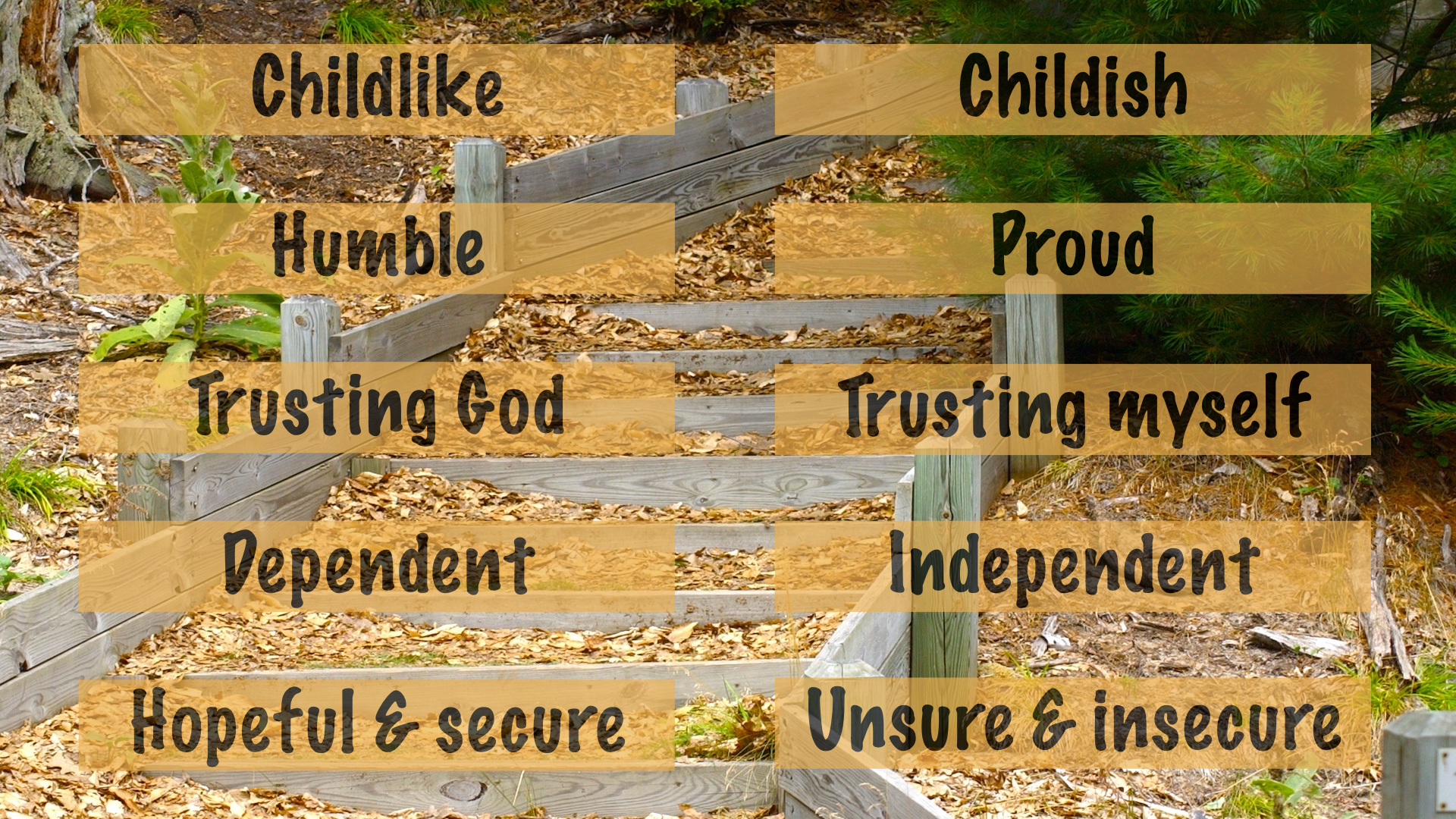
The opening words sound the tone of humility—“my heart is not proud” and “my eyes are not haughty.” I think in the context of this opening verse of Psalm 131, pride can be defined as:
trying to handle things on my own
concerning myself with things outside my control
That means that humility is trusting that God is in total control.
Verse 2 starts with an important word: But. Instead of the fretting of pride, David chooses the trusting of childlike humility. David says that he has “stilled and quieted my soul.” He has chosen childlike humility.
This is exactly what Jesus told us: “Truly I tell you, unless you change and become like little children, you will never enter the kingdom of heaven.Therefore, whoever takes the lowly position of this child is the greatest in the kingdom of heaven” (Matthew 18:3-4).
The consistent message throughout Scripture—from Creation in Genesis 1 until the realization of our eternal reward in Heaven in Revelation 22—is childlike trust in our Heavenly Father.
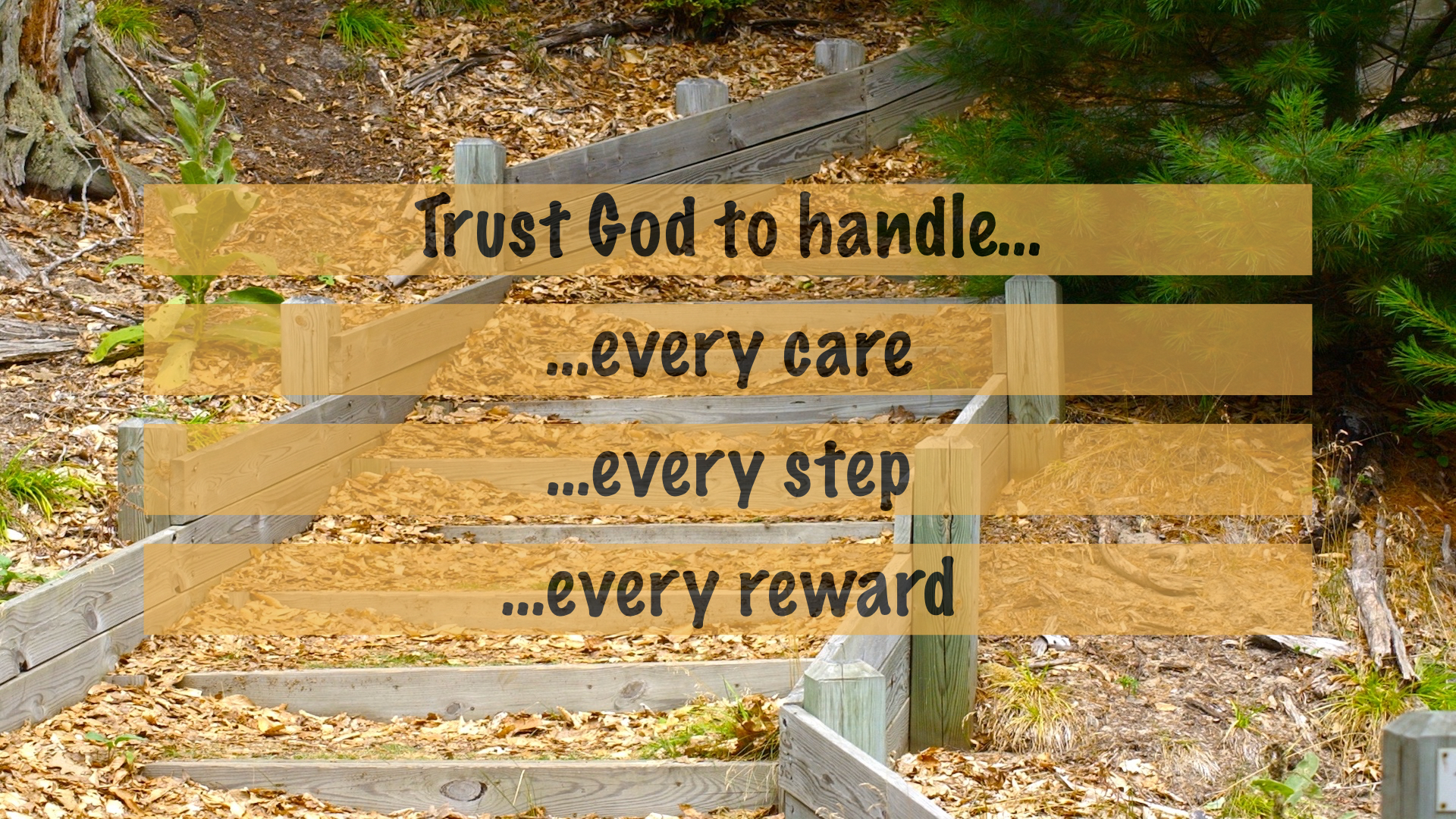
We can trust God to handle…
…every care—1 Peter 5:7
…every step—Proverbs 3:5-6
…every reward—Luke 12:32
Don’t let pride cause you to stumble in the homestretch. The closer we get to the end of the journey, the more childlike we should become.
Listen to the podcast of this post by clicking on the player below, and you can also subscribe on Apple, Spotify, or Audible.
Let’s review the historical background for the Psalms of Ascent. The Jewish people made four pilgrimages to Jerusalem each year, which sit about 2500 fee above sea level, so this was a physical climb. But this also has a spiritual lesson for us today: We are to continue progressing in our walk with God—upward and onward!
The songs of ascent that these pilgrims sang give us life-changing lessons that we can still apply today.
I’m sure there were some pilgrims who thought, “We have to go to Jerusalem.” Just as there are some people today who may something like, “I have to tithe.” But when you have experienced the blessing that comes from obedience, your “have to” turns to “get to” really quickly!
There is a longing in Psalm 128 for God’s blessing. In fact, we see it in nearly every verse: blessed (v. 1), blessing and prosperity (v. 2), blessed (v. 4), bless and prosperity (v. 5), and peace (v. 6).
We have to remember that our obedience doesn’t earn God’s blessing, but rather our obedience keeps us in the place where we can receive God’s ever-flowing blessings. When I have experienced the blessing that followed even my “have to” attitude, I now joyfully “get to” obey because I know that keeps me in a blessed place.
But even knowing that these blessings are flowing for us, sometimes we still get weary. Sometimes it seems as if we are being faithful but we aren’t seeing the results that perhaps we saw before.
Think about these pilgrims ascending 2500 feet year after year after year. It was challenging enough during the golden days of King David and King Solomon, but can you imagine the feelings of futility during the dark days? Perhaps during the exile when the temple was in ruins, or after the exile when the temple didn’t look as it did before and there were overlords ruling Israel? And then it was unquestionably true that the older a pilgrim got, the harder the climb became for them.
But the struggle keeps us reliant on God. Like Solomon said, “The way of life winds upward for the wise, that he may turn away from hell below” (Proverbs 15:24). The longer I walk, the more I get to rely on God’s help, and the sweeter He becomes to me!
I love the line in the hymn Great is Thy Faithfulness, “Strength for today and bright hope for tomorrow—blessings all mine with ten thousand beside.” Because of God’s blessings that I’ve already experienced, I can trust Him for more, even in the struggle of the climb.
Look at some of these promises that come out in other biblical translations.
Blessedare those who fear God (NIV) = “How joyful are those who fear the Lord” (NLT)
Blessing and prosperity will be yours (NIV) = “You will enjoy the fruit of your labor” (NLT) and “You will eat what you worked so hard to grow” (NET)
The middle of this psalm is in verses 3-4. Remember above when I said nearly every verse contains a word of blessing? I didn’t list verse 3, but there is language in this verse that makes it pregnant with blessing—Your wife will be like a fruitful vine within your house; your sons will be like olive shoots around your table.
You may ask, “How is this a blessing?”
The phrase “under their own vine and under their own fig tree” appears throughout the Old Testament. It described a blessed, prosperous, happy, and peaceful home. It was a home at peace within because there was also peace without.
This described the golden era of King Solomon—During Solomon’s lifetime Judah and Israel, from Dan to Beersheba, lived in safety, everyone under their own vine and under their own fig tree (1 Kings 4:25).
After the northern kingdom of Israel fell and the southern kingdom of Judah was surrounded by the Assyrian forces of King Sennacherib, the king’s field commander tried to entice them the people with similar words—
Do not listen to Hezekiah. This is what the king of Assyria says: “Make peace with me and come out to me. Then each of you will eat fruit from your own vine and fig tree and drink water from your own cistern until I come and take you to a land like your own—a land of grain and new wine, a land of bread and vineyards, a land of olive trees and honey. Choose life and not death! Do not listen to Hezekiah, for he is misleading you when he says, ‘The LORD will deliver us.’” (2 Kings 18:31-32)
Notice that he said the land would be “a land like your own.” He was trying to get them to compromise, to no longer listen to God’s voice, to no longer climb up into God’s presence. Much like satan tempted Adam and Eve to eat the forbidden fruit with the promise, “You will be like God.”
But these blessings in Psalm 128 don’t come from fearful “have to” obedience to man, but from reverencing God above all else. So the longing of verses 1-4 become the prayer of verses 5-6 (notice the word may used three times in these verse).
The focus of our longing—where we need to keep our eyes—is on God’s heavenly throne: Zion, Jerusalem, Israel (vv. 5-6; Micah 4:1-5).
In an earlier story, Caleb may have gotten tired while he waited for God to fulfill His promise to him, but he always trusted God as he walked on (see Joshua 14:9-12).
What promises of God are you still praying for?
What are you longing to see accomplished?
What has God already done that you can look back on?
The Hill, though high, I covet to ascend, The Difficulty will not me offend; For I perceive the Way to life lies here. Come, pluck up Heart, let’s neither faint nor fear;
Better, though difficult, the Right Way to go,
Than wrong, though easy, where the End is Woe. (John Bunyan)
Don’t give in.
Don’t give up.
Keep climbing.
Like Caleb say, “It may have been 85 years of walking and climbing, but I’ll keep climbing. GOD, GIVE ME THIS HILL!”
If you would like to check out the other songs of ascent that we’ve already studied, please click here.
Listen to the podcast of this post by clicking on the player below, and you can also subscribe on Apple, Spotify, or Audible.
On Mother’s Day, I mentioned that Proverbs 31 might be an intimidating description for Moms, but it doesn’t need to be that way. This chapter lists what is possible when a woman is fully committed to God, her husband, and her children.
Her faithfulness is her superpower which unleashes so many good things for those around her. Or as we said it: Her nobility helps her be a king maker.
I concluded by saying that men have an important role to play in order to honor the king-making power which the godly women in his life have unlocked. This is a man’s superpower! Together, God-fearing men and women can create a legacy of king makers. But separated or self-focused men and women can create a legacy of king breakers.
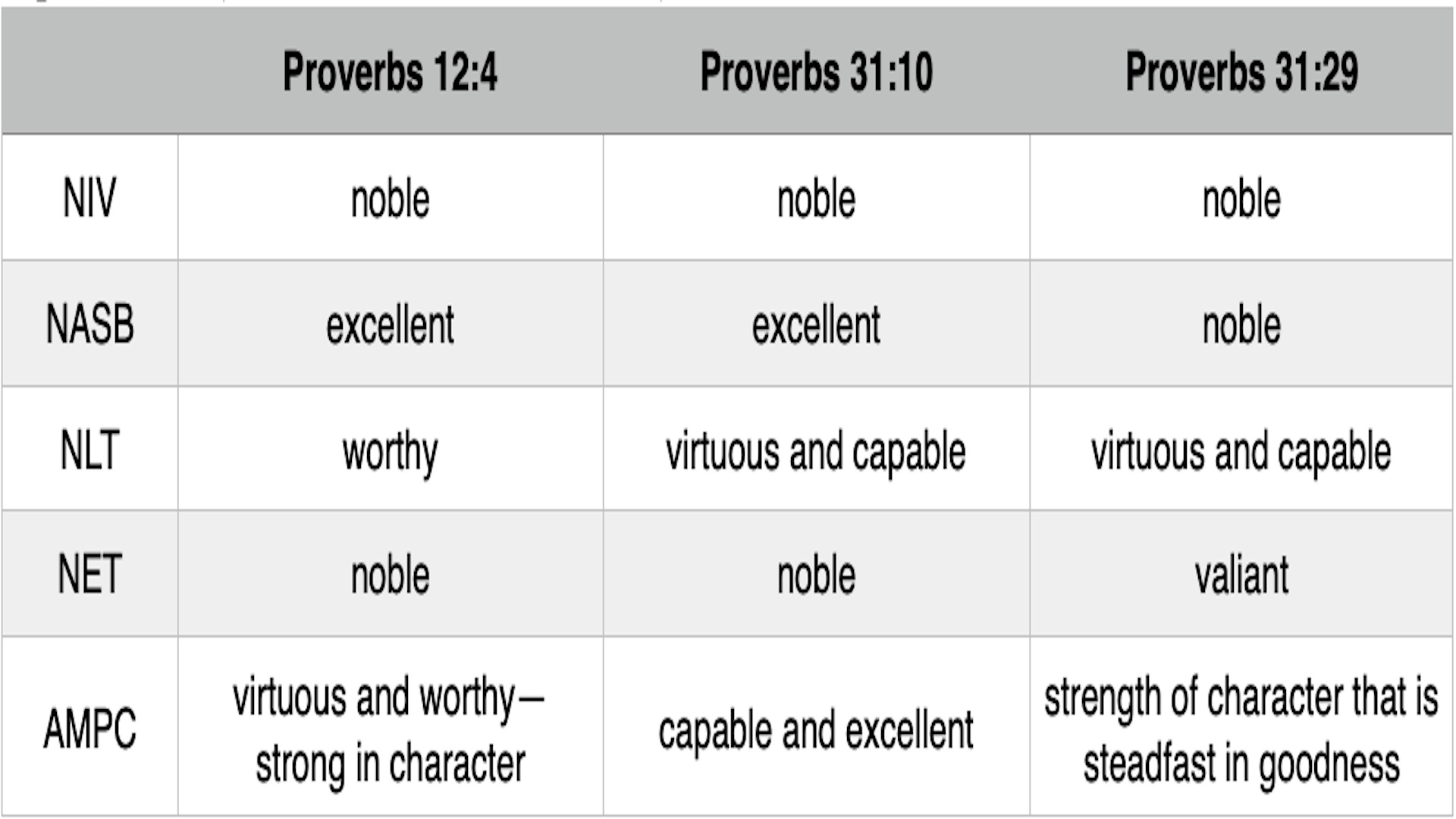
The Hebrew word for noble is used five times in Proverbs: three times for the godly superwoman (Proverbs 12:4, 31:10, 31:29), and twice for the godly superman (13:22, 31:3).
Remember that this word is also translated in different versions of the Bible as excellent, virtuous, and strong in character.
In Proverbs 31:3 the word vigor for men is attached to that same Hebrew word. In this context, the word can be defined as strength, efficiency, ability, or wealth.
On Mother’s Day, we said that Eve is the “help meet” (as the old King James Version says), which means that she is the key that unlocks Adam’s potential. The teaching throughout Proverbs says that men can squander this unlocked potential by…
…forgetting God’s laws—Proverbs 31:4-5
…not stewarding the unlocked leadership opportunities in our marriage, parenting, work, or community involvement (Proverbs 5:15-20; 2:1-5, 12-17; 22:29; 31:23).
In essence, we cancel the definition of vigor that we saw above, changing strength to weakness, efficiency to inefficiency, ability to inability, and wealth to poverty.
On Mother’s Day we looked at virtuous Ruth who used her godly superpower to unlock the potential for Boaz, the man who would become her husband. Let’s look at his example:
he was called a man of standing because his righteousness was well known in Bethlehem—Ruth 2:1
he was obedient to the smallest details of the law—Ruth 2:3; Leviticus 19:9-10
he honored his father by following his example—Matthew 1:5; Joshua 2:1-24, 6:23
he was an honored employer—Ruth 2:4
he was also (just like Ruth) called a man of noble character—Ruth 3:7-11, 14
A Dad’s superpower looks very similar to a Mom’s superpower. The godly woman unlocks the potential, and when the godly man carefully stewards that potential, he is also using his godly superpower (Luke 12:42-43, 48)!
Guys, when we use our God-given superpower, we honor Him and the godly women in our lives who have made this possible for us. We do this by…
…faithfully loving God with all our heart, soul, mind, and strength—Proverbs 31:4-5; Mark 12:28-31
…caring for our bride like Jesus cares for His bride—Ephesians 5:25
…honoring the legacy of our parents—Ephesians 6:2-3
…passing on a godly heritage to our children—Ruth 4:21-22
This is God’s design. And it is God’s delight when we live this way. So we must make the choice to either carry on the godly heritage that was handed down to us, or reverse the ungodly heritage that we may have inherited.
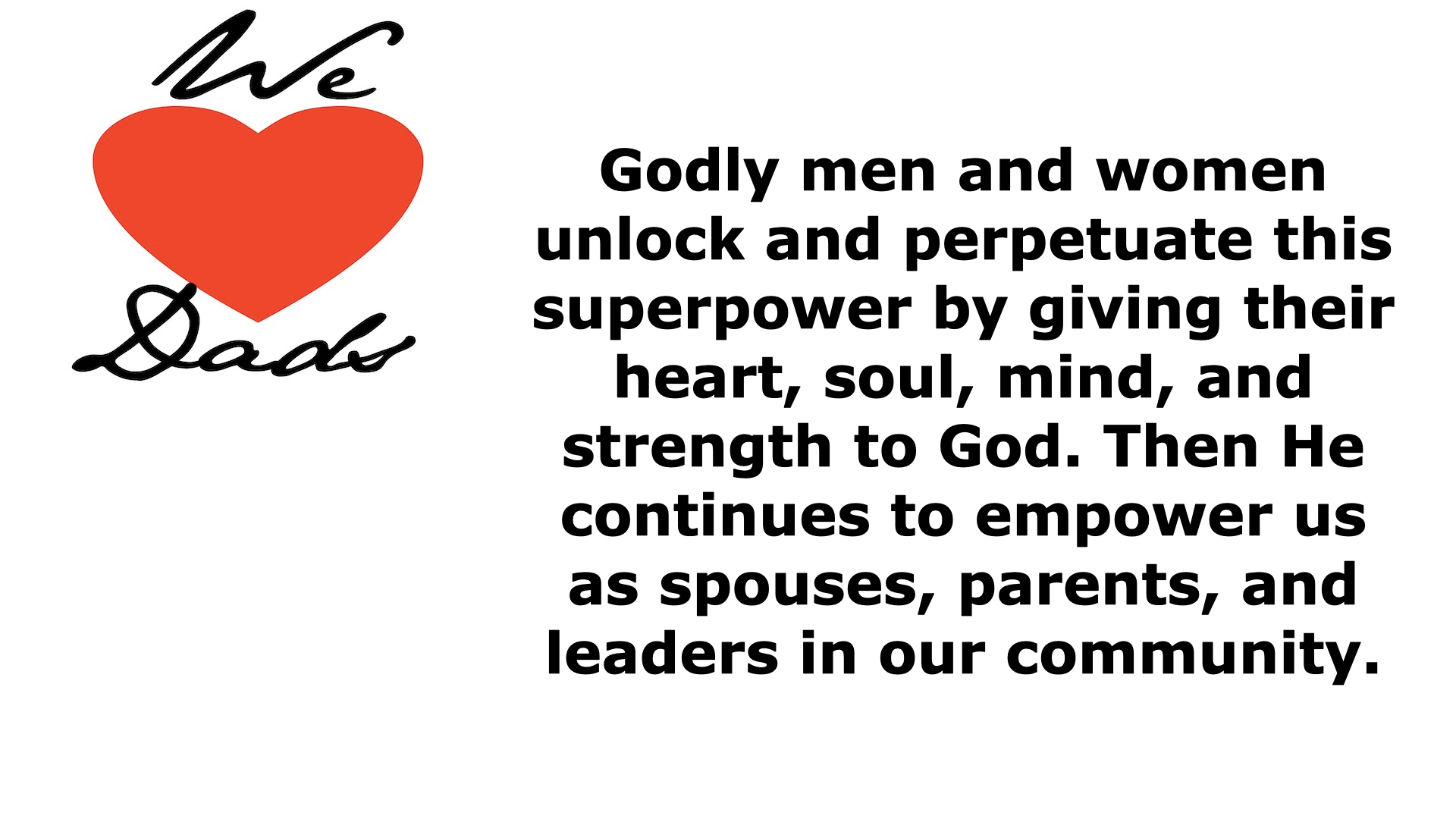
Godly men and women unlock and perpetuate their God-given superpower by giving their heart, soul, mind, and strength to God. And then God will continue to empower us as the spouses, parents, and leaders in our community that He desires for us to be!
Listen to the podcast of this post by clicking on the player below, and you can also subscribe on Apple, Spotify, or Audible.
People get into fights for lots of silly reasons. But one thing that causes many hurt feelings and harsh responses is gossip. This is one of the “sheep bites” I discuss in great detail in my book When Sheep Bite.
In the chapter “When Sheep Gossip About You,” I wrote—
The first part of the antidote when you have heard gossip spoken about you is to remember that God has also heard the gossip spoken about you. This is what Jesus demonstrated for us. Peter, who was there to hear all of the gossip spoken about Jesus, wrote, “He did not retaliate when He was insulted, nor threaten revenge when He suffered. He left His case in the hands of God, who always judges fairly” (1 Peter 2:23 NLT). …
There was no need for Moses to respond to these gossipers because the One “who always judges fairly” said to these gossipers, “Why then were you not afraid to speak against My servant Moses?” (Numbers 12:8). When God takes up our cause, let’s not try to take it out of His perfectly just hands. …
Just because God has called you to be His under-shepherd, and just because you may have been innocent of wrongdoing, you don’t have license to “lord it over” those who have gossiped about you. Moses described himself as humble—more humble than anyone else. He wasn’t bragging, but he wrote those words under the inspiration of the Holy Spirit. An insecure leader feels the need to defend himself against any slight against his character, whether it is a real or perceived attack. But the humble leader knows that God’s calling comes with God’s protection.
Solomon wrote, “Avoiding strife is an honor for a person, but any fool will quarrel” (Proverbs 20:3).
Anyone can start a fight—it’s not hard at all! Especially when someone has spoken foolishly, ignorantly, or even maliciously against you in their gossip.
Butonly strong people can walk away from a fight.
Only wise people can remain quiet when a fool tries to provoke them into an argument.
Only God-fearing people can entrust themselves to the One who keeps perfect records of the insults and slander thrown at them—just as Jesus did.
Be that kind of leader!
If you are a pastor, you know the painful bites of gossip. This is just one of several sheep bites I diagnose to help shepherd leaders find a healing, biblical response. Please check out my book When Sheep Bite.
Listen to the podcast of this post by clicking on the player below, and you can also subscribe on Apple, Spotify, or Audible.
When we are going through something difficult or painful, we want to get counsel from someone who has some understanding of what we’re facing. In a word, we want someone empathetic.
Webster’s Dictionary defines empathy as the action of understanding, being aware of, and being sensitive to the feelings, thoughts, and experience of another. If you were telling me about your painful situation, to let you know that I “get you”—that I empathize with you—I might say something like, “I’ve been there, done that, and have the scars to prove it.”
But as I tell you my story, I need to really guard against one-upmanship. Webster’s defines that as the art or practice of outdoing or keeping one jump ahead of a friend or competitor. Saying something like, “Oh, feel your pain, but let me tell you how I had it so much worse” is one-upping and unhelpful!
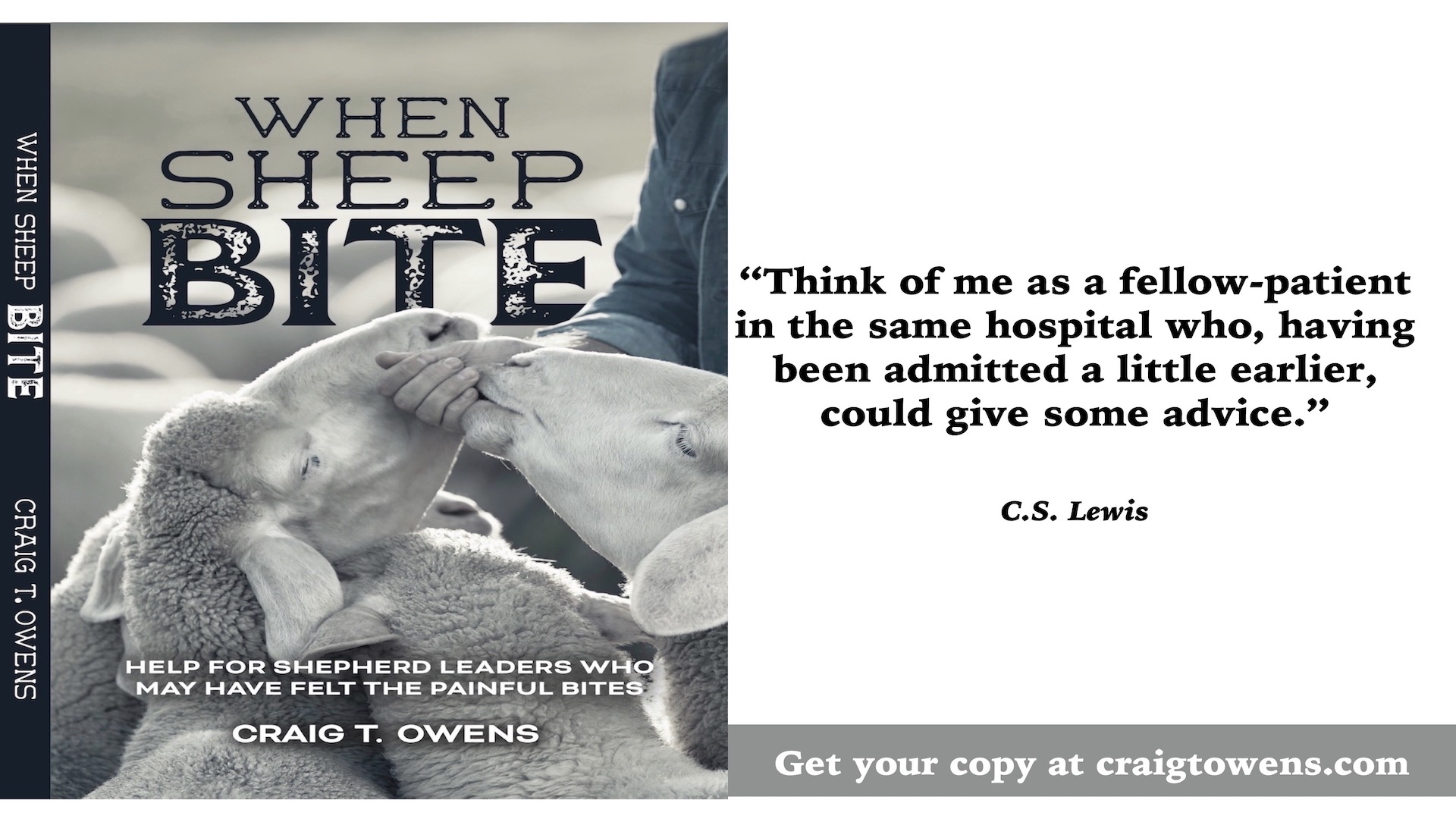
In my book When Sheep Bite, I wrote this in the Introduction—
When you share a tale of real pain with a trusted friend, you don’t want them to try to one-up your story. Instead, you would want them to comfort you in your pain, to give you some helpful insight, or to even just cry along with you. On the other hand, you probably aren’t going to share your story of pain with someone who has no understanding of your situation. We want someone who “gets us,” someone who can relate, someone who can truly empathize with what we are feeling. …
I want to give you what I wanted when this happened to me: empathy, insight, a helpful perspective, and a manual of help that God has provided in the Bible. I don’t want to try to one-up your story of pain, because I’m confident that no one could truly know how deeply you’ve been hurt. But I do want to give you some assurance that I know what I’m talking about.
As I was discussing some of the ideas in my book with a group of pastors, I reminded them of the value of an iron-sharpening-iron friend (as Solomon describes in Proverbs 27:17) who is empathetic without crossing the line into one-upmanship.
I truly believe that When Sheep Bite will be a healing resource for shepherd leaders who have been there, done that, and have the sheep bite marks to prove it. If you are a pastor—or if you love your pastor—please pick up a copy today!
Listen to the podcast of this post by clicking on the player below, and you can also subscribe on Apple, Spotify, or Audible.
Mother’s Day messages seem to set a lofty expectation for women. When a pastor flips to Proverbs 31 and begins to read the description of the noble wife, I’m afraid many women—both moms and not-yet-moms—wonder how they could measure up to this list! The proverb itself really starts out with a question, “Who could find such a woman?!” (Proverbs 31:10).
The Hebrew word for noble is used five times in Proverbs. Three of those are for this kind of superwoman (Proverbs 12:4, 31:10, 31:29).
This same word is also used twice for men in Proverbs—A good man leaves an inheritance to his children’s children (13:22); do not spend your strength on women, your vigor on those who ruin kings (31:3).
A woman’s nobility and virtue either unleashes strength OR her vices deplete strength and bring ruin. In the language of Proverbs 31:3, she is either a king-maker or a king-breaker.
This picture of empowerment is seen in the very first couple (Genesis 2:18-24). In the King James Version language, the word for helper is help meet. This means that Eve is the key that unlocks Adam’s potential. The godly woman makes possible what the godly man cannot do on his own.
As a kid, I always suspected my Mom had superpowers. I remember digging through the hair on the back of her head to find “the eyes” she said she had in the back of her head! She could kiss my boo-boo and instantly I was better, and she could help me understand the things that perplexed me the most.
As I got older, I realized that my Mom actually did have superpowers:
She faithfully loved her God—Proverbs 31:30
She diligently served her husband—31:11-12, 23
She consistently cared for her children—31:27-28
Ladies, that is the superpower that you have—you complete us, you elevate us, you unlock our potential! This brings both elevation for your family and honor for yourself(see Proverbs 31:29-31, and notice the phrase “city gate” in vv. 23 & 31 which symbolizes a leadership position).
Women who ignore their God-given superpower of nobility unleash the vicious cycle of king-breakers.
Women who use their God-given superpower of nobility unlock a virtuous cycle of king-makers.
Ladies, be encouraged today that all that is required for this Proverbs 31 list to be an accurate description of you is faithfully loving your God and faithfully serving your family in the consistent, little things day after day after day. God sees this, He is pleased by it, and He is rewarding it!
Guys, you have a part to play in this too. What you do with the potential that your mother and your wife have unlocked for you also plays a vital role in your family and in your community. I talked about this on Father’s Day, which you can check out here.



 For though I caused you sorrow by my letter, I do not regret it; though I did regret it—for I see that that letter caused you sorrow, though only for a while—I now rejoice, not that you were made sorrowful, but that you were made sorrowful to the point of repentance; for you were made sorrowful according to the will of God, so that you might not suffer loss in anything through us. For the sorrow that is according to the will of God produces a repentance without regret, leading to salvation, but the sorrow of the world produces death. (2 Corinthians 7:8-10 NASB)






 Craig T. Owens