A Teaching Tip For Leaders

Listen to the podcast of this post by clicking on the player below, and you can also subscribe on AppleSpotify, or Audible. 

In Proverbs 25–26 Solomon uses the word “like” 18 times. This small word gives leaders a huge teaching lesson. 

Good leaders are constantly conveying to their team the vision that God has given them. We see this throughout the Bible, where past history is connected to the future promise God has given. Unless leaders are able to consistently, and frequently, refocus their people on the vision, the people “cast off restraint” and go their own way (Proverbs 29:18). 

Leaders need to find fresh ways to make their messages stick. All of the Proverbs, but especially these two chapters, give us excellent lessons for this. Solomon makes memorable connections by starting with something that most people have experienced. Things like…

  • a beautiful piece of jewelry 
  • a refreshingly cool drink on a hot day
  • an injured body part 
  • the actions of nature and animals  

Then Solomon connects these observations to a timely piece of wisdom…

  • The right words, delivered at the right time, in the right way are LIKE a beautiful piece of jewelry. 
  • One who delivers timely and helpful words is LIKE a refreshingly cool drink on a hot day. 
  • Trying to move around on an injured foot is LIKE having to rely on someone inconsistent during times of trouble. 
  • Just LIKE honey is good for you in moderation, too much honey—and too much of any good thing—can make you sick. 

This is a great teaching lesson for every leader. We need to continually find new and memorable ways to help our people grasp the vision, mission, and values of the organization. This teaching tip from King Solomon can go a long way in helping our messages stick. 

A mark of a godly leader is one who is always finding new ways to teach the people around him. 

This is part 59 in my series on godly leadership. You can check out all of my posts in this series by clicking here.

►► Would you please prayerfully consider supporting this ministry? ◀︎◀︎

Our Blessed Hope

Listen to the podcast of this post by clicking on the player below, and you can also subscribe on AppleSpotify, or Audible. 

As we wrap up our series looking at our foundational belief statements, I want to combine the last four statements together, not only because they all cover the same theme of end-times events, but also because these statements should give every Christian hope! 

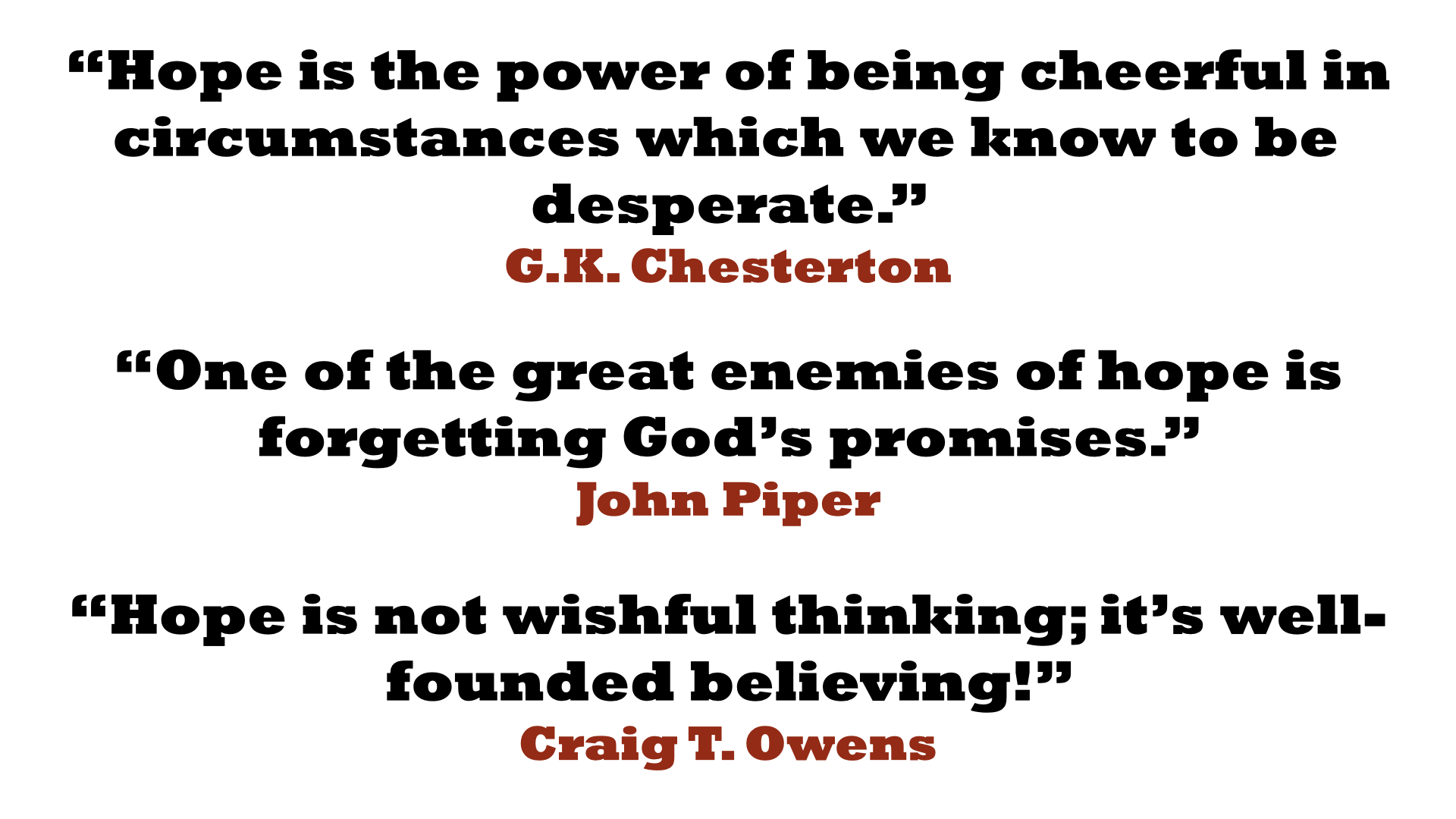
  • “Hope is the power of being cheerful in circumstances which we know to be desperate.” —G.K. Chesterton 
  • “One of the great enemies of hope is forgetting God’s promises.” —John Piper 
  • “Hope is not wishful thinking; it’s well-founded believing!” —Craig T. Owens 

Christians have a fantastic, unshakable, blessed hope on which we can stand not only secure but joyful! 

Foundational truth #13: “The resurrection of those who have fallen asleep in Christ and their translation together with those who are alive and remain unto the coming of the Lord is the imminent and blessed hope of the church.” 

This blessed hope in the future helps us live with joy today! Knowing that death has been defeated and Jesus will come back to take us home with Him should fuel us to say “no” to the temporary pleasures of sin, and live such godly lives that it turns others’ eyes to Jesus (Titus 2:11-14; 1 Corinthians 15:51-52; 1 Thessalonians 4:16-17). 

Foundational truth #14: “The second coming of Christ includes the rapture of the saints, which is our blessed hope, followed by the visible return of Christ with His saints to reign on earth for one thousand years.” 

Sometimes you will hear Christians talk about the “rapture” of the Church. Although this word itself isn’t in the Bible, the Greek word harpazo in 1 Thessalonians 4:17 means “catching up.” It also means “to eagerly claim for one’s self,” which reminds me that Jesus is thrilled to bring His Bride home to be with Him forever! After the Church has been caught up to Heaven, a period of tribulation will plague the earth, followed by Christ’s Second Coming and His millennial reign (Zechariah 14:4-5; Revelation 19:11-15; 20:1-10). 

Foundational truth #15: “There will be a final judgment in which the wicked dead will be raised and judged according to their works. Whosoever is not found written in the Book of Life, together with the devil and his angels, the beast and the false prophet, will be consigned to the everlasting punishment in the lake which burns with fire and brimstone, which is the second death.” 

Christians have no fear of the second (or final) death because our names are written in the Book of Life (Luke 12:4-6; Revelation 20:11-15). Not only is there judgment for the wicked, but there will be rewards for the righteous. 

Foundational truth #16: “In keeping with His promise we are looking forward to a new heaven and a new earth, where righteousness dwells” (2 Peter 3:13). Revelation 21-22 give us a small glimpse of our eternal home. 

In light of these truths, how should Christians live while still on earth? I think there are three ways we should live: 

  1. Live circumspectly
  2. Live on-mission
  3. Live unafraid

(see Ephesians 5:15; Matthew 28:18-20; Proverbs 24:11-12; Jude 1:20-25) 

With this blessed hope of the Second Coming of Jesus and our security in knowing we will remain with Him forever, let’s tell everyone we can how they too can know what it is to live with this hope in their heart. 

If you’ve missed any of the messages in our series exploring our foundational beliefs, you can access the full list by clicking here. 

►► Would you please prayerfully consider supporting this ministry? ◀︎◀︎
True Friends

Listen to the podcast of this post by clicking on the player below, and you can also subscribe on AppleSpotify, or Audible. 

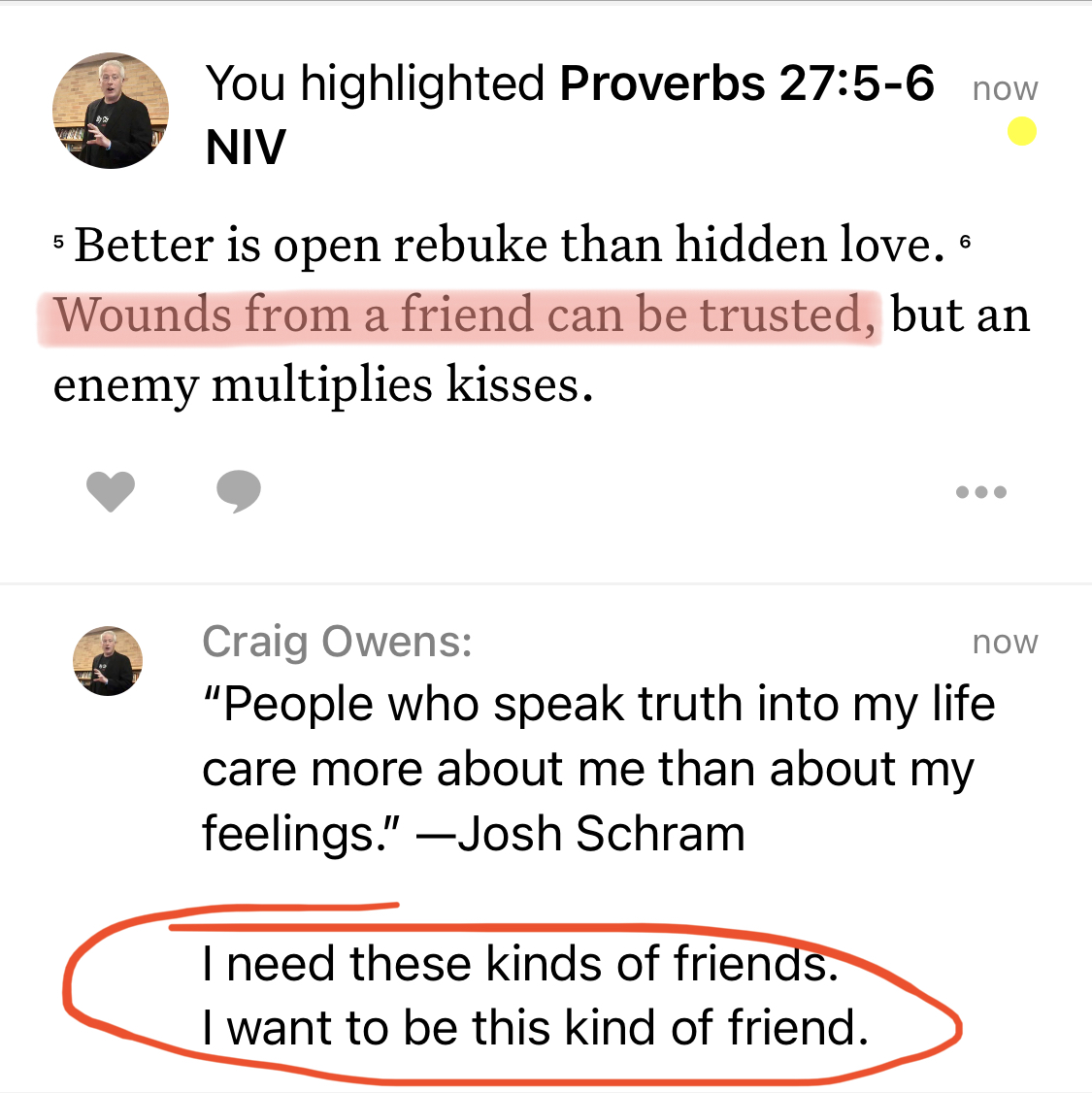
Wounds from a sincere friend are better than many kisses from an enemy (Proverbs 27:6 NLT). 

Proverbs 27 may have more wisdom about our friends than any other chapter in this book. But sprinkled throughout the entire book of Proverbs is outstanding wisdom about our closest relationships. Allow me to share just a few observations with you.

(Click here to see all of the verses I reference below.)

In a previous post where I noted the conjunctions “but” and “and,” I see this—The righteous choose their friends carefully, BUT the way of the wicked leads them astray (12:26). Righteous friends keep me on the right path. 

Friends love me through my worst moments (17:17) because they have committed to stick closer than a brother to me (18:24).

I must be careful not to make friends with a hot-tempered person (22:24), and to be cautious of people who want to be friends with me only for what I can give them (19:4). 

My true friends will wound me in love to help me become the best that God intended me to be (27:5-6, 9, 17), so I must never forsake these friends (27:10). 

False friends will gossip to me and about me, but my true friends will guard my secrets and guard my reputation (16:28; 17:9). 

In order to have true friends, I first have to be a true friend.

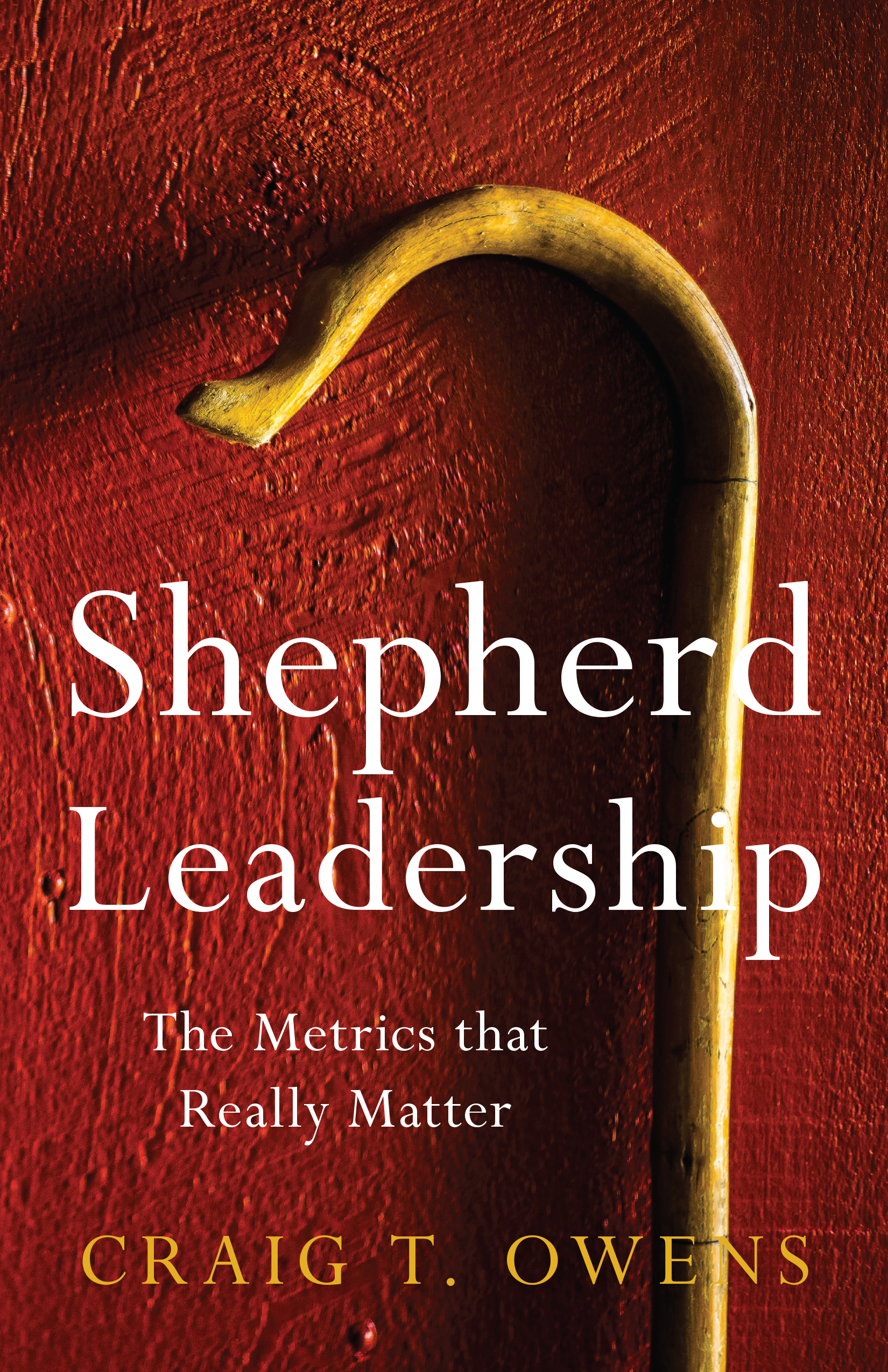
In my book Shepherd Leadership: The Metrics That Really Matter, I noted how true friends will help us go farther and avoid the stumbles that could cut short our leadership influence. 

David was the gold standard for every king of Israel who followed him. Numerous times throughout the history of Israel, we will see a note that a certain king either followed God like David, or turned from God unlike David. Yet there exists a wart on David’s portrait: an adulterous affair with the wife of a man in his inner circle, and then subsequent lies and a murder to cover up the affair. “The thing David had done displeased the Lord” (see 2 Samuel 11). 

But I’d like to turn your attention to when this affair occurred: “In the spring, at the time when kings go off to war…David remained in Jerusalem” (2 Samuel 11:1). He was without his usual comrades. The men who knew David best, who could probably sense if something was amiss, weren’t around to warn him. When David tried to find out the identity of the bathing beauty on the roof next door to his palace, an unnamed attendant tried to remind him, “Isn’t that Bathsheba, the wife of Uriah?” but David dismissed him. 

Elijah was arguably the most forceful and fearless prophet in Israel’s history. Not only did he stand up to the evil kings of Israel, but he spoke out against the kings of surrounding nations, too. In answer to Elijah’s prayer, God brought a drought on the land, and again in answer to Elijah’s prayer, God sent rain. Elijah challenged the 450 prophets of the god Baal and the 400 prophets of the goddess Asherah to a duel to the death, which ended up in a decisive victory for Yahweh. Yet, shortly after this massive victory, Elijah was depressed to the point that he wanted to die. 

What led to Elijah’s depression? Something very similar to David’s slide into adultery: He was alone. Elijah ran away from Queen Jezebel’s death threat, left his servant behind, and proceeded all by himself into the desert. It was when he was without a comrade that he prayed to God, “I’ve had enough. Take my life” (see 2 Kings 17–19). 

And what about Peter? He boldly claimed his loyalty to Jesus, even to the point of wielding a sword at the guards who came to arrest his Master. But when Peter was alone, after the other disciples fled, he denied three times that he knew Jesus (Matthew 26:33, 51, 69–75). 

God designed us to be in relationship with others. His statement to Adam in some of the earliest words of the Bible—“It is not good for you to be alone”—are words for us still today. —from the chapter “Going Farther” 

We need true, God-fearing friends close to us. Ask God to bring those friends around you, and ask the Holy Spirit to make you into that kind of friend for those He does bring around you. 

►► Would you please prayerfully consider supporting this ministry? ◀︎◀︎
But And And

Listen to the podcast of this post by clicking on the player below, and you can also subscribe on AppleSpotify, or Audible. 

Proverbs 10 begins with these words, “The proverbs of Solomon…” (Proverbs 10:1). 

Over the next six chapters (184 verses) Solomon generously employs the contrasting conjunction “but” 144 times—that’s nearly 80 percent of these verses! He clearly tells us the blessings of trusting God’s wisdom contrasted with the pitfalls of trusting our own wits. 

I am also intrigued by the 21 verses where Solomon uses the amplifying conjunction “and.” These proverbs give us either the double advantage of leaning into God’s wisdom, or the double whammy of trying to do it our own way. 

I’ll let you read through these six chapters and notice the contrasting conjunction “but” for yourself, but in this blog post I want to especially direct your attention to some of the “and” statements. I’ve listed these in three categories.

(1) The double whammies—

  • malicious people cause grief to others AND ruin to themselves (10:10) 
  • trusting mortals is short-lived AND self-defeating (11:7) 
  • a quick-tempered person does foolish things AND is hated (14:17)

(2) The double blessings—

  • a generous person prospers AND is refreshed (11:25) 
  • a righteous life is a blessed life now AND an eternal life forever (12:28) 
  • fearing God brings security for you AND gives your children a sure refuge (14:26) 

(3) And these mixed proverbs using both a whammy and a blessing—

  • a righteous person is rescued from trouble AND it falls on the wicked instead (11:8) 
  • a prudent person is praised AND the one with a warped mind is despised (12:8) 
  • evildoers are trapped in their own evil AND innocent people escape evil (12:13) 

There is so much wisdom to be gleaned not only in these words of Solomon, but throughout the entire Bible. Take your time and soak it in as you read the Scripture for yourself. 

Here are some of the other posts I’ve shared that may help you in your Bible study time: 

I’ve also posted reviews on these study Bibles: 

However you do it, and whatever tools you may use, get into your Bible every single day, and then let the Word of God get into you too. I can promise you this: Your time in God’s Word will absolutely change your life! 

►► Would you please prayerfully consider supporting this ministry? ◀︎◀︎

You’re No Match For Sexual Sin

Listen to the podcast of this post by clicking on the player below, and you can also subscribe on AppleSpotify, or Audible. 

At the window of my house I looked out through the lattice. I saw among the simple, I noticed among the young men, a youth who lacked judgment. He was going down the street near her corner, walking along in the direction of her house at twilight, as the day was fading, as the dark of night set in. Then out came a woman to meet him, dressed like a prostitute and with crafty intent. … 

With persuasive words she led him astray; she seduced him with her smooth talk. All at once he followed her like an ox going to the slaughter…. Many are the victims she has brought down; her slain are a mighty throng. Her house is a highway to the grave, leading down to the chambers of death. (Proverbs 7) 

Solomon tells us that we know the place—her corner, her street, her house. 

Solomon tells us that we know her goal—she came out to meet him with crafty intent. 

Solomon tells us that we know her strategy—speaking lies with a brazen face, speaking words that are seductive, persuasive, smooth, and with an outfit to match the vocabulary. 

Solomon tells us we know the outcome—her victim is brought down into the chambers of death. 

The Bible never counsels us to fight sexual sin, but it says we should flee sexual sin. Stronger people than me have been sucked into the quicksand of sexual temptation. 

It sounds innocent enough (“it’s just a little flirting”). It sounds harmless enough (“there’s no harm in looking”). It sounds tame enough (“who will ever know?”). But her slain are a mighty throng! 

Solomon also tells us the way to avoid sexual sin—keep God’s words close by, store up His commands in your heart, keep wise and God-fearing friends around you, and stay away from her corner, her street, her house. 

This is not a trivial thing. I’m no match for the silky seduction of sexual temptation! Flee! Run away! Don’t even get close to it! Jesus said that drastic steps may be needed—get rid of your computer, stop watching TV alone, get a new job. 

Don’t fight it—flee it! Your best strategy is to stay as far, far away as possible. Let me say it again: You are no match for the crushing power of sexual temptation, so FLEE! 

►► Would you please prayerfully consider supporting this ministry? ◀︎◀︎
The Heart Is The Heart Of The Matter

Listen to the podcast of this post by clicking on the player below, and you can also subscribe on AppleSpotify, or Audible. 

A heart that devises wicked schemes… (Proverbs 6:18). 

This is the item listed in the exact middle of the list “there are six things the Lord hates, seven that are detestable to Him.” Check out the whole passage: 

There are six things the Lord hates, seven that are detestable to Him: [1] haughty eyes, [2] a lying tongue, [3] hands that shed innocent blood, [4] a heart that devises wicked schemes, [5] feet that are quick to rush into evil, [6] a false witness who pours out lies and [7] a man who stirs up dissension among brothers. (vv. 16-18) 

Now let’s follow this progression from the middle item outward: 

  • …it begins in a devious heart—[4] 
  • …it moves to the actions of the hands and feet—[3] and [5] 
  • …it is excused or justified by lies—[2] and [6] 
  • …it hardens into unrepentant pride that divides a community—[1] and [7]

The heart is the heart of the matter!

 Verse 18 is also the middle verse of this whole 6th chapter of Proverbs—

  • it is a heart issue that leads to making rash vows (vv. 1-5) 
  • it is a heart issue that causes a poor work ethic (vv. 6-11) 
  • it is a heart issue that prompts double-talk, equivocation, and a lack of integrity (vv. 12-15) 
  • it is a heart issue that takes a person spiraling down into adultery (vv. 20-35)

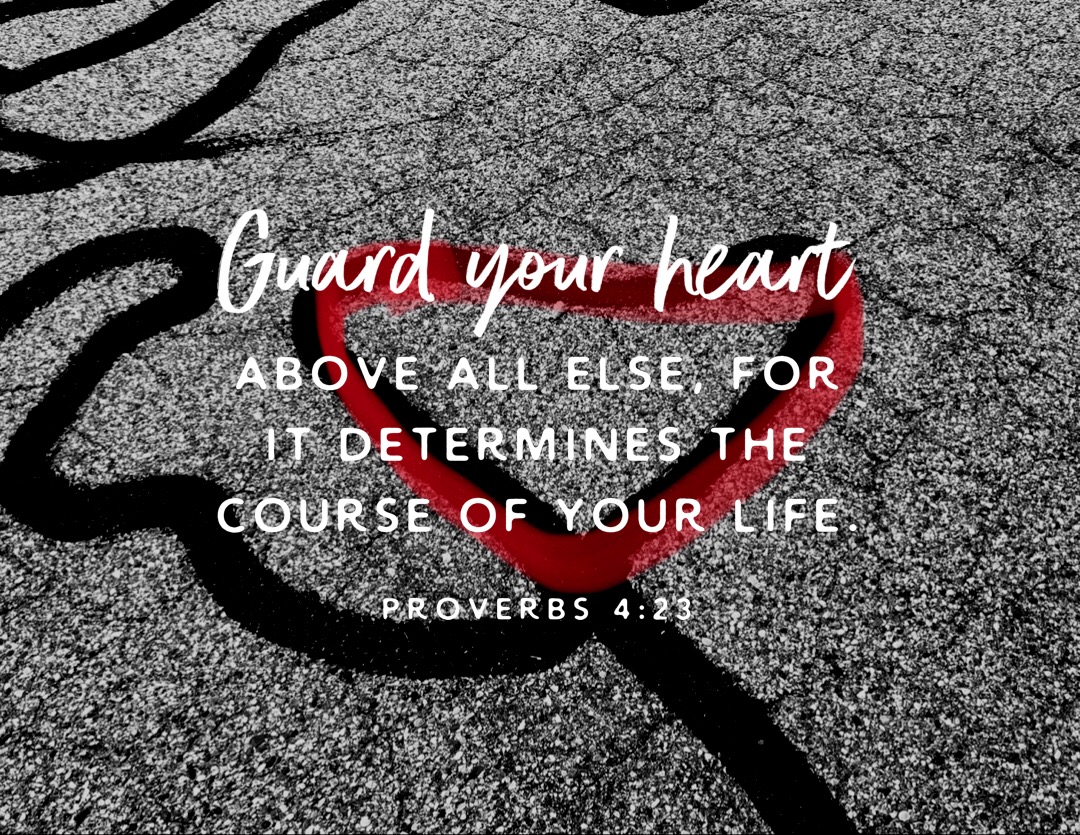
Let me repeat this principle: The heart is the heart of the matter! This is why Solomon told us in an earlier chapter, “Guard your heart above all else, for it determines the course of your life” (Proverbs 4:23). 

But a wise person, who allows the Holy Spirit to correct sinful thoughts, can see a different outcome. With the Spirit’s help, it could look like this:

  • …it begins in a heart sensitive to the Holy Spirit’s prompting—[4] 
  • …it moves to the actions of the hands and feet—[3] and [5] 
  • …it is demonstrated in truthful, loving words—[2] and [6] 
  • …it promotes the humility that unites a community—[1] and [7]

Let’s make this our prayer: Holy Spirit, help me to guard my heart today. No compromising, no justifying, but just a quick obedience to Your prompts to repent and soften my heart. 

Let it start in your heart and just watch what happens. The heart IS the heart of the matter! 

►► Would you please prayerfully consider supporting this ministry? ◀︎◀︎

Ongoing

Listen to the podcast of this post by clicking on the player below, and you can also subscribe on AppleSpotify, or Audible. 

My son, do not forget my teaching, but keep my commands in your heart (Proverbs 3:1). 

A better translation of this verse would be like this: My son, keep on not forgetting my teaching, but keep on keeping my commands in your heart. 

Or, as Jesus said it, “My Father is always working, and so am I” (John 5:17). 

Always workING. 

It’s a continuous action. We don’t make a one-time commitment and then coast through the rest of our life. To help us with this, in the third chapter of Proverbs, Solomon shows us God’s blessings on an “ING” lifestyle. That is, the blessings on the right kinds of “ING.” 

If I am keepING God’s commands, He is prolongING my life and bringING me peace (vv. 1, 2). 

If I am bindING love and faithfulness to my heart, I am winnING favor and a good name (vv. 3, 4). 

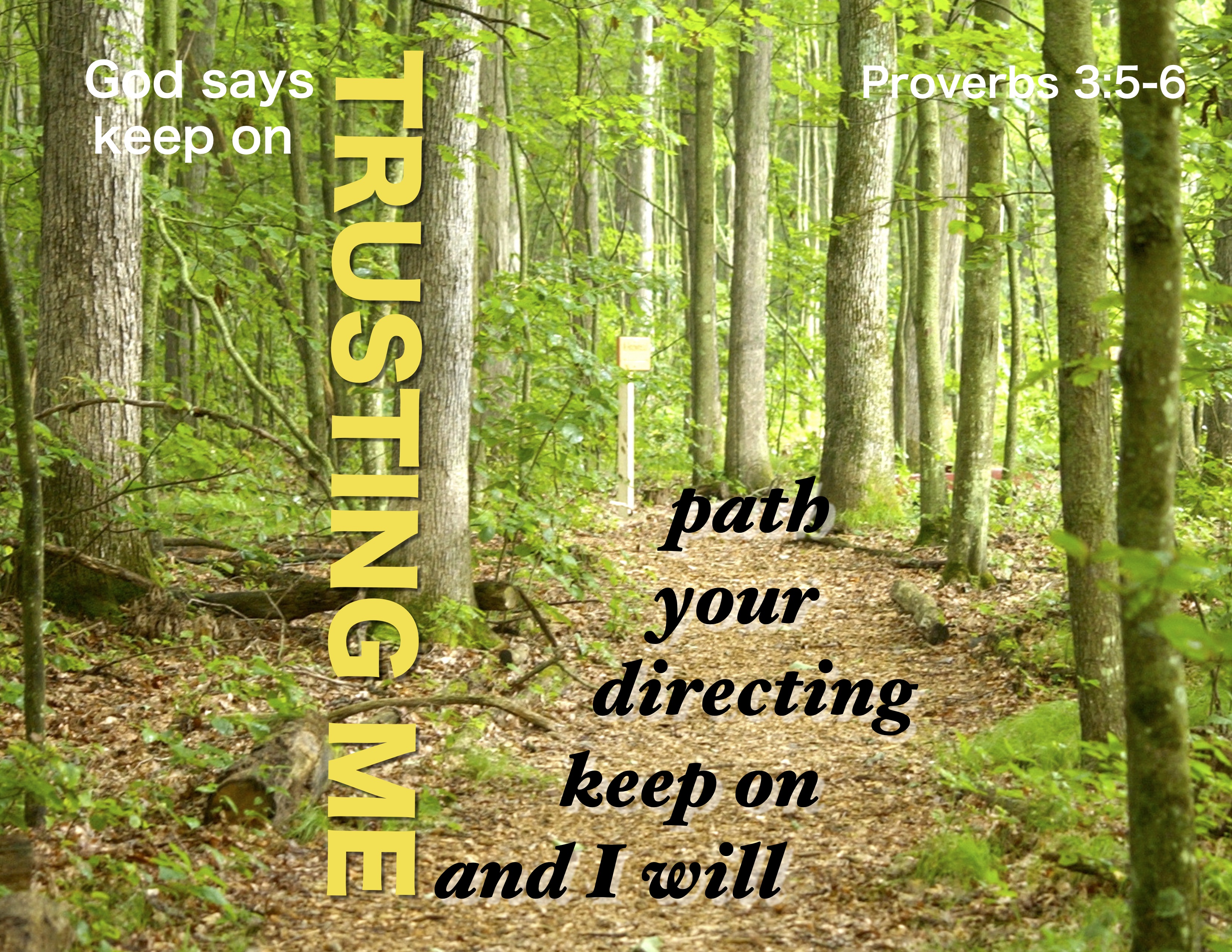
If I am trustING God and leanING on His wisdom, He is directING me onto the best paths (vv. 5, 6). 

If I am fearING God and shunnING evil, He is bringING health to me (vv. 7, 8). 

If I am honorING God with my firstfruits, He is continually fillING me to overflowing (vv. 9, 10). 

If I am not despisING God’s discipline, I am findING wisdom and gainING understanding (vv. 11-18). 

If I am preservING sound judgment and discretion, I am walkING in safety, sleepING sweetly, and experiencING no fear (vv. 19-26). 

If I am not withholdING good from those in need, not plottING harm against others, not accusING nor envyING my neighbor, then God is blessING my home, showING me favor, and making sure I am inheritING honor (vv. 27-35). 

The apostle Paul reminds us, “So let’s not get tired of doING what is good. At just the right time we will reap a harvest of blessing if we don’t give up” (Galatians 6:9). 

When I keep on keepING on, so do God’s blessings! 

►► Would you please prayerfully consider supporting this ministry? ◀︎◀︎
The Best Leadership Manual

Listen to the podcast of this post by clicking on the player below, and you can also subscribe on AppleSpotify, or Audible. 

When the righteous thrive, the people rejoice… (Proverbs 29:2). 

I have read hundreds of leadership books and biographies of history’s most influential leaders. But no book even comes close to the leadership principles I discover on an almost daily basis in my Bible. Without a doubt, my Bible is my go-to leadership Book! 

A great place to start mining leadership principles is the book of Proverbs. Take time to study just one of the 31 chapters each day, and you will be astounded at the leadership insights you will have gleaned by the end of the month. 

Take Proverbs 29 as an example. Reading through this chapter, I’m reminded that:

  • righteous leadership causes people to rejoice 
  • a leader builds stability through consistent justice, but bribes or showing favoritism undermines a leader’s foundation 
  • leaders who speak up for those without a voice of their own will continue to exert influence long after their tenure is over 
  • wise leaders energize people when they share a compelling vision 
  • justice comes through a righteous leader, but ultimate justice come from God

I even read an important warning for leaders who make it their goal to lead righteously: Bloodthirsty men hate a man of integrity and seek to kill the upright (v. 10). 

But even on the heels of that warning I read this assurance to continue to lead righteously: Fear of man will prove to be a snare, but whoever trusts in the Lord is kept safe (v. 25). 

A mark of a godly leader is one who is continually finding new leadership principles in the Bible. 

Try it for yourself and see how applying God’s wisdom will increase your influence as a leader. 

This is part 58 in my series on godly leadership. You can check out all of my posts in this series by clicking here.

►► Would you please prayerfully consider supporting this ministry? ◀︎◀︎

Why We Need Loving Friends

Listen to the podcast of this post by clicking on the player below, and you can also subscribe on AppleSpotify, or Audible. 

Check out this excerpt from chapter 13 of my book Shepherd Leadership: The Metrics That Really Matter

David was the gold standard for every king of Israel who followed him. Numerous times throughout the history of Israel, we will see a note that a certain king either followed God like David, or turned from God unlike David. Yet there exists a wart on David’s portrait: an adultrous affair with the wife of a man in his inner circle, and then subsequent lies and a murder to cover up the affair. “The thing David had done displeased the Lord” (see 2 Samuel 11). 

But I’d like to turn your attention to when this affair occurred: “In the spring, at the time when kings go off to war … David remained in Jerusalem” (2 Samuel 11:1). He was without his usual comrades. The men who knew David best, who could probably sense if something was amiss, weren’t around to warn him. When David tried to find out the identity of the bathing beauty on the roof next door to his palace, an unnamed attendant tried to remind him, “Isn’t that Bathsheba, the wife of Uriah?” but David dismissed him. 

Elijah was arguably the most forceful and fearless prophet in Israel’s history. Not only did he stand up to the evil kings of Israel, but he spoke out against the kings of surrounding nations, too. In answer to Elijah’s prayer, God brought a drought on the land, and again in answer to Elijah’s prayer, God sent rain. Elijah challenged the 450 prophets of the god Baal and the 400 prophets of the goddess Asherah to a duel to the death, which ended up in a decisive victory for Yahweh. Yet, shortly after this massive victory, Elijah was depressed to the point that he wanted to die. 

What led to Elijah’s depression? Something very similar to David’s slide into adultery: He was alone. Elijah ran away from Queen Jezebel’s death threat, left his servant behind, and proceeded all by himself into the desert. It was when he was without a comrade that he prayed to God, “I’ve had enough. Take my life” (see 2 Kings 17–19). 

And what about Peter? He boldly claimed his loyalty to Jesus, even to the point of wielding a sword at the guards who came to arrest his Master. But when Peter was alone, after the other disciples fled, he denied three times that he knew Jesus (Matthew 26:33, 51, 69–75). 

God designed us to be in relationship with others. His statement to Adam in some of the earliest words of the Bible—“It is not good for you to be alone”—are words for us still today. 

In a recent episode of “The Craig And Greg Show,” Greg and I discussed one of our favorite verses in the Bible: Wounds from a friend can be trusted, but an enemy multiplies kisses (Proverbs 27:6). 

If you want to go far, don’t try to go alone. If you want an accountability partner that can keep warts away from your leadership legacy, don’t go alone. If you want to extend your leadership influence, don’t go alone. If you want to honor God’s investment in you, don’t go alone. Get those friends around you who love you enough to speak the truth! 

►► Would you please prayerfully consider supporting this ministry? ◀︎◀︎
Judging Like God

Listen to the podcast of this post by clicking on the player below, and you can also subscribe on AppleSpotify, or Audible.

I may have heard more confusion, bad preaching, and even heresy based on Psalm 82 than almost any other passage! Most of the confusion comes from just verses 1 and 6, but if we read the entire psalm, I think confusions are quickly cleared up.

The biggest point of confusion is the use of the word “gods.” The Hebrew language doesn’t have capital and lowercase letters like we do. So the word God (with or without a capital “G”) is the same Hebrew word—el (singular) or elohiym (plural)—which means mighty One or mighty ones. Humans can be mighty ones, but only Yahweh is the Mighty One. 

Further adding to the confusion for some people is that Yahweh God is sometimes referred to in the plural in Hebrew: elohiym. This is understandable because we believe God is Three-in-One. Not three gods, but one God in three Persons. 

Bible translators have to use context clues to determine whether the biblical authors are referring to Yahweh or a pretend deity. Thankfully, English Bible translators have helped us out:

  • when the Hebrew word is Yahweh, most Bibles print it LORD 
  • when the Mighty One is implied in the text it’s God (with a capital “G”), and when it’s just a mighty person it’s typed god/gods (with lowercase a “g”). 
  • the NIV translators really helped us in Psalm 82 by designating the false deities in quotation marks (“gods”), almost as if they’re saying “the so-called gods.” 

When we were looking at the Selah in Psalm 81, I pointed out the importance of remembering that context is king. Clearly, from the context in Psalm 82, these are false gods (lowercase “g” and inside quotation marks).  

Asaph only speaks in the first and last verses of this psalm, but notice his commentary that “God presides…He gives judgment.” As in, God gets the final and decisive word. In fact, God does the most speaking in this psalm (in verses 2-7). God indicts wicked people for…

  • defending the unjust 
  • showing partiality to the wicked 
  • knowing nothing, understanding  nothing, walking around in darkness 
  • and notes “you will die like mere men” 

Now notice what the Selah pause connects. This is a pause for us to contrast two things: the righteous way and the wicked way. Or maybe we could say the contrast is between the way of the righteous Mighty One and His followers, and the way of wicked mighty ones. 

The Selah really begs an important question, “How long will your pride keep you doing these wicked things?” Notice what God calls on people to do in opposition to what the wicked are doing:

  • the wicked defend the unjust vs. the righteous are to defend the weak and fatherless 
  • the wicked show partiality to the wicked vs. the righteous maintain the rights of the poor and oppressed 
  • the wicked are concerned only about themselves vs. the righteous rescue the weak and needy from the hand of the wicked 

The Selah is intended to prompt us to ask ourselves: “Which are we? What am I doing or not doing?” 

The word for rendering a judgment is used four times in Psalm 82: 

  • God gives judgment on the activities of the “gods” 
  • the wicked defend the unjust, meaning that they condone their unjust activities 
  • the righteous defend the weak, meaning they speak up for those being oppressed by the “gods”
  • finally, Asaph declares in verse 8 that God renders the final and decisive judgement 

God wants us to exercise His righteous judgment on the earth. We have to Selah to examine ourselves first (see Matthew 7:1-5 and this short video), but then we need to act boldly and righteously (see Micah 6:8; Leviticus 5:1; Proverbs 31:8-9). 

We can judge like we are “gods,” or we can judge, defend, and speak up like ambassadors of the Mighty One—the Ultimate Judge.

Wicked people are punished for judging like “gods.” Righteous people are rewarded for judging like God. 

If you’ve missed any of the messages in our series exploring the Selahs in the Psalms, you can access the full list by clicking here. 

►► Would you please prayerfully consider supporting this ministry? ◀︎◀︎