Mighty Deliverer

Listen to the podcast of this post by clicking on the player below, and you can also subscribe on AppleSpotify, or Audible. 

The world can marshal its weapons of war. They may gain a temporary victory. They may build strongholds, and cast spells, and appear to be the unquestioned ruler. But God always gets the final word, the decisive word, and the best word! 

Don’t despair in the middle of the Story! All of History is His Story. No matter how dark it seems, we are assured of God’s victorious outcome! 

Bethlehem is our proof:

  • 700 years before it happened, Bethlehem is named as the birthplace of Jesus (Micah 5:2; Luke 2:1-7) 
  • 700 years before Jesus was born in Bethlehem, His titles were given and then fulfilled in the way that Jesus lived (see for example Isaiah 9:6 and Hebrews 13:20) 

Sometimes God has to let the darkness fall so heavy so that it seems hopeless. In fact, in human power alone it is hopeless and impossible. So God foretells His victory—

“Listen to this, you descendants of Jacob, you who are called by the name of Israel and come from the line of Judah, you who take oaths in the name of the Lord and invoke the God of Israel—but not in truth or righteousness—you who call yourselves citizens of the holy city and claim to rely on the God of Israel—the Lord Almighty is His name: I foretold the former things long ago, My mouth announced them and I made them known; then suddenly I acted, and they came to pass. … Therefore I told you these things long ago; before they happened I announced them to you so that you could not say, ‘My images brought them about; my wooden image and metal god ordained them.’” (Isaiah 48:1-5) 

We have seen how Micah prophesied our Messiah coming as the Great Shepherd and as the Prince of Peace, but He also comes as our Mighty Deliverer (Micah 5:1-6). He comes at an incredibly dark time that is described like this: “He will rescue us from the Assyrians when they pour over the borders to invade our land” (Micah 5:6 NLT). 

Darkness may appear to have a stranglehold even now in our time. One of the verses in the New Testament that pretty accurately sums up a Christ-less culture says, “The god of this world has blinded the unbelievers’ minds that they should not discern the truth, preventing them from seeing the illuminating light of the Gospel of the glory of Christ” (2 Corinthians 4:4 AMP) . 

But this is only temporary darkness. When the mob came to arrest Jesus, He said, “This is your hour—when darkness reigns” (Luke 22:53). Darkness only gets an hour, but the Light of God shines for all of eternity! 

One of my favorite Advent texts is found in Hebrews 2:14-15:

Since the children have flesh and blood, [Jesus] too shared in their humanity so that by His death He might destroy him who holds the power of death—that is, the devil—and free those who all their lives were held in slavery by their fear of death. 

Our Mighty Deliverer came to destroy satan’s power and free those held hopelessly in darkness. The word “destroy” is a powerful, all-encompassing word. Imagine a tyrannical ruler who sent one of his strongest police officers with an arrest warrant, who then grabbed onto you and subdued you with his vice-like grip. 

Only someone stronger than that officer can release you from that grip. That’s what Jesus did when He destroyed satan’s ironclad grip on your soul. Paul asks mockingly, “Where, O death, is your victory? Where, O death, is your sting? The sting of death is sin, and the power of sin is the law. But thanks be to God! He gives us the victory through our Lord Jesus Christ!” (1 Corinthians 15:55-57)

Now you may be free of the grip of that officer, but the arrest warrant still remains—you are still subject to the penalty. But that word “destroy” also means that the charges against you have been set aside so that there is no penalty outstanding against you. The apostle Paul again addressed this when he wrote, “For we know that our old self was crucified with [Jesus] so that the body ruled by sin might be done away with, that we should no longer be slaves to sin. … Who will bring any charge against those whom God has chosen? It is God who justifies” (Romans 6:6, 8:33). 

You are now set completely and irrevocably free! “But it has now been revealed through the appearing of our Savior, Christ Jesus, who has destroyed death and has brought life and immortality to light through the gospel” (2 Timothy 1:10). 

The Messiah—our Mighty Deliverer—destroys darkness and delivers those who believe in Him! 

No matter how hopeless it may seem, the Mighty Deliverer always prevails! Jesus has destroyed every enemy that has opposed God’s people! Jesus our Champion shines a light so brightly that nothing in satan’s arsenal can ever diminish it. 

The Light shines in the darkness, and the darkness can never extinguish it (John 1:5 NLT). 

So allow me to repeat: Don’t despair in the middle of the Story! All of History is His Story. No matter how dark it seems, Bethlehem is our proof that Jesus has destroyed our enemy and removed from him all grounds for charging us with sin. Bethlehem is our proof that we can live assured of God’s victorious outcome! 

What a great Christmas gift that truly is! 

If you’ve missed any of the messages in this Advent series, you can find a list of all of those messages by clicking here. 

►► Would you please prayerfully consider supporting this ministry? My Patreon supporters get behind-the-scenes access to exclusive materials. ◀︎◀︎
The Prince Of Peace

Listen to the podcast of this post by clicking on the player below, and you can also subscribe on AppleSpotify, or Audible. 

Last week we saw the dark times in which Micah lived as he prophesied the advent of the Messiah. Israel was both surrounded by enemies as well as lots of practices within their borders that were heartbreaking to God. Many times, our lives can feel the same way: enemies of God all around us and our own turmoil and doubts inside our hearts and minds.      

In this dark, hopeless time, the Messiah came as our Great Shepherd. Take a look at what this Shepherd brings us:

He will stand and shepherd His flock in the strength of the Lord, in the majesty of the name of the Lord His God. And they will live securely, for then His greatness will reach to the ends of the Earth. And He will be their peace. (Micah 5:4-5)

We see this idea of Jesus our Great Shepherd bringing peace to our hearts in the New Testament as well: 

May the God of peace, who through the blood of the eternal covenant brought back from the dead our Lord Jesus, that Great Shepherd of the sheep, equip you with everything good for doing His will, and may He work in us what is pleasing to Him, through Jesus Christ, to Whom be glory for ever and ever. Amen. (Hebrews 13:20-21) 

This peace is also implied in Psalm 23:1 when David wrote, “The Lord is my Shepherd, I shall not be in want.” That phrase “I shall not be in want” really captures the definition of peace. 

The Hebrew word for peace is shalom. An easy-to-remember definition of shalom is “nothing lost, nothing missing.” Our Great Shepherd makes sure nothing is lost or missing that would cause us anxiety or doubt, so we can have total peace—we can have shalom!

Jesus said the devil’s agenda was for everything to be lost or missing—“the thief comes only to steal and kill and destroy”—but our Great Shepherd’s agenda is for there to be nothing lost or missing—“I have come that they may have life, and have it to the full” (John 10:10). 

Isaiah, who was prophesying at the same time as Micah, sounded a similar note:

Therefore the Lord Himself will give you a sign: The virgin will conceive and give birth to a Son, and will call Him Immanuel. … And He will be called Wonderful Counselor, Mighty God, Everlasting Father, Prince of Peace. (Isaiah 7:14, 9:6) 

When this Great Shepherd was born in Bethlehem, the shepherds in the field were the first to hear the good news. Notice what the angels announced: “Glory to God in the highest heaven, and on earth peace to those on whom His favor rests” (Luke 2:14). 

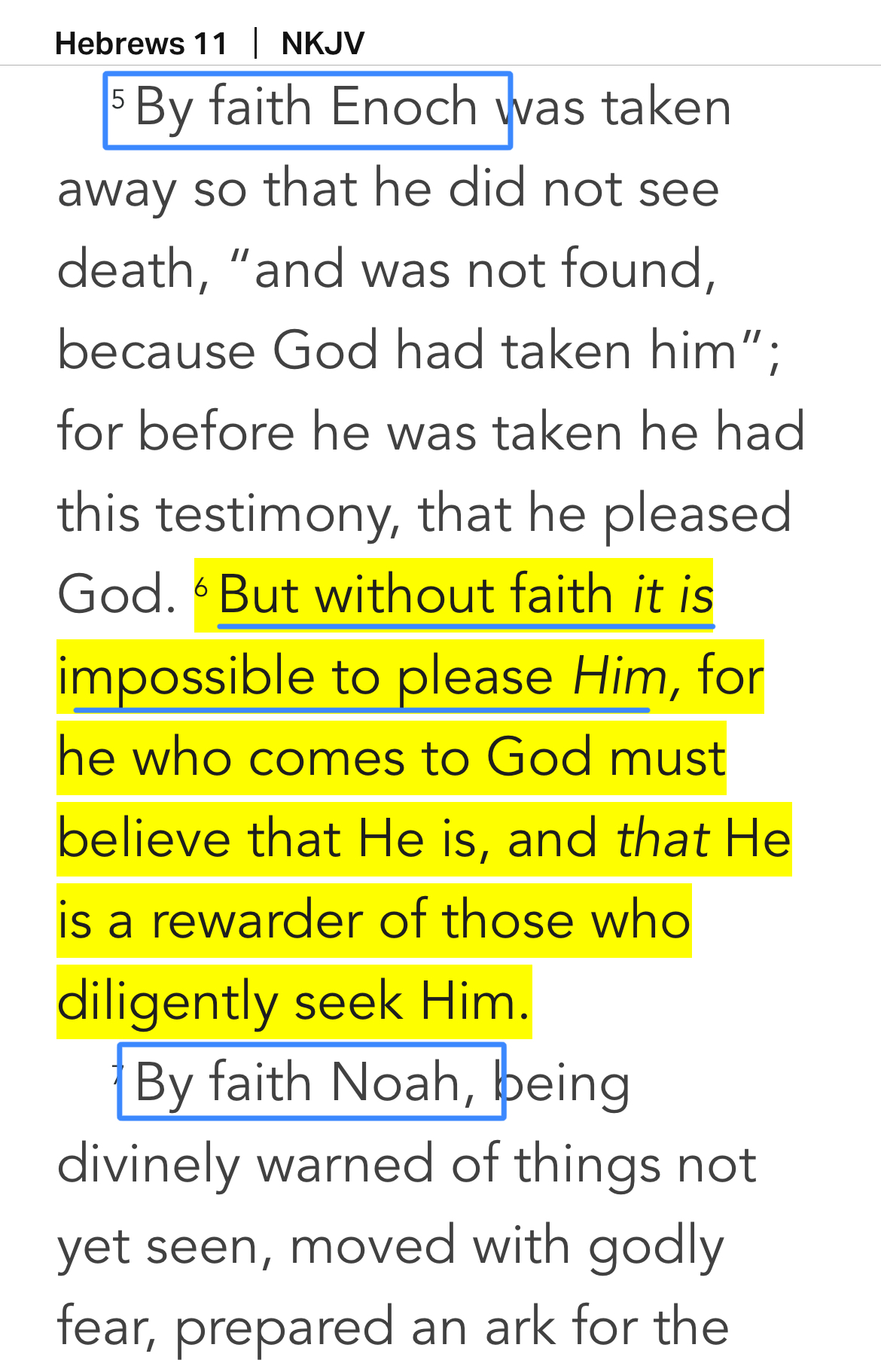
Who has God’s favor? Those with faith in Him: “Without faith it is impossible to please God” (Hebrews 11:6). So those with faith in God have God’s favor. 

Faith in what? In all that Jesus purchased for us by His blood shed on the Cross: “Therefore, since we have been justified through faith, we have peace with God through our Lord Jesus Christ” (Romans 5:1). 

Check this out: The root word of shalom is a word that means, “It is finished.” These are the exact same words our Price of Peace announced from the Cross! Jesus finished the work that brings us peace from the turmoil and anxiety of sin! 

Faith comes from believing that God has made the promise of peace, that God has fulfilled the promise of peace through Jesus, and that God is bringing us to His eternal peace. So now our lives of peace in a world of turmoil can serve as a testimony to others. 

Jesus called His followers to be peacemakers (Matthew 5:9) but we cannot do this while we are experiencing anxiety or doubts. To be peacemakers we must be full of peace because of our relationship with the Prince of Peace, who has ensured that nothing is lost and nothing is missing! 

If you feel anxious, remember that Bethlehem is your proof that the Prince of Peace has come to remove doubts, anxiety, fear, and inner turmoil. Let every pang of anxiety be immediately a call to run to the Prince of Peace. He has paid an incalculable price to purchase your peace, so don’t leave this gift unopened and unused. A dark, anxious world is looking for peace. Know the author of shalom so that you can introduce others to this Prince of Peace. 

If you’ve missed any of the message in this series, please check them out by clicking here. 

►► Would you please prayerfully consider supporting this ministry? My Patreon supporters get behind-the-scenes access to exclusive materials. ◀︎◀︎

The Great Shepherd

Listen to the podcast of this post by clicking on the player below, and you can also subscribe on AppleSpotify, or Audible. 

God delights to show up when the situation seems hopeless from any human standpoint. When He does what no one else can do, He alone is glorified!

A very notable dark time took place in Israel about 700 BC as the nation was surrounded by enemies. Micah prophesied the arrival of the Messiah. But he also prophesied that before He came, there would be dark days. He talks about the siege of enemies surrounding them, Israel’s ruler being stuck on the cheek with a rod, not to mention the strongholds, witchcraft, and idolatry that plagued the nation within its own borders (Micah 5:1, 11-13). 

But whenever it seems darkest, God is not the least diminished! He always gets the final word, the decisive word, the best word. 

So into this inky darkness, Micah prophesies a ray of light—“But you, Bethlehem Ephrathah, though you are small among the clans of Judah, out of you will come for Me One who will be Ruler over Israel, whose origins are from of old, from ancient times” (Micah 5:2). 

I’m sure many people thought that Bethlehem was too small of a village for anyone of significance to be born there.

The Last Battle is the final book in C.S. Lewis’ Narnia series. This story also portrays a similar dark time. Shift the ape has convinced Puzzle the donkey to wear an ill-fitting lion skin to pretend to be the great king Aslan. Through tricks, sleight of hand, deception, and the plans of some evil schemers, many of the Narnians come to believe that Puzzle is Aslan. But it’s confusing because this “Aslan” is not the kind, strong king they believed in, so many begin to just look out for themselves. 

In a fitting setting, Puzzle is being hidden inside an old stable. A great battle takes place with the true Narnians ending up inside the stable, and yet once inside they discover not a dark stable, but a sunlit land spreading farther than their eyes can see. Lord Digory observes, “Its inside is bigger than its outside.”  

But I love this line from Queen Lucy, “In our world too a stable once had something inside it that was bigger than our whole world.” 

Inside that Bethlehem stable was born the Great Shepherd! Who was inside that stable and what He would accomplish became so much grander and more beautiful than any human had ever imagined! 

Jesus is our Great Shepherd—He will stand and shepherd His flock in the strength of the Lord, in the majesty of the name of the Lord His God. And they will live securely, for then His greatness will reach to the ends of the earth (Micah 5:4). 

Jesus is strong, majestic, and great (John 10:10-15). 

Jesus equips us to be victorious (Hebrews 13:20-21). 

Jesus walks with us every step of the way (Psalm 23:1-6). 

And Jesus takes us Home to be with Him forever (1 Peter 5:4). 

(Check out all of these passages by clicking here.) 

Our faith is not rooted in some mysterious thing with an uncertain history. It is a faith rooted in real historical events. The Great Shepherd being born in the town that was prophesied 700 years beforehand is one more proof that God is in control, that God loves you, and that God always gets the final word, the decisive word, the best word! 

If you’ve missed any of the messages in our Advent series Bethlehem Is Proof, you find the full list by clicking here. 

►► Would you please prayerfully consider supporting this ministry? My Patreon supporters get behind-the-scenes access to exclusive materials. ◀︎◀︎

How I Learned To Stop Sabotaging My Sabbath

Listen to the podcast of this post by clicking on the player below, and you can also subscribe on AppleSpotify, or Audible. 

We all know that it’s impossible for a leader to be “on” 24 hours a day, seven days per week. Yet many leaders continue to operate as though they are supposed to be “on” all the time. The Bible not only calls for us to take a Sabbath rest, but it is something that God Himself demonstrated for us. 

I enjoyed my time on the Thriving In Ministry podcast with Kyle Willis while his podcast partner Dace Clifton was on sabbatical. Kyle and I didn’t plan this, but he mentioned a passage from Hebrews 4 that the Holy Spirit used years ago to get my attention. 

I would make my plans for a day off, or even a break in the middle of a busy day, only to find myself allowing work to consume that time. I was sabotaging my sabbath time until I saw three life-changing words in Hebrews 4:10. 

It is a very humbling thing to recognize that it is “my own work” that is sabotaging my sabbath rest. God is aware of my need for sabbathing, but I have to submit my plans to His plan. As I mentioned in this interview, and in a previous blog post, writing “ITLW” at the top of my daily To Do list has helped me immensely. It is a reminder to me that God knows what I need to be doing, with whom I need to be speaking, and what ministry needs to be accomplished each day far, far better than I ever could. I must listen to the Holy Spirit and submit “my own work” to God’s will. 

I talk about some other strategies that helped me in this area in my book Shepherd Leadership. It is a part of a 5-chapter section where I discuss how leaders can achieve wholly healthiness—mental, physical, spiritual, and relational health. I hope you will pick up a copy for yourself.

I’ll be sharing more clips from this Thriving In Ministry interview soon, so please stay tuned. Shepherd Leadership: The Metrics That Really Matter is available in print or ebook, and in audiobook through either Audible or Apple. 

►► Would you please prayerfully consider supporting this ministry? My Patreon supporters get behind-the-scenes access to exclusive materials. ◀︎◀︎

More Than Worth The Wait

Listen to the podcast of this post by clicking on the player below, and you can also subscribe on AppleSpotify, or Audible. 

Our cravings are implanted by God and are fulfilled solely in our relationship with Him. Sometimes the journey seems long. If you have been in the car with kids, you know they are infamous for asking, “Are we there yet?” just a couple of minutes into the trip. We adults aren’t much better. Perhaps we have a little more patience but if we’re honest we may find ourselves asking, “How long is this going to take? It seems like it’s soooo long!”  

We’ve discussed that a maturing attitude shift for us is exchanging “have to” for “get to.” This is when we begin to understand that something good—something far better than what we have now—is coming. This is the starting point to help us to wait well, to not get frustrated and bail out. 

Jesus did this: “For the joy set before Him He endured the Cross” (Hebrews 12:2). He could see what was coming so He wouldn’t accept any lesser substitutes. But that same verse also calls us to be “looking away from all that will distract to Jesus” (Hebrews 12:2 AMP). 

This attitude exchange helps us in three ways: 

  1. Maturing self-control 
  2. Understanding the rewards of delayed gratification 
  3. Having a joyful expectation of both what’s coming and what’s happening now 

Self-control, delayed gratification, and joyful expectation are also the key components of a satisfying relationship. These then allow me to make another important exchange: “don’t” for “won’t.” 

For example, in my relationship with my wife Betsy, no one has to tell me, “Don’t speak to her unkindly.” I won’t speak to her unkindly because that would damage our relationship. No one has to tell me, “Don’t flirt with other women.” I won’t do that because I know that would jeopardize our relationship, perhaps causing me to look elsewhere to satisfy my craving for a meaningful relationship. 

In the book called Song of Solomon, the word “lovely” is used frequently between lovers who only have eyes for each other. Paul uses this keyword when he talks about us only having our eyes, and heart, and mind on Jesus—“Whatever is true, whatever is noble, whatever is right, whatever is pure, whatever is lovely, whatever is admirable—if anything is excellent or praiseworthy—think about such things” (Philippians 4:8). 

David, who is described as a man after God’s own heart, wrote several psalms expressing his longing to be in God’s presence both now and for all eternity. Especially in Psalm 16 and Psalm 37, David shows us the don’t-for-won’t exchange (Psalm 16:1-11; 37:1-4). 

Sometimes we will experience some lovely things here on earth, but those are nothing compared to the eternal rewards awaiting us. C.S. Lewis wrote, “Our Father refreshes us on the journey with some pleasant inns, but will not encourage us to mistake them for home.” 

Even if we experience unpleasant things here, the apostle Paul reminds us, “But what of that? For I consider that the sufferings of this present time—this present life—are not worth being compared with the glory that is about to be revealed to us and in us and for us and conferred on us!” (Romans 8:18 AMP). 

The marshmallow test is a famous experiment. Kids were given the choice to eat one marshmallow immediately or be rewarded with a second marshmallow if they waited. Researchers found that those who practiced self-control, delayed gratification, and joyful expectation faired much better later in life. 

So I would encourage you to keep your marshmallow somewhere you will see it often. It will harden, but it will not mold or spoil. Every time you look at it, let it remind you that what’s coming is so much more than anything you could ever find here! Let this reminder help you exchange don’t for won’t as the Holy Spirit helps you keep your eyes only on Jesus. 

If you’ve missed any of the messages in our Craving series, you can find a list of all of those messages by clicking here. 

►► Would you please prayerfully consider supporting this ministry? My Patreon supporters get behind-the-scenes access to exclusive materials. ◀︎◀︎
Thursdays With Spurgeon—Proof Of God’s Love

This is a weekly series with things I’m reading and pondering from Charles Spurgeon. You can read the original seed thought here, or type “Thursdays With Spurgeon” in the search box to read more entries.

Listen to the podcast of this post by clicking on the player below, and you can also subscribe on AppleSpotify, or Audible. 

Proof Of God’s Love

I have written for him the great things of My law, but they were considered a strange thing. (Hosea 8:12) 

     It is no mean proof of His goodness, that He stoops to, rebuke His erring creatures. It is a great argument of His gracious disposition, that He bows His head to notice terrestrial affairs. … He might dwell alone, far, far above this world, up in the seventh heaven, and look down with calm and silent indifference upon all the doings of His creatures. He might do as the heathens supposed their Jove did, sit in perpetual silence, sometimes nodding his awful head to make the Fates move as he pleased. But Jove never thought of the little things of earth, disposing of them as beneath his notice, engrossed within his own being, swallowed up within himself, living alone and retired. … 

     We see from our text that God looks upon man, for He says of Ephraim, ‘I have written for him the great things of My law, but they were considered a strange thing.’ But see how when He observes the sin of man He does not dash him away and spurn him with His foot? He does not shake him by the neck over the gulf of hell until his brain does reel and then drop him forever. But rather, He comes down from heaven to plead with His creatures. He argues with them, He puts Himself, as it were, upon a level with the sinner, states His grievances, and pleads His claim.

From The Bible

In my sermon this last Sunday I was leading my congregation through Psalm 89. I noted that there were two important blessings that Ethan the Ezrahite tells us of: 

  1. The blessing of God’s favor on our obedience 
  2. The blessing of God’s discipline on our disobedience

Yes, the fact that God disciplines us—that He “stoops to rebuke His erring creatures”—is positive proof of His immense, unending love for us. The opposite of love is not hate but apathy. If God didn’t love us, He wouldn’t personally involve Himself in our lives because neither our obedience or disobedience would mean a thing to Him. 

Consider this passage—

In all their affliction He was afflicted,
and the Angel of His Presence saved them;
in His love and in His pity He redeemed them;
and He bore them and carried them
all the days of old.
But they rebelled and grieved His Holy Spirit;
so He turned Himself against them as an enemy,
and He fought against them
. (Isaiah 63:9-10)

In His love, God both carries us in our adversity AND turns to confront us in our waywardness. BOTH of these actions are proof of His love. My friend, wherever you are and whatever you may be facing, be assured of God’s unquenchable love for you!

►► Would you please prayerfully consider supporting this ministry? My Patreon supporters get behind-the-scenes access to exclusive materials. ◀︎◀︎

“Let Us” Be The Church

Listen to the podcast of this post by clicking on the player below, and you can also subscribe on AppleSpotify, or Audible. 

I had a great time on the 200churches podcast with Jeff Keady. 

Jeff asked me what was different for our church during the pandemic shutdowns. I explained to him how our season of change had begun long before anyone was even talking about a coronavirus.

Of course one of the big things in my personal life during the last year was authoring a #1-selling book called Shepherd Leadership: The Metrics That Really Matter. As I commented to Jeff, those “let us” phrases in the Book of Hebrews so struck me that I wrote about it in my book. 

     Have you noticed that the word “saints” in the New Testament is always in the plural, never the singular? That’s because we need each other to bring out the saintly qualities in each other. This is why the writer of Hebrews stresses the camaraderie of “let us” so many times (Hebrews 10:22–25). I’ve found that many shepherd leaders tend to isolate. They are so involved in their own pasture of ministry that they seldom make the time to interact with other shepherds. In fact, isolation is one of the devil’s favorite tactics. I encourage you to find friends—fellow saints—who are also committed to healthy spiritual growth and avail yourself of their friendship and insight. —an excerpt from the chapter ‘Four Elements to Optimal Spiritual Health’ 

“Let us” be the church wherever God places us and however He chooses to use us. 

I’ll be sharing more clips from this 200churches interview soon, so please stay tuned. Shepherd Leadership: The Metrics That Really Matter is available in print or ebook, and in audiobook through either Audible or Apple. 

►► Would you please prayerfully consider supporting this ministry? My Patreon supporters get behind-the-scenes access to exclusive materials. ◀︎◀︎
The Reality Of Temporary Darkness…

Listen to the podcast of this post by clicking on the player below, and you can also subscribe on AppleSpotify, or Audible.

A father came home from work and noticed a note addressed to him taped to his teenage son’s door:

Dear Dad, 

Jason and I borrowed Mom’s car to go to Taco Bell. I know I didn’t have permission, but I thought we’d be back before you and Mom got home. Unfortunately, I hit a pothole and blew out the front right tire. 

We jacked up the car to put on a spare tire, but the jack slipped and the car rolled backward into the ditch. 

Bill came with his pickup to pull us out, but the tow strap pulled off the front bumper and the car rolled further down the hill and sunk in the pond. 

I bought a bus ticket to get out of town and go enlist in the Army. Give Mom a hug and I’ll see you both in about 2 years. 

Love, your son

P.S. None of the above is true. Mom took her car to Aunt Jan’s house and I rode my bike to Jason’s house. However, I hope the fact that none of these bad things actually happened will help you put in perspective the D+ on my report card. 

We like to manage expectations, don’t we? We frequently deliver bad news with the good news close by. 

Psalms 88 and 89 are written by brothers: both of them are called Ezrahite, and both of them were worship leaders in the tabernacle. And until Solomon, these guys were considered the wisest in the land (1 Chronicles 2:6; 15:19; 1 Kings 4:29-34). 

I believe these two psalms form a couplet. They make up the last two psalms of Book III in the Psalter, with Psalm 89 ending with, “Amen and Amen.” Both of them label their psalms a maskil which means “a poem of contemplation” (NKJV). And look how Psalm 88 leaves us in the dark, while Psalm 89 shines a light in the dark.

In Psalm 88, Heman soberly prepares us for his two-Selah psalm in his introductory remarks. He uses a phase mahalath leannoth which means someone who is so physically weak from emotional grief that they are now battling depression. The NLT calls it “the suffering of affliction.”  

Heman is describing a reality: We will all experience pain in this life. Maybe even for our entire earthly life—from my youth I have been afflicted and close to death (v. 15). Heman’s reality is seen in his words in the first five verses of this psalm. 

His first Selah is breathtaking because he wants us to pause to realize that God has allowed all of this (notice the pronoun You in vv. 6-8, 16-18). But still, Heman knows God saves because he has made a decision to continue to praise Him even in the dark times (vv. 1-2, 9, 13).  

Heman’s second Selah comes in the middle of a series of five questions (vv. 10-14) that sound a lot like both questions Jesus asked in Gethsemane and from the Cross, and the reality of the temporary darkness He was facing (Psalm 22:1-2; Luke 22:53; John 19:11). 

Even the way Heman closes his psalm foreshadows the darkness surrounding the death of Jesus: “My God, My God, why have You forsaken Me? 

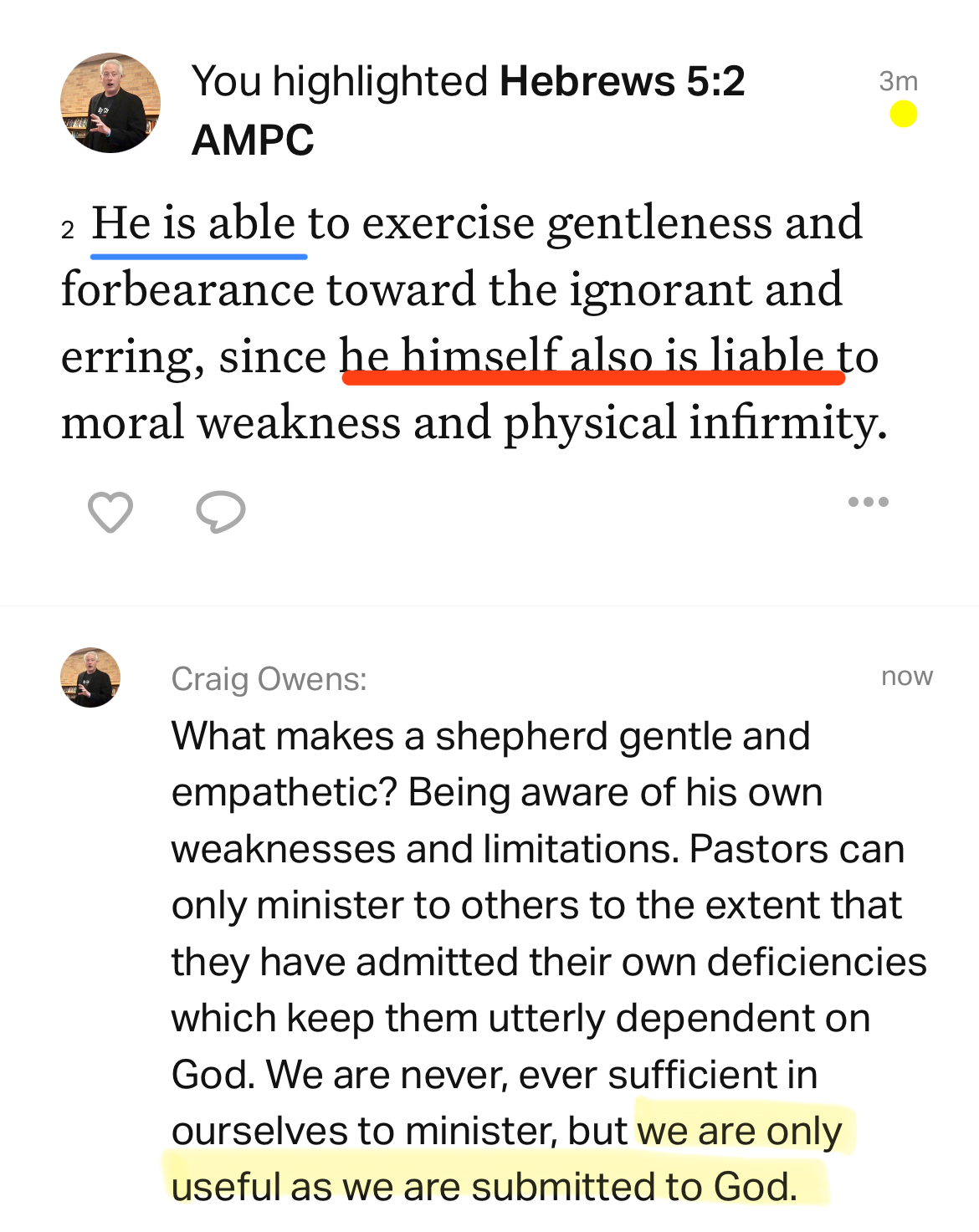
Jesus tasted all of this darkness for us so that He could be our perfect and empathetic High Priest (Hebrews 5:7, 4:15-16). 

Psalm 88 shows us the reality of temporary darkness (like Good Friday), but Psalm 89 points us to the certainty of eternal light (like Resurrection Sunday)! 

So when you are battling your dark times, let me give you these assurances: 

  1. This darkness is only temporary (Romans 8:18) 
  2. Jesus walks with us in our dark times (Romans 8:26-39)
  3. The darkness cannot prevail—Jesus tasted all of this temporary darkness for us so that He could be our eternal High Priest!

If you’ve missed any of the messages in our Selah series, you can check them out by clicking here. Please join me on Sunday when we will look at Ethan’s words in Psalm 89 about the certainty of the eternal light. 

►► Would you please prayerfully consider supporting this ministry? My Patreon supporters get behind-the-scenes access to exclusive materials. ◀︎◀︎
The Gift At Work In Us

Listen to the podcast of this post by clicking on the player below, and you can also subscribe on AppleSpotify, or Audible. 

Last week I said, “You are God’s gift to the world IF you are revealing God’s Gift to the world in everything you say and do.” 

That “IF” is a big one. 

I’ll be the first one to admit that I struggle with consistency in this! But before we all get frustrated, throw up our hands and say, “This is so hard! Why even try?” I’ve got a word of encouragement for you: God’s Gift in us is both perfect and being perfected. 

In order to explain this, I need to go back in time. In fact, I need to go all the way back to when Time began. The opening words of the Bible are, “In the beginning God created the heavens and the earth” (Genesis 1:1). God the Father, the Nicene Creed says, is “the Maker of heaven and earth.” 

But God the Son is involved in Creation, as is God the Holy Spirit (John 1:1-3; Genesis 1:2). Again, the Nicene Creed quotes John 1 about Jesus, “Through Him all things were made,” and the Creed also says the Holy Spirit is “the Giver of life.” 

So the Father created everything through His Word and by His Spirit. 

All of the Godhead is also involved in our salvation too. The Father loved us and gave us His Son. Jesus paid the price for our atonement and justified us with the Father. And the Holy Spirit draws us to the Father through the Son as He sanctifies us. 

The reason I said the Gift in us is both perfect and being perfected is because when Jesus said, “It is finished,” nothing was left to be done: it is a perfect Gift, fully paid for. “The law is only a shadow of the good things that are coming—not the realities themselves. For this reason it can never, by the same sacrifices repeated endlessly year after year, make perfect those who draw near to worship. … [But] by one sacrifice He [Jesus] has made perfect forever those who are being made holy” (Hebrews 10:1, 14). 

Do you see those verb tenses? Jesus made our atonement perfect, but we are now being made holy by the Holy Spirit. 

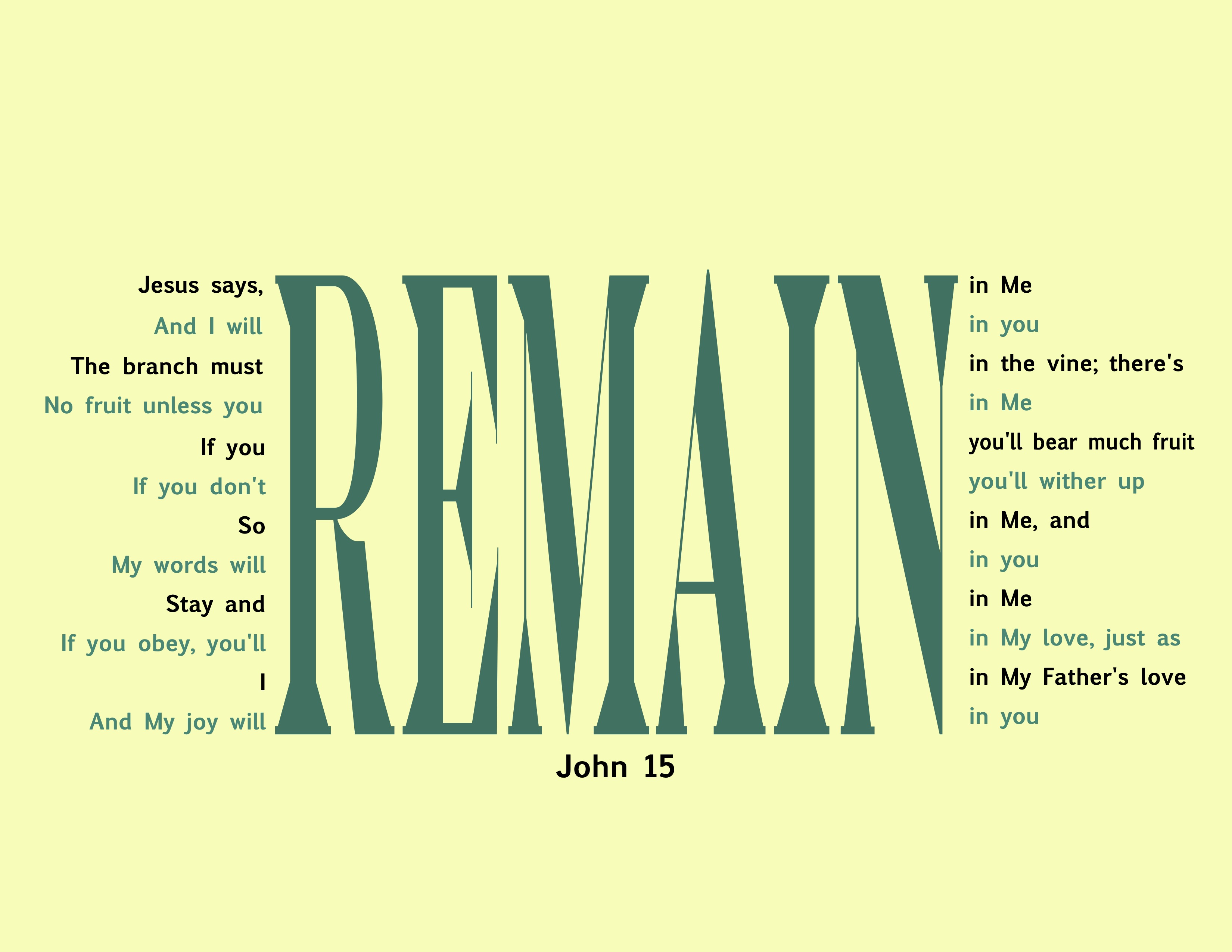
The process of sanctification (or as I like to remember it: “saint-ification”) isn’t a one-and-done work. It’s an ongoing work. The Father wants us to remain IN Jesus and bear fruit, so the Holy Spirit remains IN us to bring out that fruitfulness (see John 14:16-17, 20; John 15:1-7). 

This is often an uncomfortable work. 

When I serve as a coach or a consultant, I tell people up front, “There is going to be a time that you won’t like me very much because I’m going to keep uncovering things that you’ve overlooked. It’s going to get uncomfortable before we see improvement. But if you will stick with me, I promise you that there will be a noticeable improvement on the other side of this uncomfortableness.” 

God disciplines those He loves. He wants His Son’s Gift to be seen by the world, so the Spirit must keep saint-ifying us. He will continue to hover over us, never letting us get complacent, vivifying us so that more and more of Jesus is increasingly seen in our lives. 

It’s going to get uncomfortable before we see improvement! 

So don’t lose heart. Don’t get discouraged. Don’t beat yourself up. Don’t let satan turn the Holy Spirit’s conviction into his condemnation. 

Instead, listen to this prayer from the apostle Paul and make it your own prayer—

For this reason we…have not ceased to pray and make special request for you, asking that you may be filled with the full, deep, and clear knowledge of His will in all spiritual wisdom—in comprehensive insight into the ways and purposes of God, and in understanding and discernment of spiritual things. 

That you may walk, live, and conduct yourselves in a manner worthy of the Lord, fully pleasing to Him and desiring to please Him in all things, bearing fruit in every good work and steadily growing and increasing in and by the knowledge of God with fuller, deeper, and clearer insight, acquaintance, and recognition.

We pray that you may be invigorated and strengthened with all power according to the might of His glory, to exercise every kind of endurance and patience, perseverance, and forbearance with joy, giving thanks to the Father, Who has qualified and made us fit to share the portion which is the inheritance of the saints—God’s holy people—in the Light. (Colossians 1:9-12 AMP) 

You are God’s gift to the world IF you are revealing God’s gift to the world in everything you say and do. The Gift in you has already been made perfect, and now the Holy Spirit is going to help you demonstrate this Gift more perfectly. Your fruitfulness is being made holy through His loving work in you. 

If you’ve missed any of the messages in this series Christmas Unwrapped At Easter, you can find a list of all of the messages here. 

►► Would you please prayerfully consider supporting this ministry? My Patreon supporters get behind-the-scenes access to exclusive materials. ◀︎◀︎

Sheepish Shepherds

Listen to the podcast of this post by clicking on the player below, and you can also subscribe on AppleSpotify, or Audible. 

C.S. Lewis said, “Friendship is born at that moment when one person says to another, ‘What! You too? I thought I was the only one!’” Truly there is a special bond when we find someone who “gets” us—someone who not only knows what we’re feeling, but how to help us too. 

Jesus is described as One who went through all of the human suffering we will ever have to go through (Hebrews 2:14, 17-18). So no matter what you’re going through, Jesus “gets” you. He’s been through it and He knows exactly what you’re feeling and what help you need. 

In fact, He’s even given us the Holy Spirit to turn our sighs and groans into a beautiful prayer that the Shepherd of our souls understands. 

This is wonderful news for all of us! But isn’t it also comforting when we have a human companion that “gets” us too? One that will come alongside us through the challenging and painful times to help us? 

In His love for His sheep, Jesus has given us under-shepherds. These are sheep that He has called and equipped to care for His flock. He did this with David—

He chose David His servant and took him from the sheep pens; from tending the sheep He brought him to be the shepherd of His people Jacob, of Israel His inheritance. And David shepherded them with integrity of heart; with skillful hands he led them. (Psalm 78:70-72) 

David never forgot that his source of strength was the Chief Shepherd, and he penned a beautiful psalm of praise and reliance on Him (Psalm 23). David also made it a priority to point the sheep under his care to the Chief Shepherd. He prayed:

The Lord is my strength and my shield; my heart trusts in Him, and He helps me. My heart leaps for joy, and with my song I praise Him. The Lord is the strength of His people, a fortress of salvation for His anointed one. Save Your people and bless Your inheritance; be their Shepherd and carry them forever. (Psalm 28:7-9) 

David “got” the needs of the sheep and with skill and integrity he both shepherded them as he was strengthened by the Chief Shepherd, and he entrusted them into the care of the Chief Shepherd. 

In the foreword to my book Shepherd Leadership, Dick Brogden wrote, “God plucked David from the sheepfold. God chose a sheep to be a shepherd. And though we all are stupid sheep, when God plucks us out of obscurity to serve others, we can have the humble confidence for as long as we are asked to lead that God has chosen us. That confidence both faithfully drives us to our knees and fearlessly propels us against our giants.” 

If you have been called by the Chief Shepherd to be an under-shepherd, make sure you remain a sheepish shepherd—one that “gets” his or her sheep. Don’t be distant from the flock, but stay close by them in the pasture so that you can care for them, pray for them, and lead them to the Chief Shepherd. 

I adapted David’s beautiful 23rd Psalm into a prayer that I hope all under-shepherds will use to gain the strength they need for the work to which the Chief Shepherd has called them—

Because You are my Chief Shepherd, I lack nothing that is needed to care for the sheep You have placed under my care. 

Just as You provide food for me in green pastures, and quiet waters for my thirst, I am equipped to feed the hungry and give drink to the thirsty. 

You continually refresh my soul, so I can offer refreshing hospitality to those who have been beat up along life’s journey. 

You guide me along the right paths for Your name’s sake, so I can show others the path into Your presence. 

Even when I walk through the darkest valleys, I never fear because You are with me; You comfort me and provide all that I need so that I can care for the sick, the downhearted, and the weary without ever lapsing into my own pity party. 

You continually prepare a table before me, even when I’m in the midst of enemies. You have anointed my head with oil and caused my cup of blessing to overflow, so I have more than enough to share with others. 

I am secure that Your goodness and Your love will follow me all the days of my life, so I am equipped to lead others to the place where they too will dwell in Your house forever. 

►► Would you please prayerfully consider supporting this ministry? My Patreon supporters get behind-the-scenes access to exclusive materials. ◀︎◀︎