Saturday In The Proverbs—How Does That Taste? (Proverbs 12)

[Each chapter in the Book of Proverbs contains thoughts that fit into a theme; they are not just random thoughts gathered together. In this “Saturday In The Proverbs” series, I will share a theme that I see in each chapter. But the cool thing about God’s Word is that you may see an entirely different theme. That’s great! If you do, I would love for you to share it in the comments below.]

Whoever loves instruction loves knowledge, but he who hates correction is stupid (Proverbs 12:1).

What comes from our lips is either a healthy feast or it is nauseating junk food. But what comes from our lips is based on what we put in—garbage in, garbage out.

The only way to fix this is by gaining godly knowledge and listening to godly correction.

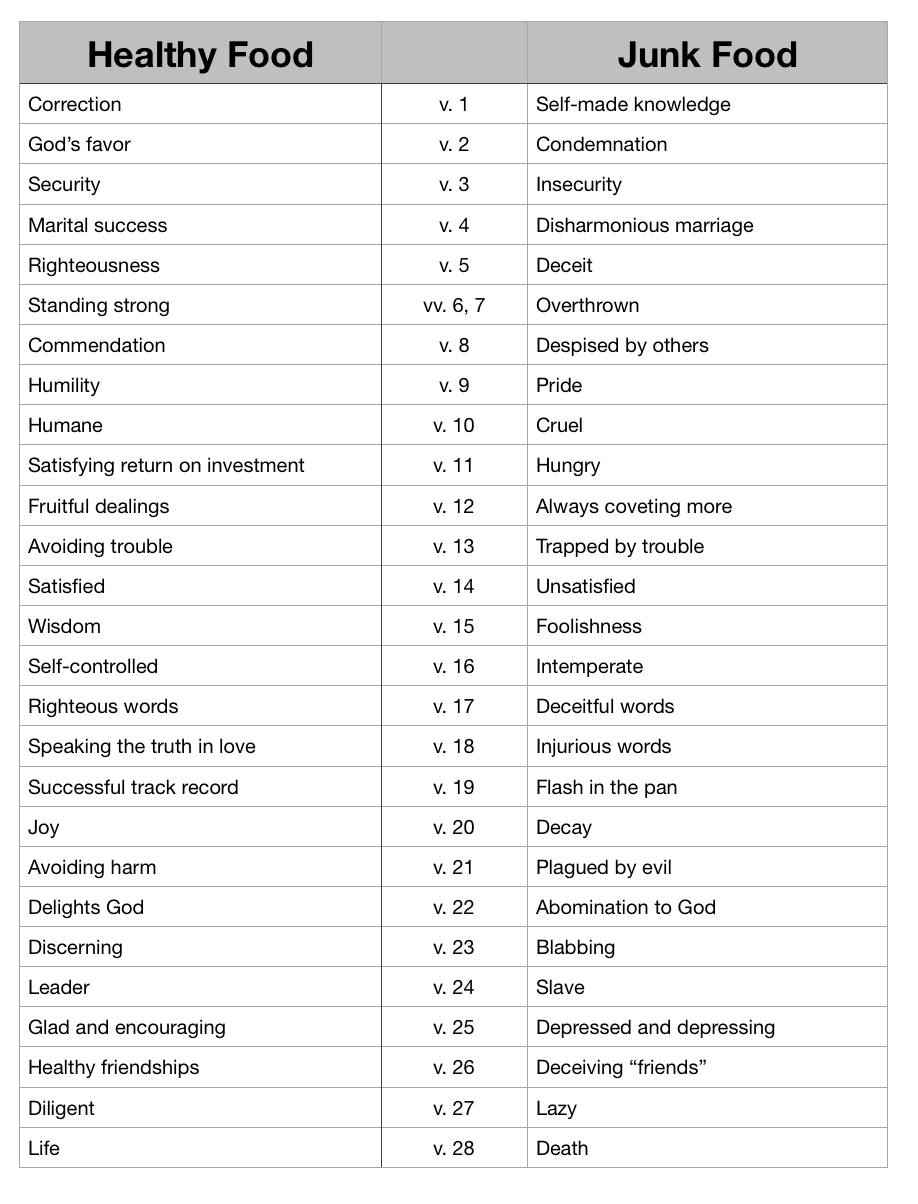
Here is a side-by-side comparison of healthy food and junk food that Solomon lists for us in Proverbs 12:

(click on the image to see a larger view or click here to download a PDF → Proverbs 12 – how does that taste)

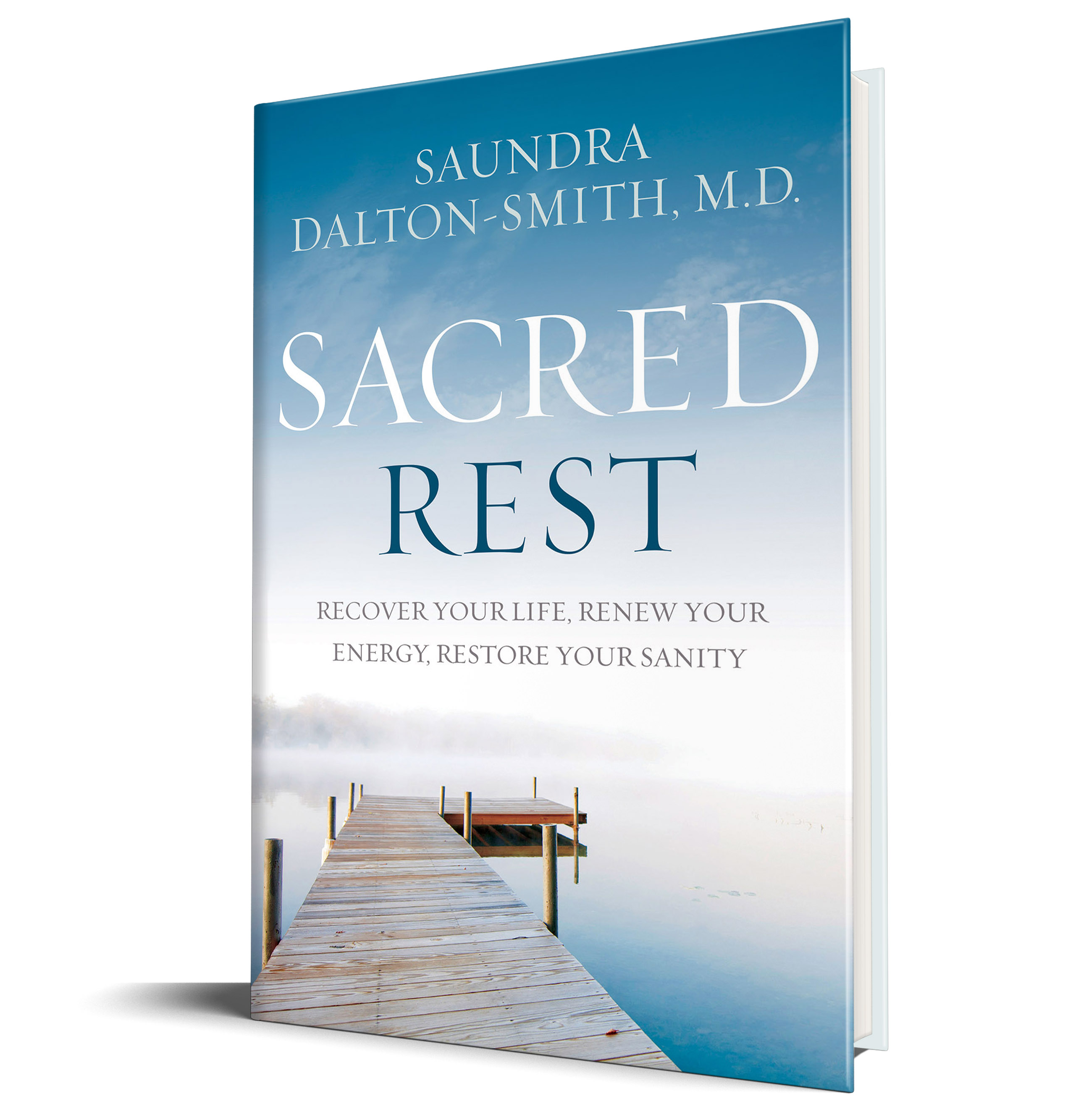
10 Quotes From “Sacred Rest”

Dr. Saundra Dalton-Smith thinks you may be too busy to read her book Sacred Rest, and she was candid enough to admit that she was almost too busy to write it! But rest is absolutely vital to keep our lives on track and productive. Check out my full review of Dr. Dalton-Smith’s book by clicking here.

“When I am resting because my body is weak, I need to remember that I’m not wasting the day doing nothing. I am doing exactly what I need to do. I’m recovering.” —Anonymous 

“There has to be a bridge between good and bad sleep, and that bridge is rest. Sleep is solely a physical activity. Rest, however, penetrates into the spiritual. Rest speaks peace into the daily storms your mind, body, and spirit encounter. Rest is what makes sleep sweet.”

“All rest is not created equal. Much of what we consider rest fails to work because it is not restful. Shifting our activities or changing the location of where we are active is no more restful than doing those same activities at home. The most effective rest occurs when we are purposefully reviving the parts of our life we regularly deplete. Any so-called rest that does not meet this goal isn’t rest; it’s just more work adding to the busyness.”

“As important as it is to rest your body, it’s equally important to quiet your mind from the ongoing influx of information it receives. Much like our social media news feeds, our mental background noise is often infused with negativity. Thoughts about the future are contaminated with anxiety, thoughts about the past are tainted with regret, and thoughts about the present are spoiled with discontentment. The mind is magnificent, but it has its own agenda. Rather than willingly focusing on positive affirming thoughts, the mind prefers to settle upon negative ones that intensify stress, worry, anger, and frustration. It will attempt to occupy your attention with useless information, depleting your time and your energy. Mental rest involves relinquishing the constant stream of thoughts entering your mind quickly and obtaining a sense of cerebral stillness.”

“One should not set about treating the body without the soul. This is exactly why most ailments are beyond the capabilities of Greek healers: they neglect the whole when that is what they should be paying attention to.” —Plato

“Physical pain increases when you are under emotional stress and spiritual distress. Anything you can do to improve emotional pain will also improve how you feel physically.”

“Social rest is when we find comfort in our relationships and social interactions. … Studies show an improved immune system, better cardiovascular health, and less dementia in those who regularly enjoy the companionship of close confidantes.”

“We are not made for rest; rest was made for us. Rest is God’s gift back to His people. His presence is how He connects us to His rest. It is part invitation and part prescription.”

“Excuses are invented reasons we create to defend our behavior. It’s how we rationalize our neglect and how we avoid taking responsibility for our choices. … With excuses, we’ve placed external blame for internal problems and stay in a cycle of unproductivity.”

“A well-rested life is a secret hidden in plain sight. It is a life at one with God, self, and others. It’s a life strengthened by winding down the expectations of others and charging up your expectations for yourself. You become in tune with what you need to be at your best. You become comfortable with your strengths and knowledgeable about your weaknesses. You then use that information to pour into the areas needing strengthening and reinforce areas already strong. You find your sweet spot in living, loving, being, doing, and resting.”

Sacred Rest (book review)

Medical doctor Saundra Dalton-Smith opens her book Sacred Rest with a telling line: “Let’s be honest; we are all just too busy. I am too busy to write this book, and you are probably too busy to read this book.” How true that is! We desperately need quality rest to recuperate from our busy lives, but we’ve fooled ourselves into thinking that rest is a waste of time.

Some people mistakenly think that sleep is rest. But, as Dr. Dalton-Smith quickly points out, that isn’t true. Sleep is required for our good health, but sleep is a natural by-product of rest. Rest isn’t just taking a nap; it goes so much deeper and wider than that.

A good portion of this book is built-around Dr. Dalton-Smith’s acrostic R-E-S-T. She says, “Let me share a little medical secret with you. The most underused, chemical-free, safe, effective, alternative medicine is spelled R-E-S-T: Recognize your risk, Evaluate your current position, Science and research, Today’s application.”

In Sacred Rest, you will learn not only what parts of our lives need rest, but also some highly practical ways to get that rest we so desperately need. This book is not written in medical terminology, but in easy-to-understand principles that anyone can grasp.

Dr. Dalton-Smith shares how she has followed her own prescription for rest, and the difference it has made in her life. Quite simply she says, “What I am promising is that as you begin to understand the role rest plays in your life you will do the following: replace the stress of intense living with the peace of intentional rest, and identify your rest deficit and discover which types of rest you need most.”

Please!—Make time in your busyness to read this book on rest so that you can learn how to be the most you can be without burning yourself out.

I am a Faith Words book reviewer.

The Power Of Laughter

“Laughter increases the number and activity of some white blood cells called ‘T’ and ‘B’ cells, natural killers that fight viral infections and some types of cancer cells. It multiplies the antibody IgA, which fights upper respiratory tract infections. A hearty chuckle builds up gamma interferon, which stimulates the various components of the immune system.

“Laughing speeds up our heart rate, and some have likened this to ‘internal jogging.’ It’s an aerobic activity that works the diaphragm and increases the body’s ability to use oxygen. That’s why after a big laugh you often feel the need to sigh and take a big breath of air. It sure beats thirty minutes on the treadmill.

“As we laughed, our blood pressure temporarily is elevated; however, that is followed by a prolonged, mild decrease in blood pressure. Laughter also lowers various hormone levels—the kind associated with the fight-or-flight response—and makes us feel less stressed, more relaxed. That’s why people say things like ‘I laughed so hard I couldn’t get up’ or ‘I laughed so hard I fell over.’

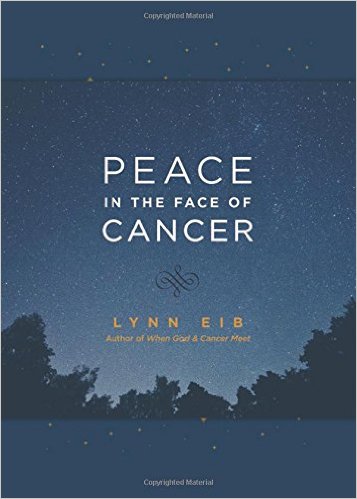
“Science is figuring out that laughter is good for the body, something the Bible told us long ago—Proverbs 15:30; Proverbs 17:22.” —Lynn Eib, in Peace In The Face Of Cancer

To read other quotes from this exceptional book, click here and here.

Are You Healthy Enough To Love Serving Others?

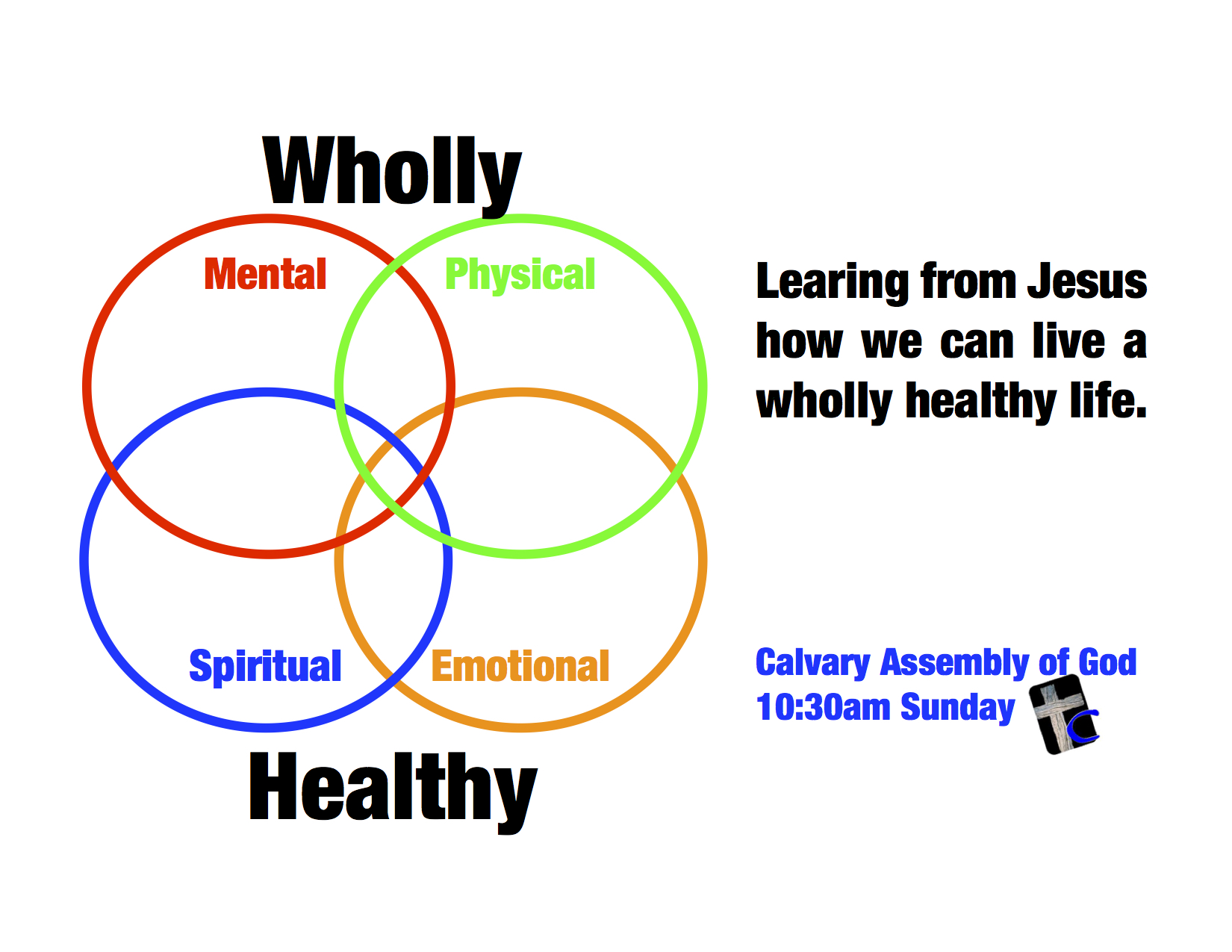
Jesus was wholly healthy. That is to say, He was healthy in every aspect of His life—mentally, physically, spiritually and emotionally (see Luke 2:52). This is important to note because Christians are called to be healthy in all of these same areas.

The phrase Dr. Luke uses about Christ’s growth is a telling one: Jesus grew in favor with men. People liked having Jesus around. The word for favor is from the same root word where we also get grace. So Jesus was a graceful man.

What does it mean when someone is graceful? It means they are pleasant to be around … you feel safe around them, knowing they will never belittle you or put you down … their focus is on your agenda, not their own … they are a “there you are!” person, not a “here I am!” person.

Bottom line: they are filled with love for others.

Jesus was healthy in His mind, His body, His spirit and His emotions, which allowed Him to be in a unique place where He fully knew how powerful He was, yet He chose to use His power not for His own benefit, but to serve others (see John 13:1-4).

Healthy love loves God and then serves God by loving and serving others. Only a wholly healthy person can truly serve with a right attitude…

  • People with unhealthy thoughts won’t serve because they don’t know they’re supposed to serve.
  • People with unhealthy bodies can’t serve because their disease won’t let them.
  • People with unhealthy spirits shouldn’t serve because they are promoting hypocrisy.
  • People with unhealthy emotions don’t serve because their attitude gets in the way.

Jesus not only told us His loving service was an example for us (John 13:15-17), but He went on to say that our loving service would be an example for others (vv. 34-35).

Healthy love loves God and then serves God by loving and serving others.

Do you have that kind of healthy love? Are you becoming wholly healthy enough to serve?

Ask yourself these questions:

  1. What do I know that I’m not yet doing?
  2. What will it take for me to turn knowing into doing?
  3. Can people tell I am growing wholly healthier year by year?

How To Be Wholly Healthy

healthy-growthA man named Luke recorded a couple of amazing things about the life of Jesus. As both a doctor and an historian, Luke was an excellent “noticer.”

In first-century biographies, a person’s early life usually wasn’t mentioned. So it’s not uncommon that two of the four Gospel writers don’t pick up Jesus Christ’s life story until He was about 30 years old. Even Matthew, who did record something about the birth of Jesus, didn’t go into much detail.

Luke, however, notices two important things.

First, in covering the first 12 years of Christ’s life Luke says, “The Child grew and became strong…” (Luke 2:40).

healthy-growth-001The Greek word Luke uses for grew means a continual process of increasing. Sometimes we mistakenly think this means a continual movement on a graph upward and to the right. But I’ll give you one instance where this is not the case—when we record someone’s height, we do so in feet not in years. In other words, we say someone is 6’4” tall, but we don’t say they are 6-years and 4-months fall. We understand there is a limit to that sort of growth.

What Luke is referring to is a different kind of continual increasing. All of us go through four quadrants as we learn:

  • unconscious incompetence—we’re no good in an area but we don’t even know it
  • conscious incompetence—we know that we’re no good in an area
  • conscious competence—we’re good in an area but we still have to think about what we’re doing
  • unconscious competence—we’ve gotten so good in an area that we no longer need to think about it

healthy-growth-003When Luke said Jesus grew, he meant not upward and to the right, but a continual cycle of learning what He didn’t know and increasing His competence in that area. When Luke said Jesus grew and became strong, he was saying that Jesus learned how to apply the lessons He was continually learning.

Second, in covering Christ’s next 18 years Luke says, “Jesus grew (Luke 2:52), but he uses an entirely different word. This Greek word means to be hammered out, as a blacksmith hammers metal into shape. Notice that Jesus is not the One doing the hammering, but He is the One submitting to His Father’s hammering. He is letting God the Father shape Him into what He needs to be.

Luke says that Jesus grew in…

  1. …wisdom—mental health
  2. …stature—physical health
  3. …favor with God—spiritual health
  4. …favor with men—emotional (or social) health

In other words, Jesus was growing in a wholly healthy way. God wants us to be wholly healthy too. He wants us to continually allow Him to point out areas where we are lacking, and then submit to His guidance on how we can improve in those areas.

I’ll be exploring these four areas—mental, physical, spiritual and emotional—over the next few weeks. But in the meantime, why don’t you pray the prayer David prayed and ask God’s Spirit to search out any areas where you are falling short of optimal health. And then submit to God’s work of helping you get wholly healthy in every area of your life.


Wholly Healthy

wholly-healthyHave you ever been tiptoeing through your house in the dark and stubbed your pinky toe? When that happens, is it only your pinky toe that hurts? No! It seems like your whole body gets into the action!

This is a simple way to understand that what affects one part of our life affects all parts of our life. We can’t simply quarantine one part that is having difficulty because that one part will eventually spread its pain everywhere else.

Humans were created as beings with several integrated parts. We have a physical body, we have a mind, we have emotions, and we have a God-breathed soul. If one of these parts becomes diseased, eventually all of the other parts will be affected, unless something is done to bring healing.

If we are dis-eased in any area, our health will be compromised in all areas.

Fortunately for us, Doctor Luke noted something about the health of Jesus during His earthly life. What Luke shows is how God intends for all of us to live—wholly healthy.

Modern medical science and psychology show us what the Bible pointed out long ago: We are integrated beings, and every part needs to be functioning optimally so that our whole being can function optimally.

Join us this Sunday as we begin a new series called Wholly Healthy. You will not only learn the importance of being aware of your health in four key areas, but you will also learn some practical thoughts for maintaining your optimal health.

If you missed any of the messages in this series, check them out here:

#MOWT

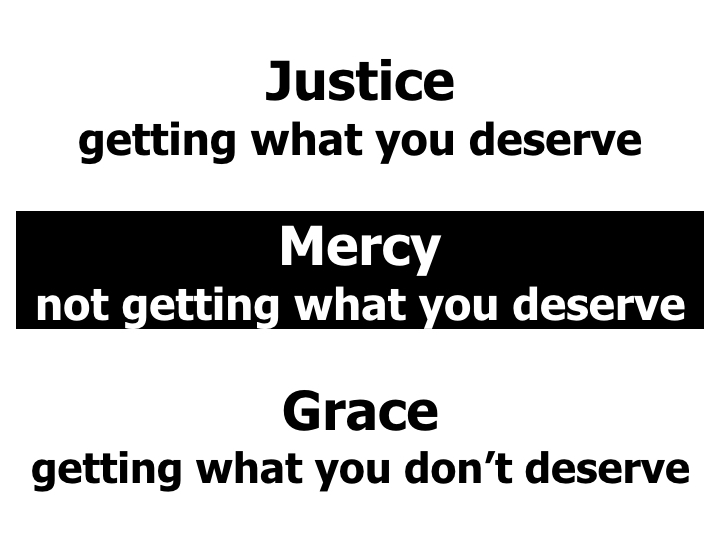
justice-mercy-graceLast week I blogged about justice, mercy, and grace. Justice is getting the penalty we deserve, mercy is not getting the penalty we deserve, and grace is getting blessings we don’t deserve.

If we are truly grace-full people, then we should be thank-full people as well. As we approach Thanksgiving Day, people are naturally thinking about things for which they can give thanks during this past year. But Christians should be the most full-of-thanks people on the planet, because we have been showered with so much grace! 

I’d like us to think about a word that I believe will increase our level of thankfulness: Appreciation. Appreciation goes beyond merely being thankful for blessings, as it sees the high value in those blessings, and then continually looks for ways to express even more gratitude for them. In other words, appreciation can begin a cycle of gratitude that grows and grows and GROWS!

Check out three parts to the definition of appreciation

[1] Gratitude; thankful recognition. Did you know that being grateful is actually good for you? Research has shown that increasing your gratitude levels increases your:

  • Physical health. “A state of gratitude, according to research by the Institute of HeartMath, also improves the heart’s rhythmic functioning, which helps us to reduce stress, think more clearly under pressure and heal physically. It’s actually physiologically impossible to be stressed and thankful at the same time” —Jon Gordon
  • Emotional health. Dr. Robert Emmons says gratitude decreases envy, resentment, and feelings of retaliation; and increases empathy, emotional resilience, and self-esteem.
  • Spiritual health. Notice how ingratitude is included in the list of a whole lot of ugliness (2 Timothy 3:1-4), but spiritual health is restored simply by being thankful (Ephesians 5:3-4).

[2] Estimating qualities and giving them their proper value. In order to determine value, we must have a standard of comparison. What’s your standard? Is it what your neighbor has? Is it what you don’t have? Or is it thankfulness for what God has given you? 

Max Lucado said, “To reflect on your blessings is to rehearse God’s accomplishments. To rehearse His accomplishments is to discover His heart. Gratitude always leaves us looking at God and away from dread.”

[3] Assessing the true worth of our blessings. Assessing leads to appreciation, and appreciation begins to give us a return on investment. I like how Jeff Anderson says it: “If you want to grow your faith, grow your gratitude. To grow your gratitude, take time to count your blessings.”

Remember: gratitude isn’t gratitude if it isn’t expressed. David made his gratitude known, and other afflicted people around him began to join with him in thanking God for His blessings (see Psalm 34:1-3). In other words, David’s thanksgiving went viral!

mowtHere’s how we can make our gratitude go viral: #MOWT. Let’s count our blessings every day, and let’s appreciate what God has done for us. Then let’s share our gratitude not only with God, but with others as well. Post it on Facebook or Twitter or Instagram with #MOWT: my one word thanks. Maybe include a photo and “family” #MOWT, or “protection” #MOWT, or even “paycheck” #MOWT.

Let’s give God so much glory for His grace gifts, that we tell the world about our appreciation!

7 Tips For A Better Night’s Sleep

Psalm 4.8It’s no secret that being tired can lead to a lot of not-so-nice consequences. Everything from automobile crashes, to poor work performance, to foot-in-mouth statements, to giving in to temptations, to health issues are all traced back to not getting enough peaceful sleep.

But did you know that sweet sleep is something God wants to give you?

Psalm 127 says, “God grants sleep to those He loves.” Guess what? God loves you, and wants you to have a peaceful night’s sleep!

Here are some benefits to getting solid sack time:

  1. Muscles are repaired—the body “turns off” muscles during sleep so they can repair themselves.
  2. The hormone leptin, that regulates your appetite, is adjusted.
  3. Your blood pressure is lowered.
  4. Your heart rate is lowered.
  5. The energy-producing cells we all need are restocked.
  6. Your immune system is re-energized.
  7. Memories are consolidated from short-term memory banks to long-term memories.
  8. The hormones that allow you to concentrate are replenished.
  9. Your “database” of decision-making options is re-calibrated.
  10. Bottom line—you get healthier physically, mentally, emotionally, relationally, and spiritually.

All of this God wants to give to those He loves. “God loves me, so I’m going to sleep peacefully tonight!”

The problem is we often sabotage God’s blessing of sweet sleep by our own poor decisions during the day. So here are seven things you can do to cooperate with God’s blessing of sleep:

  1. Reduce stress. Stress causes your body to release cortisol, which prepares your body for fight-or-flight. This means when you’re trying to quiet down for the night, your body is still screaming, “Go, go go!” Stress is mainly triggered by worrying over things outside of our control, so check out what Jesus said to us about not worrying—Matthew 6:25-34.
  2. Reduce late-day caffeine. Caffeine has a half-life of six hours, so if you are pouring it into your body late in the date, you might fall into bed exhausted but the caffeine is keeping your brain buzzing. As a result, you don’t have the normal deep sleep patterns.
  3. Eliminate emotional caffeine. Arguments with other people release cortisol and adrenaline in your bloodstream. If these disagreements are happening later in the day, your body is fighting against God’s plan for your tranquil sleep. So take care of any disagreements quickly (Ephesians 4:26).
  4. Exercise. Getting some movement into your daily routine flushes cortisol and adrenaline from your bloodstream.
  5. Go to bed and get up at the same time. There’s a reason God made the sun to rise and set at predictable times. Your body also functions best on a predictable schedule.
  6. Reduce “blue lights” close to bed time. The blue light waves of dawn tell our bodies to stop releasing melatonin, the sleepy hormone. The red light waves of dusk tell our bodies to increase melatonin so we can go to sleep. But when we’re staring into the blue light of our phones and tablets, our body is being sent a conflicting signal.
  7. Pray. Two great passages you can pray before bedtime are Psalm 4:8 and Proverbs 3:24. Claim those promises of sweet sleep!

God loves you. He wants to give you the blessing of peaceful sleep. If you’re going to sleep peacefully tonight, make sure you are not sabotaging what God wants to give you.

If you’ve missed any of the messages in this series, you can access the complete list by clicking here

5 Quotes To Protect Your Marriage From Pornography

Focus On The FamilyI recently finished reading a Focus On The Family reading plan on YouVersion called Infidelity: Protecting Your Marriage From Pornography. This is one part of a multi-part reading plan on healthy sexuality. I encourage you to check out all of these plans.

Here are some of the quotes I appreciated from this reading plan.

“Porn is powerful primarily because it offers a counterfeit form of intimacy and attachment—a replacement for the one-flesh bond between man and woman that God designed to function as the glue that holds the marriage relationship together (Genesis 2:24).”

“Mental health professionals report that the road to recovery is likely to be much longer and far more complicated for an individual engaged in an ongoing interpersonal cyber-affair than it is for a porn addict. That’s because ‘relationship’ at any level implies a degree of emotional entanglement. When the heart gets drawn into that web, the potential for pathology is inevitably raised.”

“Many porn addicts are sexually anorexic when it comes to normal marital relations. That’s because, through habit and practice, their sexual impulses have been alienated from their natural context—i.e., a healthy, committed personal relationship—and re-oriented around impersonal objects or illicit lusts or fetishes.”

“[Pornography] addiction is based on neurochemical changes that occur in the brain as a result of prolonged exposure to stimulating sexual imagery. Because of its neuro-chemical basis, it’s tenacious, progressive and destructive in nature.”

“Don’t assume that normal marital sexual relations will take the place of porn in [an addict’s] life. No living, breathing, thinking woman can possibly fill that role without doing untold damage to herself as a person. That’s because pornography addiction, in the final analysis, is not about sex. It’s a symptom of an intimacy disorder—a comprehensive psychological illness that compels an individual to avoid deep, meaningful interaction with another flesh-and-blood human being and to replace it with impersonal sensual imagery. Unless this disorder is addressed and rectified, your relationship cannot move forward on a healthy footing. Marriage will not fix the problem. It will only complicate matters and increase your pain.”

For more help, visit pureintimacy.org or Focus on the Family’s Help Center.You can also call the ministry’s Counseling Department for a free consultation at 855-771-HELP (4357).