Sure And Secure

Listen to the podcast of this post by clicking on the player below, and you can also subscribe on AppleSpotify, or Audible. 

We have looked at all of the psalms with a Selah pause, but there is one bonus message that we need to consider, and I think it’s a perfect wrap up to this series. 

Outside the book that bears his name, there is no other mention of Habakkuk anywhere else in the Bible. The author himself gives us no biographic information, nor does he give us dates as most of the other prophets do. However, there is enough information inside his short book that allows us to make some solid inferences:

  • based on his instructions in 3:19 we can infer he is a Levite and a worship leader—notice that he says “my instruments” 
  • we know for certain he is a song writer and a prophet (1:1; 3:1) 
  • he is a prophet with a heavy message—the word oracle in in the opening verse is probably better translated a “burden” 
  • he is a contemporary of Jeremiah, who spoke to backsliders, but Habakkuk speaks to the godly remnant to help them make sense of what’s happening in their crumbling culture 

Habakkuk does something that isn’t seen anywhere in the Bible except in the Psalms: he calls godly people to Selah—not once, but three times! 

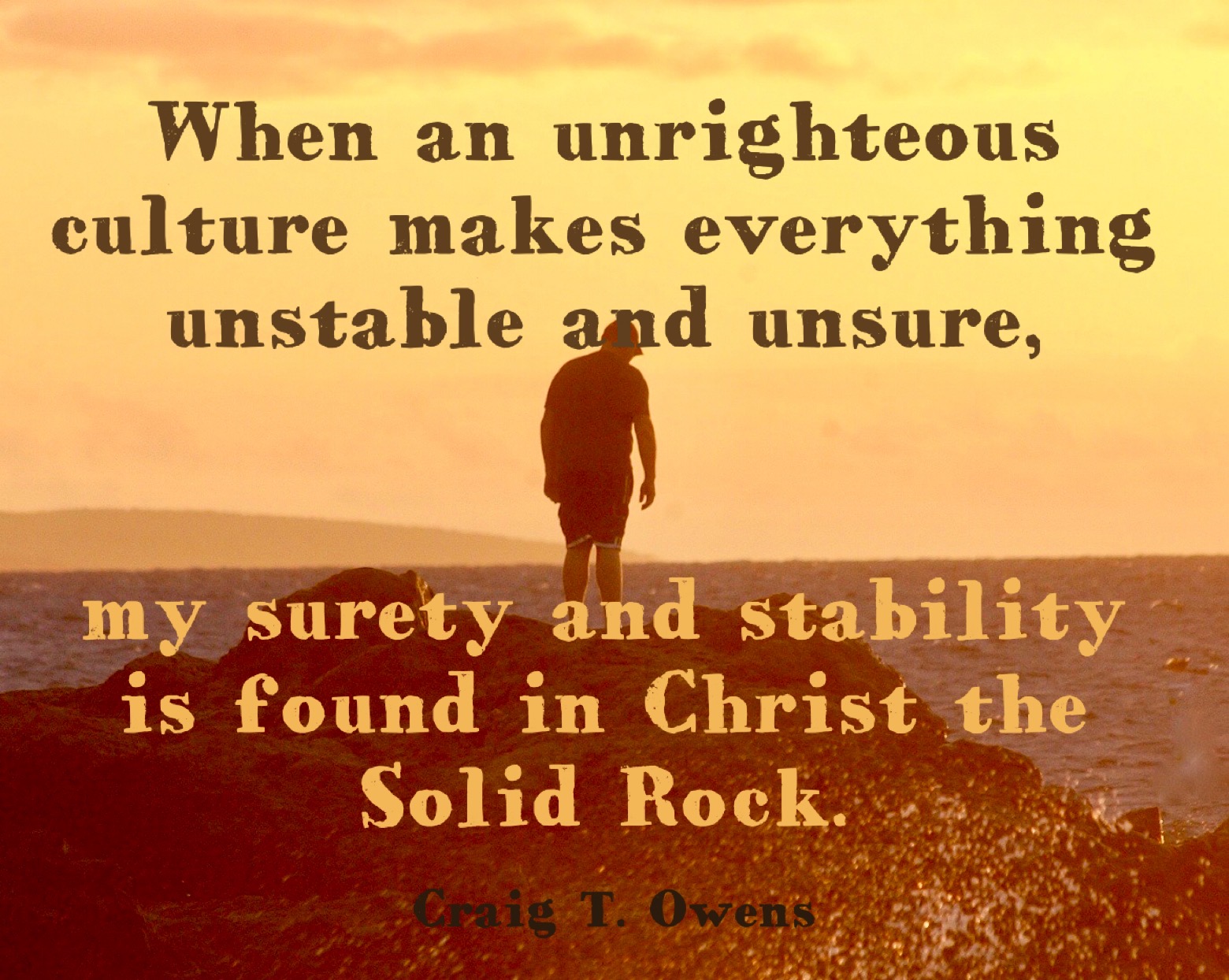
In our look at the Selahs of Psalm 55 we noted how David’s Selahs almost came as an interruption of his anxious thoughts. Habakkuk’s Selahs follow this same theme. That’s because Habakkuk’s culture (like ours today) was increasingly unrighteous, unstable, and unsure. This prophetic worship leader wants righteous people trying to stand strong in their unrighteous culture to know that our surety and stability must come from our unshakable relationship with our righteous God. 

We’ve said that one of the definitions for Selah is “pause and calmly think of that,” but for Habakkuk’s Selahs I want to modify it slightly: Pause to interrupt your doubtful thoughts and consider this…. What he wants us to consider, I believe, comes from the opening words of his song in chapter 3—

Lord, I have heard of Your fame; I stand in awe of Your deeds, O Lord. Renew them in our day, in our time make them known; in wrath remember mercy (v. 2). 

We are to pause to consider that God has already shown His unrivaled power in the past, and then we stand firm to see Him move again “in our day, in our time” so that the unrighteous will have an opportunity to repent and turn to Him. 

The first Selah is after v. 3 in which Habakkuk references Mount Paran. How did God show His fame there? Moses recorded it this way: 

The Lord came from Sinai and beamed upon us from Seir; He flashed forth from Mount Paran, from among ten thousands of holy ones, a flaming fire, a law, at His right hand. (Deuteronomy 33:2)  

Selah—pause to interrupt your doubtful thoughts and consider this: God did this before and He can do it again. His glory will cover the heavens, His praise will fill the earth, His power will be so evident that the earth will quake and nations will tremble (vv. 4-6). All of this to reassure the righteous and arrest the attention of the wayward unrighteous.  

The second Selah is after v. 9 where Habakkuk is still describing all that God will do personally to rescue His righteous ones. Selah—pause to interrupt your doubtful thoughts and consider this: God did this before—see the almost identical language David uses in Psalm 18:3-17—and He can do it again. All of this to reassure the righteous and arrest the attention of the wayward unrighteous. 

The final Selah is at the end of v. 13 where Habakkuk describes what God will do to the enemies of His people. He uses words of decisive victory—crushed, stripped, pierced, trampled. 

Once again, Selah—pause to interrupt your doubtful thoughts and consider this: God did this before and He can do it again. More specifically, Jesus is the Decisive and Ultimate Victor over sin and death! Check this out: 

Then the end will come, when [Jesus] hands over the kingdom to God the Father after He has destroyed all dominion, authority and power. For He must reign until He has put all His enemies under His feet. The last enemy to be destroyed is death. (1 Corinthians 15:24-26) 

And having disarmed the powers and authorities, He made a public spectacle of them, triumphing over them by the Cross. (Colossians 2:15) 

Do not be afraid. I [Jesus] am the First and the Last. I am the Living One; I was dead, and now look, I am alive for ever and ever! And I hold the keys of death and Hades. (Revelation 1:17-18)

When our culture is becoming increasingly unrighteous, unstable, and unsure, what an unshakable surety and security we have standing on Christ the Solid Rock. As the old hymn reminds us—when all around my soul gives way, He then is all my hope and stay!

If you’ve missed any of the messages in our lengthy Selah series, you can find all of the messages by clicking here. 

►► Would you please prayerfully consider supporting this ministry? My Patreon supporters get behind-the-scenes access to exclusive materials. ◀︎◀︎

Links & Quotes

My wife and I just celebrated our anniversary. We enjoyed the many words of congratulations we received, but that got me thinking about marriages where only one spouse is a Christian and I then recorded this thought—

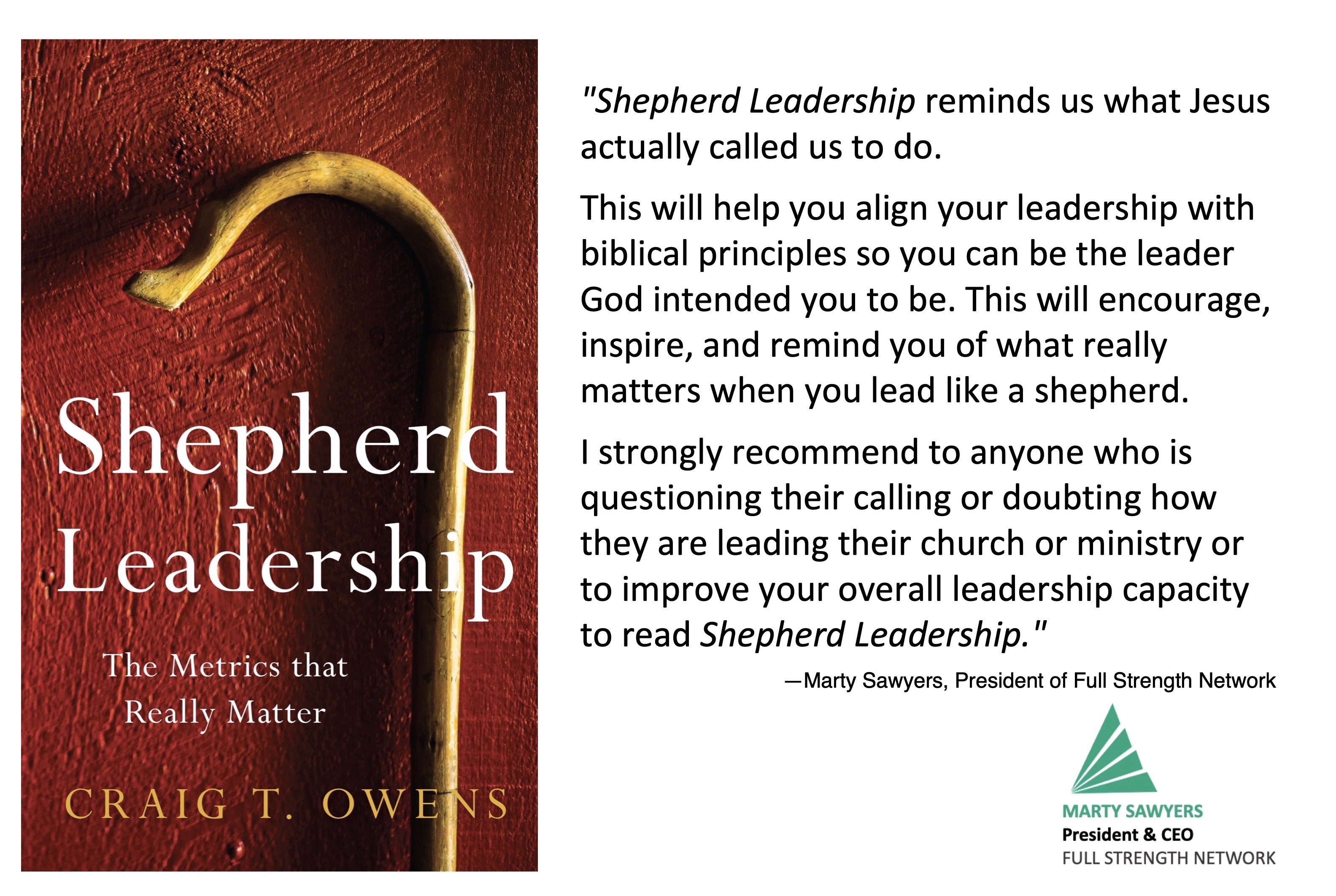
I was so honored to receive another great endorsement for my book Shepherd Leadership: The Metrics That Really Matter.

“It is not your business to succeed, but to do right; when you have done so, the rest lies with God.” —C.S. Lewis

“Homosexuality is not about some issue to debate; it’s about people to love.” —Dr. Preston Sprinkle, Living In A Gray World 

“It is better to fail in originality than to succeed in imitation.” —Herman Melville 

More fascinating news for creationists. Plants know how to defend themselves. “There are two main types of threat-detection mechanisms in plant cells—the ability to recognize distinctive chemical patterns that signify an invader, such as components of a bacterial cell, and the ability to recognize a disruption caused by invading pathogen.” Check out the full article here.

I shared an important reminder with my fellow pastors—

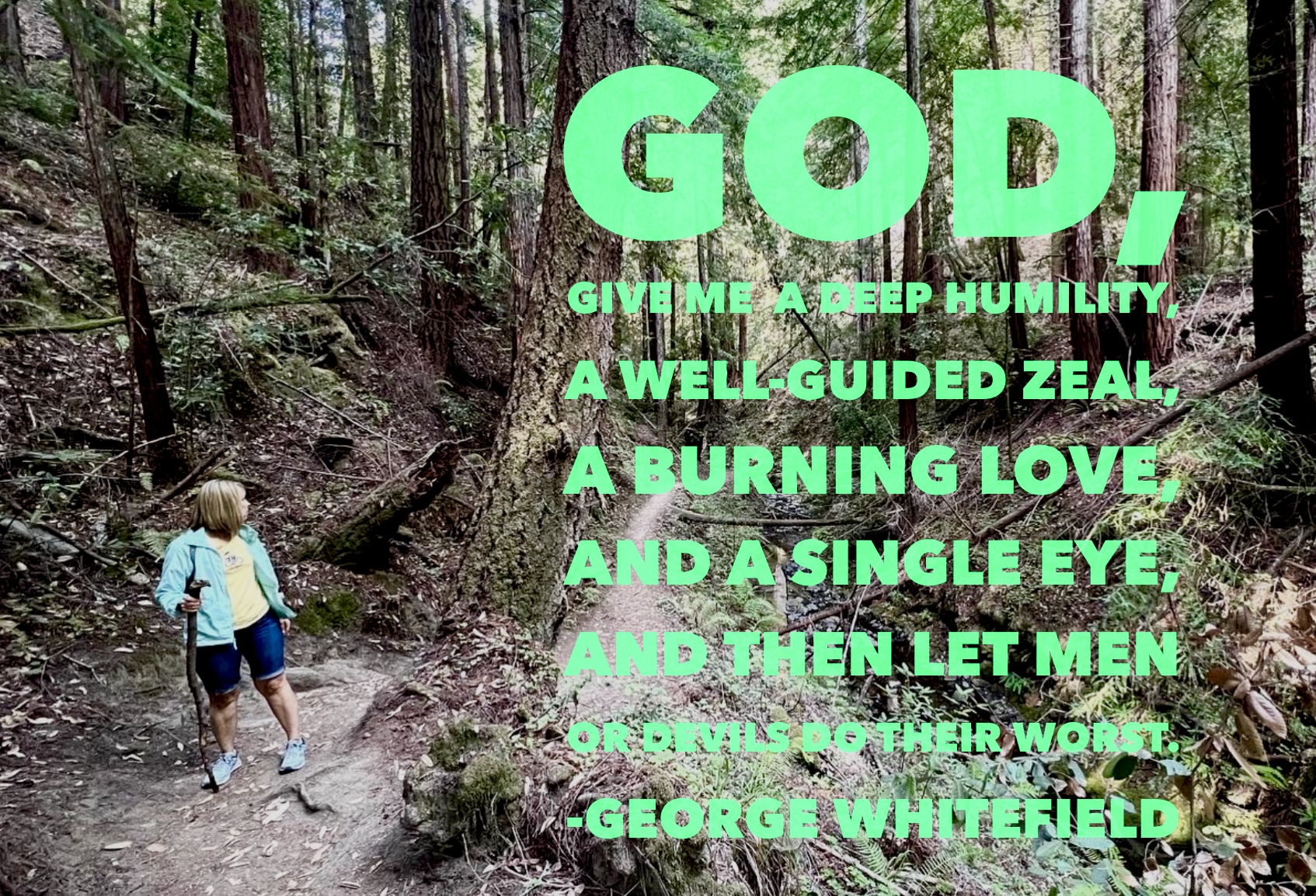
“God, give me a deep humility, a well-guided zeal, a burning love, and a single eye, and then let men or devils do their worst.” —George Whitefield, prayer when sailing for Georgia, December 30, 1777

Go Deep—The Gifts Of Wisdom, Knowledge, And Faith

According to 1 Corinthians 12-14, the Holy Spirit operates in nine different gifts to both evangelize the sinner and edify the saints. The apostle Paul says that these gifts are available to all Christians who will allow the Holy Spirit to operate through them.

You may download the participant’s notes for this lesson here → Go Deep – operational gifts of wisdom, knowledge, faith

If you have missed any of the lessons in this series, you can find the complete list by clicking here. You may also be interested in our Go Deep series on the motivational gifts listed in Romans 12, which you can check out here: Go Deep—An Introduction To The Motivational Gifts

If you would like to join us in person for this class, here is where you can find us.

A Pastor’s Personal Preparation

Listen to the podcast of this post by clicking on the player below, and you can also subscribe on AppleSpotify, or Audible. 

Pastor, I’m sure you are busy this week. But then again, aren’t you always busy? 

I’ve got a quick but powerful question to ask you that will make a world of difference in how you are prepared to meet the demands of your week. Check this out… 

Dietrich Bonhoeffer said, “We are reading the Word of God as God’s Word for us. Therefore, we do not ask what this text has to say to other people. For those of us who are preachers that means we will not ask how we would preach or teach on this text, but what it has to say to us personally.” 

►► Would you please prayerfully consider supporting this ministry? My Patreon supporters get behind-the-scenes access to exclusive materials. ◀︎◀︎
Sunday ≠ Sabbath

Listen to the podcast of this post by clicking on the player below, and you can also subscribe on AppleSpotify, or Audible. 

I had a great time on the Thriving In Ministry podcast with Kyle Willis while his podcast partner Dace Clifton was on sabbatical. 

Kyle and I wanted to help pastors get a better understanding of the value of a sabbath rest, but also an understanding of the challenges that come with trying to sabbath. Throughout the Old Testament, we read of God taking the Israelites to task for their unwillingness to rest, which ultimately led to them having to take a forced rest.   

As I mentioned in this interview, just because the calendar says “Sunday” doesn’t automatically mean that it’s a sabbath day. This is especially true for pastors who are busily engaged in ministry activities on Sundays. But I take comfort in the example of Jesus who showed shepherd leaders how to make sabbathing an active and integral part of effective ministry. 

I have a chapter in my book Shepherd Leadership called “A Healthy Shepherd’s Sabbath,” and then I have a follow-up chapter called “Can’t, Won’t, or Don’t” which addresses some changes pastors can make to ensure they are getting the vital rest they need. If you are a church leader, I encourage you to pick up a copy of my book Shepherd Leadership: The Metrics That Really Matter. 

I’ll be sharing more clips from this Thriving In Ministry interview soon, so please stay tuned. Shepherd Leadership: The Metrics That Really Matter is available in print or ebook, and in audiobook through either Audible or Apple.

►► Would you please prayerfully consider supporting this ministry? My Patreon supporters get behind-the-scenes access to exclusive materials. ◀︎◀︎
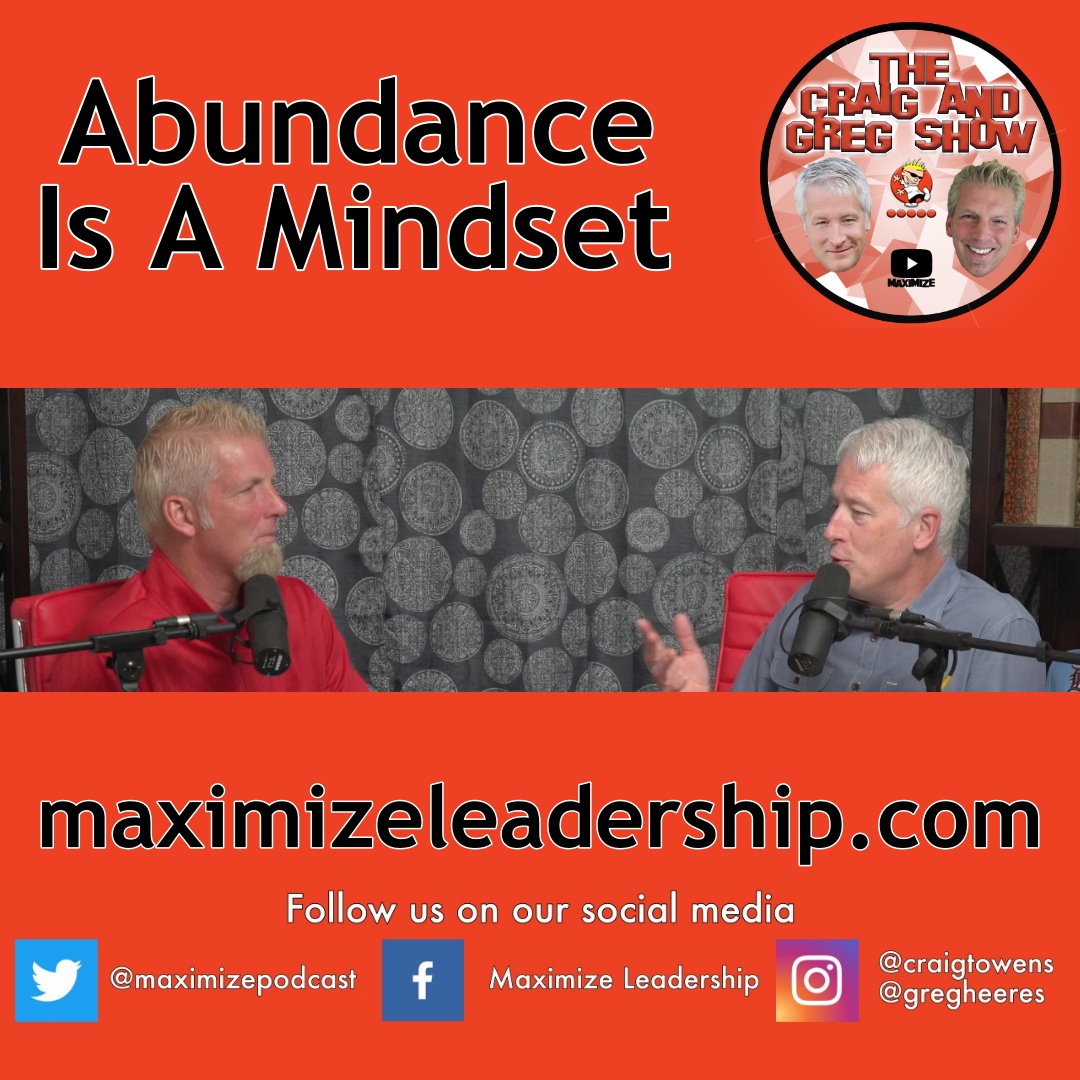
The Craig And Greg Show: Abundance Is A Mindset

Listen to the audio-only version of this podcast by clicking on the player below, or scroll down to watch the video.

On this episode of “The Craig And Greg Show” we talk about: 

  • [0:50] What does it mean to look at things with an abundance vs. scarcity mindset?
  • [1:45] Greg talks about his keynote on abundance mindset
  • [2:50] Abundance mindset is key to making halftime adjustments
  • [4:04] What kind of situation is a leader seeing when they decide to have Greg come speak?
  • [4:53] It doesn’t take much for one scarcity mindset person to change a culture
  • [5:58] People are naturally inclined to talk about negative experiences more than positive ones
  • [6:42] Sometimes it takes a caring outside observer to point out tough problems in the organization
  • [7:15] Abundance encourages creativity, but scarcity stifles it
  • [8:08] I talk about the growing pains of changing an organization’s mindset
  • [9:16] We talk about change agents
  • [10:53] Greg talks about meeting a “business pastor”
  • [11:28] Why is scarcity so easy?
  • [13:26] How can we get positivity back?
  • [16:20] Greg discusses the balance of considering scarcity without becoming consumed by it
  • [17:00] Are the people around you in a scarcity mindset?
  • [18:15] Create boundaries for your mindset
  • [19:17] You don’t have it all, so don’t act like it!
  • [19:43] Greg would love to help your organization develop an abundance mindset.

Check out this episode and subscribe on YouTube so you can watch all of the upcoming episodes. You can also listen to our podcast on Spotify and Apple.

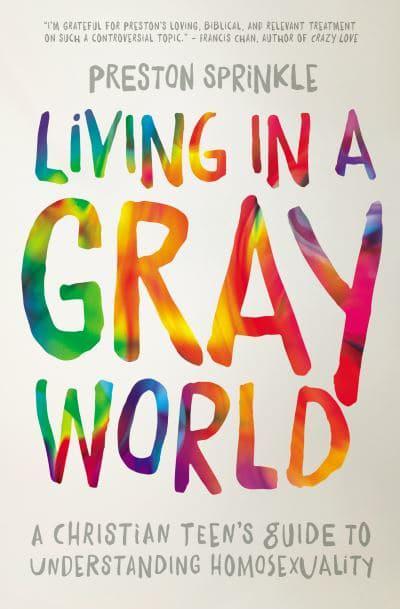
Living In A Gray World (book review)

Listen to the podcast of this post by clicking on the player below, and you can also subscribe on AppleSpotify, or Audible. 

So many terms in our culture seem to be taking on new definitions. Things that used to be thought of as black-and-white issues now appear to have multiple shades of gray in between. Nowhere is this more true than in the modern expressions and definitions of sexuality. So Dr. Preston Sprinkle’s book Living In A Gray World is perfectly timed to help bring us some understanding. 

Dr. Sprinkle is a professor at a Bible college, but this book is anything but academically heavy or overly theological. It is straightforward and easy to understand for anyone from a teenager on up. But don’t mistake that assessment as also meaning that this book waters down the clear teaching in the Bible on sexuality, because Dr. Sprinkle doesn’t compromise on this at all. 

Living In A Gray World will walk you through what the Bible says about marriage and homosexuality. You will get a clearer understanding of the terms used in today’s discussions about gender and sexual orientation. But most importantly you will hear Dr. Sprinkle’s impassioned call for Christians to focus on loving people with the agape love of God. 

Although the subtitle of this book is “A Christian teen’s guide to understanding homosexuality,” I believe this book would be hugely beneficial to teens, parents, and pastors. We all have a lot to learn, and I think our conversations would be much more productive when we all come from the same understanding of both cultural terms and biblical teachings. So parents and teens alike should get this book, read it together, and then start talking. 

My Patreon supporters also have access to the quotes that I compiled from this book. 

If you would like to dig even deeper into this topic, check out my book review of Dr. Christopher Yuan’s Holy Sexuality And The Gospel. 

►► Would you please prayerfully consider supporting this ministry? My Patreon supporters get behind-the-scenes access to exclusive materials. ◀︎◀︎
Dehydrated

Listen to the podcast of this post by clicking on the player below, and you can also subscribe on AppleSpotify, or Audible. 

I just came back from California where drought-like conditions cause residents a lot of concern—wildfires, crop failure, what happens if too much rain falls too quickly? Being dry causes people a lot of stress. 

Most people live under-hydrated, if not dehydrated. Depending upon the size of the person, the amount of water in the human body makes up 55-75%. That means that when we don’t get enough water, many complications can arise. So if you struggle with…

  • …headaches, don’t take a Tylenol, but trying drinking more water 
  • …bad breath, don’t swish mouthwash, but trying drinking more water 
  • …being tired, don’t guzzle caffeine, but trying drinking more water 
  • …gut problems, don’t pop an Alka-Seltzer or milk of magnesia, but trying drinking more water 
  • …bags under your eyes, don’t get botox, but trying drinking more water 

The introduction to Psalm 143 only says, “A psalm of David,” but nothing about his actual predicament. But we can see the things that were weighing heavy on David: 

  • he pleaded for mercy, which means not getting the punishment he deserved (vv. 1-2) 
  • enemies were pursuing him (v. 3) 
  • he felt faint in spirit and dismayed in heart (v. 4) 
  • he had a failing spirit (v. 7) 
  • he was lost, asking God to “show me the way” (v. 8) 
  • he prayed for God to “preserve my life…bring me out of trouble” (v. 11) 
  • he felt the slander of his enemies (v. 12) 

All of this must have led to David feeling emotionally and spiritually—if not even physically—dehydrated. 

We have said there are three definitions for Selah, but I think the context of this chapter clearly limits it to just one definition: a pause to reflect. David’s Selah in this psalm is actually a quadruple Selah! A dehydrated David reminds himself and us to…

  • remember or recall to mind 
  • meditate or speak to yourself (also see Psalm 42:5-6) 
  • consider—some translations use the word “muse,” a word meaning an inner conversation, including airing our complaints 
  • Selah—the call to “pause and calmly think of that,” as the Amplified Bible defines that word  

All of these things pressing in on David were getting his full attention, so he forgot to drink deeply of the Living Water of God. As a result, David was dehydrated. This is why he calls for that quadruple Selah to be refreshed. 

But what if there are so many problems around us that we cannot even think of anything that we can “drink” from God? What if there are so many troubles that we don’t know what to thank Him for? 

Let me point you to a tiny preposition: IN in vv. 8, 9 (and also in Psalm 42:5-6). David is not saying he has to get a drink, but that he has to go IN to the Source of Living Water. 

Rejoice IN the Lord (Philippians 4:4) and Trust IN the Lord (Isaiah 26:4). As a result, God will then keep us IN His peace (Isaiah 26:3; Philippians 4:7). [Check out all of these verses by clicking here.]

This is what I think David spoke to himself in his remembering, meditating, and considering—in his inner conversations. Let the morning bring me word of Your unfailing love, for I have put my trust IN You. Show me the way I should go, for to You I entrust my life (Psalm 143:8). 

When you’re dehydrated, it’s hard to think of things to be thankful for, but we can look to the unchangeable attributes of God. David did this and it helped him with his actions and attitude: 

God’s love is unfailing so we can rely on Him (v. 8a)
God’s omniscience is infinite so we can trust His leading (v. 8b)
God’s omnipotence is unmatched so we can be secure in Him (v. 9)
God’s sovereign wisdom is unrivaled so we can confidently obey and follow Him (v. 10)
God’s eternal glory is unending so we can have eternal hope (v. 11)
Again David notes that God’s love is unfailing so we can continue to fearlessly serve Him (v. 12), which takes us right back to the opening two verses of this psalm

The Selah time allowed David to make these connections, or rather, it allowed him the quiet time to drink in the Holy Spirit’s reminders of these attributes of God. David always knew who God was, but in his time of dehydration his Selah re-reminded Him of who God was to him. 

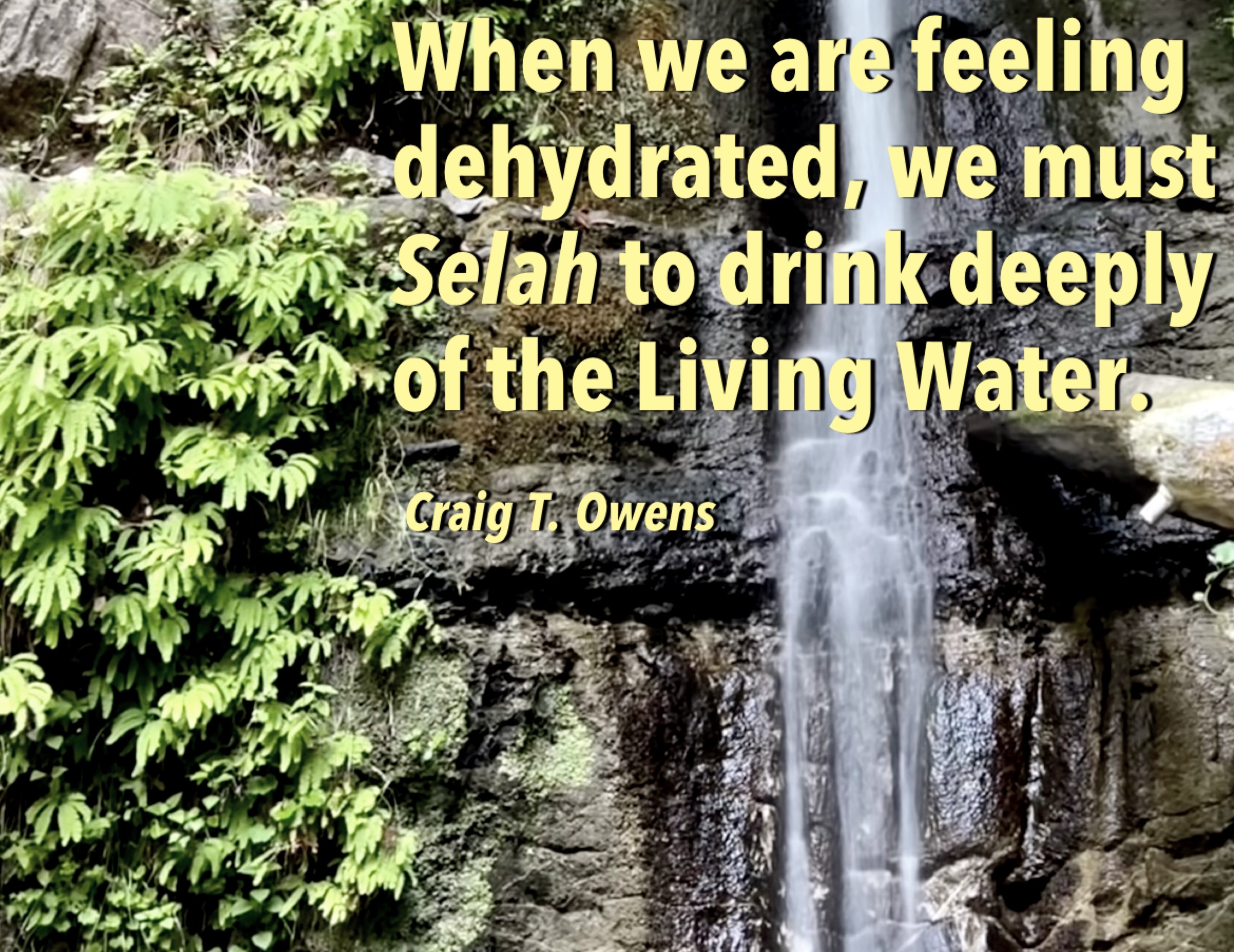
When we are feeling dehydrated, we must Selah to drink deeply of the Living Water. This Selah pause plunges us INTO God’s presence and allows us to make His attributes personal.  

If you’ve missed any of the messages in our Selah series, you can find the complete list of them by clicking here. 

►► Would you please prayerfully consider supporting this ministry? My Patreon supporters get behind-the-scenes access to exclusive materials. ◀︎◀︎
God Loves Wicked People

Listen to the podcast of this post by clicking on the player below, and you can also subscribe on AppleSpotify, or Audible.

The first two Selah pauses we see in Psalm 140 are pauses to remember two things: 

  1. There, but for the grace of God, go I. 
  2. God is doing something in me through wicked people and evil times. 

But there is one more Selah in this chapter that we need to consider—Do not grant the wicked their desires, O Lord; do not let their plans succeed, or they will become proud. Selah. (v. 8) 

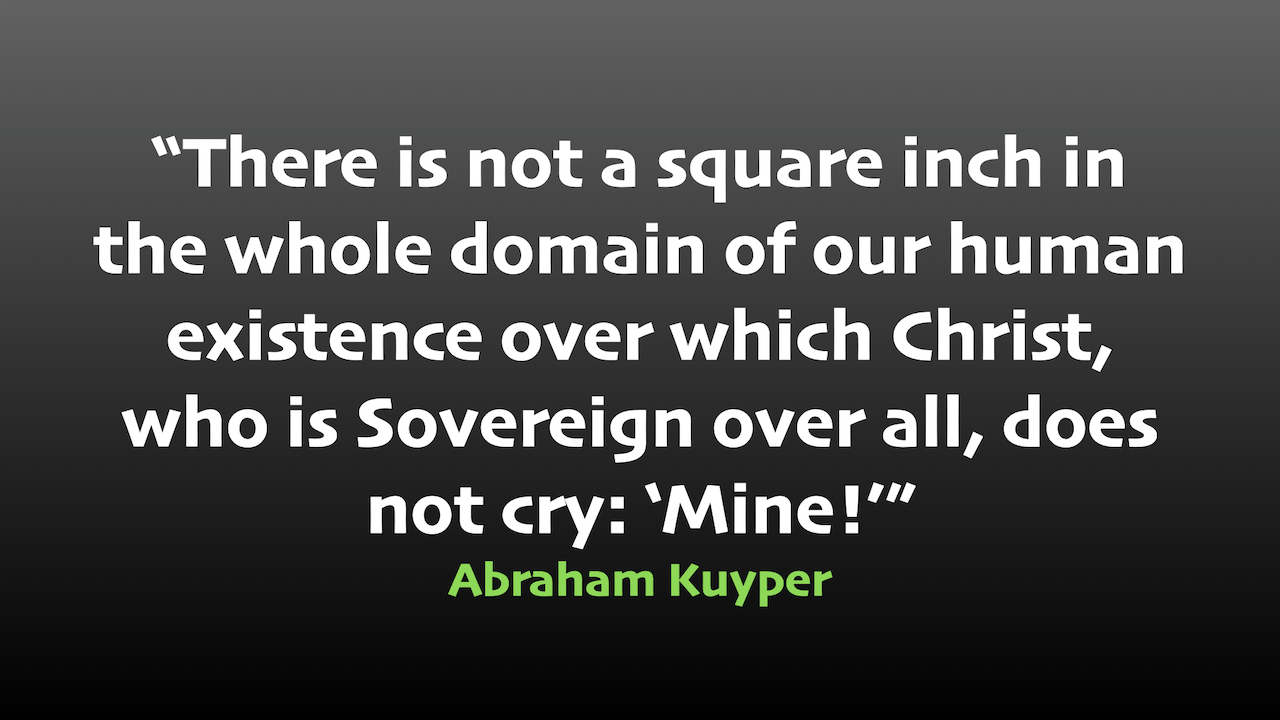
Most of  us would probably agree with Abraham Kuyper who said, “There is not a square inch in the whole domain of our human existence over which Christ, who is Sovereign over all, does not cry: ‘Mine!’” 

But the amazing thing here is that God allows David—and you and me—to call Him mine! “O LORD, I say to You, ‘You are MY God’” (v. 6). David goes on to say that God is my strong deliverer who shields me against evildoers (v. 7). 

But isn’t David’s God also the God of the wicked? Aren’t they a part of “the whole domain of human existence” that is His? Yes! 

So that must mean that God wants even wicked people to call Him, “My God”! 

This is exactly what Jesus told us: For God so loved the world [including wicked people] that He gave His one and only Son, that whoever [including wicked people] believes in Him shall not perish but have eternal life. For God did not send His Son into the world to condemn the world, but to save the world [including wicked people] through Him (John 3:16-17). 

Just before this third Selah in verse 8 David prays that the plans of the wicked might be thwarted so that proud people don’t become even more proud. That seems okay. But after the Selah David seems to be asking God to let everything that wicked people have planned to boomerang back on them (vv. 9-11).  

Isn’t that hateful? Not if we understand “hate” correctly. 

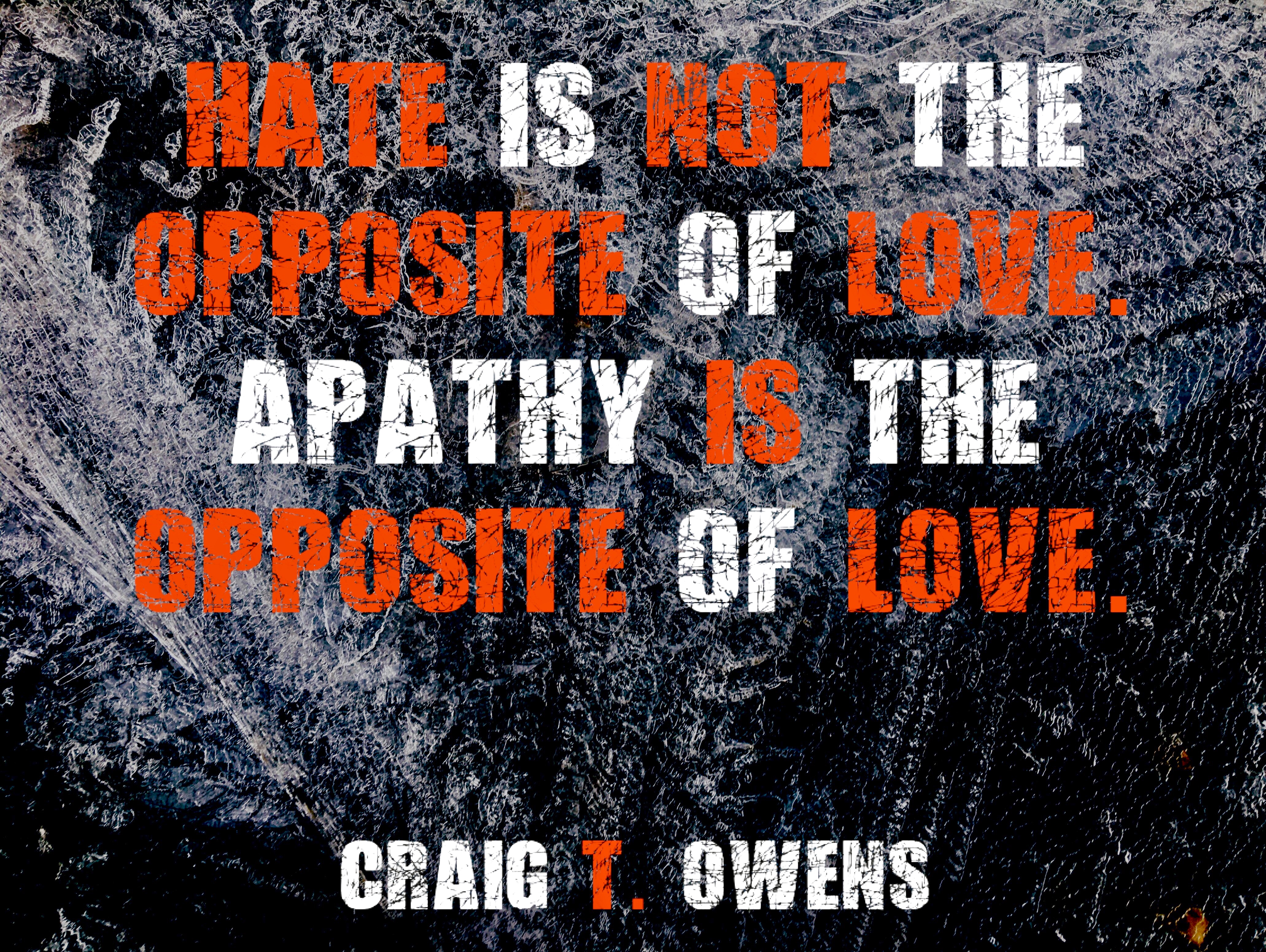
Hate isn’t the opposite of love, but apathy is the opposite of love. Hate is a very strong emotion that usually comes out when something we love or desire is thwarted or kept from us. 

Just as we learned last week that God allows evil people and their slander and wickedness to prune us and make us more fruitful, can’t God give back to evil people exactly what they need to get their attention? Can’t He use their own evil plans for them just as He used them for us? Yes! 

If God loves us—and He does—then He must hate anything that keeps us from Him. 

If God loves wicked people—and He does—then He must also hate anything that keeps them from accepting the atoning work Jesus did for them on the Cross. 

God is love. There is nothing you can do to make God love you any more. There is nothing an evil person can do to make God love them any less. 

David’s third Selah is really his reminder that he must leave evil people to the only One who can discipline them in perfect measure. We have to leave evil people to God’s care—the only One who can rescue them. That’s why Jesus told us to “love your enemies and pray for those who persecute you” (Matthew 5:44). 

David’s prayer in verses 9-13 does leave evil people in God’s hands, and it’s a prayer you and I can personalize for those whom we desire to know Jesus as their Savior. 

It’s not God’s desire that any should perish. So let’s Selah to call God, “My God,” but to also pray that even the wicked people around us will come to the realization that through faith in Jesus, they too can cry out, “My God!” 

God gave me a unique story when I was walking through a challenging time with a friend that I needed to leave to God’s care. I called the story The Parable of the Lifeguard. You can watch it in the video below, or you can read it by clicking here. 

If you have missed any of the messages in our Selah series, you can find a list of all of those messages by clicking here. 

►► Would you please prayerfully consider supporting this ministry? My Patreon supporters get behind-the-scenes access to exclusive materials. ◀︎◀︎