Listen to the podcast of this post by clicking on the player below, and you can also subscribe on Apple, Spotify, or Audible.
Who doesn’t love Regis Philbin? Even if a morning talk show wasn’t your thing, the personality and professionalism that Regis demonstrated for over 50 years put him in a category all by himself. How did he get this way? He tells us in his entertaining memoir How I Got This Way.
I purchased the audiobook for this one because I love hearing Regis speaking so passionately about those things that fire him up. Although he was mostly subdued in his recording, there were moments that his Irish was up!
This book is presented in a very interesting format, with each chapter being named after a person who had a huge impact on fashioning Regis into the television icon that he became. Some names are readily recognizable, while others would be names known to only a handful of people. Since Regis would stick with this person through all of the years that he knew them, as the book progresses you will begin to see these strands intersecting with other people and forming a comprehensive picture.
This was a delightful book! If you want a behind-the-scenes look at the television industry almost from its very beginning stages, this memoir will more than fit that bill.
Listen to the podcast of this post by clicking on the player below, and you can also subscribe on Apple, Spotify, or Audible.
I had just finished playing three games of full-court basketball and it was time to leave for work. A young kid challenged me to stay for another game by making some comment about my old(er) age, which give me a fresh motivation to play another game. I told him I would play one more game on one condition: he had to guard me. I scored all 15 of our team’s points. One of my teammates said to that kid after the game, “You shouldn’t have made Craig angry.”
I know the Israelites had strayed from God, but the Assyrians made no pretense whatsoever to honor Yahweh, so why was God allowing them to get away with this? Doesn’t it seem sometimes like God is waiting too long to deal with these wicked insulters?
Many scholars feel that Psalm 76 was written after Sennacherib’s defeat. And make no mistake about this: it was a decisive defeat—God struck down 185,000 Assyrian soldiers while they slept! Asaph’s song of victory contains two Selah pauses, both of them intended for us to consider the greatness of Yahweh:
one Selah is after verse 3—pause and remember that God is Sovereign and Resplendent in glorious victory
the second Selah is after verse 9—pause and reflect that God’s wrath defeats His enemies and brings forth praise from His people
Jesus said, “No one can serve two masters. Either you will hate the one and love the other, or you will be devoted to the one and despise the other. You cannot serve both God and money.” The Pharisees, who loved money, heard all this and were sneering at Jesus. (Luke 16:13-14)
Jesus said, “Father, forgive them, for they do not know what they are doing.” And they divided up His clothes by casting lots. The people stood watching, and the rulers even sneered at Him. They said, “He saved others; let Him save Himself if He is God’s Messiah, the Chosen One.” (Luke 23:34-35)
These are the only two times in the New Testament that this Greek word for “sneer” is used. It means to deride, scoff, or mock. But in the Septuagint (the Greek translation of the Old Testament) the same word that Luke used for sneer is used when God Himself says to Sennacherib, “The Virgin Daughter Zion despises you and mocks you” (see 2 Kings 19:20-28).
Sennacherib thought he was insulting God’s people, but God said, “You are really insulting Me!” Yikes—you shouldn’t make God angry!
Psalm 76 gives us the same reminder that we read in Revelation 12:10-11—“Now have come the salvation and the power and the kingdom of our God, and the authority of His Messiah. For the accuser of our brothers and sisters, who accuses them before our God day and night, has been hurled down. They triumphed over him by the blood of the Lamb and by the word of their testimony; they did not love their lives so much as to shrink from death.”
We defeat the enemy of our soul not by facing him but by facing our King!
When we are confronted by the ungodly insults from snarling, scoffing, wicked people, we must Selah to remind ourselves that Yahweh is—
Alpha
Known and Renown
Invincible
Majestic
Awesome
Holy
The Final Judge
Irrefutable
Glorious
Omniscient
Omnipotent
Unrivaled
Undefeated
King of kings
Lord of lords
Sovereign Ruler
Omega
THE Decisive Word
Let me say it again: We defeat the enemy of our soul not by facing him but by facing THIS King of kings!
This is a weekly series with things I’m reading and pondering from Charles Spurgeon. You can read the original seed thought here, or type “Thursdays With Spurgeon” in the search box to read more entries.
Listen to the podcast of this post by clicking on the player below, and you can also subscribe on iTunes or Spotify.
Showers Of Blessing
I will make them and the places all around My hill a blessing; and I will cause showers to come down in their season; there shall be showers of blessing. (Ezekiel 34:26)
‘I will send them showers.’ It does not say, ‘I will send them drops,’ but ‘I will send them showers.’ Remember the saying, ‘It seldom rains but it pours.’ So it is with grace. If God gives a blessing, He usually gives it in such a measure that there is not room enough to receive it. …
Ah, we want plenteous grace, my friends. Plenteous grace to keep us humble, plenteous grace to make us prayerful, plenteous grace to make us holy, plenteous grace to make us zealous, plenteous grace to make us truthful, plenteous grace to preserve us through this life and at last to land us in heaven. We cannot do without showers of grace. …
But how is it that it does not fall to some of the people? It is because they put up the umbrella of their prejudice. And though they sit here, even as God’s people sit, even when it rains they have such a prejudice against God’s Word that they do not want to hear it. They do not want to love it and it runs off their prejudices.
From The Church Of Christ
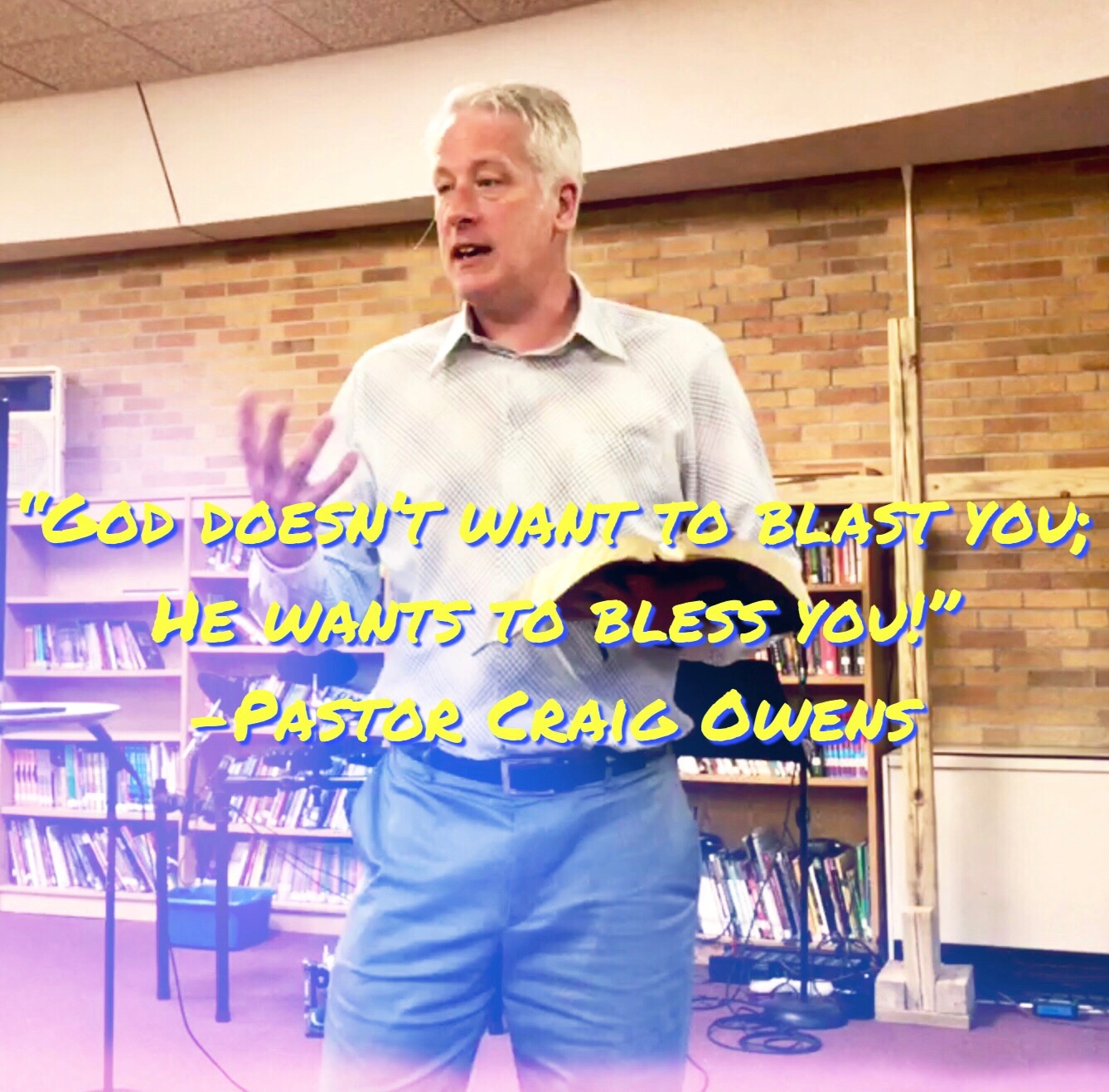
God wants to bless you! Sadly, there are far too many people who put up their umbrellas of excuses like, “I’m nothing special,” or “Do you realize how many times I’ve blown it,” or “God has more important matters to attend to than little ol’ me.”
These are lies that keep saints of God in a dry place. God’s grace is pursuing you. In one of the most well-received and most downloaded series of messages I shared on God’s favor, I said this about God showering His blessings on you: “Why would God do this? Because if you feel distant from Him, how can you glorify Him? If you feel disconnected from His love, how will you draw others to Him? If you feel like your relationship with Him is hanging by a thread, how can you happily abide in His presence?”
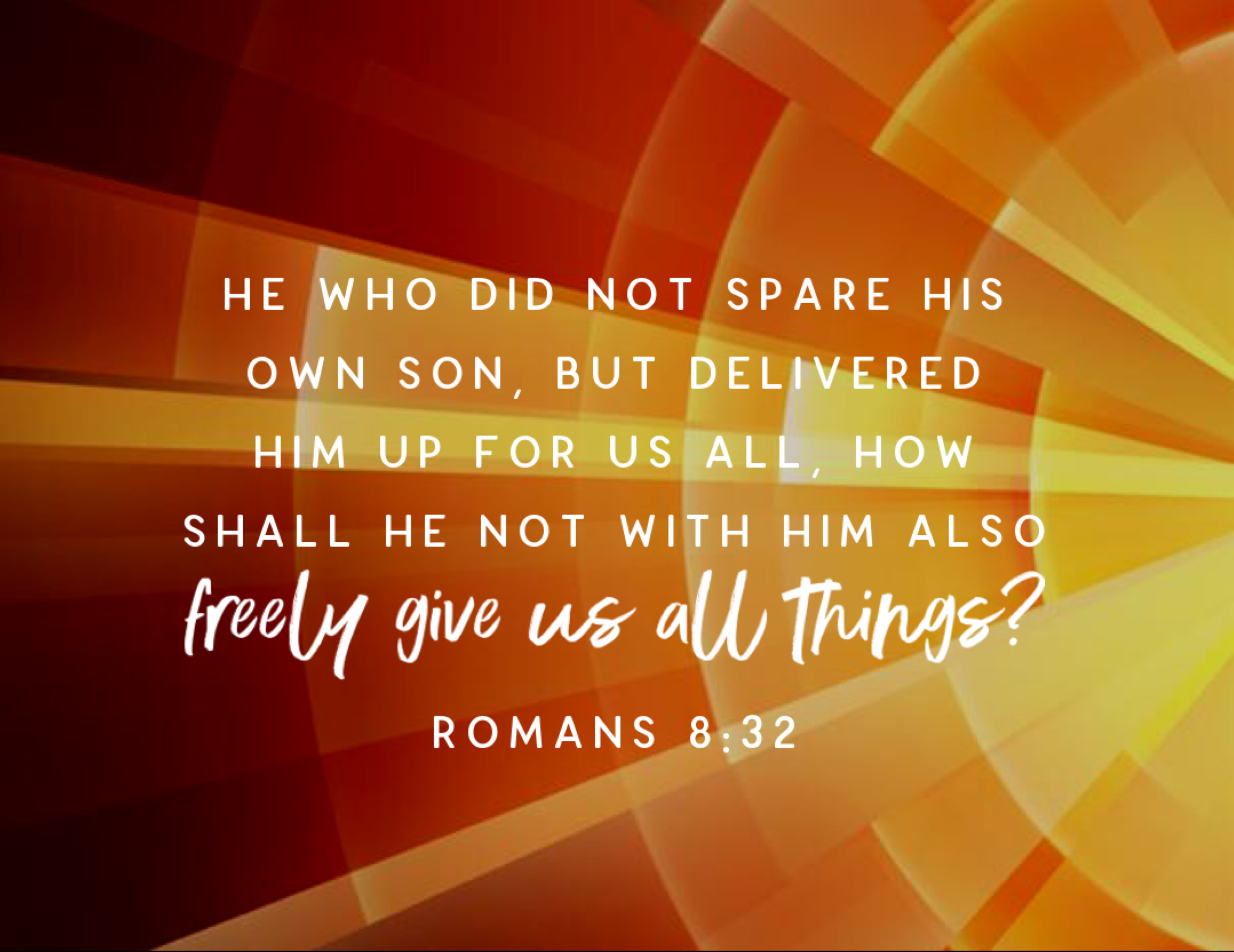
God gave the promise of these abundant showers of blessings through Ezekiel of the Old Testament, and then Jesus made it a reality. The apostle Paul tells us, “Since God did not spare even His own Son but gave Him up for us all, won’t He also give us everything else?” (Romans 8:32).
My friend, please put away those umbrellas of excuses—of satanic lies—and bask in the refreshing showers of God’s grace. It’s time to talk back to those excuses and tell them, “These are lies. God Himself says that He will bless His children and I am most assuredly His child!”
I have frequently made the assertion that God is sovereign over all history, or as I like to say it… All History is His Story!
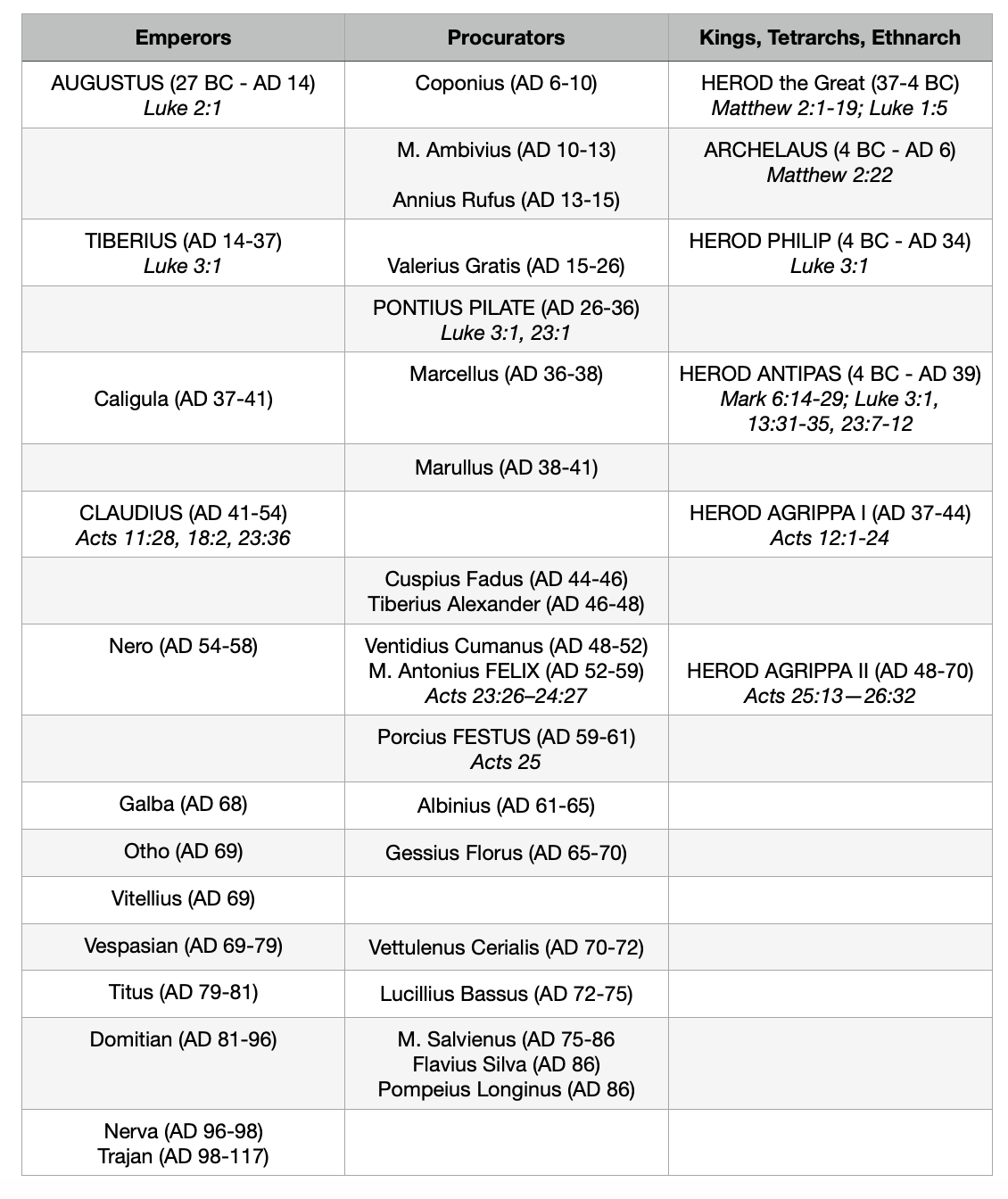
When we are reading the Bible, it is important to keep in mind that these are not “once upon a time” stories, nor are they set “a long time ago in a galaxy far, far away,” but we are reading the accounts of actual people in actual moments of history.
Listen to the podcast of this post by clicking on the player below, and you can also subscribe on Apple, Spotify, or Audible.
Psalm 119 is divided into twenty-two 8-verse segments, with each verse of the segments beginning with its own Hebrew letter. Lamedh is found in verses 89-96, and lamedh is the tallest of all the Hebrew letters, so that means it stands out.
Lamedh shows us big proportions. Words like eternal, boundless, established, enduring, and forever are prominent in these eight verses. The psalmist is inviting us to climb up into God’s Word and get a bigger view, a higher vantage point of who God is.
Consider the opening verse of this section: Your Word, O LORD, is eternal; it stands firm in the heavens.Eternal—think of the implications! If what God says—His Word—is eternal, then…
it continues through all generations (v. 90)
it endures even when everything else fades away (vv. 90-91)
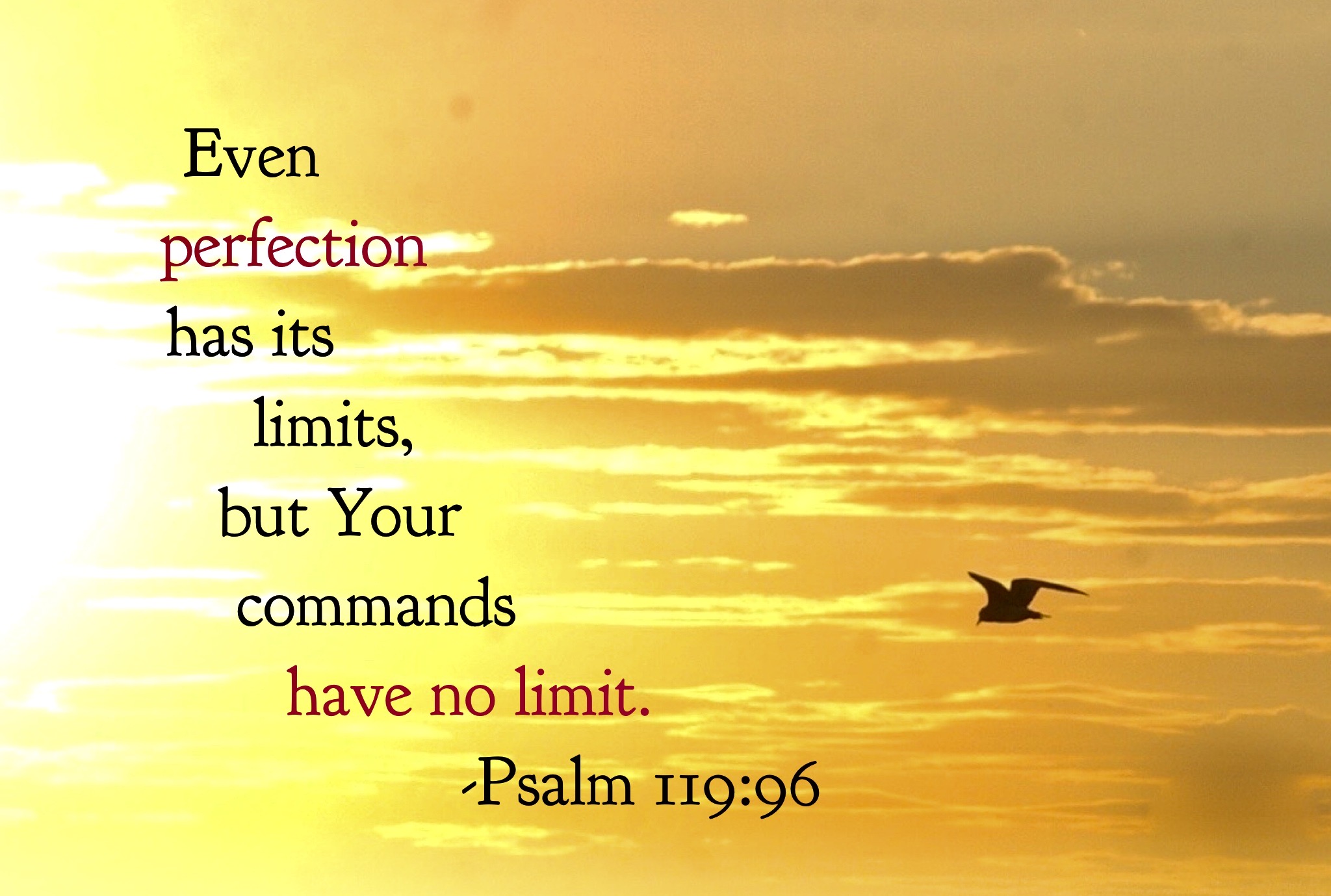
it has no limits or frontiers (v. 96)
At every single moment in my life, my eternal, enduring, limitless God knows the outcome or consequence of each option I could choose. His Word can so transform my mind that I can always choose the most Christ-glorifying option. The Spirit of Truth—my eternal Counselor—can guide me with God’s Word.
I never have to be at a loss. I am never stumped. I always have access to eternal Truth.
The psalmist got this: If Your law had not been my delight, I would have perished in my affliction (v. 92).
Through God’s firmly-established Word I have—
Eternal Counsel
Enduring Help
Limitless Strength
And you have all of this, too, through God’s Word!
Psalm 119 is a great place to start to make Bible reading a daily habit. Scientists tell us that you only need 21 days to make a new habit, and in Psalm 119 you have 22 days of daily reading that will transform your heart and mind.
the difference between patriotism and nationalism both in our country and in your organization [1:35]
Greg explains how leaders need to lead inside out [2:42]
I share one sure-fire way for leaders to evaluate potential new leaders, and how this relates to citizenship [3:27]
leaders can change the culture without having an office or a title [4:25]
the value of team building and how it relates to patriotism [5:10]
Chuck Colson said politics are downstream from culture, so what happens in your backyard will ultimately affect Washington, D.C. [5:45]
how my grandfather changed his business culture [6:43]
Greg explains how gratefulness and patriotism are directly related [8:13]
wherever you are, you can make a difference—your daily actions have a cumulative effect [12:43]
Check out this episode and subscribe on YouTube so you can watch all of the upcoming episodes. You can also listen to our podcast on Spotify and Apple.
Listen to the podcast of this post by clicking on the player below, and you can also subscribe on Apple, Spotify, or Audible.
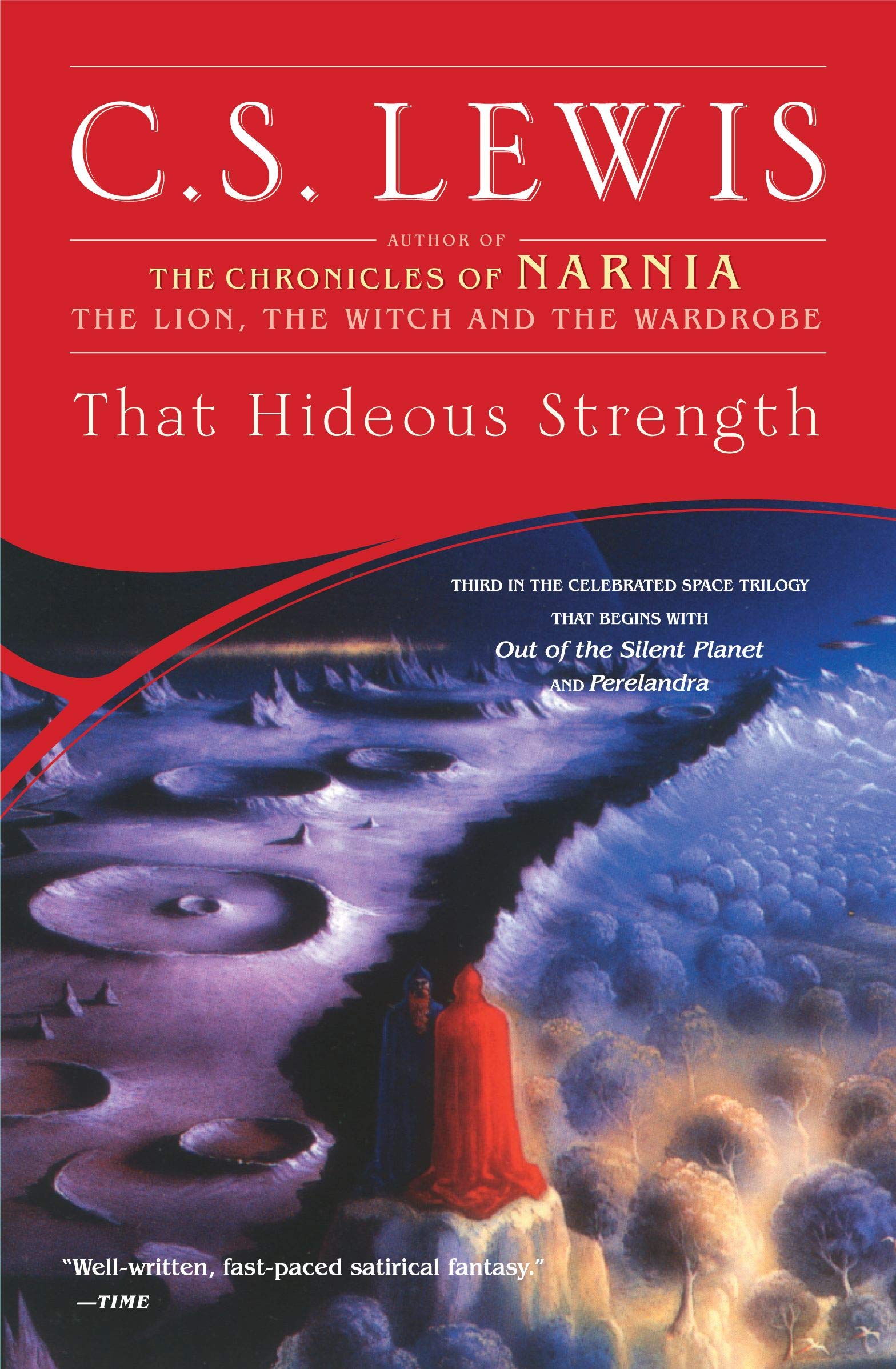
That Hideous Strength is the conclusion of C.S. Lewis’ space trilogy. Although this was written almost 70 years ago, it sounds ominously like our culture today.
I mentioned in a previous book review that the first two books of this trilogy—Out Of The Silent Planet and Perelandra—should be read together. Those who have read these first two books will definitely have a greater appreciation of the themes which come to their conclusion in this capstone book. But That Hideous Strength is such a well-told story and culture commentary that it may be read by itself and still be highly enjoyable.
It’s amazing to me how much foresight Lewis had into the hideous ways the spirit of the antichrist can insinuate itself into our day-to-day culture and ultimately into our politics. This book is really a behind-the-scenes look at both how evil people propagate their evil plans, and how godly people stand in God’s strength to combat those plans. Spoiler alert for those who haven’t read the last chapters of the Bible yet: Evil always loses because Jesus Christ is the undefeated Champion even over the darkest of evil forces.
As I’ve mentioned in a previous C.S. Lewis book review, this space trilogy is probably not the best place for first-time Lewis readers to jump in. This trilogy is more of a graduate-level course in seeing biblical themes portrayed in ways only a mastermind like Lewis could imagine. But for those who are already well steeped in Lewis’ writings, all three books of this trilogy are must-reads!
Listen to the podcast of this post by clicking on the player below, and you can also subscribe on Apple, Spotify, or Audible.
During my freshman year of college, I was once the butt of a good-natured joke. I didn’t mind it so much except for the fact that there were several people in the room that didn’t know me, so they would have walked away thinking I was a jerk. As I vented to my roommate about this, his counsel was simply, “Just forgive ‘em, man!”
Yeah, right … easier said than done! I didn’t want forgiveness—I wanted payback! Ever been there?
The Hebrew word Selah is a call for us to pause and calmly think about what’s going on in our heart and mind. For instance, in those moments where we may want someone to get justice for the way they hurt us.
In Psalm 75, God is literally the One who speaks the Selah. In fact, God speaks twice in this short psalm: once in verses 2-5 and again in verse 10 to close this psalm. Putting together His two speeches, God says, “I choose the right time, I judge perfectly, I hold everything firm. Selah. I will cut off the horns of all the wicked, but the horns of the righteous will be lifted up.”
What is meant by “the horn of the wicked” or “the horn of the righteous”? Literally, it means a show of strength, but it can be used in both a negative or a positive sense.
In the negative sense it means:
boasting of your own power
standing in defiant opposition to all other powers
proudly trumpeting your own strength
the English words “arrogant” and “boast” in verse 5 are both the same word Hebrew word halal. This means to shine a light on yourself, literally to say “Hallelujah!” to or about yourself!
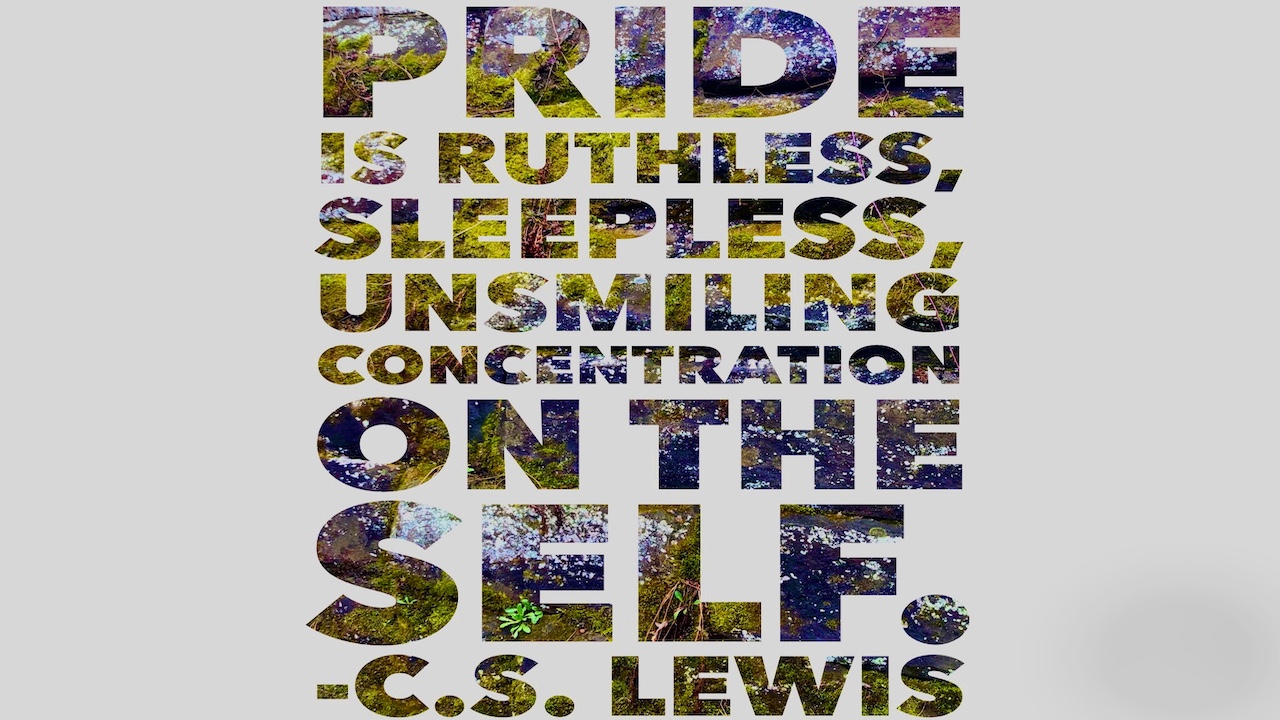
This pride is so dangerous! As C.S. Lewis said, “Pride is ruthless, sleepless, unsmiling concentration on the self.”
In the positive sense, a horn means the righteous person who shines a light on God, who concentrates on Him, who knows that anything good they have comes from Him.
The wicked lift up their own horn (literally lift up themselves), while the righteous bow their horn (literally lift up God). What does God do? God opposes the proud but shows favor to the humble (1 Peter 5:5).
This psalm essentially has God giving two warnings:
To the wicked He says, “Do not lift up your horn against Me.”
To the righteous He says, “Submit to Me and do not try to rush My timing.”
Notice that Asaph says “a cup of foaming wine” is coming to the wicked (v. 8). This symbolizes God’s judgment (Revelation 19:11-16). This was to be our just punishment too, but Jesus took the cup of God’s wrath Himself, and in its place gave us the cup of God’s blessing (Isaiah 51:22; Matthew 26:39-42; 1 Corinthians 10:16). This switching of the cups is what we celebrate every time we drink the cup of Communion.
God was patient with us and He is still being patient with the boastful wicked, which is why He warns them—and us—to Selah. We were rescued from judgment and now God calls upon us to tell others about Him, so that they may also be reconciled to Him through Jesus Christ (Proverbs 24:11-12; 2 Peter 3:9).
Here’s the call to Christians: Watch your horn! Don’t shine a light on yourself, but shine a light on Jesus Christ and remain on-mission to rescue those who persist in blowing their own horn.
This is a weekly series with things I’m reading and pondering from Charles Spurgeon. You can read the original seed thought here, or type “Thursdays With Spurgeon” in the search box to read more entries.
Listen to the podcast of this post by clicking on the player below, and you can also subscribe on iTunes or Spotify.
Blessed To Be A Blessing
I will make them and the places all around My hill a blessing; and I will cause showers to come down in their season; there shall be showers of blessing. (Ezekiel 34:26)
There are two things here spoken of. First, Christ’s church is to be a blessing. Second, Christ’s church is to be blessed. …
When God chooses any men by His sovereign electing grace and makes them Christ’s, He does it not only for their own sake, that they may be saved, but also for the world’s sake. Know you not that ‘you are the salt of the earth.… You are the light of the world. A city that is set on a hill cannot be hidden’ (Matthew 5:13-14)? … Salvation is not a selfish thing. God does not give it for us to keep to ourselves, but that we may thereby be made the means of blessing to others. …
But there is constraint here. ‘I will make them a blessing.’ I will give them to be a blessing. I will constrain them to be a blessing. … And so it is with God’s people. As they go through their lives, wherever they have been made a blessing, they will find that God seems to have thrust them into the vineyard. …
God never makes useless things. He has no superfluous workmanship. I care not what you are. You have something to do. Oh, may God show you what it is and then make you do it, by the wondrous compulsion of His providence and His grace. …
I hope we will never be satisfied, as members of Park Street, until we are a blessing not only to ourselves but also to the places all around our hill.
From The Church Of Christ
The Church is made up of many members—every member is needed for the Church to be the Church. Let me be more specific: God has placed YOU in Christ’s Church on purpose. You have been gifted and blessed by God so that you can be a blessing to others.
You have purpose. You have been made on purpose and for a purpose. That purpose, according to God’s own word, is to shine brightly that others can receive God’s love into their own hearts.
I pray that each and every one of us can insert our own names or our own church name into the prayer Spurgeon offered for his congregation: “I hope we will never be satisfied, as members of [my family, my church, my school, my community], until we are a blessing not only to ourselves but also to the places all around our hill.” Amen, Pastor Spurgeon, Amen!



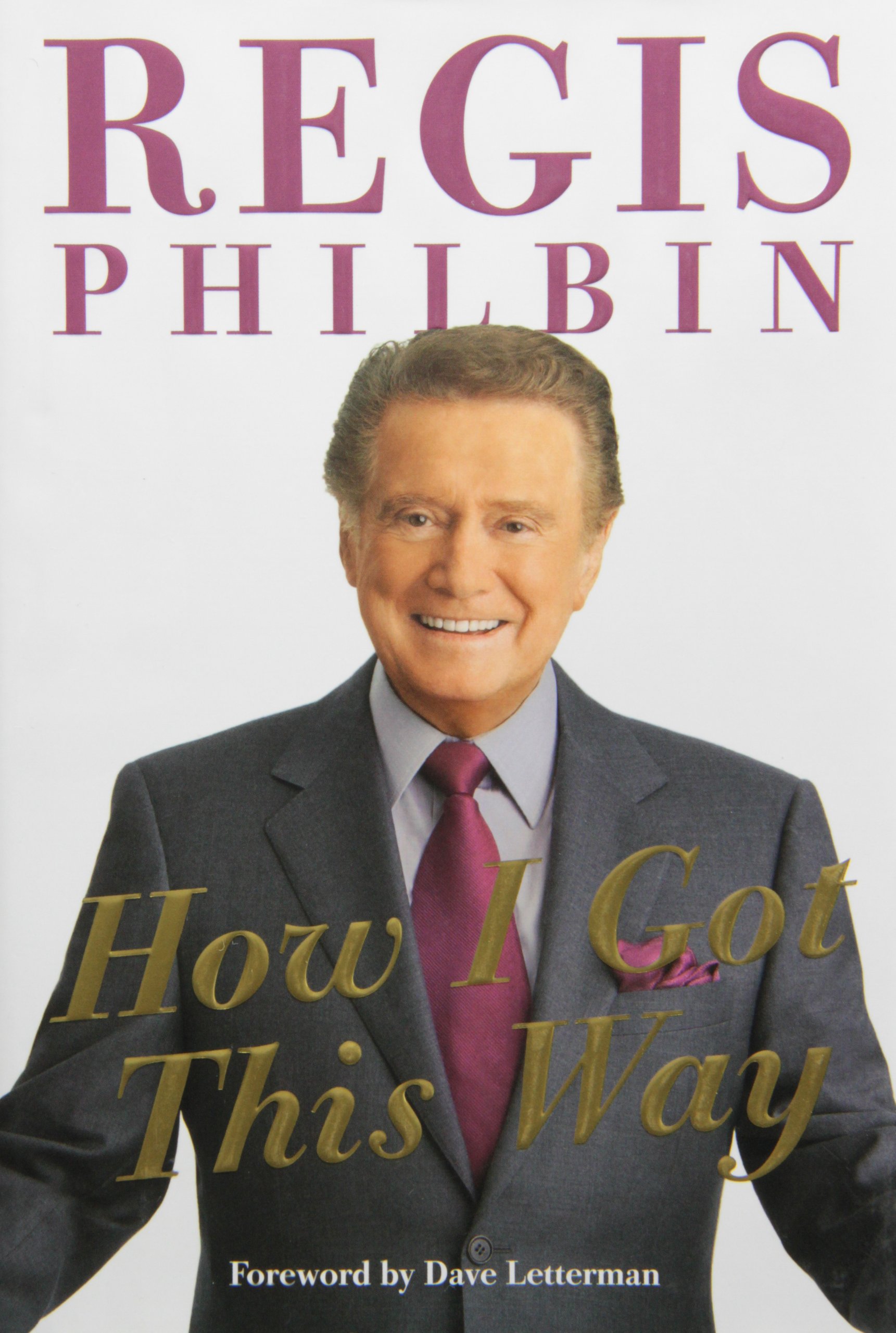 Who doesn’t love Regis Philbin? Even if a morning talk show wasn’t your thing, the personality and professionalism that Regis demonstrated for over 50 years put him in a category all by himself. How did he get this way? He tells us in his entertaining memoir How I Got This Way.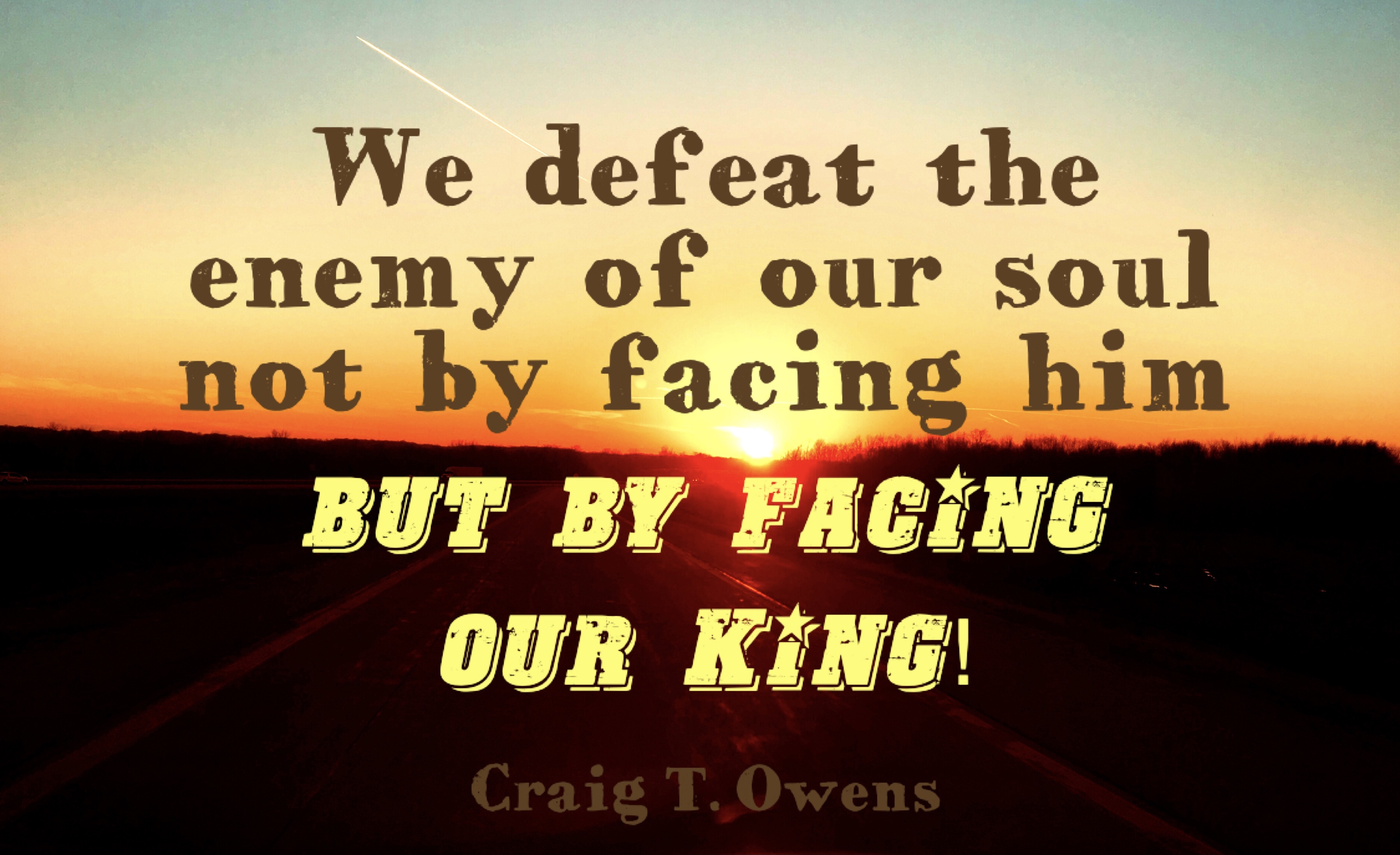






 Craig T. Owens