Thursdays With Spurgeon—Christ’s Gifts For The Rebellious

This is a weekly series with things I’m reading and pondering from Charles Spurgeon. You can read the original seed thought here, or type “Thursdays With Spurgeon” in the search box to read more entries.

Christ’s Gifts For The Rebellious

When You ascended on high, You took many captives; You received gifts from people, even from the rebellious—that You, Lord God, might dwell there. (Psalm 68:18) 

     What a strange sovereignty there is about the grace of God! Truly He will have mercy on whom He will have mercy, for in this instance He selects for special mention those whom you and I would have passed over without a word! ‘Even from the rebellious.’ … 

     ‘Even among the rebellious.’ When our Lord rode home in triumph, He had a pitying heart toward the rebellious! When He entered the highest place to which He could ascend, He was still the sinner’s friend! When all His pains and griefs were being rewarded with endless horror, He turned His eyes upon those who had crucified Him and bestowed gifts upon them! …

     When God gives gifts, will you turn them away contemptuously and say, ‘I like this one but the other I do not’? Did the Father bestow these gifts upon His Son? And has the Holy Spirit put them into different earthen vessels that the excellence of the power might be of God?

From Our Lord’s Triumphant Ascension

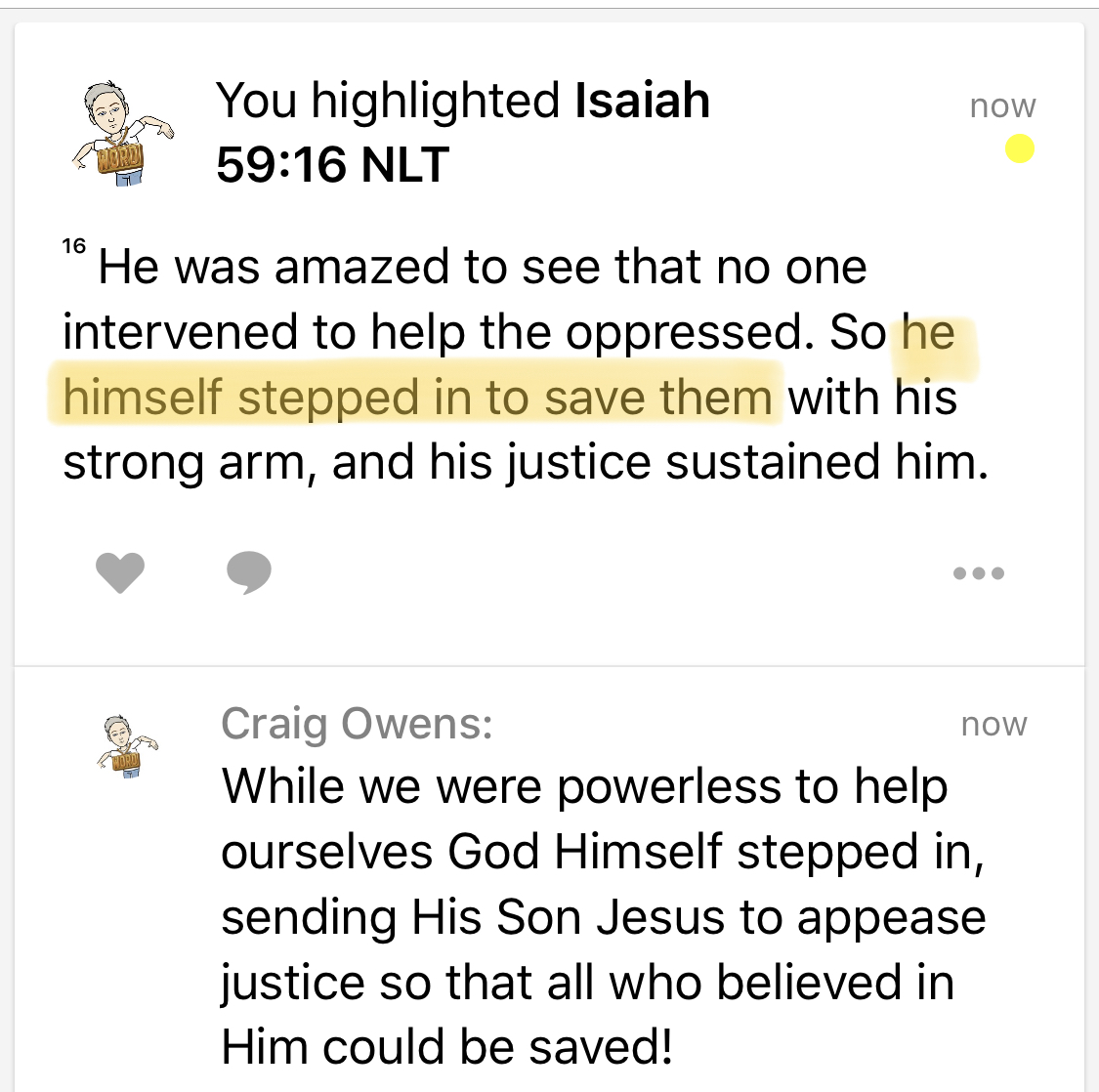
Jesus gave gifts to the rebellious?! 

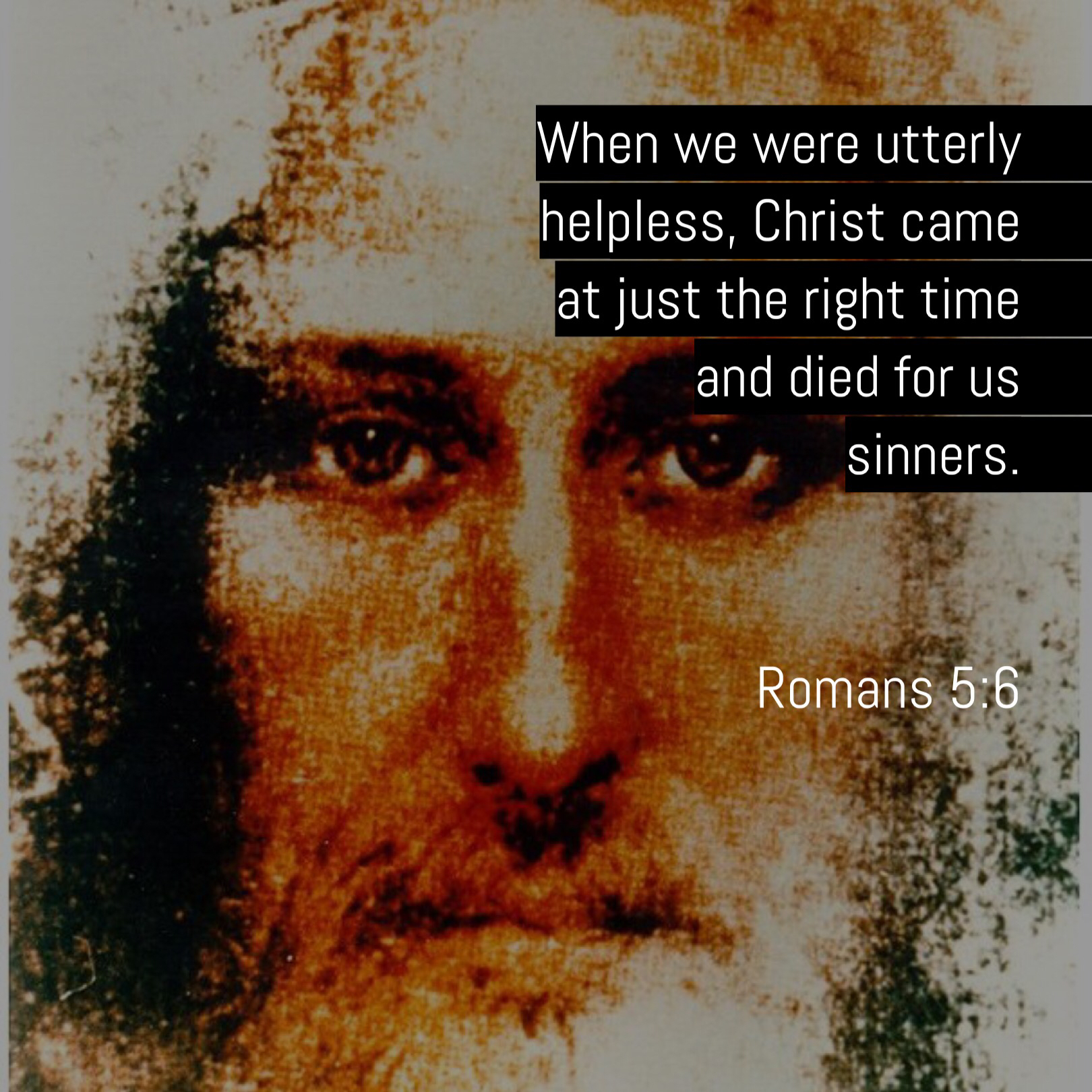
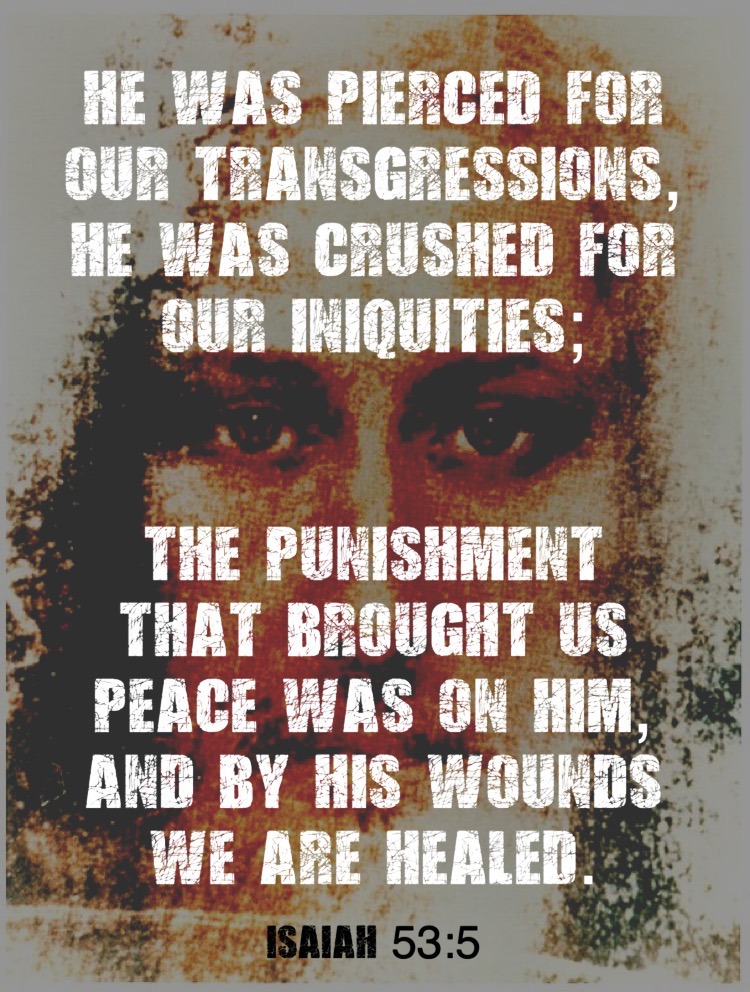
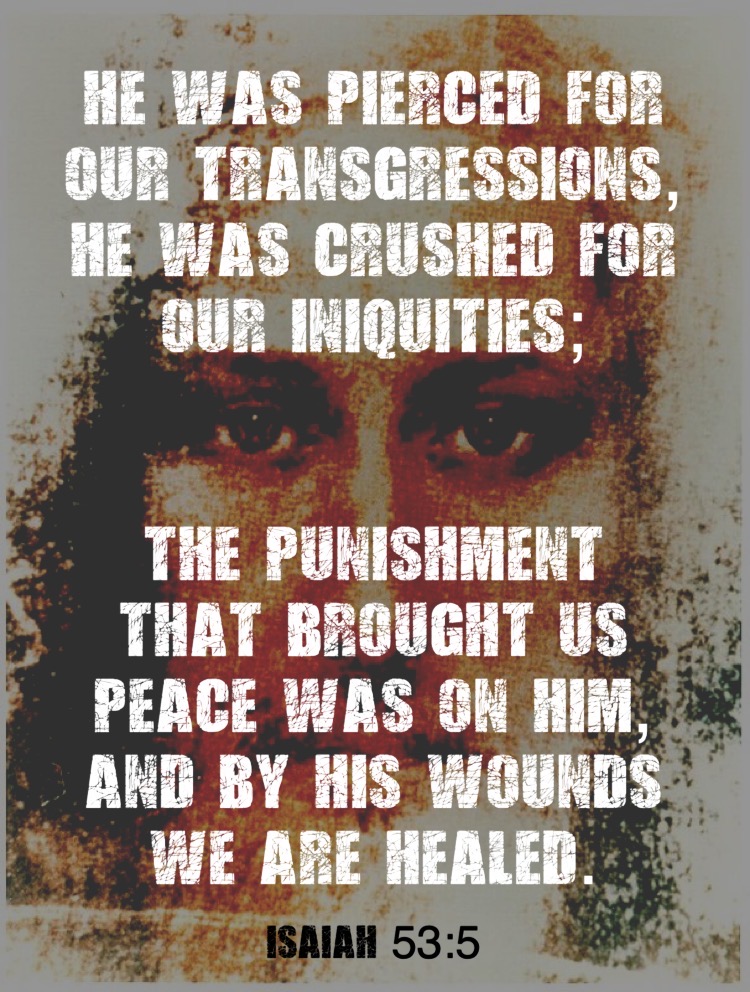
Yes, because that’s what we all were. Not one of us was righteous (Romans 3:23) nor worthy of His love (Romans 5:6-8)—let alone any gifts from Him! But Jesus took all our punishment upon Himself (Isaiah 53:4-6). 

And not only did He take away our punishment, He gave gifts to the rebellious—to you and me! Such wondrous love! 

Friend, there is a question we must all ask ourselves: How I am treating the precious gifts my Savior purchased for me?


Where’s God When I Fear Death?

Is death the #1 fear people have? The simple and complicated answer is: It depends. Fear of dying is a BIG fear in those that statistically are the least likely to die: the young. But fear of dying is very LOW for those on death row, the elderly, and the terminally ill.

I hope to convince you of a fourth group that shouldn’t fear death. It’s a group that all of us can be a member of: Those who understand that physical death is not the end. 

In the Garden of Eden, God planted one tree that was off-limits, and He said that the penalty for eating from this tree was death (Genesis 2:16-17). satan tried to get Adam and Eve to doubt what God said, and after they ate the fruit, it appeared satan was correct—they didn’t die. At least not physically.

But their sin did something far, far worse—it separated them from God’s presence. Now when God appeared, Adam and Eve hid in fear. In fact, Jesus even told His followers that the greatest fear wasn’t physical death but spiritual death (Luke 12:4-5). 

Jesus came to lift our hope to something beyond this physical world. He said, “God so loved the world that He sent His one and only Son, that whoever believes in Him would not die, but would have eternal life” (John 3:16). 

Famed atheist Bertrand Russell said, “I would never die for my beliefs because I might be wrong.” 

On the other hand, Jesus DID die for His beliefs and proved He was right by His resurrection! 

Friend, listen to me—We’re definitely not living our best life now. We are all terminal. Unless Jesus returns, the chances of our physical death are 1-in-1. 

But physical death is not the end! Death of the body means freedom for the soul. Jesus has defeated Death once for all! “Do not be afraid. I am the First and the Last. I am the Living One; I was dead, and now look, I am alive for ever and ever! And I hold the keys of death and Hades,” Jesus said (Revelation 1:17-18) 

Death has been swallowed up in victory. Where, O death, is your victory? Where, O death, is your sting? The sting of death is sin, and the power of sin is the law. But thanks be to God! He gives us the victory through our Lord Jesus Christ. (1 Corinthians 15:54-57) 

Invite Jesus into your life right this moment!! 

Once you have invited Jesus into your life, and your sins have been forgiven, and your destiny following your physical death is assured, this is how you should now live: 

  1. Live in joyful hope. Not optimism—that’s just the belief in what you think you can do. But hope is the belief in what you know Jesus has already done!
  1. Live free of all anxiety and the fear of death. Because nothing can separate you from God’s love and presence (Romans 8:38-39).  
  1. Live telling others about your Risen Savior. It’s the most loving thing that you could do for anyone. 

I don’t think it’s a stretch to say that to be a Christian and to be fearful of death is a sin. A fearful Christian gives God no praise, robs Him of glory, and paints God in a bad light. A happy, secure Christian knows the Lord is his strength, his comfort, his supply. A happy Christian lifts God high and invites others to know this All-Good, All-Happy God too! 

We can live this way because Jesus died to pay the penalty for your sins that separated you from God, and He was resurrected back to life to assure you that your eternal home in God’s presence is secure!

Poetry Saturday—How Few Receive With Cordial Faith

How few receive with cordial faith
the tidings which we bring?
How few have seen the arm revealed
of heav’n’s eternal King?

The Saviour comes! no outward pomp
bespeaks His presence nigh;
No earthly beauty shines in Him
to draw the carnal eye.

Fair as a beauteous tender flow’r
amidst the desert grows,
So slighted by a rebel race
the heav’nly Saviour rose.

Rejected and despised of men,
behold a Man of woe!
Grief was His close companion still
through all His life below.

Yet all the griefs He felt were ours,
ours were the woes He bore:
Pangs, not His own, His spotless soul
with bitter anguish tore.

We held Him as condemned by Heav’n,
an outcast from His God,
While for our sins He groaned, He bled,
beneath His Father’s rod.

His sacred blood hath washed our souls
from sin’s polluted stain;
His stripes have healed us, and His death
revived our souls again.

We all, like sheep, had gone astray
in ruin’s fatal road:
On Him were our transgressions laid;
He bore the mighty load.

Wronged and oppressed how meekly He
in patient silence stood!
Mute, as the peaceful harmless lamb,
when brought to shed its blood.

Who can His generation tell?
from prison see Him led!
With impious show of law condemned,
and numbered with the dead.

’Midst sinners low in dust He lay;
the rich a grave supplied:
Unspotted was His blameless life;
unstained by sin He died.

Yet God shall raise His head on high,
though thus He brought Him low;
His sacred off’ring, when complete,
shall terminate His woe.

For, saith the Lord, My pleasure then
shall prosper in His hand;
His shall a num’rous offspring be,
and still His honours stand. 

His soul, rejoicing, shall behold
the purchase of His pain;
And all the guilty whom He saved
shall bless Messiah’s reign.

He with the great shall share the spoil,
and baffle all His foes;
Though ranked with sinners, here He fell,
a conqueror He rose.

He died to bear the guilt of men,
that sin might be forgiv’n:
He lives to bless them and defend,
and plead their cause in heav’n. —William Robertson

Thursdays With Spurgeon—Why Did Jesus Suffer?

This is a weekly series with things I’m reading and pondering from Charles Spurgeon. You can read the original seed thought here, or type “Thursdays With Spurgeon” in the search box to read more entries.

Why Did Jesus Suffer?

     Think much of all your Lord suffered, but do not overlook the reason for it. If you cannot always understand how this or that grief worked toward the great end of the whole passion, yet believe that it has its share in the grand why. Make a life-study of that bitter but blessed question, ‘Why have You forsaken Me?’ …

     Why, then, did God forsake His Son? I cannot conceive any other answer than this: He stood in our place. There was no reason in Christ why the Father should forsake Him—He was perfect and His life was without spot. God never acts without reason, and since there were no reasons in the character and person of the Lord Jesus why His Father should forsake Him, we must look elsewhere. … 

     He bore the sinner’s sin and He had to be treated, therefore, as though He were a sinner, the sinner He could never be! With His own full consent He suffered as though He had committed the transgressions that were laid on Him. Our sin and His taking it upon Himself are the answer to the question, ‘Why have You forsaken Me?’ …

     So long as the smile of God rests on the man, the law is not afflicting him. The approving look of the great judge cannot fall upon a man who is viewed as standing in the place of the guilty. Christ suffered not only from sin, but for sin. If God will cheer and sustain Him, He is not suffering for sin. The judge is not inflicting suffering for sin if He is manifestly encouraging the smitten one. There could have been no vicarious suffering on the part of Christ for human guilt if He had continued, consciously, to enjoy the full sunshine of the Father’s presence. It was essential to being a victim in our place that He should cry, ‘My God, My God why have You forsaken Me?’ … 

     Beloved, see how marvelously, in the person of Christ, the Lord our God has vindicated His law!

From My God, My God Why Have You Forsaken Me?

The great apostle Paul wrote to the church at Corinth about his singular focus—When I came to you, I did not come with eloquence or human wisdom as I proclaimed to you the testimony about God. For I resolved to know nothing while I was with you except Jesus Christ and Him crucified. (1 Corinthians 2:1-2) 

“Think much of all your Lord suffered, but do not overlook the reason for it,” Spurgeon said. 

That earth-quaking, darkness-inducing, temple-rattling, soul-piercing cry of Jesus—My God, My God, why have You forsaken Me?—could only have been uttered by someone perfect. I know plenty of reasons why God could have forsaken me, but Jesus knew only a single reason. 

Jesus did not suffer because of something He had done wrong, but because of all I had done wrong.

That Cross was stained with His blood for my sin. 

Because He was forsaken, I am now accepted in the Beloved Jesus (Ephesians 1:6-7). Think much on this: Jesus was crucified for you and me SO THAT we wouldn’t have to bear the penalty of our sin. Justice was satisfied. Now, by faith in His sacrifice on the Cross, we can come to God not only with our sins forgiven, but we can be accepted by Him as His children. 

My friend, think much on this. Resolve to know the unspeakable value of Christ crucified for you. And then rejoice greatly that you are accepted in the Beloved. If you would like to know more, please contact me.

Poetry Saturday—Clinging To Thee

O Holy Savior, Friend unseen,
Since on Thine arm Thou bidst me lean,
Help me throughout life’s varying scene
   By faith to cling to Thee.

Blest with this fellowship divine,
Take what Thou wilt, I’ll ne’er repine;
E’en as the branches to the vine,
   My soul would cling to Thee.

Far from her home, fatigued, oppressed,
Here she has found her place of rest;
An exile still, yet not unblessed,
   While she can cling to Thee.

Without a murmur I dismiss
My former dreams of earthly bliss;
My joy, my consolation this,
   Each hour to cling to Thee.

What though the world unfaithful prove,
And earthly friends and joys remove;
With sure and certain hope of love,
   Still would I cling to Thee.

Oft when I seem to tread alone
Some barren waste, with thorns o’ergrown,
Thy voice of love, in gentle tone,
   Whispers “Still cling to Me.” 

Though faith and hope may oft be tried,
I ask not, need not aught beside;
How safe, how calm, how satisfied,
   The soul that clings to Thee!

They fear not satan, nor the grave—
They feel Thee near and strong to save;
Nor dread to cross e’en Jordan’s wave,
   Because they cling to Thee.

Blessed is my lot, whate’er may befall;
What can disturb me, who appall,
While as my Strength, my Rock, my All,
   Savior, I cling to Thee? —Charlotte Elliott

How Will You Respond To Jesus?

Although most nativity scenes show the wise men visiting Jesus alongside the shepherds the night He was born, in reality the Magi showed up much later. 

They came first to Israel’s capital city—Jerusalem—and went to the man who currently bore the title King of the Jews—Herod—with an odd question, “Where is He who has been born King of the Jews? We’ve come to worship Him.”

The call to come to worship the Christ has always stirred different responses in people’s hearts. But I have noticed that the responses today aren’t any different than they were over 2000 years ago at Christ’s first Advent. 

Notice these four responses in the Gospel of Matthew:

  1. King Herodwhen King Herod heard this he was disturbed.

The word disturbed means an inward commotion, someone robbed of any calmness; someone who has become restless and agitated. 

King Herod wasn’t all that different from a lot of people today who have their personal lives organized according to their own plans. They have everything figured out. They are masters of their own fate. They know how everything is supposed to work. They are god of their own world. 

But inside it’s a different story. They may not acknowledge it to anyone else, but they are uneasy. King Herod was political, not religious. He knew how to play the games with the right Jewish leaders and Roman politicians to get and keep his throne. So when he hears, “Where is He who is born KING OF THE JEWS?” you can understand why he instantly becomes so agitated! He feels like his well-ordered world and best-laid plans are about to crash in on him! 

  1. All JerusalemKing Herod…was disturbed, and all Jerusalem with him. 

The people of Jerusalem had a love-hate relationship with King Herod. If you were on his side, he could be quite generous with his gifts and favorable with his influence. But if you were against him, he could be incredibly cruel (just take a look at verse 16!). 

So when Herod got upset, you can imagine why the citizens of Jerusalem were as well. They all longed for the Messiah—the Christ—to come and set them free, but in the meantime they were trying to keep their options open. They wanted the Messiah, if they could have Him, but they didn’t want to abandon Herod yet, just in case the Messiah couldn’t follow through.  

  1. Religious leadersHerod…called together all the people’s chief priests and teachers of the law. 

Of all the people looking for the Christ, you would think the chief priests and teachers of the law would be the most excited! When Herod asked them for the birthplace of the Messiah, they immediately knew the answer, but after they delivered this information to King Herod they aren’t mentioned again in this narrative. Bethlehem was only 6 miles away, but they didn’t do a single thing! The Messiah being born in such a lowly manner didn’t fit the image they had concocted in their minds. Later on, Jesus would challenge them on this (see John 5:38-40). 

  1. MagiMagi from the east came to Jerusalem. 

Whereas the Jewish religious leaders were only 6 miles away, the Magi that came from the east might have been anywhere from 400-800 miles away. They left the comforts of their home to travel perhaps as long as 4 months. But, Oh! the journey was so worth the effort! They got to see the Christ with their very own eyes! We read that they were overjoyed, and that they bowed down and worshiped Him and opened their treasures. 

What’s your idea about Jesus? 

  • King Herod wanted a Savior that would enable him to continue to run his own life, but he didn’t want a King that would call the shots. 
  • The people of Jerusalem wanted access to God’s power, but they didn’t want to give their full allegiance to Jesus. 
  • The religious leaders wanted Jesus to fit their mold, but they didn’t want to have to change anything about their own lives. 
  • Only the Magi accepted Jesus as both Savior and King, willingly laying everything at His feet. 

What about you? What’s your idea about Jesus? He isn’t just a Baby in a manger; He’s also King and Judge and Ruler and Lord. When you hear the call to come worship Him, what will your response be? 

Thursdays With Spurgeon—Christ Came On Purpose

This is a weekly series with things I’m reading and pondering from Charles Spurgeon. You can read the original seed thought here, or type “Thursdays With Spurgeon” in the search box to read more entries.

Christ Came On Purpose

     This heavenly knowledge is not given to us for its own sake alone. Even the high and blessed revelation of the righteous Father is not made to us that we may know it and end in knowing. Our Lord says, “I have declared to them Your name, and will declare it, that the love with which You have loved Me may be in them, and I in them” [John 17:24-26]. The objective of the knowledge bestowed upon us is the infusion of a love unrivaled in value and extraordinary to the last degree! … 

     Therefore does Christ declare the blessed name of the righteous Father, in order that it may come home to you with an unconquerable power that the Father loves you and loves you beyond conception, seeing that not even His dear Son was so loved as to be spared, but He must die that you might live and that the justice of God might be satisfied on your account! … 

     Christ has come on purpose to declare the name of God that the love of God may be perceived by us, its power felt, its glory recognized, its greatness wondered that, its infinitude delighted in. … 

     Now, if you fully know the righteous fatherhood of God, as Christ would have you know it, you will learn that God loved you as He loved His Son. … If He had not loved you as He loved His Son, He would have said to His Son, “Son, you will never leave heaven for that polluted planet. You will never descend to poverty and suffering. You will never have Your hands and feet pierced. You will never be despised and spit upon and put to a cruel death.” But because He loved us as He loved His Son, He gave His Son! …

     Do you try, if you can, to realize this high privilege. It is true, O believer, that God, the infinite Father, takes pleasure in you!

From The Righteous Father Known And Loved

THIS is what we celebrate in remembering Christ’s First Advent! 

THIS is why forgiven sinners can eagerly long for Christ’s Second Advent!

Thursdays With Spurgeon—The Depths Of God’s Love For Us

This is a weekly series with things I’m reading and pondering from Charles Spurgeon. You can read the original seed thought here, or type “Thursdays With Spurgeon” in the search box to read more entries.

The Depths Of God’s Love For Us

I have made You known to them, and will continue to make You known in order that the love You have for Me may be in them and that I Myself may be in them. (John 17:26) 

     Is He not Himself very God of very God? … He declared the righteous Father in His life, for in His life He incarnated truth and grace. Jesus Christ on earth was without sin in thought, in word, and in deed. Point me to a sin He ever committed, inculcated, or excused. Righteousness was about Him as the atmosphere that He breathed. Well did the psalmist say of Him, “You love righteousness and hate wickedness” (Psalm 45:7). And yet what love there was in Him and pity for the wandering sheep! He mingled with sinners and yet was separate from sinners. He touched their diseases and healed them and yet was not defiled by their impurities. He took their infirmities upon Himself and yet in Him, personally, there was no trace of sin. Our Lord was so righteous that you perceived at once that He was not of this world—and yet He was so lovingly human that He was altogether a Man among men. … 

     He was man’s Brother and his physician, his Friend and his Savior! When you want to know the Father’s righteousness and love, read the history of Jesus Christ—no, know the Lord Jesus Himself and you know the Father! … 

     Beloved, when Jesus Christ died, there was a greater display of the righteousness and the fatherhood of God than could have been possible by any other means! Then the mystery was made plain and the depth opened up to its very bottom! O Lord our God, what an abyss of adorable goodness have You thus laid bare before us! … 

     And now, today, it is the business of our Lord to continue to reveal the righteous fatherhood of God, and He does so by the work of His Holy Spirit [John 14:26]. … That Spirit of God working on behalf of Christ is still declaring this among the nations! As the years roll on, He is opening the eyes of the blind and bringing His own chosen, one by one, to behold the glory of God in the face of Jesus Christ! And then they can say, “O righteous Father, I know You and rejoice in You.”

To each one of us who is saved, Jesus is declaring this righteous Father more and more.… I trust that every day we see a little more of the righteous fatherhood of God and will continue to do so, world without end!

From The Righteous Father Known And Loved

May we never, ever come to the end of learning about these depths of love that Jesus revealed in His life, death, and resurrection, and which the Holy Spirit is continuing to impart to us. 

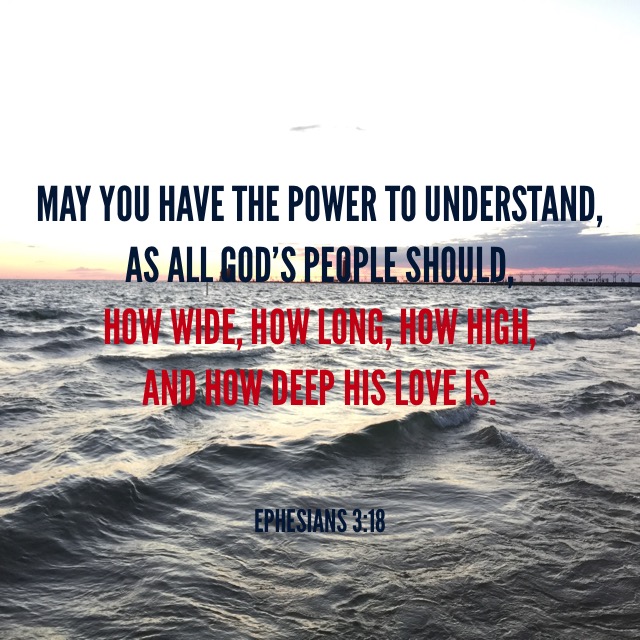
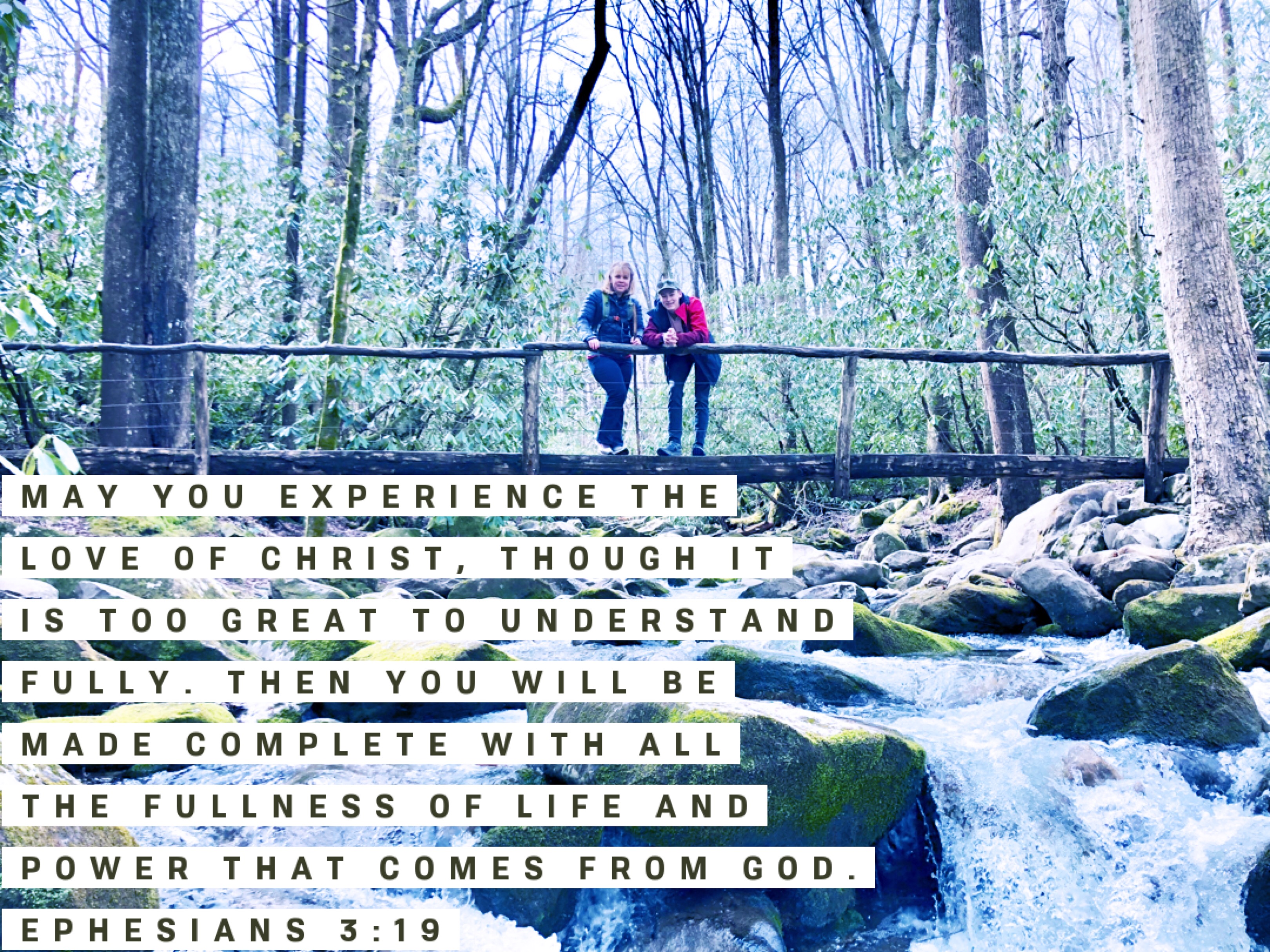
May we add our Amen to the apostle Paul’s prayer: I keep asking that the God of our Lord Jesus Christ, the glorious Father, may give you the Spirit of wisdom and revelation, so that you may know Him better. … I pray that out of His glorious riches He may strengthen you with power through His Spirit in your inner being, so that Christ may dwell in your hearts through faith. And I pray that you, being rooted and established in love, may have power, together with all the Lord’s holy people, to grasp how wide and long and high and deep is the love of Christ, and to know this love that surpasses knowledge—that you may be filled to the measure of all the fullness of God. (Ephesians 1:17; 3:16-19)

Thursdays With Spurgeon—Our Secure Future Hope

This is a weekly series with things I’m reading and pondering from Charles Spurgeon. You can read the original seed thought here, or type “Thursdays With Spurgeon” in the search box to read more entries.

Our Secure Future Hope

     First, Christ is all. Next Christ is in all His people, but the consummation, the top-stone of all, is that God may be all in all [1 Corinthians 15:22-28]. … 

     The fact is, our Lord Jesus Christ has performed and is still performing a work that will end in putting everything into its proper order. …

     Christ is come into the world that all of the evil that is in the world should be subdued. And He will drive it out of the world. There will remain no power that will dare revolt against the Majesty of Heaven! Over the whole surface of this globe, beneath the new heavens and on the new earth, there will yet be the kingdom established all of which Jesus Christ will be the Supreme Head and over which He will reign forever, King of kings and Lord of lords! The Lord hasten it in His own time! … 

     I don’t know whether you catch my thought yet, but it is just this: all evil subdued, all the saints having Christ dwelling in them, Christ the head of all these saints, and then God, still as God, all the more surely and securely supreme over all things, or the head of Christ is God and God is all in all. … 

     I want to you, beloved friends, so to live as to be persuaded that it will be so one day, that God will be all in all—that there will come a time when we will stand before the throne of God, God in us all, and everything in us of God, when all His elect, all His redeemed, all to whom Christ is all, and all in whom Christ is, will only know God as their All-in-All!

From All And All In All

What a glorious future hope is secured for God’s saints! 

If we know what is coming, why would we fear today? If our hope is secure, that means our today is secure as well. That’s why David could confidently say: I keep my eyes always on the Lord. With Him at my right hand, I will not be shaken (Psalm 16:8).

Thursdays With Spurgeon—Christ Is Glorified In Your Uniqueness

This is a weekly series with things I’m reading and pondering from Charles Spurgeon. You can read the original seed thought here, or type “Thursdays With Spurgeon” in the search box to read more entries.

Christ Is Glorified In Your Uniqueness

     To my mind it is a very beautiful thing that the Lord Jesus Christ, when He comes into the soul, does not annihilate any part of the personality, but shines in each separate being, for He is not only all, but He is in all His people [Colossians 3:11]! Very well, the grace of God does not turn the Gentile into a Jew. He remains a Gentile, but Christ is in him, and therefore he is made into a new creature [Colossians 3:9-10]. … Then comes the Jew. When he is saved, Christ is in him. … The Lord Jesus Christ, dwelling in the Jew, leaves him still a member of the house of Abraham, but through the presence of the Lord Jesus within him, how wondrously his whole character is exalted! …

     Yes, let a man be a brown man, or a yellow man, or a red man, or whatever color God made him! The more he keeps to his own nationality and reflects the glory of Christ from that angle, the more will Christ’s gospel triumph and the more will Christ Himself be honored! … 

     Christ is all, and Christ is in all His people, each one remaining the same in his individuality, but Christ shining in each one! … So note again that because Christ dwells in him, every believer becomes a copy of Christ.  

     What is more, Christ in each one of these believers creates them all into one body [Colossians 3:14-15]. … Christ in you all makes you into one body in a mysterious and unique manner.

From All And All In All

God isn’t in the cloning business. He made all of us unique. Think of that: in all of human history there has never been another YOU. In all the 7.5 billion people on planet Earth right now YOU aren’t duplicated. And for however long history goes on there will never be another YOU! 

When Jesus is your Lord and Savior, He doesn’t want to turn YOU into a copycat. He wants YOU to be YOU, with all your glorious, inimitable uniqueness. His Holy Spirit in YOU, helps YOU to be more YOU because the One who created YOU is now living in YOU. 

How amazing is that?! 

YOU be YOU. That is how God is most glorified through YOU!