4 Benefits Of Gratitude

Listen to the podcast of this post by clicking on the player below, and you can also subscribe on AppleSpotify, or Audible. 

Do you remember this song: “If you’re happy and you know it clap your hands”? It goes on to say, “If you’re happy and you know, then your life will surely show it….” Frankly, I’m concerned about Christians that are unhappy. 

Charles Spurgeon was talking to his students and he said, “I commend cheerfulness to all who would win souls; not levity and frothiness, but a genial, happy spirit. There are more flies caught with honey than with vinegar, and there will be more souls led to heaven by a man who wears heaven in his face than by one who bears Tartarus in his looks.” Tartarus, in Greek mythology, is a sunless abyss, below Hades, in which Zeus imprisoned the Titans, which is the exact opposite of the Paradise described in the Bible. 

Unhappiness generally comes from ingratitude. An unhappy Christian gives God no praise, robs Him of glory, and paints God in a bad light. A happy Christian lifts God high and invites others to know this All-Good, All-Happy God too! 

Christians need to fight against the downward pull of negativity in which our culture seems to so easily gravitate. In his letter to the Philippians, the apostle Paul says that a Christian who doesn’t engage in the complaining that the world is known for will shine brightly. Quite simply, thankfulness is the antidote to complaining (Philippians 2:14-18). 

(Check out all of the Scriptures I reference in this post by clicking here.) 

Even those who may not recognize the the authority of Scripture have extolled the benefits of gratitude. Psychologists and medical professionals have identified three benefits from a thankful heart: 

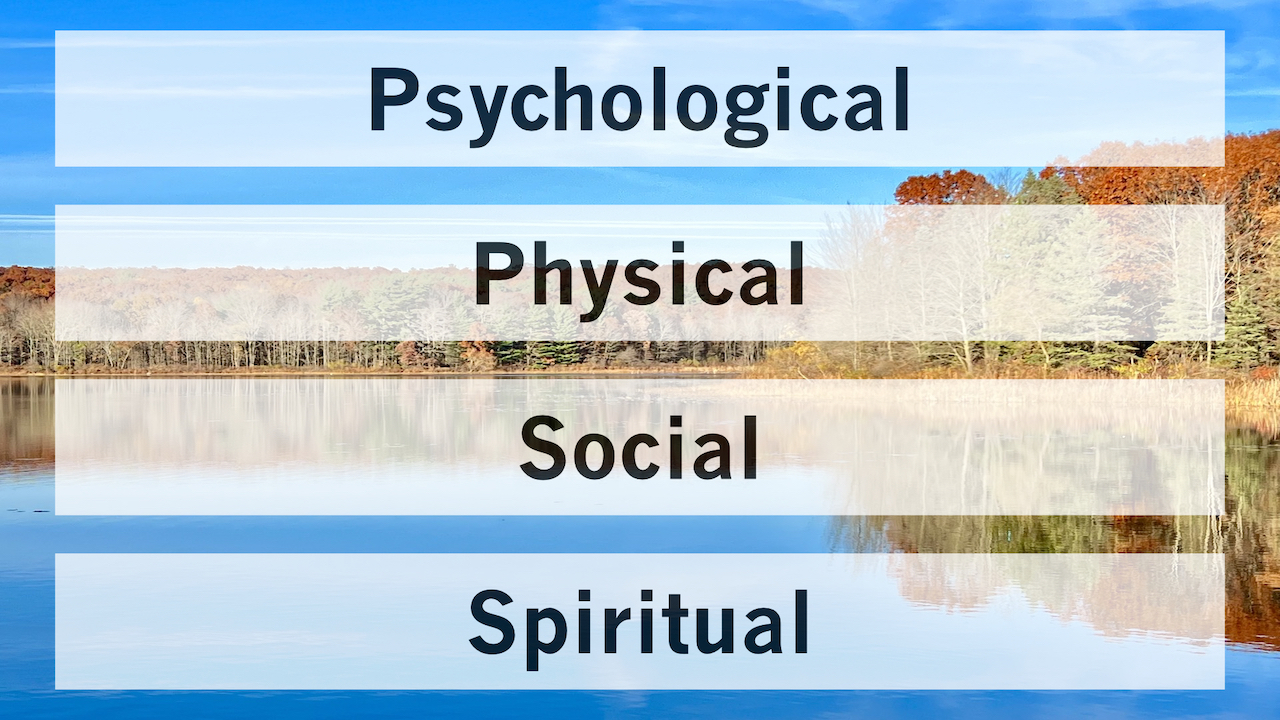
  1. Psychological benefits—more mentally alert, increased self-satisfaction, enhanced mood 
  2. Physical benefits—stronger immune system, less body aches and pains, regulated blood pressure, a better sleep-wake cycle 
  3. Social benefits—better communication with others, increased empathy, increased likability 

And Christians can add one more benefit to this list:

  1. Spiritual benefits—more dynamic corporate worship, enchanted Christian testimony, perseverance through trials, fortification against giving in to temptation 

The well-known Cleveland Clinic reported that an attitude of gratitude leads to overall wellness. When you are grateful for what you have, it improves your outlook mentally, physically, spiritually, and relationally. 

Here are five things you can start doing today that will increase your gratitude levels, enhance your Christian testimony, and generally improve your life: 

  1. Switch your perspective. Worry is focusing on what you don’t have. Make the switch to gratitude by giving thanks for what you do have (Matthew 6:25-34). 
  2. Strengthen your relationships. It’s fine to weep with those who weep, but let’s encourage others and be encouraged by others so that we can rejoice with those who rejoice (1 Thessalonians 3:6-10), 
  3. Foster healthy habits. Dr. Luke gives us the pyramid of health that Jesus demonstrated in Luke 2:52. The pinnacle is strong relationships, and grateful people are more empathetic and likable. 
  4. Keep a gratitude journal so that you don’t forget what God has done for you (Psalm 106:7).  
  5. Talk about your gratitude. This instills thankfulness in other saints (Isaiah 63:7) and in future generations of your family (Isaiah 46:4), and it becomes a testimony for seekers (1 Peter 3:15). 

Let me close with this observation from Blaise Pascal: “There are three kinds of people in the world; those who have sought God and found Him and now serve Him, those who are seeking Him, but have not yet found Him, and those who neither seek Him nor find Him. The first are reasonable and happy, the second reasonable and unhappy, and the third unreasonable and unhappy.” 

Reasonable, happy saints are the ones who lift God high and invite others to know this All-Good, All-Happy God too! Not just at the Thanksgiving season, but starting now and then going all year long! 

Follow along with all of the messages in this series called Be Thankful by clicking here. 

►► Would you please prayerfully consider supporting this ministry? My Patreon supporters get behind-the-scenes access to exclusive materials. ◀︎◀︎

Thursdays With Spurgeon—Beware Of Grumblers

This is a weekly series with things I’m reading and pondering from Charles Spurgeon. You can read the original seed thought here, or type “Thursdays With Spurgeon” in the search box to read more entries.

Listen to the podcast of this post by clicking on the player below, and you can also subscribe on AppleSpotify, or Audible. 

Beware Of Grumblers 

     None is so wise as the man who knows nothing. His ignorance is the mother of his impudence and the nurse of his obstinacy; and though he does not know a bee from a bull’s foot, he settles matters as if all wisdom were at his fingers’ ends—the pope himself is not more infallible. Hear him talk after he has been at a meeting and heard a sermon, and you will know how to pull a good man to pieces if you never knew it before. He sees faults where there are none; and if there be a few things amiss, he makes every mouse into an elephant. … 

     Those who know nothing are confident in everything; hence they are bullheaded beyond measure. Every clock and even the sundial must be set according to their watches. … Venture to argue with them, and their little pots boil over in quick style; ask them for a reason, and you might as well go to a sandpit for sugar. … 

     Faultfinding is dreadfully catching: One dog will set a whole kennel howling, and the wisest course is to keep out of the way of a man who has the complaint called the grumbles. … Dogs, however, always will bark; and what is worse, some of them will bite, too. But let decent people do all they can, if not to muzzle them, yet to prevent them from doing any great mischief.

From John Ploughman’s Talks of Plain Advice For Plain People

Charles Spurgeon—the prince of preachers—could also use a sarcastic tone to a great effect when it was needed! This whole book was supposed to be a sort of “shop talk” to the everyday working man. These are not flowery sermons, but straight-shooting for decent people. 

I have just completed a short series of messages on the distinct ways grateful people stand out from the crowd. But isn’t it just as true that those who constantly grumble about anything and everything also stand out from the crowd? 

Spurgeon was right that grumbling and faultfinding are dreadfully catching! King Solomon says that we waste our time trying to reason with such foolish people who believe themselves to be smarter than the rest of us. So Solomon’s advice is to simply leave them alone. 

Indeed, the best way to avoid catching the contagion of grumbling is to stay away from grumblers. If you have the misfortune of living with a grumbler or perhaps working next to a grumbler, the best way to “walk away” is to simply not engage in their faultfinding “barking.” Maybe you could even answer their complaint by pointing out something for which you are grateful. 

Let’s all make sure we’re not the grumbling, barking, growling dogs that Spurgeon identifies in this passage, and then let’s do all we can to keep the contagion of a grumbler contained. To paraphrase the apostle Paul, “Don’t be overcome by grumbling, but overcome grumbling by walking away or with gratitude” (Romans 12:21).

►► Would you please prayerfully consider supporting this ministry? My Patreon supporters get behind-the-scenes access to exclusive materials. ◀︎◀︎

The Gratitude That Influences

Listen to the podcast of this post by clicking on the player below, and you can also subscribe on AppleSpotify, or Audible. 

Last week I mentioned over-dramatic kids complaining, “I’m starving!” Or people with expensive phones complaining about a slow internet connection. We’re really good at expressing what we want, aren’t we? In fact, we’re really good at loudly letting everyone around us know that we want something. 

But here’s a good question: Are we just as quick to loudly express our gratitude?     

It’s innate human nature to behave this way. No one has to teach a child to express their desires—loudly! But we do have to teach our children to say, “Thank you.” And sometimes it takes even more prompting to get them to say it loud enough for others to hear, and sincere enough for others to believe that they are truly grateful. 

So why would we expect it to be any different just because we happen to be older? That’s why we’ve noted that the attitude of gratitude is a great attitude, and it’s also an attitude that makes the grateful person stand out from the crowd. 

G.K. Chesterton noted, “In life you can take things one of two ways: you can take them for granted or you can take them with gratitude.” Sadly, it seems that “for granted” is what is typically exhibited. In fact, I think the granted-to-grateful ratio is 10-to-1. 

Luke alone tells a story in his Gospel about ten men with leprosy (Luke 17:11-19). All ten lepers had no problem calling out their need for healing “in a loud voice.” And they called out to the right Person, as they called Jesus “Master.” This word shows that they believed He could do something no one else could do. Indeed, Jesus shows His authority over leprosy with just the word, “Go” and “as they went, they were cleansed.” 

All ten were quick to loudly express their desire for healing and to call on the authority of Jesus, but only “one of them…came back, praising God in a loud voice.” Both Luke and Jesus affirm that all ten men were cleansed on the outside—their skin no longer showed the ravages of leprosy, but only to the one grateful man did Jesus say, “Your faith has healed and saved you” (v. 19 MSG). 

The Greek word here is sōzō. This is the same word used for the eternal salvation that Jesus alone can bring. Check out John 3:17, John 10:9, Acts 2:21, and Romans 10:9. This is better than just physical cleansing, it’s wholeness that lasts for eternity! 

E.M. Bounds wrote, “Gratitude and murmuring never abide in the same heart at the same time.” Sadly, the ratio of grumblers-to-praisers is only going grow as we move closer and closer to the end of the age, culminating in people who have the outward appearance of godliness (like the nine cleansed lepers) but ignore the true power of God for salvation (see 2 Timothy 3:1-5). 

In this take-everything-for-granted, focus-on-the-outward culture, those 1-in-10 stand out. Those who have gone beyond skin-deep cleaning to soul-deep salvation, and who loudly express their gratitude, are the ones the apostle Paul declares shine brightly and influence those around them (Philippians 2:14-16). 

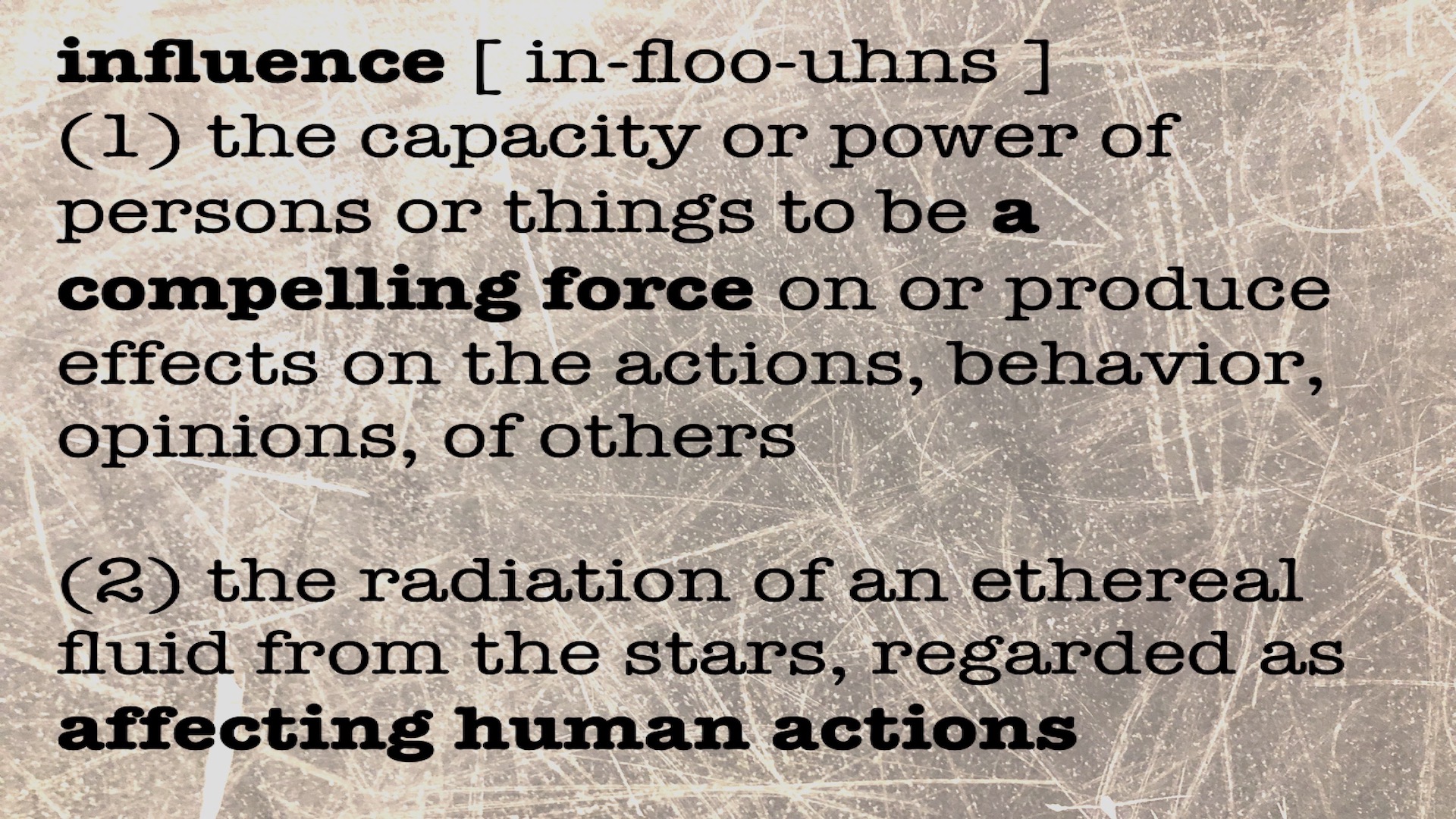
The origin of the word influence comes from a power people thought those bright stars had to affect the lives of humans. So your consistent gratitude is influencing those around you, and giving them a star to chart their course, more consistently than almost anything else you can do. 

So shine on! Praise God loudly, quickly, and sincerely for what He has done for you! Be the 1-in-10! And then watch your influence impact everyone who encounters you.

If you’ve missed any of the messages in our series The Great Attitude of Gratitude, you can find a list of all of the messages by clicking here. 

►► Would you please prayerfully consider supporting this ministry? My Patreon supporters get behind-the-scenes access to exclusive materials. ◀︎◀︎

Year-End Review (2019 edition)

Ten years ago God called me to pastor at Calvary Assembly of God, and we have so thoroughly enjoyed our time in Cedar Springs! One of the really cool things I get to do is teach an amazing group of people every Sunday. Here’s a recap of the series and messages from 2019.

Boldly Praying—As a general rule, God would like us to pray much more boldly than we typically do. Jesus told us that we could pray mountain-moving prayers, but C.S. Lewis rightly observed, “If we consider the unblushing promises of reward and the staggering nature of the rewards promised in the Gospels, it would seem that our Lord finds our desires, not too strong, but too weak.” 

Christ’s Passionate Journey—In action movies, the crucial moment usually is filmed in slow motion. The Gospels do the same as Jesus approaches the Cross. For example, Mark doesn’t mention anything about the birth of Jesus and only gives us one verse to tell about satan’s temptation of Jesus in the wilderness. But he uses nearly 40% of his writing to describe the last week of Christ’s life. 

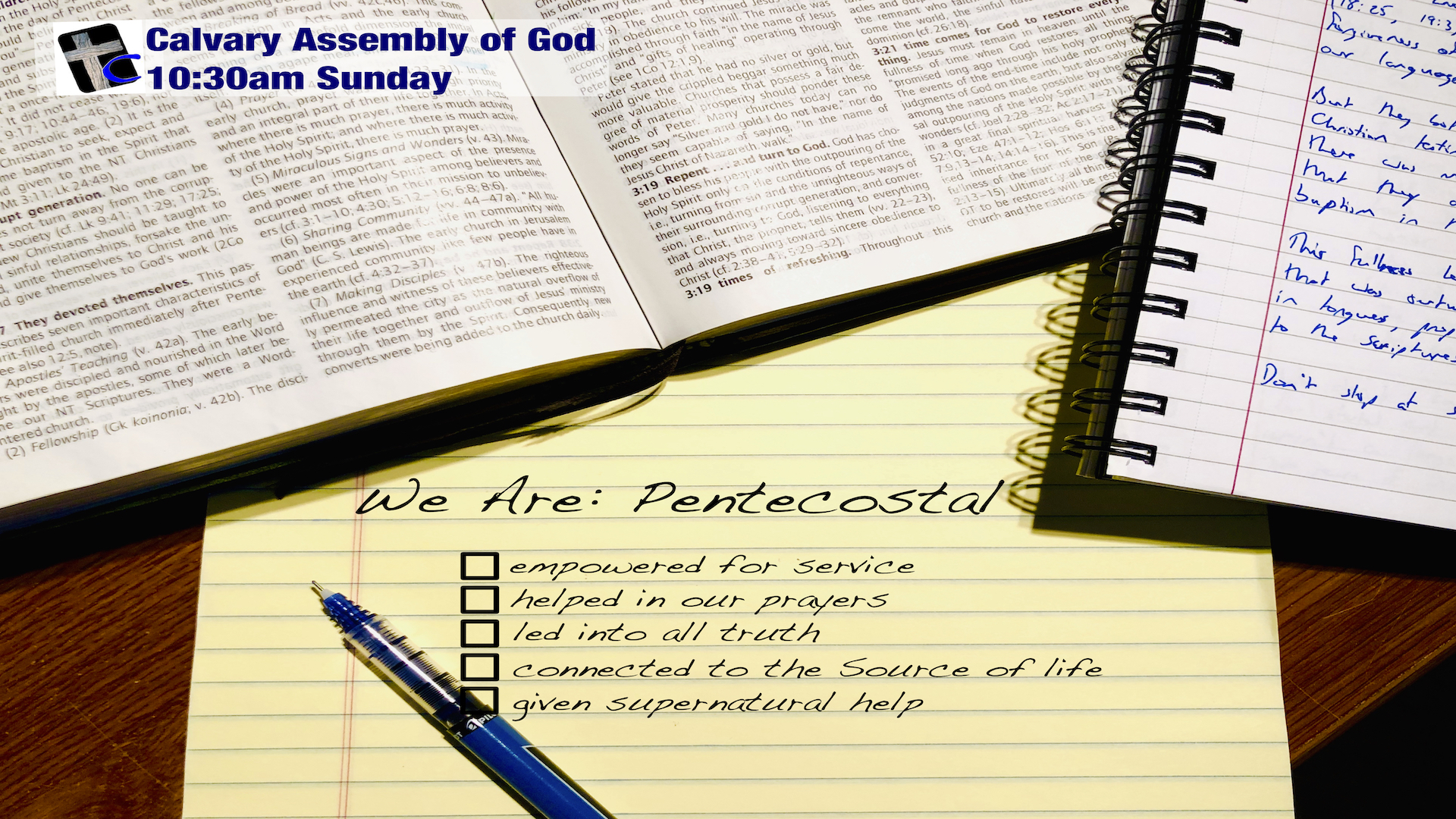
We Are: Pentecostal—Pentecost for over 1000 years was a celebration in Jerusalem that brought in Jews from all over the world. But on the Day of Pentecost that came just ten days after Jesus ascended back into heaven, the meaning of Pentecost was forever changed! 

Is That In The Bible?—Sometimes things that sound “biblical” aren’t actually in the Bible at all, and sometimes they are there but are misquoted. 

Selah—When you see this word in the Bible it can mean either a pause from the noise to reflect on something, a preparation for an exciting accent, or a reflective time of consideration. We are working our way through the Selahs in the Psalms.

Major Lessons From Minor Prophets—The five major prophets consist of 182 chapters, whereas the 12 minor prophets only have 67 chapters. The volume of these prophets writing may be minor, but their content carries major messages of meteoric power!  

Fading Gratitude—Looking back at the history of God’s people in the Bible, there is a distinct up-and-down cycle. I believe their slipping away from God can be directly linked to their forgetfulness. If there is a peril in our forgetfulness, there is also a power in our thankfulness!

The Carols Of Christmas—How many “old familiar carols” have you heard Christmas after Christmas until the words have almost lost their meaning? If we’re not careful, any song repeated too often can lose the richness of its original intent. 

We will be returning to a couple of these series in 2020, and we’ll be launching some brand new ones as well. In either case, if you don’t have a home church in the northern Kent County area, I would love to have you join us! 

A Radical Change In Perspective

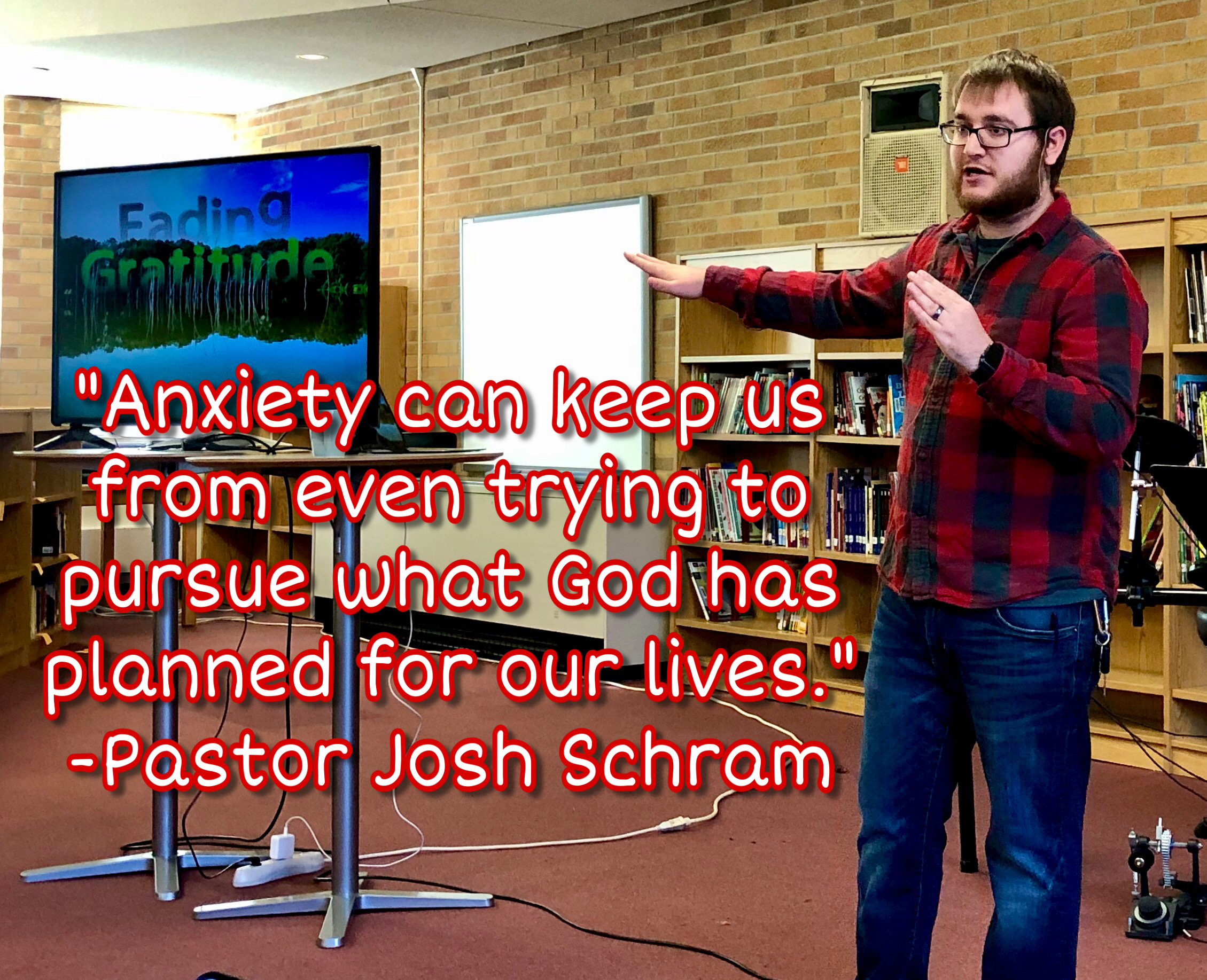
My friend Josh Schram shared a great message yesterday, wrapping up our series called Fading Gratitude. 

Josh was transparent about some of the struggles he overcame during his younger years, explaining how his decision to be grateful even for those roadblocks completely changed his perspective.

When we’re not intentional, our gratitude naturally begins to fade. It’s not that we’re intentionally ungrateful, but we just merely forget to be thankful. 

Our fading gratitude creates a domino effect. When gratitude fades we live with… 

Anxiety can keep us from even trying to pursue what God has planned for our lives. 

When a large group of people needed to be fed, a couple of Jesus’ disciples forgot about the miracles Jesus had already done in the past, and as a result, they became anxious about what to do next. 

Philip replied, “Even if we worked for months, we wouldn’t have enough money to feed them!” Then Andrew, Simon Peter’s brother, spoke up. “There’s a young boy here with five barley loaves and two fish. But what good is that with this huge crowd?” (John 6:7-9)

Yet Jesus multiplied more than enough for everyone to eat AND there were more leftovers than there was food that they originally started with! “So they picked up the pieces and filled twelve baskets with scraps left by the people who had eaten from the five barley loaves” (John 6:13).

That’s why Jesus tells us, So don’t worry about tomorrow, for tomorrow will bring its own worries. Today’s trouble is enough for today” (Matthew 6:34). When we’re grateful for what God provided yesterday, and we’re thankful for what He’s providing today, it will cut short any feelings of anxiety about what God will do again tomorrow!

“No amount of regret changes the past, no amount of anxiety changed the future, but any amount of gratitude changes the present.” —Ann Voskamp 

Gratitude can radically change our perspective! 

If I’m not choosing gratitude, then gratitude is fading. I can be grateful for things I originally thought were holding me back. I can give those things to Jesus—He is not only more than enough but He also gives back to me more than I gave to Him. 


Killing Discontentment

Fading gratitude is a terrible thing. Not being thinkful of our past not only keeps us from being thankful, but it also keeps us stuck in the past. And allowing gratitude to fade also sucks the life out of our every-day experiences.

Asaph told us about the manna that God provided for the Israelites to eat every single day that they were in the wilderness. He called it the bread of angels. But even this wasn’t enough for people who weren’t thinkful nor thankful. Instead, they craved more (Psalm 78:25-30). 

The dictionary defines forgetfulness as “ceasing to think about something.” Gratitude, then, is to continue to think about Someone—that “Someone” being God who daily provides for us.

Fading gratitude brings two ugly realities: 

(1) Discontentment. The dictionary calls this “a restless desire or craving for something one does not have.” In other words, it’s counting up what you don’t have instead of being grateful for what you do have. 

(2) Entitlement. This is discontentment’s sickly twin sister. Where discontentment counts up what it doesn’t have, entitlement says, “I deserve what I don’t have!” Jesus told a story about entitled people who had been given land, a vineyard, and everything they needed to be successful with their farm. Yet when the owner of the farmland asked for his rightful payment, the renters thought they were entitled to keep it all. 

There are serious—and potentially eternal—consequences for our unchecked discontented entitlement. Jesus said, “What then will the owner of the vineyard do? He will come and kill those tenants and give the vineyard to others” (Mark 12:9). And Asaph reported that for the discontented, entitled Israelites, “God’s anger rose against them; He put to death the sturdiest among them, cutting down the young men of Israel. … So He ended their days in futility and their years in terror” (Psalm 78:31, 33). 

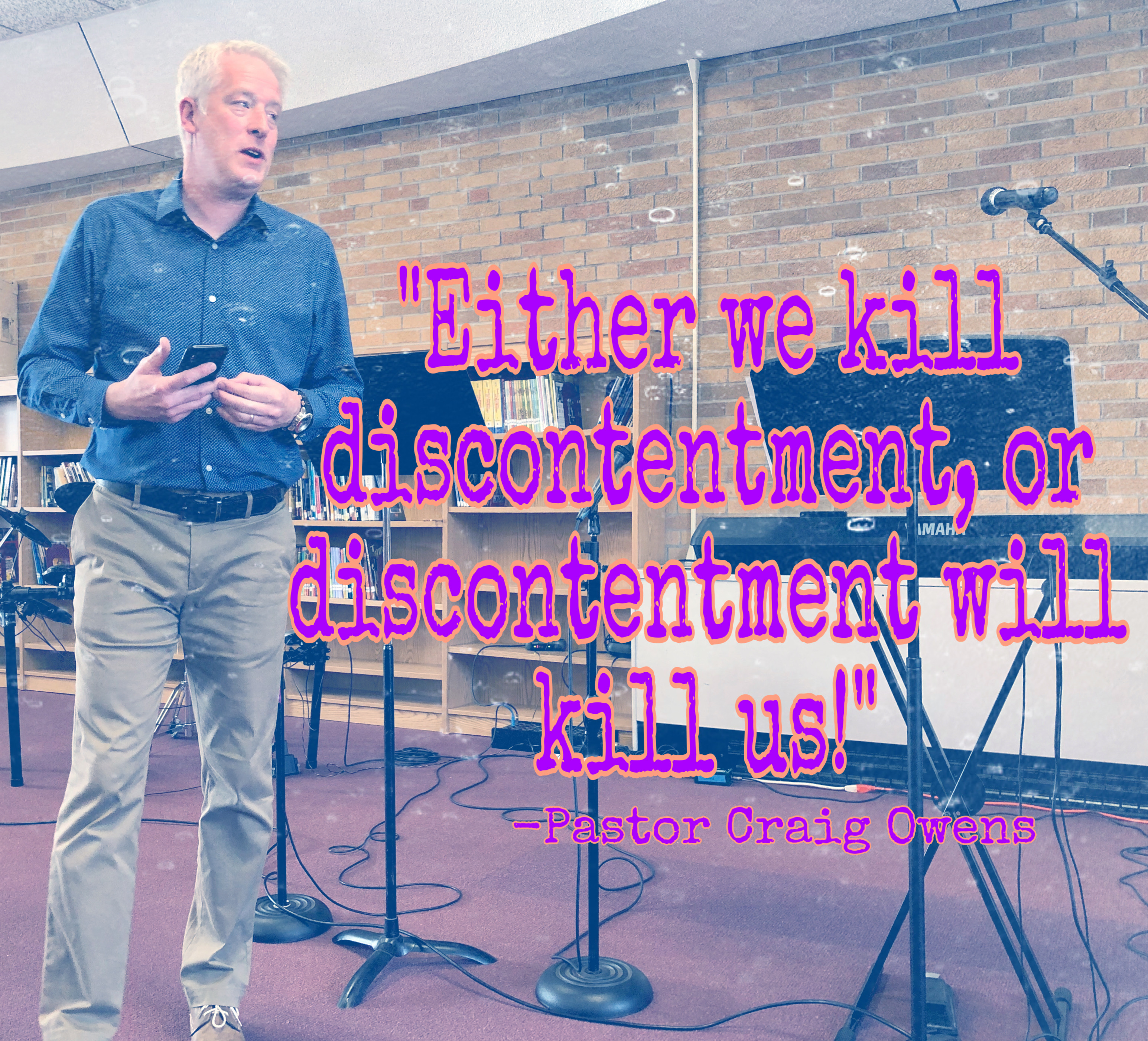
One of two things is going to happen: either we kill discontentment, or discontentment will kill us! 

It’s not complicated to kill discontentment, but it is hard work. We kill discontentment with contentment. We learn to separate the dis from discontentment with the sword of gratitude! 

The apostle Paul wrote “…I have LEARNED to be content whatever the circumstances. I know what it is to be in need, and I know what it is to have plenty. I have LEARNED the secret of being content in any and every situation, whether well fed or hungry, whether living in plenty or in want. I can do all this through Him who gives me strength” (Philippians 4:11-13). 

One way to learn contentment is to keep reminders around you of all the things which with God has blessed you. Don’t let your gratitude fade for one moment! 

Next week we will be wrapping up this series by considering what can happen to our future outlook if we let gratitude fade from our hearts and minds. I hope you can join me! 

Ingratitude Can Mess Us Up

Fading gratitude can negatively impact our past, present, and future. Because when our gratitude to God begins to fade, so does our understanding of what God has already done for us, our appreciation of what He is still doing for us today, and our hope for what He will provide for us tomorrow. But we can flip the script—Our continual gratitude can begin to positively impact our past, present, and future! 

“Gratitude is from the same root word as ‘grace,’ which signifies the free and boundless mercy of God. Thanksgiving is from the same root word as ‘think,’ so that to think is to thank.” —Willis P. King 

The more we THINK about God’s grace in our lives, the more we can give THANKS for all He has done. Or said another way…

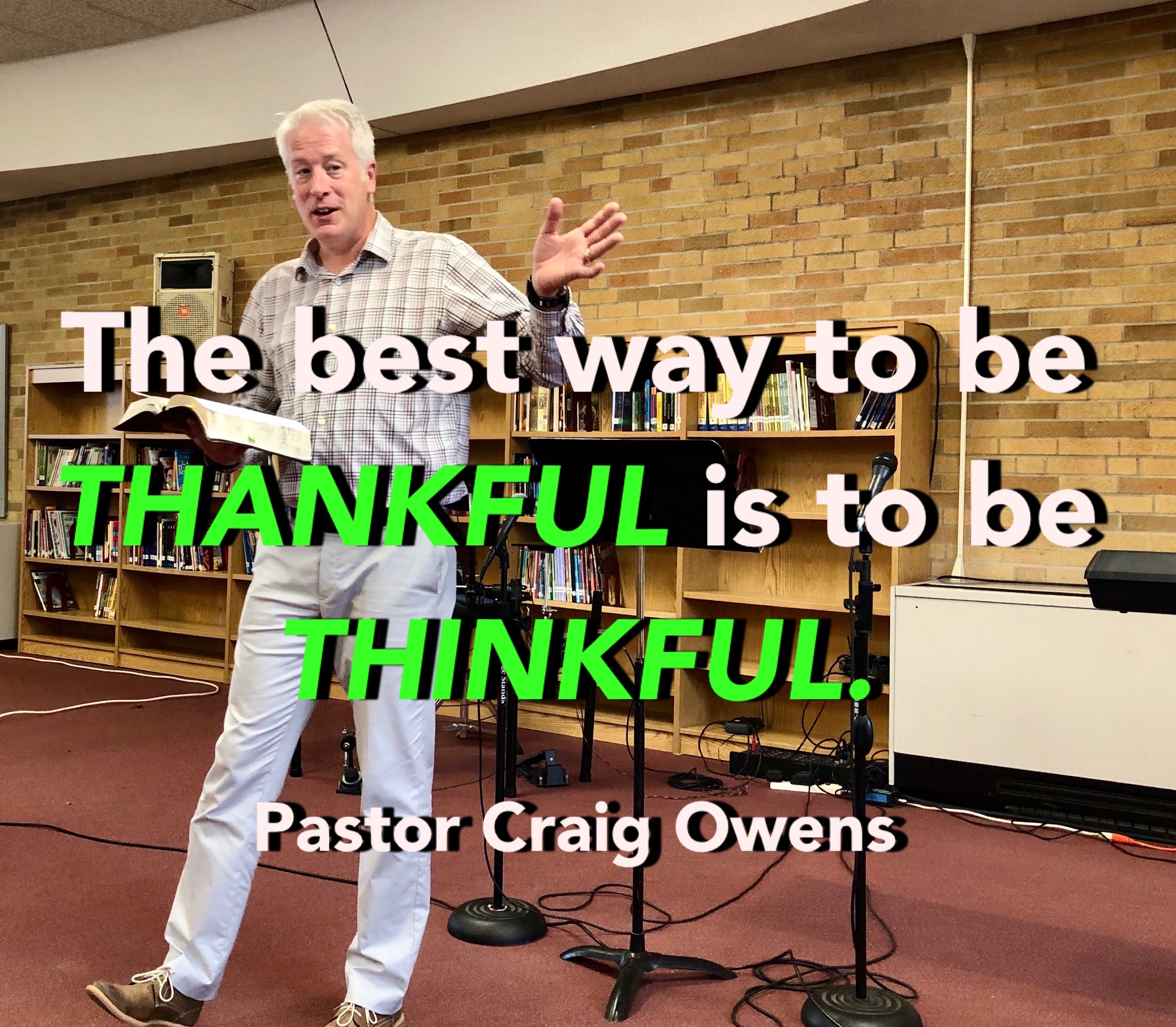
The best way to be THANKFUL is to be THINKFUL!

In Psalm 78, Asaph gives us a two-word reason for the up-and-down history of the Israelites: they forgot. The Israelites’ forgetfulness led to their lack of gratitude, which then caused yet another downward turn away from God. One of the examples he gives us is very informative: the daily provision of manna while the Israelites were in the wilderness (see Psalm 78:11-25; Exodus 16:4, 14-18). 

Every day God’s people had their food needs miraculously supplied for them, yet they begin to take this gift of God for granted. They stopped thinking about His provision, and then they began to ungratefully grumble (Numbers 11:4-6). Their grumbling actually caused them to want to return to slavery in Egypt! 

With fading gratitude, we can get stuck in the past. We even end up looking back at slavery and scarcity and call it “the good old days”! With fading gratitude for the past, sometimes we beat ourselves up. We say things like, “If I would have known then what I know now….” But you couldn’t know then what you know now. You only know now because of what you went through then, which makes another reason to be grateful. After all, God is using everything we have gone through to work out His plan (see Isaiah 46:9-10; Romans 8:28). 

We need to be thinkful about our past so that we can be thankful for what God is doing with it today.

Manna provided food every single day the whole time the Israelites were in the wilderness. It stopped immediately after they entered the Promised Land. For that daily provision, they should have been thankful but it was when they forgot to be thankful that they longed for the past and tried to do things on their own. 

The manna is a picture of Jesus. Not only is He our daily bread for today, but He is also our hope for eternity with God in Heaven. And for that, we should be daily thinkful AND thankful. 

If you’d like a fun idea of how to stay thinkful AND thankful, check this out.

Join us this Sunday as we learn more about the dangers of our fading gratitude. 

Forgetfulness Can Be Fatal

Have you ever noticed the up-and-down track record of the Israelites? We see them worshiping God, enjoying His abundance, with their enemies on the run in one chapter, only to see them worshiping idols, barely scraping by, with their enemies closing in on them.  

What led to the downturn from freedom and abundant blessing to slavery and scarcity? I think it’s summed up in two words: They forgot. 

Asaph captures this idea in the 78th Psalm. And if we’re honest with ourselves, Israel’s history is our history too. 

There is a peril in our forgetfulness!  

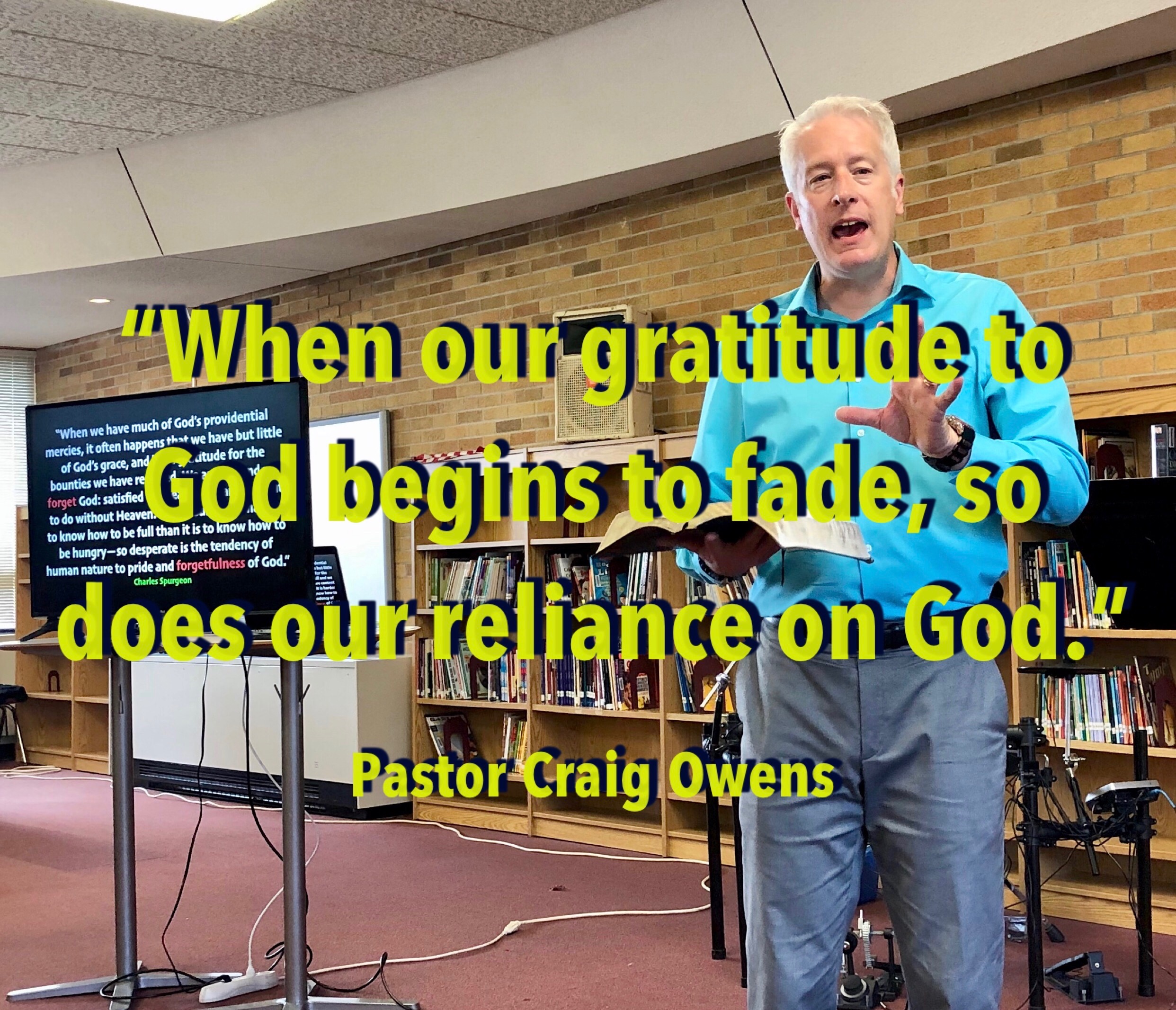
“When we have much of God’s providential mercies, it often happens that we have but little of God’s grace, and little gratitude for the bounties we have received. We are full and we forget God: satisfied with earth, we are content to do without Heaven. Rest assured it is harder to know how to be full than it is to know how to be hungry—so desperate is the tendency of human nature to pride and forgetfulness of God.” —Charles Spurgeon (emphasis added)

When our thoughts about God begin to fade, so does our gratitude to God. When our gratitude to God begins to fade, so does our reliance on Him. 

The dictionary defines some important terms:

  • Ungratefulness—not giving due return for benefits conferred
  • Unthankfulness—not repaying the blesser with thanks

I don’t think anyone consciously chooses to be ungrateful, but if we don’t choose to actively remember our blessings—and our Blesser—we will become ungrateful. So what if we began to think differently about the definition of gratitude? 

  • Forgetfulness—to cease to think of something
  • Gratitudeto continue to think of Someone (with that Someone being God!) 

When we are continually thankful—when we don’t let our gratitude fade—it keeps God’s blessings at the forefront of our minds. Gratitude—continuing to think of Someone—makes us completely God-reliant. 

Moses had a good idea to help us to continue to think of God’s blessings—

Impress them on your children. Talk about them when you sit at home and when you walk along the road, when you lie down and when you get up. Tie them as symbols on your hands and bind them on your foreheads. Write them on the doorframes of your houses and on your gates. (Deuteronomy 6:7-9) 

What if you posted reminders of God’s blessings all over the place? What if you made it almost impossible to forget God? What if you were constantly thinking of your blessings? 

Join us for our series called Fading Gratitude during the month of November.

Overcoming Unbelief Before It’s Too Late

Unbelief can shut down the “Shalom Cycle” that God intends for our lives. Even worse, unbelief can put us on a slippery slope that could be disastrous for our future! So it is vital that we understand what unbelief is, how we can recognize it in our own lives, and the steps we can take to recover from unbelief. 

First of all, let me remind you of what the Shalom Cycle looks like—

Quite simply, when we are grateful for what God has already done for us it fuels our trust in God’s future grace to meet our needs. 

But when we forget to be grateful and gratitude turns to grumbling, unbelief displaces trust.

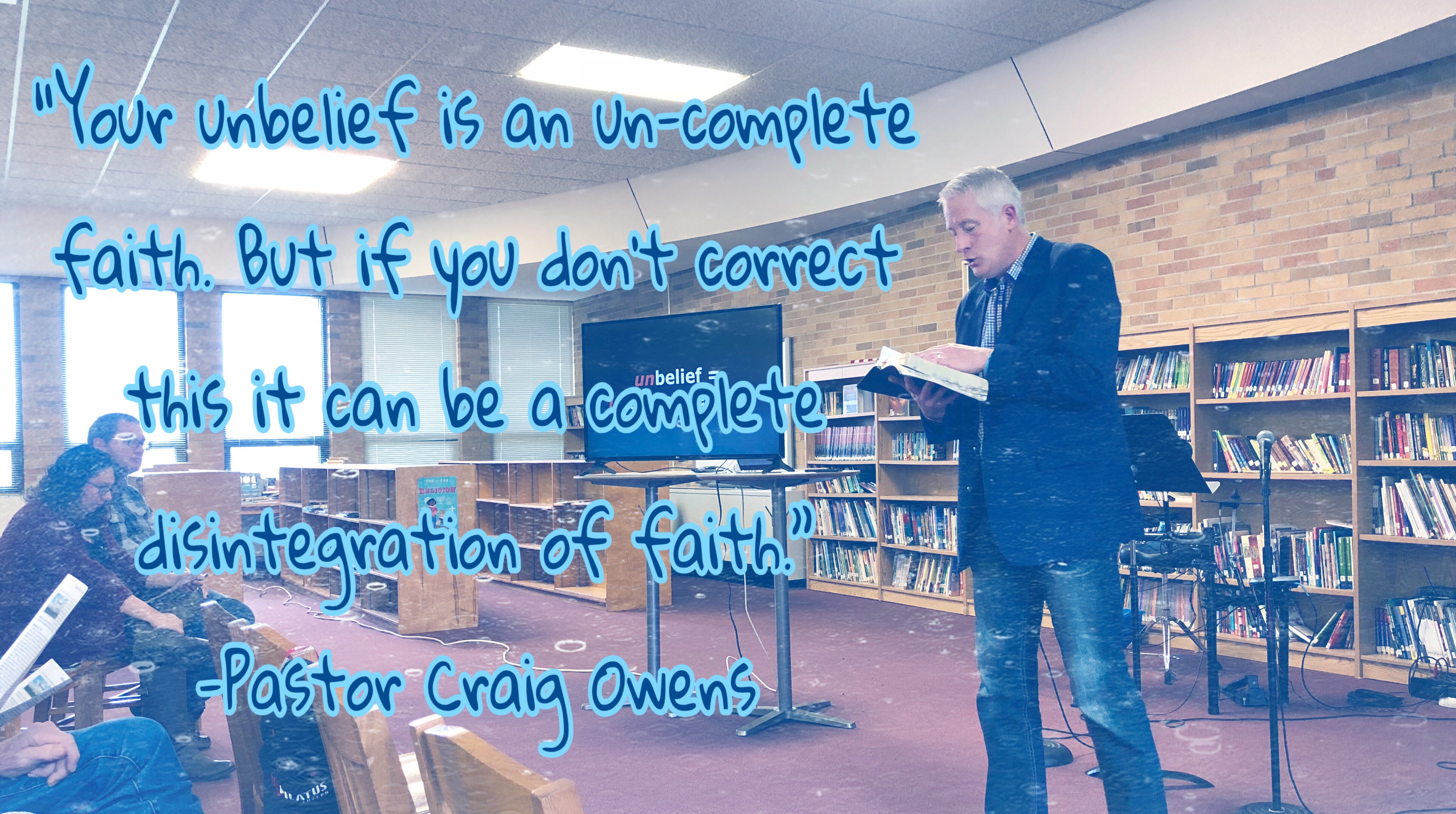
A good way to remember how unbelief works is thinking of it as an un-complete faith. An un-complete faith is lacking power to trust God because of one of two reasons:

  • Either we don’t know there is a promise available to us,
  • Or we know of a promise but don’t think it applies to our circumstance. 

J.C. Ryle pointed out that, “Unbelief has a power to rob man of highest blessings.” 

Hebrews 3 shows us that left unchecked and uncorrected, unbelief can turn into disbelief. You can remember this word by defining it as a complete disintegration of faith. Notice in Hebrews 3 how quickly the word unbelieving becomes turns away from God, and how closely associated are the words unbelief and disobeyed (Hebrews 3:12, 19-20). 

We need to correct and reverse unbelief as quickly as possible. We do this through capturing our thoughts—or thinking about what we’re thinking about—and identifying three warning signs: 

  1. Worrying all the time—God wants you to enter His rest, not wallow in worry (Hebrews 3:11) 
  2. Making contingency plans—the Israelites forgot to be grateful and they grumbled instead. The next step (since they didn’t trust that God’s future grace would take them into the Promised Land) was to disobey by concocting a Plan B: “Let’s go back to Egypt.” 
  3. An inward focus on self-preservation—we no longer encourage others but think only of ourselves (Hebrews 3:13). 

If you detect any of these warning signs, quickly repent (Revelation 3:2-3) and then run to Jesus for help. One of the most honest prayers you can pray—and one of the prayers Jesus answers the quickest—is “Lord, I believe; help me overcome my unbelief!” (Mark 9:22-24). 

“Lord, I believe; help me overcome my unbelief!” 

Take control of grumbling by gratitude
Take control of unbelief by repentance and running to Jesus for help
Then help others take control of their unbelief by encouraging one another daily

Join me next Sunday for the final message in our 4-part series on God’s Shalom. 

The Dangers In Grumbling

God wants to give us His peace. The Hebrew word is shalom and it means a deep tranquility found in a personal relationship with Jesus that is greater than all external circumstances. Sadly, many people block the shalom God wants them to have. 

The “shalom cycle” looks like this…

Our gratitude for the things God has done fuels our faith in God’s future grace. That faith-filled expectation serves as fuel for our prayers, and answered prayer gives us even more for which we can give thanks. 

But the shalom cycle can break down when we forget to be thankful. My friend Scott Troost says that ungrateful people are usually characterized by—

  • Being bitter and unforgiving
  • Constantly attending their own pity parties 
  • Struggling with low self-esteem
  • Being greedy and covetous for the things they don’t have

Scott goes on to explain how we can stop the grumbling ingratitude from derailing the shalom cycle. 

  1. Be thankful for what you have, instead of wishing for things you don’t have (Philippians 2:14).
  2. Keep a gratitude journal of all that God has done for you (Habakkuk 3:2). 
  3. Notice how God has given you strength to make it through challenging times in the past (2 Corinthians 12:7-10). 

“There’s a huge difference between being thankful for something and being thankful in something. We are to be thankful always.” —Scott Troost 

As I talked about last week—we need to think about what we’re thinking about. This is the key to spotting those grumbling, ungrateful thoughts before they derail the cycle and rob us of God’s shalom. 

Join us next week for the third part of our 4-part series in which we will be uncovering another way that the shalom cycle can become derailed. Please join us either in person or on Facebook Live.