A Bizarre Sermon Illustration

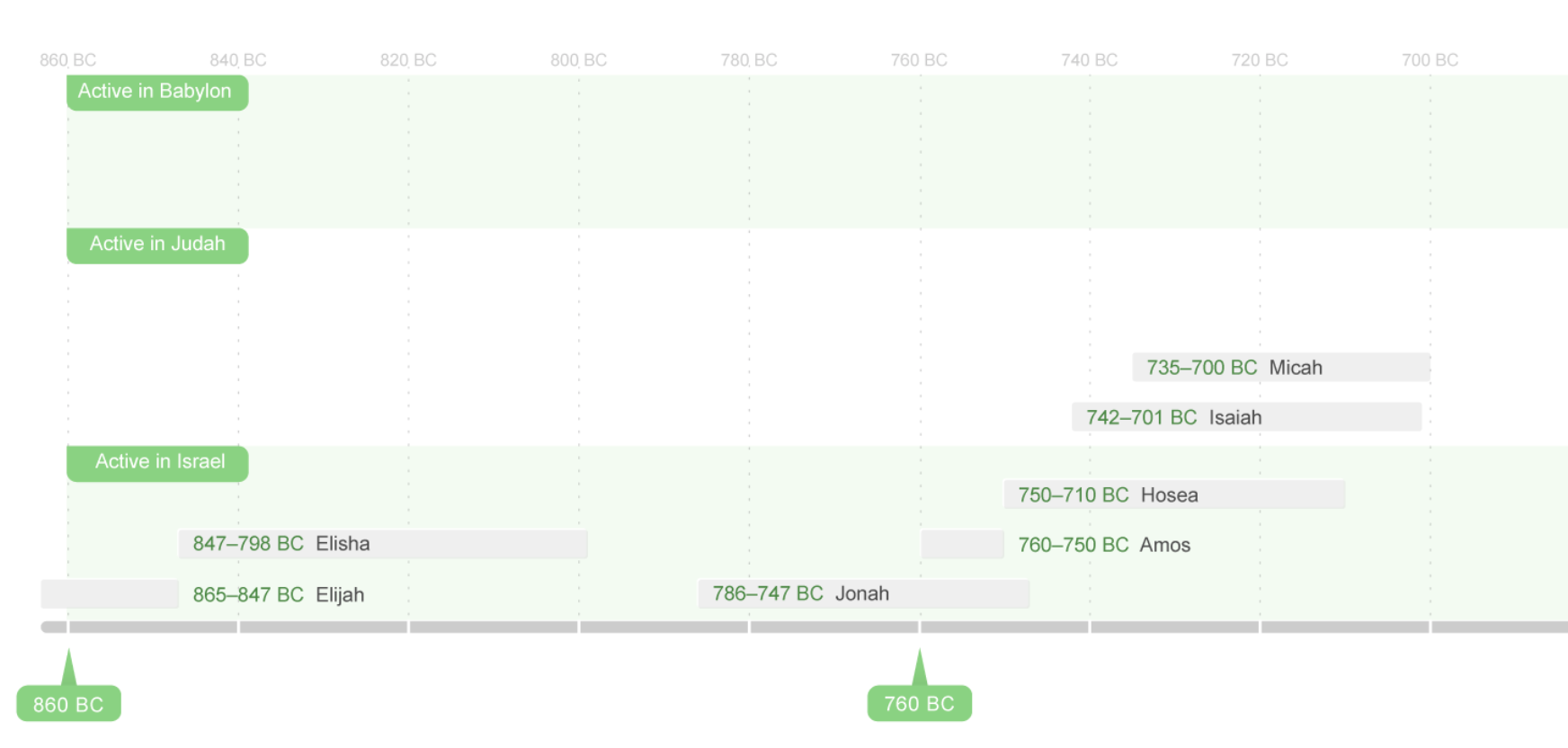
Hosea is the only prophet from Israel (he calls the Israelite king “our king” in 7:5), and along with Amos he is the only prophet to address the northern kingdom exclusively. Hosea addresses the northern tribes of Israel with brutal honesty—he calls them an adulteress wife! Hosea isn’t alone in saying this, as Isaiah, Jeremiah, and Ezekiel all same the same thing too. 

But Hosea alone is called on to live out his message in a most unusual way: God instructs him to marry “an adulterous woman”! The question is: was she already a promiscuous woman before they married? Or did she become unfaithful after they were married? 

I believe that she became unfaithful after marriage. When Gomer gives birth to their first son, Hosea writes that “she bore him a son”—indicating he is the father. But with Gomer’s second and third pregnancies, Hosea simply writes, “she gave birth,” leading me to think that Hosea wasn’t the father of those children. 

The names of the children are also interesting: 

  • Jezreel—This boy’s name means “God sows.” It is a neutral word meaning either sowing good seed and reaping a healthy harvest, or sowing godlessness and reaping punishment. 
  • Lo-Ruhamah—Her name means “not pitied.” God indicates that He will bring a judgment on Israel that is deserved justice. He has been patiently calling them to repentance but they kept running farther away from Him. 
  • Lo-Ammi—This boy’s name is saddest of all. It means “not My people. 

How sad! Can you imagine Hosea’s heartache?! Can you imagine God’s heartache?! God tells Hosea the penalty for their adulterous life (Hosea 2:2-13), which the apostle Paul would later sum up in these straightforward words: the wages of sin is death (Romans 6:23). 

“YET” and “THEREFORE”…

In the middle of God expressing His heartache over His wayward wife He says two amazing words “Yet” and “Therefore” (1:10; 2:14). 

  • Yet I will bless you and reverse your misfortune” 
  • Therefore I will allure you and speak tenderly to you” 

This is UNBELIEVABLE!! Who would respond like this to such vile unfaithfulness?! 

God would.

God did! But God shows and clearly proves His own love for us by the fact that while we were still sinners, Christ—the Messiah, the Anointed One—died for us (Romans 5:8). 

Hosea—whose name means salvation—is called on to do exactly what Jesus did for us. Hosea buys back his wife from her master. Hosea pays the price for Gomer’s sin, just as Jesus paid the price for our sin. 

What amazing love God has for us! 

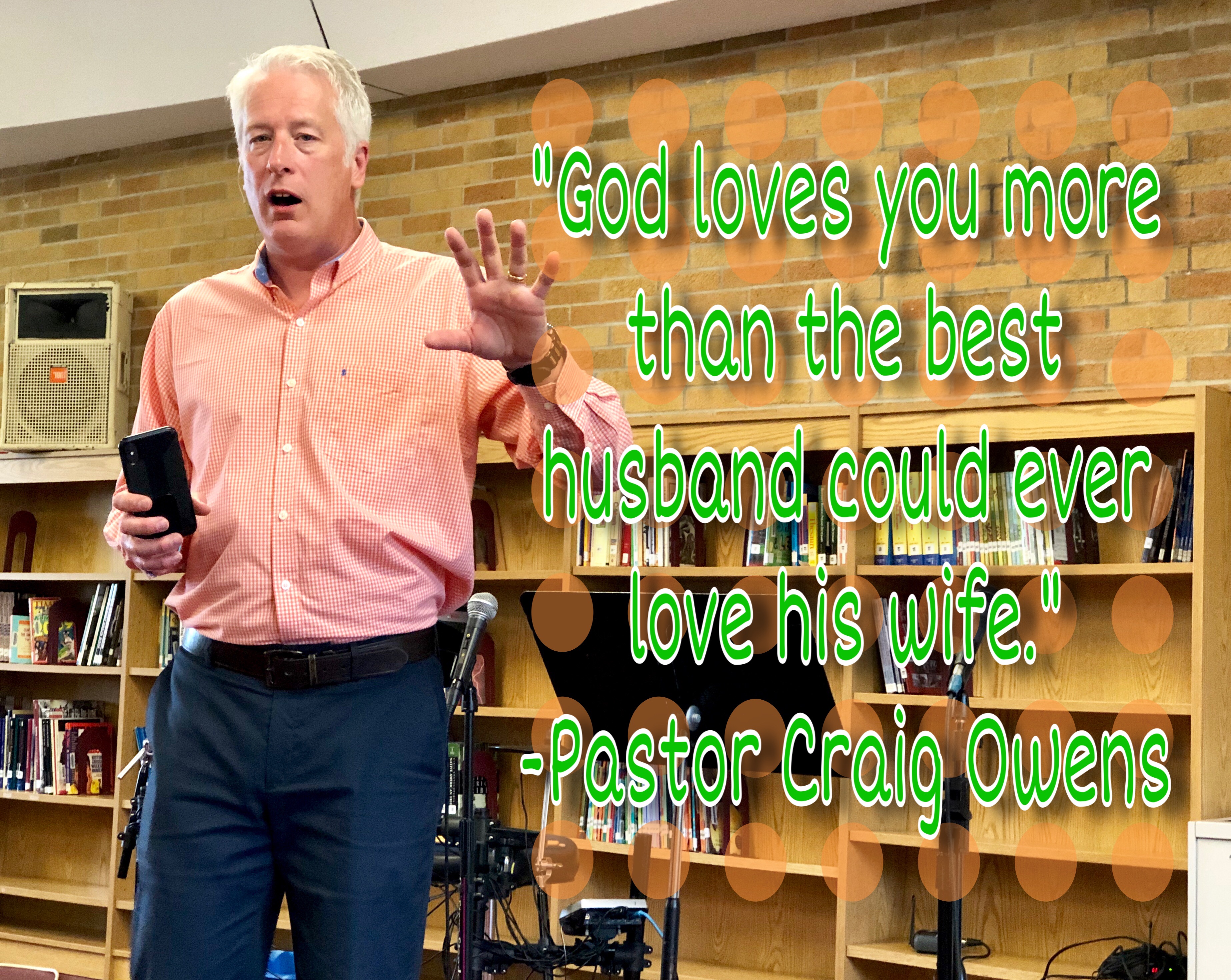
You have never lived an unloved day in your life. Not a single one! God loves you more than the best husband could ever love his wife. He paid for your forgiveness and your freedom. Will you receive that forgiveness and restoration today?

Join me next Sunday as we learn more major lessons from the minor prophets. 

10 Quotes From “Start With The Heart”

Kathy Koch has given parents, teachers, and anyone who works with younger children, and excellent resource to improve your relationship with your kiddos and empower them to greater success. Check out my full book review of Start With The Heart by clicking here. 

“For your children to want what you want for them, for changes to occur, and for improvements to remain, your hearts must be intertwined. Your motivational power and influence over their obedience comes out of the love you have for each other.” [see Proverbs 23:26] 

“Affirm your children when they do use the character qualities you’re emphasizing and correct them when they don’t. … Specifically, look for gratitude and joy. The lack of one or both of these emotions causes children (and adults) to use character qualities inconsistently.” 

“Here is my list of understandings that can secure children’s hearts and increase your influence so you’ll be able to motivate them to be responsible, brave, and so much more.

  • Parent by faith
  • Parent with grace and mercy
  • Forgive quickly and often
  • Ask to be forgiven quickly and often
  • Tell your children you are confident in God
  • Prioritize children, not their behavior
  • You can dislike what children do while you still like and love them
  • Be who you want your children to be
  • Raise the children you were given, not the children you wish you had
  • Remember needs and wants are different
  • Listen when children are little if you want them to talk with you when they’re older
  • When children have a problem, remember they are not the problem
  • Teach children to fail well
  • Prioritize progress, not perfection” 

“Children are even more susceptible to the influences around them. We should have and model solid character so our behavior, attitudes, and decisions glorify God. We should also prioritize our character so we don’t lead a child astray. Making every effort to use these qualities ourselves matters. And, of course, apologizing when we don’t is key to maintaining a positive relationship.” 

“The desire to develop self-control is birthed in self-respect. Self-control makes it possible to use other character qualities successfully.” 

“Do we choose to see our children’s circumstances and respond appropriately? Although consistency is usually appropriate when raising and motivating children, if we don’t have compassion and individualize our reactions and decisions when it’s appropriate, why would our children? Modeling this character quality matters tremendously.” 

“Initiative: Children may never develop this quality if you remind them of everything they must do. Rather, it’s birthed when you help them grow in appropriate independence. … Is it possible that your children may not be motivated as you’d like because you rescue them to early, too often? … I know you value the things you worked hard for. Don’t rob children of that same satisfaction. Allow them to persevere.” 

“Prayer is a powerful tool—use it! Your personal and specific prayers for your children communicate your deep love for them and your dependence on God. Your prayers are a significant way your children learn who you hope they’ll be and what you hope they’ll do. Pray they’ll develop a heart for Christ. Model and teach what they need for their heart to be transformed into His likeness. This will change their character and, therefore, their motivation and motives, too.” 

“Just making statements like these can be empowering:

  • I need to take off arguing and put on first-time obedience.
  • I need to take off bullying and put on kindness.
  • I need to take off distractions and put on focus.
  • I need to take off ‘I don’t want to’ and put on ‘do it anyway.’” 

“This might surprise you, but all children are motivated. … It doesn’t help to ask, ‘How do I get my kids motivated?’ Rather, we need to ask, ‘How can I redirect their motivation?’” 

Stay tuned: more quotes coming soon…

Rejoicing At The Coming Of The Judge

In Psalm 50, we read the first-of-twelve psalms written by King David’s handpicked worship leader, a man named Asaph. On the day that Asaph first took up his position as worship leader, David gave him a special song, which definitely influenced Asaph’s songwriting.  

Psalm 50 has a pretty easy outline: an introduction in the first six verses, followed by 17 verses of God speaking to His people—speaking to you and me! In between the introduction and God’s speaking is the word selah.

Selah means a time for us to pause and carefully consider. So Asaph is essentially saying, “God is getting ready to speak with us, so we need to selah—pause from what we are doing so that we can pay careful attention to His words!”  

Asaph sets the stage in the first verse, telling us that the Mighty One, God, the Lord speaks. The words that are about to be spoken come from THE I AM—the All-Sufficient One, the Omnipotent, the All-Knowing, All-Powerful Ruler of the Universe. Asaph also reminds us that He is coming as THE Judge.

When you hear that THE All-Powerful, All-Knowing One is THE Judge that has summoned you into His courtroom, it’s quite likely that your heart would skip a beat. Especially when God lists some of the sins you and I are guilty of breaking in verses 16-20. 

It’s also possible that the news that you have to appear before THE Judge could cause you to rejoice. What? How can we rejoice at that?! David taught Asaph this concept in the song he gave him: God’s people should rejoice over God’s judgments. 

You see, in Psalm 50 God says, “I do not rebuke you for your sacrifices, or for all your attempts to follow the rules.” It’s not in the practices of the law that we find salvation.

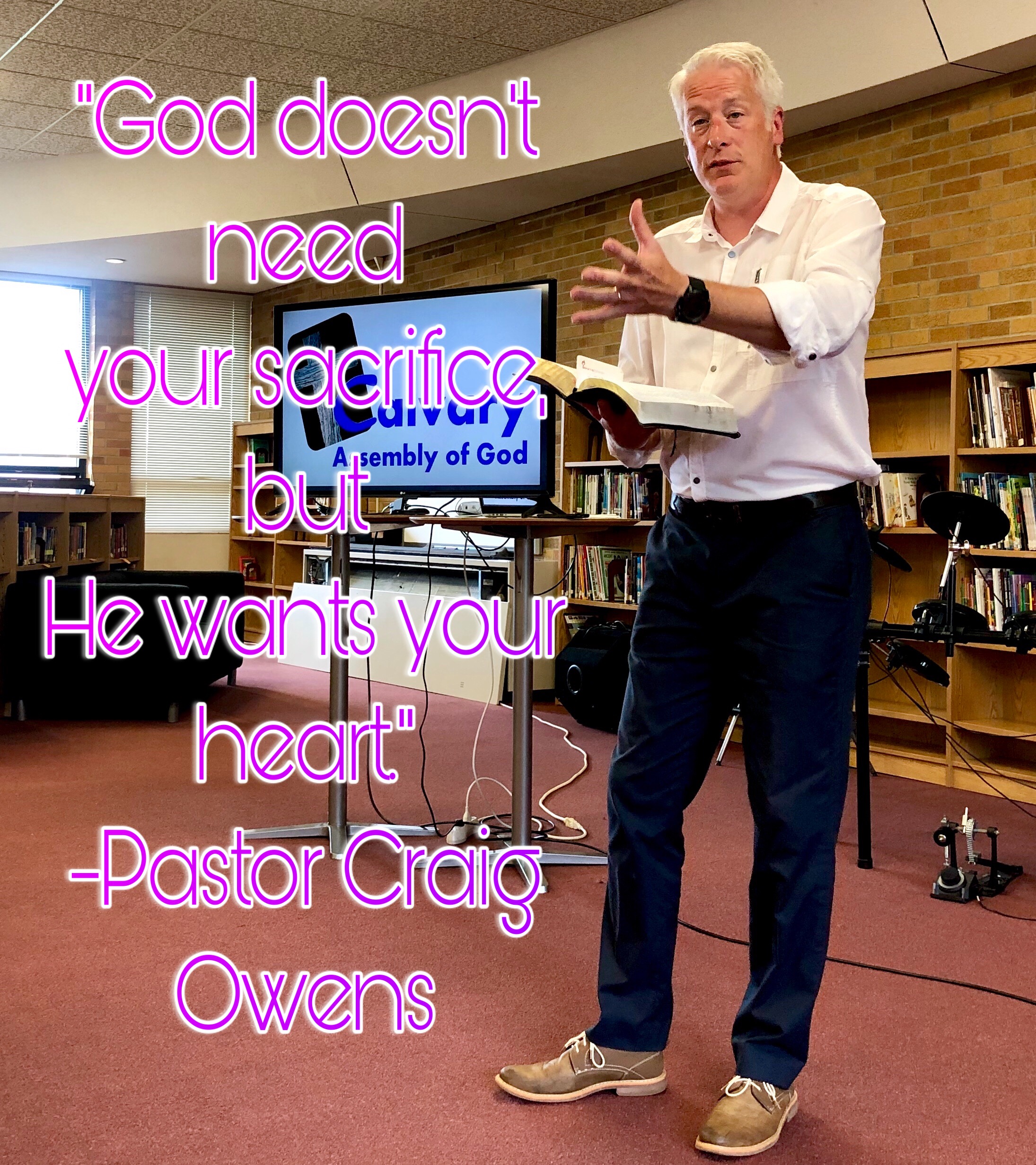
God doesn’t need our sacrifices, but He wants our hearts. 

In order to win our hearts for Himself, THE Judge did something absolutely mind-blowing—THE I AM became flesh like us. And then He became the once-for-all sacrifice for our sins, paying our penalty Himself when He died on the Cross (see Hebrews 2:14-17; 7:17-27). 

This is why we can rejoice when we hear we have to stand before THE Judge. When you have placed your faith in what Jesus did for you on the Cross, when THE Judge opens His perfect record book to your page He will read this inscription written in the crimson red blood of Jesus: PAID IN FULL!

This is why we can rejoice at the thought of seeing THE Judge face to face!

Join me next Sunday as we wrap up this summer looking at the Selahs in the Psalms. We plan to restart this series next summer, unless the Judge calls us home before then!

The Church Needs To Foster Community

“Amid the confusion of Christians mistreating people with gender dysphoria to prop up their sense of self-righteousness, and progressives mistreating them to advance their agenda of autonomy, those with real identity struggles are forgotten. Christ alone understands who we are through and through. And because of that each one of us in our fractured states needs to come to Him. …

“The need of the hour is for biblically faithful compassion. The church needs to open its doors and Christians need to open their hearts so that those struggling to find resolution to their dysphoria—and those who are struggling to find clarity amidst other confusions—can find community and, ultimately, their true identity in Christ. In Christ, they can be understood. …

“God’s original intent is for harmony between one’s soul and one’s body. This is why Christians, of all people, should be compassionately concerned with helping people find mind-body congruence. For the Christian, the mind and the body are both important and were meant to work harmoniously. … This biblical perspective defends our integrity as whole human beings in contradistinction to the secular effort to reduce us to our chemistry and jettison any idea that we have an immaterial mind or soul. …

“That is why the invitation of Christ has come in this order: recognition, repentance, redemption, regeneration. When we recognize our need for the Savior (because of our sins in general, not because of our dysphoria), repentance happens and then we are redeemed. But that redemption works itself out in our lives over time. It is the Holy Spirit who lives and works in us to conform us to Jesus’ likeness. It is not an overnight process, which means the church must do a better job of helping that process along. The church needs to foster community.” —Abdu Murray

Not How But Who

This is part 3 in our series looking at phrases that sound biblical and then asking, “Is that in the Bible?

Statement #3—This is how you should take Communion.… Is that in the Bible? Quite simply: No, it’s not. 

Every church seems to celebrate Communion with its own unique style, typically following an age-old tradition. There’s nothing wrong with traditions per se. The only thing we have to watch out for is when traditions become the focal point, instead of the thing the tradition is pointing us to. Almost as if we are celebrating the celebration (see Isaiah 1:11-14; Mark 7:1-8). 

In 1054 AD the Great Schism occurred between the Roman church (in West) and the Byzantine church (in East). One issue that led to this schism was Communion. The West used unleavened bread, saying that sin was removed. The East said that sounded like they were adopting Judaism, so they used leavened bread, saying that the “rising” symbolized new life. 

Even today there are differences and disagreements—only administered by a priest … only certain church officials can “bless” the elements … a common cup … individual cups … unfermented juice … fermented wine … unleavened wafers … pieces torn off a full loaf of bread. The Bible never says about Communion, “Do it this way.” All of these are man’s traditions. 

Passover was first instituted in Exodus 13. This is before the Law is given through Moses (Exodus 20) and before the instructions for the tabernacle are given (Exodus 25). In the first version, the sacrifice of the lamb was in individual homes, the lamb’s blood was shed on the doorposts of that home, and the family ate the lamb, unleavened bread, and bitter herbs together at home. 

After the tabernacle was operational, there was a change (Deuteronomy 16). Now the sacrifice of the lamb was in the tabernacle, the lamb’s blood was sprinkled on the altar, but the family still ate the lamb, unleavened bread, and bitter herbs together at home. 

By the time of Jesus, there were newer traditions which weren’t prescribed in the Bible that involved as many as five cups of wine, a very specific order that the meal was presented, and the singing of Psalm 113-118 (sometimes people sang all the way through Psalm 138). 

In the last supper Jesus shares with His disciples, we see some of these later elements. We read about the different cups of wine, the unleavened bread, the supper of lamb, and the singing of a hymn (Luke 22:14-20; Matthew 26:26-30; Mark 14:22-26; 1 Corinthians 11:23-26). 

I want to specifically focus on the second cup of wine Jesus used in this supper. Paul calls this cup the cup of thanksgiving and the cup of the Lord (1 Corinthians 10:16, 21). Why? Because Jesus switched cups with us! 

The Bible tells us that we have all sinned, and therefore we are supposed to drink the cup of God’s wrath—For in the hand of the Lord there is a cup of His wrath, and the wine foams and is red, well mixed; and He pours out from it, and all the wicked of the earth must drain it and drink its dregs (Psalm 75:8 AMP). 

But Jesus switched cups with us. He took the full wrath of God upon Himself, and then gave us God’s new covenant of forgiveness—“The days are coming,” declares the Lord, “when I will make a new covenant with the people of Israel and with the people of Judah. It will not be like the covenant I made with their ancestors when I took them by the hand to lead them out of Egypt, because they broke My covenant…. This is the covenant I will make with the people of Israel after that time,” declares the Lord. “I will put My law in their minds and write it on their hearts. I will be their God, and they will be My people. … For I will forgive their wickedness and will remember their sins no more.” (Jeremiah 33:31-34). 

Jesus said, “When you drink this, do this in remembrance of Me.” THIS is what we’re called remember and celebrate! 

It’s not HOW we celebrate Communion but WHO we remember when we do celebrate. 

Let’s not celebrate the celebration, but let’s celebrate the Savior who paid the price so that we could celebrate the forgiveness of our sins under God’s new covenant! 

Poetry Saturday—A Good Confession

It seemed as if nothing less likely could be
Than that light should break in on a dungeon so deep;
To create a new world were less hard than to free
The slave from his bondage, the soul from its sleep.

But the Word had gone forth, and said, Let there be light,
And it flashed through my soul like a sharp passing smart;
One look to my Savior, and all that dark night,
Like a dream scarce remembered, was gone from my heart.

I cried out for mercy, and fell on my knees,
And confessed, while my heart with keen sorrow was wrung;
’Twas the labor of minutes, and years of disease
Fell as fast from my soul as the words from my tongue. —Frederick William Faber

Poetry Saturday—A Debtor To Mercy Alone

A debtor to mercy alone,
Of covenant mercy I sing,
Nor fear, with God’s righteousness on,
My person and off’rings to bring.
The terrors of law and of God
With me can have nothing to do;
My Savior’s obedience and blood
Hide all my transgression from view. 

The work which His goodness began,
The arm of His strength will complete;
His promise is Yea and Amen,
And never was forfeited yet.
Things future, nor things that are now,
Not all things below or above,
Can make Him His purpose forego,
Or sever my soul from His love. 

My name from the palms of His hands
Eternity will not erase;
Imprest on His heart, it remains
In marks of indelible grace.
Yes! I to the end shall endure,
As sure as the earnest is giv’n;
More happy, but not more secure,
When all earthly ties have been riv’n. —Augustus Toplady

Poetry Saturday—If

If you can keep your head when all about you   
    Are losing theirs and blaming it on you,   
If you can trust yourself when all men doubt you,
    But make allowance for their doubting too;   
If you can wait and not be tired by waiting,
    Or being lied about, don’t deal in lies,
Or being hated, don’t give way to hating,
    And yet don’t look too good, nor talk too wise:

If you can dream—and not make dreams your master;   
    If you can think—and not make thoughts your aim;   
If you can meet with Triumph and Disaster
    And treat those two impostors just the same;   
If you can bear to hear the truth you’ve spoken
    Twisted by knaves to make a trap for fools,
Or watch the things you gave your life to, broken,
    And stoop and build ’em up with worn-out tools:

If you can make one heap of all your winnings
    And risk it on one turn of pitch-and-toss,
And lose, and start again at your beginnings
    And never breathe a word about your loss;
If you can force your heart and nerve and sinew
    To serve your turn long after they are gone,   
And so hold on when there is nothing in you
    Except the Will which says to them: ‘Hold on!’

If you can talk with crowds and keep your virtue,   
    Or walk with Kings—nor lose the common touch,
If neither foes nor loving friends can hurt you,
    If all men count with you, but none too much;
If you can fill the unforgiving minute
    With sixty seconds’ worth of distance run,   
Yours is the Earth and everything that’s in it,   
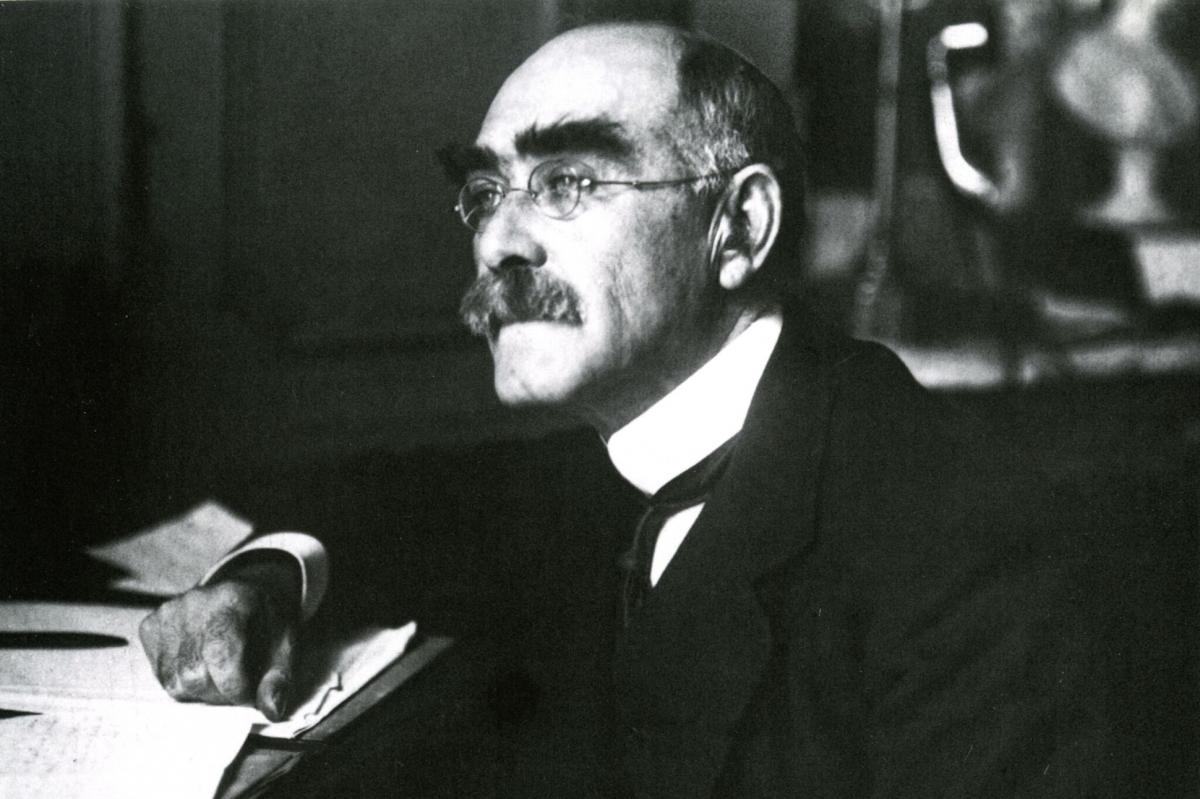
    And—which is more—you’ll be a Man, my son! —Rudyard Kipling

10 More Quotes From “Jesus Always”

Sarah Young beautifully weaves together passages from the Bible to help us hear Jesus talking to us in the first person. Check out my review of Jesus Always by clicking here. 

“‘Rejoice always’ [1 Thessalonians 5:16]. When your mind is going down an unpleasant, gloomy path, stop it in its tracks with this glorious command. See how many times each day you can remind yourself to rejoice. … These joyful thoughts will light up both your mind and your heart, enabling you to find more pleasure in your life. Choosing to rejoice will bless you and those around you.” 

“You definitely need Me as your shield. I protect you from many dangers—physical, emotional, and spiritual. Sometimes you’re aware of My protective work on your behalf, but I also shield you from perils you never even suspect. Find comfort in this assurance of My powerful presence watching over you. Fear no evil, My cherished one, for I am with you.” 

“The Trinity, comprised of Father, Son, and Holy Spirit, is a great gift to you; it is also a mystery far beyond your comprehension. This blessing of three Persons in One greatly enriches your prayer life. You can pray to the Father in My name; you can also speak directly to Me. And the Holy Spirit is continually available to help you with your prayers.” 

“Although many of your prayers are not yet answered, you can find hope in My great faithfulness. I keep all My promises in My perfect way and timing. … I hold back till you’re ready to receive the things I have lovingly prepared for you.” 

“Living in this very broken world requires bravery on your part. Since bravery is not the default setting in most human hearts, you will need My help to be strong and courageous.” 

“I have infinite power, so ‘impossibilities’ are My specialty. I delight in them because they display My glory so vividly.” 

“No matter how you’re feeling, remember that you are not on trial. There is no condemnation for those who belong to Me—those who know Me as Savior. You have already been judged ‘Not guilty!’ in the courts of heaven.” 

“Your best preparation for the journey ahead is practicing My presence each day. … Trust Me—your Guide— to show you the way forward as you go step by step. I have a perfect sense of direction, so don’t worry about getting lost. Relax in My presence, and rejoice in the wonder of sharing your whole life with Me.” 

“As the world grows increasingly dark, remember that you are the light of the world. Don’t waste energy lamenting bad things over which you have no control. Pray about these things, but refuse to let them haunt your thoughts. Instead, focus your energies on doing what you can to brighten the place where I have put you. Use your time, talents, and resources to push back the darkness. Shine My light into the world!”

“Be willing to take responsibility for your own mistakes and sin without feeling responsible for the sinful failures of others. I am here to help you untangle your complex problems…. Be willing to live with unresolved problems, but don’t let them be your focus. My presence in the present is your portion.” 

7 Quotes From “He Chose The Nails”

Max Lucado takes us in for a closer look at the Cross and all that Jesus did there for us. Please check out my full book review and then read this book—you will be glad you did! 

“Maybe you’ve never spit on anyone, but have you gossiped? Slandered? Have you ever raised your hand in anger or rolled your eyes in arrogance, have you ever blasted your high beams in someone’s rearview mirror? Ever made someone feel bad so you would feel good? That’s what the soldiers did to Jesus. When you and I do the same, we do it to Jesus too. ‘I assure you, when you did it to one of the least of these My brothers and sisters, you were doing it to Me!’ (Matthew 25:40 NLT). How we treat others is how we treat Jesus. …

“Allow the spit of the soldiers to symbolize the filth in our hearts. And then observe what Jesus does with our filth. He carries it to the Cross. Through the prophet He said, ‘I did not hide My face from mocking and spitting’ (Isaiah 50:6). Mingled with His blood and sweat was the essence of our sin.” 

“‘He canceled the record that contained the charges against us. He took it and destroyed it by nailing it to Christ’s Cross’ (Colossians 2:14 NLT). Between His hands and the wood there was a list. A long list. A list of our mistakes: our lusts and lies and greedy moments and prodigal years. A list of our sins. Dangling from the Cross is an itemized catalog of your sins. The bad decisions from last year. The bad attitudes from last week. There, in broad daylight for all of heaven to see, is a list of your mistakes. … The list God has made, however, cannot be read. The words can’t be deciphered. The mistakes are covered. The sins are hidden. Those at the top are hidden by His hand; those down the list are covered by His blood. Your sins are ‘blotted out’ by Jesus (KJV). ‘He has forgiven you all your sins: He has utterly wiped out the written evidence of broken commandments which always hung over our heads, and has completely annulled it by nailing it to the Cross’ (Colossians 2:14 Phillips).” 

“Seats at God’s table are not available to the sloppy. But who among us is anything but. Unkempt morality. Untidy with truth. Careless with people. Our moral clothing is in disarray. Yes, the standard for sitting at God’s table is high, but the love of God for His children is higher. So He offers a gift.… a seamless robe… a robe worn by His Son, Jesus.” 

“What appeared to be the cruelty of man was actually the sovereignty of God. Matthew tells us: ‘And when Jesus had cried out again in a loud voice, He gave up His spirit. At that moment the curtain of the temple was torn into from top to bottom’ (27:50-51). It’s as if the hands of heaven had been gripping the veil, waiting for this moment.” 

“Why is the Cross the symbol of our faith? To find the answer look no farther than the Cross itself. Its design couldn’t be simpler. One beam horizontal—the other vertical. One reaches out—like God‘s love. The other reaches up—as does God’s holiness. One represents the width of His love; the other reflects the height of His holiness. The Cross is the intersection. The Cross is where God forgave His children without lowering His standards.” 

“‘Just look what they did to me!’ we defy and point to our hurts. ‘Just look what I did for you,’ Jesus reminds and points to the Cross. Paul said it this way: ‘If someone does wrong to you, forgive that person because the Lord forgave you’ (Colossians 3:13). You and I are commanded—not urged, commanded—to keep no list of wrongs.” 

“Knowing His last deeds would be forever pondered, don’t you think Jesus chose them carefully? Deliberately? Of course He did. There were no accidents that day. Jesus’ last moments were not left up to chance. God chose the path; He selected the nails. Our Lord planted the trio of crosses and painted the sign. God was never more sovereign than in the details of the death of His Son. … The message: ‘I did it for you. I did it all for you.’”