Listen to the podcast of this post by clicking on the player below, and you can also subscribe on Apple, Spotify, or Audible.
It is so much easier to complain than to compliment. We can slide into the negative conversations almost without thinking about it.
In one of the last things that Paul wrote to Timothy—as he’s in prison, quite possibly awaiting execution—he warns his friend against the darkness of the last days (2 Timothy 3:1-5). We need to engage our minds, our wills, and our emotions to not go with the flow of culture’s negativity.
Remember the wise words from George Santayana: “Those who do not learn from history are doomed to repeat it.” The apostle Paul said this before Mr. Santayana (1 Corinthians 10:1-6). We need to learn the lessons of the dangers of forgetfulness that leads us to ingratitude.
Even before Paul, the Old Testament is filled with repeated reminders to remember God’s blessings and gratefully look to Him to supply every need. Let’s unpack some lessons on the importance of gratitude from Israel’s history in Psalm 106.
In Psalm 106:7, the Israelites forget what God has done for them in Egypt. Now that they appear to be pinned between the Red Sea and the onrushing Egyptian army, their forgetfulness becomes grumbling against God (Exodus 14:10-12).
In Psalm 106:13-14, instead of being grateful for the miraculous supply of manna, the Israelites are grumbling about the meat they don’t have (Numbers 11:4-6).
Here’s the lesson for us to learn: God wants to teach us to be thankful for His daily provisions for us (Joshua 5:12; Matthew 6:11).
In Psalm 106:21, 28-29, the next generation of Israelites didn’t remember to be thankful because they had seldom heard their parents express gratitude (Judges 2:10-11).
Here’s the lesson for us to learn: Our daily thankfulness fortifies future generations (Psalm 37).
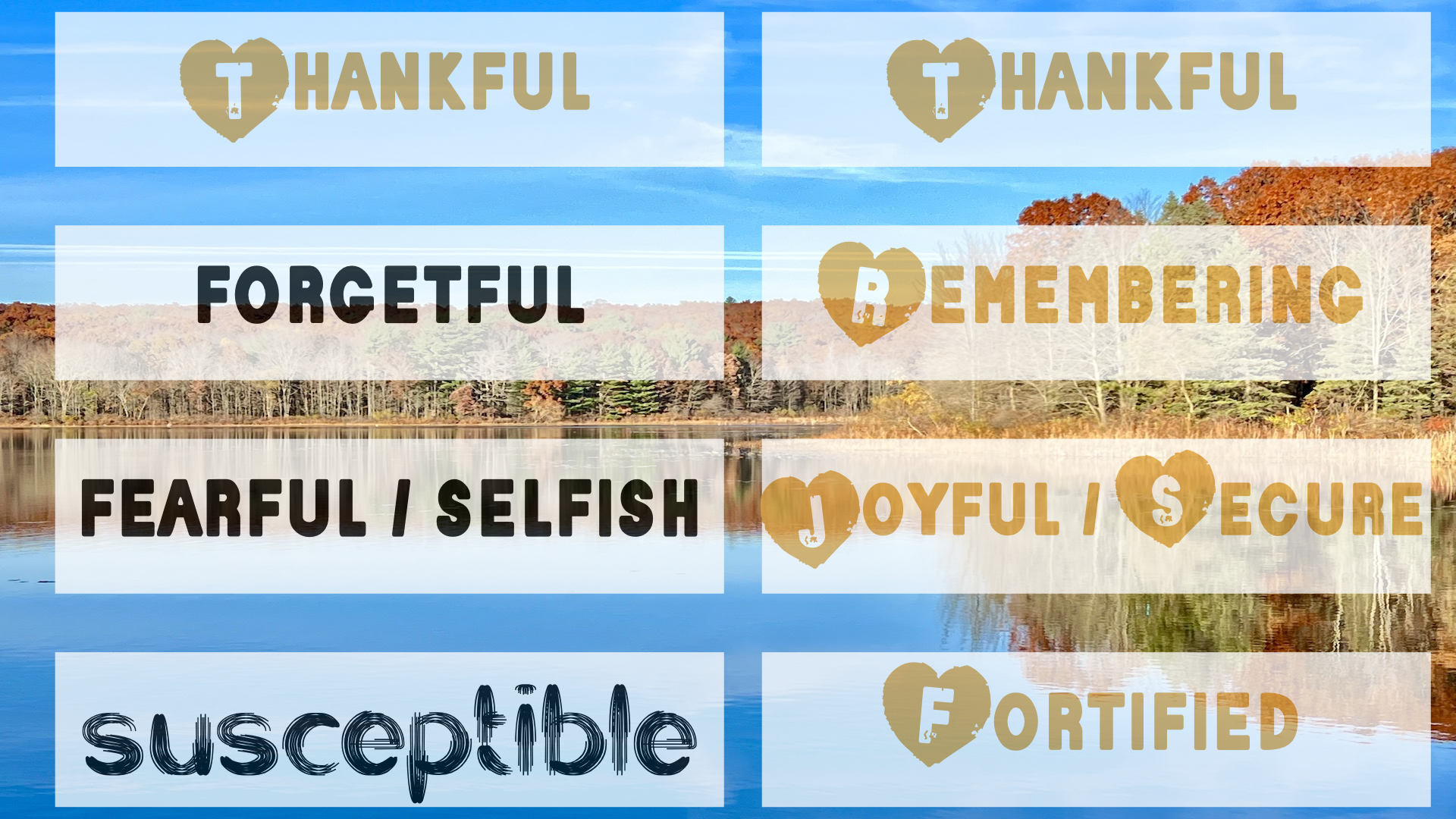
Here is the repeated pattern we see—
Thankfulness → Forgetfulness → Fearful / Selfish attitudes → Susceptible to the temptation to grumble against God
Thankfulness → Remembering → Joyful / Secure attitudes → Fortified against the temptation to grumble against God
Jim Cymbala said, “Ingratitude to God is the first step toward backsliding and departure from God. So, it is to our benefit to have a thankful heart toward God.”
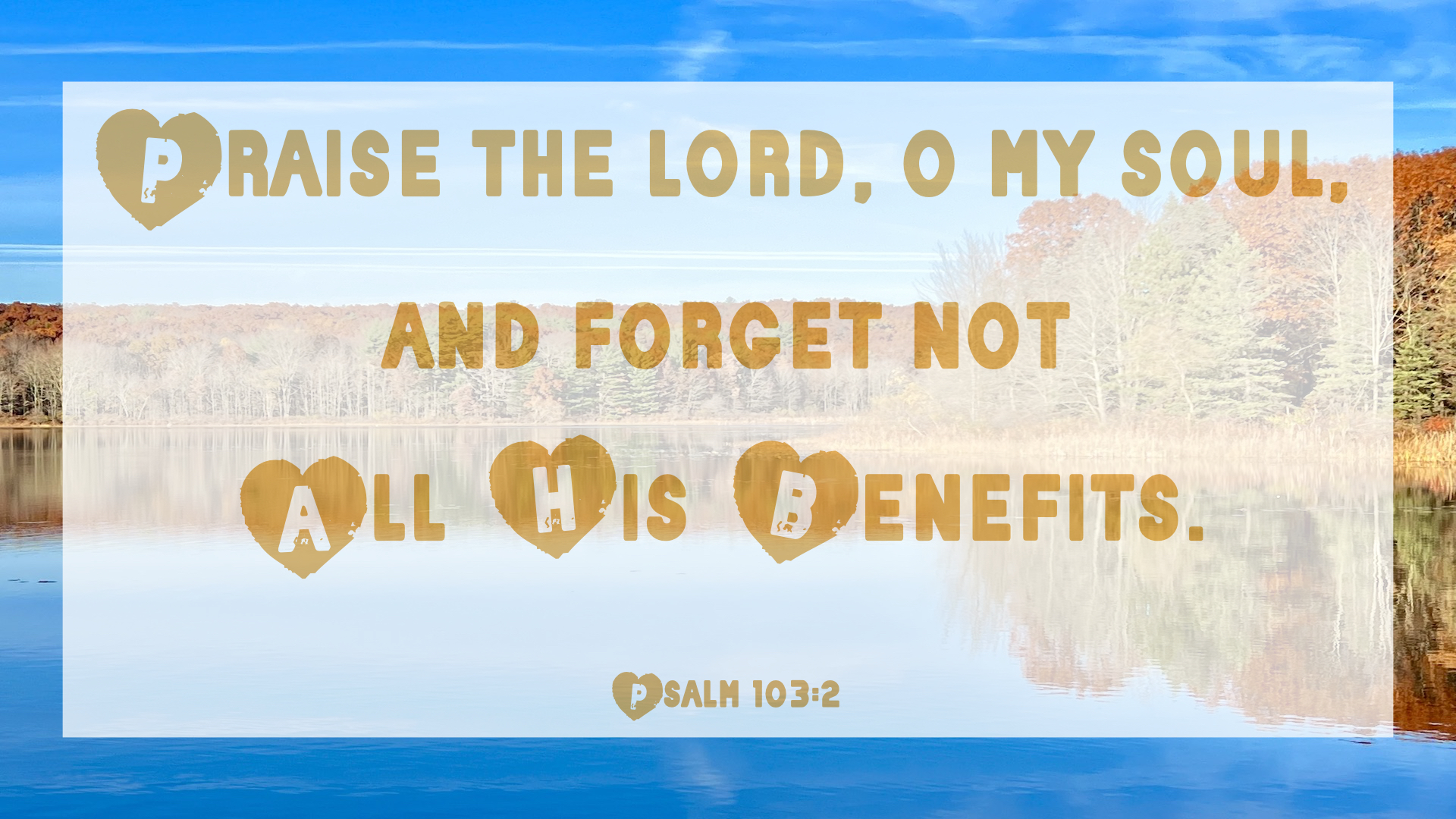
Let’s put into practice this lesson from King David: “Praise the Lord, O my soul, and forget bot all His benefits” (Psalm 103:2).
Listen to the podcast of this post by clicking on the player below, and you can also subscribe on Apple, Spotify, or Audible.
Do you remember this song: “If you’re happy and you know it clap your hands”? It goes on to say, “If you’re happy and you know, then your life will surely show it….” Frankly, I’m concerned about Christians that are unhappy.
Charles Spurgeon was talking to his students and he said, “I commend cheerfulness to all who would win souls; not levity and frothiness, but a genial, happy spirit. There are more flies caught with honey than with vinegar, and there will be more souls led to heaven by a man who wears heaven in his face than by one who bears Tartarus in his looks.” Tartarus, in Greek mythology, is a sunless abyss, below Hades, in which Zeus imprisoned the Titans, which is the exact opposite of the Paradise described in the Bible.
Unhappiness generally comes from ingratitude. An unhappy Christian gives God no praise, robs Him of glory, and paints God in a bad light. A happy Christian lifts God high and invites others to know this All-Good, All-Happy God too!
Christians need to fight against the downward pull of negativity in which our culture seems to so easily gravitate. In his letter to the Philippians, the apostle Paul says that a Christian who doesn’t engage in the complaining that the world is known for will shine brightly. Quite simply, thankfulness is the antidote to complaining (Philippians 2:14-18).
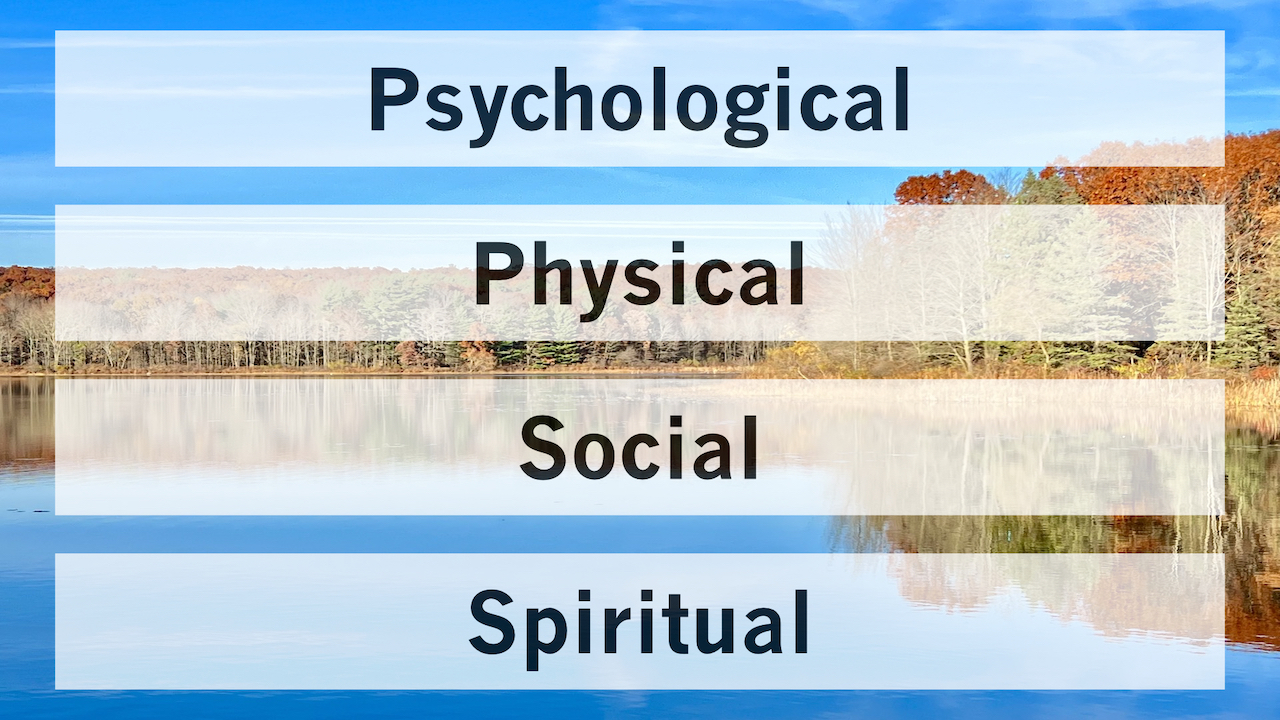
Even those who may not recognize the the authority of Scripture have extolled the benefits of gratitude. Psychologists and medical professionals have identified three benefits from a thankful heart:
Physical benefits—stronger immune system, less body aches and pains, regulated blood pressure, a better sleep-wake cycle
Social benefits—better communication with others, increased empathy, increased likability
And Christians can add one more benefit to this list:
Spiritual benefits—more dynamic corporate worship, enchanted Christian testimony, perseverance through trials, fortification against giving in to temptation
The well-known Cleveland Clinic reported that an attitude of gratitude leads to overall wellness. When you are grateful for what you have, it improves your outlook mentally, physically, spiritually, and relationally.
Here are five things you can start doing today that will increase your gratitude levels, enhance your Christian testimony, and generally improve your life:
Switch your perspective. Worry is focusing on what you don’t have. Make the switch to gratitude by giving thanks for what you do have (Matthew 6:25-34).
Strengthen your relationships. It’s fine to weep with those who weep, but let’s encourage others and be encouraged by others so that we can rejoice with those who rejoice (1 Thessalonians 3:6-10),
Foster healthy habits. Dr. Luke gives us the pyramid of health that Jesus demonstrated in Luke 2:52. The pinnacle is strong relationships, and grateful people are more empathetic and likable.
Keep a gratitude journal so that you don’t forget what God has done for you (Psalm 106:7).
Talk about your gratitude. This instills thankfulness in other saints (Isaiah 63:7) and in future generations of your family (Isaiah 46:4), and it becomes a testimony for seekers (1 Peter 3:15).
Let me close with this observation from Blaise Pascal: “There are three kinds of people in the world; those who have sought God and found Him and now serve Him, those who are seeking Him, but have not yet found Him, and those who neither seek Him nor find Him. The first are reasonable and happy, the second reasonable and unhappy, and the third unreasonable and unhappy.”
Reasonable, happy saints are the ones who lift God high and invite others to know this All-Good, All-Happy God too! Not just at the Thanksgiving season, but starting now and then going all year long!
Follow along with all of the messages in this series called Be Thankful by clicking here.
It’s so easy to spot the negative things. It’s so easy to gripe about the bad stuff with others. It’s so easy to complain about what’s wrong with the world.
But the Bible repeatedly calls the saints of God to rise above this downward pull of negativity. In fact, for those who have a relationship with their Heavenly Father, who call Jesus their Savior, and who call the Holy Spirit their Counselor, there is really only one way to live: Grateful!
This Thanksgiving season, let’s renew our commitment to live with such gratitude that we begin to reverse the trends toward the negative that seem to envelope our culture. I hope you can join me at Calvary Assembly of God beginning this Sunday for our series Be Thankful.
If you have missed any of the messages in this series, check them out here:
Listen to the podcast of this post by clicking on the player below, and you can also subscribe on Apple, Spotify, or Audible.
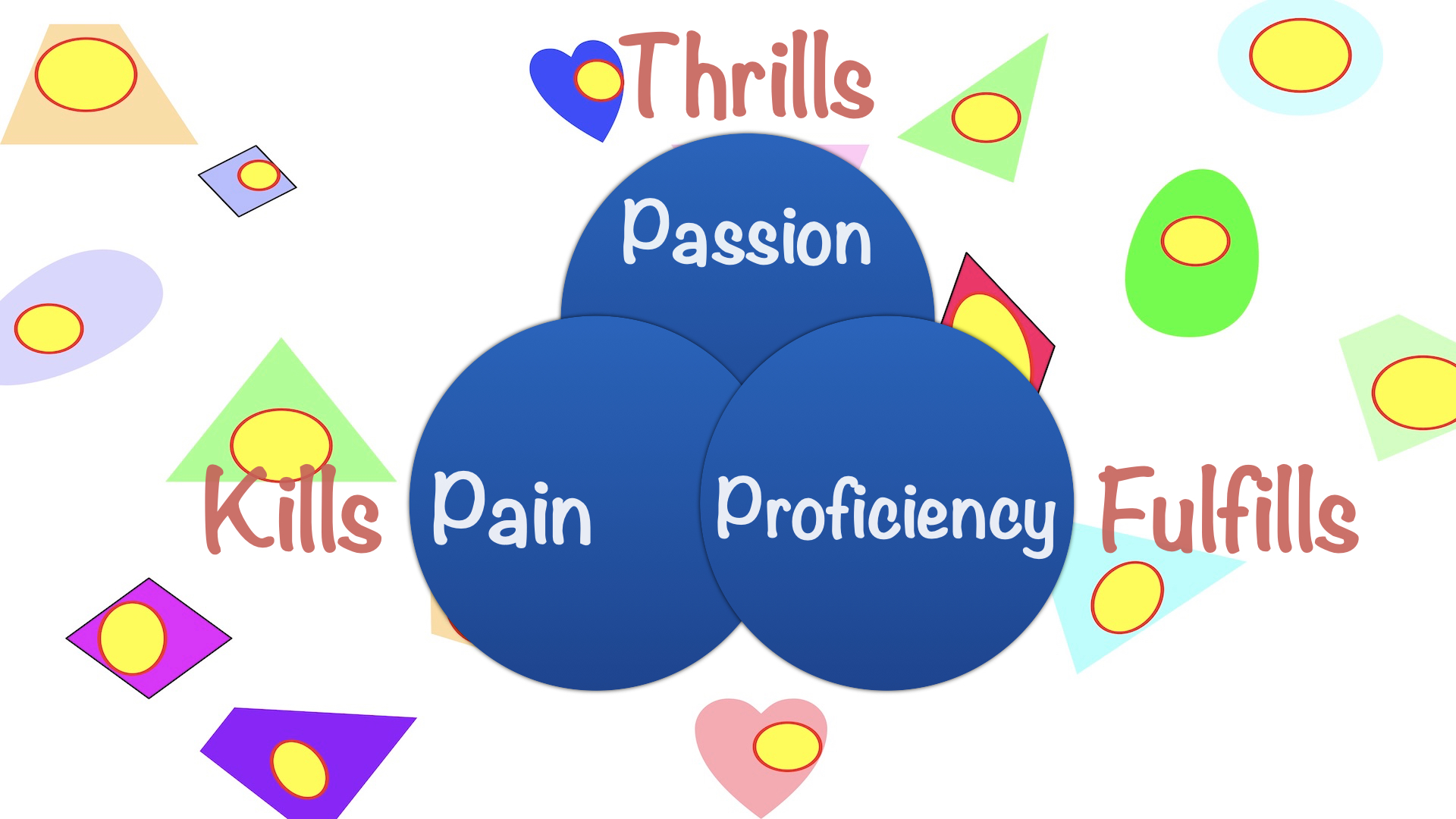
We’ve now learned about all three circles that help us discover our God-implanted gifts:
Passion—what thrills you?
Pain—what kills you?
Proficiency—what fulfills you?
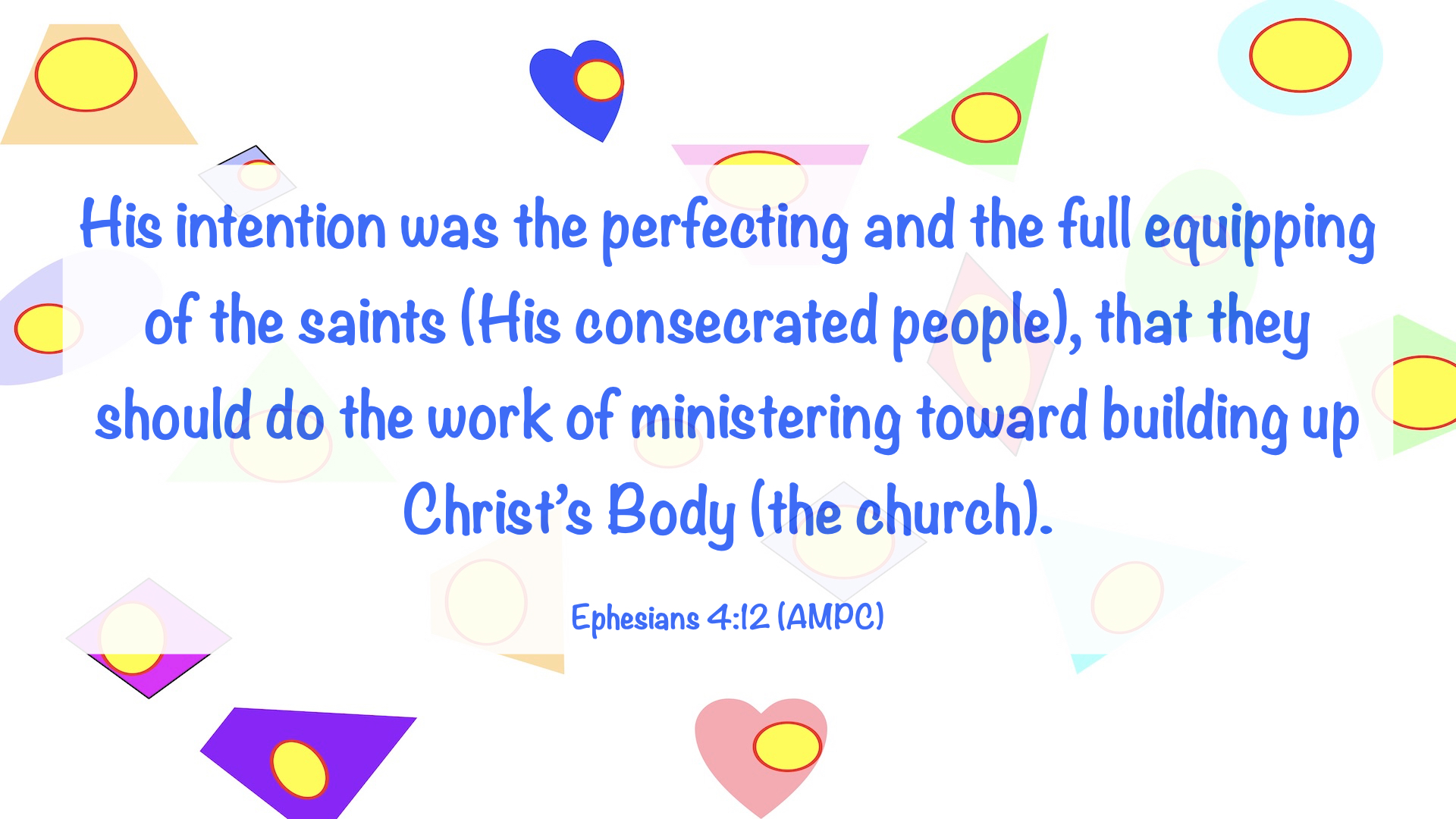
What do you do with these gifts? What’s the whole purpose in learning about them? I think the goal as saints is to help the Body of Christ mature in ways that brings God glory (Ephesians 4:12-16).
Solomon also gives a great word picture of friends using their gifts for each other—“As iron sharpens iron, so a friend sharpens a friend” (Proverbs 27:17 NLT).
In an earlier message in this series, I talked about the thousands of enzymes in our human bodies. Each enzyme has just one task, and each task is indispensable to the health of the whole body. It is exactly the same in the Body of Christ—your gift-in-action is indispensable to the health of the whole Body.
How do you squander your grace gift? I think these are five basic ways:
Not discovering it—“I have a gift?”
Devaluing it—“My gift is nothing special.”
Overvaluing it—“My gift is super-important.”
Laziness—“My gift is fine just the way it is.”
Selfishness—“My gift is just for me.”
We need to discover our own gifts, but then we need to work on making the switch from “me” to “we.” I want to excel in using my gift so that I can help you excel in using your gift so that we can help another brother or sister excel in using their gift.
Oswald Chambers said, “The Book of God is insistent on this: we cannot develop a holy life alone, it would be a selfish life, without God in it and wrong. … Beware of isolation; beware of the idea that you have to develop a holy life alone. It is impossible to develop a holy life alone, you will develop into an oddity and a peculiarism, into something utterly unlike what God wants you to be. The only way to develop spiritually is to go into the society of God’s own children, and you will soon find how God alters your set.”
Frequently we need another brother or sister in Christ to help nudge us into discovering and using our gifts. For example, look how…
Mordecai assured Esther (Esther 4:13-14)
Matthias was chosen by those in the upper room (Acts 1:21-26)
The first deacons were unanimously chosen by the Church (Acts 6:3-6)
Barnabas and Saul were chosen by the Holy Spirit and confirmed by other prophets and teachers in the church (Acts 13:1-3)
Paul encouraged his proteges to appoint elders who were recognized by others in the church (Titus 1:5; 1 Timothy 3:1f)
Consider this poem—
For want of a horseshoe nail the shoe was lost.
For want of a shoe the horse was lost.
For want of a horse the rider was lost.
For want of a rider the message was lost.
For want of a message the battle was lost.
For want of a battle the kingdom was lost.
And all for the want of a horseshoe nail.
Listen to the Holy Spirit. Listen to the confirming words from fellow saints—words like “You are gifted,” “You are so good at…,” and “How did you know how to do that?” Then step out of your comfort zone and soar into your gift zone!
Listen to the podcast of this post by clicking on the player below, and you can also subscribe on Apple, Spotify, or Audible.
We have been learning about how God gifts us so that He can use us to build His kingdom. Discovering these gifts and then living in this gift zone is going to require us to stretch out of our comfort zone. So far, we’ve looked at two factors:
As you look back, the things that thrill you and kill you have probably remained consistent through your life. You may recall moments where implementing your gifts went very well and times when it didn’t go so well. The former makes us ready to try again and maybe expand a little further, but the latter tempts us to shrink back into our comfort zone. The key is to find out how we can be more consistent in using our gifts productively.
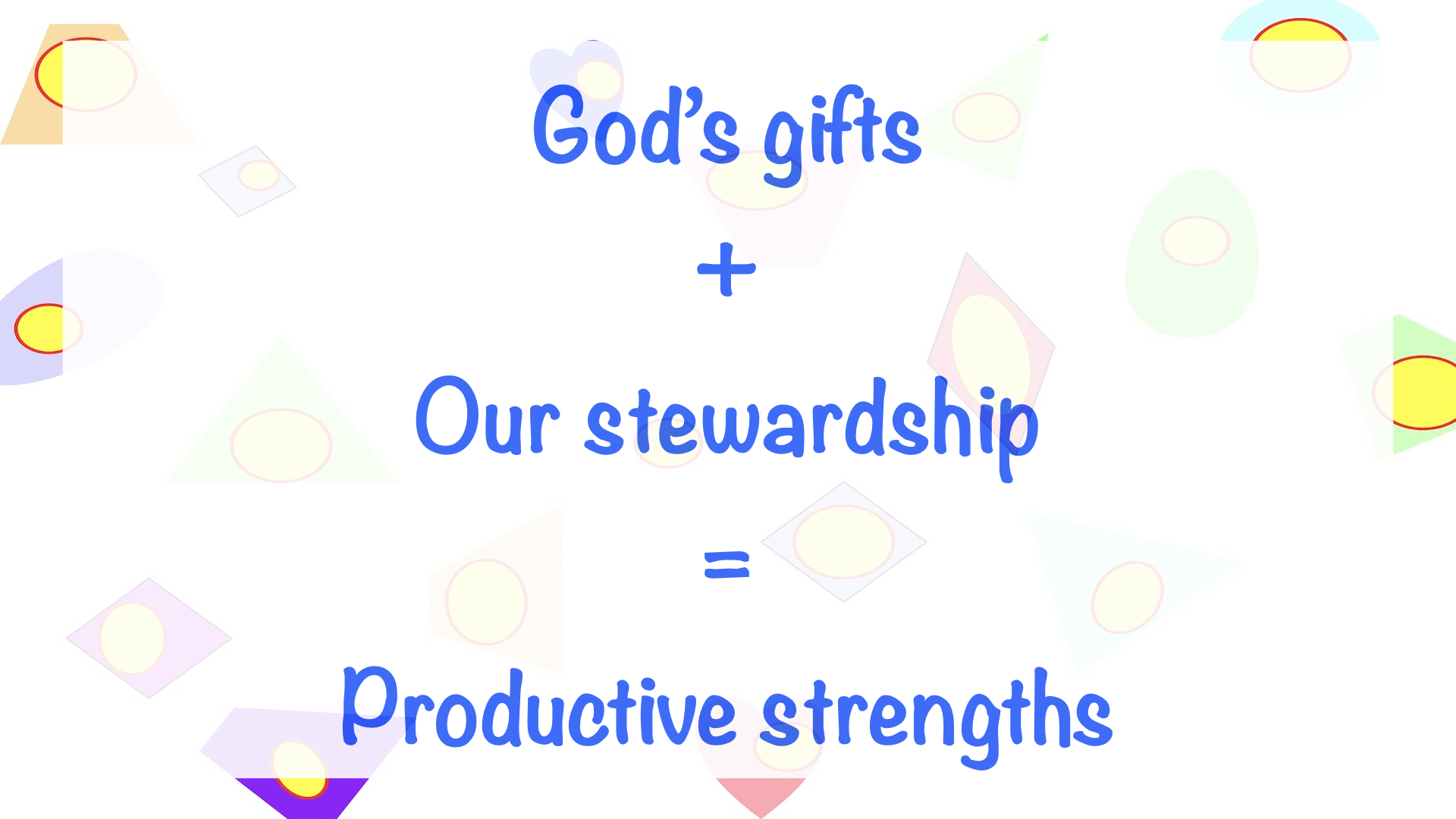
It looks like this: God’s gifts + Our stewardship = Productive strengths.
God gives the gifts as only He knows best (Psalm 139:16; Romans 12:6; 1 Corinthians 12:11) and then we steward these gifts into productive strengths.
The dictionary defines it as the responsible overseeing and protection of something considered worth caring for and preserving.
The Bible always portrays a steward as the one in charge of the precious things in a household—in our case, the Church.
Jesus makes the role of a steward very clear in his parable found in Matthew 25:14-27. Notice three important things:
The master gave gifts to everyone of his servants, but he gave “each according to his ability” (vv. 14-15).
The wise servants stewarded the master’s gift by that way they “put his money to work” (vv. 16-18)
The master demanded accountability of all of his servants. Two servants acknowledged “you entrusted me” with these gifts (vv. 19-23), while one said, “I was afraid” (vv. 24-27).
God created each of us on purpose and for a purpose. He gave us the gifts we need to accomplish that purpose. We will only find our fulfillment in life in stewarding those God-given gifts and opportunities in ways that glorify Him. Not only fulfillment here, but then eternal satisfaction when we hear our Savior say, “Well done, good and faithful servant! Enter into your Master’s happiness!”
The only servants that heard the “well done” from their master were those who realized it was “your money…entrusted” to me. I like how Eugene Peterson brings this out in his paraphrase:
Make a careful exploration of who you are and the work you have been given, and then sink yourself into that. Don’t be impressed with yourself. Don’t compare yourself with others. Each of you must take responsibility for doing the creative best you can with your own life. (Galatians 6:4-5 MSG)
So let’s add one more circle to the passion and pain circles, and that is the circle of proficiency. This is what fulfills us because we can do it so well; it feels so natural for us to be doing this. Proficiency is what really brings together the passion and the pain, and it helps us find the sweet spot.
Let me give you a couple of examples—one from the Old Testament and one from the New Testament.
Nehemiah was killed that Jerusalem was in shambles and the people were disgraced (Nehemiah 1:3-4)—that’s what killed him. Nehemiah didn’t go to wall-building school, but he effortlessly strategized, cast vision, organized, planned, procured, and adapted—that’s his proficiency. The wall was built in 52 days, Israel’s enemies were disgraced, and the people had a place to worship again (Nehemiah 6:15-16, 9:1-3)—that’s what thrilled him.
The apostles and the first deacons in the New Testament church saw that some of the widows were being overlooked in the food distribution (Acts 6:1)—this is what killed them. These new leaders didn’t go to food-distribution school, but they effectively strategized, cast vision, organized, planned, procured, and adapted (v. 3)—this is their proficiency. The widows were cared for, the Word of God spread, and more people became Christians (v. 7)—that’s what thrilled them.
God gives gifts—we feel that in what thrills us and what kills us. We steward those gifts into productive strengths—we stick with what we fulfilled in doing. Our productive strengths then glorify God as we strengthen and grow the Body of Christ.
Let me give you four things to consider about your area of proficiency:
What comes easily to me?
Where do I see both the steps and the completion before others do?
Where do I experience the greatest ROI of my time and efforts?
What do I do that thrills me because I ran to because it was killing me, and now it fulfills me to keep doing it?
With all three of these circles, please take some time to ponder what your sweet spot is. And if you’ve missed any of the messages in this series, you can find them all here.
Listen to the podcast of this post by clicking on the player below, and you can also subscribe on Apple, Spotify, or Audible.
Have you ever been trying to finish a DIY project and you’re getting frustrated because there’s one part you cannot seem to complete? Then you phone a friend. They come over, look at the situation, pull the perfect tool out of their toolbox, and quickly fix the problem. You are amazed and they think, “It’s no big deal. I just happened to have the right tool for the job and the skill to know how to use it.”
We are all gifted, but in different ways.
God has uniquely prepared you for the situations you will face in your life. David declared, “All the days ordained for me were written in Your book before one of them came to be” (Psalm 139:16). That tells me that your loving Creator knew the challenges and opportunities you would have, and He has already placed the perfect tool in your toolbox that you will need to excel in that moment.
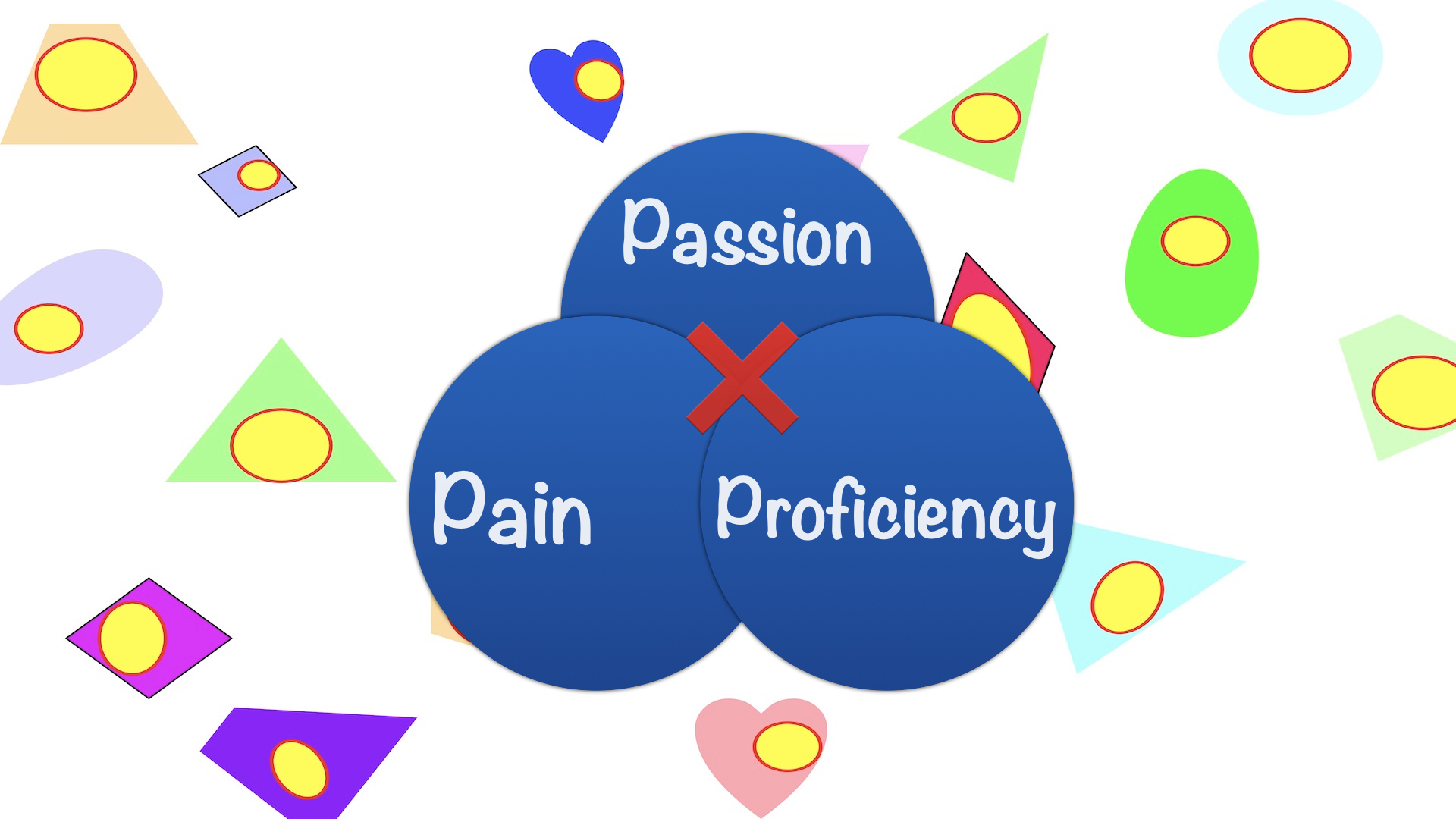
We have already talked about how your passion helps you discover your areas of giftedness. Finding out what thrills you and what fills you is one key step on this journey. There’s another aspect of this discovery process that at first seems almost the opposite, but I think they are actually two sides of the same coin.
If passion is what thrills me, then pain is what kills me. I think a good word for this is zeal. In the biblical context, zeal would be anger at the things that keep people from experiencing all that God has for them—things that keep them from knowing the fullness of God’s glory.
As Moses grew older, it killed him that the Jewish people were now enslaved by the Egyptians and kept from worshiping God in their own place (Exodus 2:11-12).
We see Moses’ zeal misapplied at first (I mean, he did commit a murder!). This about the differences between a river powerfully flowing within its banks, and a flood when the river overflows its banks. When we use our God-implanted zeal in ways that He hasn’t sanctioned, we make a mess like that flood. But when we use our zeal to glorify God, it is as powerful as a mighty river within its banks.
We see perfect zeal in Jesus. We see Him cleansing the temple so all worshipers could come close to God (John 2:13-17). We see his anger over the religious rules that kept people trapped in their disease( Mark 3:1-5; Luke 13:10-16).
If passion asks, “What is God passionate about that thrills my heart too?” then pain asks, “What breaks God’s heart that also breaks my heart?” or “What’s broken that I would love to fix?”
Zeal moves us to action!
When we move forward in our zeal, others may say we are meddling or we are sticking our nose in places where it shouldn’t be. But we simply cannot help ourselves.
In Moses’ initial zeal—without God’s commission—he committed murder and then fled to the wilderness.
Stephen says, “Moses was well educated in all the wisdom of the Egyptians and was powerful in speech and action” (Acts 7:22). The word Stephen uses for “educated” means Moses was fully trained to interact success with is culture. And he also says Moses was “powerful” in speech and action.
So why does Moses say of himself that he is not “eloquent” and “slow of tongue” (Exodus 4:10)? Literally, Moses is saying, “I might make the same mistake that I made previously.”
Moses looked back on his initial stumble and was fearful he may misfire again. He was comfortable staying in his restricted comfort zone, but this attitude made God angry (Exodus 4:10-12).
Saul in his zeal for the rules and traditions of Judaism, persecuted the Christians. After he became a Christian, we see the same zeal—calling out Barnabas and Peter, and asking the Galatians who has bewitched them to stay entangled with meaningless traditions.
We usually discover our giftedness by looking backward. The devil would love for us to see our previous missteps as disqualifications for future service. But God says that He can use all of these things for His glory (Romans 8:28). We have to surrender our fears to Him if we want to soar out of our comfort zone and into our comfort zone.
Let me give you three things to consider:
What do you find yourself praying about more than anything else?
What do you move toward that others ignore or move away from?
What topic do you talk about all the time?
Here’s your homework: Think about the three things to consider regarding pain, and then consider where your passion circle and your pain circle may overlap.
If you’ve missed any of the messages in our series Living In Your Gift Zone, you can find them all here.
Listen to the podcast of this post by clicking on the player below, and you can also subscribe on Apple, Spotify, or Audible.
Much like Jude who had a message he wanted to deliver to the saints, but was compelled by the Holy Spirit to address something concerning him (Jude 3-4), I, too, was excited to deliver the next message in our series on discovering your gifts and then living in your gift zone. But I am deeply concerned about the words and actions of Christian saints during these past election cycles.
I recently heard John Stonestreet say, “Currently, politics is carrying far more cultural weight than it is able to bear.” I agree: Christians are putting far too much emphasis on political candidates than the Bible would suggest.
I frequently quote something from Charles Colson that always makes people smile. He said, “Salvation will never arrive in Air Force One.” The flip side is true as well: Neither will the Apocalypse arrive on Air Force One.
We have to remember that the Most High is sovereign over all the nations of the earth, and He gives them to whom He choose (Daniel 4:25, 32). When we think that our candidate or our party is the only way our nation can be saved, aren’t we elevating the political process above God’s plan?
I hope this doesn’t come as a shock to anyone, but there are no perfect candidates, perfect political parties, nor perfect party platforms. We can study our Bibles, pray, study the candidates’ lifestyle and policies, but ultimately we will have to cast a ballot for an imperfect candidate.
God doesn’t have an “R” or “D” next to His name. He has not endorsed a political candidate. You may be sitting next to someone right now that is going to vote for the opposite political party that you will be voting for. And the way we interact with those people—whether they are fellow Christians or not—is deeply concerning to me.
Moses saw a couple of fellow Israelites fighting each other, and he asked them, “Why are you hitting your fellow Hebrew” (Exodus 2:13). The Hebrew word rea means a friend who is also a fellow citizen. These Hebrews were citizens of Zion, but they were living in Egypt, and they definitely weren’t treating each other in a way that would be a testimony to the Egyptians.
When Stephen retold this portion of the story in his sermon, he phrased it this way, “Men, you are brothers” (Acts 7:25-26). Stephen used the Greek word adelphos which literally means “from the same womb.” But the Christians used this word to mean brothers and sister in Christ—people with whom we will spend eternity.
Let us always remember that others who are participating in the American political process are BOTH fellow US citizens AND brothers and sisters in Christ.
In J.R.R. Tolkien’s Return of the King, when Gandalf sees fellow citizens and friends at each other’s throats, he exclaims, “Work of the enemy! Such deeds he loves: friend at war with friend, loyalty divided, and confusion of hearts.” Indeed, the enemy of our souls would love to see the chaos of a nation at war with itself; especially to see Christians at odds with each other.
Paul said, “Therefore, as we have opportunity, let us do good to all people,especially to those who belong to the family of believers” (Galatians 6:10). On the flip side, Jesus said that when we think or speak poorly of a fellow human, we are in danger of judgment (Matthew 5:22).
Listen to Paul’s appeal to his friends at Philippi—
Therefore if you have any encouragement from being united with Christ, if any comfort from His love, if any common sharing in the Spirit, if any tenderness and compassion, then make my joy complete by being like-minded, having the same love, being one in spirit and of one mind.
I plead with Euodia and I plead with Syntyche to be of the same mind in the Lord. Yes, and I ask you, my true companion, help these women since they have contended at my side in the cause of the gospel, along with Clement and the rest of my co-workers, whose names are in the book of life. (Philippians 2:1-2, 4:2-3)
The politicians we have are always downstream from culture, which means we have allowed those sorts of politicians to be in place.
John Stonestreet used a phrase I hadn’t heard before, but I think it’s appropriate: “Christian political engagement should hit its fever pitch notduring elections. The only way to relieve the political pressures of our day is to build up the pre-political aspects of our life together, especially the family and the Church. When we care well for our children, our neighbors, and our communities, the state doesn’t have to.”How true this is!
I wrote something this summer based on Isaiah 3:4-5. In essence, I wrote that God gives nations the “leaders” they deserve. They are leaders in that they occupy an office, but they don’t lead people nor care for the citizens—they don’t have wisdom to lead nor do they care about anyone but themselves. This is the inevitable result for a nation that turns its back on God! So if we think our political and civic leaders are self-focused, unskilled, and childish, we should look in the mirror. It’s not “them,” it’s us. We have to change—turning wholeheartedly to God—and only then God can change our leadership.
We need to be praying for our governmental leaders, not vilifying them. We need to be speaking well of our fellow US citizens. We need to be especially treating our fellow brothers and sisters in Christ well.
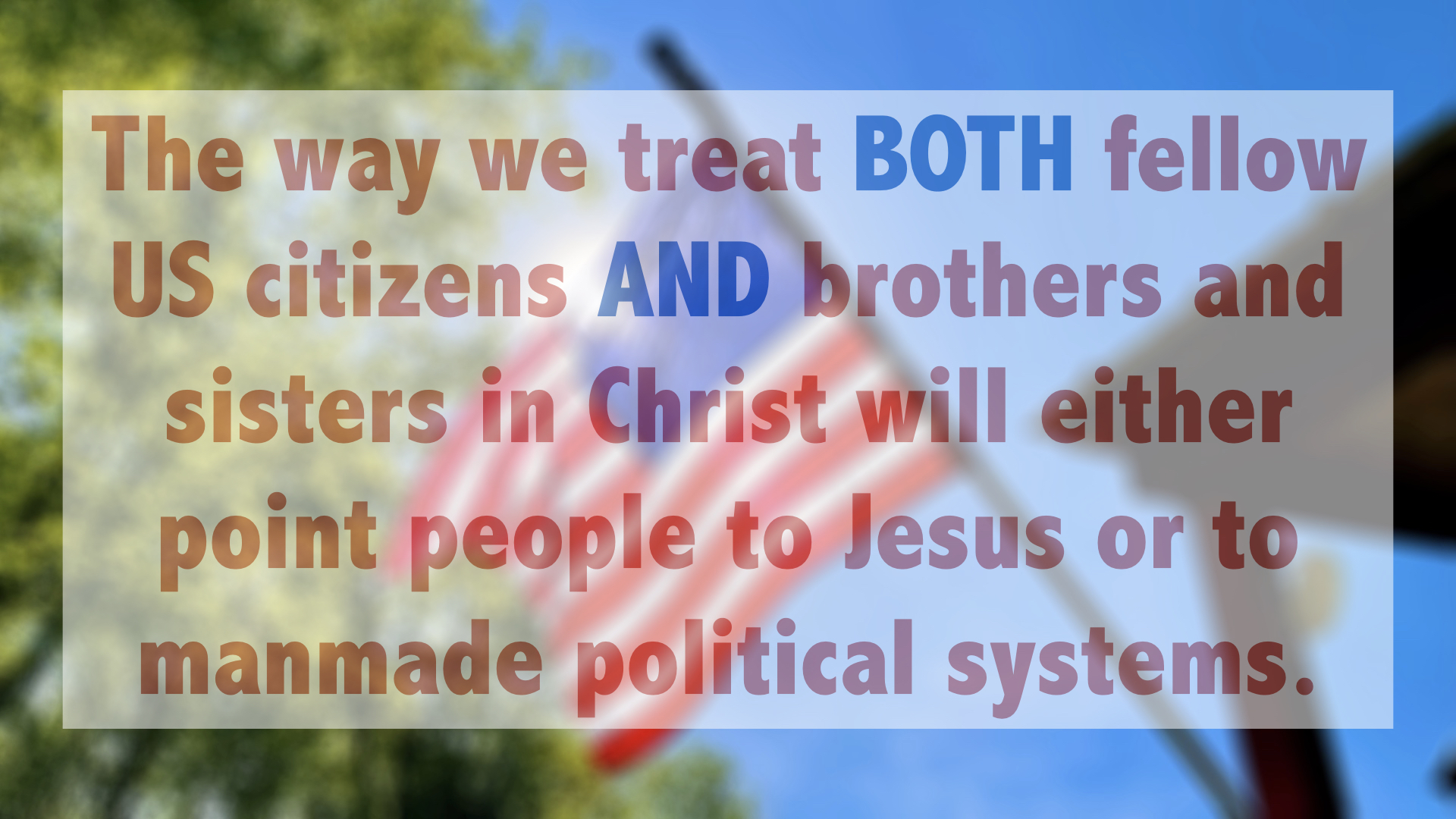
Our hope is not in the results of an election. Our hope is in Jesus. The way we treat BOTH fellow US citizens AND brothers and sisters in Christ will either point people to Jesus or to manmade political systems.
I pray we can do better at pointing people to Jesus! I pray I can do better!
Listen to the podcast of this post by clicking on the player below, and you can also subscribe on Apple, Spotify, or Audible.
A quick recap: We are all gifted by God, but we typically restrict ourselves to a comfort zone which is much smaller than our God-given gift zone. In order to maximize our impact for the Kingdom of God, we are going to have to get uncomfortable with staying comfortable—we are going to have to trust God as we push out further into our gifts.
Last week I gave you a homework assignment to think about the things you love to do. Why do we need to know this? Because it is one of the indicators of our areas of giftedness.
In the whole carrot-versus-stick discussion, you will find that most people are motivated by reward way more than they are by the fear of punishment. Look at how these God-fearing men were motivated by the God’s rewards:
Who’s more likely to get the reward: the one who loves what they are doing or the one who hates what they are doing? We are more likely to stick with what we love doing, and you are going to love doing what you are gifted by God to do.
Why we do what we do is much more important that what we do (Isaiah 1:11, 13, 15; Matthew 7:22-23).
We have been gifted by God to do great things. When we do those great things, we are rewarded and it brings God glory. That realization should answer the question of why we do what we do (Ephesians 2:10).
The way we see the world, what motivates us, and how we act are all determined by our gifts. We are working on the same Great Commission, but how we live that out will be different because of our different gifts.
In the Old Testament, the saints wanted Zion to be strong and God-glorifying:
David fought battles and wrote worship songs
Solomon gave wise proverbs
Josiah brought about reforms
Ezra encouraged the Israelite governor and high priest
Daniel encouraged the Babylonian rulers
Nehemiah built the wall
In the New Testament era, the saints should all want the Body of Christ to be strong and God-glorifying. Toward that goal, we still need warriors, worshipers, wisemen, reformers, teachers, counselors, workers.
Toward that goal, we all have a part to play (Ephesians 4:12). Check out the example of Paul in…
…Thessalonica: Paul was in the synagogue on three Sabbaths (Acts 17:1-2; 2 Thessalonians 3:8)
…Corinth: Paul was synagogue on the Sabbath days, but after Silas and Timothy arrived, Paul was able to be preaching every day for 18 months (Acts 18:1-5, 11)
What’s the difference? Silas and Timothy used their gifts so that Paul could use his. Without the “enzyme” of Silas and Timothy’s gifting, the whole Body of Christ would have been impoverished.
One of the things that will help your spot your areas of giftedness is noticing what you are passionate about—What do you love to do?
Let me give you three things to consider:
When can I do this again? vs. When will this be over?
When I do this, I’m tired but fulfilled vs. When I do this, I’m tired.
I would do this without pay vs. I would rather find something else to do.
Our prayer should echo what Paul prayed:
For this reason, since the day we heard about you, we have not stopped praying for you. We continually ask God to fill you with the knowledge of His will through all the wisdom and understanding that the Spirit gives, so that you may live a life worthy of the Lord and please Him in every way: bearing fruit in every good work, growing in the knowledge of God. (Colossians 1:9-12)
If you’ve missed any of the messages in our series Living in Your Gift Zone, you can find them all here.
I’m concerned that some people might be confused about what I mean by “gifts.” Some people look at someone who can preach, or write, or sing, or compose music, or paint, and say, “They are so gifted! I could never do anything like that.” Yes, those are very visible gifts, but let’s not limit “gifts” to just those kinds of things.
God has designed our physical bodies to do some astounding things! We see some people using their bodies to run fast, jump high, lift heavy things, or catch a ball, and we may marvel at their talents. These amazing feats are only possible because of a thousand other gifts. Even the simplest of tasks is far from simplistic. Isaac Newton noted, “In the absence of any other proof, the thumb alone would convince me of God’s existence.”
Something that is invisible to the human eye but indispensable to absolutely everything that happens in our physical bodies is the vital functions of enzymes.
Enzymes are proteins that help facilitate metabolism, or coordinate a chemical reaction. Some enzymes build things up and some break things down. Enzymes help with things like…
turning the food we eat into energy
breathing
building muscle
nerve function
ridding our bodies of toxins
There are thousands of individual enzymes in the body. Each type of enzyme only has one job.
For example, consider the enzyme sucrase. If it is deficient in the body, sucrose from food isn’t broken down to glucose and fructose. As a result we would experience dehydration, malnutrition, and developmental delay.
Every enzyme is vital. It’s not coincidental at all the the New Testament uses the analogy of our physical bodies to portray the Body of Christ (Romans 12:3-6; 1 Corinthians 12:6, 18, 27).
In the New Testament church it’s easy to spot the highly visible gifts like preaching, evangelism, and church leadership, just as it’s easy to spot physical accomplishments like a professional athlete or a world-class pianist. But let’s not overlook the thousands of indispensable “enzymes” in the Church that allow the Body of Christ to function in a healthy way.
Read through the Book of Acts and you will see gifts in the form of people who…
agreed together in prayer
affirmed God-honoring, biblical decisions
organized feeding programs
hosted people in their homes (house churches)
prepared food for others
handed out that food
sewed clothes for those who needed them
faithfully visited the sick and imprisoned
earned a paycheck to pay for ministry expenses
distributed funds to those in need
used their official positions open doors or provide protection
wrote important correspondence
Peter wrote, “God has given each of you a gift from His great variety of spiritual gifts. Use them well to serve one another” (1 Peter 4:10).
What happens if an “enzyme” is missing? Quite simply: The Church cannot grow to our full potential (1 Corinthians 12:26 AMPC; Ephesians 4:12-13).
Each of us needs all of us. All of us needs each of us. Jesus hasn’t just saved you from death, He has also saved you to life—an abundant life for you, for the Body of Christ, and for those who don’t know Him as their Lord and Savior yet.
You are gifted. More precisely said: You ARE a gift!
Listen to the podcast of this post by clicking on the player below, and you can also subscribe on Apple, Spotify, or Audible.
We as a Church are underperforming. How do I know this? Look at the way the world treats Christians; specifically, look at what’s NOT happening.
“By this all will know that you are My disciples, if you have love for one another” (John 13:35). Jesus said this right after He served His disciples by washing their feet. Is this happening today: Do people know you are a Christian by the way you put your love into servant-hearted action, or do they just know what you are against?
“Be prepared to give an answer to everyone who asks you to give the reason for the hope that you have” (1 Peter 3:15). When was the last time someone saw your hope-filled life in such contrast to everyone else’s response that they said, “How can I have what you have?”
Peter said our adversary prowls like a lion. He is perfectly willing to bide his time, picking the strategy that works best. One of his favorite strategies is lies—sometimes half-truths or out-of-context truths.
…Woe to the earth and the sea, because the devil has gone down to you! He is filled with fury, because he knows that his time is short. … The dragon was enraged with the woman and went off to make war against the rest of her offspring—those who obey God’s commandments and hold to the testimony of Jesus (Revelation 12:12, 17).
Lies are his native tongue. He lied to Adam and Eve right in the beginning (Genesis 3:1, 4-5), and he still lies now (Revelation 12:10). Jesus contrasted this with the truth that He came to proclaim (John 8:42-45).
The devil has learned that with many people, outright attacks drive them TO God. We see this in the oldest book of the Bible (Job 1:6f, 20-22), and in modern times (churches were filled after the 9-11 terrorist attacks).
What the devil would rather do is lie to you to keep you comfortable. In The Screwtape Letters, Screwtape implores Wormwood to keep his patient indifferent and comfortable. Indeed, we all have a comfort zone and we love to stay in it.
King Saul went from 3000 men to 600 men, from a full armory to only two swords, from defeating the Ammonites to being hemmed in by the Philistines. King Saul was enjoying life as the king, hanging out with his friends, sitting under a pomegranate tree, far away from his enemies. Life was good for Saul, life was familiar and comfortable. Saul was living in his comfort zone. But the comfort zone is a lousy place to live.
In the comfort zone you only tell stories, but never live an adventure. In the comfort zone, you only hear about what God has done for others, but you never experience Him move in miraculous ways for yourself.
God has given us all gifts so that we can live as overcomers and bring Him glory, but we settle for living only in our comfort zone. Our comfort zones are always way smaller than our gift zones, and the devil is perfectly happy to see us stay there.
Moses was comfortable in the desert, but God sent him in His power (Exodus 3:11, 14).
David was comfortable in the pasture, but God equipped him to lead a whole nation (2 Samuel 7:18; Psalm 78:70-71).
Jeremiah was comfortable being an anonymous priest, but God gave him words to prophesy to a wayward nation (Jeremiah 1:4-8).
Saul was comfortable as a Pharisee, but God sent him to tell the world the Jesus is the Messiah (Acts 8:3; 1 Timothy 1:16).
What lies have kept you in your comfort zone?
Maybe a parent said, “You’ll never amount to anything.”
Maybe a teacher said, “You’re slow.”
Maybe a classmate said, “You’re weird.”
Maybe the devil said, “You cannot make a difference in the world.”
You need to silence those lies with God’s truth:
God created me on purpose and for a purpose—Psalm 139:13-17
He has given me all the gifts I need to soar—2 Peter 1:3-4
He wants to help me, if I will trust Him—Isaiah 41:10, 13-14
Charles Spurgeon said, “The extent of power God can infuse into a person is immeasurable; when divine strength is granted, human weakness ceases to be a hindrance.”
So, friends, it’s time to get uncomfortable with staying comfortable. It’s time to stretch and soar out of your comfort zone and into more of your gift zone!



 It is so much easier to complain than to compliment. We can slide into the negative conversations almost without thinking about it.
  Here is the repeated pattern we see—