Links & Quotes

link quote

“The job isn’t to catch up to the status quo; the job is to invent the status quo.” —Seth Godin

Check this out: just 2 verses of Scripture, but 22 verified historical confirmations!

J. Warner Wallace explains why we should trust a courtroom over a laboratory when evaluating the truthfulness of historical events.

Seth Godin tells us how to win an argument with a scientist.

I know you read this from me (a lot!), but I love what the folks at The Overview Bible Project do. Check out this overview of the Gospel of John.

[VIDEO] John Maxwell on the power of implementation—

[VIDEO] Dr. Bobby Conway answers a tough question: what is habitual sin?

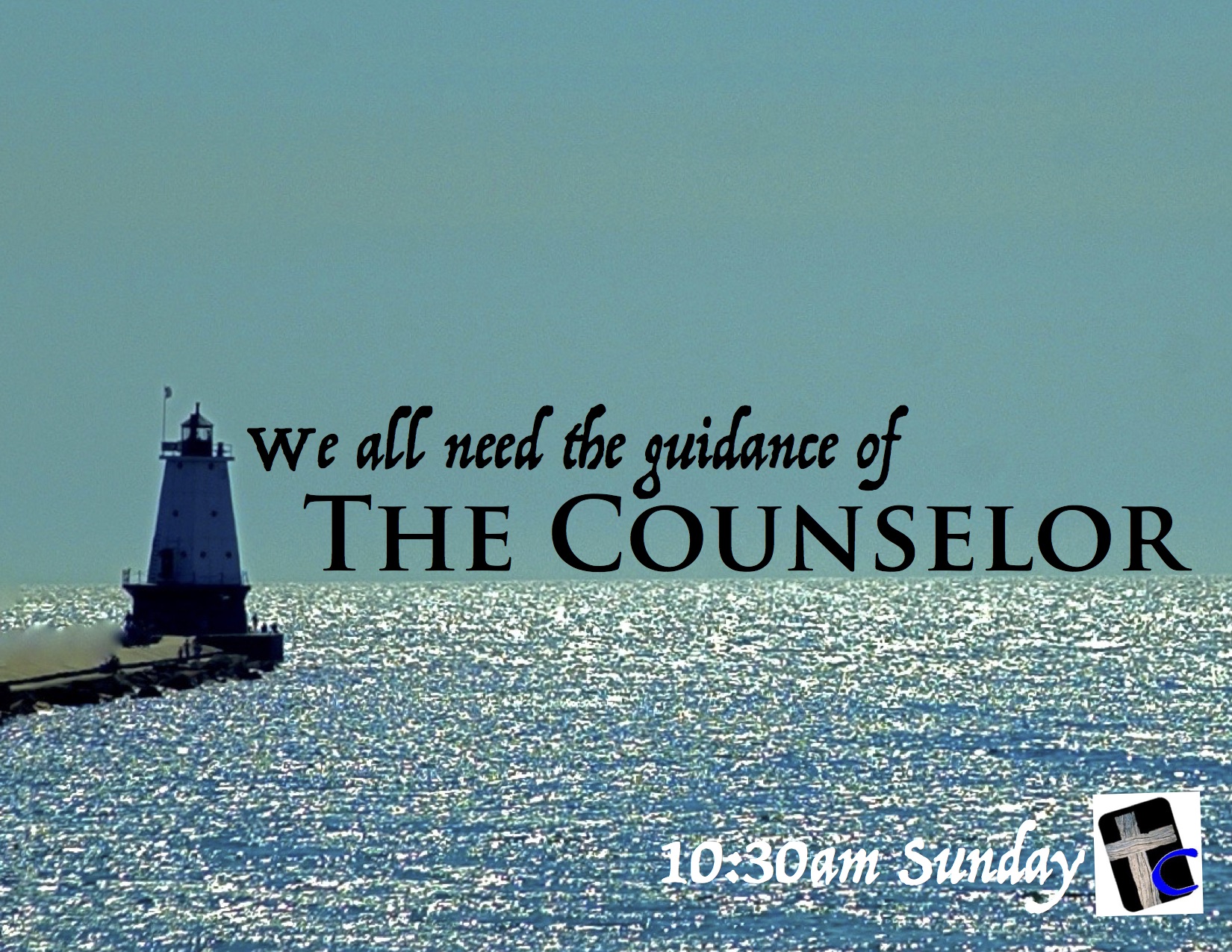
The Counselor

The CounselorThere are several people in the Bible that are called “a counselor.” But there is only One Who is called “the Counselor.” This is the title Jesus gave to the Holy Spirit, when He said One was coming Who would be of invaluable help to us.

This Sunday is Pentecost Sunday. On that first Pentecost after Christ’s ascension, something amazing happened to the followers of Jesus—they were baptized in the Holy Spirit. The Counselor saturated their lives with His wisdom.

From this moment the Christians operated in extraordinary wisdom, power, discernment, boldness, and effectiveness.

Josh McDowell points out, “By AD 100, the apostles had died, but the Christian Church was still in its infancy, with fewer than twenty-five thousand proclaimed followers of Christ. But within the next two hundred years, the fledgling church experienced explosive multiplication of growth, to include as many as twenty million people. This means the church of Jesus Christ quadrupled every generation for five consecutive generations!” (emphasis added)

This type of growth was only possible because of the counsel The Counselor imparted every day to these new Christians. And this same counsel and help and empowerment is available to all Christians today!

This Sunday at Calvary Assembly of God we begin a new series called “The Counselor.” If you are in the Cedar Springs area and don’t have a home church, I invite you to come join us to learn more about this power that is for you.

12 Quotes From “God-Breathed”

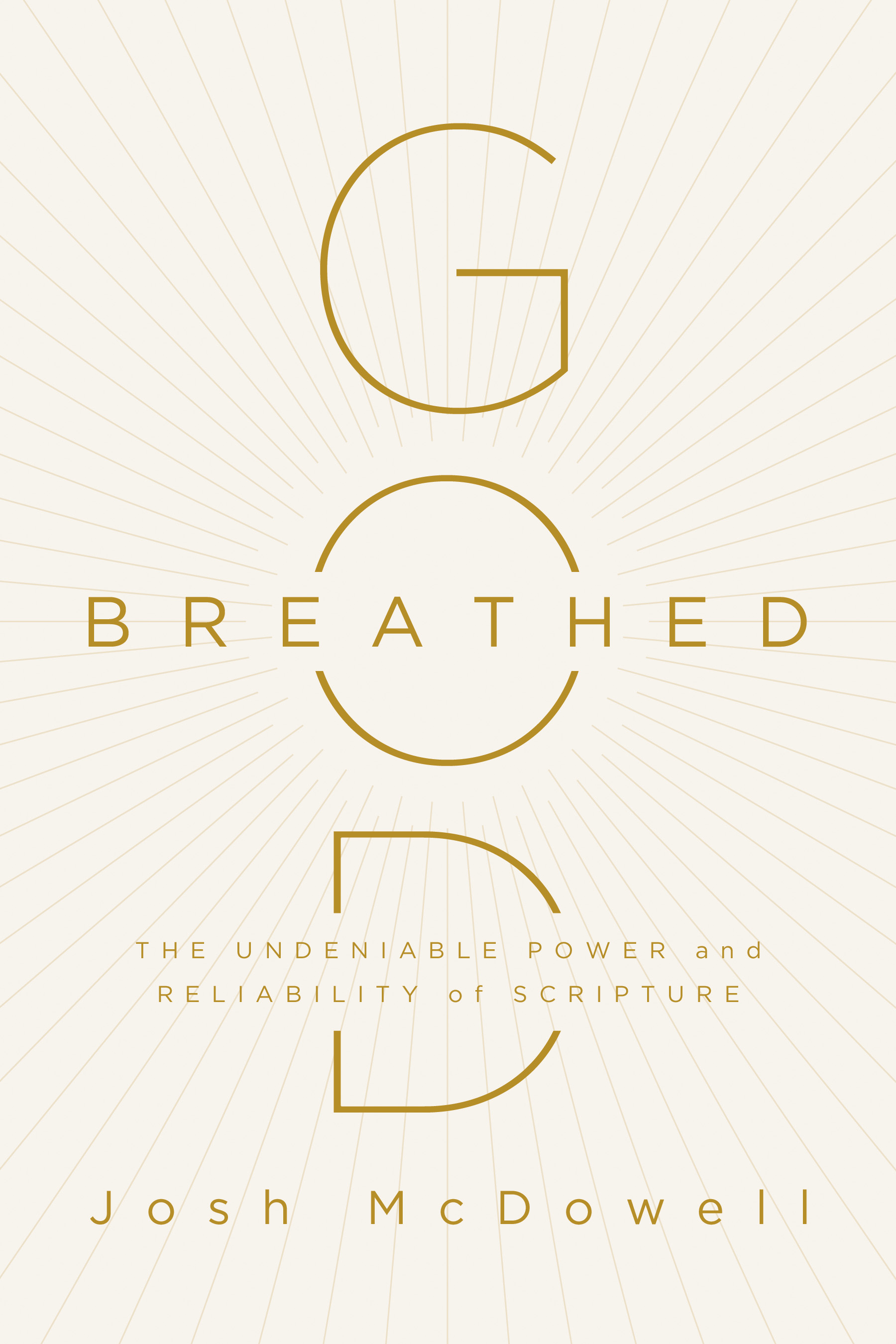
God-BreathedJosh McDowell has given us another outstanding Christian apologetic. In God-Breathed, Josh shares with us some astounding facts that show the amazing reliability of the Bible. You can read my book review of God-Breathed by clicking here. Below are some of the quotes I especially appreciated.

“The doctrines and commands of Scripture act as two guardrails to guide us down the right path of life. The teachings of Scripture (doctrine) keep us thinking and believing rightly. The instructions of Scripture (commands) keep us acting and living rightly. But without the proper context, we can miss the true purpose of Scripture, which is to guide us into keeping right thinking and right living in balance. … Scripture was given to lead us into a deeper love relationship with the One Who wrote the Book, and then also with everyone around us.” 

“The infinite God is personal. And because He is personal, we can love Him, worship Him, and please Him with our trust and obedience. Because He is personal, He can love us, rejoice with us, comfort us, and reveal Himself and His ways to us.”

“What is it that really parents our children? Is it the directives, instructions, and commands we give them? Those are behavioral guidelines, but they are not what raises our kids. It is not ‘parenting,’ as a concept, that brings up children; it is the parents themselves—relational human beings—who do the work and perform that role. That is the way God designed it. He wants kids to be brought up in loving relationships. Without relationship with another person, all attempts to instill right beliefs and right behavior will be ineffective, because they are detached from the necessary elements of personal love and care. … The Holy Spirit administers Scripture to us like a loving parent, in order to provide us with wisdom through its lessons (Proverbs 3:5), security through its boundaries (Exodus 20), caution through its warnings (Ephesians 4:17-22), and reproof through its discipline (Philippians 2:3-4).” 

“By AD 100, the apostles had died, but the Christian Church was still in its infancy, with fewer than twenty-five thousand proclaimed followers of Christ. But within the next two hundred years, the fledgling church experienced explosive multiplication of growth, to include as many as twenty million people. This means the church of Jesus Christ quadrupled every generation for five consecutive generations!”

“In AD 367, Athanasius of Alexandria compiled the first official list of books that we know today as the New Testament. There were twenty-seven books listed in all. These books were then canonized officially by the church at the councils of Hippo (AD 393) and Carthage (AD 397). Again, these councils didn’t authorize which writings were God-breathed works; rather, they recognized that these writings were authorized by God Himself.” 

“The Old Testament, comprised of thirty-nine books, was officially recognized as God-breathed Scripture as early as the fourth century BC and certainly no later than 150 BC.”

“The Bible is now the most translated book of all-time. The United Bible Society reports that, as of 2014, the Bible or portions of the Bible has been translated into 2,650 languages. Their Digital Bible Library now hosts more than 800 translations in 636 languages spoken by 4.3 billion people.” 

“Compared with other ancient writings, the Bible has more manuscript evidence to support it then the top ten pieces of classical literature combined.”

“No other work in all literature has been so carefully and accurately copied as the Old Testament.”

“Once archaeologists completed their search of the Qumran caves—eleven caves in all—almost 1,050 scrolls have been found in about 25,000 to 50,000 pieces (a number that varies depending on how the fragments are counted). Of these manuscripts, about 300 were texts from the Bible, and many of the rest had ‘direct relevance to early Judaism and emerging Christianity.’ Every book of the Old Testament was represented, except for the book of Esther, and the earliest copies dated from about 250 BC. … Once the Dead Sea Scrolls were translated and compared with modern versions of the Hebrew Bible, the text proved to be identical, word for word, in more than 95% of the cases. (The 5 percent deviation consists mainly of spelling variations. For example, of the 166 words and Isaiah 53, only seventeen letters are in question. Of those, ten are a matter of spelling, and four are stylistic differences; the remaining three letters comprise the word light, which was added to Isaiah 53:11.)”

“The writings of the most authoritative writers of the early church—the leaders scholars referred to collectively as the Apostolic Fathers—give overwhelming support to the existence of the twenty-seven authoritative books of the New Testament. Some Apostolic Fathers produced extensive, highly accurate quotes from the text of the New Testament. … Early church writers provide quotations so numerous and widespread that if no manuscripts of the New Testament were extant, ‘the New Testament could be reproduced from the writings of the early Fathers alone.’” —Norman Geisler and William Nix 

“The earliest preachers of the gospel knew the value of…first-hand testimony, and appealed to it time and again. ‘We are witnesses of these things,’ was there constant and confident assertion. And it can have been by no means so easy as some writers seem to think to invent words and deeds of Jesus in those early years, when so many of His disciples were about, who could remember what had and had not happened. … One of the strong points in the original apostolic preaching is the confident appeal to the knowledge of the hearers; they not only said, ‘We are witnesses of these things,’ but also, ‘As you yourselves also know’ (Acts 2:22). Had there been any tendency to depart from the facts in any material respect, the possible presence of hostile witnesses in the audience would have served as a further corrective.” —F.F. Bruce

Links & Quotes

link quote

All married couples should check out this post from Mark Merrill: How To Have Healthy Conversations With Your Spouse.

Dr. Tim Elmore says, “Millions of parents need to hover less and train more. Millions of students need to learn to self-regulate.” Read more in his post One Way To Motivate Students To Go To Class.

“Now, my brethren, if you and I desire to walk among the sons of men without pride, but yet with a bearing that is worthy of our calling and adoption as princes of the blood royal of heaven, we must be trained by the Holy Spirit.” ―Charles Spurgeon

[VIDEO] J. Warner Wallace explains how we can verify the validity of the Gospels―

4 Notes On Haggai

(c) Laura Kranz at The Overview Bible Project (see my note below)

(c) Laura Kranz at The Overview Bible Project (see my note below)

The prophet Haggai wrote one of the shortest books in the Old Testament, and his recorded ministry only spans five months(!) in 520 B.C. But in this short book I find four really cool things—

(1) God uses His people at specific times for specific purposes. All of Haggai’s messages from God have a very precise date stamp on them, so we know exactly when  they were delivered. Also, most of his messages say something like, “The word of God came through Haggai to Zerubbabel [or to Joshua, or to the people, or to the priests].” If God used Haggai like this, isn’t it likely that He is using you or I at specific times and for specific purposes?

(2) God invites us to “give careful thought” to His messages. Five times God says, “Give careful thought to your ways” (1:5, 7; 2:15, 18). This phrase literally means to take a strong hold on each thought and examine it intensely. This thought process is always connected to another phrase: “This is what the Lord Almighty says….” In other words, we are to thoughtfully examine our lifestyle with God’s Word being the standard of measurement (cf. 2 Corinthians 10:5).

(3) Obeying God’s Word brings God’s “stirring.” When God says move and we move, His Spirit will energize our spirit, and empower our lives for action. God never calls us to do something without giving us the empowerment to do it.

(4) I need to act courageously. God calls us to “be strong” (three times in 2:4) “and work, for I am with you.” Courageous action after God has stirred us up drives out fear. On the flip side, inactivity because of fear almost always leads to more fear and more inactivity.

Don’t ever let the category “minor prophet” trick you into thinking God doesn’t have a major message to share with you. Just one word from God is more powerful than we can ever imagine!

(The portrait of Haggai in this post was created by Laura Kranz at The Overview Bible Project. She and her husband Jeffrey do some amazing things that will add insight to your Bible study time. Click here to read my review of their book The Illustrated Guide To The Authors Of The Bible. And while you’re on their website, subscribe to some of the cool guides that regularly get emailed out.)

Links & Quotes

link quote

The folks from The Overview Bible Project have a huge infographic about the 12 tribes of Israel. Check it out!

“The God who in the old creation did all this, can He not work today? He made the world out of nothing, can He not make new creatures without the aid of human will? His Word fashioned the creation of old, and His Word can work marvels still.” —Charles Spurgeon

“This verse [Psalm 119:67] shows that God sends affliction to help us learn His Word. We should ask how affliction helps us understand God’s Word and keep it. There are innumerable answers, as there are innumerable experiences. But here are five: (1) Affliction takes the glibness of life away and makes us more serious so that our mindset is more in tune with the seriousness of God’s Word. (2) Affliction knocks worldly props from under us and forces us to rely more on God, which brings us more in tune with the aim of the Word. (3) Affliction makes us search the Scriptures with greater desperation for help, rather than treating it as marginal to life. (4) Affliction brings us into the fellowship of Christ’s sufferings so that we fellowship more closely with Him and see the world more readily through His eyes. (5) Affliction mortifies deceitful and distracting fleshly desires, and so brings us into a more spiritual frame which fits God’s Word more.” —John Piper

[VIDEO] Duane from DW Video has a new project for any organizations operating in Michigan called “Buy Local.” I did a promotional video for the En Gedi Youth Center which turned out pretty nice. (By the way, if you’re in Michigan and you would like to have a free promo done by Duane for your organization, please click here.)

Book Reviews From 2014

BookshelfHere are the books I read and reviewed in 2014. Click a title to read the review…

12 Huge Mistakes Parents Can Avoid

A Call To Prayer

Beyond IQ

Bible Reading

C.S. Lewis In A Time Of War

Create

David Wilkerson

Did Jesus Rise From The Dead?

Discipleship In Crisis

Finding God In Hidden Places

Finding The Love Of Your Life

From This Day Forward

God’s Pursuit Of Man

High Adventure In Tibet

Holy Fire

How Do You Kill 11 Million People?

How High Will You Climb?

Humility

I Like Giving

Impertinent Poems

In His Steps

Inspire To Be Great

Jesus Daily

Keeping The Ten Commandments

Lincoln’s Battle With God

Mansfield’s Book Of Manly Men

Miracles

Pentecost

Pilgrim’s Progress

Pleasure & Profit In Bible Study

Sidelined

Smith Wigglesworth On Prayer, Power & Miracles

Stand Strong

Tactics

Taste And See

The Cell’s Design

The Christian’s Secret Of A Happy Life

The Facts On World Religions

The Furious Longing Of God

The Global War On Christians

The Greatest Words Ever Spoken

The Illustrated Guide To The Authors Of The Bible

The Love Of God

The Ministry Of God’s Word

The Moral Foundations Of Life

The Quick-Start Guide To The Whole Bible

The Solomon Seduction

There Is A God

This Day In Christian History

Transforming Grace

Winning With Principle

Yawning At Tigers

Here are my book reviews for 2011.

Here are my book reviews for 2012.

Here are my book reviews for 2013.

Unbiblical Church Growth

Jim CymbalaThis message from Jim Cymbala is a hard word, but right on target.

The apostles never tried to finesse people when they were presenting the gospel. Their communication was not supposed to be “cool” or soothing. They aimed for a piercing of the heart, for conviction of sin. They had not the faintest intention of asking, “What do people want to hear? How can we draw more people to church on Sunday?” That was the last thing on their minds. Such an approach would have been foreign to them.

Instead of trying to bring men and women to Christ in the biblical way, we are consumed with the unbiblical concept of “church growth.” The Bible does not say we should aim at numbers but rather urges us to proclaim God’s message in the boldness of the Holy Spirit. This will build God’s church God’s way.

Unfortunately, some churches now continually monitor how pleased people are with the services and ask what else they would like. We have no permission whatsoever to adjust the message of the gospel! Whether it seems popular or not, whether it is “hip” to the times, we must faithfully and boldly proclaim that sin is real but Jesus forgives those who confess.

Nowhere does God ask anyone to have a large church. He only calls us to do His work, proclaiming His Word to people He loves under the anointing and power of the Holy Spirit to produce results that only He can bring about. The glory then goes to Him alone—not any denomination, local church, local pastor, or church growth consultant. This is God’s only plan, and anything else is a deviation from the teaching of the New Testament.

Today we have an anti-authority spirit in America that says, “Nobody can tell me I need to change. Don’t you dare.”

Both in the pulpit and in pastoral counseling we have too often given in to this mentality and are afraid to speak the truth about sin. We keep appealing to Paul’s line about becoming “all things to all men” (1 Corinthians 9:22), not noticing that in the very next paragraph he says, “Run in such a way as to get the prize” (verse 24). Adapting our style to get a hearing is one thing, but the message can never change without leaving us empty-handed before the Lord.

UPDATE: This challenging word from Pastor Cymbala is one of the thoughts that helped form my thinking about what is considered “successful” in God’s eyes. I share these thoughts in my book Shepherd Leadership: The Metrics That Really Matter

Chronology Of Old Testament Prophets

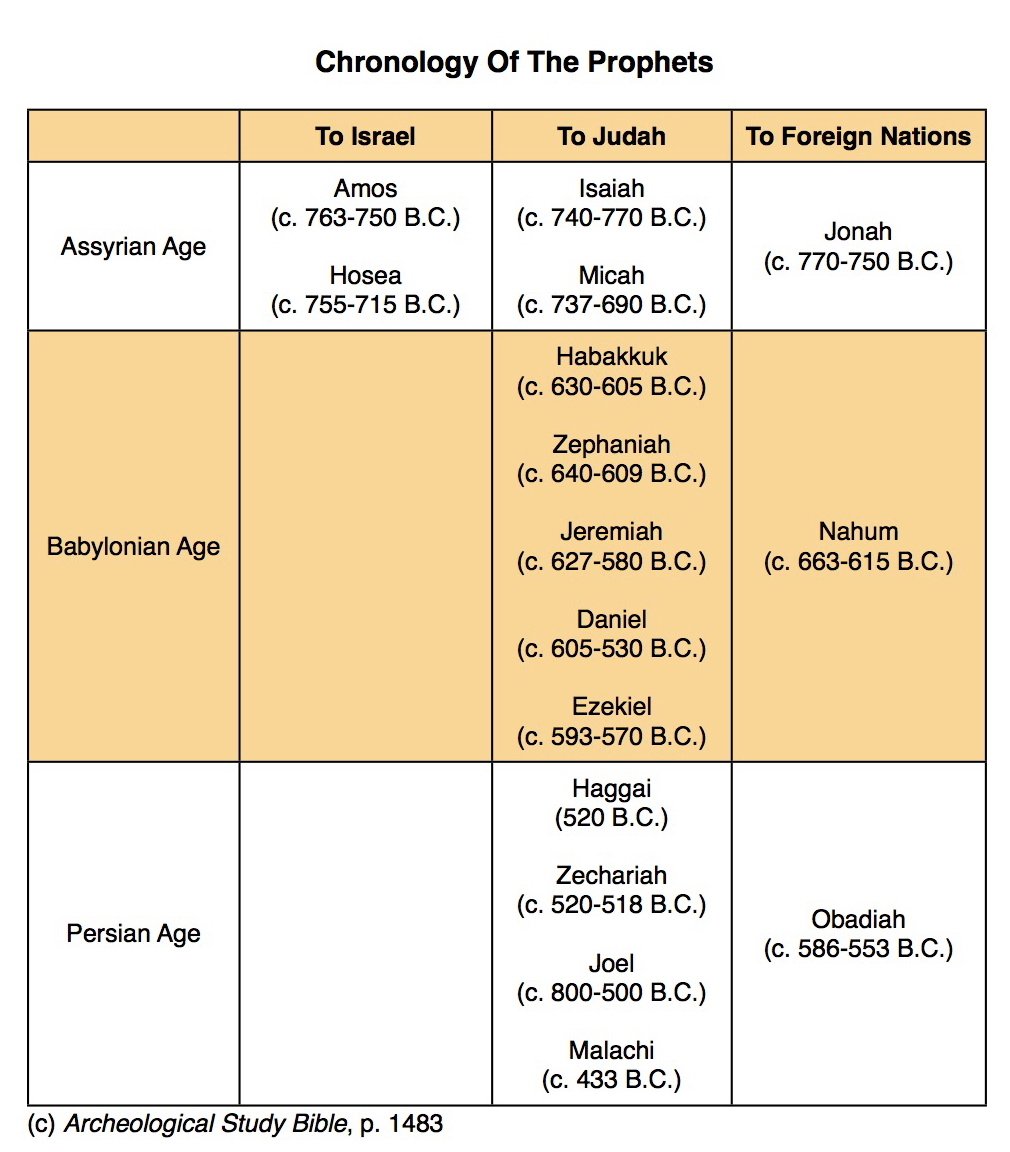
Chronology Of The ProphetsI am throughly enjoying my reading through The Archeological Study Bible. I am reading through the Scripture in chronological order. You can download a chart I produced of the kings and prophets of Israel and Judah by clicking here.

The chart in this post was produced by the editors of The Archeological Study Bible, which I have simply reproduced here. You can click on the picture for a larger view, or you can download a PDF version by clicking here → Chronology Of The Prophets ←

My prayer is that resources like this will aid your own personal Bible reading!

The Strength & The Story In Unity

© Lori Oxford Photography

© Lori Oxford Photography

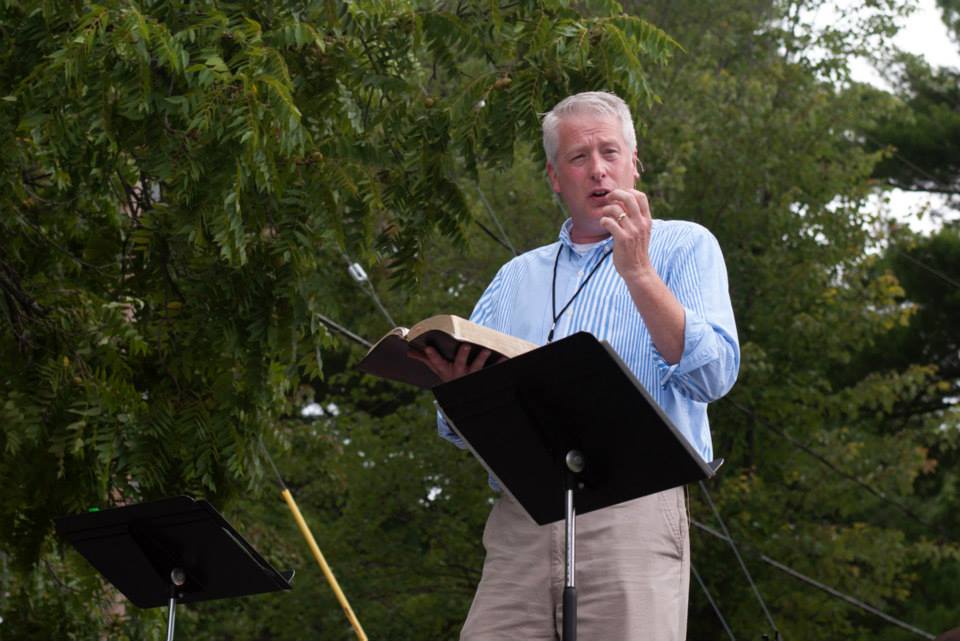
Yesterday I had the honor of speaking at our annual United service in Cedar Springs. I shared something I noticed about the New Testament church: These Christians spent a lot of time together, and that togetherness became a source of strength and told a story to the those watching the Christians.

In passages like Acts 2:42-47 and Acts 4:32-35, we see Christians not only worshiping together, but actively involved in living out their faith. Luke, the writer of the Book of Acts, captures something that Eugene Peterson would summarize this way—

“Christians are a community of people who are visible together at worship but who remain in relationship through the week in witness and service.” 

This was not just Christians helping Christians, but Christians helping all the people in their communities. It was Christians who formed the first:

  • Blind asylums
  • Medical dispensaries
  • Hospitals
  • Orphanages
  • Elderly care home
  • Feeding programs for the poor

And this caught the notice of everyone. Aristides wrote to Emperor Hadrian about the Christians—

“They help those who offend them, making friends of them; do good to their enemies. They don’t adore idols; they are kind, good, modest, sincere, they love one another; don’t despise widows; protect the orphans; those who have much give without grumbling to those in need. When they meet strangers, they invite them to their homes with joy, for they recognize them as true brothers…. When a poor man dies, if they become aware, they contribute according to their means for his funeral; if they come to know that some people are persecuted or sent to prison or condemned for the sake of Christ’s name, they put their alms together and send them to those in need. If they can do it, they try to obtain their release. When a slave or a beggar is in need of help, they fast two or three days, and give him the food they had prepared for themselves, because they think that he too should be joyful….”

The Apostle Paul challenges followers of Jesus to constantly be growing in the outward demonstrations of our faith: to live our lives worthy of God’s calling, to get along with others, and to be making every effort to keep the bond on unity (see Ephesians 4:1-3).

With this in mind I have to ask myself: Am I doing this in my home town? Is there a strength and a story of Christ’s love that is told in my unity with other Christians? Am I helping to address the needs in Cedar Springs? What are people saying about Jesus because of my unity and service with other Christians?