A Tour Of The Tabernacle

Listen to the podcast of this post by clicking on the player below, and you can also subscribe on AppleSpotify, or Audible. 

I was absolutely fascinated by a Messianic Jew’s insights on the Old Testament Tabernacle, and how every aspect of it pointed to Jesus the Messiah. 

The overview of the construction of the Tabernacle starts in Exodus 25 and covers the next fifteen chapters in that book. Here are a few of my main takeaways from my friend’s teaching. 

All of the Scriptures I mention can be found here. 

The materials for the Tabernacle are brought as a freewill offering given by freed slaves (Exodus 25:1-2). This gold, silver, bronze, linens, and other materials were gifts from the Egyptians when the Israelites left on the night of the Passover. 

The Tabernacle is at the center of the Israelite camp (Numbers 2:1-34), signifying God’s presence in the center of our lives. When the Israelite community moved out, the tribe of Judah went first. Judah means “praise.” What a great reminder to let praise to God be at the forefront of all we do! 

In Exodus 27:16, the materials to be used for the curtains compromising the entrance to the Tabernacle are blue, purple, and scarlet. The blue is for sky (Heaven), the purple designates royalty, and the scarlet signifies the blood of the sacrifices. Jesus came to earth as royalty from Heaven, and by His shed blood He opens the way for all of us to be with Him in Heaven forever! Jesus said He was the only way to Heaven (Hebrews 2:14-15; John 14:6). 
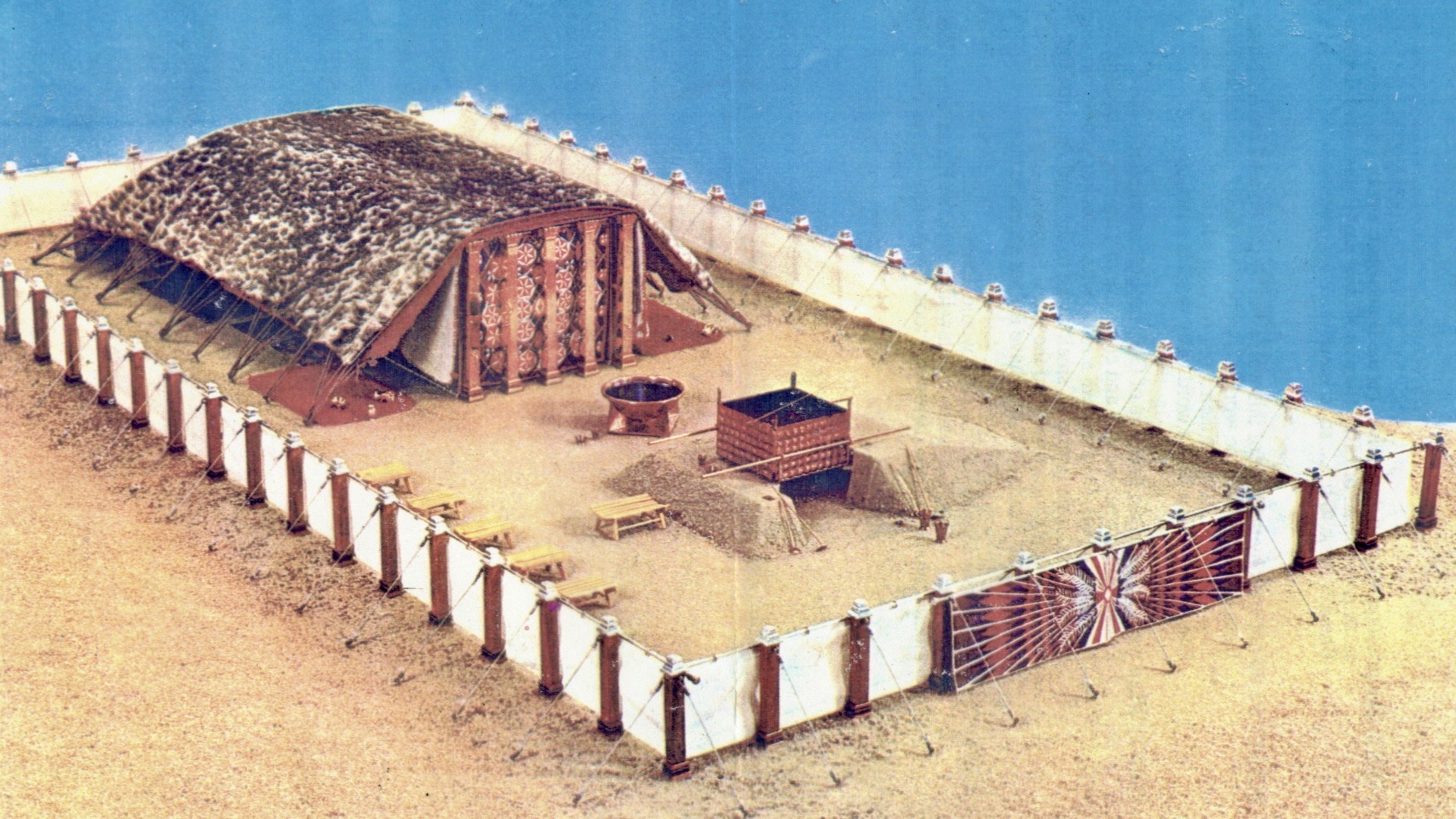
The bronze altar for cleansing was just inside the entrance (Exodus 27:1-8). The worshiper offered this sacrifice in place of their sin. The priests would then move to the laver to wash off the dirt of the world. It’s important to note that the priests wash at the laver, not in the laver. Jesus is the One who washes us and cleanses us (Ephesians 5:26). 

There are four different coverings over the Holy Place. As the priest progresses farther into the Holy Place, the coverings become thicker, so less outside light is visible. 

  • First covering (Exodus 26:1) was blue, purple, and scarlet yarns (like the colors at the entrance) with cherubim woven into the fabric. The priests looking up would see these angels. 
  • Second covering (v. 7) was goat’s hair. Goats were used for sin offerings, reminding the priests that there was a sacrifice to cleanse them so they could approach the presence of God. 
  • Third covering (v. 14) was a red-dyed ram skin, showing the blood that covers us. 
  • Fourth covering (v. 14) was the durable leather of a badger. Now there would have been very little light from outside, but the angels would still be seen for those inside the Holy Place. 

In the Holy Place was the showbread (sometimes called the bread of presence) pointing to Jesus as our Bread of Life (Exodus 25:23-30; John 6:35). Also in the Holy Place was the lampstand filled oil (vv. 31-37). Only one stick holds the oil and supplies the other six branches. The priests could only work by the light of God. Jesus is our light (John 8:12). And we also find the altar of incense here (30:1-7). This was a unique perfume that wasn’t used anywhere else. The prayers of the saints that arise before the throne in Heaven as said to rise as incense (Psalm 141:2; Revelation 5:8). Worshipers in God’s presence are saturated with the aroma of Jesus (2 Corinthians 2:14-15). 

In the Holy of Holies is the ark of the covenant of the Lord (25:10-22). Inside the ark were the stone tablets that contained the Ten Commandments. On top of the ark, overshadowed by the wings of two huge cherubim angels, was the mercyseat or atonement cover. Notice that mercy is over the Law, and that the blood of the sacrifice of Jesus covers my disobedience and makes me at one with God (the literal definition of atonement). 

How beautifully all of these aspects of the earthly Tabernacle point to Jesus (Hebrews 8:5, 10:1)! And even more amazingly, Jesus fulfilled every requirement in this Tabernacle to make it possible for all who put their faith in Him to enter the Heavenly Tabernacle and remain in His presence for ever and ever! 

►► Would you please prayerfully consider supporting this ministry? My Patreon supporters get behind-the-scenes access to exclusive materials. ◀︎◀︎

Links & Quotes

The devil wants us to remember what we’ve done or what we still need to do, but Jesus wants us to remember what He has already done. There is a huge difference! Check out this whole message here. I have lots of new content every week, which you can check out on my YouTube channel.

“The most likely man to go to hell is the man who has nothing to do on earth. Idle people tempt the devil to tempt them.” —Charles Spurgeon

“What were we made for? To know God. What aim should we have in life? To know God. What is the eternal life that Jesus gives? To know God. What is the best thing in life? To know God. What in humans gives God most pleasure? Knowledge of Himself.” —J.I. Packer

The Bible Archeology Report shares the Top 10 archeological discoveries related to the resurrection of Jesus.

We can learn childlike faith by simply watching and listening to how young children interact with their loving parents. This video is a clip from one of the message in our series called Kingdom Praying.

Technological advancements abound all around us. How are Christians supposed to interact with technology: embrace it? ignore it? This is a thoughtful message to give us a biblical paradigm for our daily use of technology. 

“We must quit bending the Word to suit our situation. It is we who must be bent to that Word, our necks that must bow under the yoke.” —Elizabeth Elliot

“The things you pray about are the things you trust God to handle. The things you neglect to pray about are the things you trust you can handle on your own.” —H.B. Charles 

“Learning to pray doesn’t offer us a less busy life; it offers us a less busy heart.” —Paul Miller

Poetry Saturday—The True Aaron

Listen to the podcast of this post by clicking on the player below, and you can also subscribe on AppleSpotify, or Audible. 

See Aaron, God’s anointed priest,
Within the veil appear;
In robes of mystic meaning dressed,
Presenting Israel’s prayer.

The plate of gold which crowns his brows,
His holiness describes;
His breast displays, in shining rows,
The names of all the tribes.

With the atoning blood he stands,
Before the mercy-seat;
And clouds of incense from his hands,
Arise with odor sweet.

Urim and Thummim near his heart,
In rich engravings worn;
The sacred light of truth impart,
To teach and to adorn.

Through him the eye of faith descries,
A greater Priest than he;
Thus Jesus pleads above the skies,
For you, my friends, and me.

He bears the names of all His saints,
Deep on His heart engraved;
Attentive to the state and wants
Of all His love has saved.

In Him a holiness complete,
Light and perfections shine;
And wisdom, grace, and glory meet;
A Savior all divine.

The blood, which as a Priest He bears
For sinners, is His own
The incense of His prayers and tears
Perfume the holy throne.

In Him my weary soul has rest,
Though I am weak and vile
I read my name upon His breast,
And see the Father smile. —John Newton [Levitcus 8:7-9]

►► Would you please prayerfully consider supporting this ministry? My Patreon supporters get behind-the-scenes access to exclusive materials. ◀︎◀︎

Thursdays With Spurgeon—“All” Means All

This is a weekly series with things I’m reading and pondering from Charles Spurgeon. You can read the original seed thought here, or type “Thursdays With Spurgeon” in the search box to read more entries.

Listen to the podcast of this post by clicking on the player below, and you can also subscribe on iTunes or Spotify.

“All” Means All  

Forgiving one another, even as God for Christ’s sake has forgiven you. (Ephesians 4:32) 

     We pass on to observe what it is that we are told in the text has been done for us and to us, for Christ’s sake: ‘God for Christ’s sake has forgiven you.’ … Have you put your trust in the atoning sacrifice? Then God for Christ’s sake has forgiven you. You have not begun to be a Christian, I hope, with the idea that one day, at some future period, you may obtain forgiveness. No. ‘God for Christ’s sake has forgiven you.’ … Pardon is not a prize to be run for, but a blessing received at the first step of the race. If you have believed in Jesus, your sins are all gone—all gone. All your sins have been erased from the records of the past, never to be mentioned against you forever! …  

     I have sometimes heard it said that we were so forgiven when we first believed that there is no need to ask for further forgiveness. I will reply, we were so completely forgiven when we first believed that we ought continually to ask for the perpetuity of that one far-reaching act, that the Lord may continue to exert toward us that fullness of forgiving grace that absolved us perfectly at the first, that we may continue to walk before Him with a sense of that complete forgiveness, clear and unquestioned. … 

     O you believers, think of this, for the ‘all’ is no little thing. It includes sins against a holy God, sins against His loving Son, sins against gospel as well as against law, sins against man as well as against God, sins of the body as well as sins of the mind, sins as numerous as the sands of the seashore and as great as the sea itself, and all are removed from us as far as the east is from the west!

From Forgiveness Made Easy 

Let me drive home Charles Spurgeon’s point with two passages of Scripture and a stanza from an old hymn. 

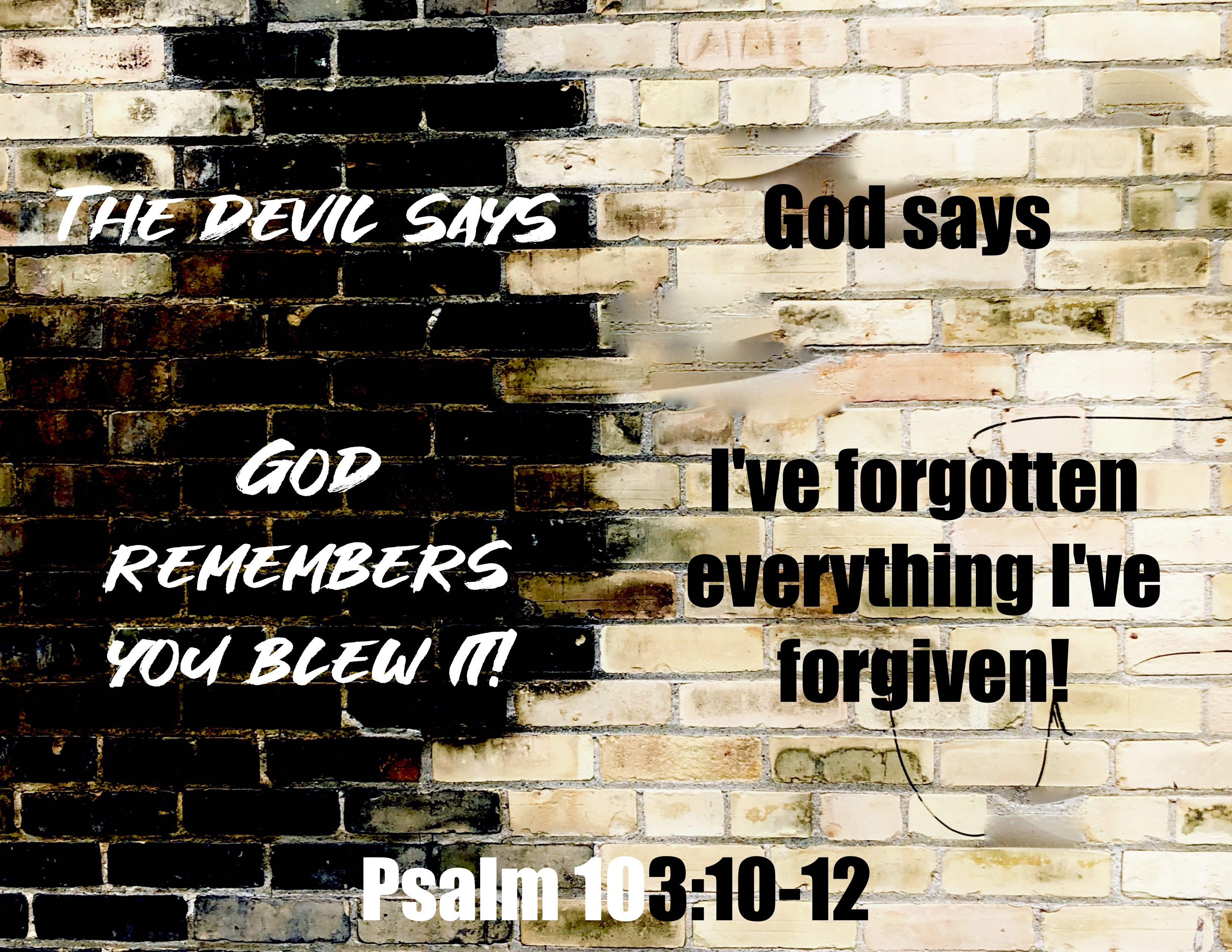
[God] does not treat us as our sins deserve or repay us according to our iniquities. For as high as the heavens are above the earth, so great is His love for those who fear Him; as far as the east is from the west, so far has He removed our transgressions from us. (Psalm 103:10-12) 

For I will forgive their wickedness and will remember their sins no more. (Hebrews 8:12) 

When satan tempts me to despair 
And tells me of the guilt within, 
Upward I look and see Him there 
Who made an end of all my sin. 
Because the sinless Savior died, 
My sinful soul is counted free; 
For God the Just is satisfied 
To look on Him and pardon me, 
To look on Him and pardon me. (Charitie Lees Bancroft) 
 

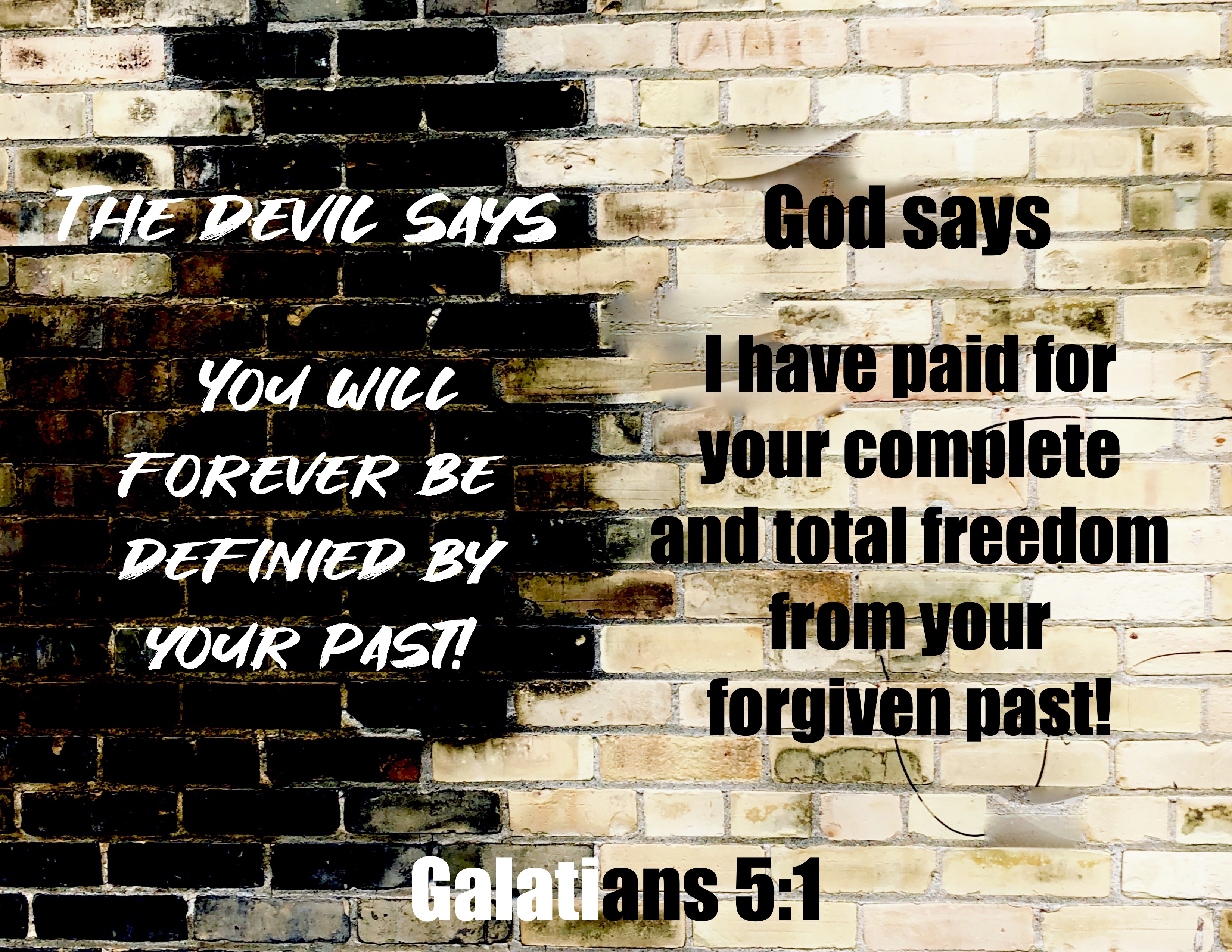
So I think this is a good conclusion—In this freedom Christ has made us free and completely liberated us; stand fast then, and do not be hampered and held ensnared and submit again to a yoke of slavery which you have once put off. (Galatians 5:1 AMP)

►► Would you please prayerfully consider supporting this ministry? ◀︎◀︎


Thursdays With Spurgeon—Love So Amazing

This is a weekly series with things I’m reading and pondering from Charles Spurgeon. You can read the original seed thought here, or type “Thursdays With Spurgeon” in the search box to read more entries.

Listen to the podcast of this post by clicking on the player below, and you can also subscribe on iTunes or Spotify.

Love So Amazing  

Forgiving one another, even as God for Christ’s sake has forgiven you. (Ephesians 4:32) 

     The first phrase to think about is ‘for Christ’s sake.’ We use these words very often, but probably we have never thought of their force. … All the good things that God has bestowed upon us have come to us ‘for Christ’s sake.’ But especially the forgiveness of our sins has come ‘for Christ sake.’ …  

     It is His very love as well as His holiness and His justice that, if I may use such a term, compels Him to severity of judgment so that sin cannot and must not be blotted out till atonement has been presented. There must, first of all, be a sacrifice for sin, that, mark you, the great Father, to show His love, supplies, for it is His own Son who is given to die! And so the Father Himself supplies the ransom through His Son, that Son is one with Himself by bonds of eternal unity, mysterious but most intense. If God demands the penalty in justice, He Himself supplies it in love. … 

     I want you to consider, for a moment, how readily God may now blot out sin since Christ has died. … God, for Christ’s sake, has accepted us in Him, has forgiven us in Him, and looks upon us with infinite love, changeless in Him. This is how all our blessings come to us, in and through Christ Jesus. And if we are indeed in Him, the Lord does not only forgive us our sins, but He bestows upon us the boundless riches of His grace in Him. In fact, He treats us as He would treat His Son. He deals with us as He would deal with Jesus! … 

     And you, big evil sinner, if you will go to God at this moment and say, ‘Lord, I cannot ask You to forgive me for my own sake, but do it out of love for Your dear Son,’ He will do it…. Christ took the shame that He might magnify His Father, and now His Father delights to magnify Him by blotting out the sin.

From Forgiveness Made Easy 

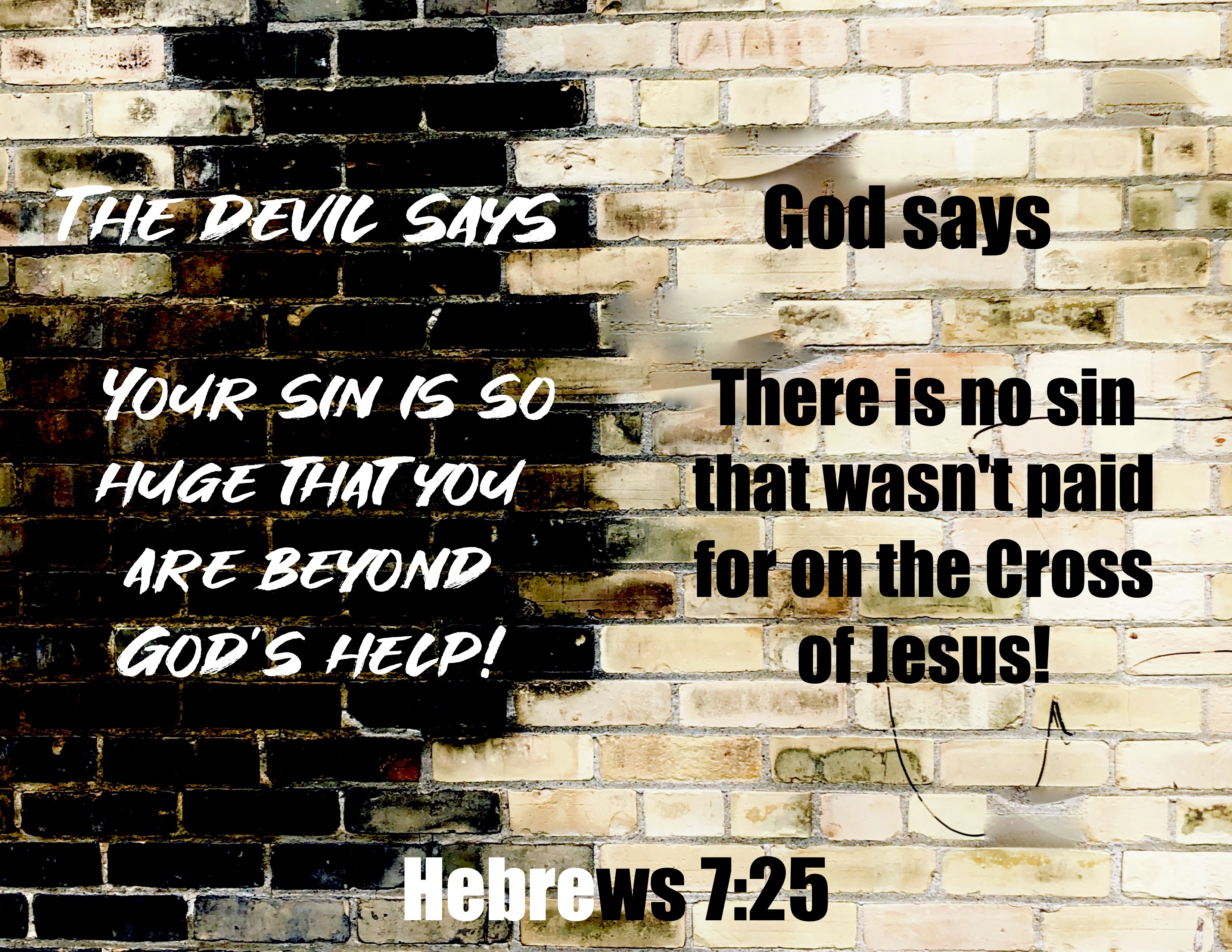
I’ve lost track of the number of times someone has told me, “I’ve messed up for so long—I’ve done such atrocious things—there is no way God could forgive me.” This is one of satan’s lies that keeps people from accepting God’s forgiveness. 

Jesus took your penalty, He paid the price for your sin! The moment you believe that, you are clothed in Christ’s righteousness. So now when the Holy God looks at you, He says, “You look like My Son. I love to bless My Son. I love to do what He asks of Me. For His sake, I have forgiven you. Not only forgiven, but I’ve forgotten everything I’ve forgiven!” 

Don’t wait another moment: If you haven’t asked God to forgive you “for Christ’s sake,” do it right this very minute! I’d love to chat with you about this, so reach out to me and let’s talk more about this amazing new relationship you now have with Almighty God because you are forgiven for Christ’s sake. 

This reminds me of a song by Chris Tomlin—

He became sin Who knew no sin
That we might become His righteousness
He humbled Himself and carried a Cross
Love so amazing!

►► Would you please prayerfully consider supporting this ministry? ◀︎◀︎


Thursdays With Spurgeon—Mercy Finds The Loophole

This is a weekly series with things I’m reading and pondering from Charles Spurgeon. You can read the original seed thought here, or type “Thursdays With Spurgeon” in the search box to read more entries.

Listen to the podcast of this post by clicking on the player below, and you can also subscribe on iTunes or Spotify.

Mercy Finds The Loophole

And the Lord smelled a soothing aroma. Then the Lord said in His heart, “I will never again curse the ground for man’s sake, although the imagination of man’s heart is evil from his youth; nor will I again destroy every living thing as I have done.” (Genesis 8:21) 

     To begin, then, with the text, we have here a most painful fact that man’s nature is incurable. ‘The imagination of man’s heart is evil from his youth.’ You will remember, before the flood, in the fifth verse of the sixth chapter, it is written, ‘Then the Lord saw that the wickedness of man was great in the earth, and that every intent of the thoughts of his heart was only evil continually’ (Genesis 6:5). After the flood it was just the same. … 

     You might have hoped that after so terrible a judgment, when only a picked and peculiar few, that is, eight, were saved by water, that man began anew with better stock.… It is not one wit so. The same God who, after looking at men, declared that his imagination was evil before the flood, pronounces the very same verdict upon them afterward. …

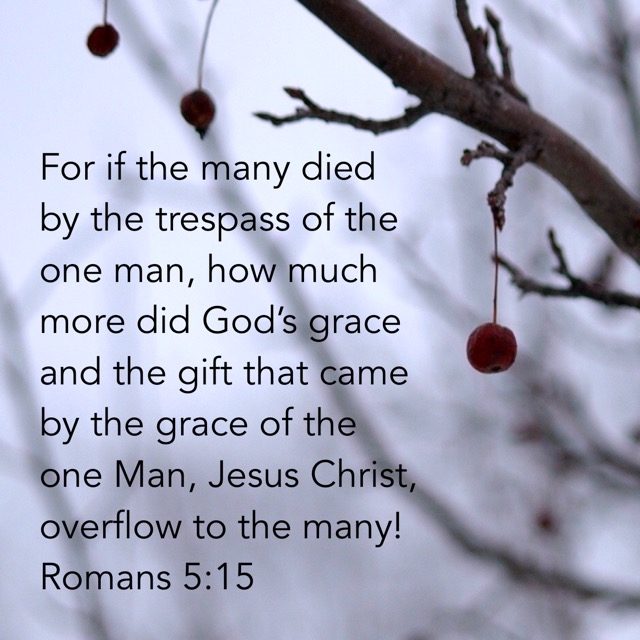
     I believe that God might justly have condemned the whole race of Adam on account of Adam’s sin and their own guilt. But I do think that this was a blessed loophole through which His mercy could, as it were, come fairly to the sons of men. ‘No,’ He says, ‘I made them not distinct individuals but a race. They fell as a race; they will rise as an elect race. “For as in Adam all die, even so in Christ all shall be made alive” (1 Corinthians 15:22). And ‘For as by one man’s disobedience many were made sinners, so also by one Man’s obedience many will be made righteous” (Romans 5:19).’ … 

     I must have more than nature can give me. More than my mother gave me, more than my father gave me, and more than flesh and blood can produce under the most favorable circumstances. I must have the Spirit of God from heaven.

From Human Depravity And Divine Mercy

When Adam and Eve sinned, God wasn’t scrambling to come up with a Plan B. Jesus is described as the Lamb slain from the foundation of the world (Revelation 13:8), meaning that God had His merciful plan of redemption ready before He even created humans! 

The atoning sacrifice Jesus made on the Cross was the “loophole” that God’s mercy used to pardon our sins. We can never earn our salvation because we are still people with evil hearts. But we can put our faith in the One who took our punishment upon Himself so that His righteousness can be our righteousness. 

O what a Savior! O what mercy God has shown! O how great is His love for us! How shall we escape appropriate retribution if we neglect and refuse to pay attention to such a great salvation…? (Hebrews 2:3)

►► Would you please prayerfully consider supporting this ministry? ◀︎◀︎


“Father, Forgive Them”

Listen to the podcast of this post by clicking on the player below, and you can also subscribe on Apple or Spotify.

In our system of law, special attention is given to someone’s dying declaration. If our legal system gives such weight to the last words of an imperfect man, it seems to me that we should take special note of the dying declarations of the only truly innocent Man who ever walked this earth: Jesus Christ. 

After being nailed to the Cross, the first dying declaration from Jesus was: Father, forgive them, for they do not know what they are doing (Luke 23:34). 

Let’s say that Billy is dying on a hospital bed after being fatally shot, and all he can muster the strength to do is point at Johnny and whisper, “He… shot… me….” We would know who the “he” was in that situation, but who exactly is the “them” in this declaration of Jesus? 

Who offended Jesus? Who mortally wounded Him? Who caused Him such anguish? Maybe it was…

  • His disciples who couldn’t stay awake to pray with Him 
  • Judas who betrayed Him with a kiss 
  • the nine disciples who ran away 
  • Peter who denied three times that he knew Jesus 
  • the false witnesses in Caiaphas’ house
  • the members of the Sanhedrin who hit Him and spit on Him 
  • the members of the Sanhedrin who were silent 
  • the temple guards who mocked Him 
  • those who spewed lies when Jesus stood before Pilate
  • those who lied about Jesus when He stood before Herod 
  • Herod and his soldiers who mocked Him 
  • the Roman soldiers who abused Him 
  • the Roman soldiers who stripped Him naked and crucified Him 

To all of the above, Jesus said, “Father, forgive them”!  

Listen to how Peter described the response of Jesus to all of this: When they hurled their insults at Him, He did not retaliate; when He suffered, He made no threats… (1 Peter 2:23). That word for insults means to heap abuse on Him or to pile on. This was a fulfillment of a 700-year-old prophecy: He was oppressed and afflicted… (Isaiah 53:7). Isaiah uses similar words, where oppressed means tyrannized, and afflicted means a humiliating, painful loss of dignity. 

Christ’s own disciples afflicted Him, and so did the temple guards, and Pilate, and King Herod, and the Roman soldiers… and you and me. All of this mistreatment and humiliation and tyrannizing was handed out by us too (see Isaiah 53:6; 1 Peter 2:24-25). That’s why His arms were spread so wide when He said, “Father, forgive them,” because there were so many that needed forgiveness! 

When Jesus said forgive, He was asking His Father to take away our guilt that kept us out of God’s presence. Think of a courtroom scene where God the Father is the Judge, satan is the prosecutor, Jesus is the victim, and I am the defendant. The evidence is overwhelming and incontrovertible, and I am pronounced guilty. My punishment is a death sentence. When Jesus says, “Father, forgive him,” He is taking the death penalty in my place! 

In another beautiful fulfillment of an Old Testament practice, Jesus became both our sin offering and our scapegoat, making atonement for us at the mercyseat in the Most Holy Place, and allowing us to be welcomed into God’s holy presence (Leviticus 16:15-16, 20-22; Hebrews 9:12-14). 

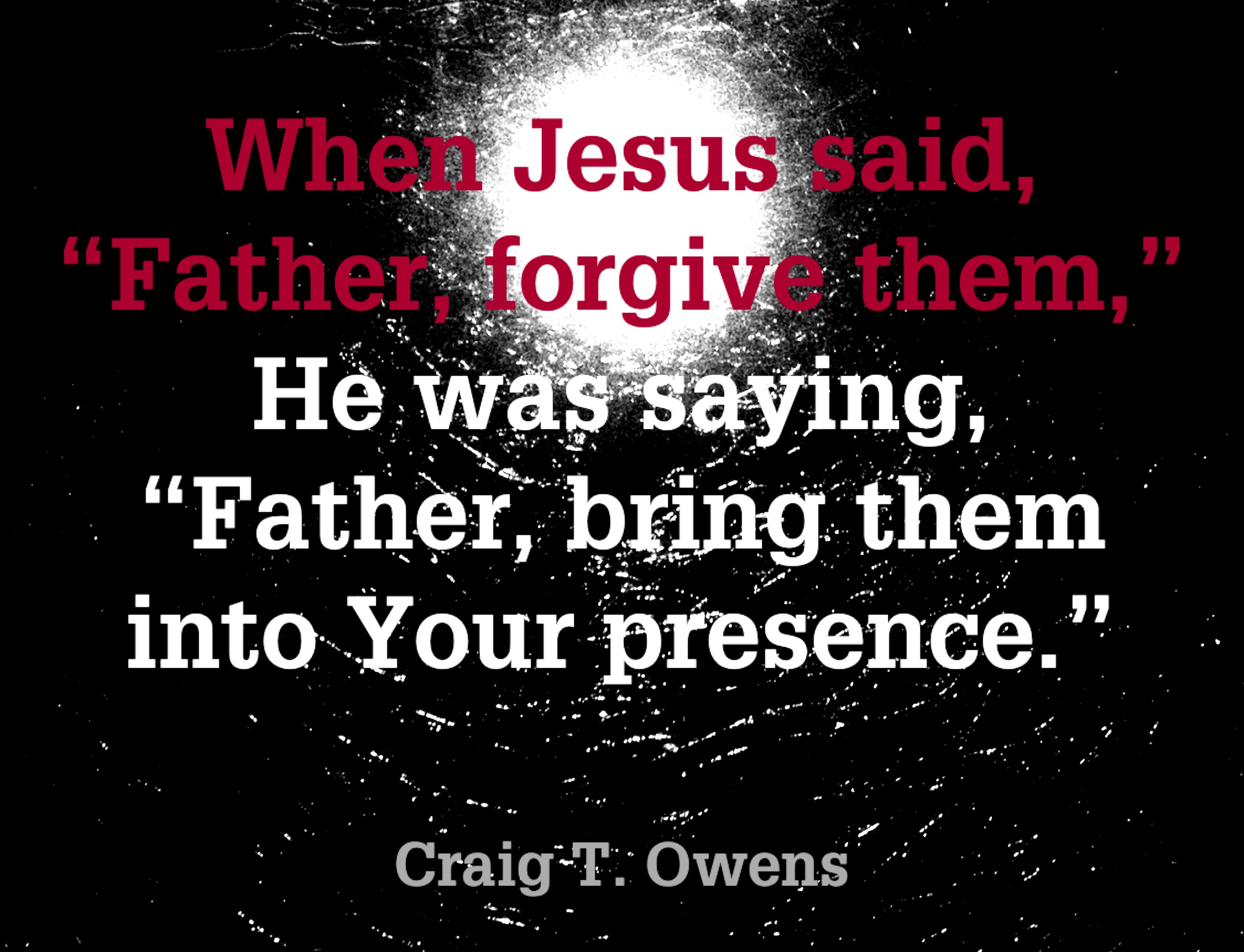
When Jesus said, “Father, forgive them,” He was saying, “Father, bring them into Your presence!” 

You and I need to accept by faith the atoning work done on the Cross, the forgiveness of sins that was purchased for us. Jesus didn’t come to condemn us, but to lovingly restore us, and for that we are eternally and humbly grateful. 

Please don’t miss out on any of these dying declarations from Jesus. You can find my thoughts on all of the confessions of this dying Man by clicking here.

►► Would you please prayerfully consider supporting this ministry? ◀︎◀︎

The Mercyseat

Listen to the podcast of this post by clicking on the player below, and you can also subscribe on Apple or Spotify.

Hear my cry for mercy … He has heard my cry for mercy (Psalm 28:2, 6).

For David, his cry for mercy was never a one-and-done action. The verb in verse 2 makes this verse read more like, “Hear my cry for mercy as I am continually calling to You for help, as I am continually lifting up my hands toward Your Most Holy Place.” 

Why the Most Holy Place? What was there? Inside the Most Holy Place was the ark of the covenant of the Lord which represented the presence of God. 

What was on top of the ark of the covenant, covering and superseding the Law that was inside the ark? It was the mercyseat (or the “atonement cover” in some translations). The mercyseat is where the high priest sprinkled the blood of the sacrificial lamb every year to make atonement for sins.

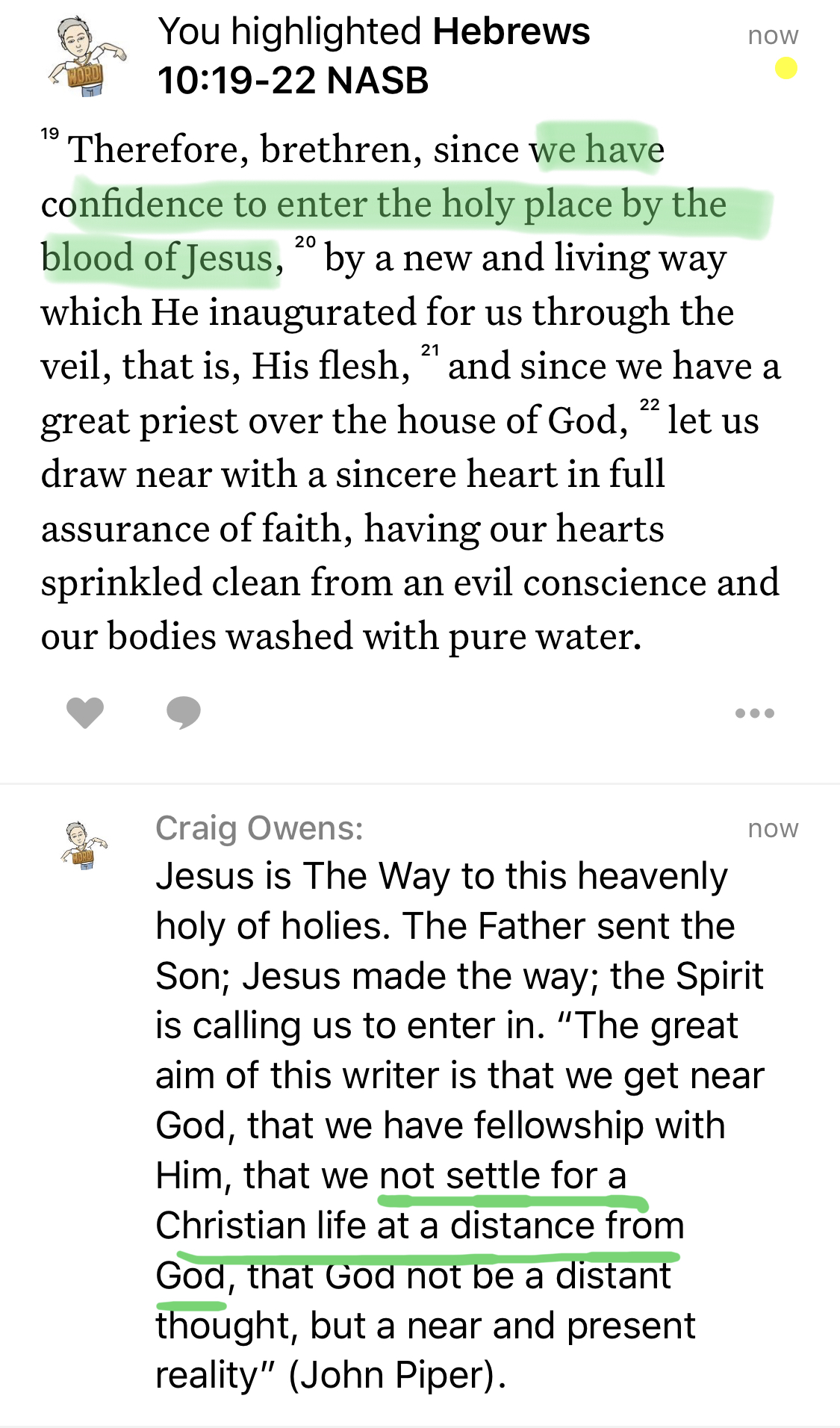
Jesus became the once-for-all sacrificial Lamb to make ultimate atonement for all who would believe in Him. When Jesus had finished His work on the Cross, the curtain separating us from the Most Holy Place was torn in two. The ark of the covenant of the Lord with its covering mercyseat—the presence of God—was now accessible to all of us! It was accessible because it was in Jesus, and when I have taken Jesus as my atonement, He is in me and He takes me in to the Father. The mercyseat of my heart has been sprinkled with the blood of the Lamb (see Hebrews 9:1-5, 11-14; 10:19-22). 

Whether David was saying, “Hear my cry,” or “He has heard my cry,” the Hebrew word means to listen with interest and full attention. Whenever you pray, God listens to you with interest and full attention because you are praying right in His presence! Your very breath can be a continual crying, a continual lifting of your voice toward the mercyseat where God meets with you! 

God is not far away from us. He is closer than we usually think. That’s why David says, “My heart leaps for joy, and with my song I praise Him”! 

Keep this in mind the next time you are asking God to hear your cry: He listens to you with full attention because Jesus has taken you right into His presence.

Would you please prayerfully consider supporting this ministry?

Thursdays With Spurgeon—The Depths Of God’s Love For Us

This is a weekly series with things I’m reading and pondering from Charles Spurgeon. You can read the original seed thought here, or type “Thursdays With Spurgeon” in the search box to read more entries.

The Depths Of God’s Love For Us

I have made You known to them, and will continue to make You known in order that the love You have for Me may be in them and that I Myself may be in them. (John 17:26) 

     Is He not Himself very God of very God? … He declared the righteous Father in His life, for in His life He incarnated truth and grace. Jesus Christ on earth was without sin in thought, in word, and in deed. Point me to a sin He ever committed, inculcated, or excused. Righteousness was about Him as the atmosphere that He breathed. Well did the psalmist say of Him, “You love righteousness and hate wickedness” (Psalm 45:7). And yet what love there was in Him and pity for the wandering sheep! He mingled with sinners and yet was separate from sinners. He touched their diseases and healed them and yet was not defiled by their impurities. He took their infirmities upon Himself and yet in Him, personally, there was no trace of sin. Our Lord was so righteous that you perceived at once that He was not of this world—and yet He was so lovingly human that He was altogether a Man among men. … 

     He was man’s Brother and his physician, his Friend and his Savior! When you want to know the Father’s righteousness and love, read the history of Jesus Christ—no, know the Lord Jesus Himself and you know the Father! … 

     Beloved, when Jesus Christ died, there was a greater display of the righteousness and the fatherhood of God than could have been possible by any other means! Then the mystery was made plain and the depth opened up to its very bottom! O Lord our God, what an abyss of adorable goodness have You thus laid bare before us! … 

     And now, today, it is the business of our Lord to continue to reveal the righteous fatherhood of God, and He does so by the work of His Holy Spirit [John 14:26]. … That Spirit of God working on behalf of Christ is still declaring this among the nations! As the years roll on, He is opening the eyes of the blind and bringing His own chosen, one by one, to behold the glory of God in the face of Jesus Christ! And then they can say, “O righteous Father, I know You and rejoice in You.”

To each one of us who is saved, Jesus is declaring this righteous Father more and more.… I trust that every day we see a little more of the righteous fatherhood of God and will continue to do so, world without end!

From The Righteous Father Known And Loved

May we never, ever come to the end of learning about these depths of love that Jesus revealed in His life, death, and resurrection, and which the Holy Spirit is continuing to impart to us. 

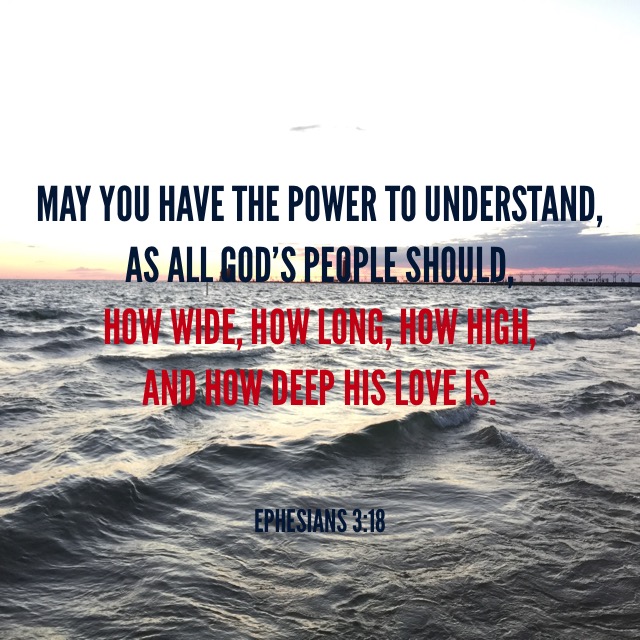
May we add our Amen to the apostle Paul’s prayer: I keep asking that the God of our Lord Jesus Christ, the glorious Father, may give you the Spirit of wisdom and revelation, so that you may know Him better. … I pray that out of His glorious riches He may strengthen you with power through His Spirit in your inner being, so that Christ may dwell in your hearts through faith. And I pray that you, being rooted and established in love, may have power, together with all the Lord’s holy people, to grasp how wide and long and high and deep is the love of Christ, and to know this love that surpasses knowledge—that you may be filled to the measure of all the fullness of God. (Ephesians 1:17; 3:16-19)

Thursdays With Spurgeon—Righteous Father

This is a weekly series with things I’m reading and pondering from Charles Spurgeon. You can read the original seed thought here, or type “Thursdays With Spurgeon” in the search box to read more entries.

Righteous Father

O righteous Father! The world has not known You, but I have known You; and these have known that You sent Me. And I have declared to them Your name, and will declare it, that the love with which You loved Me may be in them, and I in them. (John 17:25-26)

     In the sublime transactions of Calvary, God manifests all the love of a tender Father’s heart and all the justice of an impartial Ruler’s sword! … 

     When we see in a man unconditional submission to the justice of God and yet a trustful hopefulness in His boundless love, we may be sure that he is a renewed man. He cries, “You are righteous, O my God, and if You destroy me, I can say nothing. But, Father, You will not destroy me, for I perceive that You are love. Though I see You grasp your sword of fire, yet do I trust You, for I still believe You to be gracious and loving.” … 

     They would not have come to know the righteous Father unless there had been a change in their character worked by the Spirit of God, and that once done they know Him as of necessity. … To know the only true God, and Jesus Christ whom He has sent, is the climax, the essence, the sum total of wisdom! … 

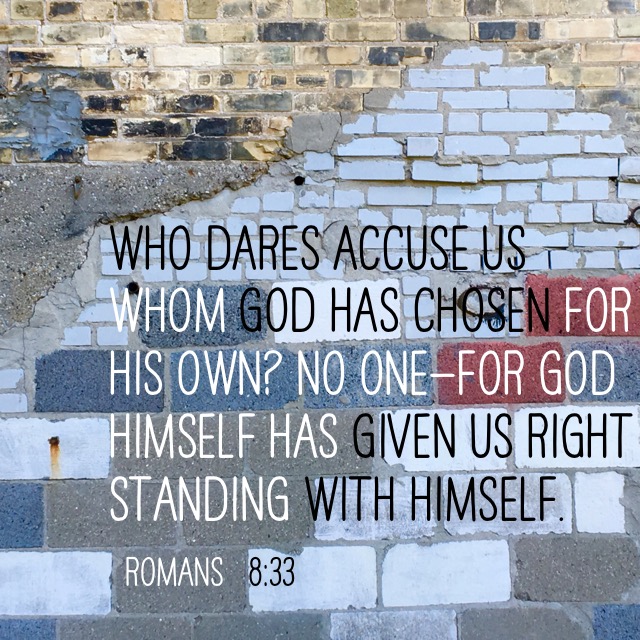
     In Christ Jesus, God is just and yet our Justifier! We are so safe that we begin to challenge opposition and cry, “Who shall bring a charge against God’s elect?” (Romans 8:33). We take up a triumphant note and sing with exceeding joy, “If God is for us, who can be against us?” (Romans 8:31). If God is righteous and yet my Father, then I am saved and saved in such a way that the attributes of God are glorified by my salvation, and therefore I am most securely and certainly saved!

From The Righteous Father Known And Loved

Jesus prayed that we might know the Father as He knew Him—both just and the Justifier. 

When we know God this way, we also know ourselves and our position in Him more clearly. We are both guilty and worthy of God’s full wrath AND justified and an object of God’s favor. We can never earn this on our own, but we stand in this precious and secure place only because we stand in the righteousness of Jesus. 

Jesus wants us to know His Father this way. Do you?