Listen to the podcast of this post by clicking on the player below, and you can also subscribe on Apple, Spotify, or Audible.
What does it mean when we really believe the words, “The Lord is my Shepherd, I lack nothing” (Psalm 23:1)?
When the sheep is utterly dependent on the shepherd, it lacks nothing. A sheep without any lack glorifies the Good Shepherd.
God is glorified when I remain in utter dependence on Him, and I continue to have to lack because of His perfect provision. I am quiet, restored, on the right path, fearless, secure, provisioned, blessed, and forever hopeful.
To try to provide for my own needs dishonors the Good Shepherd, but to come to Him for absolutely everything glorifies Him as eternally satisfying and reliable.
The more my needs are satisfied by God alone, the more He is glorified.
Listen to the podcast of this post by clicking on the player below, and you can also subscribe on Apple, Spotify, or Audible.
As Paul is on his way to Jerusalem, he makes time to meet with the leaders of the Church in Ephesus. An important reminder Paul gives them comes from the example he lived out while he was in Ephesus: “For I have not hesitated to proclaim to you the whole will of God” (Acts 20:27).
Some translations say “the whole counsel of God,” but I like the simple, straightforward wording in the KJV: “all the counsel of God.” In other words, Paul’s textbook was everything in the Scriptures.
One of Paul’s traveling companions was Luke, who made frequent use of the Greek word boulē, which is translated “counsel.” He is the only Gospel writer to use this word, and then he uses it seven more times in the Book of Acts. Putting together Luke’s usage of boulē with the three other appearances in the New Testament, we can come up with a good overview of what Paul meant by “the whole will of God.”
Keep watch over yourselves and all the flock of which the Holy Spirit has made you overseers. Be shepherds of the church of God, which He bought with His own blood. I know that after I leave, savage wolves will come in among you and will not spare the flock. Even from your own number men will arise and distort the truth in order to draw away disciples after them. So be on your guard!… (Acts 20:28-31, emphasis added)
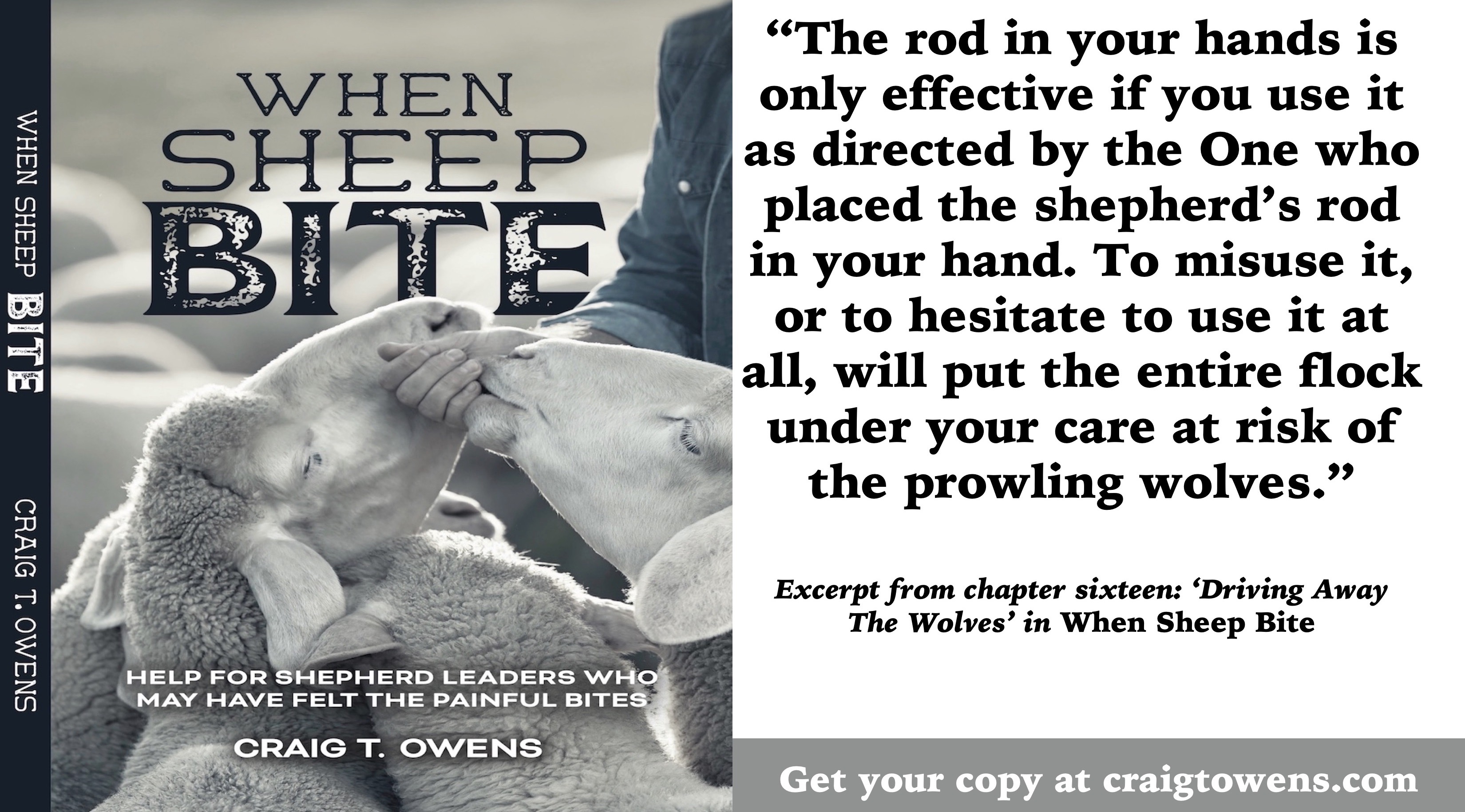
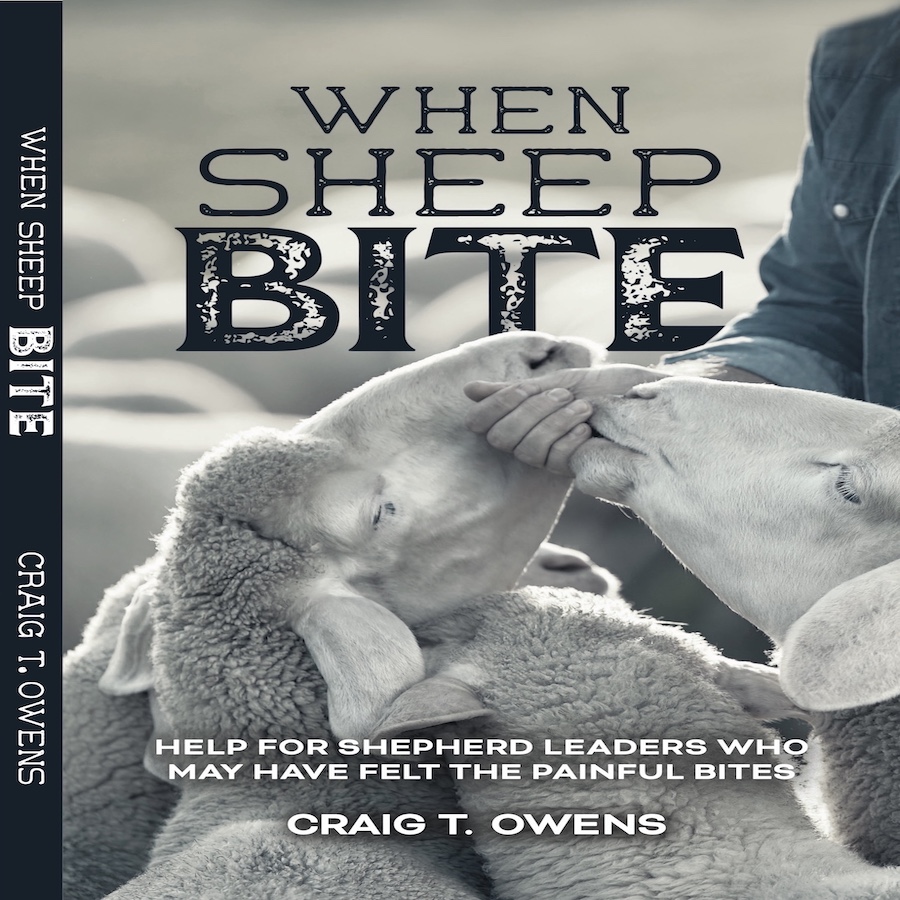
In my book When Sheep Bite I have a chapter called’ Driving Away the Wolves.’ In that chapter I point out—
There is a phrase that is often associated with the behavior of wolves: a lone wolf. Normally, wolves travel and live in packs. The phrase “lone wolf” is associated with those who leave in order to find a mate, carve out their own territory, and then form their own pack.
Jesus said that His sheep hear His voice and follow Him. Lone wolves hear the shepherd’s voice but ignore it to follow their own pursuit of forming their own pack. Remember that these lone wolves don’t want to stay alone: they want to build their own following.
Jesus said we could spot imposters—wolves in sheep’s clothing—by their fruits (Matthew 7:15-20). Two evident fruits are:
Mutating the immutable counsel of God’s Word to suit their own needs
Ignoring or criticizing the whole counsel of God’s Word that godly shepherd leaders faithfully teach and preach
For shepherd leaders and their flocks, the whole counsel of God’s Word is the best wolf deterrent you can find! Another passage from my book says—
David’s beautiful description of the Good Shepherd in Psalm 23 has a phrase that sounds unusual to my ears. He writes, “Your rod and Your staff, they comfort me.” How can such wooden instruments bring comfort to sheep? When the sheep know their shepherd has the rod of God’s Word in his hand and is skilled at using it, the sheep are far more relaxed around the shepherd. This is because a shepherd’s rod is not used against the sheep, but only against the enemies of the sheep.
Throughout the Old Testament, the rods in the hands of leaders were the symbol of their God-appointed authority (think of the staffs of Moses and Aaron). Those rods were symbolic of the words God had spoken to these shepherds to empower them to lead His sheep. In the New Testament setting, the Bible is described in similar terms. Shepherds are directed to correctly handle the rod of God’s Word, knowing that His Word is the only thing that can reliably care for the sheep by teaching, rebuking, correcting, and training (2 Timothy 2:15, 3:16). The sheep will welcome this; the wolves will fight against this.
Pastors, immerse yourself in the whole counsel of God’s Word. Not just the parts that are comfortable for you or pleasant to preach about, but all of God’s Word! This will strengthen the rod of leadership God has given you, it will bring health and comfort to the sheep in your flock, and it will be a strong deterrent against the wolves that would seek to infiltrate your pasture.
I would also humbly recommend that you pick up a copy of my book When Sheep Bite to help resource you to heal from old or ongoing injuries, and to fortify you to remain faithful to the call God has on your ministry.
When I wrote my first book, my publisher asked me to write on “servant leadership,” but the more I dove into the topic, the more I kept coming back to Jesus as the ultimate example. But then I noticed that Jesus not only called Himself a shepherd, but many of the Old Testament prophecies foretelling His arrival also used shepherding terms. It was then that I pivoted to entitle my book Shepherd Leadership.
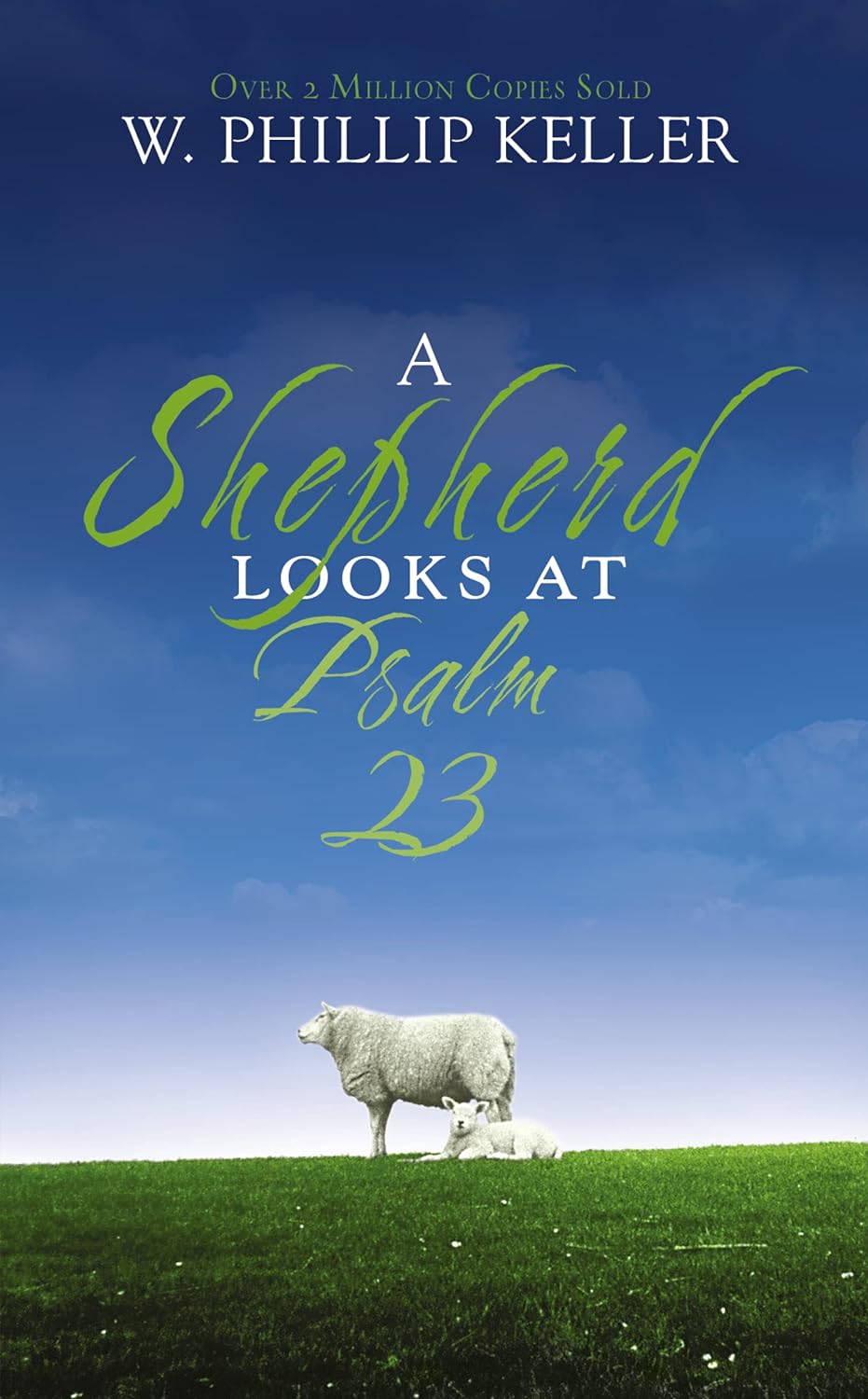
Ever since I immersed myself in the research for that book, I’ve been especially attentive to all things related to shepherding. In going through books from my Mom’s library, I stumbled upon A Shepherd Looks at Psalm 23 by Phillip Keller.
Oh my! I wish I would have discovered this amazing little book while I was writing my book! What a depth of insight I have gleaned from someone who looks after actual sheep!
As the title denotes, Keller uses the well-known Psalm 23 to give us so many eye-opening insights into our Good Shepherd. He goes phrase by phrase—“the Lord is my Shepherd,” “I shall not want,” “He makes me lie down in green pastures,” and so on—with each phrase adding a new level of intimacy with this One who cares for us so profoundly.
And as an added bonus for me, it was so sweet to see the highlights and notations my Mom had made as she read this book. This made A Shepherd Looks at Psalm 23 a double blessing for me.
(P.S. Check out some quotes I’ve shared from this book here.)
Listen to the podcast of this post by clicking on the player below, and you can also subscribe on Apple, Spotify, or Audible.
Gratitude is our shield against the negativity, and gratitude is also our sword against the ambushers. But using these pieces of our armor is exhausting, which means we also need a way to recover from the attacks of negativity.
Jesus began His public ministry with a sermon that prompted Luke to record that “everyone spoke well of Him.” But in less than 60 seconds, after Jesus outlined how His ministry would unfold, Jesus is being criticized to the point where those same praising people are now ready to throw Jesus off a cliff (Luke 4:18-29)!
Elbert Hubbard wrote, “If you have something others don’t, know something others don’t, or do something others aren’t doing, then, rest assured, you will be criticized. … To avoid criticism say nothing, do nothing, and be nothing.”
Even though Hubbard is probably right, Christians don’t have the option to “say nothing, do nothing, be nothing,” because Jesus has called us to go into all the world, preach the Good News, and be salt and light. That means we will be victims of criticism. We can use our shield and sword of gratitude, but we are also going to need some medicine to help us recover too.
“Sticks and stones may break my bones but words will never hurt me” is a lie. Words do hurt.
Jesus told us these stinging words would be thrown at us like sticks and stones in Luke 6:22. When we are criticized, we have to be careful not to get embittered. How does that happen? We are naturally self-protective, so criticized people become critical and cynical unless they can be healed and have joy restored.If we hold on to our hurts, bitterness can fester in our hearts (Hebrews 12:14-15).
Look at David in Psalm 69. He acknowledged the attacks from his enemies and how it made him feel, but then he applies the healing medicine of gratitude—
But as for me, afflicted and in pain—may Your salvation, God, protect me. I will praise God’s name in song and glorify Him with thanksgiving. (Psalm 69:29-30)
Our healing is in our thanking!
Medical research has shown that gratitude improves physical health—it reduces stress and resets the heart’s healthy rhythm. This is just as true spiritually: gratitude is our medicine.
You may be thinking, “How can I bless critical people? How can I be grateful when I’m surrounded by such hostility?”
David also wrote Psalm 23 for us. This is the psalm that begins, “The Lord is my Shepherd, I shall not be in want.” But notice especially the words of verse 5: “You prepare a table before me in the presence of my enemies. You anoint my head with oil; my cup overflows.”
It is precisely in the presence of enemies that God invites us to abide with Him and to receive His medicine of anointing. But I also see that our Good Shepherd doesn’t just give us adequate blessings, but overflowing blessings—enough for me and more to share with those around me.
In the New Testament Greek, one word for “bless” is eulogeo which literally means “good words.” Jesus, Paul, and Peter all tell us that when we are victims of the sticks and stones of negative words, we are to respond by saying good words both to God and to those who are hurling evil words at us (Matthew 5:43-44; 1 Corinthians 4:12; 1 Peter 3:9).
Peter shows us exactly how Jesus did this when He was hanging on the Cross and enduring the sneers, mocking words, and insults from those surrounding Him (1 Peter 2:21-23; Luke 23:35-39). Instead of throwing evil words back at them, Jesus blessed them by saying, “Father, forgive them for they do not know what they are doing” (Luke 23:34).
Listen to the podcast of this post by clicking on the player below, and you can also subscribe on Apple, Spotify, or Audible.
Now when Pharaoh had let the people go, God did not lead them by the way of the land of the Philistines, even though it was near; for God said, “The people might change their minds when they see war, and return to Egypt.” (Exodus 13:17 NASB)
The age-old maxim has been, “The shortest distance between two points is a straight line.” It might be the shortest route, but not necessarily the best route.
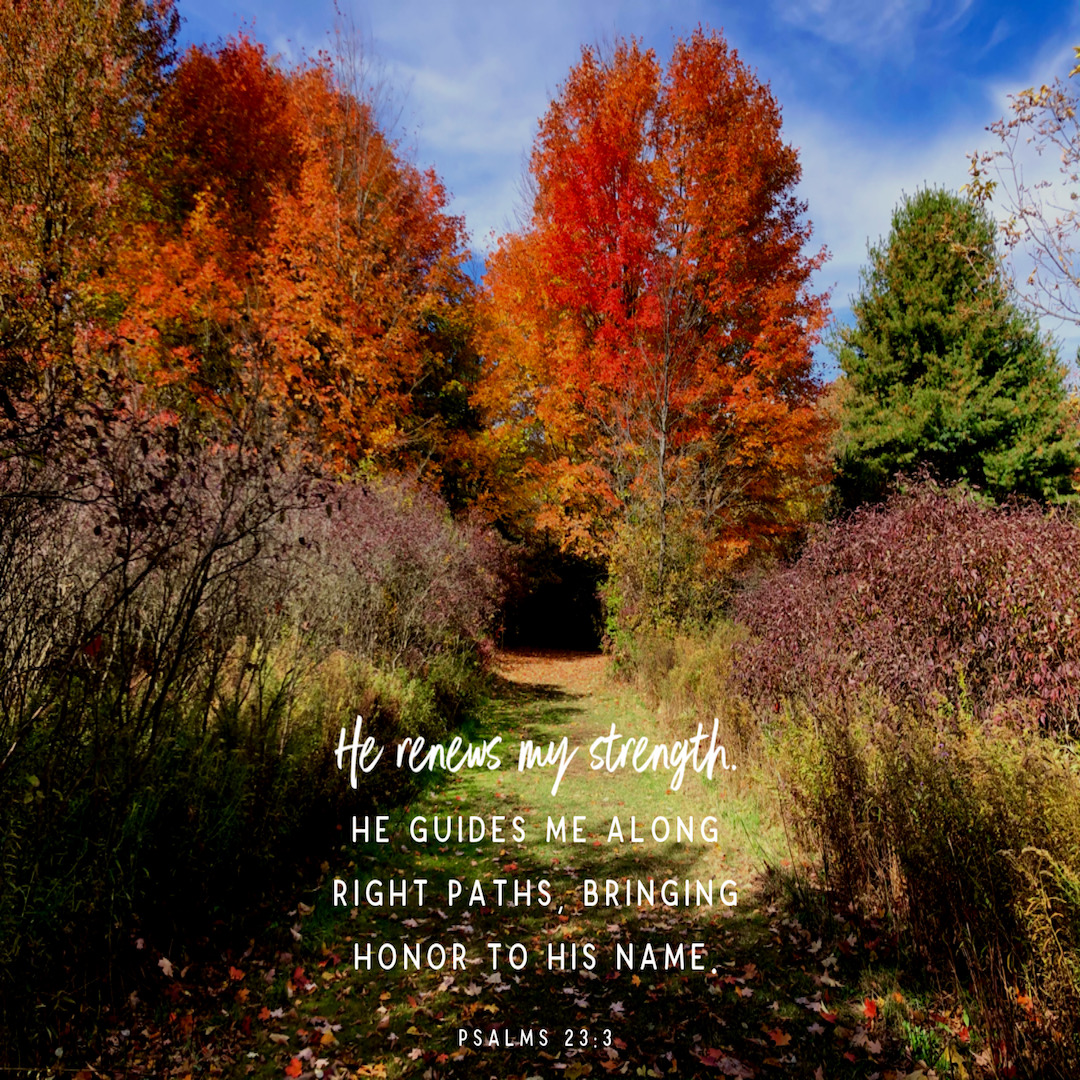
God always knows the best path for us. This is what David means when he says to his Good Shepherd, “You guide me in paths of righteousness for Your name’s sake“ (Psalm 23:3). This is also what Solomon means when he tells us, “Trust in the Lord with all your heart and lean not on your own understanding; in all your ways acknowledge Him, and He will make your paths straight“ (Proverbs 3:5-6).
Our idea of “straight“ isn’t necessarily the best for us. God can see better and farther than we ever can, so we need to always trust His guidance.
He will speak to us, “Whether you turn to the right or to the left, your ears will hear a Voice behind you, saying, ‘This is the way; walk in it’“ (Isaiah 30:21).
This is a weekly series with things I’m reading and pondering from Oswald Chambers. You can read the original seed thought here, or type “Thursdays With Oswald” in the search box to read more entries.
Living In The Now
Jesus did not use figurative language in talking about the Hereafter. He said: “Let not your heart be troubled”—“My Business is with the Hereafter.” Our business is to live a godly life in the present order of things, and not to push out beyond the durations God has placed as limits. …
I have no power to choose whether or not I will take the consequences of my choice; no power to say whether or not I will be born…but I have power to choose which way I will use the times as they come. …
Jesus Christ taught a reasonable life on the basis of faith in God—“Be carefully careless about everything saving your relationship to Me. Don’t be disturbed today by thoughts about tomorrow, leave tomorrow alone, and bank in confidence on God’s organization of what you do not see. Yesterday is past, there is no road back to it, tomorrow is not; live in the immediate present, and yours is the life of a child.” …
Jesus Christ deliberately chose “the long, long trail”; we choose “the short cut,” and continually go wrong until we understand the meaning of the 23rd Psalm, “The Lord is my Shepherd, He leads me in the right paths.”
From Shade Of His Hand
In Shade Of His Hand, Oswald Chambers is taking an in-depth look at the book of Ecclesiastes. In chapter 3 of Ecclesiastes, Solomon says there is a time for everything.
Chambers reminds us that we don’t choose the time we will be born, and we don’t choose the time we will die—God alone chooses those. But everything between birth and death is our choice. Jesus taught us that our choices and our level of joy in the moment will be much better if we seek God’s wisdom for all of those choices we make.
Listen to the podcast of this post by clicking on the player below, and you can also subscribe on Apple, Spotify, or Audible.
Valley times come to all people. Even Christians.
The Songs Of Ascent in the Psalms imply this, since the pilgrims are ascending from a valley to the place of worship in Jerusalem. But this idea of going through a valley is especially seen in Psalm 121.
The psalmist starts by saying I lift my eyes up to the hills. He then sings that he found his help in God. This idea of help is not what we think of in today’s world. It’s not like dialing 911, reporting our need, and waiting for help to arrive. It’s not even like driving to a hospital, checking into the emergency room, and waiting for a doctor to see us.
The idea of help in the Bible is a picture of surrounding. It’s not something we have to wait to arrive, but something—or should I say Someone—Who is already right there!
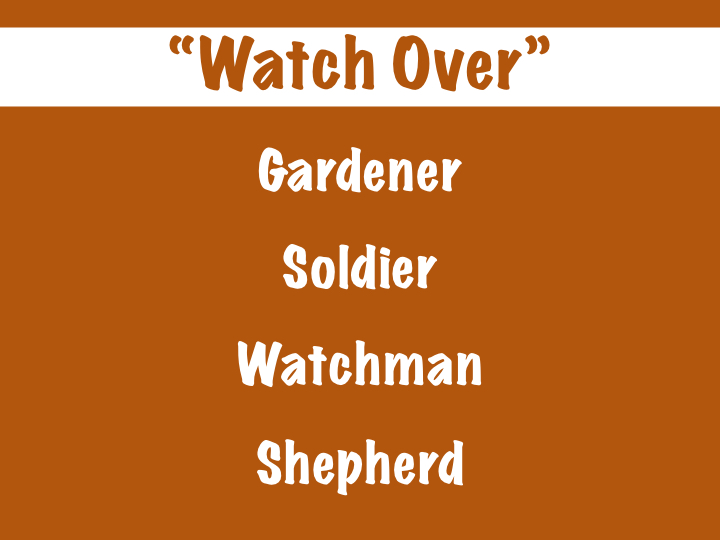
In verses 4-8, the phrase watch over is used five times. This too gives us the idea of the closeness of our help. The Hebrew word translated watch over has four powerful word pictures:
A Gardener carefully watching over his precious garden.
A Soldier dutifully guarding a valuable treasure.
A Watchman diligently scanning the horizon for any approaching enemies.
A Shepherd lovingly attending to his flock.
I especially like the picture of a shepherd because of another valley reference. The opening words to Psalm 23 are, “The Lord is my Shepherd.” Then we read of 10 blessings the Good Shepherd gives His sheep while they pass through the Valley of the Shadow of Death. Our Shepherd…
Gives us His confidence so we will fear no evil
Reveals His close, intimate presence
Protects us with His rod
Guides us with His staff
Brings comfort to our hurts
Provides us with food
Anoints us with His blessings
Pours out His overflowing blessings
Allows His goodness and love to always follow us
Gives us the assurance of eternal life
Then adding a couple of more blessings from Psalm 121, we see He…
11. Never lets our foot slip (121:3)
12. Never sleeps or slumbers, so that we can rest securely (121:3-4)
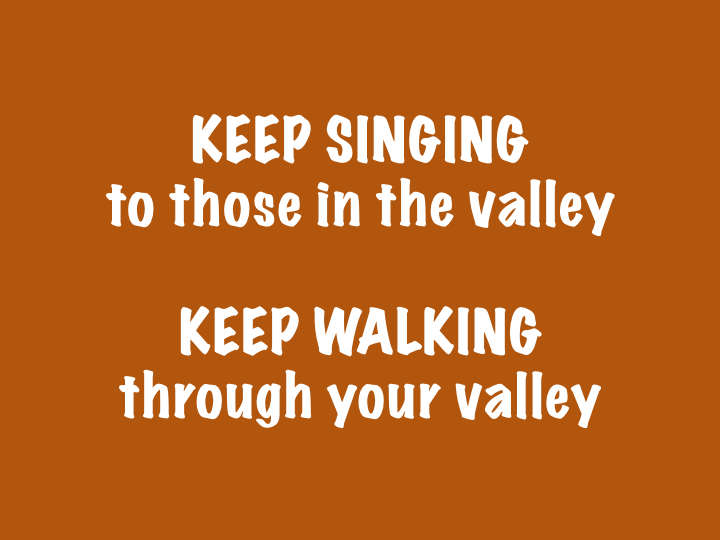
Remember these songs of ascent are sung by those coming out of the valley. They are sung to remind us of God’s deliverance, they are also sung as encouragement to those still in the Valley.
Jesus went through the darkest Valley anyone has ever gone through. It wasn’t just the valley of the shadow of death, He went through death, hell, and the grave. He overcame for you and me! He now walks with us in our valleys. He says to us, “I’ve been there, done that, and have the scars to prove it. I will never leave you or forsake you. I know this valley. I know how to get you out of this valley. Trust Me!”
We, too, who have been through the valleys and are now singing the song of ascent, need to sing loudly for those who are still in the valleys. We need to sing songs of assurance to them: “I have been in that same valley. I know how dark it is. But I know God watched over me and brought me safely through. Now I have a much better vantage point. And I say to you, trust Him! He is watching over you too. He will not let your foot slip. He will not sleep or slumber. He will protect you, and anoint you, and feed you, and give you His own dear presence. Don’t stop walking!”
“What you do with television in your home will help determine whether you and your family will be dumbed down. Let me suggest that you not watch (or let your kids watch) shows that play to the lowest common denominator in humanity… shows that are written and produced for, yes, I’ll say it…dumb people. You might think they’re harmless and amusing, but are they really the best use of your time and, more importantly, your brain?” Read more from Mark Atteberry in his post The Dumbing Down Of America.








 Craig T. Owens