No Self-Made Men

I get so tired of people calling themselves “a self-made man.” There is no such thing! It is equally as distasteful when pastors pat themselves on the back talking about “the ministry I have built.”

Dick Brogden

Dick Brogden

Here are important words to remember—

“Wherever we go in ministry and mission, we either benefit from the labor of others or we contribute to the future benefit of those that will follow. If we see fruit, we can be assured that it is not solely due to our dedication or vision but because others went ahead of us and did the hard work. Often prayer accomplishes this hard work. Regularly those on the ground preceding us did this hard work.” (Dick Brogden)

And this—

What, after all, is Apollos? And what is Paul? Only servants, through whom you came to believe—as the Lord has assigned to each his task. I planted the seed, Apollos watered it, but God has been making it grow. So neither the one who plants nor the one who waters is anything, but only God, who makes things grow. The one who plants and the one who waters have one purpose, and they will each be rewarded according to their own labor. For we are co-workers in God’s service; you are God’s field, God’s building. (1 Corinthians 3:5-9)

What do you think?

24 Quotes from “Andrew Murray’s Daily Reader”

Andrew Murray Daily ReaderOver the course of the last year in reading Andrew Murray’s Daily Reader, I literally took down over 40 pages of Murray’s quotes! The quotes I have listed below are not my favorites, but just some of the quotes from the first few pages of my notes. You can read my book review of this truly amazing devotional book by clicking here.

“The true practice of Christianity strives toward having the character of Christ so formed in us that in our most common activities His temper and disposition will be displayed.”

“May this high privilege awaken your desire for relationship with God, to dwell in sweet fellowship with Him and He with you. May it become impossible for you to be satisfied with anything less.”

“The power to believe a promise depends entirely on our faith in the one who promises. It is only when we enjoy a personal loving relationship with God Himself that our whole being is opened up to the mighty influence of His holy presence and the capacity will be developed in us for believing that He gives whatever we ask.” 

“Sin consists in nothing but this, that man determined to be something and would not allow God to be everything.”

“Even as believers we often make it our first aim to find out who we are, what we desire, what pleases us and makes us happy. Then we bring in God in the second place to secure this happiness.” 

“Nothing except constant fellowship with God can teach you as His child to hate sin as God hates it. Nothing but the close fellowship of the living Christ can make it possible for you to understand what sin is and to detest it. Without this deeper understanding of sin, we cannot truly appropriate the victory that Christ made possible for us.”

“To pray constantly only for ourselves is a mark of failure in prayer. It is in intercession for others that our faith and love and perseverance will be stirred up and that the power of the Spirit will be found to equip us for bringing salvation to people.” 

“Here is God’s provision for our holiness, God’s response to our question ‘How can we be holy?’ When we hear the call ‘Be holy, even as I am holy,’ it seems as if there is, and ever must be, a great gulf between the holiness of God and that of humankind. But in Christ is the bridge that spans the gulf—or better, His fullness has filled it up.”

“To worship is our highest privilege. We were created for fellowship with God: of that fellowship, worship is the most sublime expression. All the disciplines of the Christian life—meditation and prayer, love and faith, surrender and obedience—culminate in worship. Recognizing what God is in His holiness, His glory, and His love; realizing what I am as a sinful creature and as the Father’s redeemed child, in worship I gather up my whole being and present myself to my God. I offer Him the adoration and the glory that is due Him. The truest, fullest, and nearest approach to God is worship.”

“We are in such a habit of evaluating God and His work in us by what we feel that it is very likely that on some occasions we will be discouraged because we do not feel any special blessing. Above everything, when you wait on God, do so in the spirit of hope. It is God in His glory, His power, and His love who is longing to bless you.”

“I would like to convince every believer that Jesus loves you; He does not wish to be separated from you for a moment. He cannot bear it. No mother has delighted more in the baby in her arms than does Christ delight in you. He wants both intimate and unceasing fellowship with you. Receive it, dear believer, and say, ‘If it is possible, God helping me, I must have this filling of the Holy Spirit so that I may know and sense the presence of Jesus always dwelling in my heart.’” 

“Discovering the New Testament standard of commitment is not an easy matter. Our preconceived opinions blind us; our surroundings will exercise a powerful influence. Unless there is a sincere desire to truly know the entire will of God, and a prayerful dependence on the Holy Spirit’s teaching, we will search in vain.”

“If you would be full of the Spirit, be full of the Word. … Just as the Scriptures were spoken and written down as men were moved by the Spirit of God, it is only by the Spirit of God that they can be fully understood.” 

“Our waiting on God can have no higher goal than to have His light shine on us and in us and through us all day.”

“May our daily lives be the bright and blessed proof that a hidden power dwells within, preparing us for the glory to be revealed. May our abiding in Christ the Glorified One be our strength to live to the glory of the Father, our enabling to share in the glory of the Son.” 

“Take every opportunity to humble yourself before God and man. Accept with gratitude everything that God allows from within or without, from friend or enemy, in nature or in grace, to remind you of your need for humbling and to help you in it. Reckon humility to be the mother-virtue, your very first duty before God, the one perpetual safeguard of the soul, and set your heart upon it as the source of all blessing. The promise is divine and sure: He that humbles himself shall be exalted.”

“Love for God and love for our neighbor are inseparable; prayer from a heart that is not right with God or that cannot get along with others can have no real effect. Faith and love are interdependent.”

“In the annoyances of daily life, we must be careful not to excuse a hasty temper, sharp words, or rash judgment by saying that we meant no harm, that we did not hold the anger long, or that it is too much to ask of our human nature not to behave in such a manner. Instead, we must seek to forgive as God in Christ has forgiven us, diffusing anger and judgment.”

“God has called us to live a life in the supernatural. Allow your devotional time each day to be as the open gate of heaven through which light and power stream into your waiting heart and from which you go out to walk with God all day.”

“Every soul is worth more than the world and nothing less than the price paid for it by Christ’s blood. Each is within reach of the power that can be tapped through intercession. We have no concept of the magnitude of the work to be done by God’s intercessors or we would cry out to God for an outpouring of the Spirit of intercession.”

“Prayer and the Word are inseparably linked; power in the use of either depends upon the presence of the other. The Word gives you a subject for prayer. It shows you the path of prayer, telling you how God would have you come. It gives you the power for prayer—courage in the assurance that you will be heard. And it brings you the answer to prayer as it teaches what God will do for you. On the other hand, prayer prepares your heart to receive the Word from God himself, to receive spiritual understanding from the Spirit, and to build faith that participates in its mighty working.” 

“God’s purpose was to bring us back to Himself as our Creator, in whose fellowship and glory our happiness can alone be found. God could attain His purposes and satisfy the love of His own heart only by bringing us into complete union with Christ, so that in Him we can be as near to God as Christ is. Oh, the mystery of the love of God!”

“The knowledge of God’s Father-love is the first and simplest—but also the last and highest—lesson in the school of prayer. It is in personal relationship to the living God and fellowship with Him that prayer begins.” 

“As one of His redeemed ones you are His delight, and all His desire is to you, with the longing of a love that is stronger than death, and which many waters cannot quench. His heart yearns for you, seeking your fellowship and your love. If it were needed, He would die again to possess you. As the Father loved the Son, and could not live without Him—this is how Jesus loves you. His life is bound up in yours; you are to Him inexpressibly more indispensable and precious than you can ever know.”

Pastor, Stop Competing!

Whenever I’m with other pastors and they ask me, “How’s your church going?” I know the answer I give is not the answer they want. For most pastors “How’s your church going” is really code for “How many people are coming to your church services.” I have always had a sneaking suspicion that if I answered the “How’s it going” question with an attendance figure, that I have missed something.

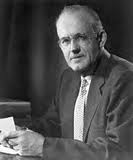
This quote from A.W. Tozer convinced me that my suspicion was correct—

Tozer“Dear Lord, I refuse henceforth to compete with any of Thy servants. They have congregations larger than mine. So be it. I rejoice in their success. They have greater gifts. Very well. That is not in their power nor in mine. I am humbly grateful for their greater gifts and my smaller ones. I only pray that I may use to Thy glory such modest gifts as I possess. I will not compare myself with any, nor try to build up my self-esteem by noting where I may excel one or another in Thy holy work. I herewith make a blanket disavowal of all intrinsic worth. I am but an unprofitable servant. I gladly go to the foot of the class and own myself the least of Thy people. If I err in my self judgment and actually underestimate myself I do not want to know it. I purpose to pray for others and to rejoice in their prosperity as if it were my own. And indeed it is my own if it is Thine own, for what is Thine is mine, and while one plants and another waters it is Thou alone that giveth the increase.” —A.W. Tozer (emphasis added by me)

A gutsy prayer! O Lord, may I always be able to pray this prayer in absolute integrity.

11 Quotes From “God’s Favorite Place On Earth”

God's Favorite Place On EarthI loved this book! Please read my full book review of God’s Favorite Place On Earth by Frank Viola by clicking here, but my one-word review is: Wow!

Here are a few quotes that especially caught my attention—

“Jesus talked a lot about losing, taking up our cross, denying ourselves, and laying down our lives. These are the fruits of brokenness before God. It’s not hard to spot a Christian in ministry who isn’t broken. Unbroken people don’t know how to lay their lives down and lose. They only know how to try to win. If they’re criticized they retaliate. If they’re attacked, they return fire. If misunderstood, they defend in anger. They are capable of doing all sorts of damage to others in order to save their own ministries and keep their reputations. 

“On the contrary, people who have been broken by the hand of God know how to turn the other cheek. They know how to go the second mile. They know how to give their coats when asked for their shirts. They know how to speak well of those who misrepresent them. They know how to return good for evil. They know how to lose. And in so doing, they exhibit the Spirit of the Lamb and allow God to win.” 

“All service must flow out of a razor-sharp desire to please God rather than a desire to get noticed by others. If it does not, it will lead to either complaint or criticism.”

“As high as God is going to elevate you is as deep as He digs to lay the foundation. Sometimes the brightest light comes from the darkest places. And what doesn’t destroy you ends up defining you in some significant way.”

“Suffering is worldwide and neck deep. But for the Christian, suffering has a special purpose. It’s the chiseling of God designed to transform you into the image of His Son.”

“A Spirit-led man or woman is someone who has faced tragedy, faced loss, looked unbearable and exquisite pain in the face … and has stood his or her ground. With their garments still smoking, these men and women have said before God, mortals, and angels: ‘It is well with my soul. God’s enemy has thrown his best at me, and I’m still here. I’m still on the Rock. I’ve not sunk. I’m still standing. I’ve not been destroyed, and I’ve not gone under. I will continue to follow my Lord, come hell or high water, He is still on the throne!’”

“Christ saves as the Son of God, but He feels as the Son of man.”

“Faith often takes a nosedive when we are on the brink of tragedy. At such times, we forget the Lord’s words. Sometimes confessions and creeds, as important as they are, are not enough to move God to act. Only falling at His feel and weeping will suffice.”

“Every crisis in our lives is an opportunity to broaden, deepen, and heighten our revelation of Christ.”

“Basing your faith on God’s performance—what you think He should do according to what you’ve been taught about His promises—is a profound mistake. … Thus the only solid basis for unwavering faith and an unshakable devotion is to believe that God is … and that He does ‘all things well,’ no matter what takes place.”

“Christians aren’t saved from troubles or delivered from problems. We have been given an ascendant life to rise above them.”

“Sharing what one has with others is what keeps our hearts detached from earthly treasures.”

A Warning To The Itinerant Missionary

My cousin wrote this post mainly to himself, but it is an important reminder for everyone—missionary or pastor—who preaches the gospel.

Live DeadGuest Blogger: Dick Brogden 

Missionaries are given the immense privilege of representing God’s heart to both the nations and the church. When we return from our fields of obedience, we are invited into pulpits—grand and humble—to speak on behalf of both the lost and the Lord. We are feted and lauded, which can lead to pride. We observe shallowness and performance, which can lead to a critical spirit. The more we travel and speak, the more we must beware our own hearts. I sat down this weekend and wrote out some warnings to myself:

  • I do not deserve the pulpit; I have not “earned” it.
  • I am not better than the ones I preach to.
  • I cannot presume God’s favor or anointing.
  • I cannot live in sin and call others to holiness.
  • My life has to match my exhortations.
  • I can’t rely on old sermons. I am responsible to give God’s flock fresh bread. If a sermon is to be re-used, it must be fresh to my soul.
  • I cannot allow any whisper of entitlement into my heart. I am not owed praise, respect, attention, or any financial offering.
  • I cannot think my looks, height, posture, style, or natural ability is important, nor that natural gifts can in any way impart divine life to the hearer.
  • I cannot waste God’s time or money with half-hearted preparation, reflection, passion, or effort.The flock must see and feel that I love them, and more importantly that I love Jesus.
  • My spirit must be gentle even if my words are hard.
  • I must have true humility and lowliness. Nothing is as proud or as disgusting as false humility, whether to the individual or before the congregation.
  • I must care more about what God thinks than what man thinks and must obey His promptings and speak as His oracle.
  • If I do not ascend to the pulpit clothed and endued with the Holy Spirit, I am immediately exposed as naked and foolish before God, and it will not be long until I am exposed as a fraud before all men.
  • I must have a holy terror of speaking in my own strength or from my own wisdom. I must have a heavenly horror of speaking what is false, exaggerated, or misleading. I must be terrified of speaking one word without the covering and impetus of the Spirit.

I noted with sadness this weekend that even if all is said in the right spirit and under God’s authority, some ears remain deaf and others hear selectively. We cannot control our hearers, nor are we responsible for how they hear. We are responsible for what and how we speak. It is incumbent on us to speak the words of God in the way and in the spirit He requires. This is a fearful and awesome privilege. God help us. God watch over our hearts and lips.

** I encourage you to follow the Live Dead blog where Dick regularly posts.

More Spirit-Filled Leaders

Listen to the podcast of this post by clicking on the player below, and you can also subscribe on Apple, Spotify, or Audible.

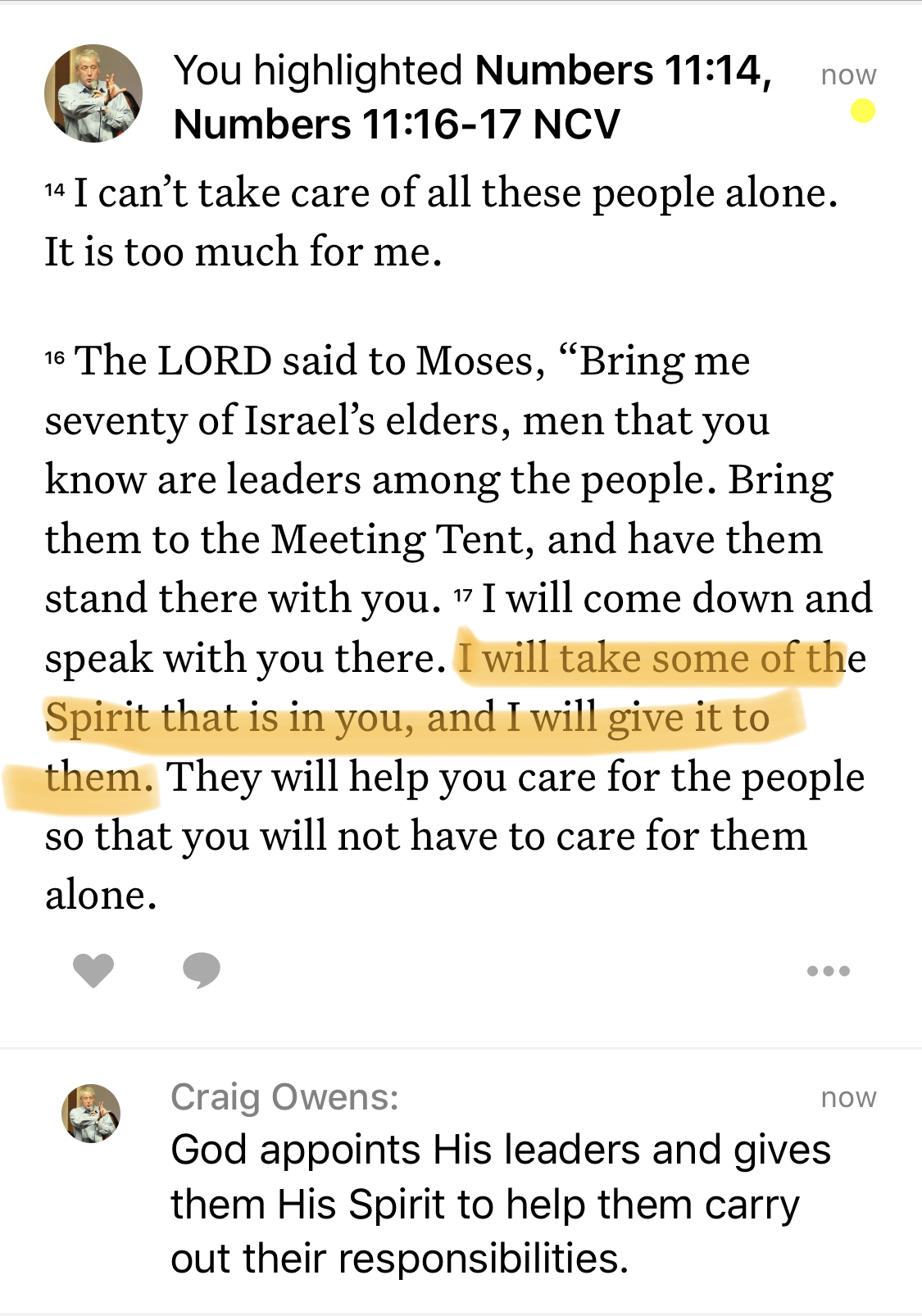
Moses was so right on the mark when he cried out, “I cannot carry all these people by myself; the burden is too heavy for me!” (Numbers 11:14)

It takes a confidently humble man to ask for help (Numbers 12:3). But God gives more grace to that humble person, while He stands aloof from those know-it-alls and those I-can-do-it-all-by-myselfs.

God anointed leaders to assist Moses. He took the same Spirit that was on Moses and imparted it to those 70 leaders. But—note this carefully—the Spirit on Moses was not at all diminished!

Moses’ responsibility was to pick the 70 “who are known to you as leaders” and then the Lord placed His Spirit on them. There were 70 who prophesied but Moses correctly desired “that all the Lord’s people were prophets and that the Lord would put His Spirit on them” (Numbers 11:16-17, 25, 29).

Leadership is necessary, and it is meant to be shared. From the senior leader, this requires:

  1. Humility
  2. Responsibility
  3. Willingness

Oh Lord, raise up more Spirit-empowered leaders!

►► Would you please prayerfully consider supporting this ministry? My Patreon supporters get behind-the-scenes access to exclusive materials. ◀︎◀︎

A Pastoral Prayer

Daniel Payne

Daniel Payne

I love this prayer that Bishop Daniel Payne (1811-1853) prayed for himself. Pastor, do you think you could pray this? Could you pray to become invisible so that only Jesus Christ is seen and heard?

“Lord, Thou knowest my weakness—be Thou my strength. Thou knowest my ignorance—be Thou my wisdom. Teach me, that I may not be a blind leader of the blind, but a scribe well instructed unto the Kingdom of Heaven. O, let not the people see me; let them see You in Your vesture dipped in blood. Let them not hear me; let them hear You in Your voice of saving truth!”

Lord, may I be able to live this out in my pastoral ministry!

21 Quotes From “Sometimes You Win, Sometimes You Learn”

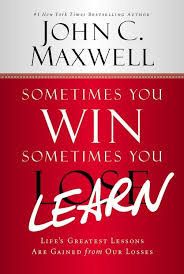
Sometimes You WinAs I mentioned in my book review (which you can read by clicking here), John Maxwell always expands my horizons with his writings. I appreciate his ability to use his own life experiences as well as historical and contemporary examples and writings. So some of my favorite quotes from Sometimes You Win, Sometimes You Learn are from Dr. Maxwell, and some are from others that he quotes. Enjoy!

“I sometimes react to making a mistake as if I have betrayed myself. My fear of making a mistake seems to be based on the hidden assumption that I am potentially perfect and that if I can just be very careful, I will not fall from heaven. But a mistake is a declaration of the way I am, a jolt to the way I intend, a reminder that I am not dealing with facts. When I have listened to my mistakes, I have grown.” —Hugh Prather

“Those who profit from adversity possess a spirit of humility and are therefore inclined to make the necessary changes needed to learn from their mistakes, failures, and losses. … When we are focused too much on ourselves, we lose perspective. Humility allows us to regain perspective and see the big picture. … Humility allows us to let go of perfection and keep trying.” —John Maxwell

“Most people spend their entire lives in a fantasy Island called ‘Someday I’ll.’” —Denis Waitley 

“An idealist believes the short-run doesn’t count. A cynic believes the long run doesn’t matter. A realist believes that what is done or left undone in the short-run determines the long run.” —Sydney J. Harris

“Those things that hurt, instruct.” —Benjamin Franklin

“You can’t grow and learn if your focus is on finding someone else to blame instead of looking at your own shortcomings.” —John Maxwell

“The highest reward for our toil is not what we get for it but what we become by it. … Mistakes are not failures. They are proof that we are making an effort. When we understand that, we can more easily move out of our comfort zone, try something new, and improve. … Improvement demands a commitment to grow long after the mood in which it was made has passed.” —John Maxwell 

“Success in most things comes not from some gigantic stroke of fate, but from simple, incremental progress.” —Andrew Wood

“The main trouble with despair is that it is self-fulfilling. People who fear the worst tend to invite it. Heads that are down can’t scan the horizon for new openings. Bursts of energy do not spring from a spirit of defeat. Ultimately, helplessness leads to hopelessness.” —Norman Cousins

“Positive thinking must be followed by positive doing.” —John Maxwell

“When you are influential and highly respected, people tend to tell you what you want to hear, not what you need to hear. They are seeking your approval, or they flatter you. Unfortunately, this creates a gap between what you hear and reality. If you find yourself in that situation, you will need to work extra hard to get the people close to you to speak honestly into your life. And you will have to become highly intentional in observing and listening.” —John Maxwell 

“Wisdom is the reward you get for a lifetime of listening when you would have preferred to talk.” —Doug Larson

“Circumstances are the rulers of the weak; but they are the instruments of the wise.” —Samuel Lover 

“Mistakes are painful when they happen, but years later a collection of mistakes is what is called experience.” —Denis Waitley

“Ninety percent of those who fail are not actually defeated; they simply quit. … As you face bad experiences, it’s important for you to remember that you can rarely see the benefits while you’re in the midst of them. You usually gain perspective on the other side of it.” —John Maxwell 

“Most people would rather change their circumstances to improve their lives when instead they need to change themselves to improve their circumstances. They put in just enough effort to distance themselves from their problems without ever trying to go after the root, which can often be found in themselves. Because they don’t try to change the source of their problems, their problems keep coming back at them.” —John Maxwell

“To grow, you must be willing to let your present and future be totally unlike your past. Your history is not your destiny.” —Alan Cohen

“If I had my life to live over again, I’d make the same mistakes, only sooner.” —Tallulah Bankhead

“Maturity is doing what you are supposed to be doing, when you’re supposed to be doing it, no matter how you feel.” —Dom Capers 

“Have you not succeeded? Continue! Have you succeeded? Continue!” —Fridtjof Nansen, Nobel Peace Prize winner

“How we think when we lose determines how long it will be until we win.” —G.K. Chesterton

Sometimes You Win—Sometimes You Learn (book review)

Sometimes You WinIf you’re like me, you grew up being able to quickly finish the phrase, “Sometimes you win, sometimes you… lose.” But John Maxwell gives us a far better way to finish this well-worn phrase in his latest book Sometimes You Win—Sometimes You Learn: Life’s Greatest Lessons Are Learned From Our Losses.

As in his other books, Dr. Maxwell shares very candidly about his own missteps, and the lessons he learned from them. He also brings in the insight from other friends and authors who have also learned the value of making mistakes and learning the hard lessons from them.

What always amazes about John Maxwell’s writing is the depth of insight. On the surface you would think there wouldn’t be much to say about learning from our losses except another well-worn cliche, “If at first you don’t succeed, try, try again.” But that try-again spirit is only one part of the learning process. John shows us the value of:

  • Humility
  • Reality
  • Responsibility
  • Improvement
  • Hope
  • Teachability
  • Adversity
  • Problems
  • Bad experiences
  • Change

Following through on all of these aspects leads to the most important step in the learning process: Maturity.

The insight, historical stories, personal anecdotes, and wisdom of other been-there-done-that people are woven together with John’s unique teaching style to give us a book that is highly beneficial. I’d especially recommend this book to parents, coaches and mentors.

I am a Center Street book reviewer.

13 Quotes From “Dear Abba”

Dear AbbaDear Abba is an intimate book of prayer and personal reflection; it’s thought-provoking and emotionally-moving. You can read my full book review by clicking here. Below are some of the quotes and prayers I found especially meaningful.

“Dear Abba, I’ve come to the place where I’m letting You love me more each day, but I still struggle with letting You like me.” 

“It would be comical if it wasn’t so sad: all of our desires to make ourselves worthy of this world but unfit for the world to come.”

“Peace and joy go a-begging when the heart of a Christian pants for one sign after another of God’s merciful love. Nothing is taken for granted, and nothing is received with gratitude.”

“I feel like the psalmist tonight—downcast. I was upcast, bright, enjoying the warmth of the day and then suddenly my joy was pickpocketed. It was a small thing, a minor misunderstanding that I could have let roll off like water, but I held on to it and nursed it awhile, and like sin always does, it grew. Now I find my mind completely disturbed, anxious, angry, and my imagination is conjuring up all sorts of somebody-done-me-wrong songs. Why do I not trust You? After so many demonstrations of Your infinitely tender hand, why do I not trust You?”

“Sin does not magnify the suffering of man’s plight; instead, it mitigates it. When I sin, I seek an escape from my humanity. I used to say to myself, ‘Well, you’re only human!’ But sin does not make me human; it compromises my humanity. The philandering husband with his mistress on business trips, the chemically addicted, the thieves who build ivory towers out of stolen money, the sensation-seekers and power brokers who seek substitutes. They do not drink the poverty of the human situation down to the last drop. They dare not stare it full in the face.” 

“Yet. Those three letters stop me in my rutted tracks of besetting sins. For You were tempted as I am, yet You did not sin. The humbling point is that on a scale from 1 to 10, I usually give in when the heat reaches 3 or 4, yet You experienced the 10—the full-in-the-face of temptation—and did not give in. You are the friend of sinners, yet You are also the Great High Priest who invites us to come with confidence to Your throne and receive both our daily bread and extra rations for emergencies.”

“To practice poverty of spirit calls us not to take offense or be supersensitive to criticism.”

“When the gift of a humble heart is granted, we are more accepting of ourselves and less critical of others. … For the humble person there is a constant awareness of his or her own weakness, insufficiency, and desperate need for God.”

“My friends in Christ, the simple truth is that the Christian Church in America is divided by doctrine, history, and day-to-day living. We have come a long sad journey from the first century, when pagans exclaimed with awe and wonder, ‘See how these Christians love one another!’” 

“Christ’s breakthrough into new life on Easter morning unfettered Him from the space-time limitations of existence in the flesh and empowered Him to touch not only Nepal, but New Orleans, not only Matthew and Magdalene, but me. The Lion of Judah in His present risenness pursues, tracks, and stalks us here and now.”

“I realized today that there is a third character who goes up to the temple to pray: the pharisaic tax collector—a ragamuffin who knows she’s a ragamuffin and wants to make sure everyone else knows she’s a ragamuffin. So she ends up using her sinner status not to cry out for mercy to You, but rather to seek out the attention of others as one who is real and authentic, when in reality she is nothing more than hubris in thrift-shop fashions. I realized this today because I looked in the mirror. God, be merciful to me.” 

“The tendency to continually berate ourselves for real or imaginary failures, to belittle ourselves and underestimate our worth, to dwell exclusively on our dishonesty, self-centeredness, and lack of personal discipline, is the influence of our negative self-esteem. Reinforced by the critical feedback of our peers and the reproofs and humiliations of our community, we seem radically incapable of accepting, forgiving, or loving ourselves.”

“If nobody remembers my name or the works of my hands, if everything that I’ve worked so hard to build over the years crumbles into insignificance, if I lose my health and my wits and even, heaven forbid, my memory, You are still my refuge and strength.”