Praying The Word

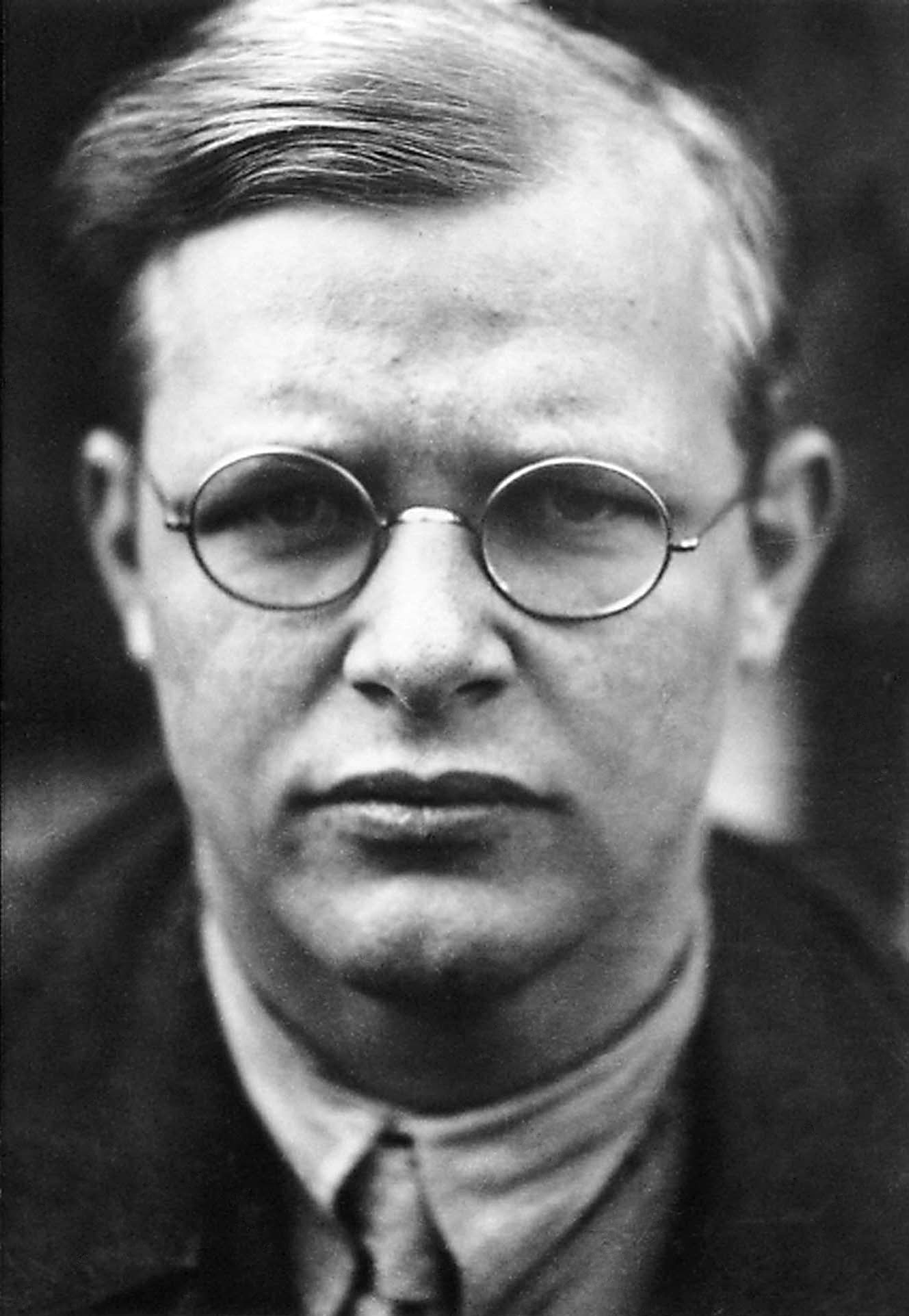
Dietrich BonhoefferI shared this quote from Dietrich Bonhoeffer this morning in my message—

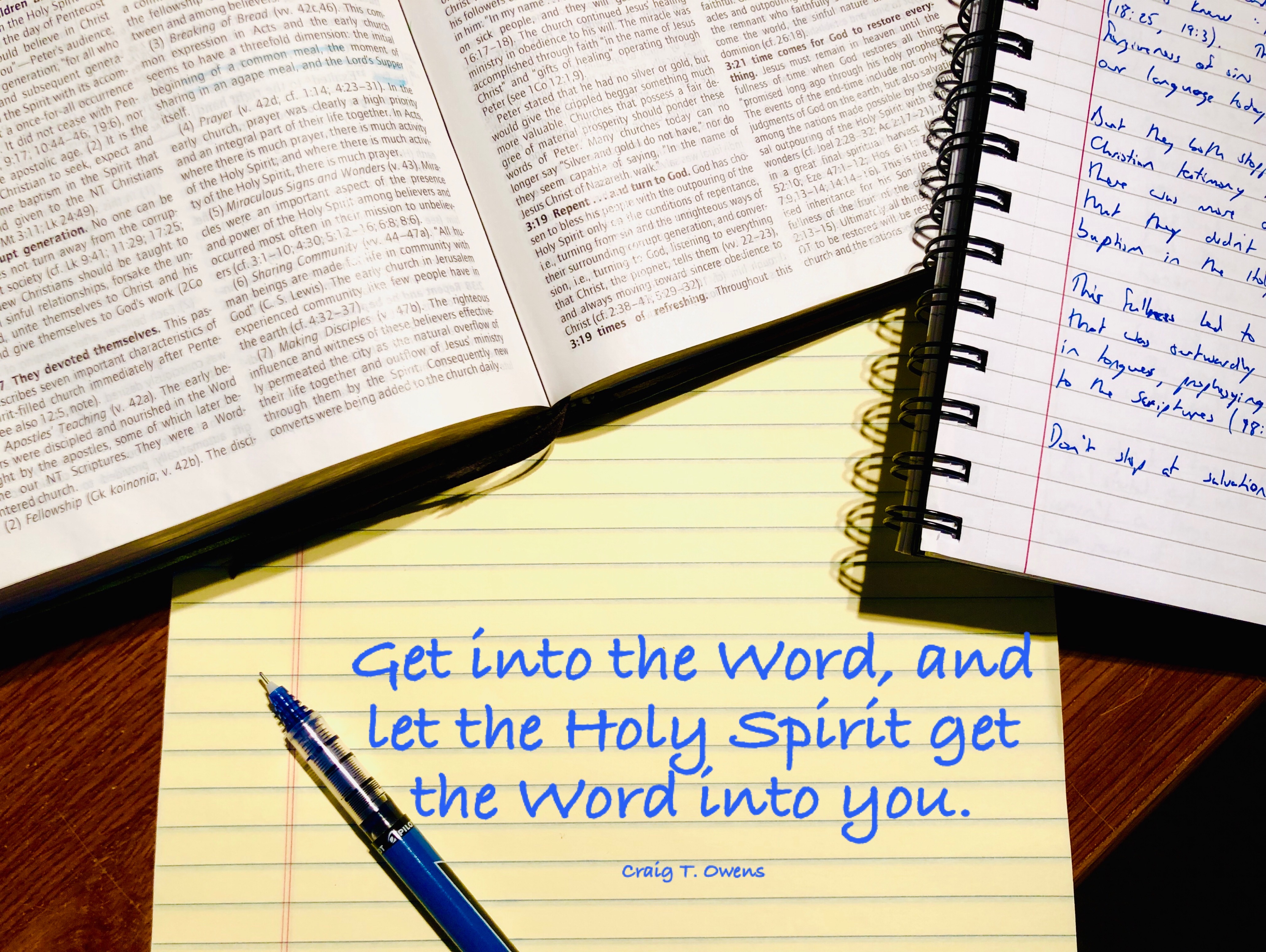
“Meditation lets us be alone with the Word. …In our meditation we ponder the chosen text on the strength of the promise that it has something utterly personal to say to us for this day and for our Christian life, that it is not only God’s Word for the Church, but also God’s Word for us individually. We expose ourselves to the specific Word until it addresses us personally.”

Using the Bible as your prayer guide will take your prayers to a whole new level!

Filled To Be Emptied

This is a post especially for my pastor friends. 

Dear Friend,

I know you have a lot on your mind. You’re probably reviewing how Sunday went and thinking about what you’re going to share next Sunday. You’ve probably got a pretty full agenda this week: staff meetings, board meetings, maybe a counseling appointment or two, and a hospital visit. There’s lots happening (there always is, right?).

Can I break into your week to ask you a simple question: What did you read in your Bible this morning for you? You know, your personal devotional time—what was God’s Word saying just to you?

Dietrich Bonhoeffer wrote this:

“We are reading the Word of God as God’s Word for us. Therefore, we do not ask what this text has to say to other people. For those of us who are preachers that means we will not ask how we would preach or teach on this text, but what it has to say to us personally.”

Here’s a simple principle: You cannot give to others what you have not received yourself. So you need to be filled up so that you can be emptied out.

Although your week may be busy, please, please, please take the time to read God’s Word for yourself. It will help you and your congregation as well.

May God fill you and then empty you, my friend, for His glory!

Cheering you on, I am your friend,

Craig

Thursdays With Oswald—A Moral Lavatory

This is a weekly series with things I’m reading and pondering from Oswald Chambers. You can read the original seed thought here, or type “Thursdays With Oswald” in the search box to read more entries.
A Moral Lavatory

     The Bible does not deal with sin as a disease; it does not deal with the outcome of sin, it deals with the disposition of sin itself. … We have cheapened the doctrine of sin and made the Atonement a sort of moral ‘lavatory’ in which men can come and wash themselves from sin, and then go and sin again and come back for another washing. …

     All Heaven is interested in the Cross of Christ, all Hell terribly afraid of it, while men are the only beings who more or less ignore its meaning.

From Biblical Ethics

This hits me in two areas.

First, as a sinner saved by grace. I am so grateful for the gift of grace. I want to treat this gift with all of the gratitude I can. It was purchased for me with such a high price: The blood of the sinless King of kings. May my sin break my heart as much as it breaks my Heavenly Father’s heart. I’m grateful grace is there when I blow it, but I don’t want to blow it ever again.

Dietrich Bonhoeffer described cheap grace like this:

“Cheap grace is the preaching of forgiveness without requiring repentance, baptism without church discipline, Communion without confession, absolution without personal confession. Cheap grace is grace without discipleship, grace without the Cross, grace without Jesus Christ, living and incarnate. … Cheap grace is the grace we bestow on ourselves.”

Second, as a pastor who teaches about the atonement and grace. I know that I will have to give account before God if the people who hear me teach about these gifts are ones who “ignore its meaning.” I want to do everything I can to make sure everyone who listens to me understands the inestimable value of the Cross of Jesus Christ.

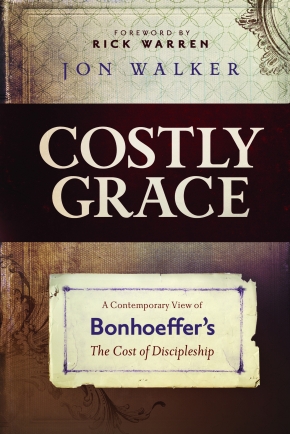
In his book Costly Grace, Jon Walker writes:

“Costly grace justifies the sinner: Go and sin no more. Cheap grace justifies the sin: Everything is forgiven, so you can stay as you are.”

Grace is powerful stuff. May we always treat it that way.

Book Reviews From 2011

Here is the complete list of books I read in 2011. Click on each title to be taken to my review…

7 Habits Of Highly Effective Teens

A Collection Of Wednesdays

A Treasury Of A.W. Tozer

Abandon The Ordinary

Average Joe

Be A People Person

Be The People

Biblical Ethics

Biblical Psychology

Bonhoeffer: Pastor, Martyr, Prophet, Spy

Bringing Sons Unto Glory

Chazown

City On Our Knees

Costly Grace

Doing Virtuous Business

Elite Prayer Warriors

Enemies Of The Heart

Experiencing The Spirit

Fasting

For Men Only

From The Library Of A.W. Tozer

Galileo

Generation iY

George Washington Carver

Get Off Your Knees And Pray

Go For Gold

God Is The Gospel

Has God Spoken?

Home And Away

How The Mighty Fall

How To Read The Bible

How To Win Friends And Influence People

I Knew Jesus Before He Was A Christian

In Visible Fellowship

Leadership Gold

Leadership Is Dead

Leadership Prayers

Lee: A Life Of Virtue

Letters From Leaders

MacArthur: America’s General

Max On Life

Me, Myself & Bob

Never Surrender

Night

On The Verge

Peach

Plugged-In Parenting

Radical Together

Remember Why You Play

Say It With Love

Secure Daughters, Confident Sons

Sherman: The Ruthless Victor

Smith Wigglesworth On Faith

Soul Work

Soulprint

Stuff Christians Life

Sun Stand Still

The Blessing Of Adversity

The Church In Exile

The Heart Of A Great Pastor

The Hour That Matters Most

The Next Christians

The Seed

Toxic Committees & Venomous Boards

untamed

Upside

Wandering In The Wilderness

We Shall See God

Whale Done

What The Bible Says About The Holy Spirit

Why God Won’t Go Away

Why Great Men Fall

You Were Born For This

Looking forward to sharing more great reads with you in 2012! Let me know if there are any books you would like me to review.

In Visible Fellowship (book review)

This is the second book that Jon Walker has written as a modern-day commentary of a classic Dietrich Bonhoeffer work. This time around Jon takes a look at Bonhoeffer’s Life Together in his book called In Visible Fellowship. (Jon’s first book is Costly Grace, looking at Bonhoeffer’s The Cost Of Discipleship. You can read my review of that book by clicking here.)

In visible fellowship is a phrase that Dietrich Bonhoeffer used to describe the importance of how Christians interact with each other. To Bonhoeffer, it wasn’t so much how Christians behaved in church on Sundays, but how they interacted with each other the other six days of the week. He wanted those outside of the Christian community to see something so attractive and appealing about the way the Christian community operated “in visible fellowship” with each other.

In Visible Fellowship is an excellent companion piece to Life Together. Whereas Costly Grace could almost stand on its own, In Visible Fellowship is probably best read in conjunction with Life Together. In other words, I would highly recommend that both be read at the same time.

Since Jon notes, “There is no such thing as independent study in the curriculum of Christ,” I would further recommend that In Visible Fellowship and Life Together be read with other Christians. A small group could read Life Together, and then use In Visible Fellowship as their study guide as they gather together. Toward this end, each chapter has some excellent questions that should really stimulate lively conversations.

I’m a huge fan of Dietrich Bonhoeffer, and Jon Walker has done an excellent job in bringing some thought-provoking contemporary views to these classic works. I recommend In Visible Fellowship (especially when read with Life Together).

I am an ACU Press book reviewer.

Bonhoeffer (book review)

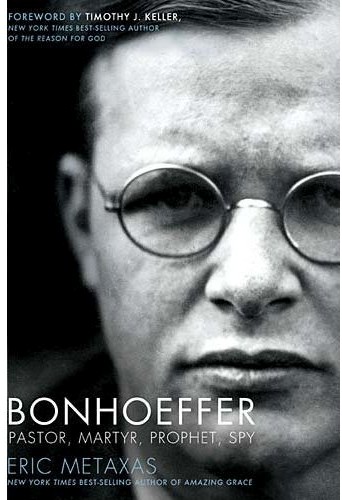
I’ve always been an admirer of Dietrich Bonhoeffer’s work, but Eric Metaxas’ sweeping biography has given me a whole new appreciation for this influential theologian.

Bonhoeffer: Pastor, Martyr, Prophet, Spy takes you behind the scenes that influenced this great man. You will see how his family helped encourage Dietrich to be such a deep thinker. Then you will read how Bonhoeffer’s thinking was sharpened as he challenged the Nazi’s co-opting of the church in Germany, leading him to call pastors back to a biblically-sound foundation.

By perhaps the most compelling storyline is how this pastor could join the band of German citizens who agreed that Adolph Hitler must be assassinated. Although to us now it may seem like an easy decision to make, to those who lived through the events leading up to Word War II, it was an excruciating decision. Eric Metaxas does a masterful job of taking us inside the thinking process that led Dietrich Bonhoeffer to his decision.

And through all of the turmoil swirling around him, Bonhoeffer found time to not only teach young pastors, but to leave behind some timeless teachings in his masterful books.

If you are already familiar with Bonhoeffer’s writings, this biography will give you a whole new appreciation into the man who crafted the books. If you aren’t yet familiar with Bonhoeffer’s books, Bonhoeffer will whet your appetite to know more. Don’t miss out on this one!

Examination

I’m reading Eric Metaxas’ fascinating biography of Dietrich Bonhoeffer.

Here’s something amazing to me: Bonhoeffer had a degree in theology (having studied under some of the most esteemed theologians of the day), taught Sunday School classes, lectured on biblical doctrine, served as an interim pastor for a full year, and even earned his doctoral degree. Yet after all this, people noticed a change in Bonhoeffer.

Listen how he described the change himself:

I plunged into work in a very unchristian way. … Then something happened, something that has changed and transformed my life to the present day. For the first time I discovered the Bible…. I had often preached. I had seen a great deal of the Church, and talked and preached about it—but I had not yet become a Christian. … I know that at that time I turned the doctrine of Jesus Christ into something of personal advantage for myself…. I pray to God that that will never happen again.

If such a man as Dietrich Bonhoeffer discovered that he knew about Jesus without knowing Jesus personally, shouldn’t we, too, “Examine yourselves to see if your faith is genuine. Test yourselves. Surely you know that Jesus Christ is among you; if not, you have failed the test of genuine faith” (2 Corinthians 13:5).

Costly Grace (book review)

Jon Walker comes out swinging with his timely book Costly Grace. This book is subtitled “A contemporary view of Bonhoeffer’s The Cost of Discipleship,” and it makes Dietrich Bonhoeffer’s challenging book come alive for a whole new generation.

“Cheap grace is grace without discipleship, grace without the Cross.” —Dietrich Bonhoeffer

If you have previously read Bonhoeffer’s classic work, you will appreciate the way Jon makes The Cost Of Discipleship understandable to this generation. He does this with watering down Bonhoeffer’s tone at all.

If you haven’t read The Cost Of Discipleship, Jon’s book should be just the primer you need to dive into Bonhoeffer.

In either case, be prepared: Costly Grace is no easy read. You will probably feel like your toes are being stepped on, and that Jon (and Bonhoeffer) are being too unreasonably difficult. This is a serious read for serious disciples of Jesus Christ. So if you are ready to step into a more mature walk with Christ, Costly Grace is an excellent place to start.

I am an ACU Press/Leafwood Publishers book reviewer.

You See What You’re Looking For

It’s a pretty simple concept: you only see what you want to see. For example, if you are looking for your car keys, you won’t really see anything else that you are picking up or looking behind to find your keys. Your brain is locked in on keys, so that’s all you will see.

In a well-known Bible story, Moses sends twelve men into the Promised Land to check things out. He tells them to explore the land and bring back a report. The men went to several locations, and there is no mention of who or what they saw except…

  • …in the valley of Eschol, they found grapes of extraordinary size.
  • …in Hebron, they found people of extraordinary size.

They went in looking for big things, and that’s all they saw.

With the exception of Caleb and Joshua who said, “So what? Our God is bigger than those giants,” all the other men saw defeat. In the end, all the other men saw death in the desert; only Caleb and Joshua saw God’s victory in the Promised Land.

You see what you want to see—

What do you see?

What are you looking for?

Are you looking for giants? If so, you’ll find them. And they will seem even bigger in your eyes than they really are.

Are you looking for God’s victory? If so, you’ll find Him. And His deliverance will seem even more incredible than you could have imagined!

Prayer trains your eyes to see differently. Prayer trains your brain to look for victory. Prayer keeps you alert to what God is doing.

If all you see are giants, if all you hear is bad news, if all you feel is fear, perhaps you’re looking for giants and bad news and the fearful things.

Friend, God wants you to see Him on the move. Pray!

  • Prayer changes giants to dwarfs.
  • Prayer changes defeat to victory.
  • Prayer changes gloom to sunshine.
  • Prayer changes the way you see the world.
  • Prayer changes you.

“The prayer of the morning will determine the day.” —Dietrich Bonhoeffer