Listen to the podcast of this post by clicking on the player below, and you can also subscribe on Apple, Spotify, or Audible.
I had a great time on the Thriving In Ministry podcast with Kyle Willis while his podcast partner Dace Clifton was on sabbatical.
Kyle and I wanted to help pastors get a better understanding of the value of a sabbath rest, but also an understanding of the challenges that come with trying to sabbath. Throughout the Old Testament, we read of God taking the Israelites to task for their unwillingness to rest, which ultimately led to them having to take a forced rest.
As I mentioned in this interview, just because the calendar says “Sunday” doesn’t automatically mean that it’s a sabbath day. This is especially true for pastors who are busily engaged in ministry activities on Sundays. But I take comfort in the example of Jesus who showed shepherd leaders how to make sabbathing an active and integral part of effective ministry.
I have a chapter in my book Shepherd Leadership called “A Healthy Shepherd’s Sabbath,” and then I have a follow-up chapter called “Can’t, Won’t, or Don’t” which addresses some changes pastors can make to ensure they are getting the vital rest they need. If you are a church leader, I encourage you to pick up a copy of my book Shepherd Leadership: The Metrics That Really Matter.
I’ll be sharing more clips from this Thriving In Ministry interview soon, so please stay tuned. Shepherd Leadership: The Metrics That Really Matter is available in print or ebook, and in audiobook through either Audible or Apple.
God is doing something in me through wicked people and evil times.
But there is one more Selah in this chapter that we need to consider—Do not grant the wicked their desires, O Lord; do not let their plans succeed, or they will become proud. Selah. (v. 8)
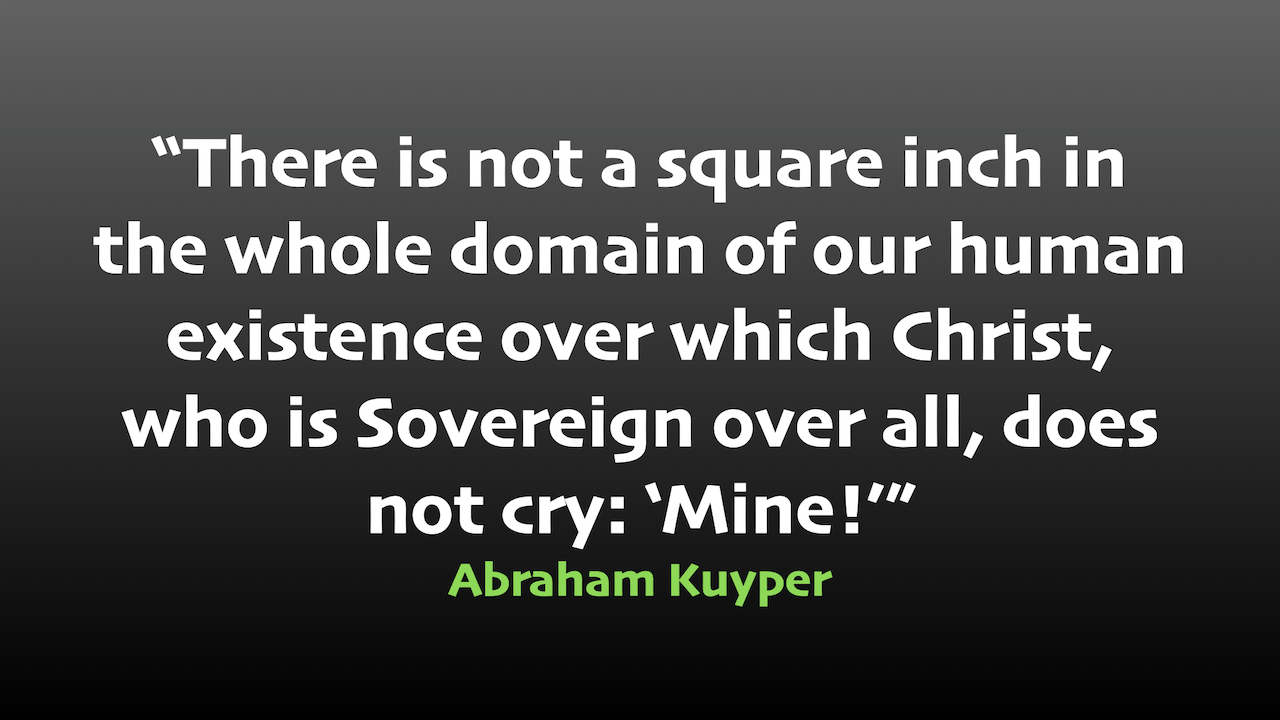
Most ofus would probably agree with Abraham Kuyper who said, “There is not a square inch in the whole domain of our human existence over which Christ, who is Sovereign over all, does not cry: ‘Mine!’”
But the amazing thing here is that God allows David—and you and me—to call Him mine! “O LORD, I say to You, ‘You are MY God’” (v. 6). David goes on to say that God is my strong deliverer who shields me against evildoers (v. 7).
But isn’t David’s God also the God of the wicked? Aren’t they a part of “the whole domain of human existence” that is His? Yes!
So that must mean that God wants even wicked people to call Him, “My God”!
This is exactly what Jesus told us: For God so loved the world [including wicked people] that He gave His one and only Son, that whoever [including wicked people] believes in Him shall not perish but have eternal life. For God did not send His Son into the world to condemn the world, but to save the world [including wicked people] through Him (John 3:16-17).
Just before this third Selah in verse 8 David prays that the plans of the wicked might be thwarted so that proud people don’t become even more proud. That seems okay. But after the Selah David seems to be asking God to let everything that wicked people have planned to boomerang back on them (vv. 9-11).
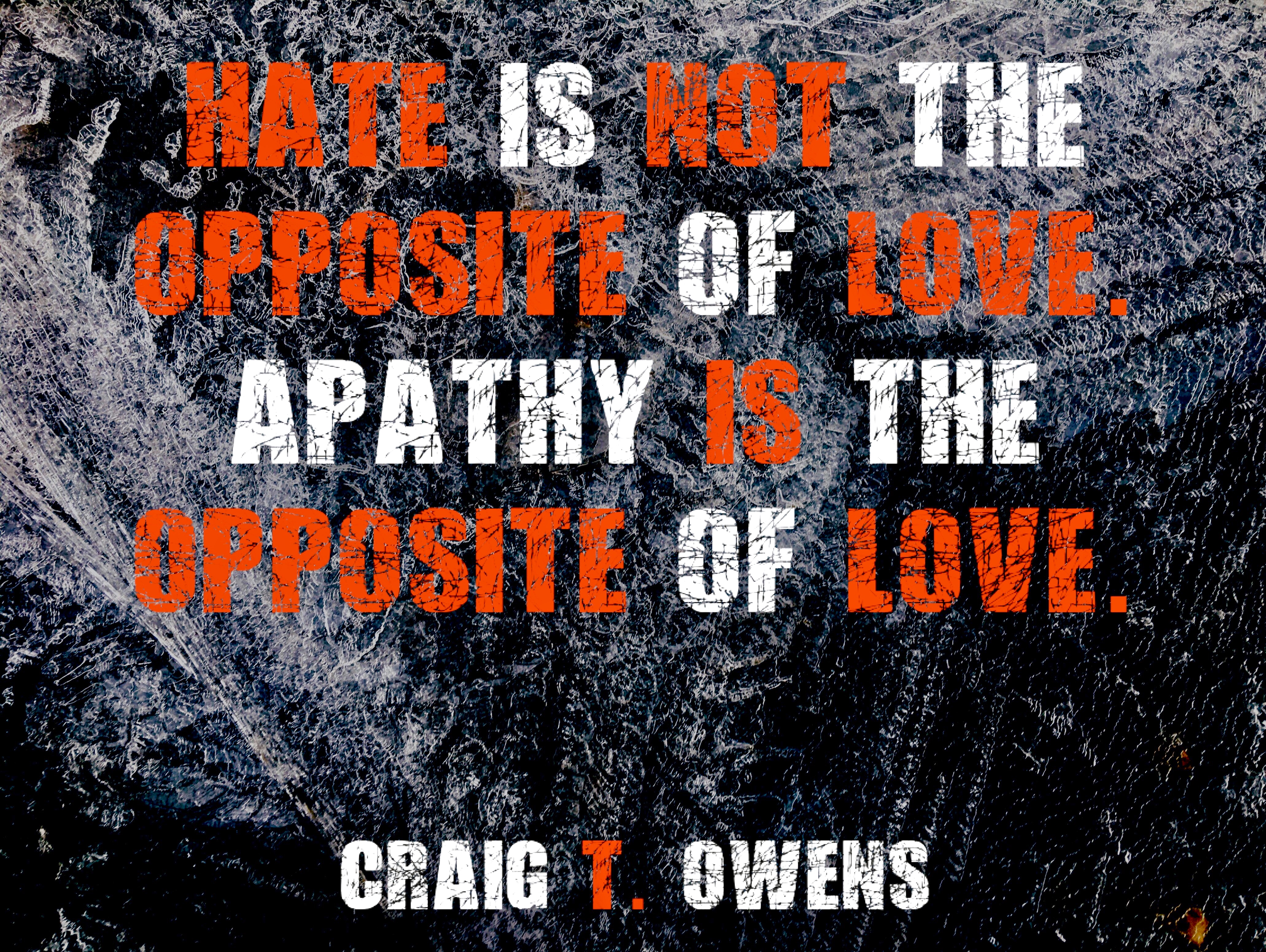
Hate isn’t the opposite of love, but apathy is the opposite of love. Hate is a very strong emotion that usually comes out when something we love or desire is thwarted or kept from us.
Just as we learned last week that God allows evil people and their slander and wickedness to prune us and make us more fruitful, can’t God give back to evil people exactly what they need to get their attention? Can’t He use their own evil plans for them just as He used them for us? Yes!
If God loves us—and He does—then He must hate anything that keeps us from Him.
If God loves wicked people—and He does—then He must also hate anything that keeps them from accepting the atoning work Jesus did for them on the Cross.
God is love. There is nothing you can do to make God love you any more. There is nothing an evil person can do to make God love them any less.
David’s third Selah is really his reminder that he must leave evil people to the only One who can discipline them in perfect measure. We have to leave evil people to God’s care—the only One who can rescue them. That’s why Jesus told us to “love your enemies and pray for those who persecute you” (Matthew 5:44).
David’s prayer in verses 9-13 does leave evil people in God’s hands, and it’s a prayer you and I can personalize for those whom we desire to know Jesus as their Savior.
It’s not God’s desire that any should perish. So let’s Selah to call God, “My God,” but to also pray that even the wicked people around us will come to the realization that through faith in Jesus, they too can cry out, “My God!”
God gave me a unique story when I was walking through a challenging time with a friend that I needed to leave to God’s care. I called the story The Parable of the Lifeguard. You can watch it in the video below, or you can read it by clicking here.
Listen to the podcast of this post by clicking on the player below, and you can also subscribe on Apple, Spotify, or Audible.
Even though Jesus explicitly told His followers about His crucifixion, it was clear on that Friday on Golgotha that they didn’t fully grasp what was going on.
We see the same thing in Heman’s maskil of Psalm 88: The faint hope that his Savior would rescue him from death, but still not fully grasping what was happening. Just as Jesus cried out, “It is finished” and His disciples thought the darkness had fallen, Heman ends his psalm with, “You have taken my companions and loved ones from me; the darkness is my closest friend” (Psalm 88:18).
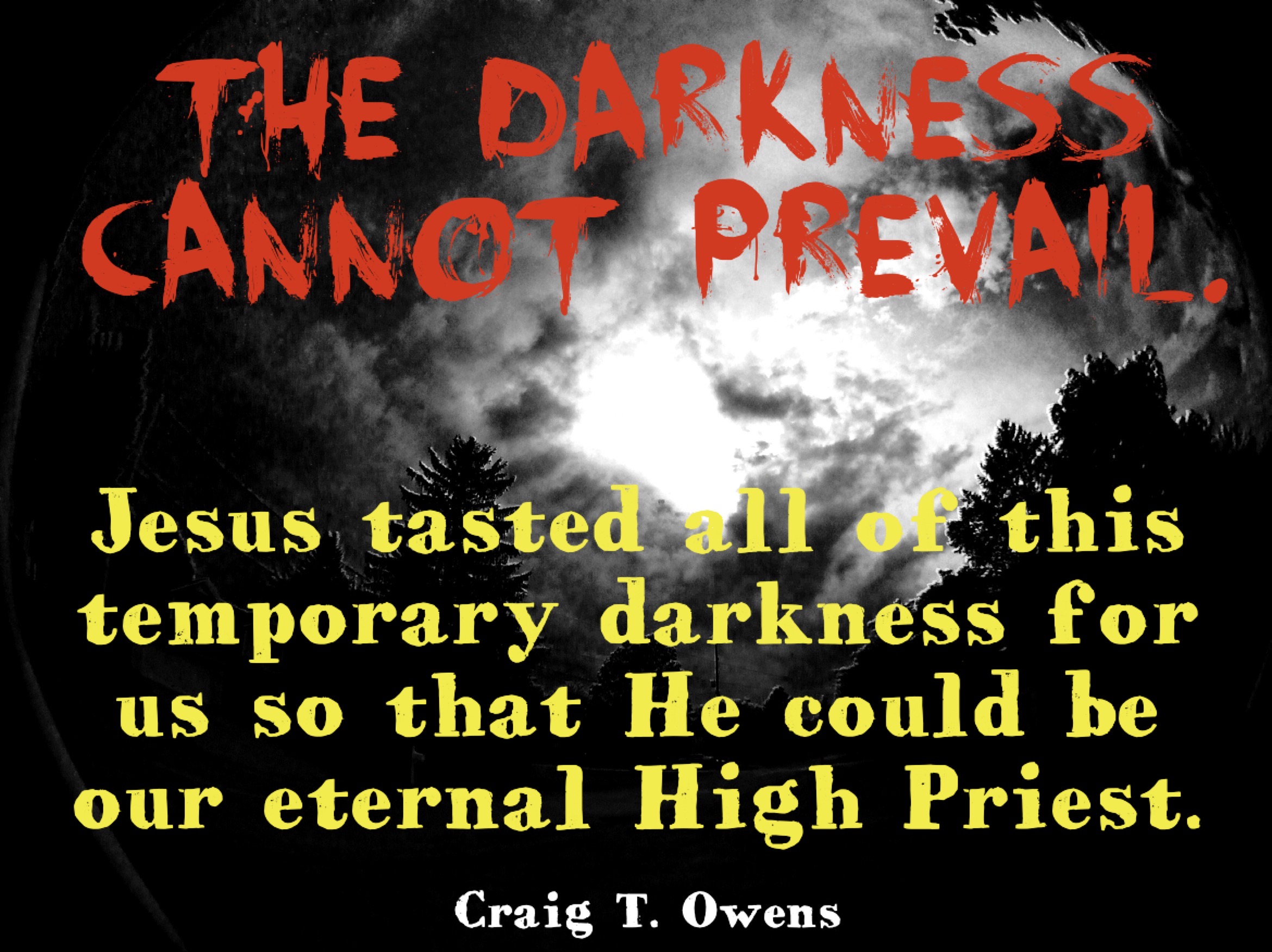
There is the reality of darkness in this world—but it is only temporary darkness. This is why I entitled our look at Psalm 88 as “The reality of temporary darkness” because, in the second part of this couplet of maskil psalms, Ethan moves right into the light of Resurrection Sunday: “I will sing of the Lord’s great love forever” (Psalm 89:1).
Consider this Good Friday-to-Resurrection Sunday thought from Jesus: “…In the world you will have tribulation; BUT be of good cheer, I have overcome the world” (John 16:33). This tells us of both the temporary darkness and the conquering Light. But also notice that Jesus said our peace would come from knowing that both darkness and light are realities: “These things I have spoken to you, that in Me you may have peace.” Whether we are in temporary darkness or looking forward to the eternal light, our peace is only found in Jesus.
When the followers of Jesus came to His tomb on Sunday morning, the angels asked them a penetrating question, “Why are you looking for a living Person in a place where there are dead people?” Then they began to stimulate their memory to get them to recall Christ’s words. Finally, we read, “THEN they remembered” (Luke 24:5-8). Then they had to choose to obey the word of God.
Ethan recalls God’s words and uses his “will” three in the opening two verses.
The disciples also could bank on Christ’s words, just as Ethan chose to bank on Jehovah’s words. The central part of Psalm 89 is God speaking: Check out His assurance in the “I will” statements within the quotation marks in verses 19-37. Then we are called to Selah to let that soak in.
Notice what radiates out from this foundational assurance:
Ethan uses the pronouns You/Your 20 times in reference to God to assure us that God is in sovereign control (vv. 8b-14). Then he tells us of the blessings of God’s favor on our obedience to His word (vv. 15-18).
On the other side of the central quotation from God, Ethan again uses the pronouns You/Your 13 times in vv. 38-45, but then he tells us of the blessing of God’s discipline on our disobedience.
Radiating out further, Ethan asks seven questions—much like his brother Heman did in Psalm 88—in verses 5-8 and 46-48.
Finally, we see the psalm both opening and closing with praising God as we remember His covenant word (vv. 1-4, 49-52).
Remember we said the darkness cannot prevail. The darkness is temporary (Romans 8:18) but Ethan repeatedly reminds us of God’s foreverness (vv. 1, 2, 4, 29, 52).
The Selah after v. 4 is to pause in wonder at God’s words and break into rejoicing!
The Selah after v. 37 is again to pause after remembering God’s covenant, and to reflect on our own obedience or disobedience.
The Selah after v. 45 is a pause to mourn and repent from our disobedience.
The Selah after v. 48 is to pause to reflect on the forgiveness purchased on Calvary and the eternal light and life that bought.
Finally, v. 52 harkens back to v. 1 as the praise is restored and the cycle begins all over again. In fact, the praise of God’s light continues forever!
Heman and Ethan both remind us of this important truth—
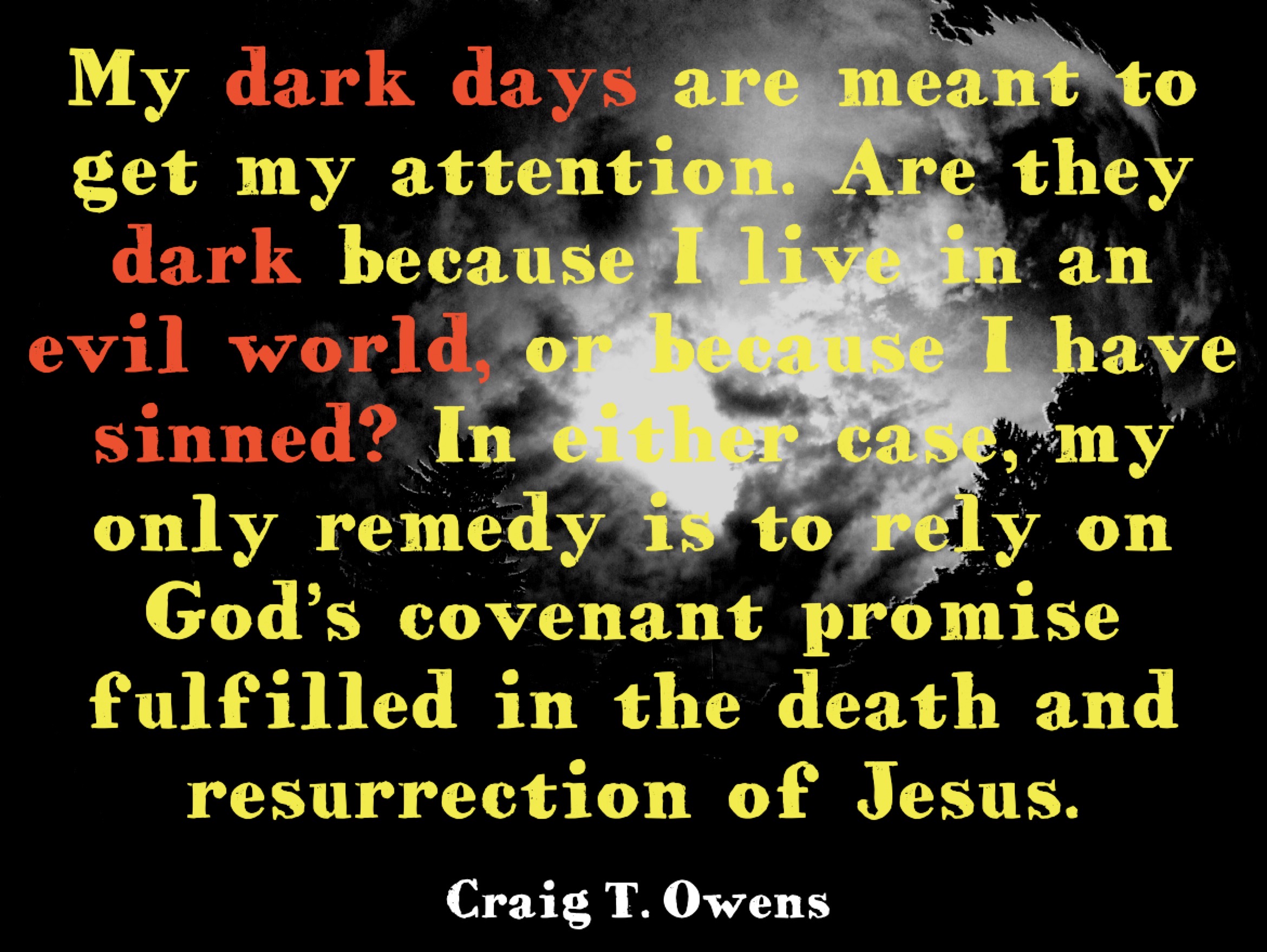
My dark days are meant to get my attention. Are they dark because I live in an evil world, or because I have sinned? In either case, my only remedy is to rely on God’s covenant promise fulfilled in the death and resurrection of Jesus.
Listen to the podcast of this post by clicking on the player below, and you can also subscribe on Apple, Spotify, or Audible.
A father came home from work and noticed a note addressed to him taped to his teenage son’s door:
Dear Dad,
Jason and I borrowed Mom’s car to go to Taco Bell. I know I didn’t have permission, but I thought we’d be back before you and Mom got home. Unfortunately, I hit a pothole and blew out the front right tire.
We jacked up the car to put on a spare tire, but the jack slipped and the car rolled backward into the ditch.
Bill came with his pickup to pull us out, but the tow strap pulled off the front bumper and the car rolled further down the hill and sunk in the pond.
I bought a bus ticket to get out of town and go enlist in the Army. Give Mom a hug and I’ll see you both in about 2 years.
Love, your son
P.S. None of the above is true. Mom took her car to Aunt Jan’s house and I rode my bike to Jason’s house. However, I hope the fact that none of these bad things actually happened will help you put in perspective the D+ on my report card.
We like to manage expectations, don’t we? We frequently deliver bad news with the good news close by.
Psalms 88 and 89 are written by brothers: both of them are called Ezrahite, and both of them were worship leaders in the tabernacle. And until Solomon, these guys were considered the wisest in the land (1 Chronicles 2:6; 15:19; 1 Kings 4:29-34).
I believe these two psalms form a couplet. They make up the last two psalms of Book III in the Psalter, with Psalm 89 ending with, “Amen and Amen.” Both of them label their psalms a maskil which means “a poem of contemplation” (NKJV). And look how Psalm 88 leaves us in the dark, while Psalm 89 shines a light in the dark.
In Psalm 88, Heman soberly prepares us for his two-Selah psalm in his introductory remarks. He uses a phase mahalathleannoth which means someone who is so physically weak from emotional grief that they are now battling depression. The NLT calls it “the suffering of affliction.”
Heman is describing a reality: We will all experience pain in this life. Maybe even for our entire earthly life—from my youth I have been afflicted and close to death (v. 15). Heman’s reality is seen in his words in the first five verses of this psalm.
His first Selah is breathtaking because he wants us to pause to realize that God has allowed all of this (notice the pronoun You in vv. 6-8, 16-18). But still, Heman knows God saves because he has made a decision to continue to praise Him even in the dark times (vv. 1-2, 9, 13).
Heman’s second Selah comes in the middle of a series of five questions (vv. 10-14) that sound a lot like both questions Jesus asked in Gethsemane and from the Cross, and the reality of the temporary darkness He was facing (Psalm 22:1-2; Luke 22:53; John 19:11).
Even the way Heman closes his psalm foreshadows the darkness surrounding the death of Jesus: “My God, My God, why have You forsaken Me?”
Psalm 88 shows us the reality of temporary darkness (like Good Friday), but Psalm 89 points us to the certainty of eternal light (like Resurrection Sunday)!
So when you are battling your dark times, let me give you these assurances:
Listen to the podcast of this post by clicking on the player below, and you can also subscribe on Apple, Spotify, or Audible.
God had a rather simple message for Ezekiel, “The word of the Lord came to me: ‘Son of man, speak to your people’” (Ezekiel 33:1–2).
I find that pronoun “your“ intriguing because you would think that God would say, “My people.” They are indeed God’s people, but God had set Ezekiel apart as His watchman (vv. 7–20), so Ezekiel had to take personal responsibility for the people. They were to be treated and spoken to as though they were indeed his people.
This idea of responsibility gets a little tricky for some leaders because, with the responsibility to their people, they usually feel they are accountable to their people as well.
But in the next few verses, God makes it clear that Ezekiel must be accountable to God alone.
Responsible to his people. Accountable to his God.
When we start feeling we are accountable to people, we can get distracted, discouraged, or derailed by their unpleasant responses.
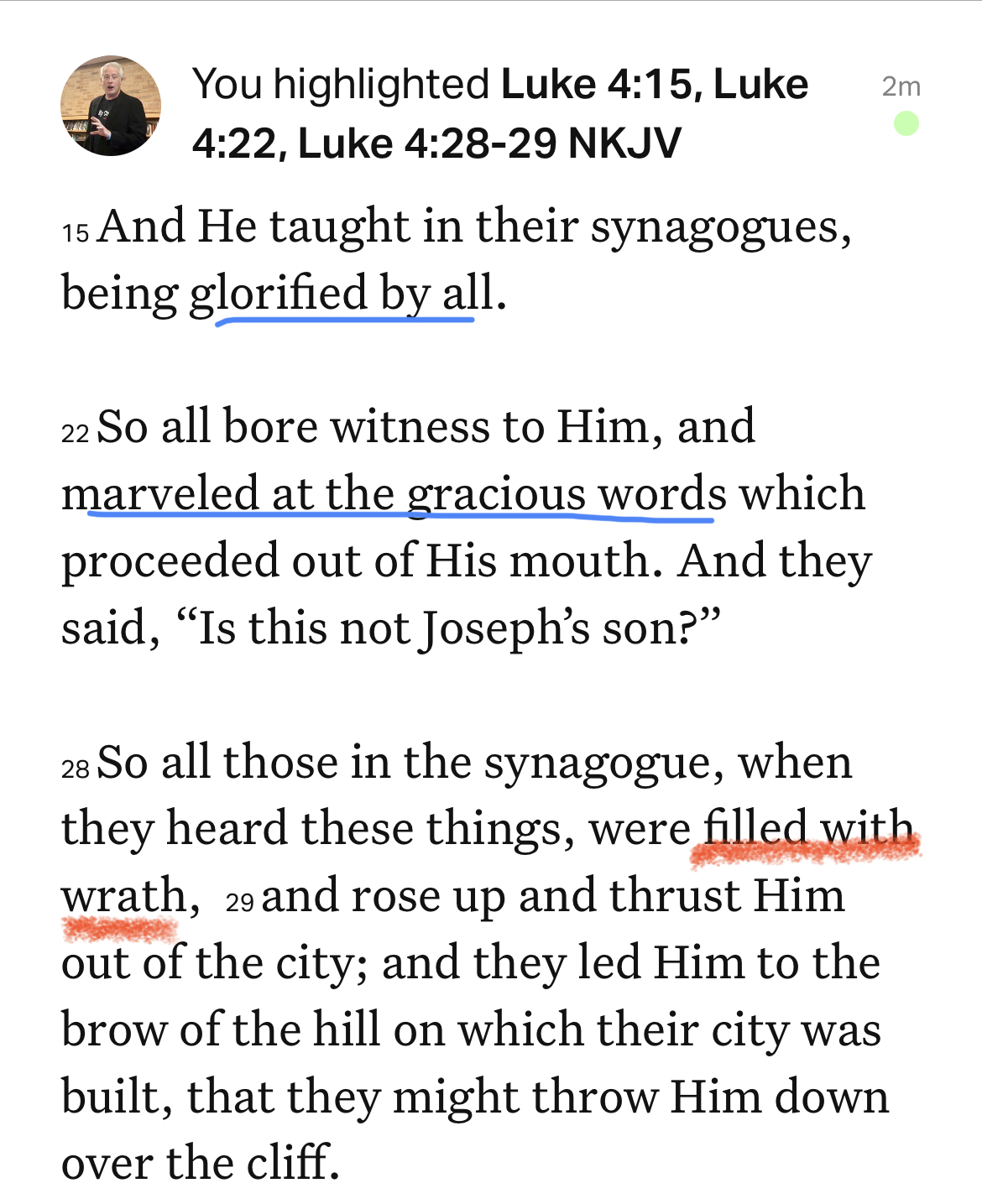
Notice that when Jesus spoke pleasing words to people, everyone spoke well of Him. But when He pointed out to them the words of God they were ignoring, they were ready to kill Him.
People are fickle—they sing praises when they hear those words they like, and they are ready to attack the messenger when the words are upsetting.
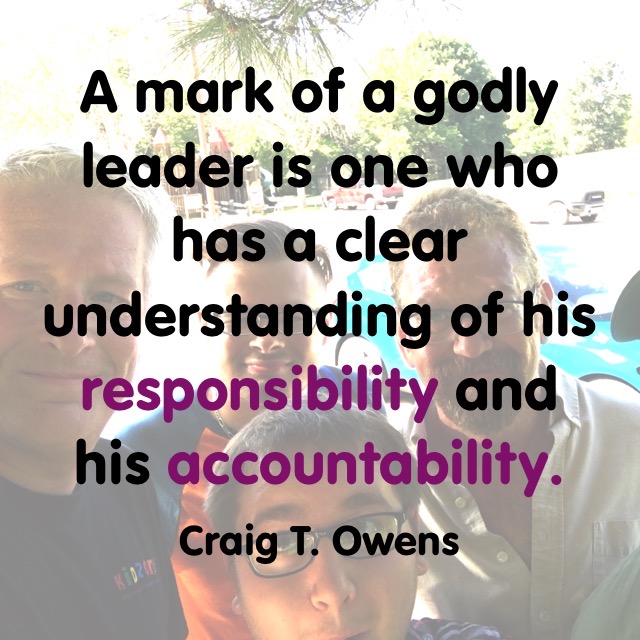
A mark of a godly leader is one who has a clear understanding of his responsibility and his accountability.
When you are God’s leader, He will entrust people to your care and He will entrust His message for those people to you. You are now responsible to deliver His message to your people. You are then accountable to God alone for delivering His message. Be responsible to people, accountable to God, and be careful not to mix the two.
This is part 66 in my series on godly leadership. You can check out all of my posts in this series by clicking here.
Listen to the podcast of this post by clicking on the player below, and you can also subscribe on Apple, Spotify, or Audible.
“When you become a leader, you lose the right to think about yourself.” —Gerald Brooks
Sadly, I encounter far too many “leaders” (at least they are leaders in title only) who think being a leader means they have more rights. It might be the right to a better parking place, or to be first in line, or to ignore some of the rules that others have to follow.
That certainly wasn’t the attitude of the apostle Paul in 1 Corinthians 9, a chapter which the NIV gives the heading ‘Paul Gives Up His Rights’:
Since we have planted spiritual seed among you, aren’t we entitled to a harvest of physical food and drink? If you support others who preach to you, shouldn’t we have an even greater right to be supported? But we have never used this right. We would rather put up with anything than be an obstacle to the Good News about Christ. (1 Corinthians 9:11-12 NLT)
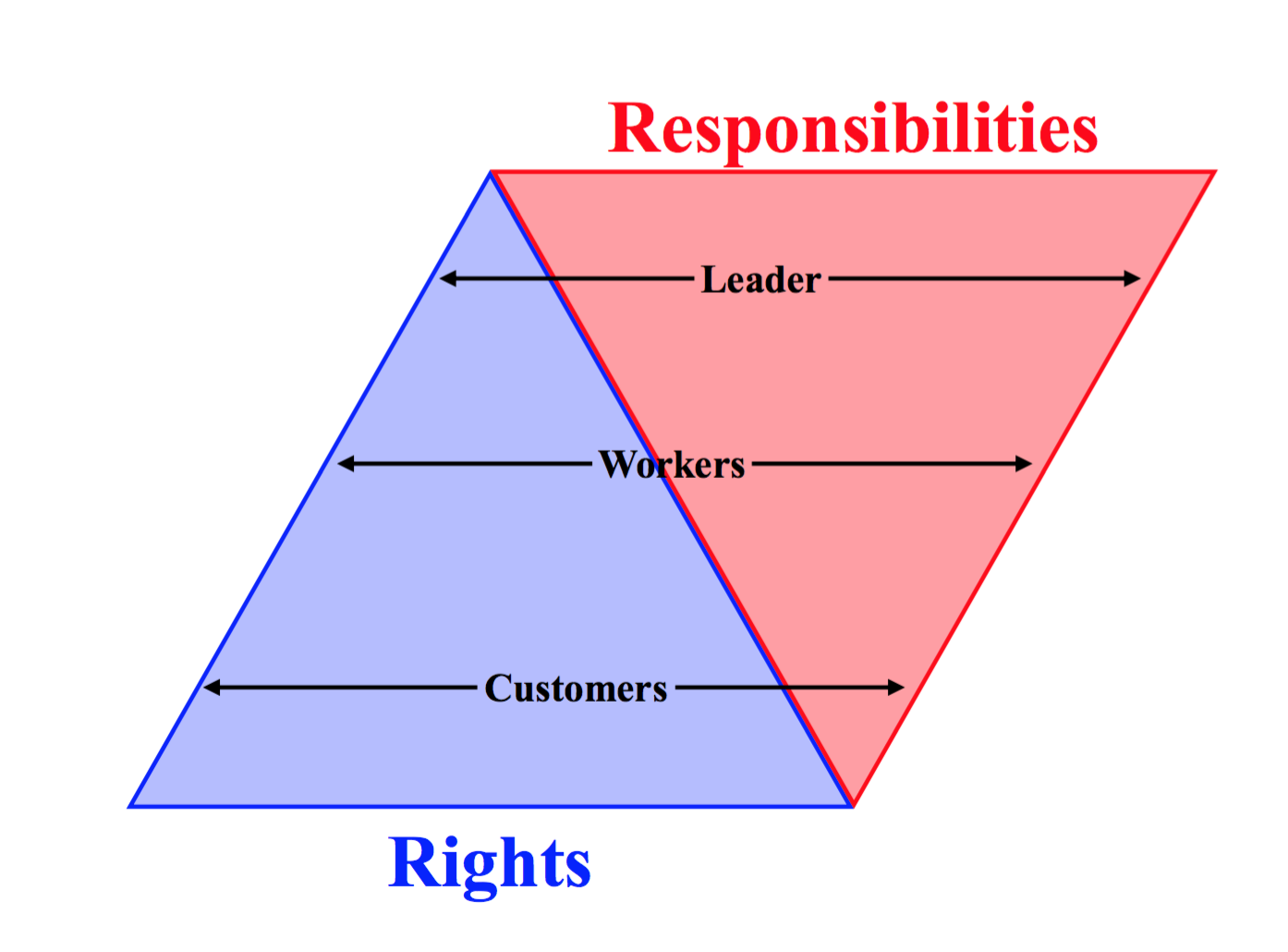
Paul said the natural thing was for those in leadership to feel entitled to certain rights, but the spiritual thing is to turn those rights into responsibilities toward the people around us.
Spiritual leadership is not about gaining more rights, it’s about fulfilling God-given responsibilities. In fact, the higher you progress in a leadership role, the fewer rights you have. Godly servant leaders gladly trade rights for responsibilities.
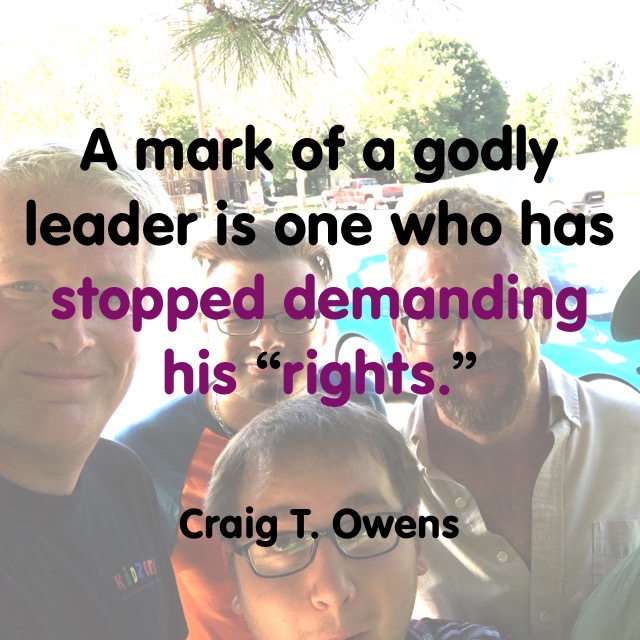
A mark of a godly leader is one who has stopped demanding his “rights.”
To trade our rights for responsibilities is a sacrifice. But I don’t mean a sacrifice that comes with a “Woe is me!” feeling. God will only ask us to sacrifice what is holding us back. God wants to use His leaders to minister to His people. He will not give us a larger position if we are only going to use that for our own benefit.
Consider the rights Jesus had because He was fully God. Yet He made the ultimate rights-for-responsibilities sacrifice by going to the Cross in our place. “The Son of Man did not come to be served, but to serve, and to give His life as a ransom for many” (Mark 10:45).
Leaders, I encourage you to ask the Holy Spirit to show you where you may be clinging to your rights, and how you can exchange those rights for responsibilities to the people God has placed under your care.
This is part 65 in my series on godly leadership. You can check out all of my posts in this series by clicking here.
Listen to the podcast of this post by clicking on the player below, and you can also subscribe on Apple, Spotify, or Audible.
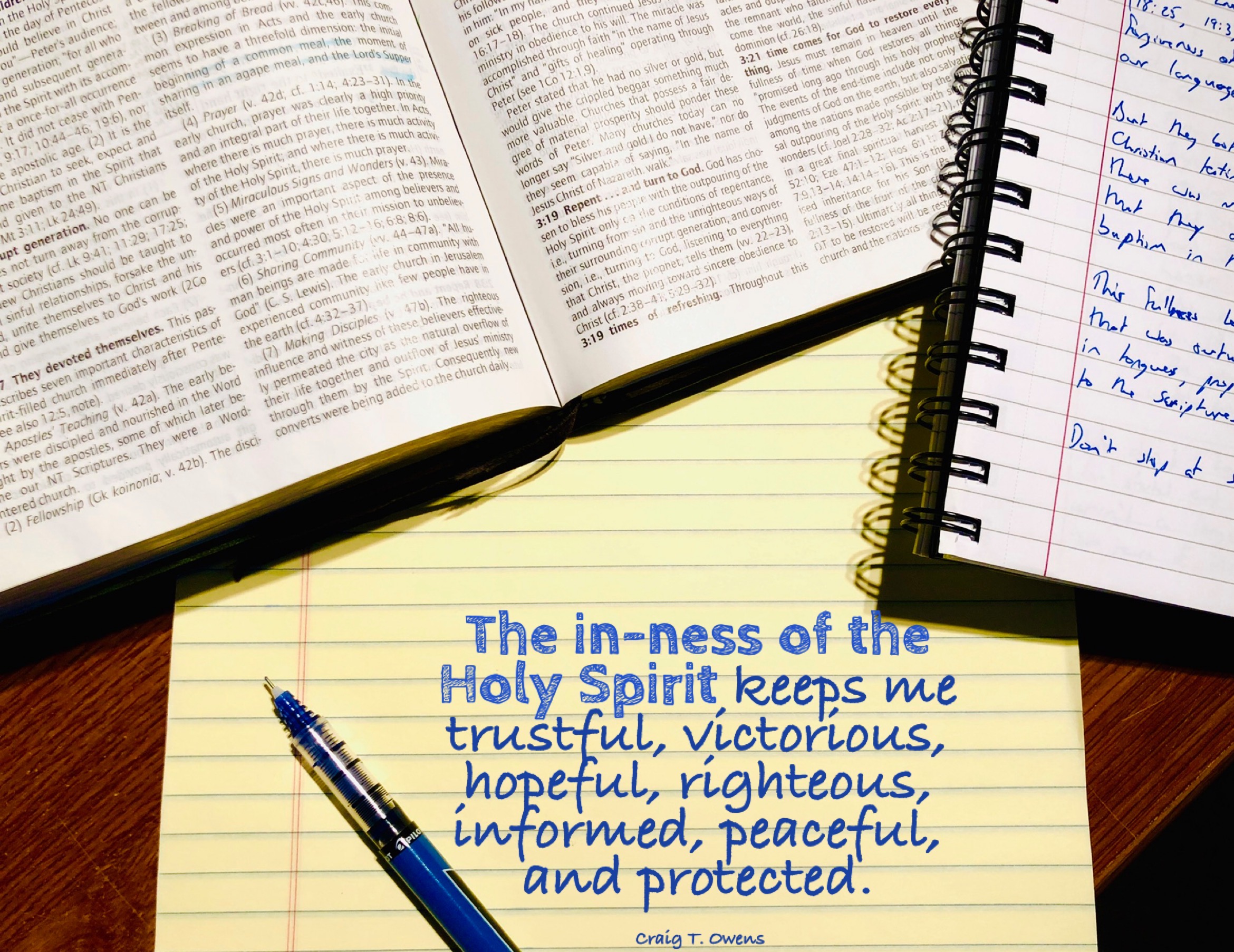
We said that when it comes to the Holy Spirit’s involvement in a Christian’s life: In > On. For instance, in our learning we don’t have to go to a tutor or attend classes only at set times, but we have The Tutor IN us. Or when need wisdom for decisions we don’t have to seek out the right advisors and try to coordinate their schedule with ours, but we have The Counselor IN us.
Let me point out the in-ness that permeates this 25th Psalm and then show you its fulfillment when the Holy Spirit comes to baptize believers in the New Testament.
(1) “IN You I trust” (v. 2). Not in human abilities or personal pedigree or earthly riches, but IN the in-ness of the Holy Spirit. Jesus said, “He who believes IN Me—who cleaves to and trusts IN and relies on Me—as the Scripture has said, ‘From his INNERmost being shall flow continuously springs and rivers of living water.’ But He was speaking here of the Spirit, Whom those who believed (trusted, had faith) IN Him were afterward to receive…” (John 7:38-39 AMP).
(2) “my hope is IN You” (vv. 3, 5, 21). A natural fruit of trusting IN the Holy Spirit’s empowerment is the hope that only that relationship brings. Paul talks abut this twice in his letter to the Romans. First, even in the midst of trials, Paul says we have this hope: “And hope does not put us to shame, because God’s love has been poured out INto our hearts through the Holy Spirit, who has been given to us” (Romans 5:5). And then Paul prays for his friends to experience this same in-ness of hope: “May the God of hope fill you with all joy and peace as you trust IN Him, so that you may overflow with hope by the power of the Holy Spirit” (Romans 15:13).
(3) “guide me IN Your truth … guide me IN what is right” (v. 5, 9). Jesus identified the Holy Spirit as the Spirit of Truth Who guides us INto truth (John 14:17, 16:13). This is how Jesus lived (Matthew 4:1) and it’s how we can live too: “But I say, walk and live habitually IN the Holy Spirit—responsive to and controlled and guided by the Spirit—then you will certainly not gratify the cravings and desires of the flesh…” (Galatians 5:16 AMP).
(4) “He instructs sinners IN His ways” (v. 8, 12). The Hebrew word David uses for “teach” in vv. 4, 5, 9 is “lamad.” It means being taught in a way that equips us to teach others. Jesus “gave instructions through the Spirit” to His disciples, and then He commanded them to teach others the same way (Acts 1:2; Matthew 28:20). The Spirit of Truth that inspired the Word of God can illuminate it to our hearts as He instructs us (see 2 Timothy 3:16-17).
(5) “the Lord confides IN those who fear Him” (v. 14). The KJV says, “The secret of the Lord is with those who fear Him.” Isaiah said, “Whether you turn to the right or to the left, your ears will hear a voice behind you, saying, ‘This is the way; walk in it’” (Isaiah 30:21). And Jesus said that every word He spoke was directed by the Holy Spirit IN Him (John 12:49).
(6) “I take refuge IN You”(v. 20). We can take refuge IN the One whom we trust and hope, the One who leads us INto truth and instructs us, the One who confides IN us. This in-ness helps us thwart the enemy’s attacks against us. As John wrote, “But you belong to God, my dear children. You have already won a victory over those people, because the Spirit who lives IN you is greater than the spirit who lives in the world” (1 John 4:4 NLT).
Don’t stop at salvation, but allow the Holy Spirit to baptize you and fill you. Don’t be satisfied with merely experiencing God’s presence ON you, but let His Spirit come IN you.
This in-ness keeps us trustful of God, victorious over the devil, hopeful of our future, righteous in a wicked world, informed of God’s ways, peaceful in trials, and fully protected from the enemy of our souls.
This is a weekly series with things I’m reading and pondering from Charles Spurgeon. You can read the original seed thought here, or type “Thursdays With Spurgeon” in the search box to read more entries.
Listen to the podcast of this post by clicking on the player below, and you can also subscribe on Apple, Spotify, or Audible.
The Final, Authoritative Word
…For the mouth of the Lord has spoken (Isaiah 1:20).
It would not be worth our while to speak what Isaiah had spoken if in it there was nothing more than Isaiah’s thought—neither should we care to meditate hour after hour upon the writings of Paul, if there was nothing more than Paul in them. …
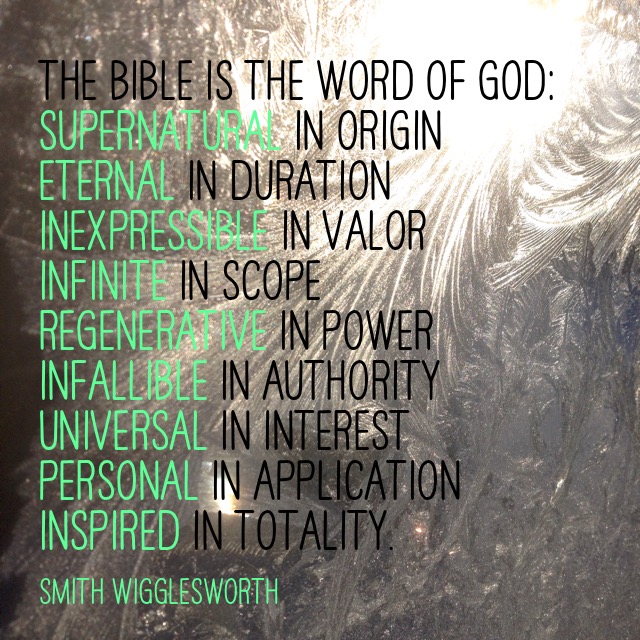
It is not mine to amend or adapt the gospel. What? Shall we attempt to improve upon what God has revealed? The Infinitely Wise to be corrected by creatures of a day? Is the infallible revelation of the infallible Jehovah to be shaped, moderated, and toned down to the fashions and fancies of the hour? God forgive us if we have ever altered His Word unwittingly. …
One Word of God is worth more than libraries of human lore. ‘It is written’ is the great gun which silences all the batteries of man’s thought.
From The Infallibility Of Scripture
As Solomon neared the end of his writings in the Book of Ecclesiastes, he made this observation, “Of making many books there is no end, and much study wearies the body” (12:12). How true that is. Have you walked through a bookstore lately?! There is no end to the opinions that people want to share with you.
But there is one thing that all of the books in all of the bookstores and all of the libraries have in common: not one of them is given to us by “the mouth of the Lord.”
There are certainly many, many books that are saturated in Scripture, but they are still the opinions of man. We need to make sure that everything we read, or every wise person that we listen to, or even every conversation that we have with ourselves are all proven to be true or false based on what God has spoken.
Jesus told us that the Holy Spirit would remind us of everything God’s mouth had spoken to us (John 14:26), and that He would guide us into all truth (John 16:13).
Listen to the podcast of this post by clicking on the player below, and you can also subscribe on Apple, Spotify, or Audible.
The Book of Hosea is a love story. It’s a real story telling a much grander story.
The real story is between a man named Hosea and his wife Gomer. Sometime after their marriage, Gomer became unfaithful to Hosea and became entrapped to someone like a pimp, because it required a rather large payment from Hosea to redeem her. Gomer was restored to Hosea and they lived together faithfully from that point on.
The grander story is the relationship between God and His people. God’s faithful love redeemed us, but our sin is like that of a cheating wife who has abandoned her husband for another lover.
God’s love sounds like this:
“Let My tender words woo you back to Me” (2:14)
“I will betroth you to Me forever” (2:19)
“My compassion is aroused toward you” (11:8)
“I will not carry out my fierce anger against your sin” (11:9)
“I will care for you in the wilderness” (13:5)
“I will feed you until you are satisfied” (13:6)
But God’s love also sounds like:
“I will block your path with thornbushes” (2:5)
“I will ignore you” (4:6)
“I will hide Myself from you” (5:6)
“My sword will flash in your cities” (11:6)
“I will terrify you like a roaring lion” (11:10)
“I will attack you like a mother bear robbed of her cubs” (13:8)
God loves us too much—His Son paid too high of a price for us—for Him to let us head down a path that leads to eternal destruction. Listen to how the prophet Isaiah says this:
In all their distress He too was distressed, and the angel of His presence saved them.In His love and mercy He redeemed them; He lifted them up and carried them all the days of old. Yet they rebelled and grieved His Holy Spirit. So He turned and became their enemy and He Himself fought against them. (Isaiah 63:9-10)
We need both the comfort and the terror of God’s love.
We need Him to roar His lion’s roar and flash His terrible sword when we are on the path of destruction so that we can return to the path of life and experience His tender voice and bountiful provision.
When we pray for our wayward loved ones, pray for both God’s sword and His loving words. He knows best which to use. And for ourselves, when we are stricken with fear, use that as an opportunity to ask why we have heard God’s roar or seen His sword flash. Then, if needed, repent and return to His tender embrace.
God’s love speaks tenderly and roars ferociously because He loves you so very much!



 I had a great time on the Thriving In Ministry podcast with Kyle Willis while his podcast partner Dace Clifton was on sabbatical.