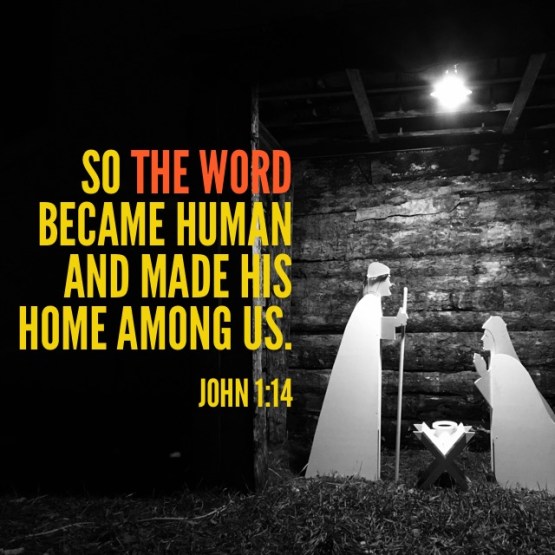
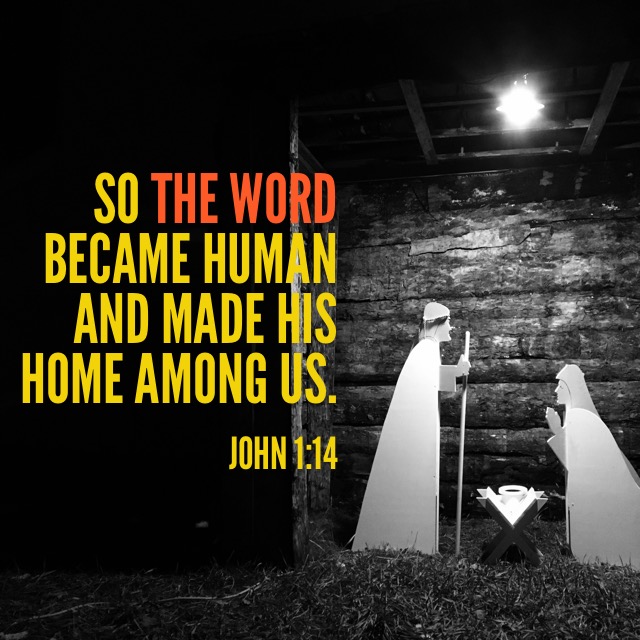
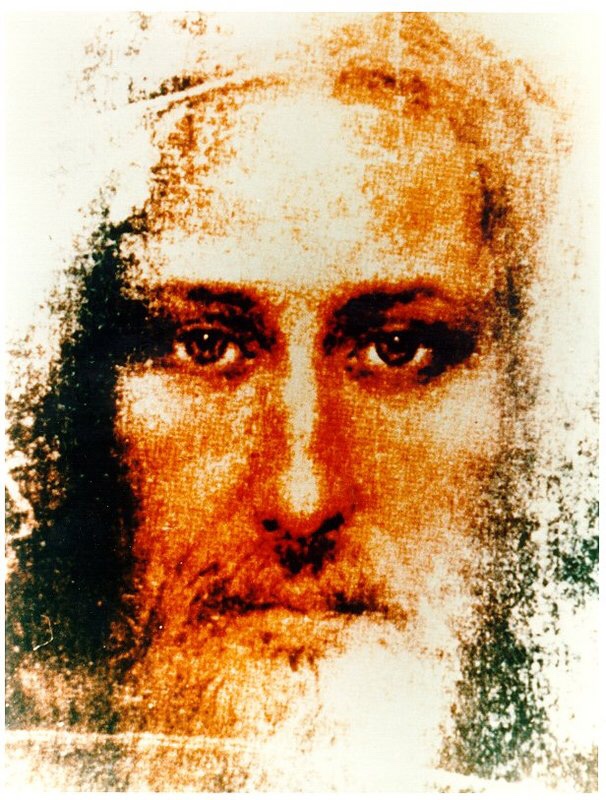
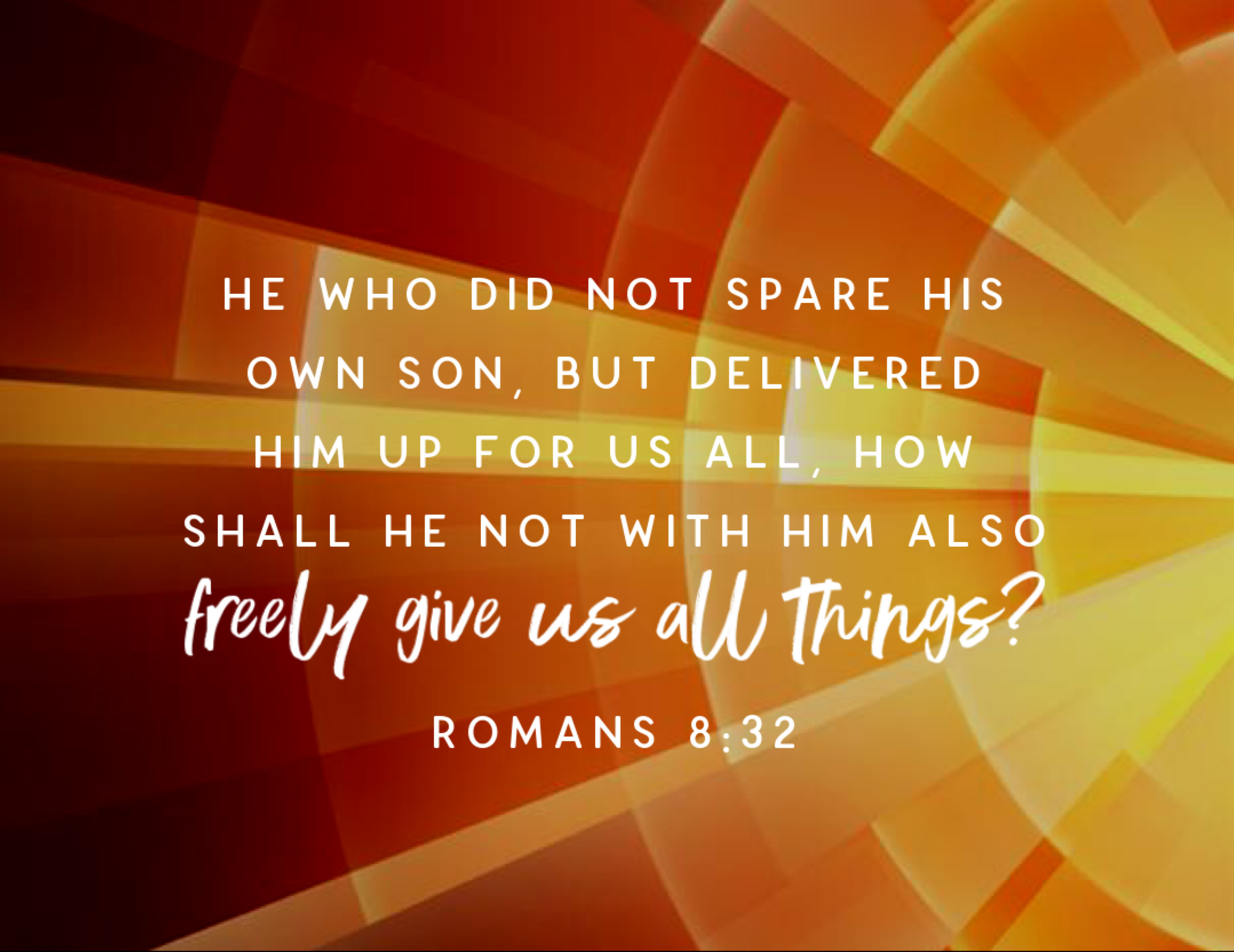
For me He left His home on high;
This is a weekly series with things I’m reading and pondering from Charles Spurgeon. You can read the original seed thought here, or type “Thursdays With Spurgeon” in the search box to read more entries.
Christ Came On Purpose
This heavenly knowledge is not given to us for its own sake alone. Even the high and blessed revelation of the righteous Father is not made to us that we may know it and end in knowing. Our Lord says, “I have declared to them Your name, and will declare it, that the love with which You have loved Me may be in them, and I in them” [John 17:24-26]. The objective of the knowledge bestowed upon us is the infusion of a love unrivaled in value and extraordinary to the last degree! …
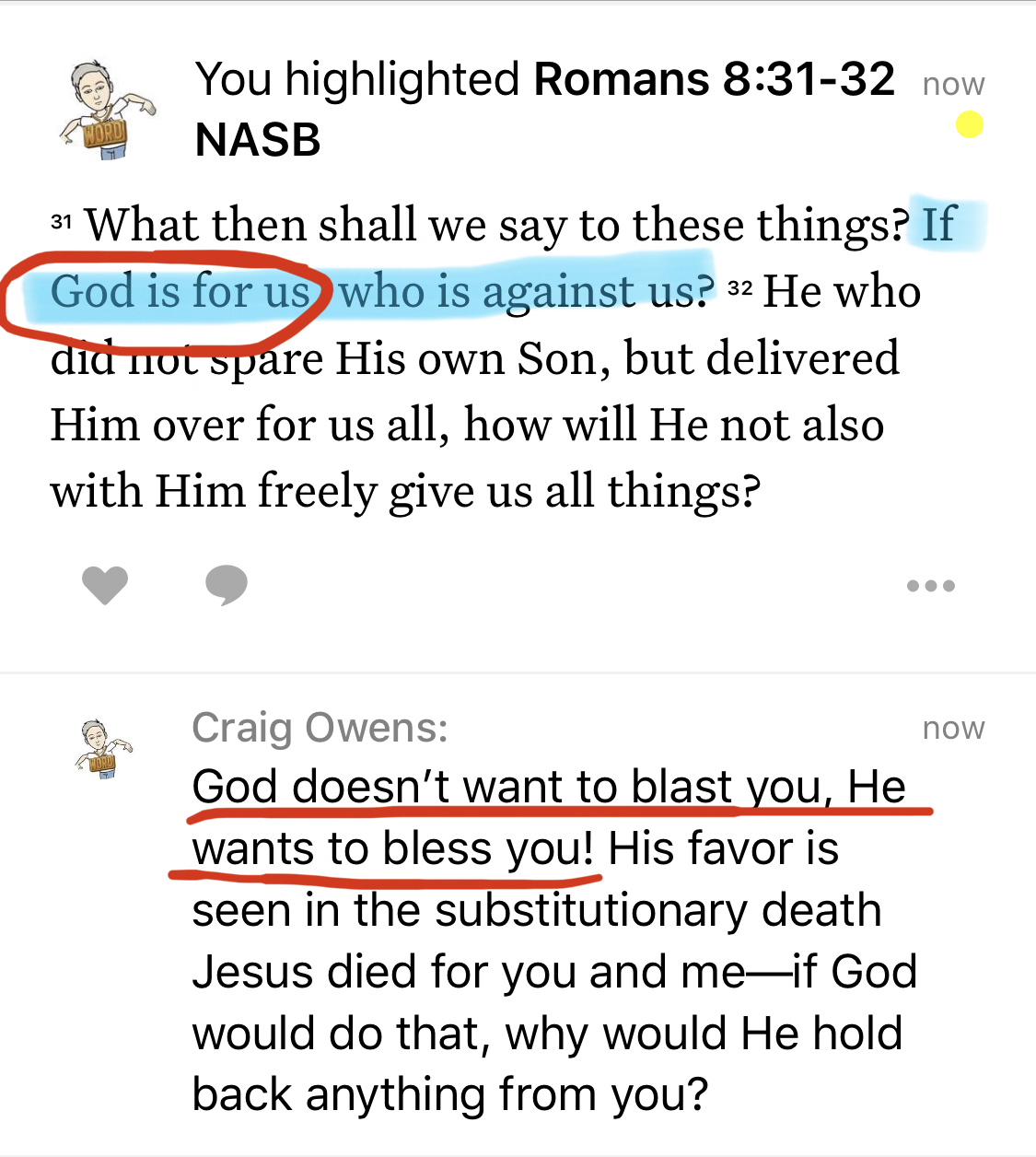
Therefore does Christ declare the blessed name of the righteous Father, in order that it may come home to you with an unconquerable power that the Father loves you and loves you beyond conception, seeing that not even His dear Son was so loved as to be spared, but He must die that you might live and that the justice of God might be satisfied on your account! …
Christ has come on purpose to declare the name of God that the love of God may be perceived by us, its power felt, its glory recognized, its greatness wondered that, its infinitude delighted in. …
Now, if you fully know the righteous fatherhood of God, as Christ would have you know it, you will learn that God loved you as He loved His Son. … If He had not loved you as He loved His Son, He would have said to His Son, “Son, you will never leave heaven for that polluted planet. You will never descend to poverty and suffering. You will never have Your hands and feet pierced. You will never be despised and spit upon and put to a cruel death.” But because He loved us as He loved His Son, He gave His Son! …
Do you try, if you can, to realize this high privilege. It is true, O believer, that God, the infinite Father, takes pleasure in you!
From The Righteous Father Known And Loved
THIS is what we celebrate in remembering Christ’s First Advent!
THIS is why forgiven sinners can eagerly long for Christ’s Second Advent!
This is a weekly series with things I’m reading and pondering from Charles Spurgeon. You can read the original seed thought here, or type “Thursdays With Spurgeon” in the search box to read more entries.
The Depths Of God’s Love For Us
I have made You known to them, and will continue to make You known in order that the love You have for Me may be in them and that I Myself may be in them. (John 17:26)
Is He not Himself very God of very God? … He declared the righteous Father in His life, for in His life He incarnated truth and grace. Jesus Christ on earth was without sin in thought, in word, and in deed. Point me to a sin He ever committed, inculcated, or excused. Righteousness was about Him as the atmosphere that He breathed. Well did the psalmist say of Him, “You love righteousness and hate wickedness” (Psalm 45:7). And yet what love there was in Him and pity for the wandering sheep! He mingled with sinners and yet was separate from sinners. He touched their diseases and healed them and yet was not defiled by their impurities. He took their infirmities upon Himself and yet in Him, personally, there was no trace of sin. Our Lord was so righteous that you perceived at once that He was not of this world—and yet He was so lovingly human that He was altogether a Man among men. …
He was man’s Brother and his physician, his Friend and his Savior! When you want to know the Father’s righteousness and love, read the history of Jesus Christ—no, know the Lord Jesus Himself and you know the Father! …
Beloved, when Jesus Christ died, there was a greater display of the righteousness and the fatherhood of God than could have been possible by any other means! Then the mystery was made plain and the depth opened up to its very bottom! O Lord our God, what an abyss of adorable goodness have You thus laid bare before us! …
And now, today, it is the business of our Lord to continue to reveal the righteous fatherhood of God, and He does so by the work of His Holy Spirit [John 14:26]. … That Spirit of God working on behalf of Christ is still declaring this among the nations! As the years roll on, He is opening the eyes of the blind and bringing His own chosen, one by one, to behold the glory of God in the face of Jesus Christ! And then they can say, “O righteous Father, I know You and rejoice in You.”
To each one of us who is saved, Jesus is declaring this righteous Father more and more.… I trust that every day we see a little more of the righteous fatherhood of God and will continue to do so, world without end!
From The Righteous Father Known And Loved
May we never, ever come to the end of learning about these depths of love that Jesus revealed in His life, death, and resurrection, and which the Holy Spirit is continuing to impart to us.
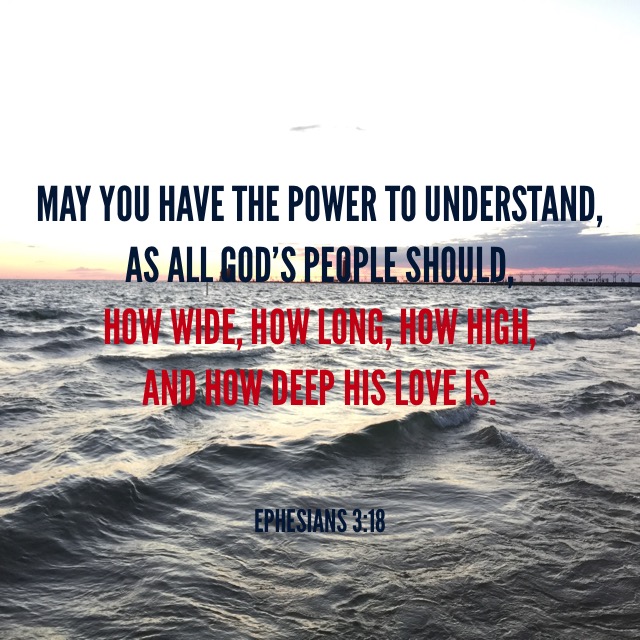
May we add our Amen to the apostle Paul’s prayer: I keep asking that the God of our Lord Jesus Christ, the glorious Father, may give you the Spirit of wisdom and revelation, so that you may know Him better. … I pray that out of His glorious riches He may strengthen you with power through His Spirit in your inner being, so that Christ may dwell in your hearts through faith. And I pray that you, being rooted and established in love, may have power, together with all the Lord’s holy people, to grasp how wide and long and high and deep is the love of Christ, and to know this love that surpasses knowledge—that you may be filled to the measure of all the fullness of God. (Ephesians 1:17; 3:16-19)
Some things are fascinating by what isn’t said. For instance, in the Christmas carol It Came Upon A Midnight Clear there is something conspicuously missing.
One thing that isn’t missing is singing. Every one of the stanzas ends with a phrase about the angels singing. But can you spot what IS missing? I didn’t see it at first until I read this quote from respected music professor Dr. C. Michael Hawn: “This may be the only commonly sung Christmas carol in our hymnals that does not mention the birth of Christ!”
This carol just sort of assumes that we know why the angels are singing. But do we know?
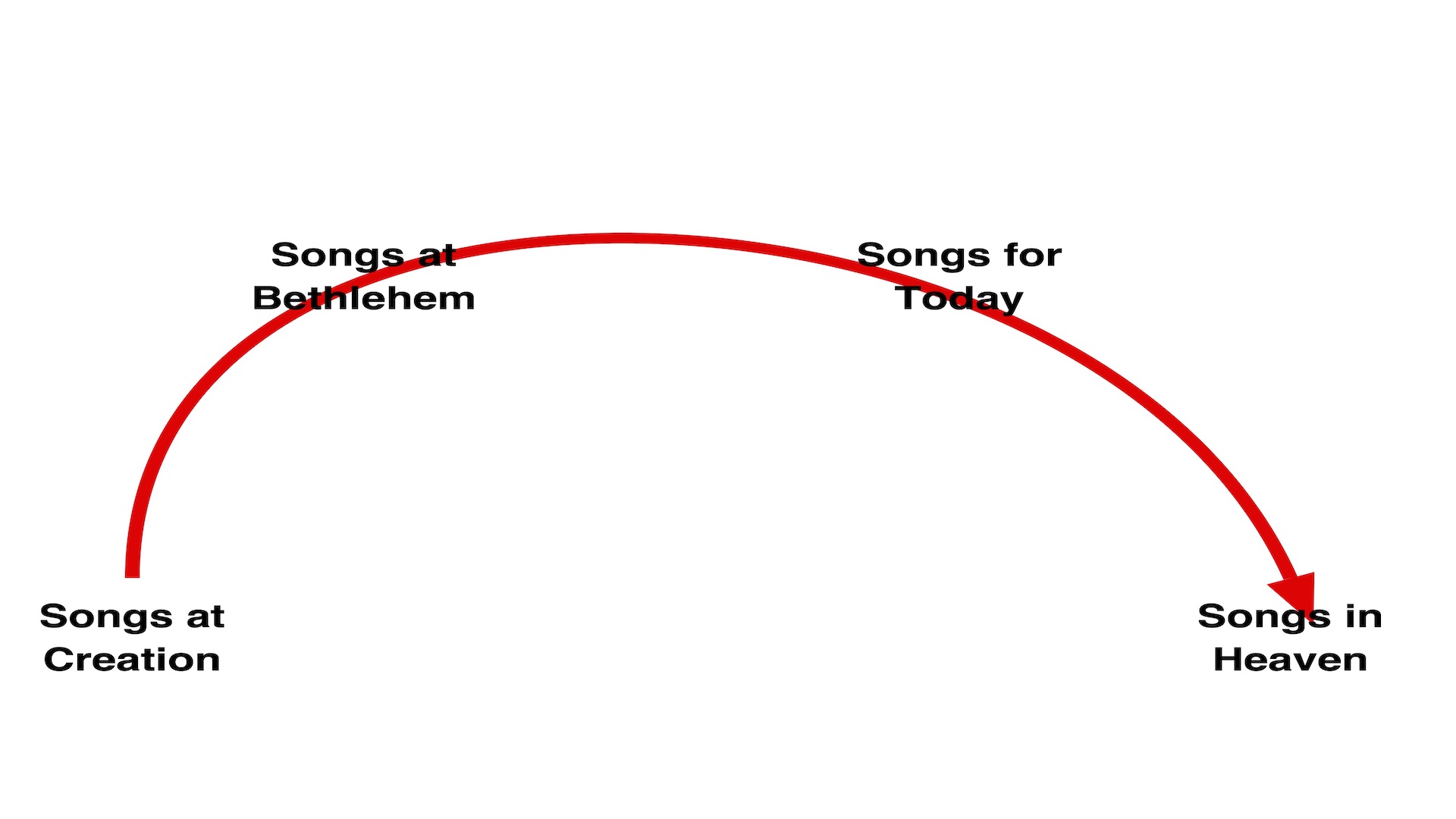
The Bible tells us that the angels were singing at Creation and that they are still singing in Heaven for all of eternity (Job 38:4-7; Revelation 5:9-13; 7:9-12; 15:2-4). Then we have this glimpse of the angels singing when Jesus was incarnated as a human baby in Bethlehem (Luke 2:14). Where did they get their song and their inspiration to sing it?
Their song comes from the Choir Leader who is the King of kings. Jesus is singing in Heaven, before the throne of His Father, about the salvation that He brought to mankind through His incarnation, sinless life, death on Calvary, and resurrection from the grave (see Hebrews 2:9-12).
The song that Jesus sings tells the story of how He came to earth just like us—made a little lower than the angels—so that He might taste sin and death and conquer them for us. Now as our victorious Savior, He is not ashamed to call those who put their faith in Him His brothers and sisters.
Now perhaps you see why angels are also singing all the time!
Even today there is a lot of singing around the Christmas season, but there is something missing in most of the songs: a focus on what Christmas really means. The world’s songs are about trees, and gifts, and Santa, and falling in love, but it’s a song that is out of tune with the angelic song.
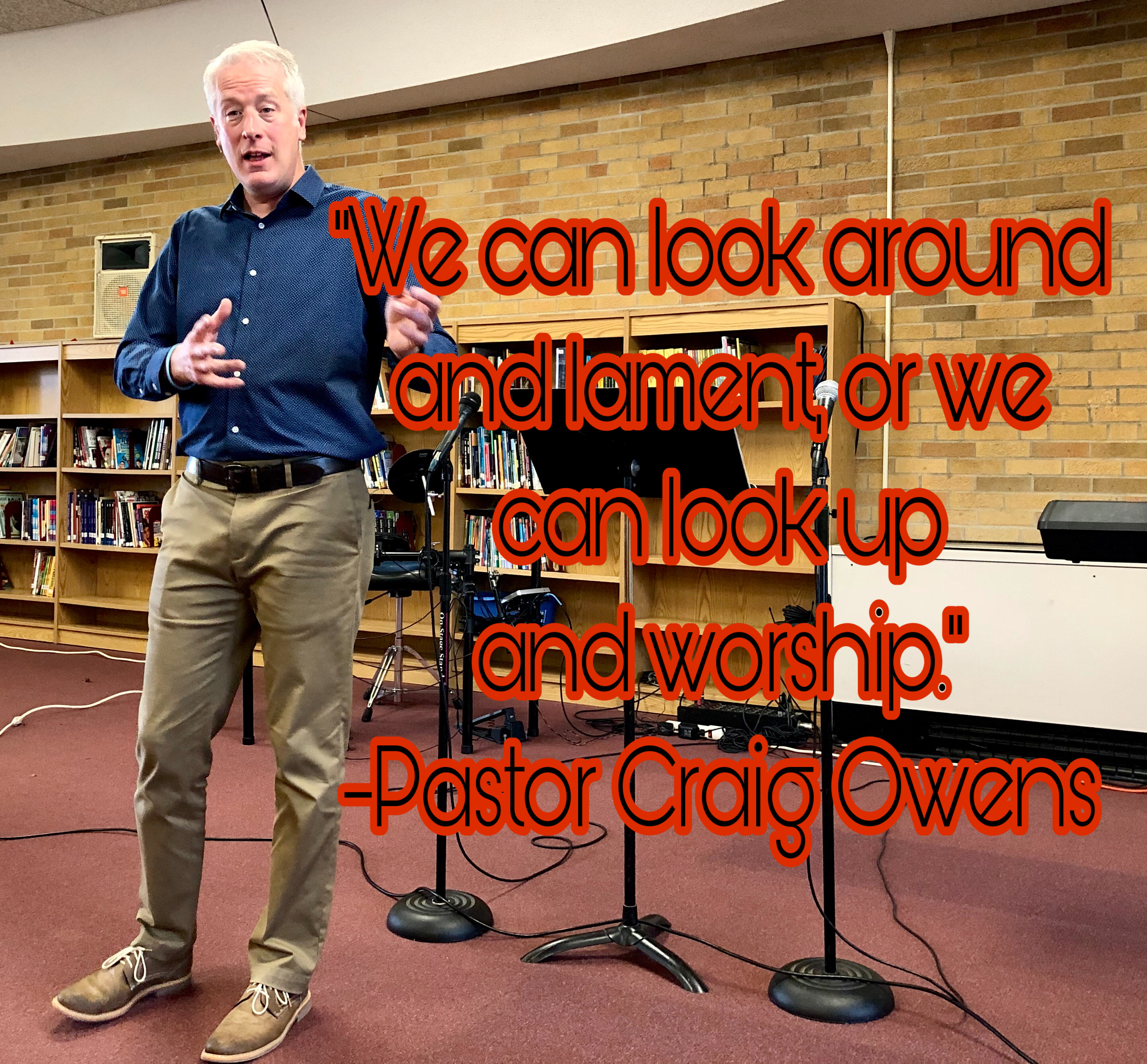
As Christians, we have a choice we can look around at this out-of-tune singing and lament what’s happening in our world, we can join in these meaningless songs, or we can look up at our Savior and sing the song He is singing.
Christian, will you join with the angelic choir to let the world hear the unmistakable love song that Jesus is still singing today?
If you’ve missed any of the message in this series, you can check them out by clicking here.
In Psalm 50, we read the first-of-twelve psalms written by King David’s handpicked worship leader, a man named Asaph. On the day that Asaph first took up his position as worship leader, David gave him a special song, which definitely influenced Asaph’s songwriting.
Psalm 50 has a pretty easy outline: an introduction in the first six verses, followed by 17 verses of God speaking to His people—speaking to you and me! In between the introduction and God’s speaking is the word selah.
Selah means a time for us to pause and carefully consider. So Asaph is essentially saying, “God is getting ready to speak with us, so we need to selah—pause from what we are doing so that we can pay careful attention to His words!”
Asaph sets the stage in the first verse, telling us that the Mighty One, God, the Lord speaks. The words that are about to be spoken come from THE I AM—the All-Sufficient One, the Omnipotent, the All-Knowing, All-Powerful Ruler of the Universe. Asaph also reminds us that He is coming as THE Judge.
When you hear that THE All-Powerful, All-Knowing One is THE Judge that has summoned you into His courtroom, it’s quite likely that your heart would skip a beat. Especially when God lists some of the sins you and I are guilty of breaking in verses 16-20.
It’s also possible that the news that you have to appear before THE Judge could cause you to rejoice. What? How can we rejoice at that?! David taught Asaph this concept in the song he gave him: God’s people should rejoice over God’s judgments.
You see, in Psalm 50 God says, “I do not rebuke you for your sacrifices, or for all your attempts to follow the rules.” It’s not in the practices of the law that we find salvation.
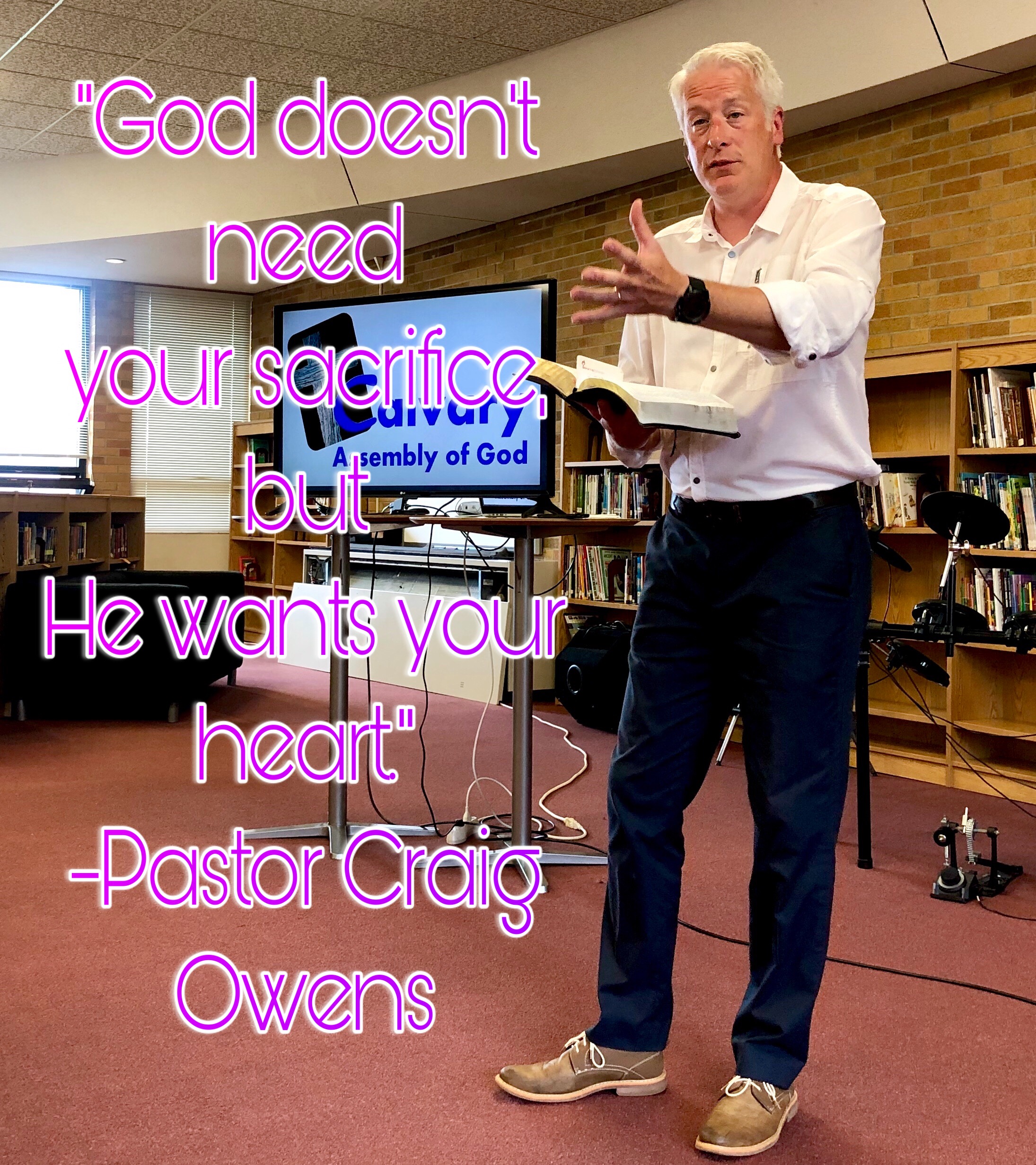
God doesn’t need our sacrifices, but He wants our hearts.
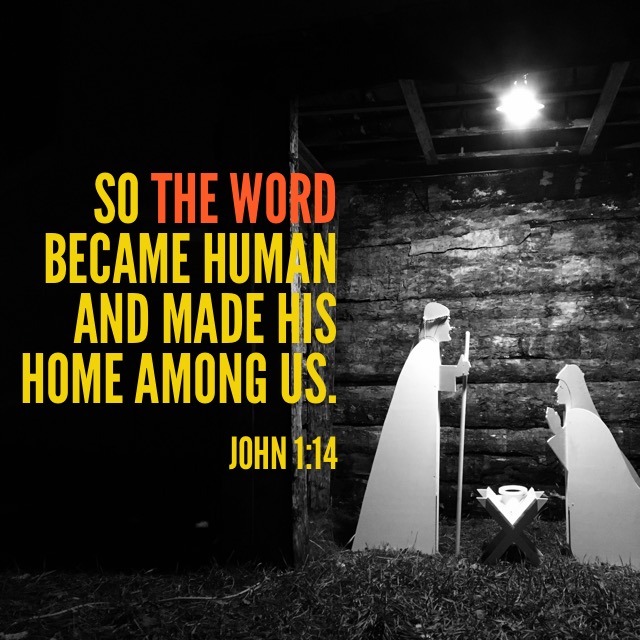
In order to win our hearts for Himself, THE Judge did something absolutely mind-blowing—THE I AM became flesh like us. And then He became the once-for-all sacrifice for our sins, paying our penalty Himself when He died on the Cross (see Hebrews 2:14-17; 7:17-27).
This is why we can rejoice when we hear we have to stand before THE Judge. When you have placed your faith in what Jesus did for you on the Cross, when THE Judge opens His perfect record book to your page He will read this inscription written in the crimson red blood of Jesus: PAID IN FULL!
This is why we can rejoice at the thought of seeing THE Judge face to face!
Join me next Sunday as we wrap up this summer looking at the Selahs in the Psalms. We plan to restart this series next summer, unless the Judge calls us home before then!
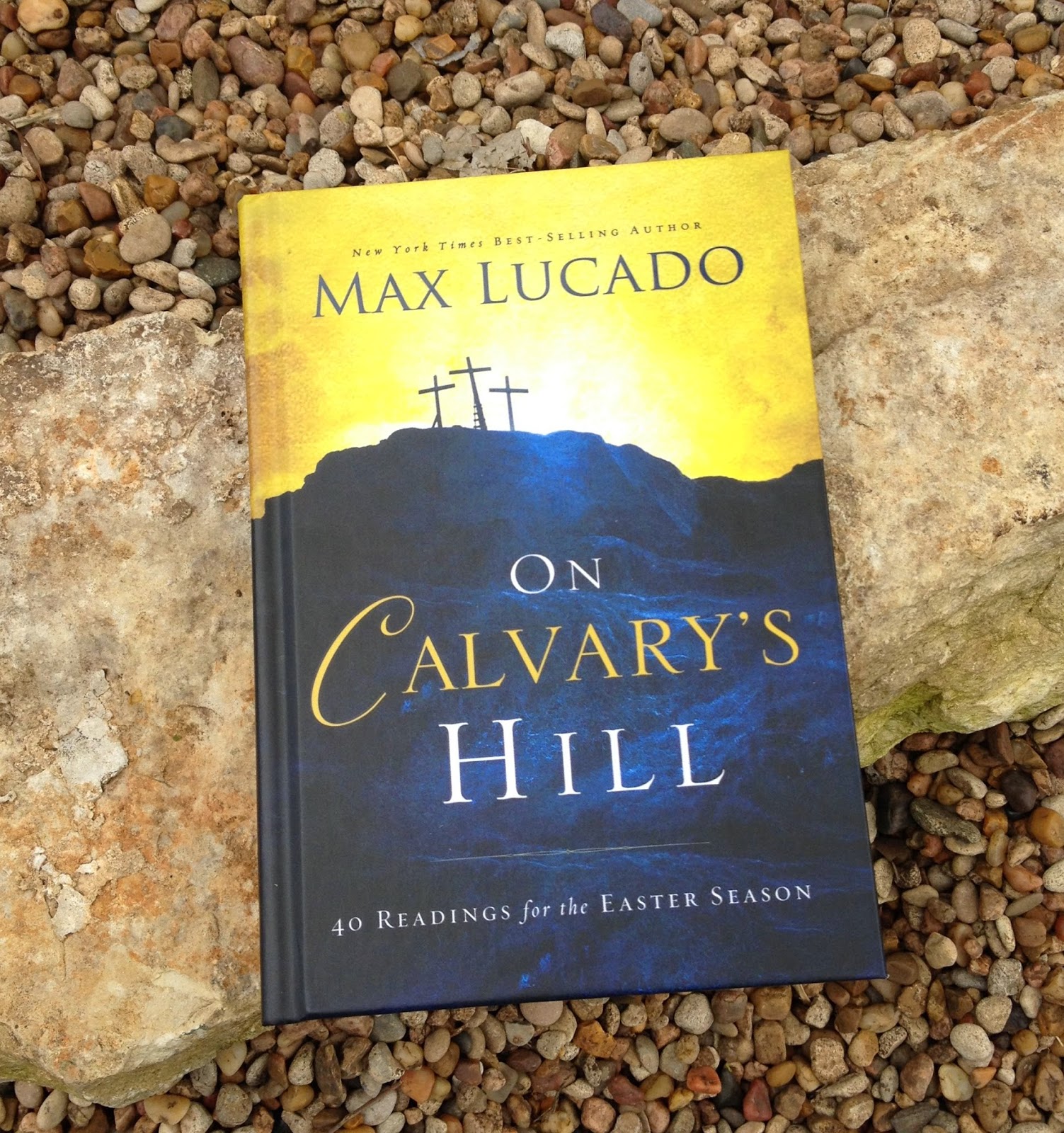
“Want to know the coolest thing about the Incarnation? Not that the One who played marbles with the stars gave it up to play marbles with marbles. Or that the One who hung the galaxies gave it up to hang doorjambs to the displeasure of a cranky client who wanted everything yesterday but couldn’t pay for anything until tomorrow. Not that He, in an instant, went from needing nothing to needing air, food, a tub of hot water and salts for His tired feet, and, more than anything, needing somebody—anybody—who was more concerned about where He would spend eternity than where He would spend Friday’s paycheck. Or that He resisted the urge to fry the two-bit, self-appointed hall monitors of holiness who dared suggest that He was doing the work of the devil. Not that He kept His cool while the dozen best friends He ever had felt the heat and got out of the kitchen. Or that He gave no command to the angels who begged, ‘Just give the nod, Lord. One word and these demons will be deviled eggs.’ Not that He refused to defend Himself when blamed for every sin of every slut and sailor since Adam. Or that He stood silent as a million guilty verdicts echoed in the tribunal of heaven and the Giver of light was left in the chill of a sinner’s night. Not even that after three days in a dark hole He stepped into the Easter sunrise with a smile and a swagger and a question for lowly Lucifer—‘Is that your best punch?’ That was cool, incredibly cool. But the coolest thing about the One who gave up the crown of heaven for a crown of thorns: He did it for you. Just for you.” —Max Lucado, On Calvary’s Hill
Although written over 100 years ago, Workmen Of God is still a treasure-trove for anyone in pastoral ministry today. I have shared longer passages from this book in my weekly series called “Thursdays With Oswald,” but here are a few other gems from this book. You can read my full book review of Workmen Of God by clicking here.
“We must keep ourselves in touch, not with theories, but with people, and never get out of touch with human beings, if we are going to use the Word of God amongst them, and if the Holy Spirit is to apply the Word of God through us as workmen meeting not to be ashamed.”
“Men’s minds will always assent that Jesus Christ is right—why? Because Jesus Christ is Incarnate Reason. There is something in Jesus Christ that appeals to every man, no matter what condition he is in. If once Jesus Christ is brought into contact with the man, let that man seem to us dead and indifferent, destitute of anything like goodness—let him come in contact with Jesus Christ by the Holy Spirit, and you will instantly see that he can grasp something about Him in a way we cannot understand unless we know the Holy Spirit.”
“Unless your religion will go to the lowest and the worst and the most desperate case you know of, your religion is of no use.”
“Intercessory prayer for a backslider is a most instructive but most trying work for God, it will teach the worker that prayer is not only making petitions, but that prayer is breathing and atmosphere.”
“When the message you have to deliver, brother preacher, strikes straight home, don’t water it down just a little. Go straight for God if you come from Him. Neither for fear nor favor alter the message.”
“Love for men as men will never stand the strain. In order to catch men for the Lord Jesus Christ, you must love Jesus Christ absolutely, beyond all others. You must have a consuming passion of love, then He will flow through you in a passion of love and yearning and draw all men to Himself.”
“We need to live steadfastly in the presence of God so that when we are praised we don’t arouse the spirit of envy, the spirit that makes a man want to do something, not because he loves God, but because he wants to emulate us. … God grant we may see that the great need of every worker is a first-hand acquaintance with Jesus Christ which puts to death the spirit of ambition.”
“You cannot have holiness without a chaste physical life. Oh, the sapping power of God because of unchaste men and women who preached His Gospel.”