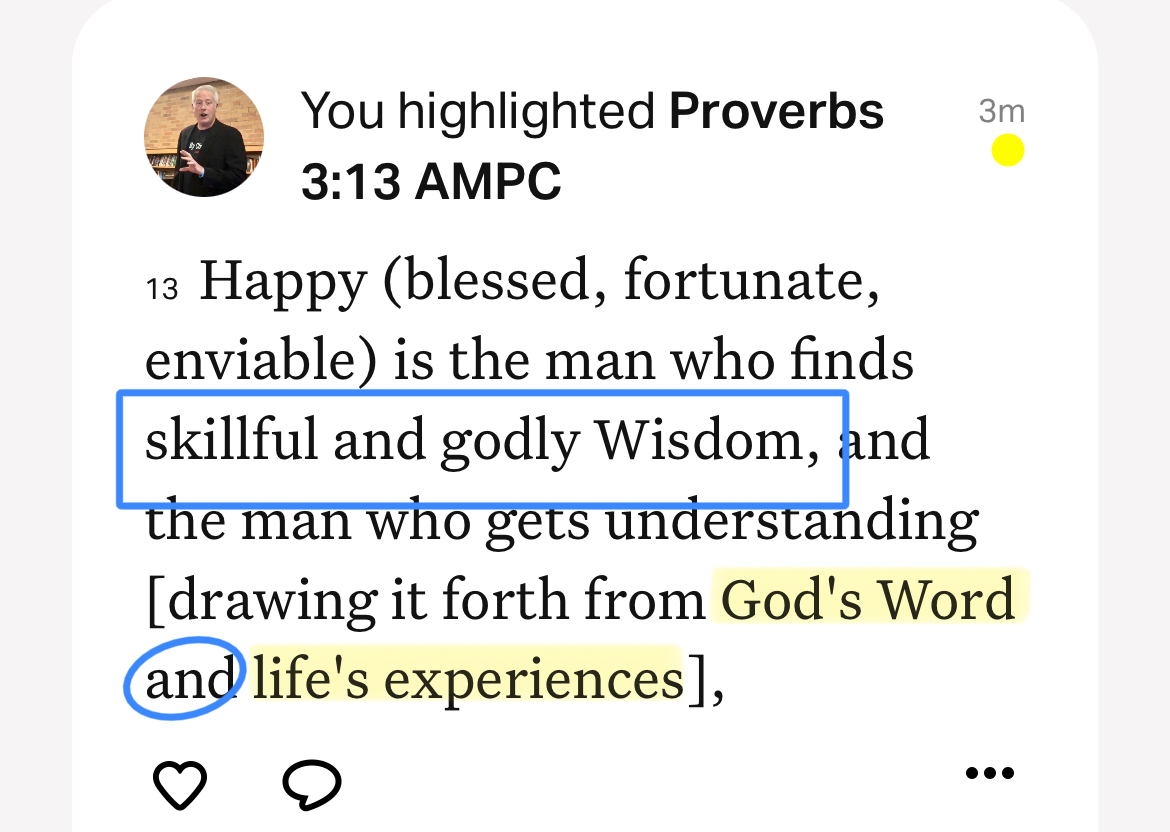
Happy (blessed, fortunate, enviable) is the man who finds skillful and godly Wisdom, and the man who gets understanding [drawing it forth from God’s Word and life’s experiences]. (Proverbs 3:13 AMPC)
Sir Francis Bacon wrote, “God has, in fact, written two books, not just one. Of course, we are all familiar with the first Book He wrote, namely Scripture. But He has written a second book called creation.”
God’s Word tells us about our life’s experiences, and it tells us about our observations of His creation and our experiences. These observations and experiences should take us back to God’s Book to fully appreciate and apply them in a manner which glories God.
Listen to the podcast of this post by clicking on the player below, and you can also subscribe on Apple, Spotify, or Audible.
As Paul is on his way to Jerusalem, he makes time to meet with the leaders of the Church in Ephesus. An important reminder Paul gives them comes from the example he lived out while he was in Ephesus: “For I have not hesitated to proclaim to you the whole will of God” (Acts 20:27).
Some translations say “the whole counsel of God,” but I like the simple, straightforward wording in the KJV: “all the counsel of God.” In other words, Paul’s textbook was everything in the Scriptures.
One of Paul’s traveling companions was Luke, who made frequent use of the Greek word boulē, which is translated “counsel.” He is the only Gospel writer to use this word, and then he uses it seven more times in the Book of Acts. Putting together Luke’s usage of boulē with the three other appearances in the New Testament, we can come up with a good overview of what Paul meant by “the whole will of God.”
Keep watch over yourselves and all the flock of which the Holy Spirit has made you overseers. Be shepherds of the church of God, which He bought with His own blood. I know that after I leave, savage wolves will come in among you and will not spare the flock. Even from your own number men will arise and distort the truth in order to draw away disciples after them. So be on your guard!… (Acts 20:28-31, emphasis added)
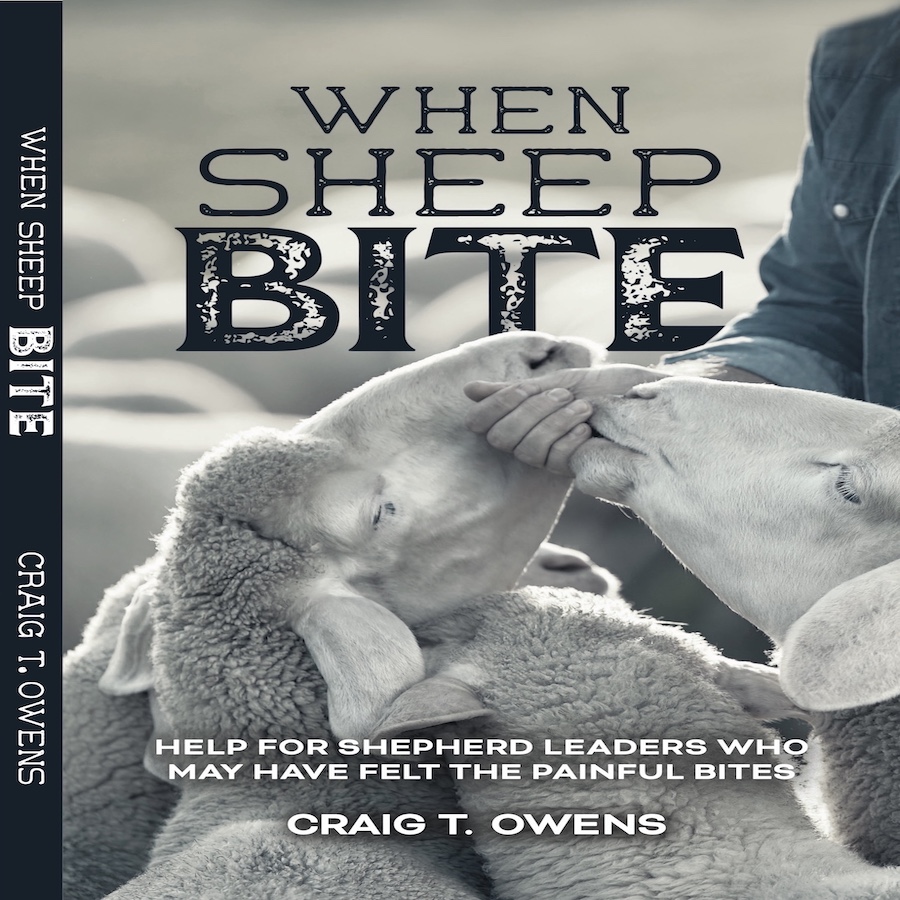
In my book When Sheep Bite I have a chapter called’ Driving Away the Wolves.’ In that chapter I point out—
There is a phrase that is often associated with the behavior of wolves: a lone wolf. Normally, wolves travel and live in packs. The phrase “lone wolf” is associated with those who leave in order to find a mate, carve out their own territory, and then form their own pack.
Jesus said that His sheep hear His voice and follow Him. Lone wolves hear the shepherd’s voice but ignore it to follow their own pursuit of forming their own pack. Remember that these lone wolves don’t want to stay alone: they want to build their own following.
Jesus said we could spot imposters—wolves in sheep’s clothing—by their fruits (Matthew 7:15-20). Two evident fruits are:
Mutating the immutable counsel of God’s Word to suit their own needs
Ignoring or criticizing the whole counsel of God’s Word that godly shepherd leaders faithfully teach and preach
For shepherd leaders and their flocks, the whole counsel of God’s Word is the best wolf deterrent you can find! Another passage from my book says—
David’s beautiful description of the Good Shepherd in Psalm 23 has a phrase that sounds unusual to my ears. He writes, “Your rod and Your staff, they comfort me.” How can such wooden instruments bring comfort to sheep? When the sheep know their shepherd has the rod of God’s Word in his hand and is skilled at using it, the sheep are far more relaxed around the shepherd. This is because a shepherd’s rod is not used against the sheep, but only against the enemies of the sheep.
Throughout the Old Testament, the rods in the hands of leaders were the symbol of their God-appointed authority (think of the staffs of Moses and Aaron). Those rods were symbolic of the words God had spoken to these shepherds to empower them to lead His sheep. In the New Testament setting, the Bible is described in similar terms. Shepherds are directed to correctly handle the rod of God’s Word, knowing that His Word is the only thing that can reliably care for the sheep by teaching, rebuking, correcting, and training (2 Timothy 2:15, 3:16). The sheep will welcome this; the wolves will fight against this.
Pastors, immerse yourself in the whole counsel of God’s Word. Not just the parts that are comfortable for you or pleasant to preach about, but all of God’s Word! This will strengthen the rod of leadership God has given you, it will bring health and comfort to the sheep in your flock, and it will be a strong deterrent against the wolves that would seek to infiltrate your pasture.
I would also humbly recommend that you pick up a copy of my book When Sheep Bite to help resource you to heal from old or ongoing injuries, and to fortify you to remain faithful to the call God has on your ministry.
God has given us an amazing Book! The Bible addresses the human condition—all our desires, frustrations, hopes, and the only path on which we can find eternal and unfading joy.
The Bible not only tells us how to live, but it also tells us how to pray. And it’s as we pray that the principles in the Scripture come alive with fresh applications for our daily life. We don’t have to fumble around, attempting to find the right words to pray and then wondering if those prayers were heard on high. We can learn to pray in agreement with God’s perfect will.
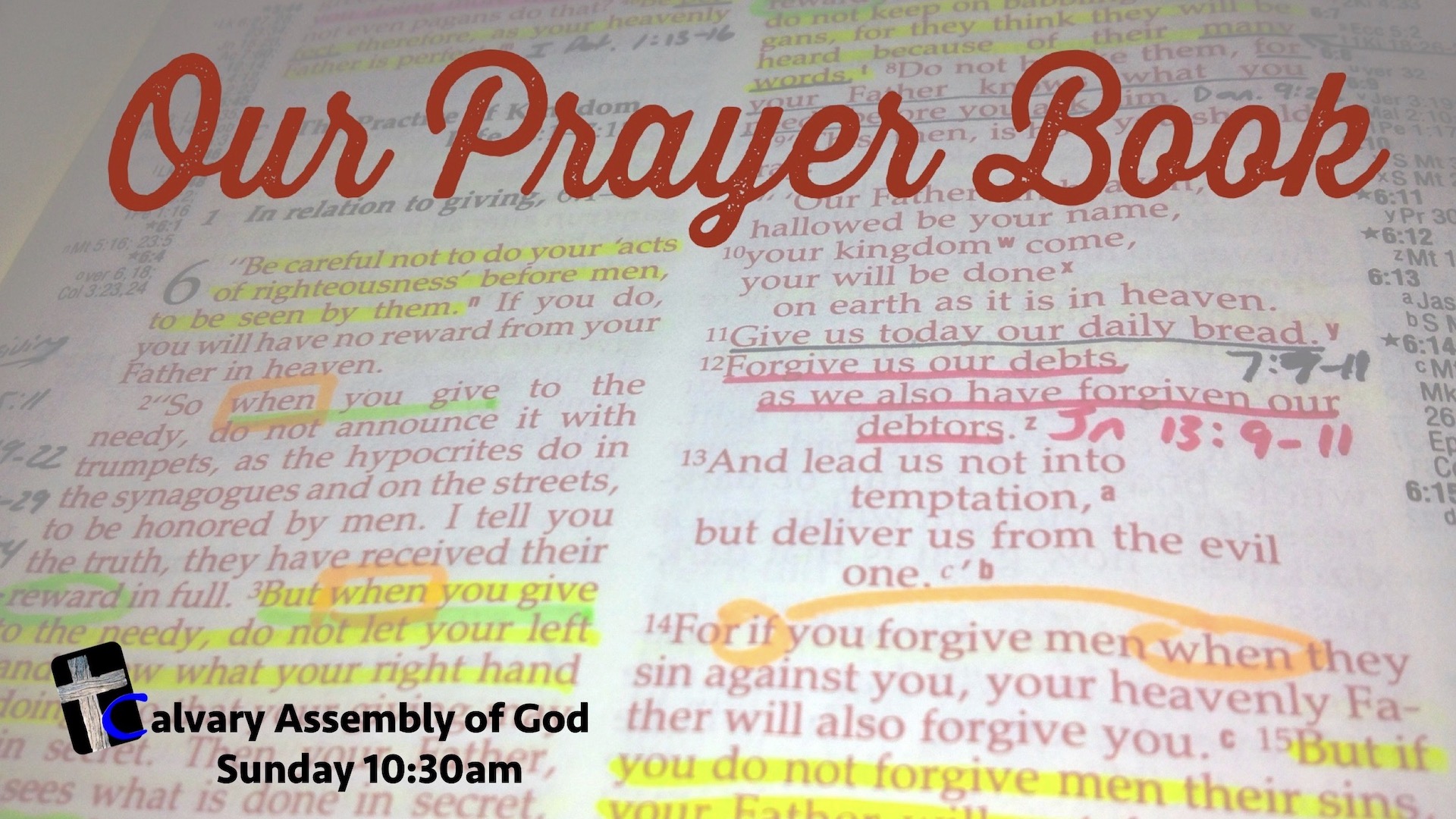
God has spoken to us through His Word, and He invites us to use His words to form our prayers back to Him. I love beginning each new year with a reminder of the power of prayer, so I invite you to join me at Calvary Assembly of God for this life-changing series of sermons called Our Prayer Book.
If you have missed any of the messages, you can find them here:
I shared this video last week with my Patreon supporters. When we’re unclear about all that God has asked us to do, the first step is to obey the part that is clear to us. Check out my blog post Clearing up the Confusion for more insight on how Peter handled this.
I have lots of new content every week, which you can check out on my YouTube channel.
T.M. Moore calls on Christians to recognize the God-given authority our leaders have. Not just recognize, but submit to that authority: “We show that we believe the Lord and trust in His Word, and we demonstrate the evidence of that faith when we submit to our church leaders as unto the Lord (Colossians 3:23-24). Submitting to proper authorities is an integral component of full faith. If we want to gain the benefit God intends for us from those appointed to lead, we’re going to have to learn to submit.”
“Talent is never enough. With few exceptions the best players are the hardest workers.” —Earvin Magic Johnson
“Take your job seriously, but don’t take yourself too seriously.” —Alex Trebek
The American Bible Society reports that Gen Z is engaged with Scripture less than any other generation. But here is a sad outcome: “Scripture Engagement is associated with significantly lower anxiety levels among all Americans, but especially among Generation Z. The anxiety score for Bible Engaged Gen Z respondents (3.4) is less than half that of the anxiety score for Bible Disengaged Gen Z respondents (7.1).”
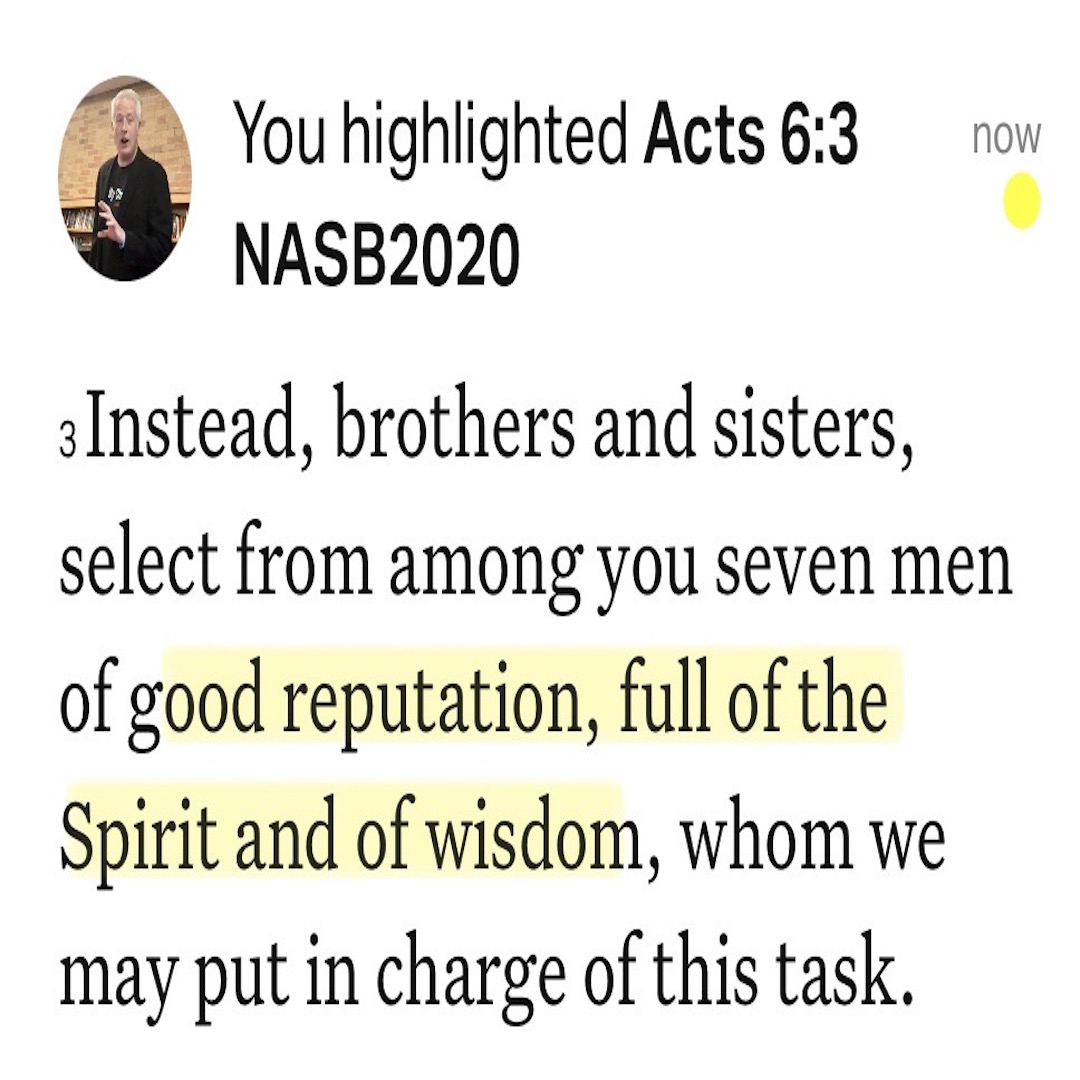
What if the qualifications in Acts 6:3 were the only qualifications we used for selecting folks for ministry assignments: (a) good reputation, (b) full of the Holy Spirit, and (c) full of wisdom?
Listen to the podcast of this post by clicking on the player below, and you can also subscribe on Apple, Spotify, or Audible.
A couple of years ago I was in a car accident, but I never saw the car that hit me. Fortunately, the driver in the vehicle right behind me, a driver who was nearly hit by the car who hit me, and another driver waiting at the same intersection all shared their stories with the sheriff’s deputy. All of their stories had slightly different details, but putting all of their accounts together, they gave the deputy a complete story of what happened.
This is one of the features throughout the Bible that repeatedly convinces me that the events are both historically accurate and divinely inspired. I love reading the Old Testament prophecies that are fulfilled in the New Testament, the different perspectives the four Gospel writers give of the public ministry of Jesus, and the details in the epistles that correspond with the historical accounts found elsewhere (both inside and outside Scripture).
Luke was one of the Gospel writers who also wrote a sequel called the Book of Acts. In this historical record of the early church, he documents many confirming details. For example, consider the story of Saul’s encounter with Jesus on the road to Damascus. Luke tells us the story in Acts 9, and then repeats the story as Paul is telling it to different audiences in chapters 22 and 26. Without the details that Luke records, skeptics could easily chalk up Saul’s experience to a hallucination or even madness, as Governor Festus claimed in Acts 26:24.
For instance, the bright light that got Saul’s attention was seen by both Saul and his companions that were traveling with him. These were Jews who shared Saul’s hatred of Christianity, so they would have no desire to bolster Saul’s story after he himself became a Christian. The brilliance of this light knocked all of the travelers to the ground (9:3–8; 22:6–7, 11; 26:13–14).
Everyone heard the voice of Jesus speaking to Saul, although Saul was the only one who could understand His words spoken to him in the Aramaic language (9:4–7; 22:7–9; 26:14).
All of Saul’s companions and a Jewish Christian named Ananias could attest to Saul’s physical blindness after being exposed to this bright light (9:8, 17–18; 22:11–13).
Ananias confirmed what Jesus had said to Saul, although he was in Damascus (and not on the road with him) when Jesus spoke to Saul. This was because Ananias had also been given a vision of what was happening with Saul, and what Jesus had said to him (9:10–17; 22:12–16).
All of these confirming details assure us that Saul was not hallucinating, nor did he concoct some fantastic tale to thrill his audiences. This was an actual historical event that is attested to by many sources.
This is the consistent evidence we find throughout all of Scripture. This means that we can trust both the divine inspiration and the historical reliability of everything we read in the Bible.
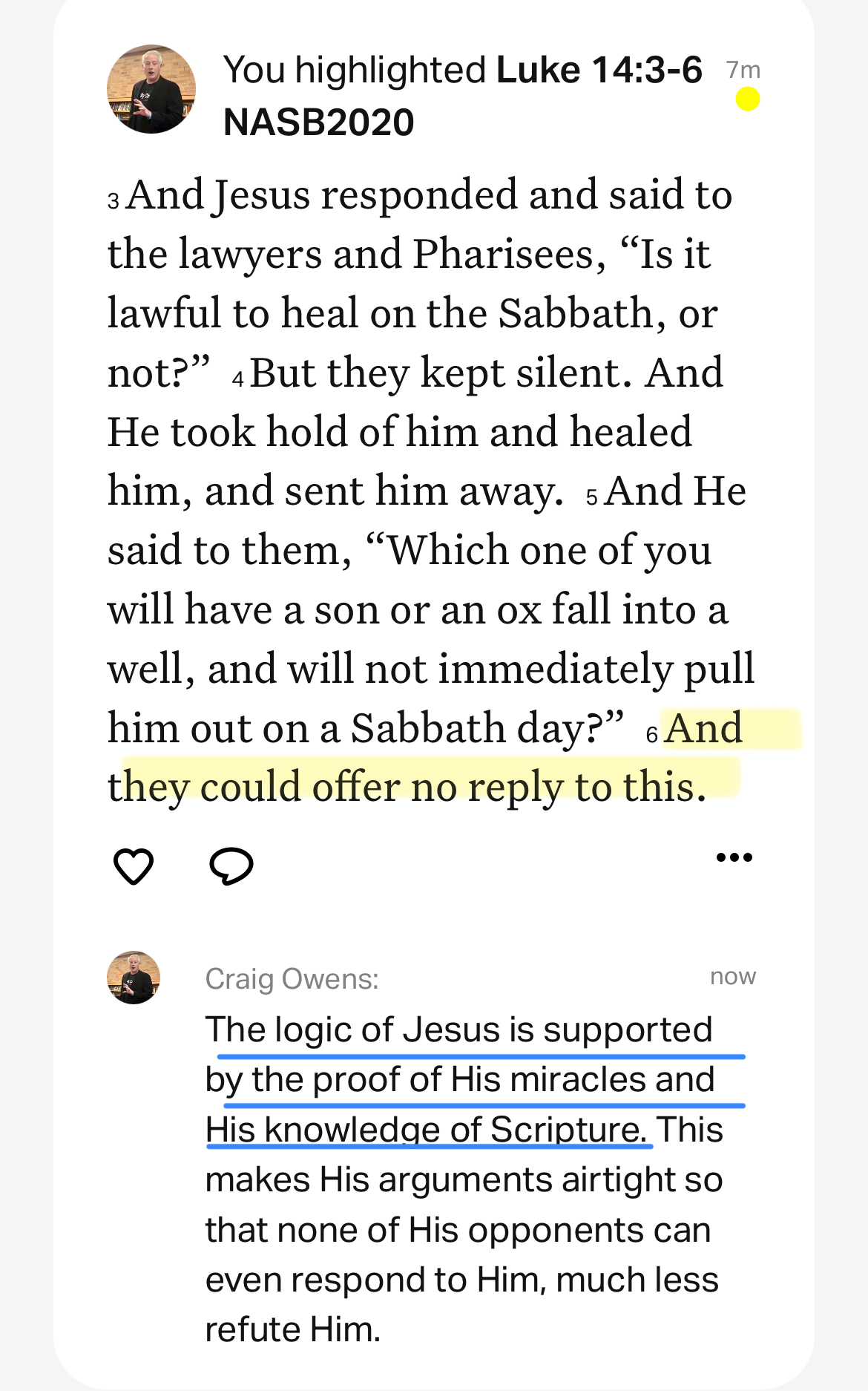
And Jesus responded and said to the lawyers and Pharisees, “Is it lawful to heal on the Sabbath, or not?” But they kept silent. And He took hold of him and healed him, and sent him away. And He said to them, “Which one of you will have a son or an ox fall into a well, and will not immediately pull him out on a Sabbath day?” And they could offer no reply to this.
The logic of Jesus is supported by the proof of His miracles and His knowledge of Scripture. This makes His arguments airtight so that none of His opponents can even respond to Him, much less refute Him.
We have the same things available to us:
(1) The Word of God which the Holy Spirit illuminates to our minds, and which He helps us use when critics attack.
(2) The example of our lives which have been changed by a personal encounter with Jesus.
(3) The logical connection of Scripture to the situation in which we find ourselves.
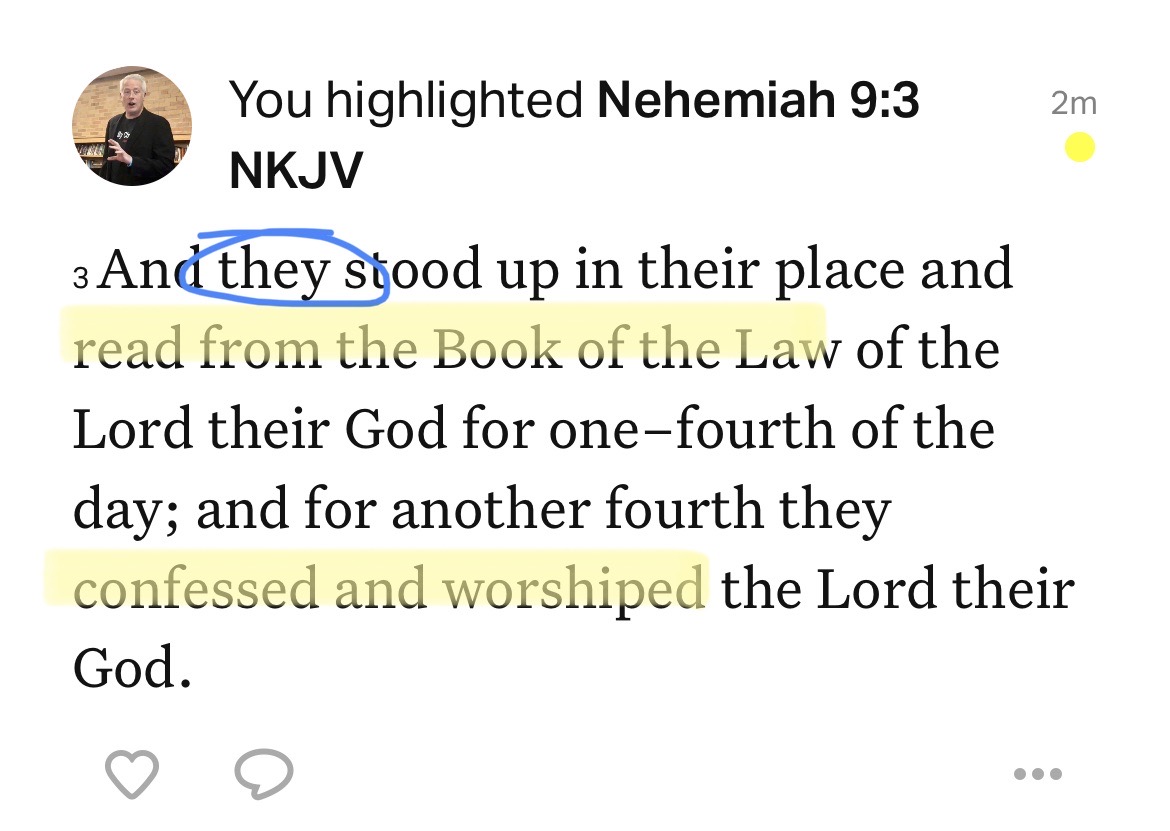
And they stood up in their place and read from the Book of the Law of the Lord their God for one-fourth of the day; and for another fourth they confessed and worshiped the Lord their God. (Nehemiah 9:3)
I have three takeaways from this verse—
(1) When we read God’s Word, the Holy Spirit illuminates it to us. Confession and worship should be normal responses to the Word and the Spirit.
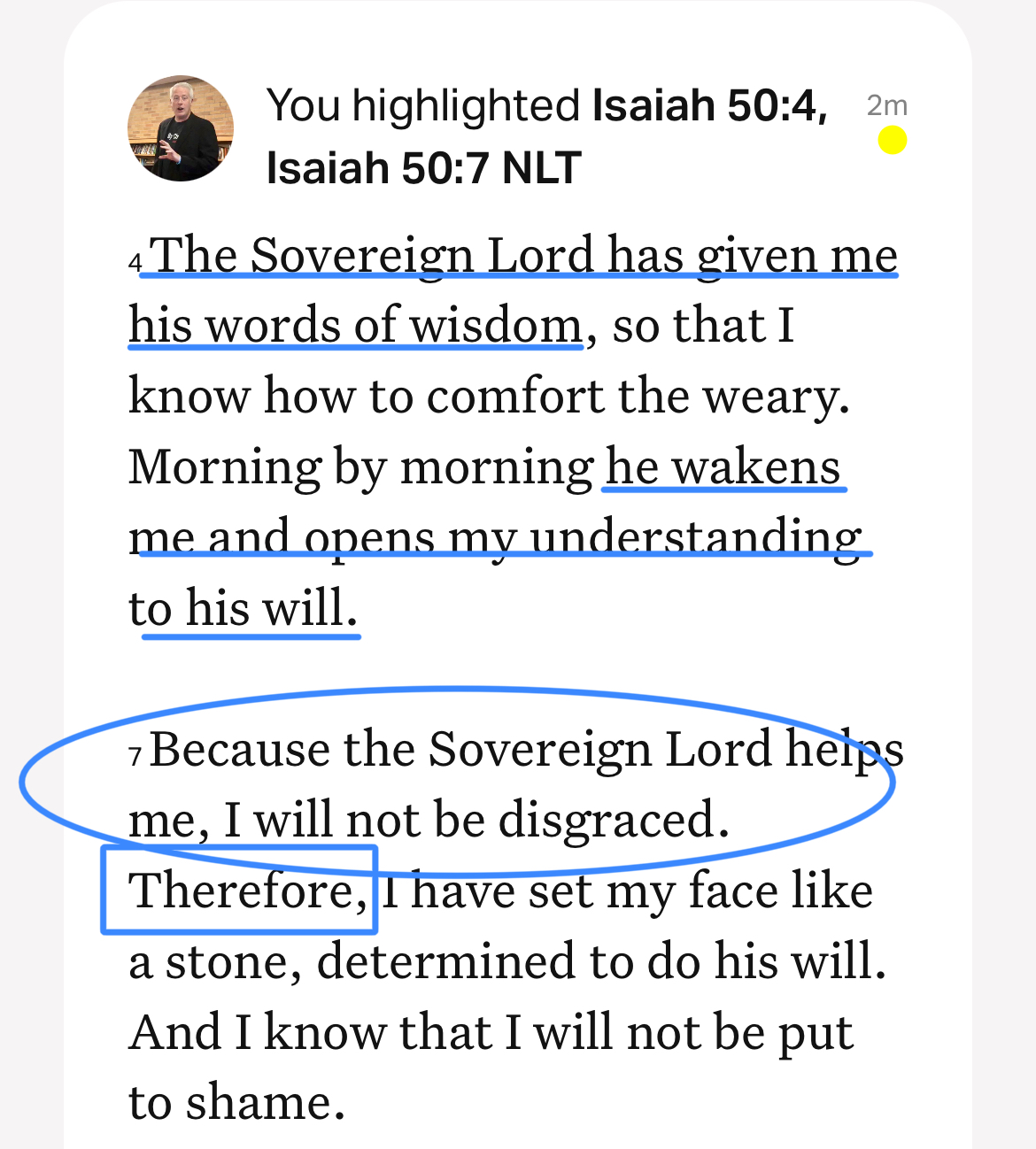
The Sovereign Lord has given me His words of wisdom, so that I know how to comfort the weary. Morning by morning He wakens me and opens my understanding to His will. … Because the Sovereign Lord helps me, I will not be disgraced. Therefore, I have set my face like a stone, determined to do His will. And I know that I will not be put to shame. (Isaiah 50:4, 7 NLT)
Let’s change our leadership mentoring perspective. It’s not whether you dropped the ball or not, it’s what you learned from the time you dropped the ball. This is how we help others move forward. Check out the full Craig and Greg Show episode where we talk more about “untraditional” performance reviews.
I have lots of new content every week, which you can check out on my YouTube channel.
If it hadn’t been for J.R.R. Tolkien’s influence, C.S. Lewis may have remained an atheist. And if it hadn’t been for C.S. Lewis’ encouragement, the world may never have been able to enjoy Tolkien’s Lord of the Rings series. This truly was a friendship that blessed the world! A book that explores this relationship further is A Hobbit, A Wardrobe, and A Great War.
“We don’t all have to be geniuses to innovate in the way we use culture. For example, what if we were to repudiate, once and for all, all gossip and all carping and complaining, and instead were to work hard day by day to redirect our tongues toward building others up (Ephesians 4:29)? We would have to innovate some new ways of engaging people in conversation, by getting to know people and taking a real interest in them, becoming better listeners, asking good questions, making sure all our words were seasoned with grace, and always speaking truth in love. Would that not be a radical and innovative improvement on much of what passes for conversation today? If every believer just worked a bit harder to innovate new forms of conversation, I’m persuaded the world would certainly notice the difference!” —T.M. Moore
J. Warner Wallace is a cold-case detective and a premier Christian apologist. Some Christians believe that we only need to use Scripture to form our trust in Scripture. In this video, Wallace explains from Scripture how even Jesus used evidence outside of Scripture to make His case that He was who Scripture said He was.
It is interesting how many modern-day scientists will accept without fact that an asteroid impacted Earth “millions of years ago” to trigger massive changes that resulted in the extinction of dinosaurs, but will flatly disregard the Flood recorded in the Bible. As a result of their false assumptions, they reach conclusions (like believing they have refuted Bergmann’s Rule) that are quickly refuted. Check out this insightful post.
If you are doing all the calculating with your money, then Jesus says you’re not rich toward God. Check out this full sermon here.
“When God brings new opportunities the path forward is often unknown; it’s a risky journey to start. After all, if you can see the path to the finish line, you do not need to trust the Lord. Why would God give a golden opportunity to those unwilling to trust Him for the unknown?” —Roger Parrott, Opportunity Leadership
(For security reasons, I cannot share a link to the following but I can verify its veracity). “Sam” is a Christian in an Arabic country who has been instrumental in starting and leading a church in his country for several years. He was arrested two months ago and held in prison for 55 days. He was interrogated the first 8 days, then left in solitary confinement for 47 days: the bright lights always on, Some Christians were able to meet with him after his release, listen to his story, share Scripture together, pray with and encourage him. Here is one of their main takeaways from their conversation with Sam.
“So, Sam, how did you make it 55 days in prison?”
Sam said, “The Holy Spirit was with me and was with my mouth. He gave me the words to say. But the devil also sat right next to me twisting Scripture.” Sam continued, “Tell those that will go to prison it is very important not only to know the Scripture but to be able to interpret it correctly as the accuser (I found out by experience) is so adept at twisting God’s Word to both tempt and discourage us.”
The devil wants us to remember what we’ve done or what we still need to do, but Jesus wants us to remember what He has already done. There is a huge difference! Check out this whole message here. I have lots of new content every week, which you can check out on my YouTube channel.
“The most likely man to go to hell is the man who has nothing to do on earth. Idle people tempt the devil to tempt them.” —Charles Spurgeon
“What were we made for? To know God. What aim should we have in life? To know God. What is the eternal life that Jesus gives? To know God. What is the best thing in life? To know God. What in humans gives God most pleasure? Knowledge of Himself.” —J.I. Packer
We can learn childlike faith by simply watching and listening to how young children interact with their loving parents. This video is a clip from one of the message in our series called Kingdom Praying.
Technological advancements abound all around us. How are Christians supposed to interact with technology: embrace it? ignore it? This is a thoughtful message to give us a biblical paradigm for our daily use of technology.
“We must quit bending the Word to suit our situation. It is we who must be bent to that Word, our necks that must bow under the yoke.” —Elizabeth Elliot
“The things you pray about are the things you trust God to handle. The things you neglect to pray about are the things you trust you can handle on your own.” —H.B. Charles
“Learning to pray doesn’t offer us a less busy life; it offers us a less busy heart.” —Paul Miller



 Happy (blessed, fortunate, enviable) is the man who finds skillful and godly Wisdom, and the man who gets understanding [drawing it forth from God’s Word and life’s experiences]. (Proverbs 3:13 AMPC)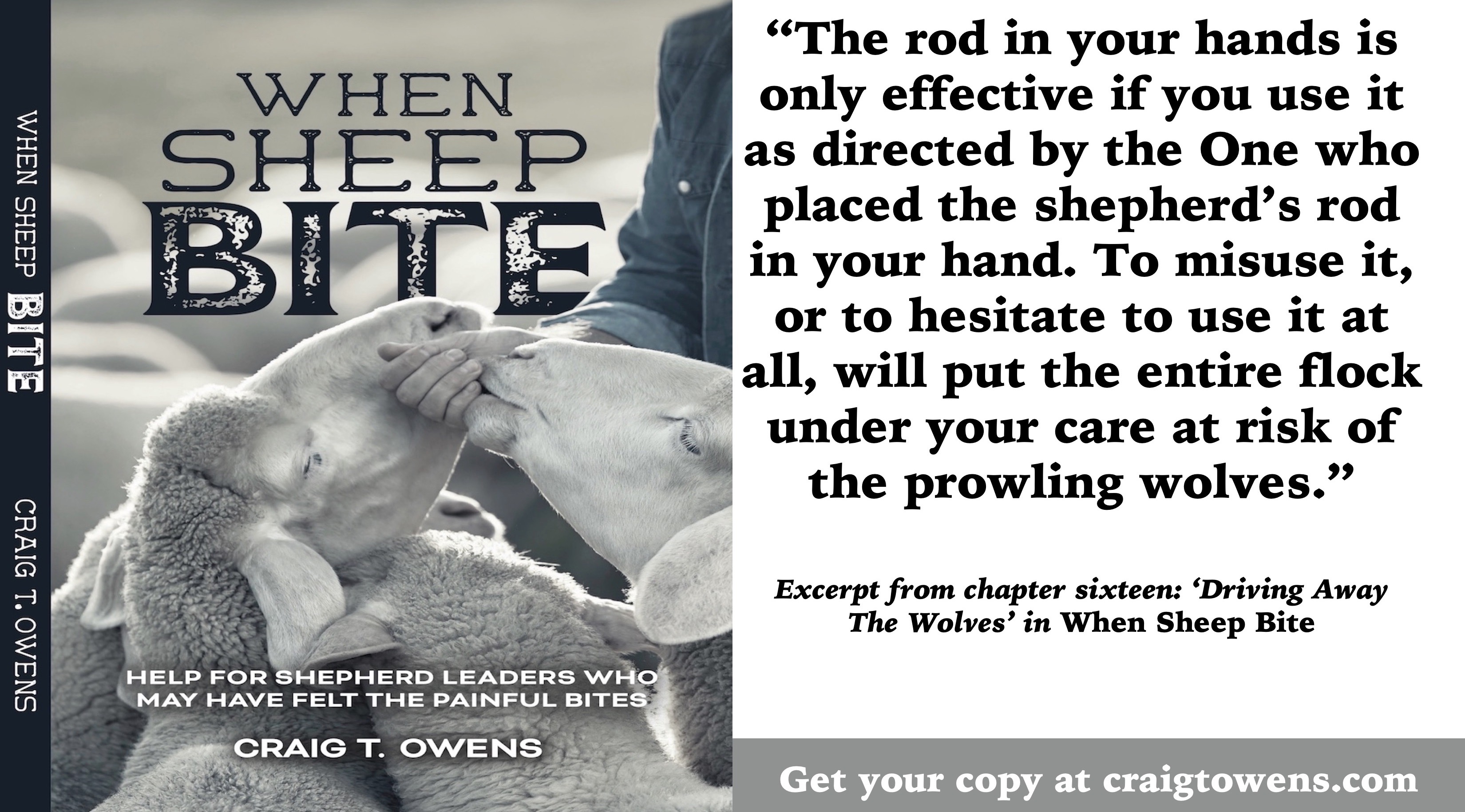




 Craig T. Owens