Talk To Difficult Peers

Listen to the podcast of this post by clicking on the player below, and you can also subscribe on AppleSpotify, or Audible.

When we have a difficult coworker or team member, it’s very easy to fall into the trap of talking about them to others and avoid talking directly to them. 

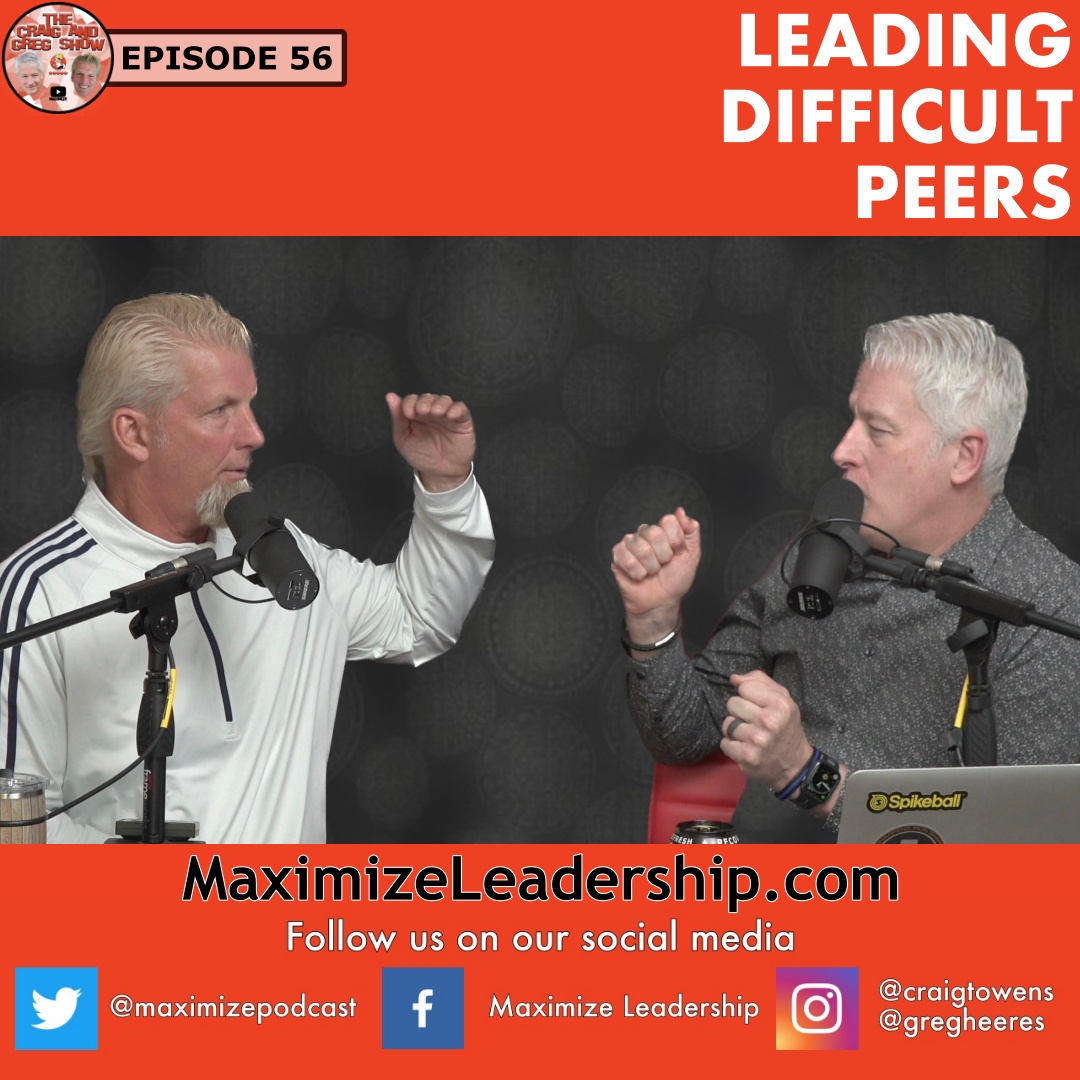
Check out this portion of the conversation Greg and I had on our leadership podcast called The Craig and Greg Show. This is from an episode called “Leading difficult peers.”

Getting counsel from others about this difficult person is important, but then we must use those insights to have a productive conversation directly with that team member. If we don’t talk directly to them, we’re ultimately gossiping about them, which is never productive. In fact, that gossiping will actually make the situation worse. 

You can check out the full Craig and Greg Show episode on this topic here.

►► Would you please prayerfully consider supporting this ministry? My Patreon supporters get behind-the-scenes access to exclusive materials. ◀︎◀︎

The Craig And Greg Show: Leading Difficult Peers

Listen to the audio-only version of this podcast by clicking on the player below, or scroll down to watch the video.

No need to call anyone out, but when I say “difficult peer” at least one person probably comes to mind right away, right? So what’s the solution: ignore them, scream, tear your hair out? Greg and I think there’s a better solution. In this episode, we walk through how we’ve dealt with difficult peers in the past and give actionable advice on how your leadership and coaching can help them improve.

  • [0:16] We are continuing our series about leading difficult people from wherever you are in your organization. 
  • [1:24] Our goal as leaders should be to figure out why a particular peer is so difficult to work with.
  • [2:00] A warning about the least productive thing you can do when you are frustrated with a coworker.
  • [3:44] A great example from Jesus for those striving to be servant leaders.
  • [5:17] Some questions to ask ourselves to determine if our difficult teammates are coachable.
  • [7:31] We need to learn the best ways to communicate with our teammates.
  • [9:18] Where does mistrust play a role in these difficult situations?
  • [13:13] Leaders at every level need to learn the art of diplomacy.
  • [15:02] Where does defeatism come into play?
  • [17:03] A shepherd’s heart must be cultivated for us to lead well—especially leading difficult peers.
  • [18:45] “When you’re ready” is a great posture for a leader, but it must be lived out.

Check out this episode and subscribe on YouTube so you can watch all of the upcoming episodes. You can also listen to our podcast on Spotify and Apple.

Who’s Pushing Your Buttons? (book review)

Listen to the podcast of this post by clicking on the player below, and you can also subscribe on AppleSpotify, or Audible. 

Ever since the Boundaries book by Drs. Henry Cloud and John Townsend came to my attention, I have always tried to get my hands on anything these psychologists write. The most recent read for me is John Townsend’s Who’s Pushing Your Buttons? 

We all have experienced button pushers in our life—those folks who seem to always know how to get us riled up. Maybe you even have a button pusher or two in your life right now. Dr. Townsend’s book is not to help us avoid these people, nor even to navigate around them, but to get to a place where our relationship with these folks can become productive and healthy. 

The book begins with an inside look at what makes button pushers button pushers. In order words, there is more below the surface than we can see, and we have to begin to understand more if we are ever going to move forward. Dr. Townsend also holds up a mirror to his readers to help us realize if our button pushers are pushing our buttons because we pushed theirs first. 

Next, Dr. Townsend helps us change our paradigm toward our button pushers. It’s likely that you have already tried to deal with this relationship. The results may have been mixed or they may have been wholly unsuccessful. Dr. Townsend wants to help us move beyond the past to get a clearer vision of what could be. 

The bulk of this book is comprised of seven resources to which we all have access, and which can help us be successful in our button-pushing relationships. This is not wishful thinking, but it is the firm belief of Dr. Townsend that God can help you employ these resources to truly turn a difficult relationship into a productive relationship. 

This book is filled with enough practical insights, actual stories from Dr. Townsend’s counseling practice, and biblical principles to fortify your prayer life and personal involvement that can lead to newfound success in these difficult relationships. 

For all of us who live or work with people who push our buttons, Who’s Pushing Your Buttons? is a wonderful resource. 

►► Would you please prayerfully consider supporting this ministry? My Patreon supporters get behind-the-scenes access to exclusive materials. ◀︎◀︎

Love = Patience

PatienceLast week I wrote about how we can be empowered to get along with everyone, everywhere. But something I didn’t mention (which might be obvious) is this: Connecting with everybody, everywhere is hard work!

We have to remember that relationship is the goal. We’re not trying to make converts to Christianity and rack up some sort of high score. We’re building relationships with people because we love people; and that love for them should motivate us to:

  1. Want what’s best for them
  2. Be willing to serve them

The Bible says this: And we urge you, brothers, warn those who are idle, encourage the timid, help the weak, be patient with everyone.

Everyone?! There’s that word again!

This word patient has five parts to its definition. I’m struck by how these aspects of patience also echo the definition of love in 1 Corinthians 13

  • Patience doesn’t lose heartLove is patient (1 Corinthians 13:4a)
  • Patience endures misfortuneLove is not self-seeking (13:5a)
  • Patience is slow to angerLove is not easily angered (13:5b)
  • Patience bears with the offenses of othersLove keeps no record of wrongs (13:5c)
  • Patience perseveres bravelyLove always protects, always trusts, always hopes, always perseveres. Love never fails (13:7-8)

How are you doing in your relationships? Are you losing heart? becoming angry? about ready to throw in the towel on a difficult relationship? Ask God to renew your love, and your patience level will increase as well. 

Let’s all strive to love others—even the difficult “others”—the way God loves us!

Lettie Cowman On Prayer

Lettie Cowman“Often it is simply the answers to our prayers that cause many of the difficulties in the Christian life.

“We pray for patience, and our Father sends demanding people our way who test us to the limit, ‘because…suffering produces perseverance’ (Romans 5:3). …

“We pray to be unselfish, and God gives us opportunities to sacrifice by placing other people’s needs first and by laying down our lives for other believers. …

“We pray to the Lord, as His apostles did, saying, ‘Increase our faith!’ (Luke 17:5). Then our money seems to take wings and fly away; our children become critically ill; an employee becomes careless, slow, and wasteful; or some other new trial comes upon us, requiring more faith than we have ever before experienced.

“We pray for a Christlike life that exhibits the humility of a lamb. Then we are asked to perform some lowly task, or we are unjustly accused and given no opportunity to explain….

“We pray for gentleness and quickly face a storm of temptation to be harsh and irritable.

“We pray for quietness, and suddenly every nerve is tested to its limit with tremendous tension so that we may learn that when He sends His peace, no one can disturb it.

“We pray for love for others, and God sends unique suffering by sending people our way who are difficult to love and who say things that get on our nerves and tear at our heart. …

The way to peace and victory is to accept every circumstance and every trial as being straight from the hand of our loving Father.” —Lettie Cowman

The Rewards For Getting Along With Difficult People

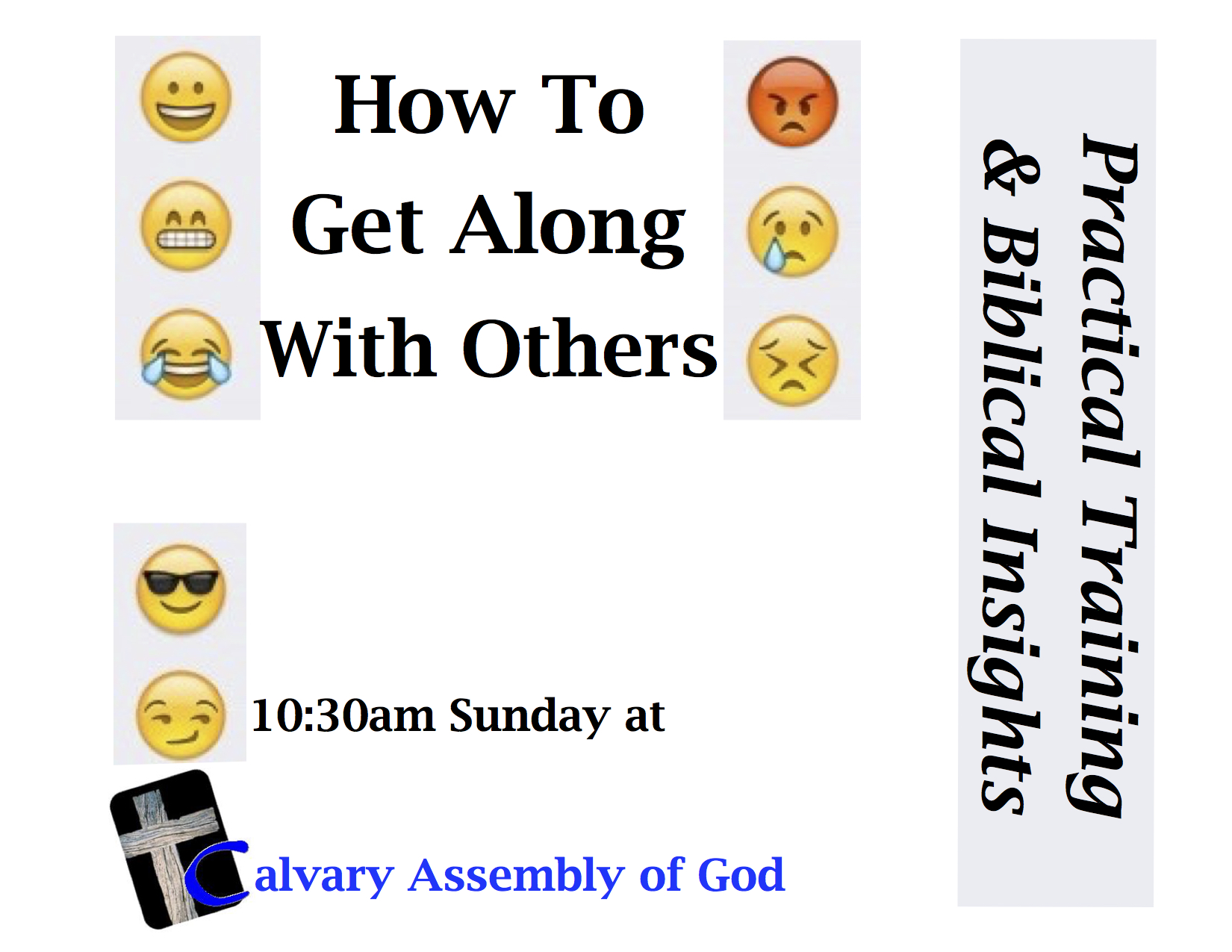
How To Get Along With OthersHere’s a shocking statement—Difficult people are difficult to get along with. I know, I probably just blew your mind with that one, but sometimes it’s important to state the obvious.

Christians should be the best at getting along with others. First of all, because they have the Holy Spirit to help them, and, second, because the world is watching to see if having a relationship with Jesus really does make a difference.

We’ve already learned that in order to change our behavior toward difficult people, we can’t change our behavior (check out my post on that topic here). Instead, we need to change our thoughts first. One thought to change is about ourselves, and another thought to change is the fact that Jesus promised rewards for those who loved difficult people—

If you love those who love you, what credit is that to you? Even sinners love those who love them. And if you do good to those who are good to you, what credit is that to you? Even sinners do that. And if you lend to those from whom you expect repayment, what credit is that to you? Even sinners lend to sinners, expecting to be repaid in full. But love your enemies, do good to them, and lend to them without expecting to get anything back. Then your reward will be great, and you will be children of the Most High, because he is kind to the ungrateful and wicked. (Luke 6:32-35)

One way to love others is by learning to “speak their language.” Most of us communicate with four different accents: Doer, People, Planner, Vision.

You can watch the video where I explain these styles in more detail, but you can learn their accent by listening for…

(1) How they handle stressful situations:

  • Doer—get hyper-focused
  • Planner—withdraw to plan
  • People—call a meeting
  • Vision—take time to daydream

(2) How they listen to others:

  • Doer—take short bullet points and then quick action
  • Planner—take detailed notes, and ask lots of detailed questions
  • People—make good eye contact, take very little notes, and then reiterate what was said
  • Vision—doodle, and express “ping pong ball” thoughts

(3) How they speak about folks with other “accents”:

  • Doer—this is taking too long; nothing ever gets done; they’re daydreamers
  • Planner—they jump the gun; they’re swayed by emotions; they’re unpredictable
  • People—why don’t they want to meet; they’re too aggressive; they’re too robotic
  • Vision—they don’t see the big picture; they’re too rigid; they’re too emotional

You CAN get along better with everyone. Romans 12:18 tells us that peaceful living with others depends on you and me. Let’s do this well so that Jesus is glorified!

How Bad Guys Can Help You

Bad guysThe Old Testament prophet Jeremiah never held back when God told him to speak up. As you might imagine, this didn’t make Jeremiah too popular among the people who weren’t doing things God’s way. In fact, many of them started a plot on how they could eliminate Jeremiah.

God gave Jeremiah the heads-up on the bad guys who were trying to take him out (Jeremiah 11:18), to which Jeremiah said, “Go get ‘em, God!” (11:20). God promised Jeremiah that He would indeed take care of them (11:21-22). So Jeremiah pulled up a chair to watch how God was going to punish them. I’m not sure exactly what Jeremiah thought would happen, but one thing I do know: he certainly thought it would happen right away.

“God? Hello! Are You going to take care of these bad guys? Didn’t You say You’d get ‘em? I’m waiting. Anytime now You can zap ‘em with lightning … or make them fat and ugly … or at least give them bad breath and make them lose their jobs. Anything? Hello? Hey, what is going on here?! Not only are you not punishing them, it looks like things are actually going better for them! What in the world are You doing?!?” (12:1-2)

Ever been there where it looks like the bad guys are not only getting away with their badness, but even being blessed in the process?

God told Jeremiah that He was using these bad guys to actually help Jeremiah. God had big plans for Jeremiah’s life, but He needed Jeremiah to be stronger and have greater endurance. God said it this way—

If you have raced with men on foot and they have worn you out, how can you compete with horses? If you stumble in a safe country, how will you manage in the thickets? (12:5)

God reassured Jeremiah that the evildoers would indeed be punished but—and this is the important thing—God would do it in His own time (12:13).

In the meantime, God was going to use these bad guys to bless Jeremiah with increased strength and endurance, if Jeremiah would allow God to mold him and teach him.

Do you have some bad guys in your life? Hang in there! God doesn’t waste a thing. He is using even these evil people to bless you and accomplish His plans (Romans 8:28).

The Great Physician

The Christian's Secret“If our Father permits a trial to come, it must be because the trial is the sweetest and best thing that could happen to us, and we must accept it with thanks from His dear hand.

“… A very good illustration of this may be found in the familiar fact of a mother giving medicine to her dearly loved child. The bottle holds the medicine, but the mother gives it; and the bottle is not responsible, but the mother. No matter how full her closet may be of bottles of medicine, the mother will not allow one drop to be given to the child unless she believes it will be good for it; but when she does believe it will be good for her darling, the very depth of her love compels her to force it on the child, no matter how bitter may be its taste. The human beings around us are often the bottles that hold our medicine, but it is our Father’s hand of love that pours out the medicine, and compels us to drink it. The human bottle is the ‘second cause’ of our trial; but it has no real agency in it, for the medicine that these human ‘bottles’ hold is prescribed for us and given to us by the Great Physician of our souls, who is seeking thereby to heal all our spiritual diseases.” —Hannah Whitall Smith, The Christian’s Secret Of A Happy Life

Do I Know Too Much?

Thomas Huxley wrote, “I object to Christians: they know too much about God.”

When Job was going through his trials, his “friends” showed up with all kind of knowledge about God. They knew that God would never allow the innocent to go through difficulty. They knew Job had sinned somewhere along the way. They knew that God always answers a righteous man‘s prayers exactly as he had prayed it.

They knew too much about God.

They put God in their box, telling Him how to behave the way they knew He should.

They became their own god.

Job didn’t know all that God was doing, but he did know, “He does great things too marvelous to understand” (Job 9:10). The Apostle Paul echoed the same thought: “Oh, how great are God‘s riches and wisdom and knowledge! How impossible it is for us to understand His decisions and His ways!” (Romans 11:33).

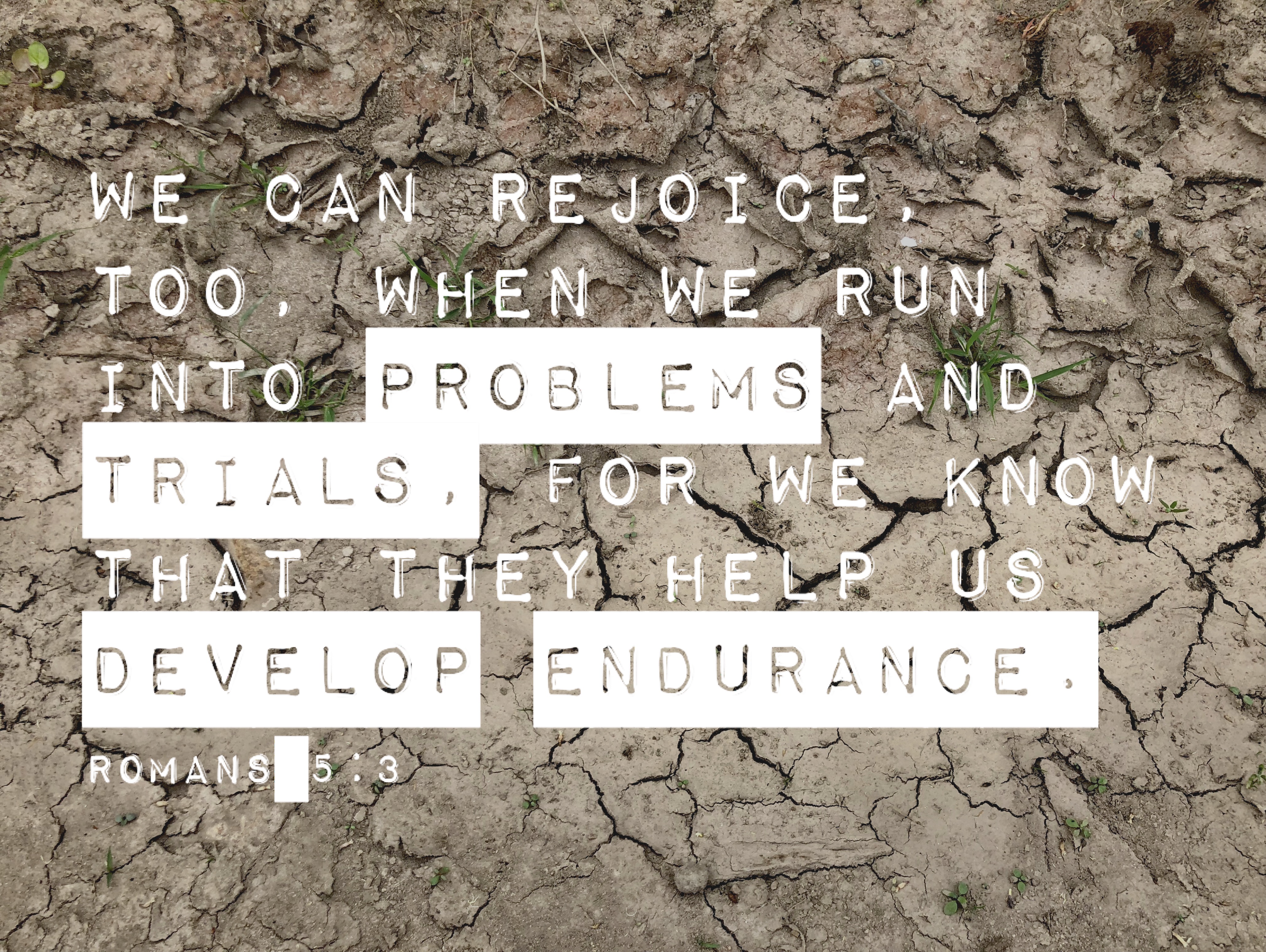
As I go through my own trials, I‘m learning a little more about the depths of God‘s love for me everyday—“We can rejoice, too, when we run into problems and trials, for we know that they help us develop endurance. And endurance develops strength of character, and character strengthens our confident hope of salvation. And this hope will not lead to disappointment. For we know how dearly God loves us, because He has given us the Holy Spirit to fill our hearts with His love” (Romans 5:3-5).

How about you: Do you know too much about God? Or are you still open to learn more?