Many pastors limit their leadership effectiveness by clinging to either confidence or humility. The better option—and one that Jesus Himself demonstrated for us—is to be both confident and humble.
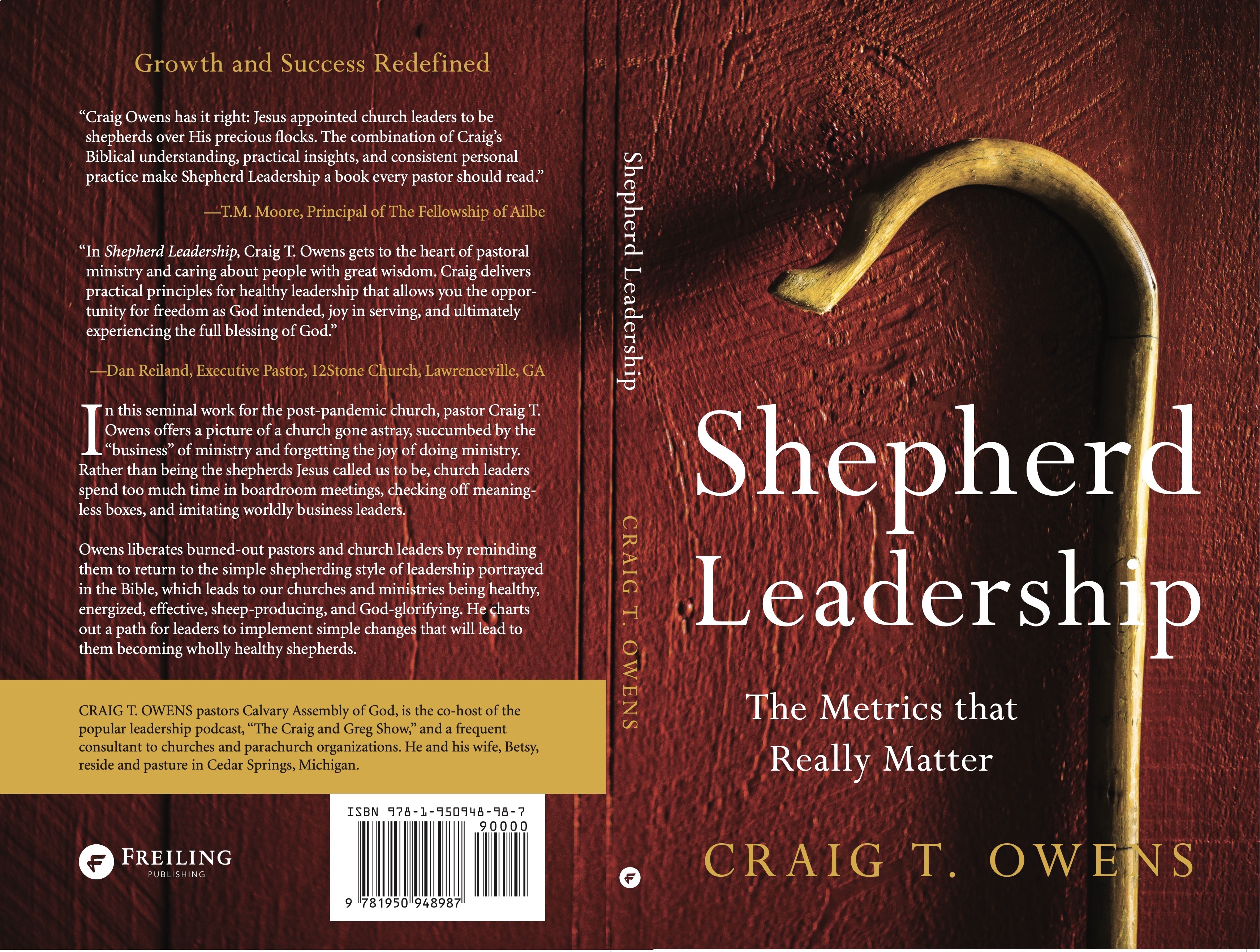
I unpack this idea in my book Shepherd Leadership: The Metrics That Really Matter. It’s available in print, ebook, and audiobook.
Actually, I want to share with you what others have said about my book:
“If one is searching for an easily understandable road map to biblical leadership, you have an excellent resource in Pastor Craig’s new offering. … Pastor Craig translates deep spiritual truths to simple, attainable processes which will certainly achieve desired results and personal growth.” —Kurt
“Owens has created a concise guide for pastors that will model how Jesus wants them to lead and serve. I highly recommend this book for not only pastors but those attending seminary.” —Anonymous
“After 23 years of Army service, and 17 of those years in a leadership role, I can tell you that this book would have helped me be a better leader back then. It is geared to help the Ministry Leadership; however, after reading it, I believe will help everyone.” —Daniel
“This book is such a good resource, not only for leaders in ministry but any person who wants a refreshing look at leadership relationships in general.” —Anonymous
“This is a great addition to the leadership library and is a must for those in nonprofit, ministry leadership, or considering going into those fields. … Having been led as a layperson in a church that had leaders who lacked humility and security in serving, and seeing the damage they did to people and the Church, this book really spoke to me.” —Steven
“I am so thankful to Craig for cutting through all the delusion and confusion of what ministry and leadership has become and taking us back to the simple reality of laying down our lives for others. Crucified shepherds are neither popular nor common, but they do look and live like Jesus.” —Dick
“Craig does a great job of reminding us of some simple truths that far too often get lost in the world of leadership. As he calls us back to model our leadership after Jesus, he does so with practical advise and a shepherd’s heart.” —Kevin
“Having served in executive leadership positions on two large church staffs and also on a non-profit paraministry, I can tell you from experience this book is a must-read.” —Steve
“Craig provides a much needed guide, based on biblical principles, on how the church can regain its impact on the culture through more effective leadership.” —Stuart
“Craig Owens describes his Biblical understanding of how leaders serve through humility and confidence, utilizing their mental, physical, spiritual, and emotional health. It is through this balance that effective leaders can honor God with their servanthood.” —Denise
“This book is filled with practical ideas that challenge me to check my priorities. In a world that screams for more, more, more, this book asks me to identify what I want more of.” —Faye
The reviews on Amazon currently have this book rated at 4.9 stars.
I’m so humbled that this book is connecting with so many people! I loved writing it, and I still love talking to people about it.
My book is available in print, ebook, and audiobook. If you’d like to know more about Shepherd Leadership: The Metrics That Really Matter, or to pick up a copy for yourself, please go to ShepherdLeadershipBook.com.
God frequently picks people we would consider the least qualified. He sometimes has one in an unglamorous position for years, and sometimes He catapults somebody immediately to the top. Sometimes God will keep His hand-selected individual in a prominent leadership position until death, and sometimes He will remove that person to a place of obscurity after only a short time. God’s ladder of success is nothing like ours!
We discuss the American cultural ladder and how that may or may not square with what we read on the pages of the Bible. I use the example from the life of Philip to make my point that we would be wise to not try to set up our own ladder of success.
I’ll be sharing more clips from this interview soon, so please stay tuned. Shepherd Leadership: The Metrics That Really Matter is now available in print or ebook, and in audiobook through either Audible or Apple.
[2:18] Only servant leaders truly know how to breathe hope into the people around them.
[3:17] Greg describes how leaders can become hope dealers.
[3:53] I paraphrase a proverb to help leaders see the immense value in dispensing hope.
[5:59] Greg explains how leaders instill hope into themselves.
[7:48] Hope-filled people are still realistic about the present difficulties they are facing.
[8:59] Hope isn’t just about one-time vision casting—we talked about how leaders keep the message of hope consistent.
[12:29] Leaders have to be around people in order to invest hope into them.
[14:00] Greg notices how hope connects faith and love.
[15:32] Greg gives leaders a challenge to grow as hope-fillers.
[17:42] Leaders give their teammates hope for a better future.
Check out this episode and subscribe on YouTube so you can watch all of the upcoming episodes. You can also listen to our podcast on Spotify and Apple.
Listen to the podcast of this post by clicking on the player below, and you can also subscribe on Apple, Spotify, or Audible.
I’m closing in on 4900 posts on my blog that started back in 2009. About a year ago, I decided to make my blog a little more accessible. I realized that some people didn’t have time to pull out their phone or sit down at their computer every morning to read what I had written, so I begin to record my posts and make them available as a podcast on the Craig T. Owens Audio Blog.
So a similar thought occurred to me as we put the finishing touches on my book Shepherd Leadership: The Metrics That Really Matter. In addition to making it available in its print and ebook format, I also wanted to record an audiobook. I am so grateful to my good friend Kevin Richards who walked me through this whole process. His expertise and encouragement made this project a reality.
Take a listen to this trailer we put together to give you just a small sampling of the audiobook, and if you like what you hear, you can download this book on Audible or in Apple Books.
Listen to the podcast of this post by clicking on the player below, and you can also subscribe on Apple, Spotify, or Audible.
I had a great time on the Thriving In Ministry podcast with Kyle Willis and Dace Clifton.
When I was trying to explain to my friends why I was writing Shepherd Leadership: The Metrics That Really Matter, I found that many were quite intrigued by the idea of the confident humility—or the humble confidence—that Jesus so perfectly demonstrated for us.
Almost every leader I’ve met tends to be naturally wired as either a confident leader or a humble leader. Our effectiveness as a shepherd leader comes in allowing the Holy Spirit to help us maintain a healthy tension between those two poles. Jesus did this perfectly, and we are to follow His example.
I have two chapters in my book discussing this tension. Here’s how I introduce the topic in the chapter “A confident leader’s attitude adjustment:
God has created each of us uniquely—implanted with the temperament, talents, and personality He wanted each of us to have. God made you on purpose, and He made you for a purpose. But that being said, shepherd leaders are almost never perfectly balanced. If you’ve ever taken a temperaments assessment or any other kind of personality test, you know that you had some attributes that were more prominent than others. God never gives us weaknesses, but our areas of strength can become a self-imposed weakness if we rely on our strength instead of on our Strength Giver.
Leaders tend toward two poles: confidence or humility. God made us this way on purpose. But to be the best shepherd leader, we each must allow the Holy Spirit to help us learn to lead in a more balanced way. If we lean too much toward confidence, we can come across as arrogant and even tyrannical. But if we lean too much toward humility, we can appear to be weak, indecisive, and unsure of our leadership direction. None of us will be perfect in this at every single moment, but with the proper attitude adjustments, we can learn to more consistently stay at the balanced point of being humbly confident or confidently humble.
I’ll be sharing more clips from this interview soon, so please stay tuned. Shepherd Leadership: The Metrics That Really Matter is now available in print or ebook, and in audiobook through either Audible or Apple.
Listen to the podcast of this post by clicking on the player below, and you can also subscribe on Apple, Spotify, or Audible.
I had a great time on the Thriving In Ministry podcast with Kyle Willis and Dace Clifton.
Kyle asked me if I had a life verse that was working on me. Two verses—John 13:3-4—quickly sprang to mind from the actions of Jesus on the night He was betrayed. Here’s how I answered that question on the podcast…
In John 13, Jesus prepared to share a final meal with His disciples. John recorded these words: “Jesus knew that God had put all things under His power” (v. 3). ALL things—not some limited power, but all power. At that moment, Jesus was, without question, the most powerful Person standing on planet earth. By modern-day standards, we could say Jesus had reached the top of the ladder!
What would you do with that much power? How would you respond to having God’s full approval?
Here’s what Jesus did: He took on the role of the lowest of servants and washed His disciples’ feet. Then after doing this, He said something He had never said to His disciples before: “I have set you an example that you should do as I have done for you” (v. 14).
Jesus used His unlimited power to serve.
Our Good Shepherd’s plan all along was to serve people. He said, “The Son of Man did not come to be served, but to serve and to give His life as a ransom for many” (Mark 10:45).
Quite simply stated: Shepherd leaders serve.
I’ll be sharing more clips from this interview soon, so please stay tuned. In the meantime, Shepherd Leadership is now available in print, ebook, and audiobook.
Listen to the podcast of this post by clicking on the player below, and you can also subscribe on Apple, Spotify, or Audible.
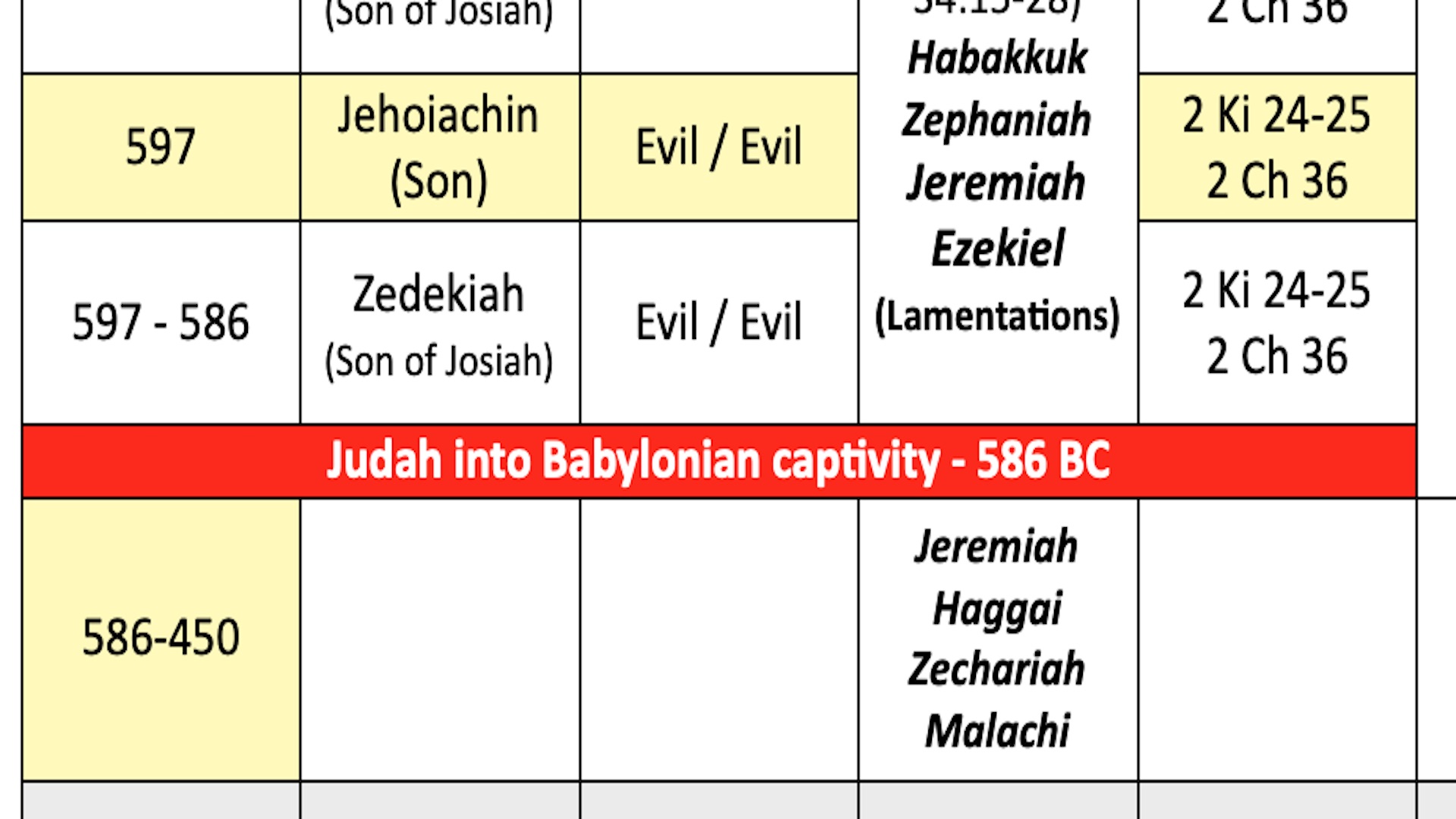
Haggai appears on the historical scene for just five months, but what a bright light he shines! He is the first of three post-exilic prophets to encourage the Israelites who have returned to Jerusalem.
Before we talk about Haggai’s ministry, we need a brief grammar lesson. Specifically, let’s look at two prefixes: un- and non-. Both of them ultimately mean “not,” but there is a distinction that we need to consider when it comes to the Bible:
unbiblical would mean something contrary to the teaching of the Bible
non-biblical is something that may or may not be correct, but it’s not specifically mentioned in the Bible
Let me give you an example from my book Shepherd Leadership: The Metrics That Really Matter. Chris asked me whether I preferred the title senior pastor or lead pastor. This is a non-biblical issue; that is, it doesn’t really matter to me because neither of those titles are found in the Bible. Technically, the word pastor isn’t in the Bible either. The word that is usually translated “pastor” is really a herdsman or a shepherd.
The problem is that if we put too much focus on non-biblical things, those things can end up becoming unbiblical pursuits. Like when Jesus took the Pharisees to task for their focus on traditions over Scripture (see Matthew 15:1-6). I wrote Shepherd Leadership mainly to get pastors and church leaders to spot non-biblical metrics which may have sneakily turned into unbiblical pursuits, so that they could return to pure biblical principles. In the Preface of my book, I wrote—
“My larger concern is that churches, parachurch organizations, and nonprofit ministries that are largely founded to fulfill a biblical mandate are straying from the simple, freeing truths found in the Bible. Or maybe I should say that they are adding things to their ministries that aren’t in the pages of Scripture. Whichever way you want to say it, the result is the same: We are using the wrong metrics to define ‘success’ for our ministries. I fear that in our focus on unbiblical practices, we are missing the joy of really doing ministry.”
Haggai calls God’s people to return to God’s Word. This is the second-shortest book in the Old Testament (at just 38 verses long), yet Haggai says something like “this is what God says” 28 times in these 38 verses!
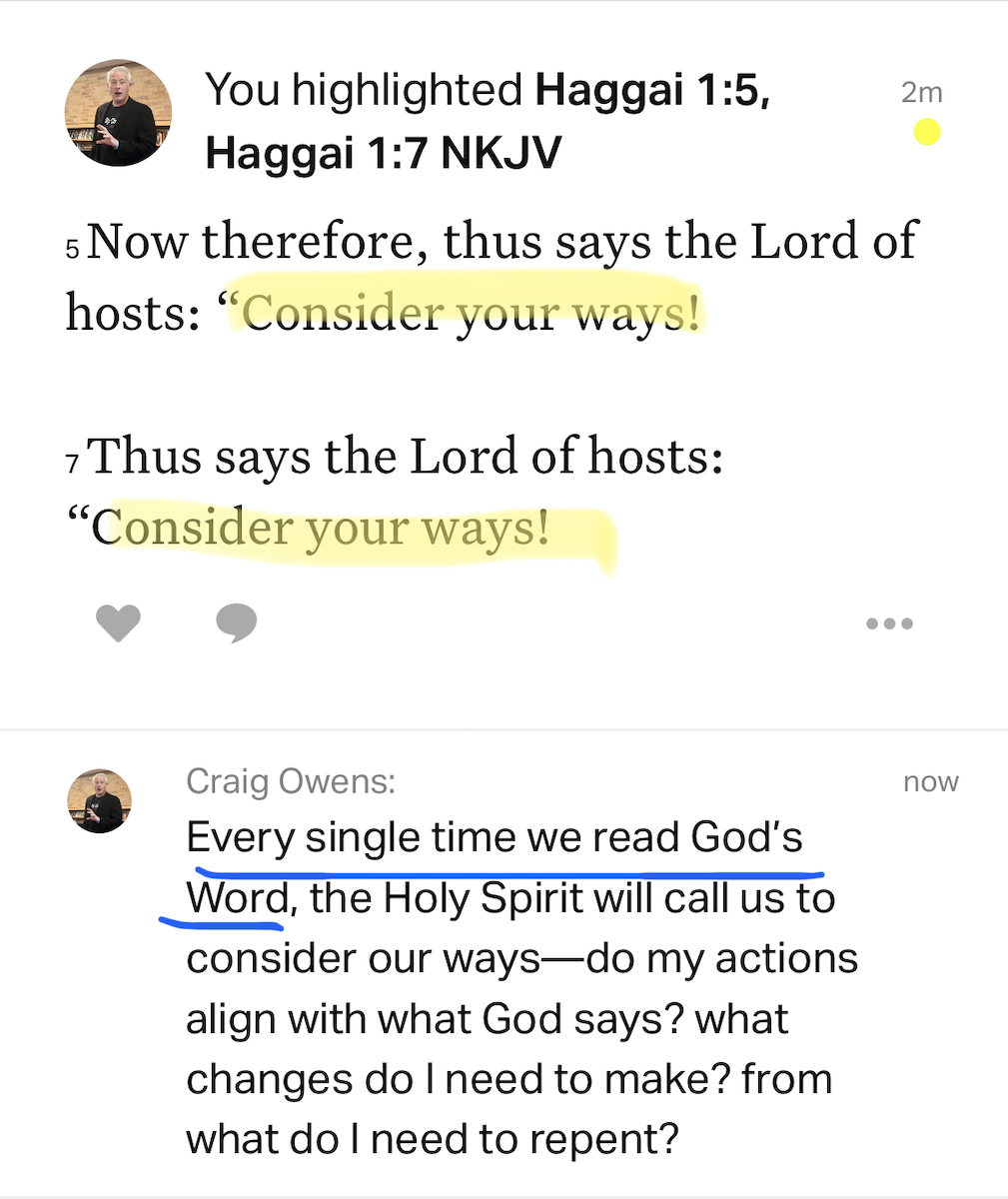
Haggai also records five times that God says, “Give careful thought to your ways.” This phrase literally means to take a strong hold on each thought and examine it intensely. This idea is always connected to a phrase like, “This is what the Lord Almighty says” (1:5, 7; 2:14-15, 17-18). In other words, we are to thoughtfully examine our lifestyle with God’s Word being THE standard of measurement.
Paul made a similar connection in the New Testament: We demolish arguments and every pretension that sets itself up against the knowledge of God, and we take captive every thought to make it obedient to Christ (2 Corinthians 10:5).
Jesus did this too. When speaking to the religious leaders, He said, “You are wrong because you know neither the Scriptures nor God’s power” (Matthew 22:29). And even with His own disciples, He had to open their minds to see how the Scriptures pointed to Him and were fulfilled in Him (Luke 24:25-27, 44-45).
Indeed, the phrase “it is written” is used 75 times in the New Testament!
That’s why Haggai’s words still ring true to us today: “Give careful thought” to how you live in light of how God says you should be living. Christians need to…
We must become people of the Word of God or else we run the very real risk of letting our non-biblical decisions spiral downward into a sinful, unbiblical lifestyle that grieves the heart of God.
My friend, let me encourage you with two words: Don’t quit. If God has called you to your position of leadership, He will also train you to be successful. I really believe the principles I share in my book will help you, and I hope you will pick up a copy soon.



 Many pastors limit their leadership effectiveness by clinging to either confidence or humility. The better option—and one that Jesus Himself demonstrated for us—is to be both confident and humble.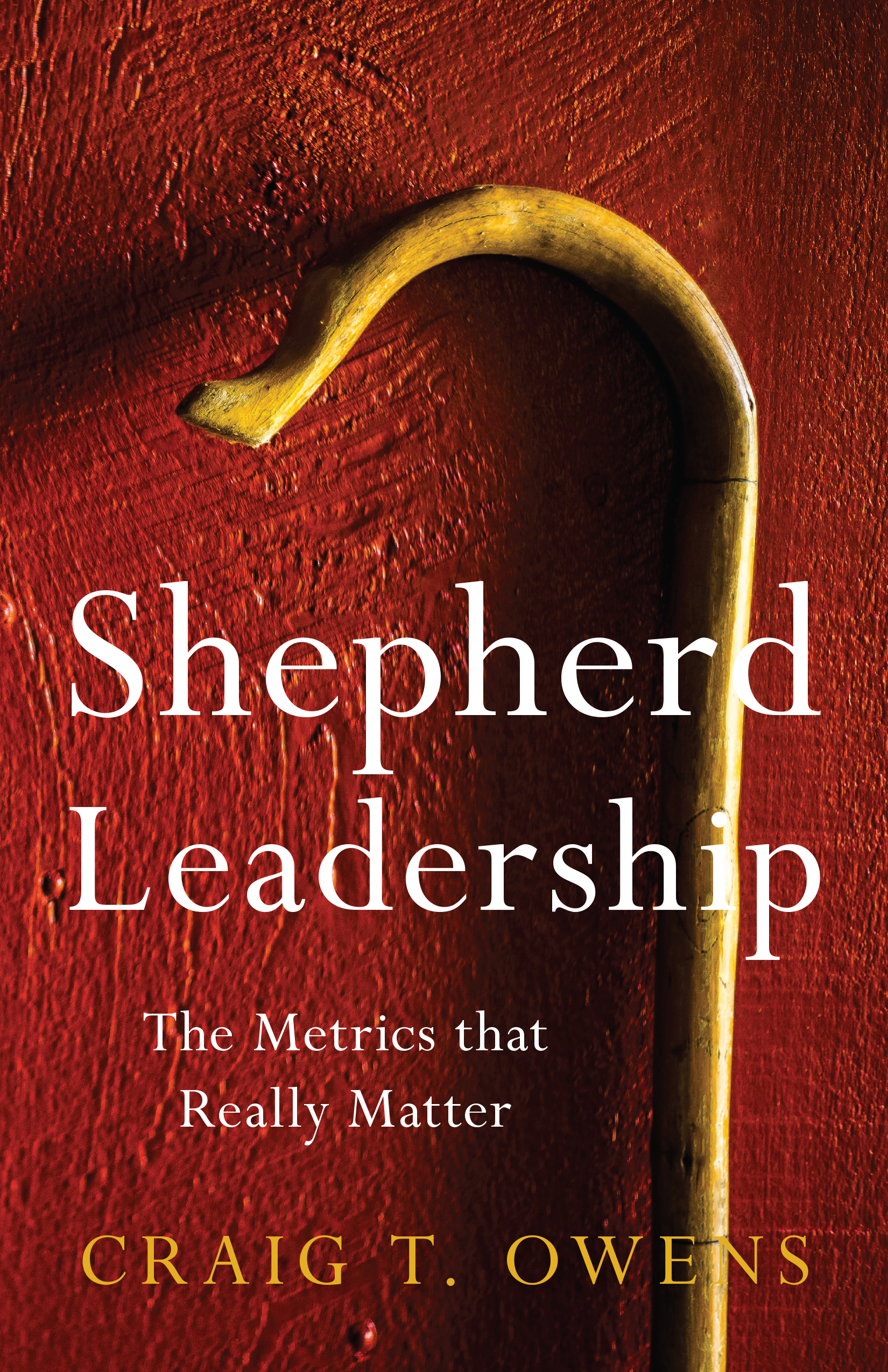





 Craig T. Owens