Listen to the podcast of this post by clicking on the player below, and you can also subscribe on Apple, Spotify, or Audible.
I love reading, and I love sharing my love of good books with others! Here is a list of the books I read and reviewed in 2021. Click on a title to be taken to that review.
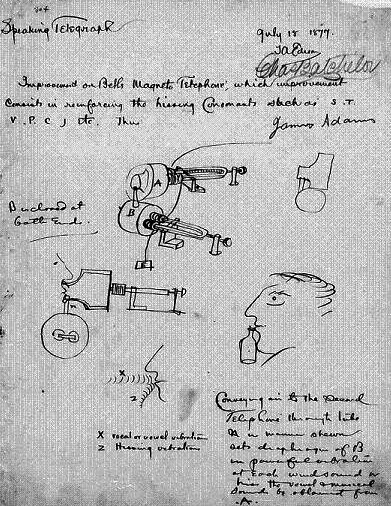
From this book I learned that Thomas Edison’s most-used notation in his journals documenting his experiments was “T.A.” That stood for “try again.” This requires a certain amount of perseverance, or what I like to call stick-to-it-iveness.
Let’s be honest: caring for sheep is frequently a thankless role. Just as soon as they are brought to a green pasture, some of them decide they don’t like this particular pasture, or the water is too cold, or they would rather be with another shepherd. The long hours that shepherds put in are only rarely recognized by the sheep, and often the sheep ask why the shepherd wasn’t available more.
This is the reason why shepherd leaders need to be secure in our simple statement: ‘God chose me.’ If God chose you for this role, He also equipped you for this role. And if He equipped you for this role, He also expects a return on His investment. This security of God’s calling and equipping and the weighty understanding of bringing to God a return on His investment should be our motivators to help us stick with our joyful responsibility. …
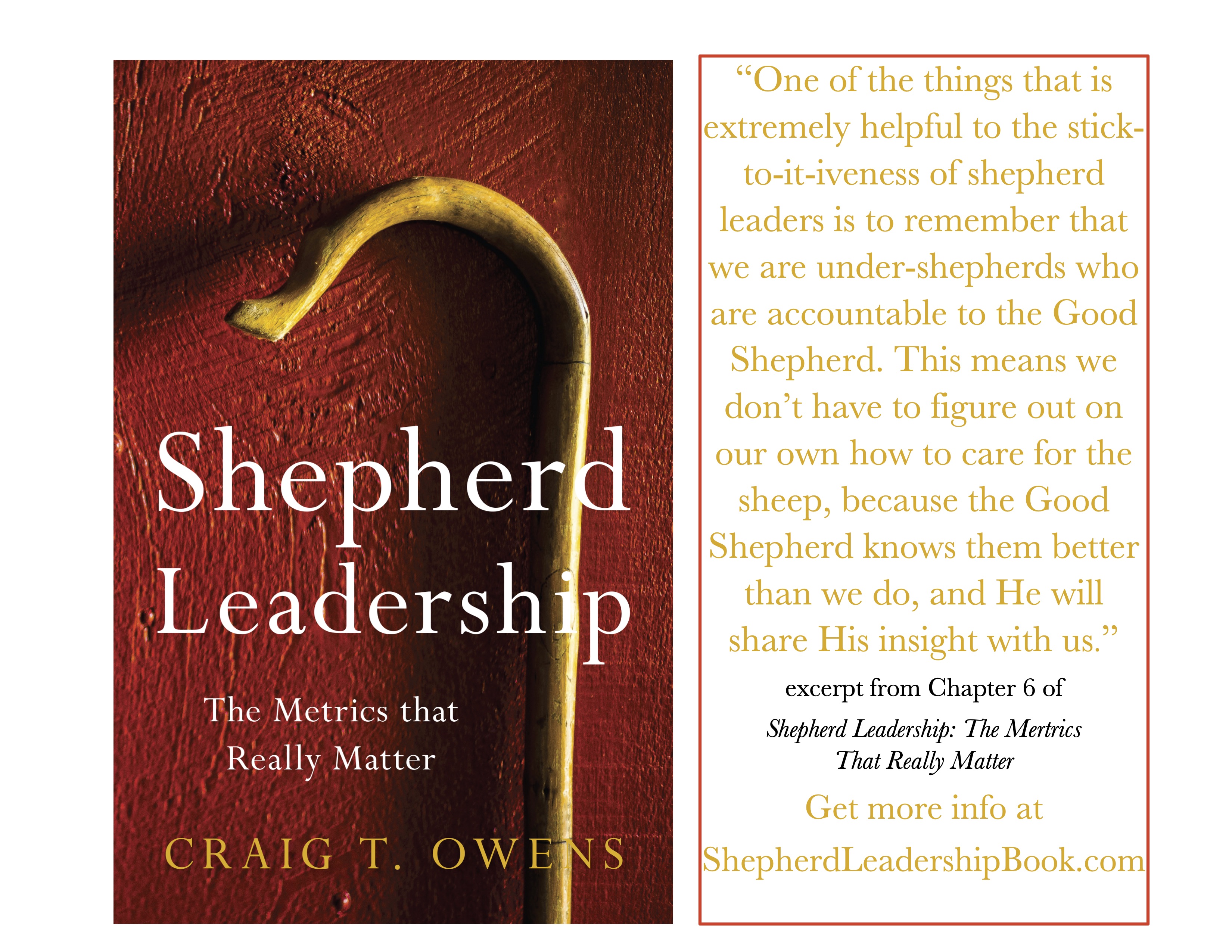
One of the things that is extremely helpful to the stick-to-it-iveness of shepherd leaders—especially in those times we may be battling a pity party—is to remember that we are under-shepherds who are accountable to the Good Shepherd. This means that we don’t have to figure out on our own how to care for the sheep, because the Good Shepherd knows them better than we do, and He will share His insight with us. Neither do we need to learn the shepherding ropes on our own, because both God the Father (the Shepherd of Israel) and Jesus the Son have already demonstrated for us all that we need to do, and the Holy Spirit will continually impart to us the ways we can apply those practices to our particular sheepfold.
I close this chapter with an attitude-correcting, security-building prayer that I wrote using Psalm 23 as my guide.
Leaders especially need to be T.A. people—try again, and try again, and try again. Stick with it, and with God’s help you will be successful.
I invite you to check out my book for yourself. You can read some reviews and additional excerpts by going to ShepherdLeadershipBook.com.
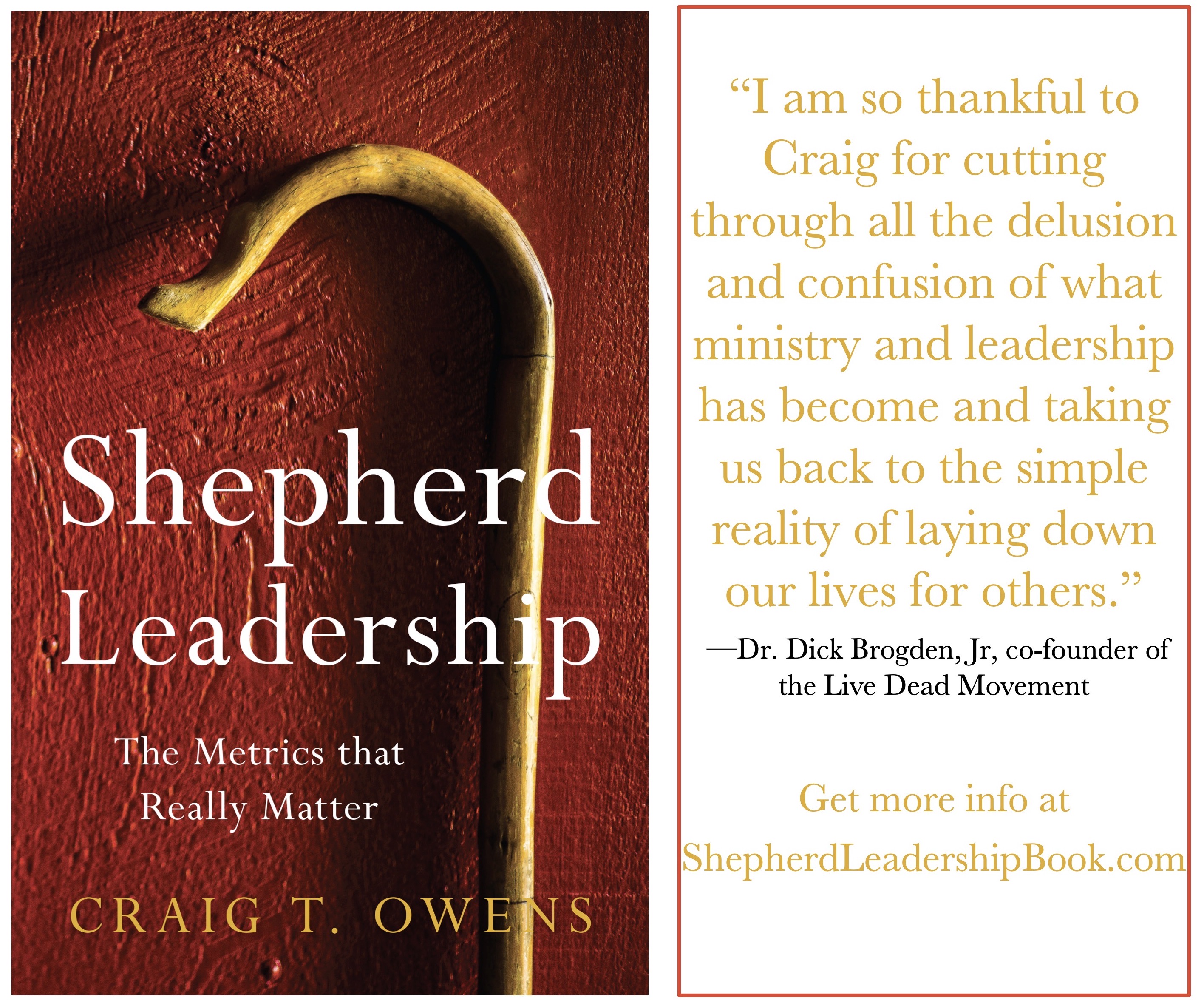
“Stunningly, the Good Shepherd has put the care of His foolish flock into the hands of under-shepherds who tend to be somewhat stupid ourselves. The grand gamble only works if under-shepherds studiously lead in the way that Jesus instructed us to—and therein is the rub, for none of us naturally agrees with His model. Our flesh, culture, ambitions, and propensities all fight Shepherd Leadership like the plague. We may kiss the concept theoretically, but we fundamentally flee from it functionally. …
“It is good to be a sheep; it is good to be an under-shepherd. Just remember you are stupid, chosen by the Wise One, and as long as you serve as a shepherd, you and your flock will be safe.
“The book you are about to read is a refreshing look at leading as a sheep, of serving like our Chief Shepherd. I trust you will benefit from it as much as I did.”
When Faith Frodsham was teaching at the Peniel Bible Institute, she wrote home to tell her father Stanley about her frustration over the small size of her class. She wondered if she was really being successful with such a small class.
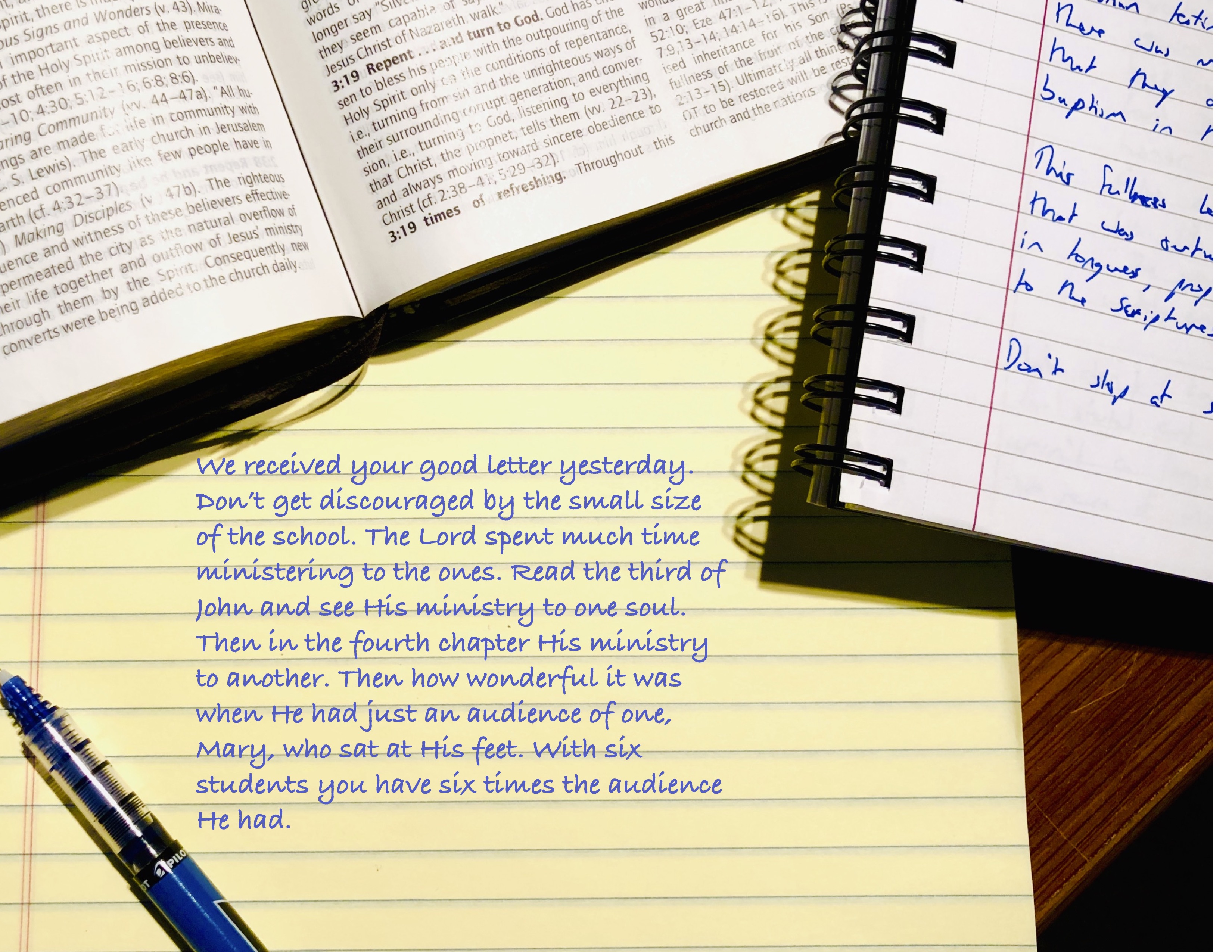
“We received your good letter yesterday. Don’t get discouraged by the small size of the school. The Lord spent much time ministering to the ones. Read the third of John and see His ministry to one soul. Then in the fourth chapter His ministry to another. Then how wonderful it was when He had just an audience of one, Mary, who sat at His feet. With six students you have six times the audience He had.”
Success is not about big numbers, but about quality time invested faithfully and for God’s glory.
I wrote my book Shepherd Leadership: The Metrics That Really Matterto address this misconception which discourages so many pastors and other ministry leaders. If you are involved in ministry, I truly believe this book will give you a new encouraging perspective.
Listen to the podcast of this post by clicking on the player below, and you can also subscribe on Apple, Spotify, or Audible.
I had a great time on the Thriving In Ministrypodcast with Kyle Willis and Dace Clifton.
Kyle asked me a question about how I recharge myself mentally. A key verse in the Bible for me is 2 Corinthians 10:5 where the the apostle Paul counsels us to capture our thoughts. This is extremely hard to do when we are physically or mentally drained.
In my younger years, I used to try to “do nothing” as my recovery time. As I matured, I realized that top athletes had a different way to help their body recover, and I began to adapt those practices to my time of mental recovery. Dace also shares a very helpful tip for his mental recovery time.
In my book Shepherd Leadership: The Metrics That Really Matter I make the case that in order for the sheep to be healthy, the shepherd has to get healthy first. The principle is simple: You cannot give to others what you do not possess yourself. I hope you will pick up a copy of my book to learn how Jesus taught us to be wholly healthy leaders.
I’ll be sharing more clips from this Thriving In Ministry interview soon, so please stay tuned. Shepherd Leadership: The Metrics That Really Matter is available in print or ebook, and in audiobook through either Audible or Apple.
Shepherding God’s flock is both a blessing and a HUGE responsibility! My book Shepherd Leadership: The Metrics That Really Matter can help. Several people have already told me that they have purchased multiple copies to give as Christmas gifts.
I want to help you give this great gift. Here’s how:
Purchase three or more copies in either the print or ebook formats.
Take a screenshot of your receipt and email it to me along with your mailing address.
I will then send you a FREE autographed copy of Shepherd Leadership for you to add to your library.
I wrote this book knowing that it was going to bring joy and a renewed enthusiasm to pastors. Please get this book into the hands of your pastor for Christmas!
Listen to the podcast of this post by clicking on the player below, and you can also subscribe on Apple, Spotify, or Audible.
At a recent Q&A, I was asked how leaders in smaller markets or communities can avoid becoming discouraged if their measurable metrics aren’t continually rising.
I answered this by pointing to a simple three-word phrase that God laid on my heart a number of years ago.
This is an idea that I unpack throughout my book Shepherd Leadership: The Metrics That Really Matter. Please pick up a copy for yourself or as a gift for your friends who are in leadership positions. My book is available in print or ebook, and in audiobook through either Audible or Apple.
Have you ever heard someone describe Jesus as “healthy”?
Dr. Luke noticed how completely healthy Jesus was—mentally, physically, spiritually, and relationally—and then told us how we, too, can be wholly healthy.
Leaders, you cannot give to others what you do not possess yourself. If you want the people around you to be healthy, you must first get healthy yourself.
Listen to the podcast of this post by clicking on the player below, and you can also subscribe on Apple, Spotify, or Audible.
I had a great time on the Thriving In Ministrypodcast with Kyle Willis and Dace Clifton.
The guys asked me a question about how I keep myself healthy, and I pointed them to a principle I observed in the life of Jesus. Check out this excerpt from the chapter “A Healthy Leader’s Sabbath” in my book Shepherd Leadership: The Metrics That Really Matter—
Jesus had a human body just like ours. The demands of ministry caused stress on His body just as it does on our bodies. This is totally natural—this is the way God designed us. Our body helps us meet the demands of each day by releasing a hormone called cortisol. Cortisol helps us by managing how our body uses carbohydrates, fats, and proteins; keeping inflammation down; regulating blood pressure; controlling the sleep-wake cycle; and boosting our energy. …
Cortisol is naturally flushed from our bodies by a healthy on-and-off rhythm. God built this into His Creation by giving us daily rhythms of day and night, work and rest, and by providing a weekly Sabbath to rest and reflect. But as most shepherd leaders know, setting aside a consistent Sabbath day is extremely rare. Again, let’s look to Jesus: Do you see Him doing anything—or not doing anything—on the Sabbath day that He didn’t do the other days? On any day of the week, we see Him speaking in a synagogue, healing the sick, teaching crowds of people, giving instructions to His followers, correcting religious leaders, walking with friends, or stopping to eat at someone’s home.
Jesus had a healthy on-off rhythm: work-rest, minister-celebrate, expend-refresh. Jesus demonstrated that the Sabbath is not so much a day as it is an attitude of the heart. It’s listening to the Holy Spirit say something like, “You’ve been very busy this afternoon, so it’s time to take a nap” and then obeying that divine prompting. Resting and being refreshed—“sabbathing”—is not a luxury; it’s a necessity! That’s why, after a busy day of ministry, we see Jesus spending time in prayer, or taking a nap while crossing the lake when He didn’t have anyone to teach or heal, or finding time for a retreat with His disciples so they could rest and recuperate.
I have five chapters in Shepherd Leadership about a leader’s overall health, and two chapters in particular where I talk about practical ways that we can create the time to practice sabbathing.
I’ll be sharing more clips from this Thriving In Ministry interview soon, so please stay tuned. Shepherd Leadership: The Metrics That Really Matter is available in print or ebook, and in audiobook through either Audible or Apple.
Listen to the podcast of this post by clicking on the player below, and you can also subscribe on Apple, Spotify, or Audible.
In my book Shepherd Leadership: The Metrics That Really Matter I take two chapters to talk about how confident leaders need to add humility to their confidence, and how humble leaders need to add confidence to their humility.
For me, I created and became a character named Plungerman to help me learn some humility.
At a recent Q&A and book signing event I was asked about the origins of Plungerman. Take a listen to my explanation of how Plungerman came to be, and then stay tuned to hear the epic adventure of Plungerman himself!
Shepherd Leadership: The Metrics That Really Matter is available in print or ebook, and in audiobook through either Audible or Apple.



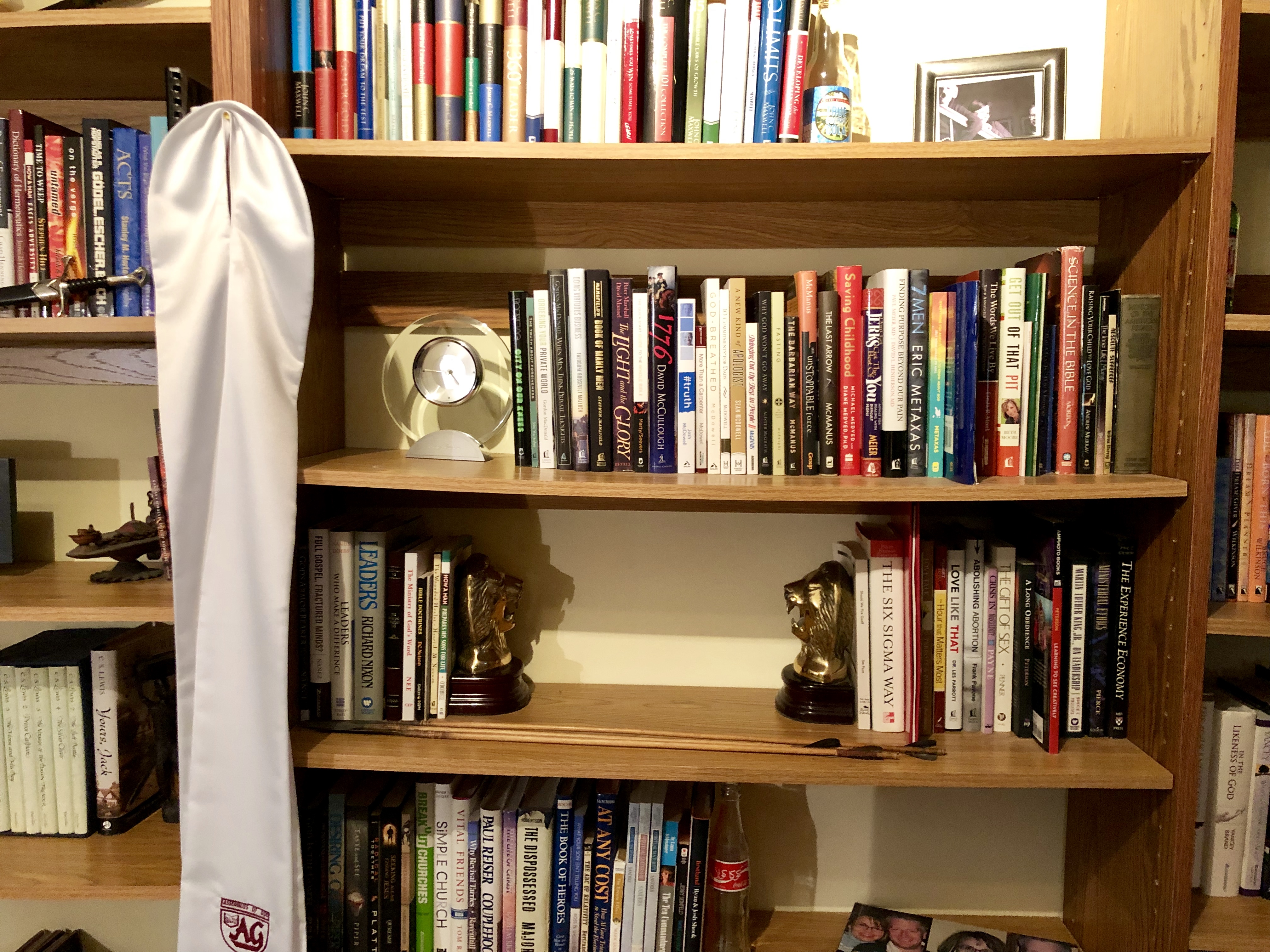 I love reading, and I love sharing my love of good books with others! Here is a list of the books I read and reviewed in 2021. Click on a title to be taken to that review.