Pray Like Jesus

Private prayerThere’s a really interesting story recorded in the gospels of Matthew, Mark and Luke. It’s the one where a father brings his demon-possessed boy to nine of Jesus’ disciples to ask for their help. But the father sadly reports back to Jesus, “But they could not help.”

Jesus calls His disciples out. He says that their faith is lacking. Even the boy’s father is short on faith. He says to Jesus, “If you can do anything, please help us.” To which Jesus says, “‘If you can’? Anything is possible if you believe.” Jesus rebukes the demon, which immediately comes out of the boy.

Now here’s the interesting part: His disciples asked Him, “Why couldn’t we do that?” Jesus says, “This kind comes out only by prayer.” Let’s review all the words Jesus said to the father and his boy:

  • “How long has he been like this?”
  • “‘If you can’? Anything is possible if you believe.”
  • “Demon, come out of him and never enter again.”

So here’s my question―Jesus said the demon was cast out by prayer. So when did Jesus pray? Look at those words He said again … which of those was His prayer?

Actually, if you look through all four gospels you won’t find Jesus laying His hands on people and saying, “Heavenly Father, will You please heal this leprosy?” Or, “Please bring life back into this little girl.” Instead He says, “Be clean” or “Little girl, get up.

So I ask again: When did Jesus pray? The answer is―He prayed all the time.

  • Very early in the morning, while it was still dark, Jesus got up, left the house and went off to a solitary place, where He prayed. (Mark 1:35)
  • After He had dismissed them, He went up on a mountainside by Himself to pray. When evening came, He was there alone. (Matthew 14:23)
  • But Jesus often withdrew to lonely places and prayed. (Luke 5:16)

Do you want to pray like Jesus? He prayed all the time. He had times of prayer with His Heavenly Father, but He was in unbroken communication with Him.

Private prayer leads to public power! 

That’s how we can pray like Jesus!

We will be learning more about prayer in our series The Prayers Of Elisha next Sunday. Please join us!

Matthew Henry On Prayer

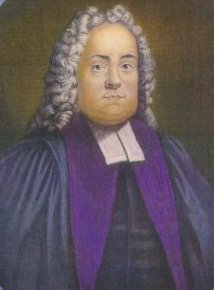
Matthew HenrySome great quotes from Matthew Henry on prayer…

“It is good for us to keep some account of our prayers, that we may not unsay them in our practice.” —Matthew Henry

“God’s promises are to be our pleas in prayer.” —Matthew Henry

“Prayer time must be kept up as duly as meal time.” —Matthew Henry

“A truly religious life is a life of constant joy. And we should rejoice more, if we prayed more. Prayer will help forward all lawful business, and every good work. If we pray without ceasing, we shall not want matter for thanksgiving in every thing. We shall see cause to give thanks for sparing and preventing, for common and uncommon, past and present, temporal and spiritual mercies. Not only for prosperous and pleasing, but also for afflicting providences, for chastisements and corrections; for God designs all for our good, though we at present see not how they tend to it.” —Matthew Henry

“Prayer is a salve for every sore, a remedy for every malady; and when we are afflicted with thorns in the flesh, we should give ourselves to prayer. If an answer be not given to the first prayer, nor to the second, we are to continue praying. Troubles are sent to teach us to pray; and are continued, to teach us to continue instant in prayer.” —Matthew Henry

“The best we can say to God in prayer, is what He has said to us.” —Matthew Henry

“Here is a precept in three words to the same purport, Ask, Seek, Knock (Matthew 7:7); that is, in one word, ‘Pray; pray often; pray with sincerity and seriousness; pray, and pray again; make conscience of prayer, and be constant in it; make a business of prayer, and be earnest in it.’” —Matthew Henry

Links & Quotes

Some good reading from today…

“The greatest evil is not now done in those sordid ‘dens of crime’ that Dickens loved to paint. It is not done even in concentration camps and labor camps. In those we see its final result. But it is conceived and ordered (moved, seconded, carried, and minuted) in clean, carpeted, warmed, and well-lighted offices, by quiet men with white collars and cut fingernails and smooth-shaven cheeks who do not need to raise their voice.” —C.S. Lewis

Excellent post: How The Church Should Talk About Sex.

“As in our Lord’s life His teaching was always connected with healing, He would have the church also take a very deep interest in the bodily sorrows of the people as well as in their spiritual needs. It will be a very great pity if ever it should be thought that benevolence is divorced from Christianity.” —Charles Spurgeon

Eric Metaxas has a powerful call-to-action regarding the Houston government’s abuse of power in their subpoenas of pastor’s sermons. You can also sign a petition supporting free speech and freedom of religion at Houstonproblem.com.

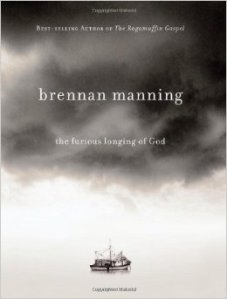
10 Quotes From “The Furious Longing Of God”

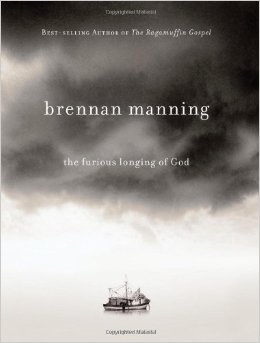
Furious Longing Of GodI love the way Brennan Manning writes! It’s so gut-level real. His words both convict me and encourage me to go deeper into God’s love. You can read my full book review of The Furious Longing Of God by clicking here. Below are some of the quotes I especially appreciated.

“The God I’ve come to know by sheer grace, the Jesus I met in the grounds of my own self, has furiously loved me regardless of my state—grace or disgrace. And why? For His love is never, never, never based on our performance, never conditioned by our moods—of elation or depression. The furious love of God knows no shadow of alteration or change. It is reliable. And always tender.”

“The foundation of the furious longing of God is the Father who is the originating Lover, the Son who is the full self-expression of that Love, and the Spirit who is the original and inexhaustible activity of that Love, drawing the created universe into itself.”

“Pagan philosophers such as Aristotle arrived at the existence of God via human reason and referred to Him in vague, impersonal terms: the uncaused cause, the immovable mover. The prophets of Israel revealed the God of Abraham, Isaac, and Jacob in a warmer, more compassionate manner. But only Jesus revealed to an astonished Jewish community that God is truly Father.” 

“The degree of Abba’s love for me is in direct proportion to His love for Jesus. For example, I can love the mailman with twenty percent and my best friend with ninety percent. But with God, there is no division, no more and no less. God loves me as much as He loves Jesus. Wow!”

“First, if we continue to picture God as a small-minded bookkeeper, a niggling customs officer rifling through our moral suitcase, as a policeman with a club who is going to bat us over the head every time we stumble and fall, or as a whimsical, capricious, and cantankerous thief who delights in raining on our parade and stealing our joy, we flatly deny what John writes in his first letter (4:16)—‘God is love.’ In human beings, love is a quality, a high-prized virtue; in God, love is His identity. Secondly, if we continue to view ourselves as moral lepers and spiritual failures, if our lives are shadowed by low self-esteem, shame, remorse, unhealthy guilt, and self-hatred, we reject the teaching of Jesus and cling to our negative self-image.”

“Healing becomes the opportunity to pass off to another human being what I have received from the Lord Jesus; namely His unconditional acceptance of me as I am, not as I should be. He loves me whether in a state of grace or disgrace, whether I live up to the lofty expectations of His gospel or I don’t. He comes to me where I live and loves me as I am.”

“To affirm a person is to see the good in them that they cannot see in themselves and to repeat it in spite of appearances to the contrary.”

“Jesus said the world is going to recognize you as His by only one sign: the way you are with one another on the street every day. You are going to leave people feeling a little better or a little worse. You’re going to affirm them or deprive them, but there’ll be no neutral exchange.”

“The question is not can we heal? The question, the only question, is will we let the healing power of the risen Jesus flow through us to reach and touch others, so that they may dream and fight and bear and run where the brave dare not go?” 

“How is it then that we’ve come to imagine that Christianity consists primarily in what we do for God? How has this come to be the good news of Jesus? Is the kingdom that He proclaimed to be nothing more than a community of men and women who go to church on Sunday, take an annual spiritual retreat, read their Bibles every now and then, vigorously oppose abortion, don’t watch x-rated movies, never use vulgar language, smile a lot, hold doors open for people, root for the favorite team, and get along with everybody? Is that why Jesus went through the bleak and bloody horror of Calvary? Is that why He emerged in shattering glory from the tomb? Is that why He poured out His Holy Spirit on the church? To make nicer men and women with better morals? The gospel is absurd and the life of Jesus is meaningless unless we believe that He lived, died, and rose again with but one purpose in mind: to make brand-new creations. Not to make people with better morals, but to create a community of prophets and professional lovers, men and women who would surrender to the mystery of the fire of the Spirit that burns within, who would live in ever greater fidelity to the omnipresent Word of God, who would enter into the center of it all, the very heart and mystery of Christ, into the center of the flame that consumes, purifies, and sets everything aglow with peace, joy, boldness, and extravagant, furious love.”

Mobile, Messy & Meaningful

21st-century Americans in Christ's timeI think we have made the Church and Christianity something different than what the New Testament shows us. We’ve created far too many “things” which simply aren’t in the Bible. That’s not to say these things are wrong, but they may become stumbling blocks to us if we make secondary things the primary thing.

So what is the primary thing about church?

It might surprise you to know that the word church is only used twice by Jesus (Matthew 16:18, 18:17). He used a Greek word ekklesia, which meant a gathering of people called out from their homes into some public place. This word originally had more of a “town hall” meaning to it, but Jesus used this as a starting point to show us true church.

In Christ’s time the church for Him was…

Mobile—wherever He was, church was. Look at the extensive traveling He did. He held as many “church services” in people’s dining rooms as He did in the synagogues.

Messy—often as Jesus was speaking…

  • People constantly coming and going
  • Pharisees yapping and interrupting
  • Kids playing
  • Women sitting at His feet, anointing Him, crying over Him
  • Food and drink were usually involved
  • Foot washing was taking place
  • When He was outdoors: wind, waves, farmers, passers-by…
  • When He was indoors: food being served and eaten, roofs being ripped off…
  • People constantly interrupted His sermons: “Blessed is Your mother…”; “Tell my brother to give me my inheritance…”; “My daughter is dying!…”

Meaningful

  • “I must go through Samaria.”
  • “It’s not the healthy who need a doctor, but the sick.”
  • “Zaccheus, today I’m eating dinner at your house.”
  • “The Spirit of the Lord is upon Me to preach good news to the poor, freedom to the captive, sight to the blind, favor to the oppressed.”

Jesus asked His disciples Who they thought He was (see Matthew 16:13-18). The correct answer was Peter’s declaration, “You are the Christ, the Son of the living God!” Jesus said, “You’re right, and on that declaration I will build My church.”

Our job is to make Jesus known as the Christ, the Son of the living God (v. 16).

Christ’s job is to build His Church (v. 18).

He didn’t tell us to build a building and invite people to come on Sundays.

He didn’t tell us to start a Sunday School or a feeding program or a youth group.

There’s nothing wrong with these things, but they are not the main thing. 

The main thing is Jesus being seen as the Son of the living God. Where we are gathered together in that confession and purpose—even just two or three of us—that’s where His church is (see Matthew 18:20).

We must be mobile, taking a meaningful message into people’s messy lives. That is true church.

Don’t Forget The Most Important Thing

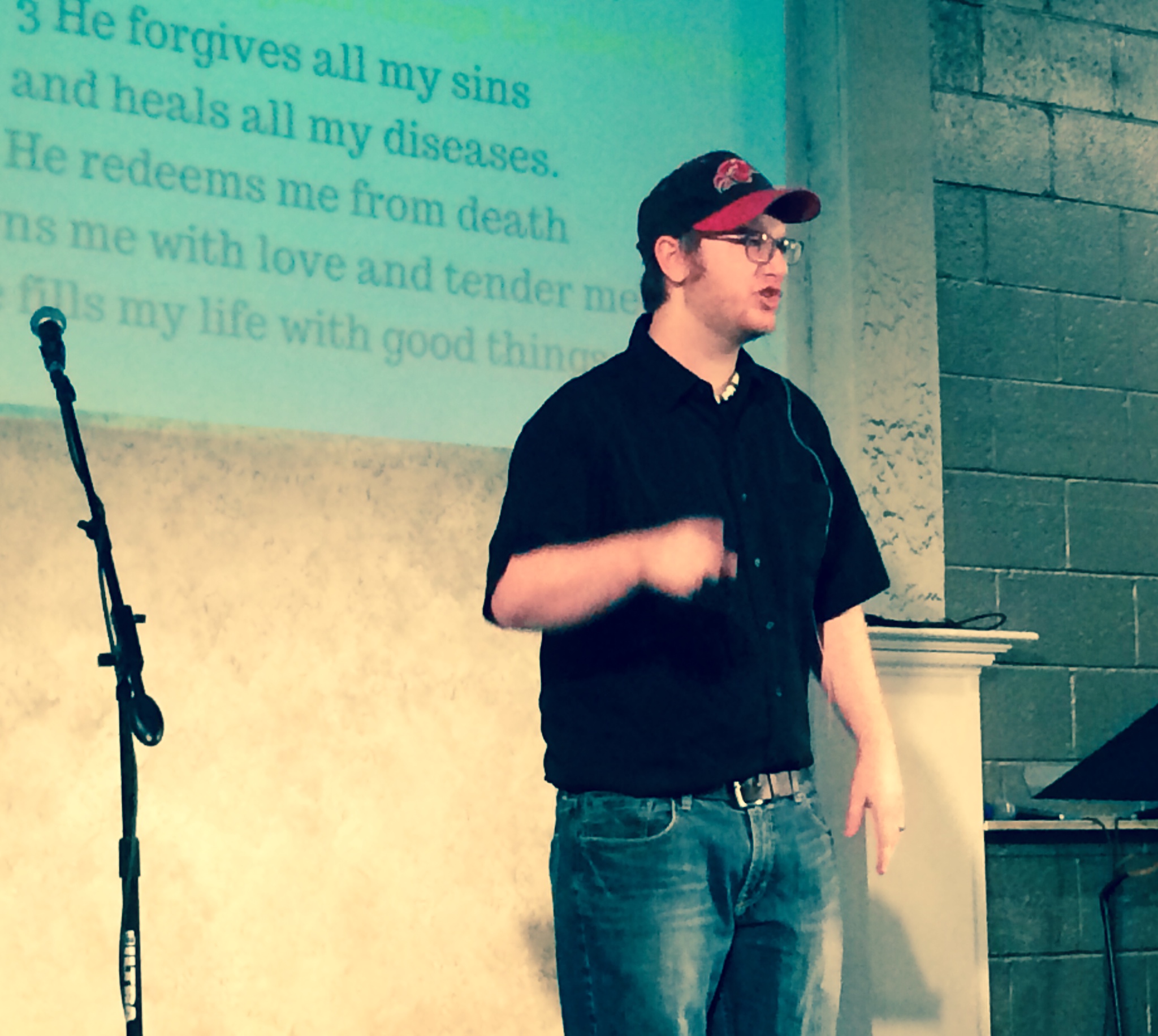
Pastor JoshPastor Josh continued the Boating Lessons series yesterday, which Pastor Tom began last week. What a great word Josh brought us! Here are my “raw notes” just as I took them during his message.

Boating Lessons—part 2 (Psalm 103:1-5Matthew 8:23-27)

How many of us have been in a storm where we felt out of control or distant from God? When we are in the midst of that storm, we must remember Who’s in the boat with us.

Jesus challenged the disciples, “Have you forgotten Who I am?” They had seen Him heal leprosy (8:1-4), heal paralysis (8:5-13), raise up the sick and set the demon-possessed free (8:14-17). But now they were more focused on the situation than on the Savior.

One symptom of forgetting Who God is: complaining (the disciples asked Jesus, “Don’t You care about us?!” [Mark 4:38]).

The storm is part of God’s process to change us and to bring glory to God—Be strong, courageous, and firm; fear not nor be in terror before them, for it is the Lord your God Who goes with you; He will not fail you or forsake you (Deuteronomy 31:6).

Don’t forget Who’s in the boat … He never leaves us. The most important thing is not the storm rocking the boat but Who is in the boat with me!

I might feel like I have no control, but I must remember that Jesus is in the boat with me and He has all control!

Storms may come “without warning” to me (Matthew 8:24), but remember God Who is in my boat is All-Knowing and He’s never taken by surprise. 

Pastor Josh closed his message the same way I’d like to close this post: in prayer. If you are in the midst of a storm—or if you feel like God is distant—this is the best time to cry out to Him in prayer. The Holy Spirit can remind you of Who is in the boat with You. He will never leave you nor forsake you!

Please join us next Sunday as Pastor Tom and Pastor Josh continue this series.

Doctors Don’t Heal

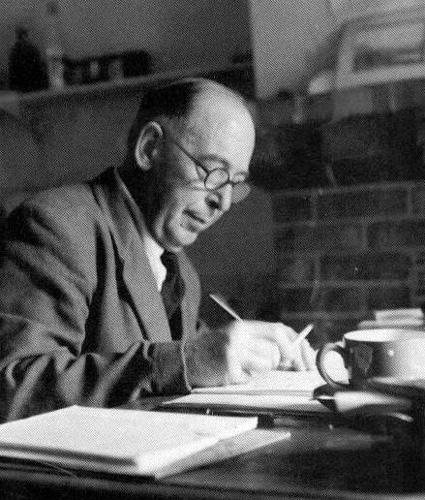
C.S. LewisI recently re-read C.S. Lewis’ book Miracles (you can read my full book review by clicking here). As you may have noticed, after reading and reviewing books on this blog, I also like to share some quotes that caught my attention. Doing this with Lewis is difficult, because in order to get the context of a particular quote, I think I would have to cite almost a full page or more. So I have been slowly sharing some quotes from Miracles that require not as much context, or I will provide a bit of background to set the stage.

For other quotes from this book see Miracle Or “Cheating”?Miracles And NatureChristianity And PantheismCorrecting The PantheistAbsolute FactThe Central MiracleThe Miracle of Freewilland Checkmate.

“There is a sense in which no doctor ever heals. The doctors themselves would be the first to admit this. The magic is not in the medicine but in the patient’s body—in the vis medicatrix naturæ, the recuperative or self-corrective energy of Nature. What the treatment does is to stimulate Natural functions or to remove what hinders them. We speak for convenience of the doctor, or the dressing, healing a cut. But in another sense every cut heals itself: no cut can be healed in a corpse.” —C.S. Lewis

God says He will not share His glory with anyone or anything.

So it is not medicine that heals, but God Who heals by giving scientists the insight to make medicines. It is not doctors who heal, but God Who gives doctors wisdom to create the environment in which healing can occur.

All healing of the body is a miracle, but all healing comes from God.

Links & Quotes

link quote

Some good reading from today…

Food for thought: Worship In A Selfie World.

“The most basic and powerful way to connect to another person is to listen. Just listen. Perhaps the most important thing we ever give each other is our attention. A loving silence often has far more power to heal and to connect than the most well-intentioned words.” —Rachel Naomi Remen

Pastor Dave Barringer has some good thoughts on Successful Communication In Marriage.

Joy is distinctly a Christian word and a Christian thing. It is the reverse of happiness. Happiness is the result of what happens of an agreeable sort. Joy has its springs deep down inside. And that spring never runs dry, no matter what happens. Only Jesus gives that joy.” —S.D. Gordon

The Holy Spirit does not bring text after text until we are utterly confused; He simply brings back with the greatest of ease the words which we need in the particular circumstances we are in. Then comes in the use of the will, will I obey the word which has been brought back to our remembrance? The battle comes when we begin to debate instead of obeying.” —Oswald Chambers

Links & Quotes

link quote

Some reading I checked out today:

“Do not despair, dear heart, but come to the Lord with all your jagged wounds, black bruises, and running sores. He alone can heal, and He delights to do it. It is our Lord’s office to bind up the brokenhearted, and He is gloriously at home at it.” —Charles Spurgeon

David Wilkerson on hearing God’s voice: To Know His Voice.

[VIDEO] Nearly 60 years after rescuing a baby abandoned in the woods, the rescuer and the rescued are reunited.

“We let our fear of what others think of us keep us from doing God-honoring creative projects. We let our pride and our so called self-image keep us from using our God-given talents and abilities. We care more about bringing honor to ourselves than bringing honor to God.” —Stephen Altrogge, in Create

Former abortion worker admits “it’s all about money.” Read more of Carol Everett’s story.

Healed Healer

Healed HealerMartha has gotten a bad rap throughout history. So many people jump on her for buzzing around her home trying to make sure Jesus, His disciples, and all of the other guests were taken care of. She was attempting to be a good hostess.

But let’s read her story again carefully (see Luke 10:38-42). Notice first of all that Martha “opened her home” to Jesus. She took the responsibility for making sure Jesus felt welcomed in her home.

Next notice how Jesus addressed Martha. He said “Martha, Martha.” There are no unnecessary words in the Scripture, so His repeating her name is significant. Jesus alone speaks like this in all of the New Testament: only He repeats someone’s name to make sure He has their undivided attention—

  • Simon, Simon (Luke 22:31) when warning him that satan is after him.
  • Jerusalem, Jerusalem (Luke 13:34) to the people who could be helped by Him.
  • My God, My God (Matthew 27:46) to His Father from the Cross.
  • Saul, Saul (Acts 9:4) to the young zealot who was persecuting Christ.

Jesus was not scolding Martha, but He was trying to get her attention. Jesus told her she was “worried and upset about many things.” By contrast Mary was focused on one thing: soaking up Christ’s words. It’s hard to be hospitable when you’re doing it in your own strength. It’s hard to be a healer when you need healing yourself.

In an amazing turnaround, Jesus became the Host. He wanted Martha to see that having a relationship with Him is THE priority. Everything else flows from that.

It’s not coincidental that both hospitality and hospital come from the same root word meaning a place of healing.

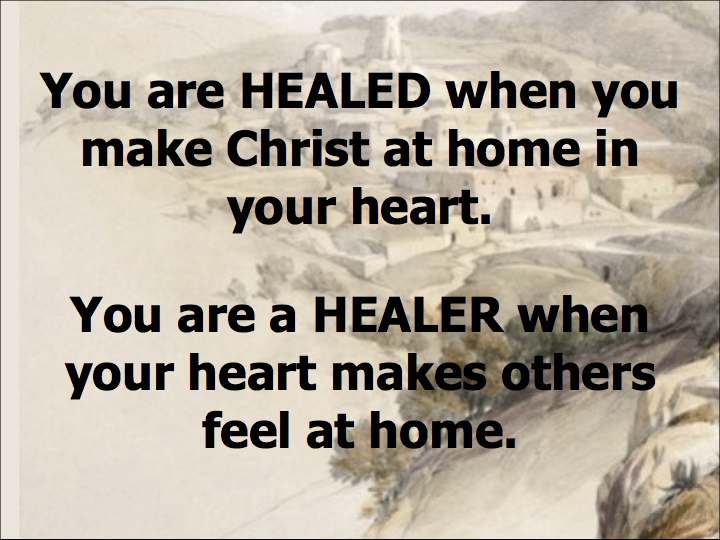
  • You are HEALED when you make Christ at home in your heart. 
  • You are a HEALER when your heart makes others feel at home. 

This is the essence of being God-oriented and then people-focused. This is when YOU can be a healed healer!

Think about this: What does it mean to you to make Jesus at home in your heart? What’s stopping you from receiving His healing today? It’s only after you’ve been healed that you can bring healing to others.