The Power Of God’s Name

“God’s name marks Him out; by it will we address Him; it embodies His character. … This name that is written all over the Bible, but specially exhibited in Christ Jesus, Who came to declare to us the Father’s name, is a name—

  1. Of greatness. Jehovah, God, Creator, El-Shaddai; all expressive of majesty and power and glory. The Lord God omnipotent.
  2. Of grace. It is the declaration of free love. Merciful and gracious. He to whom it belongs must be the fountain-head of love. God is love. In Him is infinity of compassion and longsuffering.
  3. Of forgiveness. He pardons iniquity, transgression, and sin; all sin, great and small; there is forgiveness with Him, that He may be feared; forgiveness to the uttermost.
  4. Of righteousness and holiness. It is holy love that is to be found in Him; righteous grace to the unrighteous; righteous pardon to the guilty.” —Horatius Bonar, in Light & Truth—The Old Testament

Thursdays With Oswald—Isaiah 1

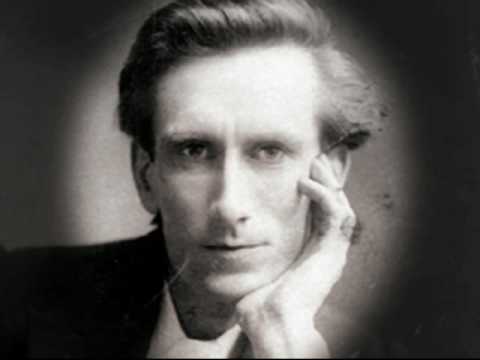
Oswald ChambersThis is a weekly series with things I’m reading and pondering from Oswald Chambers. You can read the original seed thought here, or type “Thursdays With Oswald” in the search box to read more entries.

Isaiah 1

[These are notes from Oswald Chambers’ lecture on Isaiah 1.]

     There is no such thing as fate; a human being always has the power to do the incalculable thing. There are fatal issues, not fate. When God’s decrees come to pass it is because men will not turn. God’s will is supreme, but God never fights against us; it is self-will that fights against God. …  

     If God were love according to our natural view of love He ought never to cause us pain, He ought to allow us to be peaceful; but the first thing God does is to cause us pain and to rouse us wide awake. He comes into our lives all along with ideals and truths which annoy and sting us and break up our rest, until He brings us to the one point, that it is only moral and spiritual relationships which last. That is why God looks cruel judged from the human sentimental standpoint; He loves us so much that He will not prevent us being hurt. …  

     Many a life is paralyzed because this is not realized—“I know God has forgiven me, I know I am right with God, but every now and again I remember the things I did that damaged other lives.” If I put the wrong right with my fellow men, have I become right with God? No, get right with God and He will put you on the way to be right with your fellow men. 

From Notes On Isaiah

Isaiah 1 opens with God taking His people to task for merely going through the motions of worship, with their hearts being far away from Him. Chambers reminds us that this self-will that fights against God will often bring its own pain. Why? Because God loves us too much to let us go unmolested down the path to eternal destruction. Instead, God longs for us to turn our hearts unreservedly to His love and purpose for our lives.

The Wonder Of God’s Forgiveness

King David was intimately confident that God would hear his prayers. No matter what—even if David had sinned.

The prophet Nathan confronted David after David had committed adultery with another man’s wife, gotten her pregnant, and then had her husband killed to try to cover up their affair. David assumed he had gotten away with it, but God sent Nathan to tell David that He knew all about it.

David immediately went to prayer.

His prayer is instructive for us when we sin too. David’s appeal to God for forgiveness is based solely on God’s ability and willingness to forgive, not on any merits David brings.

In this prayer, David presents a tally sheet. On his side of the ledger, he lists my transgressions, my iniquity, my sin, my bloodguilt. He sums it up with, “Against You, You only, have I sinned and done what is evil in Your sight.”

David also tallies up God’s side of the ledger: You are right, You are just, You are righteous.

We might be tricked into thinking that a Perfect Being like this wants nothing to do with a sinful creature like you and me. But this is completely wrong! David appeals to God’s unfailing love, and Your great compassion. He lists God’s desire to cleanse, wash, blot out sins, restore, and release from blood-guiltiness.

David said, “I have sinned against the Lord.” And immediately Nathan responded, “The Lord has taken away your sin.”

Sin is all on me! Restoration is all on God!

With this in mind, we learn that the mark of a maturing Christian is not one who never sins, but one who…

  1. …feels a broken heart because of their sin (see Psalm 51:10)
  2. …confesses my sin
  3. …confidently asks for His forgiveness
  4. …helps others who have sinned (v. 13)
  5. …continues to abide in Jesus (vv. 10-12)

God is quick to forgive. Are we equally as quick to ask for His forgiveness?

You can study more of the lessons from the prayers of David:

“When Your Prayer Life Is Active And Full…

…when you are communing daily with God, you will begin to see others as God sees them. The next time you find yourself angry, frustrated, or disappointed with someone, I challenge you to pray, ‘Lord, help me to see this person as You see him.’ The next time you are compelled to harbor bitterness or respond in anger, pause and soak in the gravity of God’s unconditional love for you.” —Jack Graham

We Usually Believe The Opposite

The Lord is gracious and compassionate, slow to anger and rich in love. (Psalm 145:8)

Let those words sink in because most of us live like the exact opposite is true. Check out this 2-minute explanation …

Thursdays With Oswald—An Aroma From God’s Garden

Oswald ChambersThis is a weekly series with things I’m reading and pondering from Oswald Chambers. You can read the original seed thought here, or type “Thursdays With Oswald” in the search box to read more entries.

An Aroma From God’s Garden

     [Oswald Chambers is speaking about how the prodigal son returned home.] 

     Did the father send any message to the far country after the younger boy? There is no record of any message being sent. What did the younger boy have to do? He had to do exactly what is recorded in Hosea long before that picture was painted by Our Lord—he had to return. Drawn by God? It does not say so. Read the fourteenth chapter of Hosea: “I will heal their backsliding” [Hosea 14:4]; but the backslider has to get up first, leave the pigs and what pigs eat, and go back to where he came from. Help granted him? None whatever. Messages from the home country? Not one. Tender touches of God’s grace on his life? No. Can you picture that prodigal son returning, a degraded, sunken, sin-stained man, going back in all the cruel, bald daylight? Oh, it is a hard way to go back out of the backslider’s hell; a hard, hard way! Every step of it is cruel, every moment is torture. But what happened? Before that younger son had gotten very far, the father saw him “and ran to his son, threw his arms around him and kissed him”!

     Worker for God among backslidden souls, remember God’s way, put the sting, if you can, into the backslider’s soul that he may get up and come back to God, and what has he to do? Take with him words and say, “Forgive all my sins and receive me graciously” [Hosea 14:2]. Did the prodigal son take with him words? He did, he rehearsed them over and over again where he was amongst the pigs—“I will say to my father this and that,” he had it all by heart. Does Hosea say the same? He does: “My sins have been my downfall” [Hosea 14:1]. … 

     I just said now that no message was sent to the far country; God sends none, but, worker for God, will you be a message from the Father? Will you so bathe your life in the atmosphere of prayer that when you come in contact with a backslidden soul, it will awaken a remembrance of the Father, awaken a remembrance of what that soul once was? Will you let your life be like a bunch of flowers from the Father’s home garden, just awakening for one moment a remembrance of what life once was, and then pass on, and pray and watch, and you will be mightily rewarded by God when you see that poor backslidden soul get up and go back to God, taking with him words and saying, “My sins have been my downfall.” 

From Workmen Of God

What about you, my friend? Do you love the prodigals enough to be the Father’s message from home to them?

Love Is Really Love

“Love is really love—when we are loving the unlovable.

“Forgiveness is really forgiveness—when we are forgiving the unforgivable.

“Repentance is really repentance—when we let our wrong loves be broken by the rightness of God’s unbreakable love.

“Faith is really faith—when we believe God for the unbelievable.” —Ann Voskamp, in The Broken Way

Thursdays With Oswald—All Christians Are Missionaries

Oswald ChambersThis is a weekly series with things I’m reading and pondering from Oswald Chambers. You can read the original seed thought here, or type “Thursdays With Oswald” in the search box to read more entries.

All Christians Are Missionaries 

     It is easy to forget that the first duty of the missionary is not to uplift the heathen, not to heal the sick, not to civilize savage races, because all that sounds so rational and so human, and it is easy to arouse interest in it and get funds for it. The primary duty of the missionary is to preach “repentance and remission of sins…in His name” [Luke 24:47]. … 

     The key to the missionary message is the limitless significance of Jesus as the propitiation for our sins. A missionary is one who is soaked in the revelation that Jesus Christ is “the propitiation for our sins; and not for ours only, also for the sins of the whole world” [1 John 2:2]. The key to the missionary message is not the kindness of Jesus; not His going about doing good; not His revealing of the Fatherhood of God; but the remissionary aspect of His life and death. This aspect alone has a limitless significance. …  

     Worship is the love offering of our keen sense of the worth-ship of God. … To worship God truly is to become a missionary, because our worship is a testimony to Him. It is presenting back to God the best He has given us, publicly not privately. 

From So Send I You

Everyone who has made Jesus their Lord and Savior is commissioned to be a missionary: to go tell others about the life-changing work Christ did for you.

Are you thrilled with God’s mercy toward you? Are you overwhelmed with gratitude that Jesus took your place on the Cross? Are you filled with joy at the righteousness with which Jesus has clothed you?

If so, then tell the world! Let your worship show your sense of the worth-ship of God. Sure, you can do this privately, but be sure you do it publicly as well. That is what missionaries do!

Saturday In The Psalms—God’s Voice Of Peace

Lord, You have been favorable … You have forgiven … You have covered all their sin. Selah (Psalm 85:1-2).

God’s favor, forgiveness, and covering of sin. Justice would say that God doesn’t have to do any of these things. The people sinned—they violated the holy law—and thus deserve death. But pause and consider this [that’s what Selah means]: God instead shows His favor, deliverance, and forgiveness. All His anger has been turned away!

How do we respond to this? The psalmist asks for restoration and revival. Revival comes when we turn back to God and turn away from our sin, and here we see God initiating revival … making revival possible.

Listen to God’s voice: He speaks peace, which allows us to experience revival. Jesus didn’t say, “Go and sin no more; I do not condemn you.” No! He said, “Neither do I condemn you, now go and sin no more” (John 8:11).

The removal of the wrath of condemnation makes the revival of the soul possible!

Once we hear God’s voice of peace, we can then know His…

  • … mercy
  • … truth
  • … righteousness
  • … goodness
  • … pathway
  • … freedom

God, You are so good! So loving, kind, merciful! Showing Your favor to all who will listen to Your words of peace!

Poetry Saturday—Diary Of An Old Soul

Lord, I have fallen again—a human clod!
Selfish I was, and heedless to offend;
Stood on my rights. Thy own child would not send
Away his shreds of nothing for the whole God! 
Wretched, to Thee Who savest, low I bend:
Give me the power to let my rag-rights go
In the great wind that from Thy gulf doth blow. 

Keep me from wrath, let it seem ever so right:
My wrath will never work Thy righteousness.
Up, up the hill, to the whiter than snow-shine,
Help me to climb, and dwell in pardon’s light.
I must be pure as Thou, or ever less
Than the design of me—therefore incline
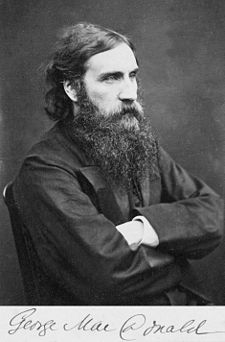
My heart to take men’s wrongs as Thou tak’st mine. —George MacDonald