Thursdays With Oswald—The Destination Is Not The Goal

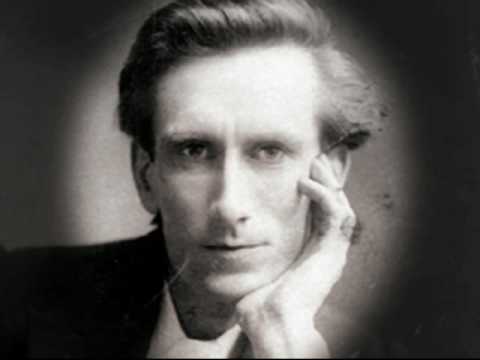
Oswald ChambersThis is a weekly series with things I’m reading and pondering from Oswald Chambers. You can read the original seed thought here, or type “Thursdays With Oswald” in the search box to read more entries.

The Destination Is Not The Goal

     In natural life we have ambitions and aims which alter as we develop; in the Christian life the goal is given at the beginning, viz., Our Lord Himself. “Till we all come in the unity of the faith, and of the knowledge of the Son of God, unto a perfect man, unto the measure of the stature of the fullness of Christ” [Ephesians 4:13]. We do not start with the idea of what the Christian life should be, we start with Christ, and we end with Christ. Our aims in natural life continually alter as we develop, but development in the Christian life is an increasing manifestation of Jesus Christ. …  

     “And He went on His way through cities and villages, teaching, and journeying on unto Jerusalem” (Luke 13:22). Our Lord was not fanatical. Had He been a fanatic, He would have said—“Because I am going up to Jerusalem there is no need to stay in this village or that; I have only one duty, and that is to go up to Jerusalem.” Our Lord took plenty of time to do His duty in the cities and villages that He went through on His way to Jerusalem. Nothing made Him hurry through the villages where He was persecuted, or linger in those where He was blessed. …  

     The aim of the missionary is not to win the heathen, not to be useful, but to do God’s will. He does win the heathen, and he is useful, but that is not the aim; his aim is to do the will of his Lord.

From So Send I You 

The Christian’s goal is not Heaven. The Christian’s goal is not winning a bunch of people to Christ. The Christian’s goal is not even being an effective Christian.

The Christian’s goal is to be like Jesus, making Him increasingly visible in my daily life.

God will do amazing things through us as we journey through this life, and Heaven is a wonderful reward for a Christian. But those things should never be our focal point. May our focal point always be this: I want to know Jesus more, and I want His life to be seen in me. I want His will to be done, and His glory to be seen.
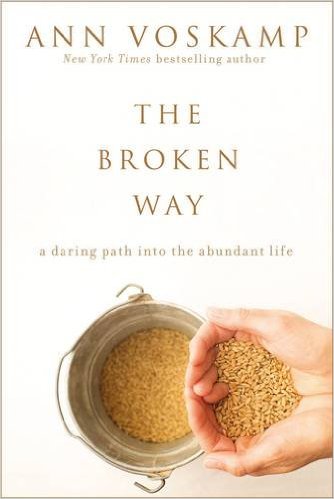
11 More Quotes From “The Broken Way”

Ann Voskamp’s book The Broken Way wrecked me … in a good way! Ann shows us how Jesus steps into our brokenness, and how He then prepared us to take His love into other people’s brokenness. It’s a fantastic book, so you really should check out my book review by clicking here.

“I am not the mistakes I have made; I am the righteousness He has made. I am not the plans I have failed; I am the perfectness He has finished. I am not the wrongs I have done; I am the faultlessness He has been. I am not the sins I have chosen; I am chosen by the Beloved, regardless of my sins. In Christ, I am chosen, accepted, justified, anointed, sealed, forgiven, redeemed, complete, free, Christ’s friend, God’s child, Spirit’s home.”

“You’ve got to give your gifts or they may become your idols.”

“The thread of your life becomes a tapestry of abundant colors only if it ties itself to other lives. The only way to strengthen the fabric of society is to let the threads of your life break away to let Christ, who is in us, weave around other threads. … The strong must disadvantage themselves for the weak, the majority for the minority, or the community frays and the fabric breaks.”

“We will be known for our actual fruits, not the intentions of our imaginations.”

“Don’t we all have to unlearn fear before we can truly learn to love?”

“Jesus comes to give you freely through His passion what every other god forces you to try to get through performance.”

“Compassion says there will only be abundance for me when there is abundance for you.”

“Instead of flexing His muscle, Jesus surrendered His muscle to the nail. Instead of leveraging His position, He leveraged Himself out on a Cross. He made sacrifice His default position. Instead of stonewalling people with His authoritative power, He laid down His authority, lay down in a tomb, lay in a suffering death till the stone was rolled away.”

“The focus of God’s people is not to create explanations for suffering, but to create communities around suffering, co-suffering communities to absorb suffering and see it transform into cruciform grace.”

“Suffering is not a problem that needs a solution as much as it’s an experience that needs compassion.”

“Faith is confidence in the kindness of God, no matter the confusion of circumstances.”

You can read other quotes I’ve shared from The Broken Way here and here.

The Power To Turn Worry Into Worship

Anxiety makes people feel overwhelmed. We over-burden ourselves with worries like…

  • Can I do it?
  • Am I good enough?
  • Do people really like me?
  • What if I fail?

Jesus said, “Which of you by being anxious can add a single hour to his span of life? If then you are not able to do as small a thing as that, why are you anxious about the rest?” Jesus went on to say that this type of worry and anxiety was exactly the opposite of what His followers should be doing: “People who don’t know God and the way He works fuss over these things.”

Instead, Jesus said, we are to turn our focus on Him: “Your Father already knows your needs. Seek the Kingdom of God above all else, and He will give you everything you need.” (see Luke 12:22-31)

Instead of worrying … pray!

My friend Josh Schram said,

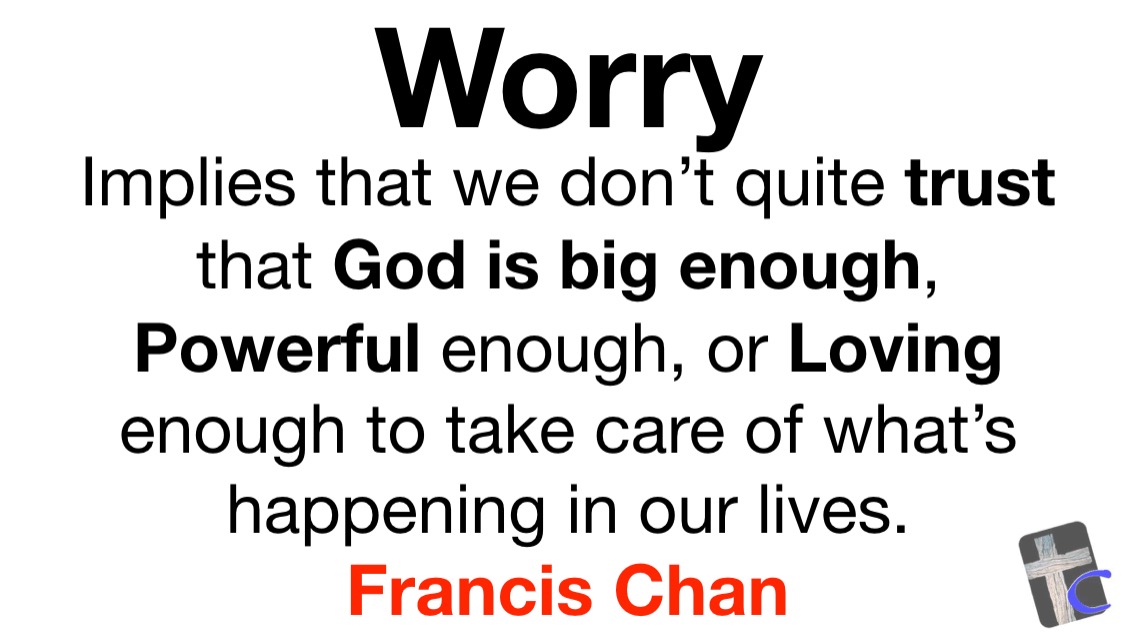
“When we worry, we communicate to God that we don’t really trust Him to take care of us.”

OUCH!

You might be saying, “If I’m supposed to pray every time I worry about something, I’d be praying all the time!” You know what? That’s actually a good thing because it’s exactly what the Bible instructs us to do—

Always be joyful. Never stop praying. (1 Thessalonians 5:16-17)

Give all your worries and cares to God, for He cares about you. (1 Peter 5:7)

Don’t worry about anything; instead, pray about everything. Tell God what you need, and thank Him for all He has done. (Philippians 4:6)

“We have the power to turn our…

  • anxiety into prayer
  • worry into worship
  • struggles and trials into testimonies.” (Josh Schram)

Are you using that power God has given you? Don’t let worry cause you to feel overwhelmed. Keep turning your worries over to God again and again and again and again….

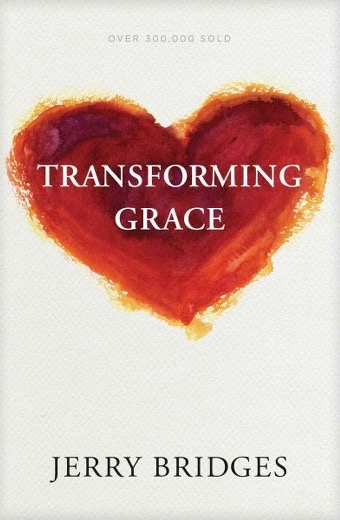
8 Quotes From “Transforming Grace”

Jerry Bridges’ book Transforming Grace is an amazing read! Check out my book review by clicking here.

“One of the best-kept secrets among Christians today is this: Jesus paid it all. I mean all. He not only purchased your forgiveness of sins and your ticket to heaven, He purchased every blessing and every answer to prayer you will ever receive. Every one of them—no exceptions.

“Why is this such a well-kept secret? For one thing, we are afraid of this truth. We are afraid to tell even ourselves that we don’t have to work anymore, the work is all done. We are afraid that if we really believe this, we will slack off in our Christian duties. But the deeper core issue is that we don’t really believe we are still bankrupt. Having come into God’s kingdom by grace alone solely on the merit of Another, we’re now trying to pay our own way by our performance. We declared only temporary bankruptcy; we are now trying to live by good works rather than by grace.”

“To be justified means more than to be declared ‘not guilty.’ It actually means to be declared righteous before God.”

“God not only blots our sins from His record, He also remembers them no more. This expression means He no longer holds them against us. The blotting out of our transgressions is a legal act. It is an official pardon from the Supreme Governor. The remembering them no more is a relational act. It is the giving up by an injured party of all sense of being offended or injured. It is a promise never to bring up, either to Himself or to you, your sins.”

“God’s reward is out of all proportion to our service and sacrifice.”

“God often does bless people who seem to us to be quite unworthy. But that is what grace is all about, because we are all unworthy.”

“We all want grace, but we cannot enjoy grace when there is an attitude of comparing.”

“The Bible is full of God’s promises to provide for us spiritually and materially, to never forsake us, to give us peace in times of difficult circumstances, to cause all circumstances to work together for our good, and finally to bring us safely home to glory. Not one of those promises is dependent upon our performance. They are all dependent on the grace of God given to us through Jesus Christ.”

“Our love for God, expressed through obedience to Him, is to be a response to His love, not a means of trying to earn it.”

Thursdays With Oswald—God’s Purpose For Israel And Me

Oswald ChambersThis is a weekly series with things I’m reading and pondering from Oswald Chambers. You can read the original seed thought here, or type “Thursdays With Oswald” in the search box to read more entries.

God’s Purpose For Israel And Me

     God created the people known as Israel for one purpose, to be the servant of Jehovah until through them every nation came to know Who Jehovah was. … The election of the nation by God was not for the salvation of individuals; the elect nation was to be the instrument of salvation to the whole world. The story of their distress is due entirely to their deliberate determination to use themselves for a purpose other than God’s. … Israel is still in the shadow of God’s hand, in spite of all her wickedness. God’s purposes are always fulfilled, no matter how wide a compass He may permit to be taken first. … 

     When we are born from above the realization dawns that we are built for God, not for ourselves. … 

     The creative purpose of God for the missionary is to make him His servant, one in whom He is glorified. When once we realize this, all our self-conscious limitations will be extinguished in the extraordinary blaze of what the Redemption means. We have to see that we keep the windows of our soul open to God’s creative purpose for us, and not confuse that purpose with our own intentions. … 

     A saint is made by God…. Then do not tell God He is a bungling workman. We do that whenever we say “I can’t.” To say “I can’t” literally means we are too strong in ourselves to depend on God. “I can’t pray in public; I can’t talk in the open air.” Substitute “I won’t,” and it will be nearer the truth. The thing that makes us say “I can’t” is that we forget that we must rely entirely on the creative purpose of God….

From So Send I You

Oswald Chambers draws the analogy between why God called Israel, and why He called you. God desired to use Israel to show all nations His love, and He still desires to do the same thing with every single one of His saints today.

In order for God to use you, first be aware that He does indeed want to use you. He created you for His plan and purpose. Next, be open to how your life can glorify God. Take your eyes off you and put them on Him. Finally, stop saying “I can’t.” If God has created you to do something for Him, you most certainly can do it in His power and anointing.

Will you let God use you for His glory today?

Tozer On Sound Doctrine

“When the Holy Scriptures are rejected as the final authority on religious belief something must be found to take their place. Historically that something has been either reason for sentiment: if sentiment, it has been humanism. …

“Certain of our evangelical brethren appear to be laboring under the impression that they are advanced thinkers because they are rethinking evolution and reevaluating various Bible doctrines or even divine inspiration itself; but so far are they from being advanced thinkers that they are merely timid followers of modernism. …

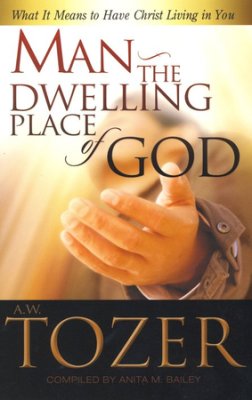
“A new Decalogue has been adopted by the neo-Christians of our day, the first word of which reads ‘Thou shalt not disagree’; and a new set of Beatitudes too, which begins ‘Blessed are they that tolerate everything, for they shall not be made accountable for anything.’” —A.W. Tozer, in Man—The Dwelling Place Of God

The Church Doesn’t Need The World

“Israel did not need the world’s help. The nations were stronger than she, but she did not require their strength to lean upon. Their strength was their weakness; her weakness was her strength. They would have helped her, but she would not be helped; and when at last she did accept their aid, it was her ruin. Her help was in Jehovah. Her security was in His favor.

“Neither does the Church need the help of the world. The less of the world there is in her schemes, her enterprises, her hopes, the better. Never has she prospered when she betook herself to an arm of flesh, or to the strength of human greatness, or to the influence of the world’s smile. For the world cannot really help one who is not of this world, who has nothing in common with her joys, or cares, or ambitions. And never has the world helped the Church without exacting a favor in return; insisting on or tacitly giving it to be understood that she expects some compromise, some relaxation of her testimony, less of strictness and spirituality—more of genial fellowship and participation in her pleasures, if not her lusts and sins.” —Horatius Bonar, in Light & Truth—Revelation (emphasis mine)

Thursdays With Oswald—What Does It Mean To ‘Confess’ Christ?

Oswald ChambersThis is a weekly series with things I’m reading and pondering from Oswald Chambers. You can read the original seed thought here, or type “Thursdays With Oswald” in the search box to read more entries.

What Does It Mean To ‘Confess’ Christ? 

     We receive the Spirit of Christ as a gift, but we do not receive His mind, we have to construct that [see Philippians 2:5], and this is done in the same way that we construct the natural mind, viz., by the way our disposition reacts when we come in contact with external things. …  

     “You call Me Master and Lord, and rightly so, for that is what I am”; but does it mean any more to us than the mere saying of it? “Now that I, your Lord and Teacher, have washed your feet, you should do as I have done for you” and we cannot do it by sentiment. It was in the hour when Jesus knew “that the Father had put all things under His power, and that He had come from God and was returning to God” that He began to wash the disciples’ feet; and it is when we realize our union with Jesus Christ as our Lord and Master that we shall follow His example. [see John 13:1-4, 12-15] … 

     To “confess” Christ means to say, not only with the tongue, but with every bit of our life, that Jesus has come into our flesh.

From So Send I You

It’s one thing to say, “I am a Christian,” and it’s a completely different thing to live like Christ.

The Holy Spirit will continually bring a Christian into situations where we had the opportunity to develop the mind of Christ. As we develop His mind in us, it will naturally mean that we will “confess” Christ with our thoughts, words, and actions.

My prayer is that we will continually be focused on our Christ-like “confession.”

4 Quotes On Religious Freedom

“Religious freedom is a human birthright. Everyone on the globe is entitled to religious freedom simply by having been born. Governments, if they are just, will recognize that birthright.” —James Tonkowich

“The religion then of every man must be left to the conviction and conscience of every man; and it is the right of every man to exercise it as these may dictate. This right is in its nature an unalienable right.” —James Madison

“Religious freedom includes the right to believe as you wish, live according to your beliefs, raise your family according to your beliefs, petition the government according to your beliefs, evangelize, and convert from one faith to another, and all without government interference. Is that because of the First Amendment? No. It is because religious freedom is our birthright as human beings. The First Amendment simply forbids the government from robbing us of that inalienable birthright.” —James Tonkowich

“The same First Amendment that first and foremost guarantees religious freedom also guarantees freedom of speech, freedom of the press, freedom to assemble, and freedom to petition the government for change. To that list we can add economic freedom, freedom to choose our friends and associates, and the freedom to make a myriad of other legitimate choices.

“Consider: what if you are granted ‘freedom of speech,’ yet are not permitted to articulate your most deeply held religious beliefs? You could talk about sports, the weather, celebrities, and TV shows, but not about the ideas that inspire and motivate your life. That kind of freedom of speech would be hollow and meaningless.

“Freedom of assembly is not free if you cannot assemble over the truths that are most dear to you. Freedom to petition the government does us no good if we can petition the government only for things that have nothing to do with our faith. Traffic laws or banking regulations might be okay topics for petition, but not issues of life or marriage or war or the poor since our advocacy may be the result of our religious convictions.

“So it goes with all our freedoms. Take away the right to make up our own mind about matters relating to life, morality, and God and what is left is servitude, not freedom.” —James Tonkowich

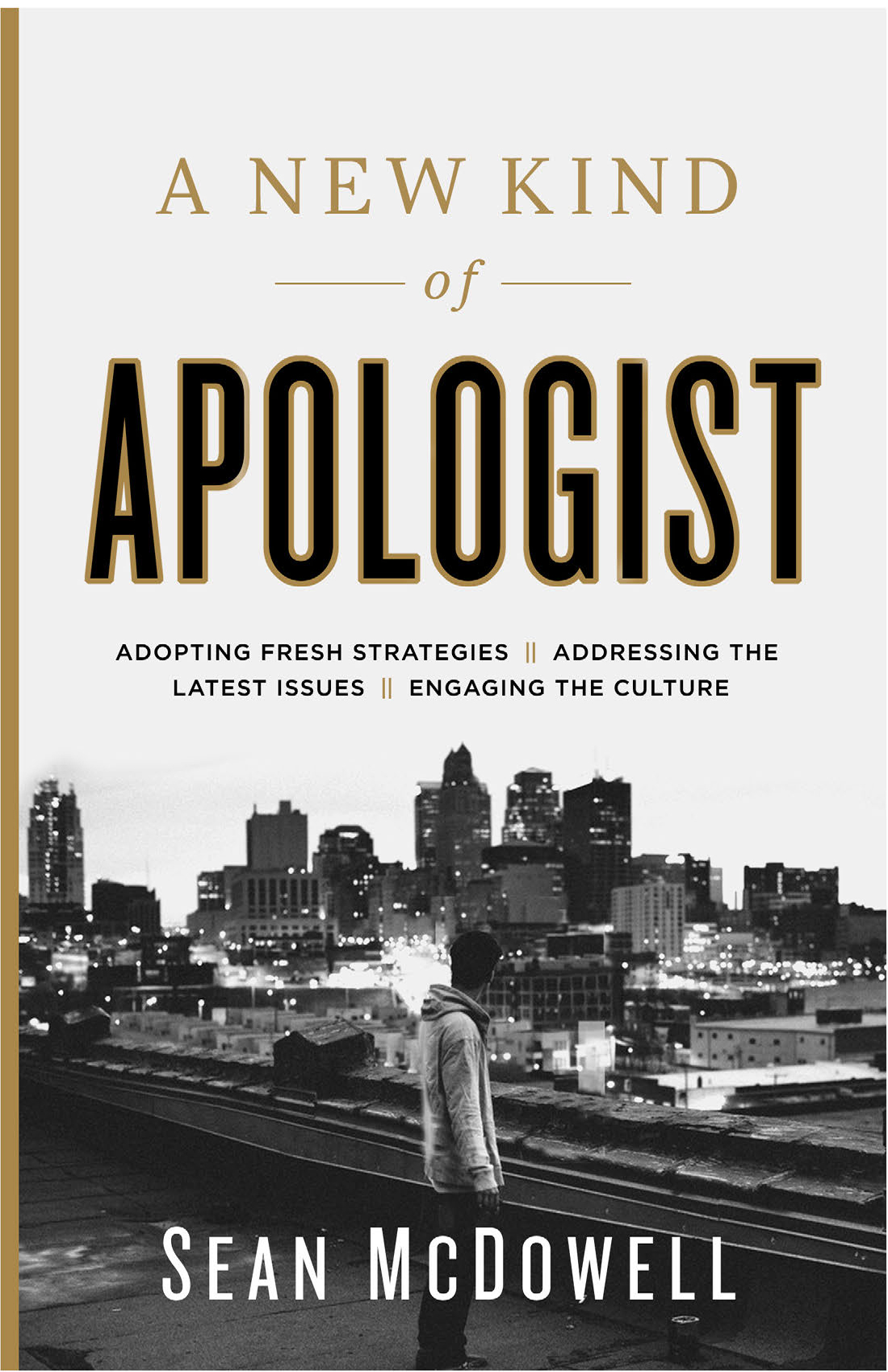
(these quotes are taken from A New Kind Of Apologist)

9 More Quotes From “Marching Off The Map”

Dr. Tim Elmore has given parents, teachers, coaches, and anyone else who works with students some excellent insights in his book Marching Off The Map. Here are a few more quotes from Dr. Elmore.

“The Latin root word for ‘educate’ is ‘ducere’ which means to ‘push out.’ … We should not put students in a passive mode as we teach. We must be inspirers of learning. We must help pull ambition out of them, not push information into them.”

“According to Dr. Michael Leahy, ‘Today’s typical high school student endures the same anxiety levels as a psychiatric patient did in the early 1950s.’ In any given year, about one in five will experience an anxiety attack. Why? Their world is overwhelming, cluttered with information coming at them at the rate of a thousand messages a day.”

“Thousands of Baby Boomers retire each day in America. They will leave leadership positions needing to be filled. Even if everyone in Generation X were a brilliant leader, there would not be enough of them to fill the vacancies left by the Boomers. The young adults among the Millennial Generation will be needed for leadership, ready or not.”

“Although our young adults are rich in potential—we don’t really expect them to perform responsible acts until a full decade later that we expected a century ago. I believe it’s detrimental both for our kids and our society. In many states, we give them the rights to adulthood at 18 or 21, like smoking, drinking or voting. We don’t, however, expect the responsibilities that accompanied those rights. It’s unhealthy. The rights and responsibilities should always go together.”

“Remember that children (in general) cannot comprehend an addictive behavior. Adults must lead them into healthy moderation, where they both understand and enjoy technology, but utilize it as a ‘servant.’ 

“Remember that children will choose ice cream over lima beans—and screens over the healthy alternatives for play. While there are some exceptions, adults must be the ones to lead them in their emotional development, and introduce behaviors and habits that produce maturity.

“Remember that children are drawn to entertainment, whether or not they learn something from it. … Adults must leverage what they’re magnetically drawn to and make it beneficial.”

“Wise leaders utilize vision that can see both backward and forward. They look back and learn from the past. They glean from past mistakes in order to avoid repeating them. Additionally, they seek what was helpful and timeless so they can carry those elements forward. They swing backward so they can swing forward well.”

“A culture that offers the young information and autonomy without requiring equal parts accountability and responsibility produces ‘unready’ adults.”

“Students are incentivized if they know why a topic is relevant before they learn. Students bond with an experience more than a lecture. Students comprehend information when it’s connected to a narrative. Students remember data when an image is utilized in their learning.”

“Effective teachers don’t say as much as possible. They actually say as little as needed—allowing students to get on with their learning.”

You can also check out my review of Marching Off The Map by clicking here. The first set of quotes (and an infographic) I shared from the book are here, and a set of quotes that Dr. Elmore shared in his book are here.