Thursdays With Spurgeon—My Element

This is a weekly series with things I’m reading and pondering from Charles Spurgeon. You can read the original seed thought here, or type “Thursdays With Spurgeon” in the search box to read more entries.

Listen to the podcast of this post by clicking on the player below, and you can also subscribe on AppleSpotify, or Audible. 

My Element

But our citizenship is in heaven. And we eagerly await a Savior from there, the Lord Jesus Christ, Who, by the power that enables Him to bring everything under His control, will transform our lowly bodies so that they will be like His glorious body. Therefore, my brothers and sisters, you whom I love and long for, my joy and crown, stand firm in the Lord in this way, dear friends! (Philippians 3:20—4:1). 

     Do you know what it is to feel that the life that is in you is first in Christ and still flows from Him, even as the life of the branch is mainly in the stem? ‘I live; yet not I, but Christ lives in me’ (Galatians 2:20). This is to be in Christ! …     

     This expression is very short but very full: ‘In Christ.’ Does it not mean that we are in Christ as the birds are in the air that buoys them up and enables them to fly? Are we not in Christ as the fish are in the sea? Our Lord has become our element—vital and all surrounding! In Him we live, move, and have our being. He is in us, and we are in Him. We are filled with all the fullness of God because all fullness dwells in Christ and we dwell in Him.

From The Watchword For Today: “Stand Fast”

Years ago I was taking a class, and the teacher asked us to write down some of the different roles we had in our life. I wrote down things like son, brother, employee, team captain. After everyone had finished their lists, the teacher asked the students to share some of their roles. As each one listed a role, the rest of the class would raise a hand if that role also applied to them. One person said, “Christian,” and nearly every hand in the classroom went up. Except mine.

Being a Christian is not a role I step into; it’s who I am. It impacts everything I think and everything I do. 

Birds don’t step into the air when they want to fly. Fish don’t run to the water when they want to swim. Birds and fish always live in their element. We are in our element in Christ when we can always say, “In Him I live, and move, and have my being.” 

The devil has always used doubt and uncertainty—“Did God really say…” he asked Eve, and “Are you really the Son of God,” he mocked Jesus. He wants to do the same thing to you today, making you think you have somehow missed out on being in Christ. 

But if Christ is your Savior and your Lord, stand fast in that. Let nothing move you. Counteract the devil’s doubt-inciting accusations with truthful as-it-is-written statements from God’s Word. Immerse yourself in Christ and make Him your constant element—just as a branch connected to a stalk, or a bird in the air, or a fish in the ocean. You are in Christ, Christ is in you, and Christ is in the Father. Which means Jesus has taken you into the Father with Him. Live, and move, and have your very being in His presence every single moment!

►► Would you please prayerfully consider supporting this ministry? My Patreon supporters get behind-the-scenes access to exclusive materials. ◀︎◀︎

Thursdays With Spurgeon—No Other Name

This is a weekly series with things I’m reading and pondering from Charles Spurgeon. You can read the original seed thought here, or type “Thursdays With Spurgeon” in the search box to read more entries.

Listen to the podcast of this post by clicking on the player below, and you can also subscribe on AppleSpotify, or Audible. 

No Other Name

But our citizenship is in heaven. And we eagerly await a Savior from there, the Lord Jesus Christ, Who, by the power that enables Him to bring everything under His control, will transform our lowly bodies so that they will be like His glorious body. Therefore, my brothers and sisters, you whom I love and long for, my joy and crown, stand firm in the Lord in this way, dear friends! (Philippians 3:20—4:1). 

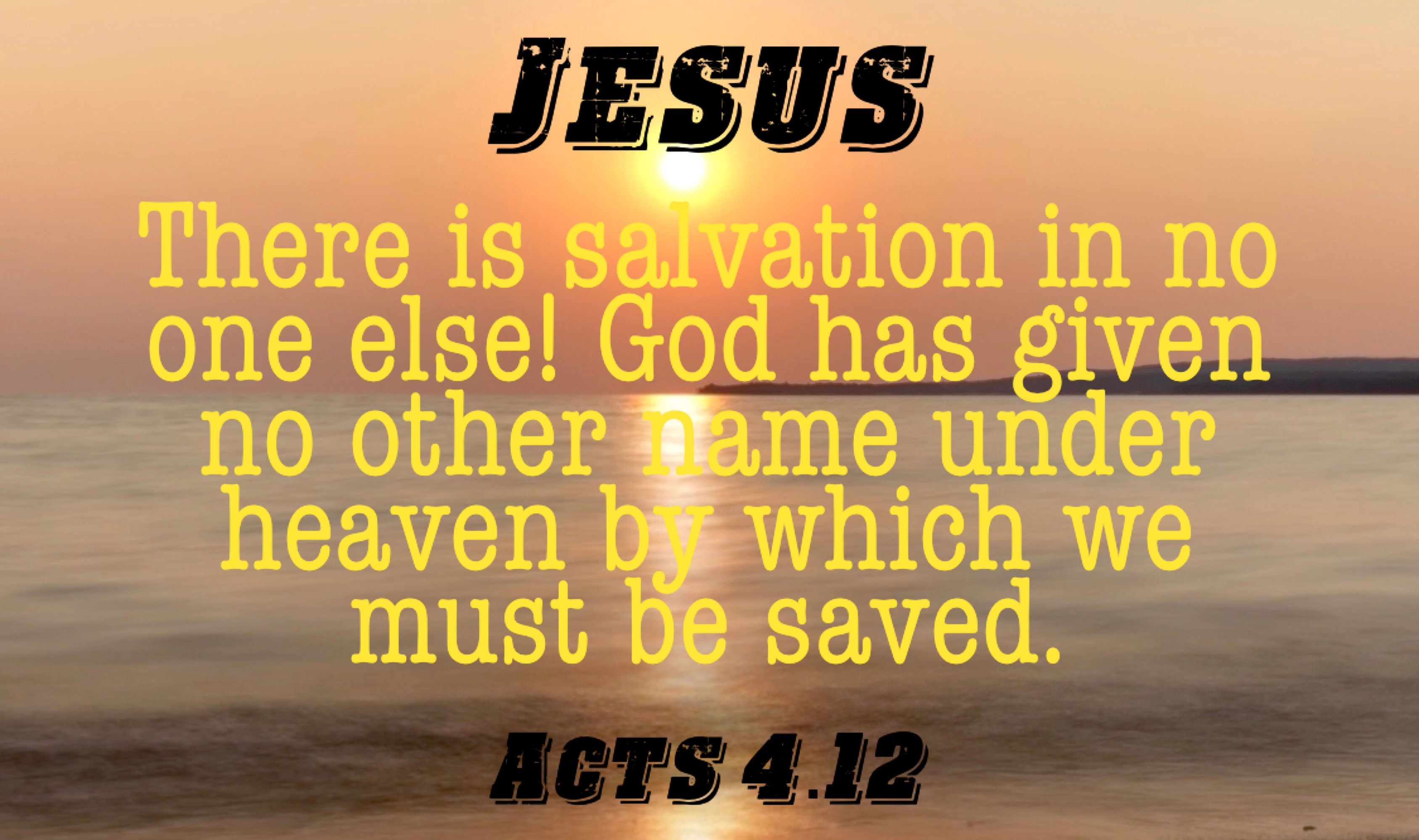
     What is it to be in the Lord? Well, brothers and sisters, we are in the Lord vitally and evidently when we fly to the Lord Jesus by repentance and faith and make Him to be our refuge and hiding place. Is it so with you? Have you fled out of self? Are you trusting in the Lord alone? Have you come to Calvary and beheld your Savior? … There is no shelter for a guilty soul but in His wounded side! Have you come there? Are you in Him? Then stay there. You will never have a better refuge! In fact, there is no other. No other name is given under heaven among men whereby we must be saved [Acts 4:12]. I cannot tell you to stand fast in the Lord unless you are there. Hence my first inquiry is, are you in Christ? Is He your only confidence? In His life, His death, and His resurrection, do you find the grounds of your hope? Is He Himself all your salvation and all your desire? If so, stand fast in Him.

From The Watchword For Today: “Stand Fast”

I am reminded of two of the stanzas from a Charles Wesley hymn:

Jesus! the name that charms our fears,
That bids our sorrows cease—
’Tis music in the sinner’s ears,
’Tis life, and health, and peace.

He breaks the pow’r of canceled sin,
He sets the pris’ner free;
His blood can make the foulest clean,
His blood availed for me.

If you do not know this Savior for yourself, don’t wait another minute to invite Him into your heart! If you do know Jesus as your Savior, stand fast in Him no matter what life may throw at you!

►► Would you please prayerfully consider supporting this ministry? My Patreon supporters get behind-the-scenes access to exclusive materials. ◀︎◀︎
Thursdays With Spurgeon—Don’t Let Your ‘Well Begun’ Be Only ‘Half Done’

This is a weekly series with things I’m reading and pondering from Charles Spurgeon. You can read the original seed thought here, or type “Thursdays With Spurgeon” in the search box to read more entries.

Listen to the podcast of this post by clicking on the player below, and you can also subscribe on AppleSpotify, or Audible. 

Don’t Let Your ‘Well Begun’ Be Only ‘Half Done’

But our citizenship is in heaven. And we eagerly await a Savior from there, the Lord Jesus Christ, Who, by the power that enables Him to bring everything under His control, will transform our lowly bodies so that they will be like His glorious body. Therefore, my brothers and sisters, you whom I love and long for, my joy and crown, stand firm in the Lord in this way, dear friends! (Philippians 3:20—4:1). 

     The start is not everything, but it is a great deal. It has been said by the old proverb that ‘well begun is half done,’ and it is certainly so in the things of God. … See to it that you lay a good foundation. It is better to have no repentance than a repentance that needs to be repented of! It is better to have no faith than a false faith! It is better to make no profession of religion than to make an untruthful one! … We should learn early on the difference between grace and merit, between the purpose of God and the will of man, between trust in God and confidence in the flesh. If we do not start aright, the further we go, the further we will be from our desired end and the more thoroughly in the wrong we will find ourselves.

From The Watchword For Today: “Stand Fast”

Some people love wearing the label “Christian” but they never surrender to the lordship of Jesus. This is scary because Jesus says that these are the people to whom He will have to say, “I never knew you” (Matthew 7:21-23). 

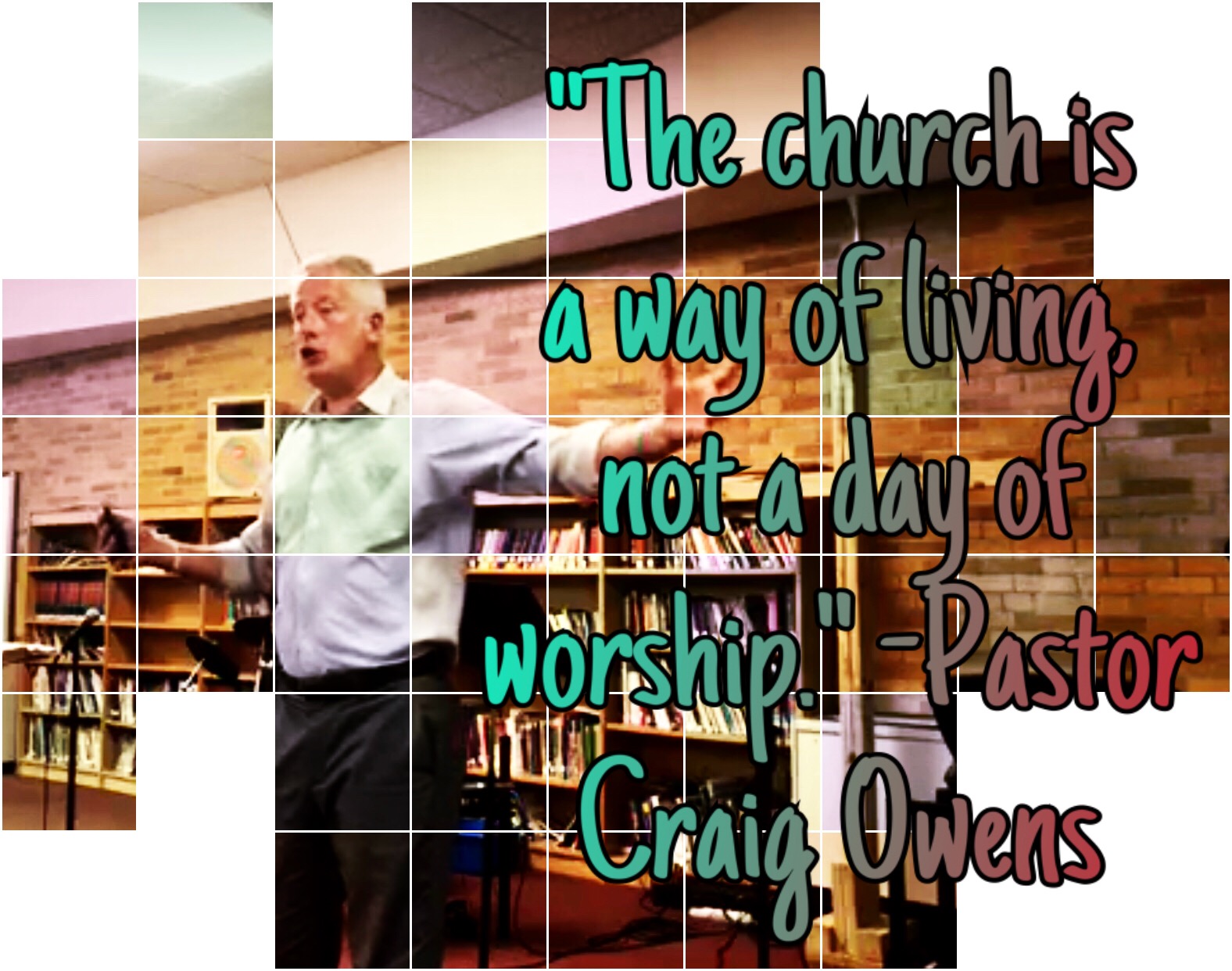
In the biblical passage Spurgeon used as his text, we read some important words. First of all, we need to live as citizens of Heaven, not as citizens of Earth. That means we need to always follow God’s laws, not the passing fads of culture. 

Second, the apostle Paul calls Jesus both Savior and Lord. We don’t get to choose one and ignore the other. We cannot say, “Thank You, Jesus, for saving me, but I’ll take it from here.” 

Finally, we need to not only stand firm, but as Paul also says in another letter, “So, if you think you are standing firm, be careful that you don’t fall!” (1 Corinthians 10:12). No assumptions. No coasting. No merely going through the motions of Christianity, but keeping a humble heart that responds to the correcting word from the Holy Spirit. 

Let’s make sure that our walk with Jesus is never described as only “half done.” But instead, let’s begin well, walk well, and rejoice to hear our Savior say, “Well done, good and faithful servant!

►► Would you please prayerfully consider supporting this ministry? My Patreon supporters get behind-the-scenes access to exclusive materials. ◀︎◀︎

Thursdays With Spurgeon—Logical Conclusions

This is a weekly series with things I’m reading and pondering from Charles Spurgeon. You can read the original seed thought here, or type “Thursdays With Spurgeon” in the search box to read more entries.

Listen to the podcast of this post by clicking on the player below, and you can also subscribe on AppleSpotify, or Audible. 

Logical Conclusions 

     Every doctrine of the Word of God has its practical bearing. … Hence you will find the apostle Paul very full of ‘therefores.’ … I marvel that our excellent translators should have divided the argument from the conclusion by making a new chapter where there is least reason for it. 

From The Watchword For Today: “Stand Fast”


The Bible is the most practical, applicable, and timeless Book I know! In order for this Book to be of both immediate and eternal help to us, it has to be a book that is logical. The Bible is a logical book, but far too many readers miss the logic unfolding right before their eyes. 

In this particular sermon, Charles Spurgeon takes his text from Paul’s letter to the Philippians, so let me use that epistle as an example. There are three logic signposts that I would ask you to look for: therefore, so that, and if…then. 

Let’s start with “therefore.” I have trained myself—and I endeavor to train the folks in my church—to ask this question every time they come to the word “therefore” in the Bible: What’s that there for? Therefore always signals a logical conclusion to a set of premises that are constructing the argument. As Spurgeon mentioned, sometimes the verse and chapter breaks can obscure this, so we must always go back from the “therefore” to see what the argument was. 

I find the word “therefore” used three times in this letter in the New International Version: 

  • Therefore God exalted Him [Jesus] to the highest place and gave Him the name that is above every name (2:9). What’s it there for? Because Jesus was obedient, therefore God exalted His name. 
  • Therefore, my dear friends, as you have always obeyed—not only in my presence, but now much more in my absence—continue to work out your salvation with fear and trembling (2:12). What’s it there for? Because Jesus has conquered death and purchased our salvation, therefore this is how Christians should now live. 
  • Therefore, my brothers and sisters, you whom I love and long for, my joy and crown, stand firm in the Lord in this way, dear friends! (4:1). What’s it there for? Because our citizenship is in Heaven, we must stand firm in that hope. 

A second logical statement to watch for when you’re reading is “so that.” This logical phrase, much like “therefore,” is telling us what comes next in light of what came before. I see this phrase multiple times in Philippians (1:10, 13, 20, 26; 2:15, 19, 28; 3:21). 

Finally, watch for those “if…then” statements. These also follow the logical argument of, “If you do this, then this will happen” or “If you ignore or disobey this, then you can expect this to follow.” I see this quite clearly in Philippians 2:1-2 and 4:8-9. 

Don’t rush through your Bible reading time. Slow down and watch for these very logical and practical arguments—the Bible is absolutely full of them! By reading your Bible this way, you will be getting your doctrine directly from the Holy Spirit, which is the best way to know the heart of God. 

If you’re interested in digging deeper into this, I’ve shared some other Bible studies you can try:

►► Would you please prayerfully consider supporting this ministry? My Patreon supporters get behind-the-scenes access to exclusive materials. ◀︎◀︎

Shine In The Darkness

Listen to the podcast of this post by clicking on the player below, and you can also subscribe on AppleSpotify, or Audible. 

I’ve noticed that when people want to sound super-spiritual that they like to use King James Version phrases. Sometimes I hear people speaking in normal, everyday English until they begin praying and then I hear, “Thy servant … Thou O Most High … we beseech Thee … Thou knowest Thine children….” 

Statement #6 in our series “Is that in the Bible” also sounds more powerful when people quote it in King James English—Shun the very appearance of evil or sometimes Wherefore come out from among them, and be ye separate, saith the Lord. Are those in the Bible? Yes, they are! 

We don’t use the word “shun” very often today, but in what was probably the first written book of the Bible we read that not only did Job shun evil, but God commended him for shunning evil too. And wise King Solomon advocated for his readers to shun evil (Job 1:1, 8; 2:3; Proverbs 3:7, 14:16). 

Yes, those phrases that I quoted earlier come right from the King James Version of the Bible in 1 Thessalonians 5:22 and 2 Corinthians 6:17, but does this mean that we are to stay away from anything that is “unChristian”? Does it mean that we are to shun sinners? 

There is a story that is told in the synoptic Gospels, but I especially like it in Matthew’s Gospel for one specific reason (which I’ll share with you in a moment). Jesus has just called Matthew to be His disciple, and several of Matthew’s coworkers appear to be having a going-away dinner for him which Jesus attended. 

Then comes the “911” call from the Pharisees (this statement is in Matthew 9:11): “Gasp! Jesus is eating with sinners! He’s not shunning them! Call in the sin police!” The New Living Translation is even more harsh, with the Pharisees asking, “Why does your Teacher eat with such scum?” (v. 13 NLT). 

In Luke’s Gospel we read another story where Jesus eating with “such scum” turned another tax collector’s life around. In Luke 19:1-10, we read of Zaccheus experiencing a complete life change because of His encounter with Jesus. 

Listen to Christ’s words in both Matthew and Luke: “It is not the healthy who need a doctor, but the sick. … I have not come to call the righteous, but sinners. … The Son of Man came to seek and to save what was lost” (Matthew 9:12-13; Luke 19:10). 

This doesn’t sound like Jesus shunned sinners.

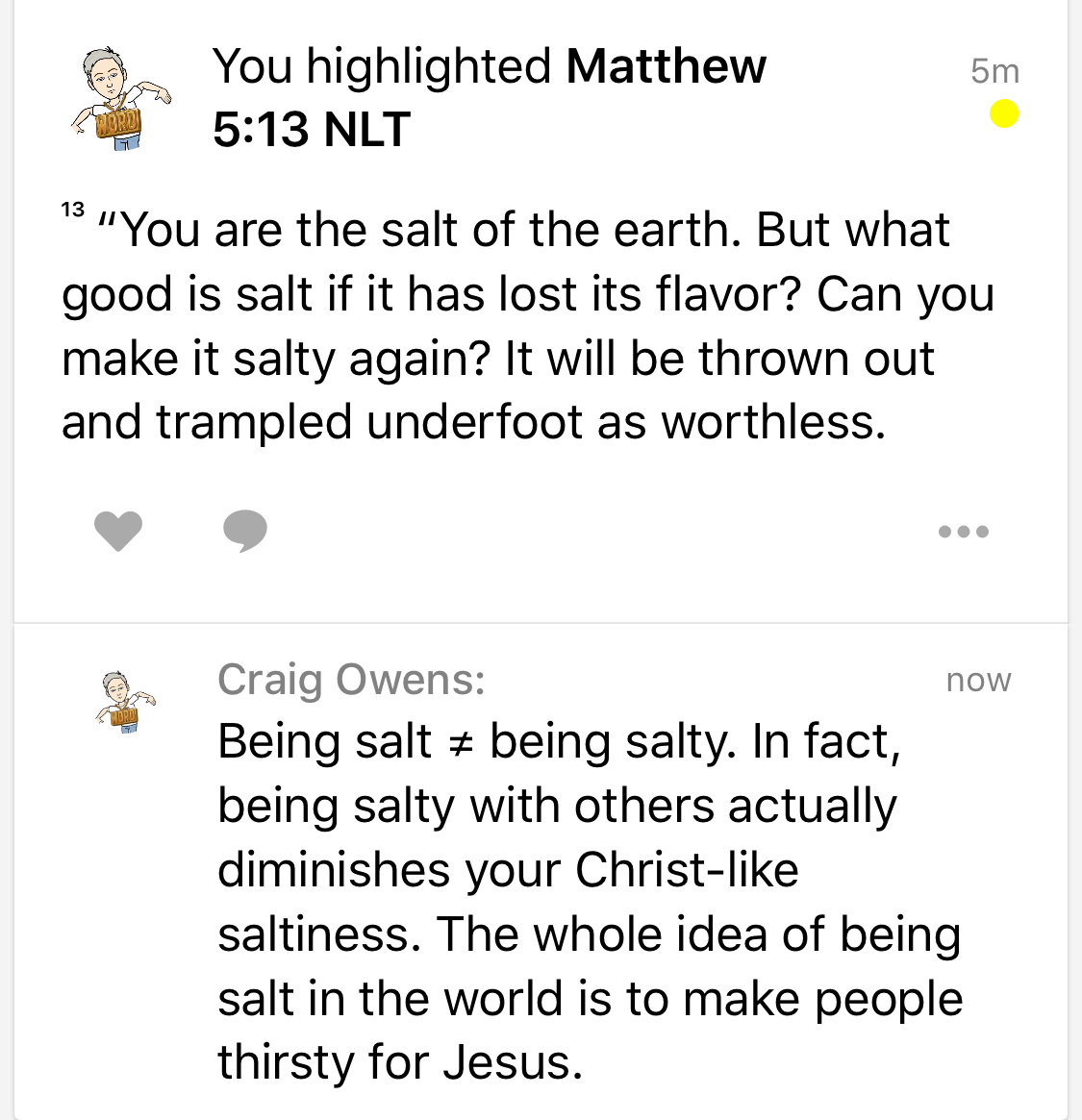
Likewise, Jesus called us to be His salt and light in the world (Matthew 5:13-14). No matter how beneficial the salt of my life is, it doesn’t help anyone if it stays in the saltshaker, shunning the food. No matter how bright the lantern of my life is, it doesn’t help anyone in a closed closet, shunning the darkness. 

Notice what Jesus didn’t do. He didn’t go to Matthew’s house or Zaccheus’ house for a good time, or for a good meal, or for a time of entertainment. He was on mission. So too for Christians: We go into dark places not for our pleasure or entertainment, but because we’re on a rescue mission! 

In both the Old Testament Hebrew and the New Testament Greek, the words for “shun” point at our own hearts. The words mean: You walk away from things that will pull you down, or you hold yourself back from the places and things that will lead you to sin. 

So look at the phrase “Shun the very appearance of evil” in its context: “Do not quench the Spirit. Do not treat prophecies with contempt but test them all; hold on to what is good, reject [or shun] every kind of evil” (1 Thessalonians 5:19-22). 

Paul is calling us to shun the things that drown out the voice of the Holy Spirit. Listen to two of those verses in another translation: “But test and prove all things until you can recognize what is good; to that hold fast. Abstain from evil” (vv. 21-22 AMP). 

In 2 Corinthians 6 the phrase “Be ye separate” is in the context about being “unequally yoked” with unbelievers. This is what happened to King Solomon when he married women who were idolaters, and they pulled his heart away from God. 

Shun” means to keep away from those things that would pull you down. How do I know if a certain environment or activity or person is pulling me down? I need to check my thoughts, attitudes, and actions. If I find they are becoming un-Christlike, then that is an indication of a place or person that I need to limit my exposure. 

As long as my thoughts, attitudes, and actions remain Christlike, I should keep on seasoning and shining in dark places so that I can draw others to Jesus. “Do everything without complaining and arguing, so that no one can criticize you. Live clean, innocent lives as children of God, shining like bright lights in a world full of crooked and perverse people” (Philippians 2:14-15 NLT). 

Don’t shun people that Jesus dearly loves, but don’t put yourself in a position where your devotion to God is compromised either. Listen to the voice of the Holy Spirit giving you the wisdom you need to be both on-mission for Jesus and shining a bright, innocent light! 

If you’ve missed any of the other lessons in this series, you can find the full list by clicking here. 

►► Would you please prayerfully consider supporting this ministry? My Patreon supporters get behind-the-scenes access to exclusive materials. ◀︎◀︎

Supernatural Logic

Listen to the podcast of this post by clicking on the player below, and you can also subscribe on AppleSpotify, or Audible. 

One of my favorite classes that I took in college was a philosophy class where we studied the rules of logic. I found it so intriguing to learn how to construct or deconstruct an argument by looking at the premises and its conclusion.

One of the keywords that we would look at is “therefore.” This helped us understand what the conclusion of an argument was. If the argument was made well, what came after the “therefore” was a natural progression from the premises. With that in mind, I always keep an eye out for the “therefores” when I am reading my Bible. 

Except I have noticed that God frequently uses “therefore” in unexpected ways.

The classic rules of logic lay out connecting and supporting premises that flow to a natural “therefore” conclusion. But God’s conclusions typically defy natural, conventional logic. His conclusions are frequently supernatural! 

Notice a couple of examples from Isaiah. God’s people are suffering the natural consequences for their open rebellion against God. In my mind, the natural “therefore” would be: “You are getting what you deserve.” However, God’s supernatural “therefore” is: “I have taken this cup of My wrath from you” (Isaiah 51:21–22). 

In another example, the way God’s people were behaving and the way the enemies of God’s people were treating them, the natural “therefore” that I would expect is: “No one revered God’s name any longer.” But God’s supernatural “therefore” declares: “All people will know My name. All people will know I have fulfilled what I foretold, and all will revere Me” (Isaiah 52:6). 

Ultimately, these supernatural conclusions were proven true by Jesus. Our Savior drank our cup of wrath on our behalf and gave us His cup of righteousness in its place. The natural conclusion of Christ’s work for us is also God’s supernatural conclusion: God exalted Jesus to the highest place of honor and reverence (Philippians 2:5–11). 

My natural logic fails. God’s supernatural logic succeeds. Always! 

His supernatural conclusions should always lead to my revering and glorifying Him even more. Let me encourage you in your Bible study time to pay close attention to God’s “therefores” and rejoice in His Christ-exalting supernatural work. 

►► Would you please prayerfully consider supporting this ministry? My Patreon supporters get behind-the-scenes access to exclusive materials. ◀︎◀︎
Thursdays With Spurgeon—Hypocrites Who Hurt The Church

This is a weekly series with things I’m reading and pondering from Charles Spurgeon. You can read the original seed thought here, or type “Thursdays With Spurgeon” in the search box to read more entries.

Listen to the podcast of this post by clicking on the player below, and you can also subscribe on AppleSpotify, or Audible. 

Hypocrites Who Hurt The Church

Only let your conversation be as it becometh the gospel of Christ (Philippians 1:27 KJV). 

     Dear friends, I might just continue, for the subject is a very wide one. But I stop because, unhappily for me, though perhaps happily for your patience, my time has gone. Having just indicated what the Christian life ought to be, I must, in a few words, plead with you that by the power of God’s Holy Spirit you will seek to make your lives such. I could mention many reasons, but I will only give you one or two. 

     The first is, if you do not live like this, you will make your fellow members who are innocent of your sin, suffer. … It is very hard when [skeptics] can say to you, ‘Look at So-and-So, he is a church member! Look at what he did. You are all a parcel of hypocrites!’ … 

     And then, remember, dear friends, unless your conversation is such, you will pull down all the witness that you have ever borne for Christ. … Oh, the great thing the church needs is more holiness! The worst enemies of the church are not the infidels. … No, the worst enemies of the church are the hypocrites, the formalists, the mere professors, and the inconsistent walkers. …  

     May the Eternal Spirit, Who still winnows His church, blow away the chaff and heave only the good golden wheat upon the floor! And if you know yourselves to be living in any sin, may God help you to mourn over it, to loathe it, to go to Christ about it….

From The Gospel’s Power In A Christian’s Life

I have defined a hypocrite as a Christian who carries the name of Jesus Christ but not the nature of Jesus Christ. 

I remember once when a man who was virtually a stranger to me—but apparently knew that I was a pastor—walked up to me and said, “What do you think about your boy So-and-So?” The So-and-So he mentioned was a prominent pastor in another state who had just been caught doing some very sinful and embarrassing things. This stranger quickly painted me with the same brush! 

The phrase “one another” is so prominent in the New Testament, which means that we truly are all in this together. That’s why Charles Spurgeon warns us that a hypocritical lifestyle is not only damaging to the hypocrite’s life, but to the entire Christian community as well. 

So I also call for every Christian to “examine themselves” (1 Corinthians 11:28) for both known and hidden sins. We ought to regularly ask the Holy Spirit to point them out so that we can repent of them, make restitution, and strengthen the testimony of all Christians everywhere! 

Let me close with a final word from Dwight Moody, “The world finds plenty of difficulties on the way; let us see that we Christians do not add more stumbling-blocks by our un-Christlike walk.” 

To that I add a heartfelt “Amen!”

►► Would you please prayerfully consider supporting this ministry? My Patreon supporters get behind-the-scenes access to exclusive materials. ◀︎◀︎

The Preeminent Jesus

Listen to the podcast of this post by clicking on the player below, and you can also subscribe on AppleSpotify, or Audible. 

There is only one Jesus, but He is presented to us in the Bible with many facets, and we get to pray in all of those facets of His name! 

One of the facets of Jesus is His preeminence. The dictionary defines preeminent as “above and before others; superior; surpassing.” 

The Bible uses the word preeminence to mean “holding the first place.” The apostle Paul uses this idea of Christ’s supremacy when He describes Him this way—

The Son is the image of the invisible God, the FIRSTBORN over all creation. For in Him ALL things were created: things in heaven and on earth, visible and invisible, whether thrones or powers or rulers or authorities; ALL things have been created through Him and for Him. He is BEFORE ALL things, and in Him ALL things hold together. And He is the HEAD of the body, the church; He is the BEGINNING and the FIRSTBORN from among the dead, so that in EVERYTHING He might have the SUPREMACY. For God was pleased to have ALL His fullness dwell in Him. (Colossians 1:15-19, emphasis mine) 

Therefore God exalted Him to THE HIGHEST PLACE and gave Him the name that is above EVERY name, that at the name of Jesus EVERY knee should bow, in heaven and on earth and under the earth, and EVERY tongue acknowledge that Jesus Christ is Lord, to the glory of God the Father. (Philippians 2:9-11, emphasis mine) 

Praying in Christ’s preeminence means that we never have to settle for less than God’s best! 

When we began this series, I mentioned that there were some people who misuse the words of Jesus. Specifically the phrase where Jesus says, “I will do whatever you ask in My name” (John 14:13, 15:16, 16:23). They have taken this as license to ask for things for their own comfort, or claiming that praying “in the name of Jesus” means that we never have to experience pain, poverty, or any setbacks. 

But preeminence ≠ prosperity! 

Prosperity wrongly says Christians will never have trouble, never experience poverty or lack, and can claim and obtain lavish things just by invoking “in the name of Jesus.” 

Preeminence correctly says that Christians may have trouble, or poverty, or even martyrdom, but that Christ’s preeminence gets the final word, the decisive word, and the best word! 

Jesus didn’t pray to be removed from trials. The godly apostle Paul experienced ample trouble, and so did the heroes of faith (John 12:27-28; 2 Corinthians 11:23-27; Hebrews 11:35-38). Yet even in all of these troubles and pain and hardship, Christ’s preeminence prevails! 

As Paul said in Colossians 1, Jesus was the “firstborn from among the dead,” meaning that He is now preeminent even over death! Jesus said that His followers will—not “may”—experience persecution here, just as those heroes of the faith listed in Hebrews 11 did, but that the rewards in eternity are beyond compare (see 1 Corinthians 15:55, 57-58; Matthew 5:11-12; Hebrews 11:39-40). 

Horatio Spafford wrote the hymn It Is Well With My Soul. One of the stanzas reminds us:

Though satan should buffet though trials should come
Let this blest assurance control
That Christ has regarded my helpless estate
And has shed His own blood for my soul

Praying in the name of the preeminent Jesus does at least four things for us: 

  1. Gives us a surpassing victory—Romans 8:31-32, 37 
  2. Keeps us humble and God glorified—2 Corinthians 4:7
  3. Detaches us from earthly things that would take our eyes off of Jesus—Philippians 3:8
  4. Keeps us focused on Heaven—2 Corinthians 4:17

(check out all of the verses listed above by clicking here)

Let me say it again: Praying in Christ’s preeminence means that we never have to settle for less than God’s best! 

God’s best is not awaiting us here on earth, but it is our promised eternal reward for persevering to the end. It may seem tough at times, but our preeminent Savior walks with us every step of the way! 

If you’ve missed any of the other messages in this series on prayer, you can find links to all of those messages by clicking here. 

►► Would you please prayerfully consider supporting this ministry? My Patreon supporters get behind-the-scenes access to exclusive materials. ◀︎◀︎

Thursdays With Spurgeon—The Christian Lifestyle

This is a weekly series with things I’m reading and pondering from Charles Spurgeon. You can read the original seed thought here, or type “Thursdays With Spurgeon” in the search box to read more entries.

Listen to the podcast of this post by clicking on the player below, and you can also subscribe on AppleSpotify, or Audible. 

The Christian Lifestyle

Only let your conversation be as it becometh the gospel of Christ (Philippians 1:27 KJV). 

     The text says we are to ‘let our conversation be such as becomes the gospel.’ What sort of conversation, then, will we have? In the first place, the gospel is very simple. It is unadorned. No meretricious ornaments to clog the pile. It is simple and ‘not with persuasive words of human wisdom’ (1 Corinthians 2:4). … The Christian man ought always to be simple in all respects. I think wherever you find him, you ought not to need a key to him. He should not be like certain books that you cannot make out without having somebody tell you the hard words. He should be a transparent man like Nathaniel, who was ‘an Israelite indeed, in whom is no deceit’ (John 1:47). … 

     The Christian’s lips should speak truth when falsehood drops from the lips of all other men. A Christian man should never need to take an oath, because his word is as good as an oath. His yes should be yes, and his no, no. … 

     The gospel of Jesus Christ is a very fearless gospel. … As the gospel is very fearless in what it has to say, so let the Christian always be. It strikes me that a living that becomes the gospel of Christ is always a bold and fearless kind of living! … 

     But again, the gospel of Christ is very gentle. Hear it speak: ‘Come to Me, all you who labor and are heavy laden, and I will give you rest’ (Matthew 11:28). Here is its spirit in its Founder: ‘A bruised reed He will not break, and smoking flax He will not quench’ (Matthew 12:20). Moreover, bad temper, snapping off of people’s heads, making men offenders for a word—all this is quite contrary to the gospel. … If you have a lion’s heart, have a lady’s hand. Let there be such a gentleness about your carriage that the little children may not be afraid to come to you and the publican and harlot may not be driven away by your hostility, but invited to goodness by the gentleness of your words and acts. …  

     The world ought to point to us and say, ‘See, how these Christians love one another? Not in word only, but in deed and truth!’ … 

     The gospel of Christ is mercy, generosity, and liberality. It receives the beggar and hears his cry! It picks up even the vile and undeserving and scatters lavish blessings upon him, and it fills the bosom of the naked and of the hungry with good things. Let your conversation be such as becomes the gospel of Christ!

From The Gospel’s Power In A Christian’s Life

We’ve had a tagline at our church for years: Come and see why so many people around here say, “I ♥ my church!” I believe Christians can—and should—live in such a way that everyone in their communities would sit up and take notice of the positive changes. 

Let’s all examine our lifestyle. Is it simple, truthful, bold, gentle, loving, merciful, generous, and hospitable? If not, what changes do we need to make? But if it is all these things, God’s blessing is sure to follow this lifestyle that so clearly portrays the gospel of Jesus Christ! 

I’ve shared some other posts about a church’s reputation here, here, and here. 

►► Would you please prayerfully consider supporting this ministry? My Patreon supporters get behind-the-scenes access to exclusive materials. ◀︎◀︎

The Divine Jesus

Listen to the podcast of this post by clicking on the player below, and you can also subscribe on AppleSpotify, or Audible. 

I was teaching a class for my team members, and at one of the breaks a new employee came up to me to say how much he was enjoying the day, and to tell me that he would like to do what I was doing. I asked him, “But do you want to do what I did in order to do what I’m doing?” When I explained that I read about 10-12 books for this training time, and that it took me about 40 hours to prepare for our 4-hour class, he didn’t seem as interested. 

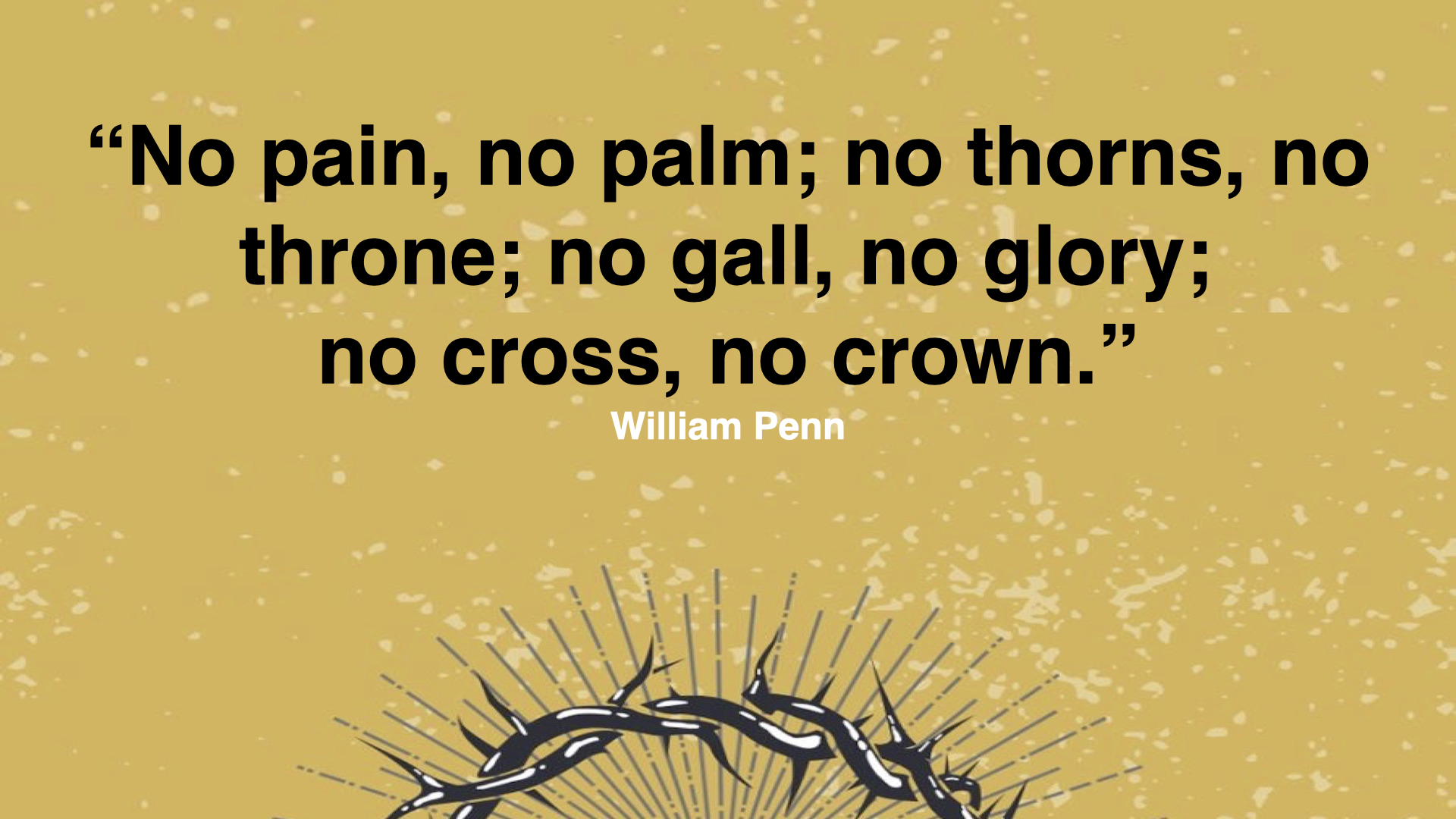
Most people don’t want to put in the work, but they just want the results. As Christians we need to remember these words from William Penn: “No pain, no palm; no thorns, no throne; no gall, no glory; no cross, no crown.” 

The human Jesus understands and empathizes with our painful struggles, and the divine Jesus helps us endure through these painful struggles to get the rewards on the other side. 

What do we mean by divine? The dictionary simply defines it as things relating to God or gods, so we need to use some context to help us understand who this divine Jesus is. After all, the New Testament refers to both Jesus and Artemis as divine (Romans 1:20; Hebrews 1:1-3; Acts 19:27). 

One way we can distinguish is by doing what the writer of Hebrews advised: “Remember your leaders, who spoke the word of God to you. Consider the outcome of their way of life and imitate their faith” (Hebrews 13:7). We see that the so-called worshippers of Artemis were more interested in their own financial gain than they were her divinity (Acts 19:23-27). In contrast, the apostle Paul demonstrated a totally Jesus-focused lifestyle: “However, I consider my life worth nothing to me; my only aim is to finish the race and complete the task the Lord Jesus has given me—the task of testifying to the good news of God’s grace” (Acts 20:24). 

Paul was following Jesus, and called all Christians to do the same. He noted that Jesus gave up all of His divine privileges to become our human Jesus, but because of this obedience, God made the divinity of Jesus shine more gloriously than anything else in creation! Then Paul transitioned to a word specifically for Christians: 

Therefore, my dear friends, as you have always obeyed—not only in my presence, but now much more in my absence—continue to work out your salvation with fear and trembling, for it is God who works in you to will and to act in order to fulfill His good purpose. (Philippians 2:12-13) 

In essence this is like Jesus saying, “I want you to have what I have, but you will have to do what I did to get it: That is, go through the painful struggles of life. But I will be right here with you every single step of the way!” 

The writer of Hebrews echoes this idea by reminding us that Jesus was made perfect through suffering, and so are we. So he calls us to “not throw away your confidence; it will be richly rewarded.” He also reminds us that although the times of suffering are not pleasant, there is an unimaginable reward on the other side (Hebrews 2:9-11; 10:35-39; 12:1-11).

I especially like this conclusion: “No discipline seems pleasant at the time, but painful. Later on, however, it produces a harvest of righteousness and peace for those who have been trained by it” (Hebrews 12:11).

The divine Jesus has made it possible for us to be rewarded as He was rewarded! His divine power leads to our divine nature. And His divine power helps us defeat the world’s weapons (2 Peter 1:3-4; 2 Corinthians 10:4) 

Jesus asks, “Do you want to do what I did in order to do what I’m doing?” The power of the divine Jesus can help us be perfected, but we only get to this perfected place by suffering as He suffered. That’s why we need to know our human Jesus understands, empathizes, and helps. 

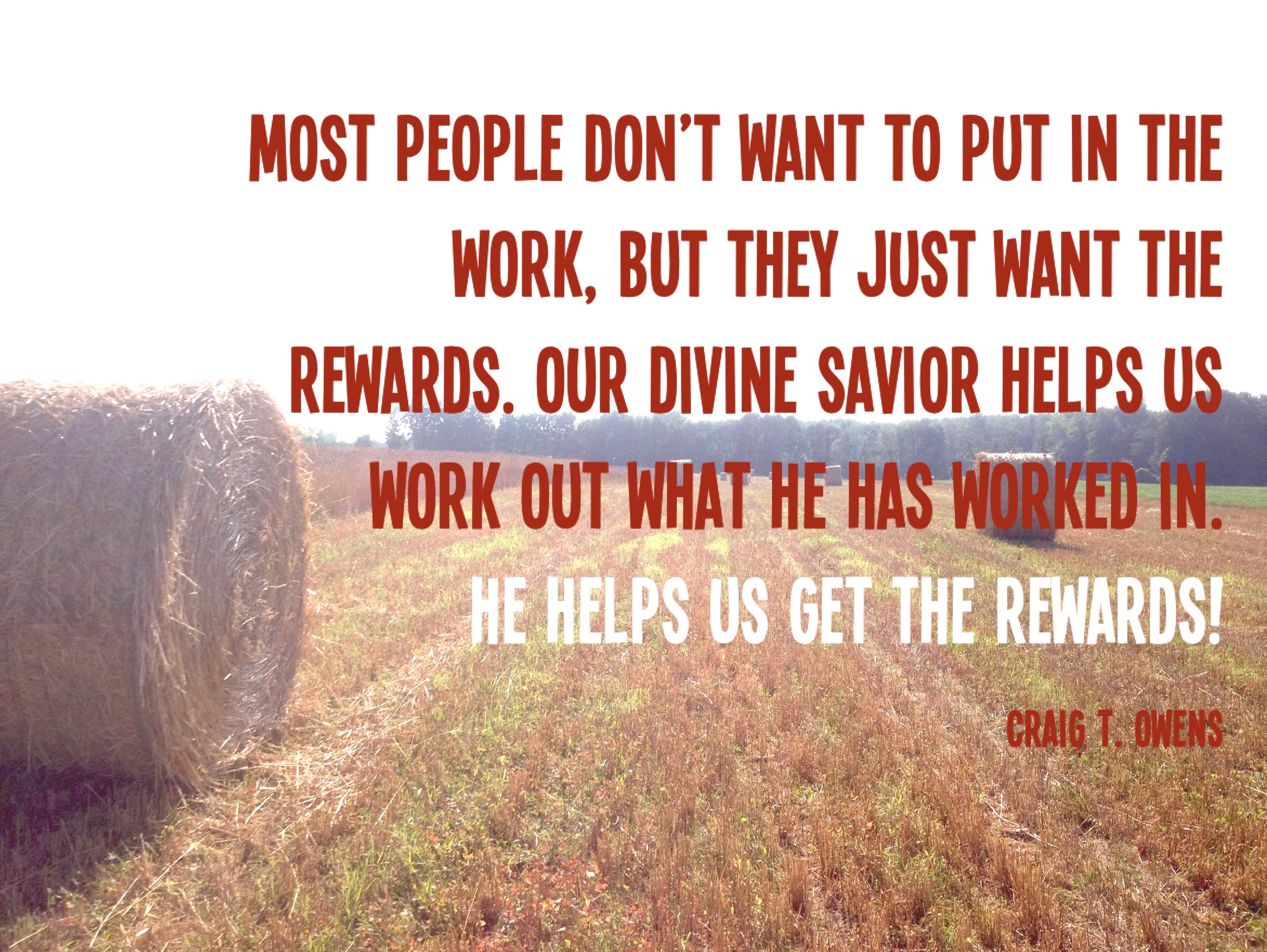
Most people don’t want to put in the work, but they just want the rewards. Our divine Savior helps us work out what God has worked in us. He helps us get the rewards! 

If you’ve missed any of the messages in our series on prayer called Awesome: Learning to pray in the awesome name of Jesus, you can find all of the messages by clicking here. 

►► Would you please prayerfully consider supporting this ministry? My Patreon supporters get behind-the-scenes access to exclusive materials. ◀︎◀︎