Even though this father knew his daughter was dead, he kept walking with Jesus and saw the miracle of resurrection! That’s a great lesson for us: don’t stop praying—keep believing!
“Swimming lessons are better than a lifeline to the shore.” —C.S. Lewis
“If we do not transform our pain, we will most assuredly transmit it.” —Richard Rohr
“The greatness that Jesus demonstrated wasn’t about performative generosity or how we might want to post our good deeds online for others to see. His was about genuine sacrifice that often went unnoticed and unrecorded. He showed up for people in their darkest moments, gave time He didn’t have to spare, and consistently chose others’ needs over His own comfort. This kind of greatness and love isn’t about grand gestures or viral moments of kindness. It’s about the daily choice to put others first, even when it costs you something valuable.” —‘What is Greatness?’ reading plan on YouVersion
“[The Trinity] is indeed a fathomless mystery of theology. …. This thing that bewilders the intellect utterly quiets the heart.” —G.K. Chesterton
I have always enjoyed studying nature and discovering the unparalleled genius of our Creator! In a report on the complexities of insect eyes, the Institute for Creation Research noted, “God has designed photoreceptor cells, and others cells within the compound eyes and brains of insects, with the coordinated ability to take on several tasks. With this hawkmoth research, biologists have observed something amazing—individual cells are able to undertake diverse tasks and switch between them.”
Listen to the podcast of this post by clicking on the player below, and you can also subscribe on Apple, Spotify, or Audible.
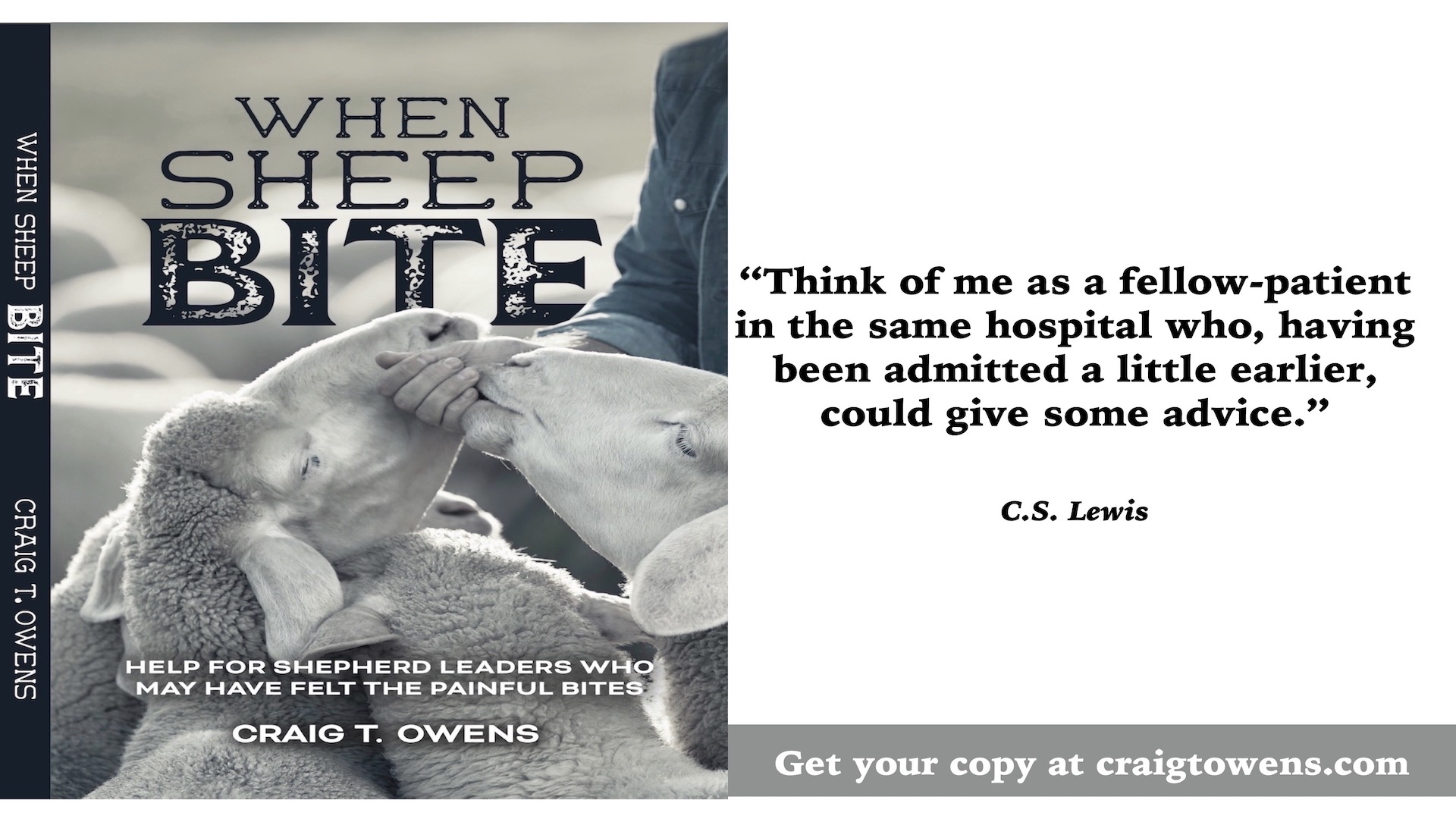
On the Leading From Alignment podcast, I was discussing my book When Sheep Bite which is about leadership pain. John Opalewski asked me to share some things leaders should consider when they get bit.
On a different podcast, I discussed in more detail the idea in Luke 2:52 about Jesus growing in favor with men. Check out The Pinnacle of a Leader’s Health.
You can get more information on When Sheep Bitehere. And also check out my book of prayer for pastors called Amen Indeed.
Listen to the podcast of this post by clicking on the player below, and you can also subscribe on Apple, Spotify, or Audible.
The insidious thing about leprosy is that it kills the body’s pain receptors. Lepers may walk on a broken ankle, utterly mangling their foot. Or they may stick their hand in the first without realizing it.
Pain is important to us—it tells us that something isn’t right and that we should seek help. Just as there is a danger if we ignore physical pain, there is a greater danger if we ignore spiritual pain. It’s a greater danger because eternal separation from God is far more deadly than mere physical death.
Moses warned the Israelites of the danger of spiritual complacency, or we could call it spiritual leprosy. Check out the warning in Deuteronomy 8:10-14, 17. It didn’t take too long for this spiritual numbness to set it (see the fulfillment of Moses’ words in Judges 2:10-15).
When we read in Judges 2, “The hand of the Lord was against them,” this is actually a very loving statement. Think about it: What would happen if God continued to give them success in their sinful endeavors?
We can see this a little more clearly in Isaiah 63:7-10 where we see that God’s love is both redemptive and corrective. His fighting against His people caused them to recall God’s ways and wait on Him once again (63:11; 64:4-5). Notice the last question of verse 5, “How can we be saved?”
It starts with remembering—that’s what Moses said at the beginning of this journey, and it’s also what Jesus says at the end (Revelation 2:5).
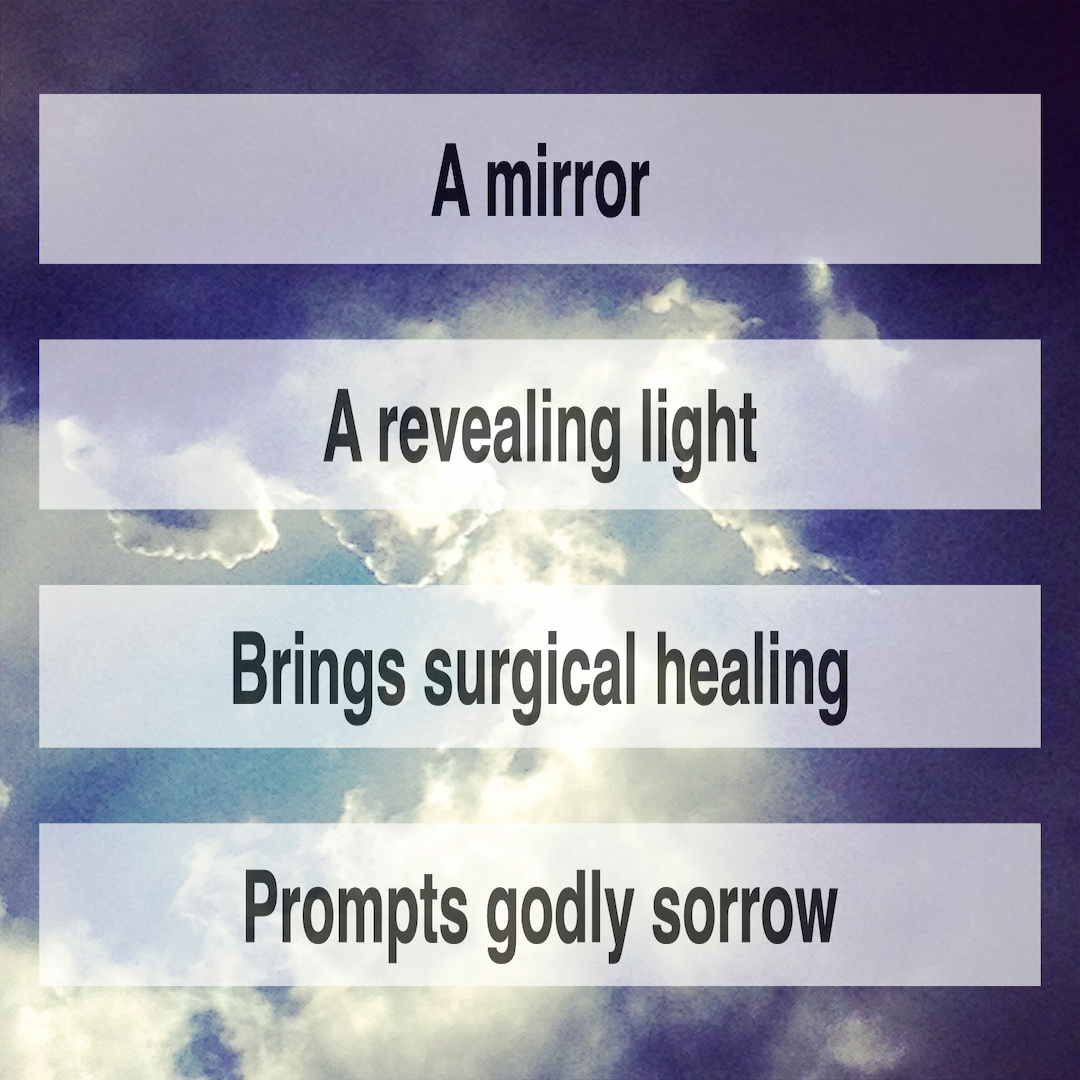
…prompts godly sorrow without condemnation (Romans 8:1-2; 2 Corinthians 7:8-9)
Only when this grief is turned to joy again can God use us to minister to others. We are able to comfort and redirect others because God has comforted and redirected us back onto His path.
David became enamored with his spiritual success and forgot God’s laws. His sin caused God to turn and fight against him. In his deep grief, David cried out to God (Psalm 51:7-13). It was only after David repented that his grief was lifted and he was able to teach others about our loving God.
Let’s not ignore our grief, but instead let’s ask God what He is trying to tell us through that grief. Remember, in our distress He is distressed and will carry us. But if our spiritual leprosy has taken us away from God, He will lovingly fight against us to get us to return to Him!
You can check out all of the other messages in this series by clicking here.
Listen to the podcast of this post by clicking on the player below, and you can also subscribe on Apple, Spotify, or Audible.
Last week we saw how the Israelites in exile had their time of grief—being targeted for annihilation—turned to joy when God granted favor to Queen Esther.
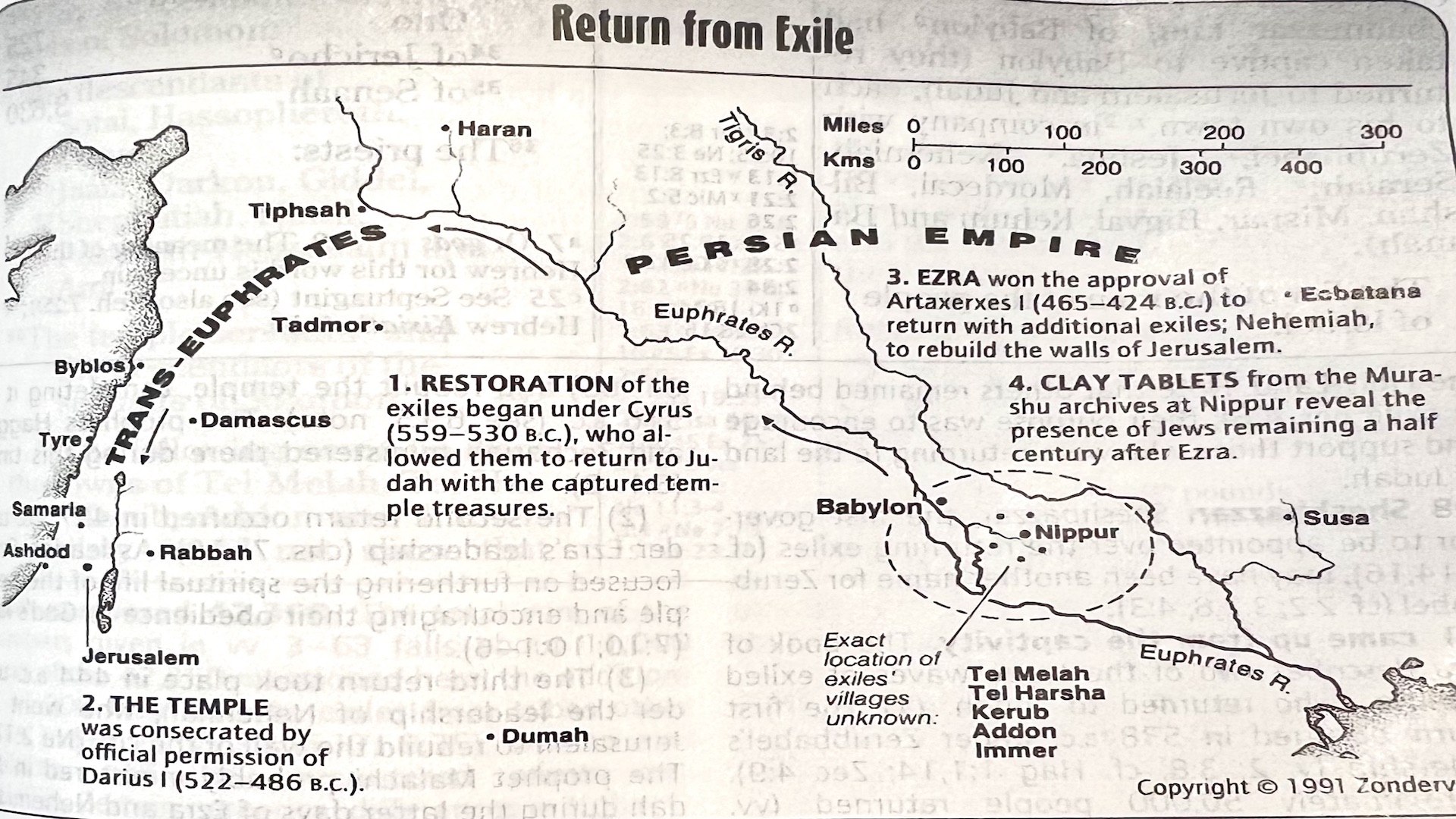
The books of 1 and 2 Chronicles, Ezra, and Nehemiah are all written during this time period as the exiles are returning in waves to Israel. This is another grief-into-joy moment! More than likely, all four of these books were written by Ezra. Notice the note of joyful celebration that is repeated in the last words of 2 Chronicles and the opening words in the Book of Ezra (2 Chronicles 36:22-23; Ezra 1:1-4). We don’t know which psalmist wrote Psalm 126, but it sounds the same joyful note.
Not all the exiles returned at once. In fact, the Book of Daniel shows us that Daniel likely stayed in his position of leadership to these governments until his death.
The exiles were returning in waves. As the worship practices at the temple were reestablished and as people returned to lands allotted to each tribe, it was important for the leaders to make sure the right people were in the right places. So 1 Chronicles opens with genealogies.
Beginning with Adam and Noah (1:1-4)
The spiritual fathers (1:34)
The family line of the Messiah (2:1-15; Matthew 1:1-6) through the family tree of David (3:1-24)
Then 1 Chronicles 4 lists more clans in the tribe of Judah. Of special note is the Calebite clan (2:9, 18).
In the Calebite clan we meet Jabez in 1 Chronicles 4:9-10. His name literally translated is sorrow. I wonder: is this a nickname or his birth name? how did he even get this name?
His mother is quoted, “I gave birth to him in pain.” Did that mean it was physically a difficult birth? Did she die after childbirth? Was he born during the painful exile? His father isn’t mentioned, so maybe his birth reminded everyone of the father who was no longer there. The Amplified Bible says his mother named him “sorrow maker.”
Whatever the case, Jabez has become aware that his name or his presence is causing grief to others. There is a bit of a play on words here: “his mother named(Hebrew: qara) … Jabez cried out (Hebrew: qara) to the God of Israel.” In essence, Jabez is saying, “Since my mother cried out in pain—or thinks I am a sorrow maker—I have no where else to go but to cry out to God!”
I believe Jabez was a teenager at this time. One medical journal says, “Adolescents are physically, cognitively, and socioemotionally more advanced than children but prone to behave in ways that are inconsistent with adult values and norms. … Adolescents also frequently report greater self-consciousness, and are more concerned with and interested in others’ perceptions of self.”
This means that as the brain matures during adolescence, teenagers begin to look at themselves through the eyes of others. They are beginning to make decisions that will earn approval from their peers and their family.
This describes Jabez. He doesn’t want to be the sorrow maker any longer.
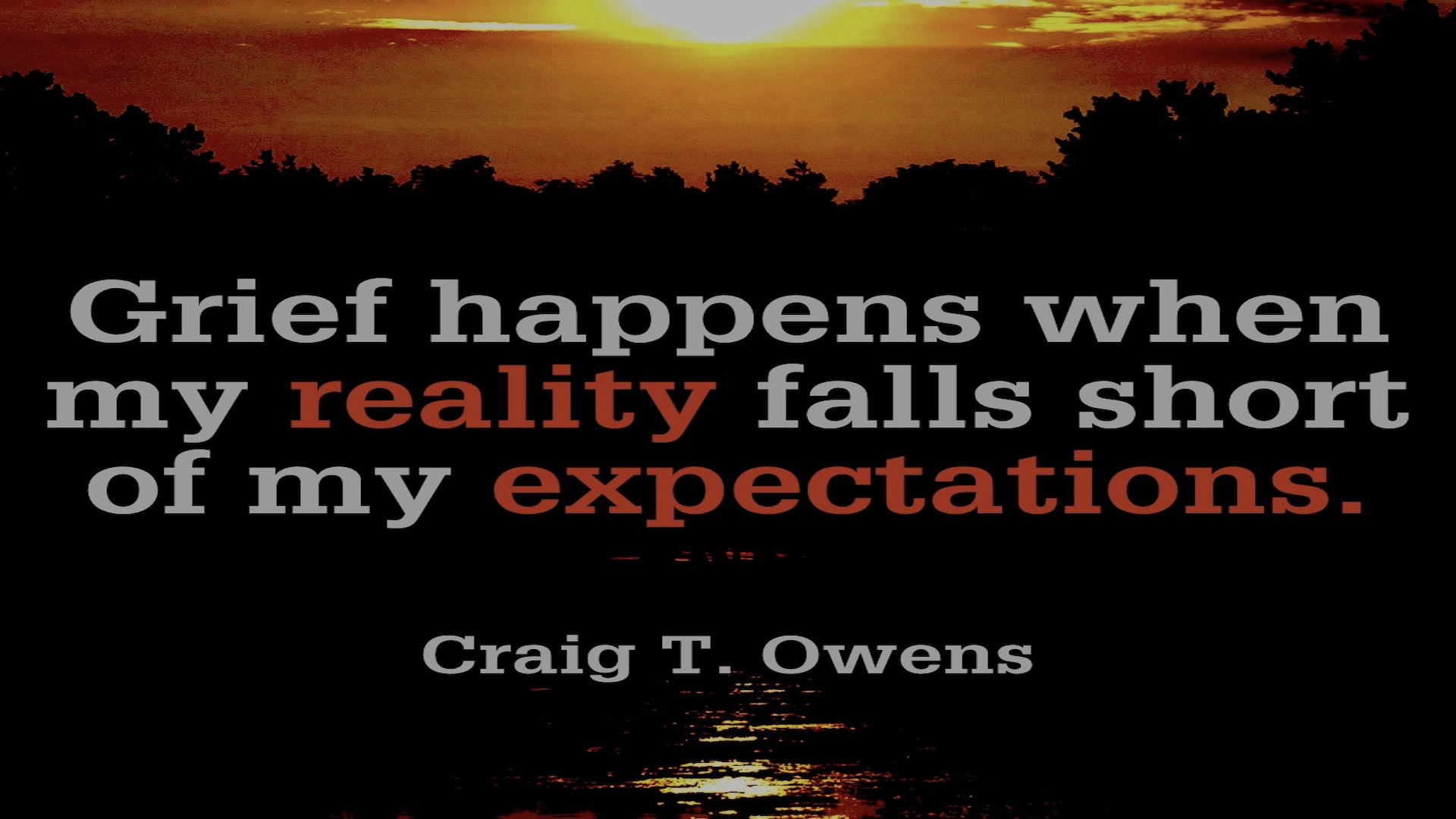
Grief happens when my reality falls short of my expectations. Jabez has become self-aware that he is a painful reminder to everyone around him. He is living in a place of grief
Jabez is called “more honorable than his brothers” (v. 9) because he turns his pain into his prayer. His brothers may either have not been as self-aware, or maybe they were aware but simply didn’t care. Jabez realized, “People have been calling me sorrow maker my whole life. There’s nothing I can do about it on my own, so the only thing I can do is call on the only One who can turn my grief into joy” (v. 10).
Look at his noble prayer:
bless me—God, You are the only One whose favor I desire
enlarge my territory—even out of this grief, bless me so that I can be a blessing
let Your hand be with me—only Your hand can restore my fortunes, can help me reap a harvest, and can allow me to sing Your songs of joy (see Psalm 126:1-6).
Let us follow this example from Jabez’s life and begin to turn every pain into prayer.
God doesn’t want to give us temporary relief from our pain, but He desires for us to know His never-ending joy (Isaiah 25:7-9; Revelation 21:3-4).
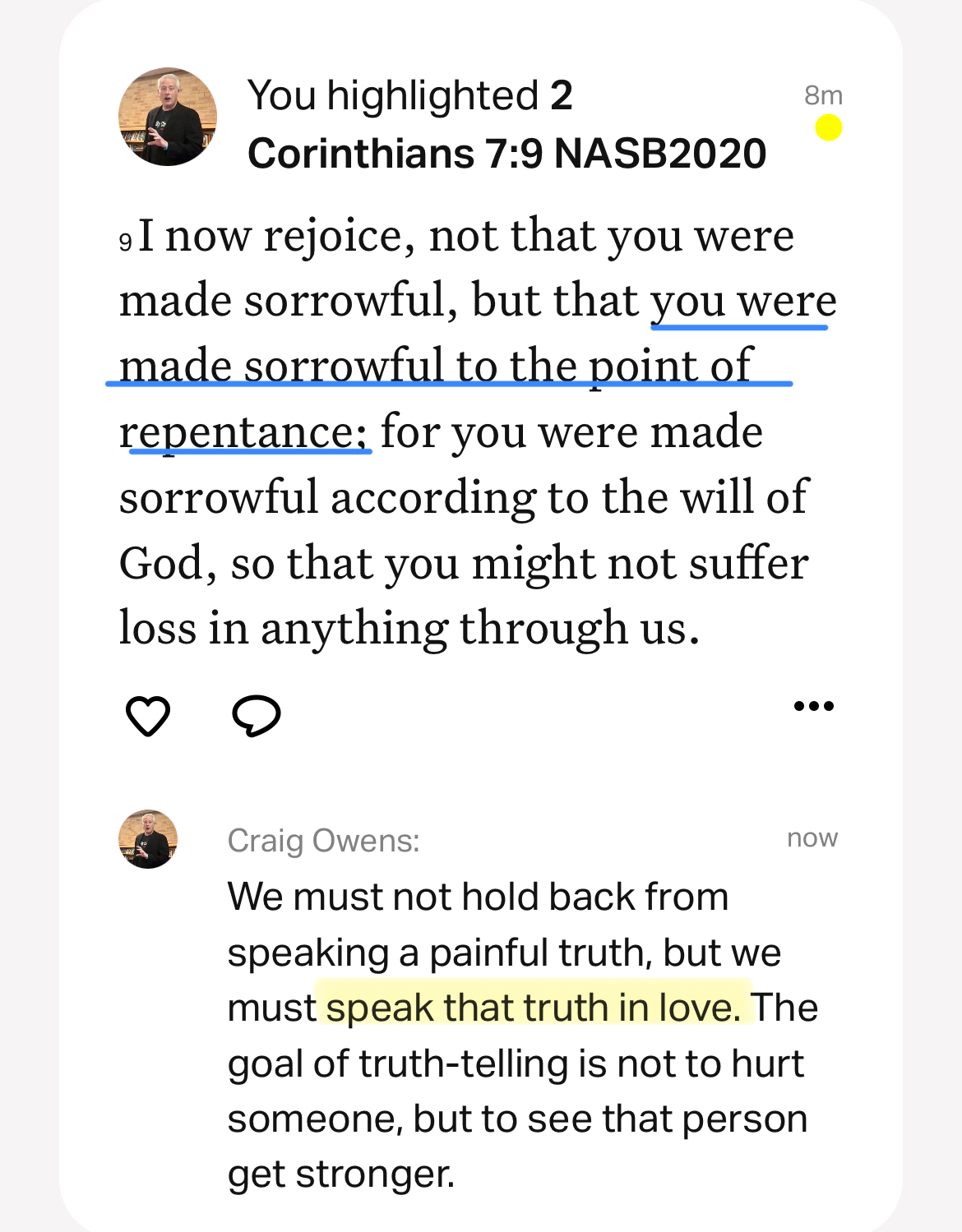
For though I caused you sorrow by my letter, I do not regret it; though I did regret it—for I see that that letter caused you sorrow, though only for a while—I now rejoice, not that you were made sorrowful, but that you were made sorrowful to the point of repentance; for you were made sorrowful according to the will of God, so that you might not suffer loss in anything through us. For the sorrow that is according to the will of God produces a repentance without regret, leading to salvation, but the sorrow of the world produces death. (2 Corinthians 7:8-10 NASB)
Is it okay for you to hurt your friend’s feelings?
I think it is acceptable if those painful words save your friend from a world of hurt.
We must not hold back from speaking a painful truth, but if we do have to share that word, we must ensure that we are speaking that truth in love (Ephesians 4:15). Remember that people don’t care what you know until they know that you care. The goal of truth-telling is not to hurt a friend’s feelings, but to spare that friend a greater pain or to see that friend get stronger.
If you have to speak these words, be sure to water your lovingly truthful words in tears before you share them. As Jesus said, “Remove the plank in your own eye first” (Matthew 7:5).
If you are on the receiving end of painful words, ask yourself, “Is this a friend who loves me and wants the best for me? If so, is there truth in these words?” Even if the words were delivered clumsily, see the love behind the words and find the truth that can help you make a change for the better (Proverbs 27:6, 17).
To dive a little deeper into this topic, check out my video on The Podcast called Speak the truth in love.
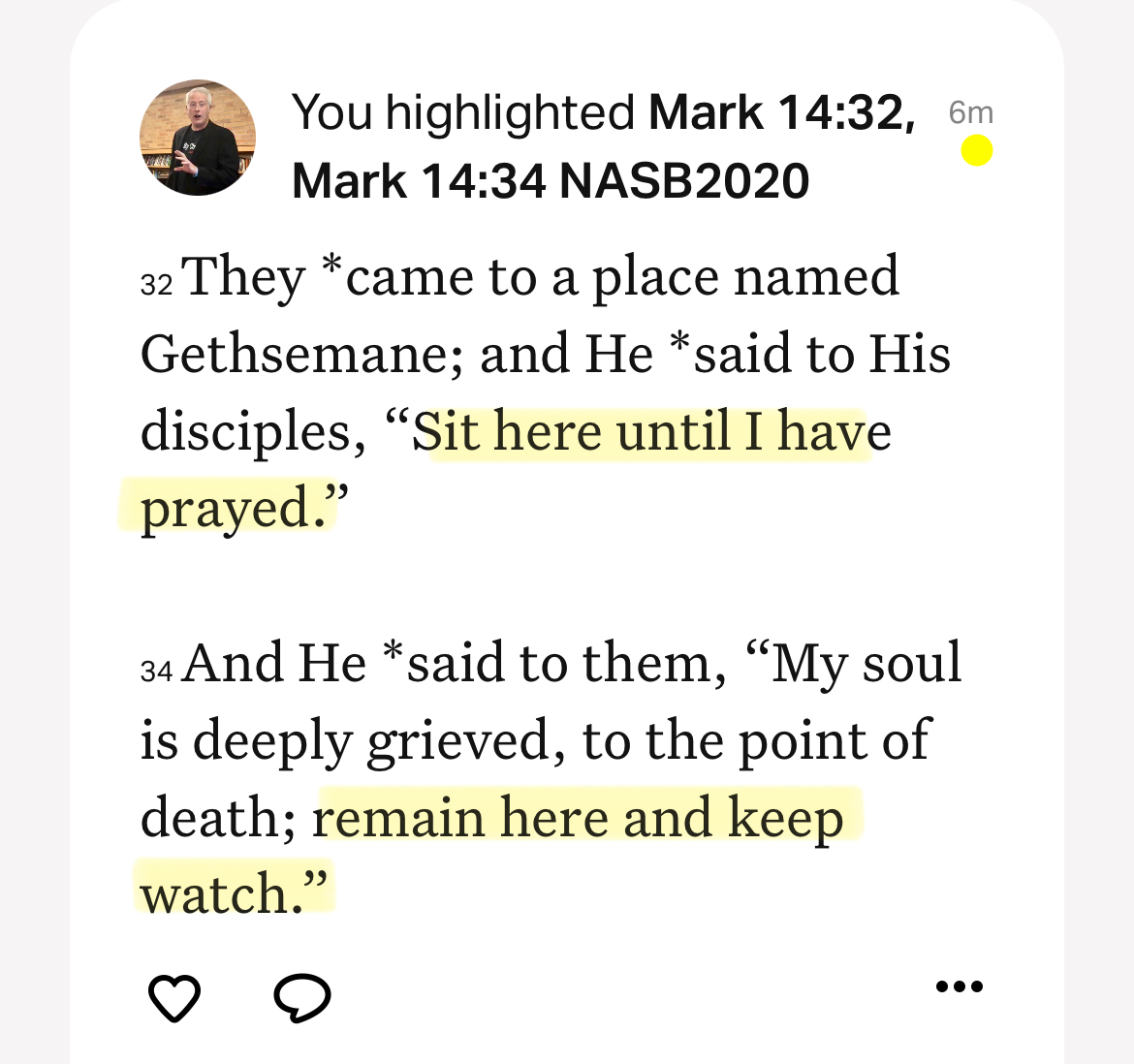
They came to a place named Gethsemane; and He said to His disciples, “Sit here until I have prayed.” … And He said to them, “My soul is deeply grieved, to the point of death; remain here and keep watch.” (Mark 14:32, 34)
Jesus was staring down the most intense, horrific experience anyone on earth had ever faced—more intense than what anyone has ever faced since then. At this moment, He just wanted His friends close by.
Sometimes the best thing we can do for a hurting friend is just be present. Just be there for them. We cannot fully know what battle is raging in our friend’s heart, so we probably won’t have the appropriate words to share. So just be present for them—be physically there in the room with them.
Job’s friends started out well, as they sat silently with their friend. When they tried to counsel Job, they made matters worse. Job called them “miserable counselors” (Job 16:2) and their words made God angry with them too.
Don’t feel like you have to have words to share with your friend. Sometimes just weeping with those who weep is enough to let your friend know that they are not alone.
Listen to the podcast of this post by clicking on the player below, and you can also subscribe on Apple, Spotify, or Audible.
Have you ever been trying to finish a DIY project and you’re getting frustrated because there’s one part you cannot seem to complete? Then you phone a friend. They come over, look at the situation, pull the perfect tool out of their toolbox, and quickly fix the problem. You are amazed and they think, “It’s no big deal. I just happened to have the right tool for the job and the skill to know how to use it.”
We are all gifted, but in different ways.
God has uniquely prepared you for the situations you will face in your life. David declared, “All the days ordained for me were written in Your book before one of them came to be” (Psalm 139:16). That tells me that your loving Creator knew the challenges and opportunities you would have, and He has already placed the perfect tool in your toolbox that you will need to excel in that moment.
We have already talked about how your passion helps you discover your areas of giftedness. Finding out what thrills you and what fills you is one key step on this journey. There’s another aspect of this discovery process that at first seems almost the opposite, but I think they are actually two sides of the same coin.
If passion is what thrills me, then pain is what kills me. I think a good word for this is zeal. In the biblical context, zeal would be anger at the things that keep people from experiencing all that God has for them—things that keep them from knowing the fullness of God’s glory.
As Moses grew older, it killed him that the Jewish people were now enslaved by the Egyptians and kept from worshiping God in their own place (Exodus 2:11-12).
We see Moses’ zeal misapplied at first (I mean, he did commit a murder!). This about the differences between a river powerfully flowing within its banks, and a flood when the river overflows its banks. When we use our God-implanted zeal in ways that He hasn’t sanctioned, we make a mess like that flood. But when we use our zeal to glorify God, it is as powerful as a mighty river within its banks.
We see perfect zeal in Jesus. We see Him cleansing the temple so all worshipers could come close to God (John 2:13-17). We see his anger over the religious rules that kept people trapped in their disease( Mark 3:1-5; Luke 13:10-16).
If passion asks, “What is God passionate about that thrills my heart too?” then pain asks, “What breaks God’s heart that also breaks my heart?” or “What’s broken that I would love to fix?”
Zeal moves us to action!
When we move forward in our zeal, others may say we are meddling or we are sticking our nose in places where it shouldn’t be. But we simply cannot help ourselves.
In Moses’ initial zeal—without God’s commission—he committed murder and then fled to the wilderness.
Stephen says, “Moses was well educated in all the wisdom of the Egyptians and was powerful in speech and action” (Acts 7:22). The word Stephen uses for “educated” means Moses was fully trained to interact success with is culture. And he also says Moses was “powerful” in speech and action.
So why does Moses say of himself that he is not “eloquent” and “slow of tongue” (Exodus 4:10)? Literally, Moses is saying, “I might make the same mistake that I made previously.”
Moses looked back on his initial stumble and was fearful he may misfire again. He was comfortable staying in his restricted comfort zone, but this attitude made God angry (Exodus 4:10-12).
Saul in his zeal for the rules and traditions of Judaism, persecuted the Christians. After he became a Christian, we see the same zeal—calling out Barnabas and Peter, and asking the Galatians who has bewitched them to stay entangled with meaningless traditions.
We usually discover our giftedness by looking backward. The devil would love for us to see our previous missteps as disqualifications for future service. But God says that He can use all of these things for His glory (Romans 8:28). We have to surrender our fears to Him if we want to soar out of our comfort zone and into our comfort zone.
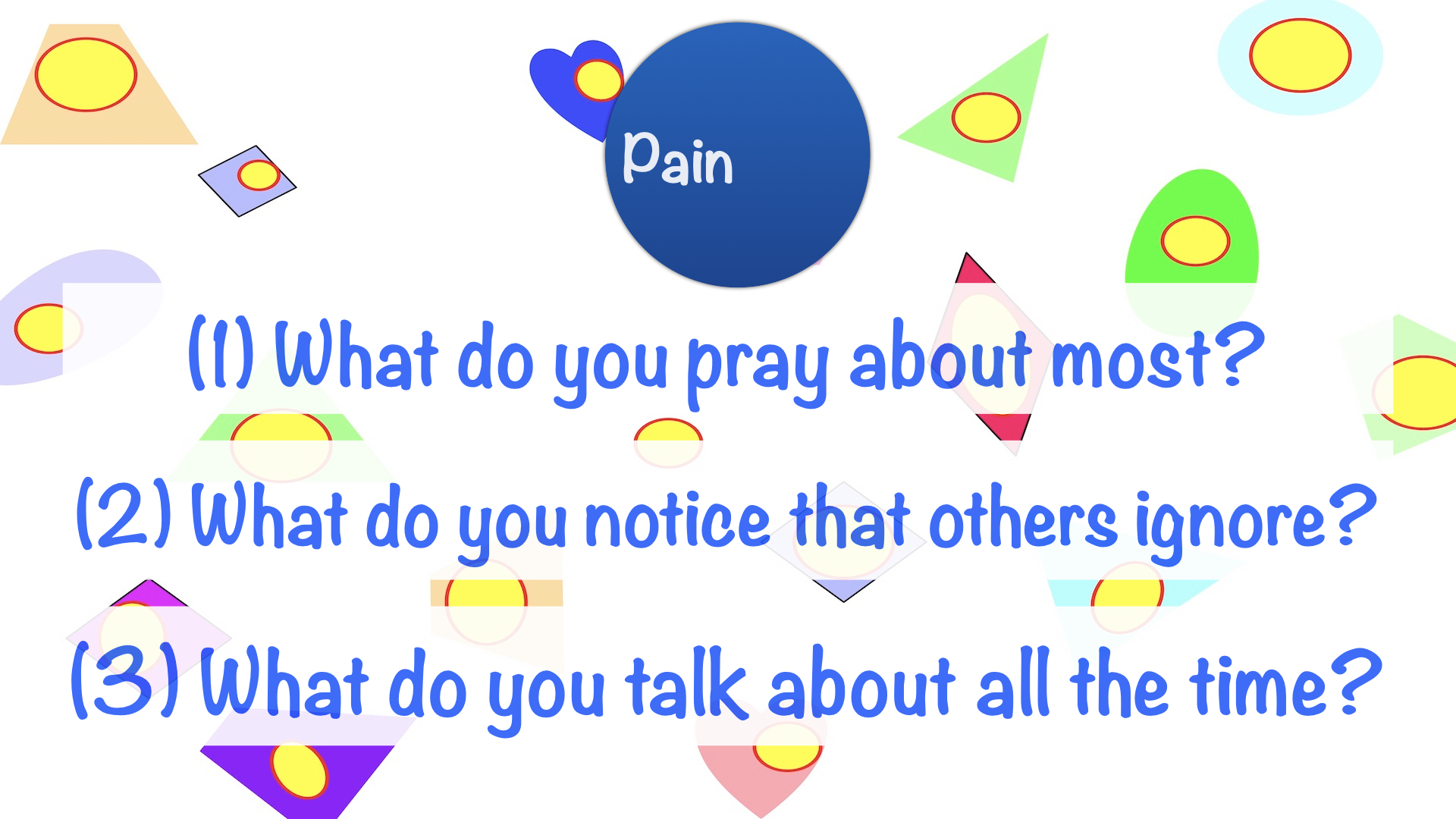
Let me give you three things to consider:
What do you find yourself praying about more than anything else?
What do you move toward that others ignore or move away from?
What topic do you talk about all the time?
Here’s your homework: Think about the three things to consider regarding pain, and then consider where your passion circle and your pain circle may overlap.
If you’ve missed any of the messages in our series Living In Your Gift Zone, you can find them all here.
Listen to the podcast of this post by clicking on the player below, and you can also subscribe on Apple, Spotify, or Audible.
When people attack their leader—or when sheep bite—it hurts!
Our first best response is to acknowledge, “That hurt!” but then we need to pause. Our natural response to an attack is fight-or-flight, but healthy leaders take time to learn why that bite occurred.
This is an excerpt from an episode of The Craig and Greg Show where Greg interviewed me about my new book When Sheep Bite.
If you would like to watch the full episode of our leadership podcast, you can find that here.
I am getting ready to facilitate a cohort for pastors who have gone through painful sheep bites—or perhaps they are feeling them right now! If you are a pastor, or if you know of a pastor who has been bitten, please check out this cohort here.
And if you would like to pick up a copy of When Sheep Bite for yourself, you can get that here.
Listen to the podcast of this post by clicking on the player below, and you can also subscribe on Apple, Spotify, or Audible.
The word sounds as painful physically as it is emotionally. I am talking about the word “fester.”
Check out this episode of The Podcast.
I truly believe that When Sheep Bite will be a healing resource for shepherd leaders who are still feeling the pain of their latest sheep bite. Please pick up a copy today!
If you would like to check out the full conversation Greg and I had on our leadership podcast called The Craig and Greg Show, you can find that episode here.
Listen to the audio-only version of this podcast by clicking on the player below, or scroll down to watch the video.
As you may have heard, I have written a new book! In this episode Greg and I sit down and chat about When Sheep Bite, and discuss how the valuable lessons it provides are critical for leaders of any organization.
[0:21] I have a confession to make…
[1:43] This book is for both business leaders and church leaders.
[3:07] Attacks usually lead to to fight-or-flight, but When Sheep Bite offers a new response.
[5:21] It’s healthy to validate our feelings when we’ve been hurt, but then good leaders go deeper.
[8:39] Empathy is health, but making excuses is not healthy.
[10:37] Watch out for the sneaky bite of flattery.
[11:26] Leaders who have been hurt have to guard against harboring that hurt.
[13:23] Leaders need to learn how to confront misbehavior correctly.
[14:46] In order for sheep to bite, and in order for the shepherd to lead, they have to be close to each other. How do both sheep and shepherds set boundaries?
[17:46] We can disagree but we cannot disrespect!
[19:49] Bitterness can rob a leader of vitality, so we have to find effective ways to heal.
[22:46] Fight-or-flight is natural, but we need to strive for the supernatural response of faithfulness to our calling.
[23:40] In many ways WSB points to what a good coach does. Contact Maximize Leadership about how our coaching huddles can help your leadership soar—get in touch with us!
Check out this episode and subscribe on YouTube so you can watch all of the upcoming episodes. You can also listen to our podcast on Spotify and Apple.



 Even though this father knew his daughter was dead, he kept walking with Jesus and saw the miracle of resurrection! That’s a great lesson for us: don’t stop praying—keep believing!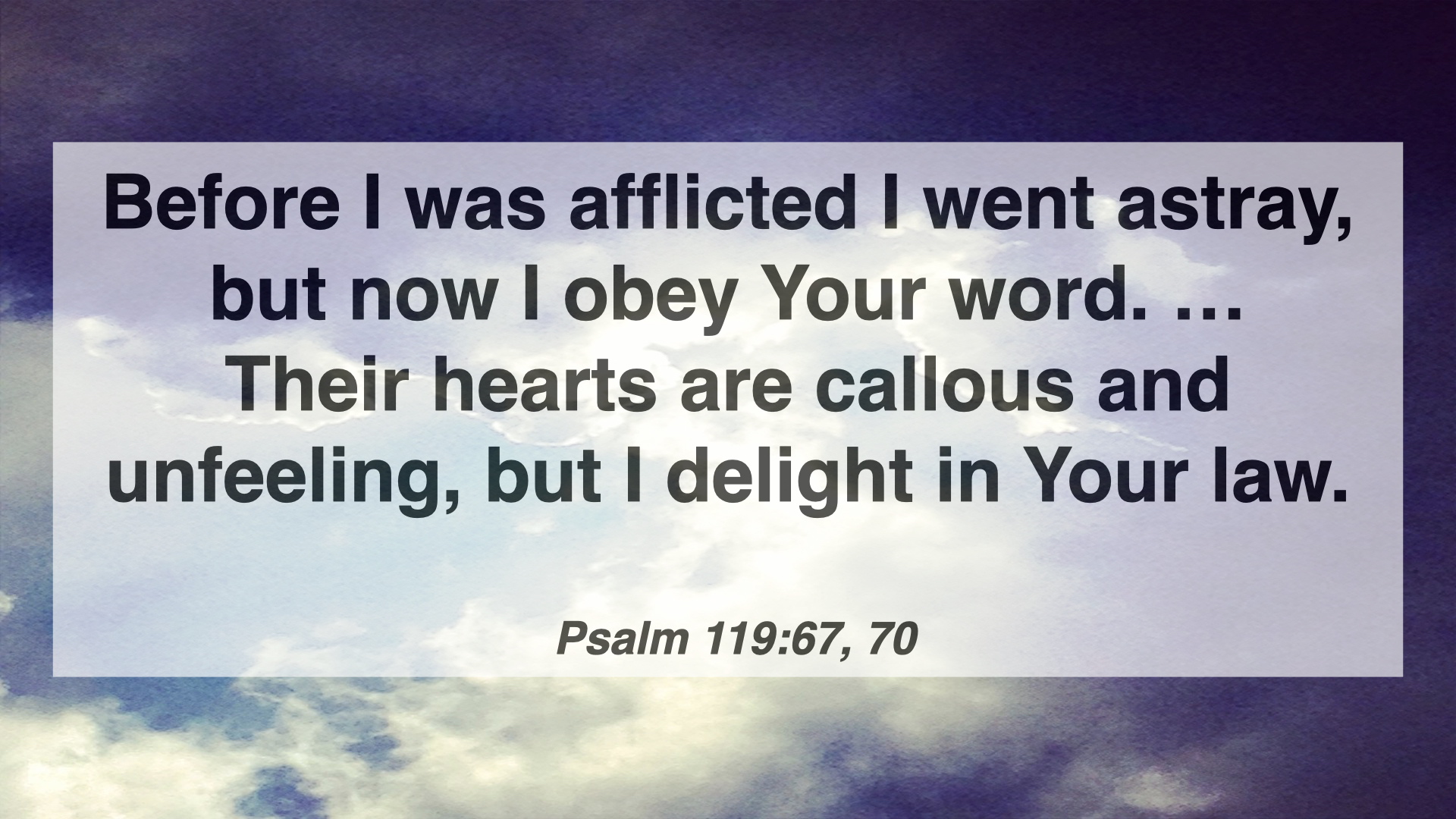




 Craig T. Owens