Thursdays With Spurgeon—Getting Into The Truth

This is a weekly series with things I’m reading and pondering from Charles Spurgeon. You can read the original seed thought here, or type “Thursdays With Spurgeon” in the search box to read more entries.

Getting Into The Truth 

     The difficulty is the truth is not so easy to discover. There is no man born in this world by nature who has the truth in his heart. … Then since we are not born with the truth, we have the task of searching for it. … But here is the difficulty, that we cannot follow without a guide the winding path of truth. Why is this?

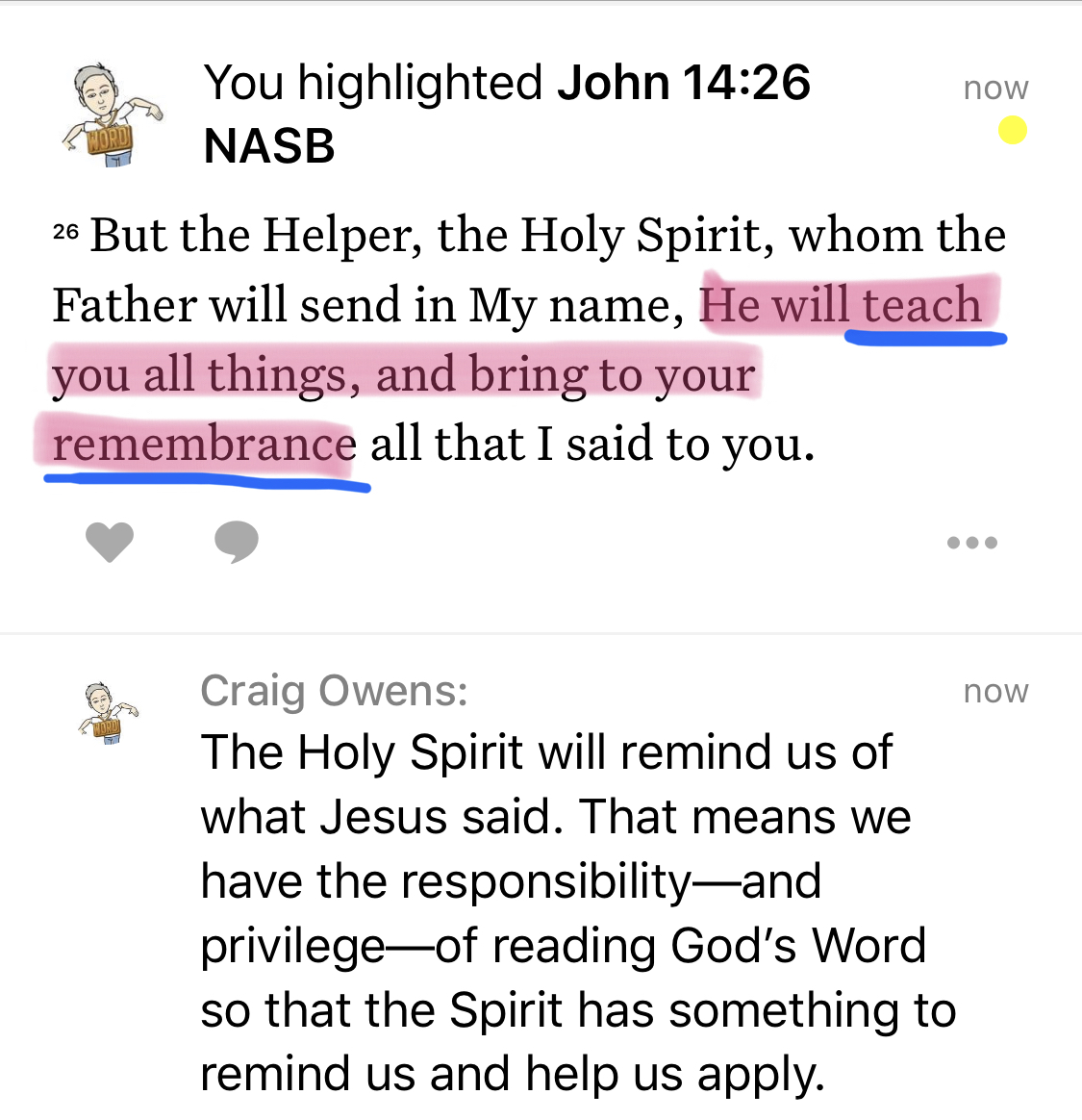
     First, because of the very great intricacy of truth itself. Truth itself is no easy thing to discover. … The most earnest student of Scripture will find things in the Bible that puzzle him. However earnestly he reads it, he will see some mysteries too deep for him to understand. He will cry out, ‘Truth! I cannot find you.’ … But we bless God it is said, ‘When the Spirit of truth has come, He will guide you into all truth’ [John 16:13]. … 

     We also need a guide because we are so prone to go astray. … David says, ‘I have gone astray like a lost sheep’ (Psalm 119:176). … If grace did not guide a man, he would go astray though there were hand-posts all the way to heaven. 

     The ‘Spirit of truth’ [is] not an influence or an emanation but actually a Person. ‘When the Spirit of truth has come, He will guide you into all truth.’ … He is infallible. … He is ever-present. …  

     Man can guide us to a truth, but it is only the Holy Spirit who can guide us into a truth. ‘When He, the Spirit of trying has come, He will guide you into’—mark that word—‘truth.’ … You may be brought to a chamber where there is an abundance of gold and silver, but you will be no richer unless you effect an entrance. It is the Holy Spirit’s work to unbar the two-leaved gates and bring us into a truth so we may get inside it. 

From The Holy Spirit: The Great Teacher 

I have often said that the greatest Expositor of Scripture is the Holy Spirit. He is the One who inspired the biblical authors, and He is also the One living in a Christian to illuminate the biblical texts. 

Before you open your Bible, pray this prayer from the psalms, “Open my eyes to see wonderful things in Your Word” (Psalm 119:18). And then listen to the Spirit’s voice as He takes you into the truth that will enrich your life and bring God greater glory. Just like those first Christians who were baptized in the Holy Spirit became skilled in their understanding of Scripture, you can experience the exact same thing today!

I have a whole series of messages on the power of Pentecostal Christians that you can read by clicking here and here.

Thursdays With Spurgeon—In Pursuit Of Truth

This is a weekly series with things I’m reading and pondering from Charles Spurgeon. You can read the original seed thought here, or type “Thursdays With Spurgeon” in the search box to read more entries.

In Pursuit Of Truth 

     The disciples had been instructed concerning certain elementary doctrines by Christ, but He did not teach His disciples more than what we should call the ABCs of religion. He gives His reasons for this in the twelfth verse: ‘I still have many things to say to you, but you cannot bear them now’ [John 16:12]. His disciples were not possessors of the Spirit. They had the Spirit so far as the work of conversion was concerned, but not as to the matters of bright illumination, profound instruction, prophecy, and inspiration. Jesus says, ‘I am now about to depart, and when I go from you, I will send the Comforter to you. You cannot bear these things now. Howbeit, when He, the Spirit of truth, is come, He will guide you into all truth’ [John 16:13]. The same promise that He made to His apostles stands good to all His children. …  

     We think it is right that the Christian ministry should be not only arousing but instructing, not merely awakening but enlightening, that it should appeal not only to the passions but to the understanding. We are far from thinking doctrinal knowledge to be of secondary importance. We believe it to be one of the first things in the Christian life, to know the truth and then to practice it. …  

     What we call curiosity is something given us of God impelling us to search into the knowledge of natural things. That curiosity, sanctified by the Spirit, is also brought to bear in matters of heavenly science and celestial wisdom. … A true Christian is always intently reading and searching the Scriptures that he may be able to certify himself as to its main and cardinal truths. …  

     Depend on this: The more you know of God’s truth, all things being equal, the more comfortable you will be as a Christian. …  

     Knowledge of truth will make us very serviceable in this world. We will be skillful physicians who know how to take the poor distressed soul aside, to put the finger on his eye and take the scale off for him that heaven’s light may comfort him. … There is nothing like the real truth and the whole truth to make a man useful.  

From The Holy Spirit: The Great Teacher 

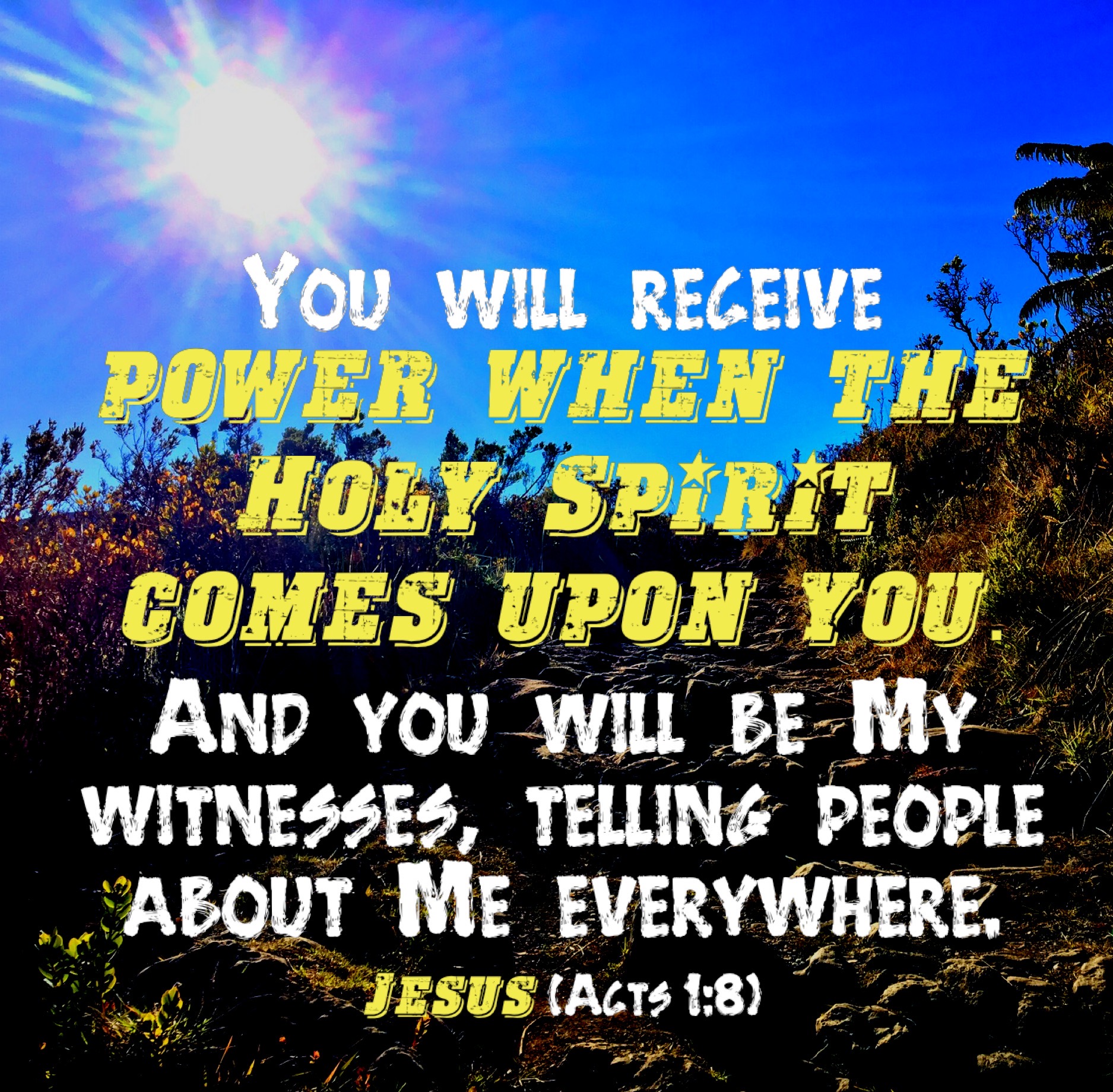
Throughout the public ministry of Jesus, the Gospels tell us of His apostles simply not understanding that Jesus was fulfilling Old Testament prophecy in all that He was doing. But all of that changed after the Day of Pentecost when then followers of Jesus were baptized in the Holy Spirit! 

Beginning with Peter’s sermon on the Day of Pentecost and throughout the rest of the New Testament, we see how the Christians took Old Testament Scriptures and applied them in the new understanding the Holy Spirit gave them of the work of Jesus. As a result, radical changes began to take place not only within the Church but throughout society as well. 

As Spurgeon noted, “The same promise that He made to His apostles stands good to all His children.” That promise of the Holy Spirit’s empowerment, illumination, creativity, and application of Scripture is still available for all Christians today! 

Don’t limit your Christian testimony or your effectiveness in the world by keeping the Holy Spirit relegated to some unknowable, mysterious work. Allow Him to be the driving force in all that you think and do! 

I have a whole series of messages on the power of Pentecostal Christians you can read by clicking here and here.
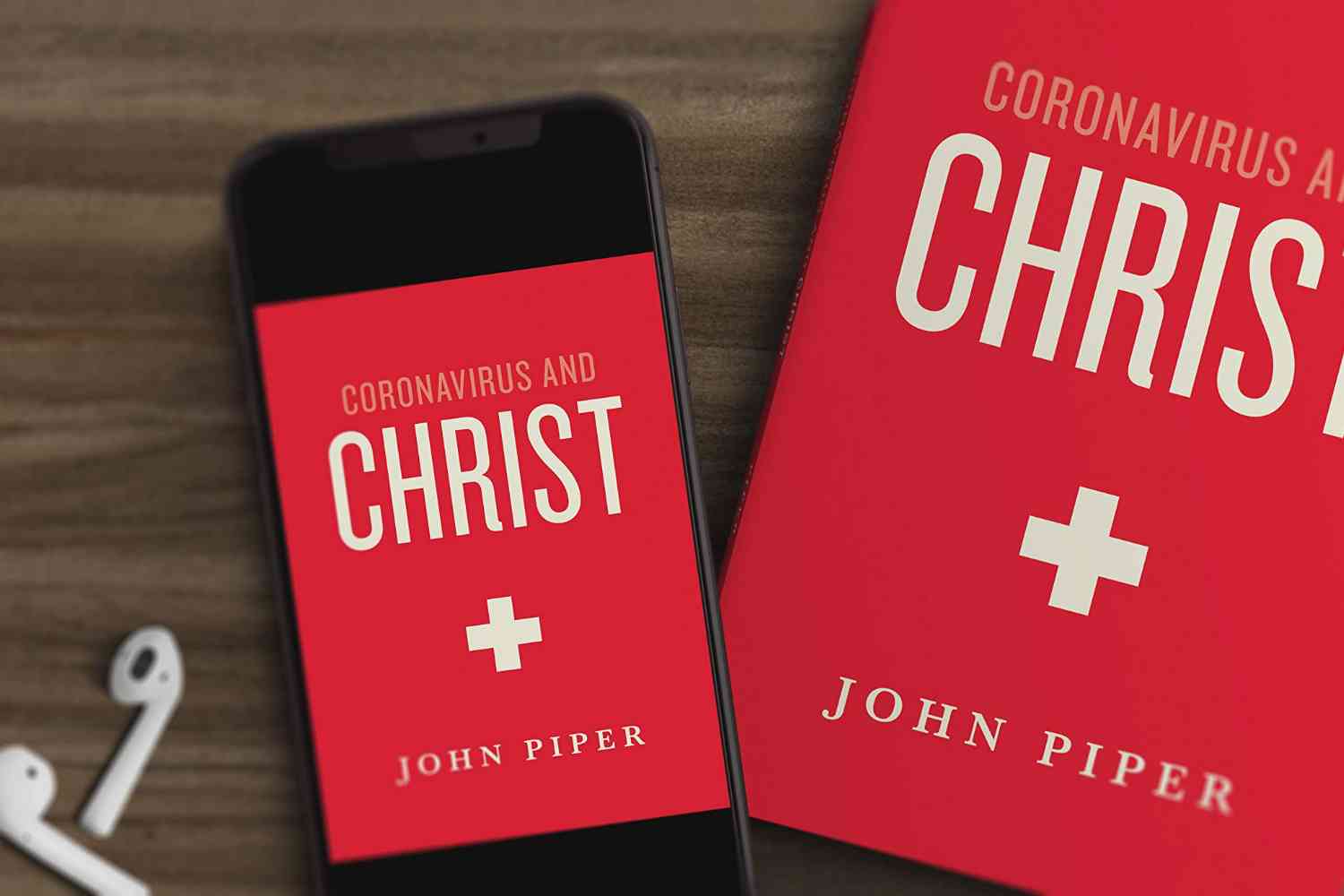
Coronavirus And Christ (book review)

Coronavirus And Christ is a quintessential example of how the Bible’s message is applicable to any situation we face. This book could have been written as “The Bubonic Plague And Christ” or “The Great War And Christ” or even “The Spanish Flu And Christ” and the message would have been the same. 

John Piper himself states, “What John Piper has to say on this topic isn’t nearly as important as what God has to say on this topic.” God’s Word is timeless, always applicable, and always authoritative. Coronavirus And Christ is steeped in biblical principles. 

The first half of this book reminds us of God’s sovereignty even in times that we may see as unexpected or chaotic. Pastor John writes, “The secret of ‘sorrowful, yet always rejoicing’ [2 Corinthians 6:10] is this: knowing that the same sovereignty that could stop the coronavirus, yet doesn’t, is the very sovereignty that sustains the soul in it. Indeed, more than sustains—sweetens. Sweetens with hope that God’s purposes are kind, even in death—for those who trust Him.” 

In the second half of this book, Pastor John elaborates on six possible answers to the question, “What is God doing through the coronavirus?” I am confident that you will be encouraged to see how God is in control of events that seem out of our hands. 

Coronavirus And Christ is a short book, but one that will arm you with faith-building insights that will help you throughout not just this time, but any others that will inevitably come along. Desiring God has made the ebook version of this book available for free (click here to access the link). 

Ultimate Wisdom

Last week I posted a quote on some of my social media channels that simply stated: “Our opinions don’t matter if they don’t square with God’s Word on the matter.” This seemed to me to be a fairly uncontroversial statement, but one anonymous reader really took me to task for using the hashtag #objectivetruth. Apparently, he thinks there is no such thing. 

But don’t we all rely on objective, external standards all the time? For instance, a gallon of gasoline is a gallon regardless of where you buy it, or whether you feel like it’s a gallon or not. And when you go to pay for your gasoline, the price isn’t based on how the gas station attendant is feeling at that moment, but on the objective amount posted. 

Psalm 49 is somewhat unusual in that it is a “wisdom psalm.” This psalm feels a lot more like something we would read in Proverbs or Ecclesiastes than it does a prayer or song in the Psalms. 

For instance, the first four verses of this Psalm sound a lot like the opening verses of the Book of Proverbs. And verses 5-13 of the Psalm echo what Solomon wrote in Ecclesiastes 2. 

This psalmist—like Solomon—wants us to understand how important it is to get wisdom. So we are urged to listen intently to those who have hard-won insight, to those who have “been there, done that” so that we don’t have to repeat their folly. 

What is that wisdom? It can be broken down into two profound statements:

(1) Everyone dies. 

That can be a really depressing truth IF your focus is building your own kingdom. If all there is to life is what you can earn and build before you die, only to realize that your “kingdom” ends at your last breath, that can be very depressing. 

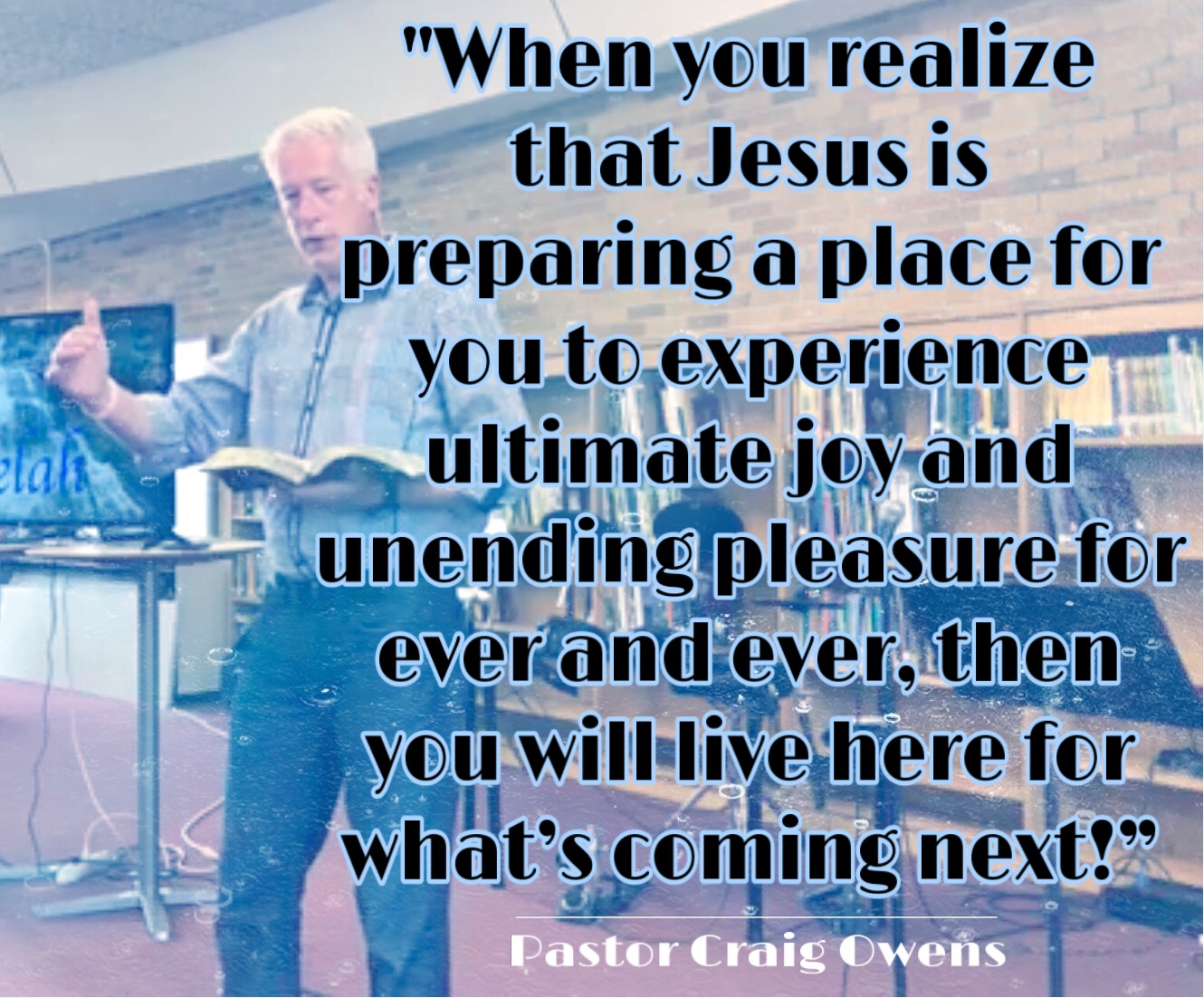
However, this realization that everyone dies can be a very liberating truth IF your focus is on the eternal kingdom that is awaiting you in Heaven. When you realize that Jesus is preparing a place for you to experience ultimate joy and unending pleasure forever and ever, then you will live here for what’s coming next! 

(2) Our eternal destination after we die is determined before we die.

If someone told me that he had discovered the secret to immortality, and then he died and came back to this life to tell me that his theory was correct, it would be wise listen to him. 

That’s exactly what Jesus did for us!

He told us that He would die on a Cross and that He would be raised back to life. AND HE DID IT! His hard-won insight, His “been there, done that” wise words to us are this—“Believe in Me. I died to pay the penalty for the sins that will keep you out of Paradise. So place your faith in what I did, and ask my Father to forgive your sins. Then I promise you that you will spend forever and ever with Me in Paradise!” 

THIS objective truth determines everything else about our lives. 

So I’ll repeat it again—

“Our opinions don’t matter if they don’t square with God’s Word on the matter.” —Craig T. Owens

Join me next Sunday as we continue our series looking at the Selahs in the Psalms. 

Truth Is The Source Of Freedom

“The university has traditionally been a unified place (Latin unum) where faculty and students gather in order to discover truth (Latin veritas). A generation ago, college was expected to be a place of freedom, particularly for expression of and engagement with different—even disagreeable—ideas. Sadly, recent events and numerous statistical surveys reveal that such days may be over. Today, many on university campuses expect to be protected or shielded from speech and ideas that could be deemed offensive, even if the free speech rights of others—as well as the pursuit of truth—are sacrificed in the process.

“The current climate, in which people are forcibly prevented from sharing ideas, has arisen because the Culture of Confusion has mistaken autonomy for freedom. In a post-truth culture, where preferences and opinions are elevated over facts and truth, anything that challenges our preferences, even if a challenge is laced with facts, is deemed offensive and oppressive. The Western contemporary concept of freedom is all about the ability to do, feel, and say whatever one wants, as long as it doesn’t hurt someone else. But this isn’t freedom—it’s autonomy (which literally means being a law unto one’s self). Freedom operates at its best within the confines of truth. The pursuit of autonomy is the root of the post-truth mindset that fuels the current Culture of Confusion. If each of our personal preferences is celebrated without truth as our guide, if we are all ‘laws unto ourselves,’ confusion is inevitable in at least three important ways.

“First, the culture seems to have lost its ability to reason—to think and act clearly and wisely. When feelings are vaunted over facts in the quest for autonomy, reason dies in the process. If the facts get in the way of unrestrained autonomy, then the facts will have to be ignored and any opposition will be silenced.

“Second, the Culture of Confusion has lost its moral accountability. If it’s true that ‘man is the measure of all things,’ as Protagoras proclaimed centuries ago, then we make the rules, not God. If there is no God to help us, then we have to help ourselves. There are atheists who claim that the ‘better angels of our nature’ will result in us reaching a rough agreement about moral values. But history has shown us that it’s only a short leap from secular humanism to self-worship and supreme authority. Moral clarity shows us the objective truth beyond our preferences. And we have to mold our desires and preferences to the truth’s boundaries. Because we don’t want to conform, moral clarity has become the vice of the day, and moral confusion the virtue.

“Third, in striving to go from bearing the Imago Dei (with accountability to God) to Deus Homo (with accountability to no one), we have lost what it means to be human and to value other human beings. When we become the measure of all things, then we determine which humans are valuable and which ones are not, meaning our sense of objective human value is lost in the process.

“There is a fundamental difference between limitless individual autonomy and true freedom. The Bible opposes the former and champions the latter (James 1:25; 2:12). The book of Judges demonstrates this well. Each time the people’s thirst for autonomy landed them in trouble, God sent a judge—a person who took his authority from God—to guide the people. But they rejected God’s authority time and again in favor of their personal sovereignty until the resultant chaos became too much. When we jettison truth as our guide, we will end up with autonomy and then chaos, but not freedom. Each one of us, individually in our hearts, needs to search for the source of freedom—truth.” —Abdu Murray, Saving Truth

Thursdays With Oswald—Jeremiah 19

Oswald ChambersThis is a weekly series with things I’m reading and pondering from Oswald Chambers. You can read the original seed thought here, or type “Thursdays With Oswald” in the search box to read more entries.

Jeremiah 19

[These are notes from Oswald Chambers’ lecture on Jeremiah 19.] 

     In the temple precincts judicious minds were without excuse, because they understood what Our Lord was doing. Outside Jerusalem, Our Lord always said, “Don’t tell anyone Who I am”; every time He went to Jerusalem He made it clear who He was. 

The presentation of the Gospel of God to sinners is one of love and mercy, but to the house of God one of judgment and truth. When we preach to the crowd outside we lambast drunkenness and other things, Jesus never did. The stern messages of the Bible are never given to sinners, but to God’s people.

From Notes On Jeremiah

Hmmm, are we doing this the right way? It seems like many times we get this reversed—we rebuke those outside because of their sin, and we speak tenderly to those on the inside. Definitely something for Christian leaders to consider carefully. 

How Should Christians Handle Objections?

It’s no secret that when a Christian says, “This is what I believe,” or “This is what the Bible says,” or even something as simple as, “I believe in God,” that there will be people who disagree. Sometimes their disagreement may even become an outright attack.

How are Christians to respond?

Here are five ways I’ve found to be effective and Christ-honoring—

1. Don’t argue. Arguments tend to create an “I don’t want to lose” feeling in the other person, which makes them unable to truly hear what you’re saying. Solomon wrote, “Do not answer a fool according to his folly, or you will be like him yourself” (Proverbs 26:4).

2. Ask questions. Jesus was a master at this. Look through the Gospels and you will see Jesus asking questions to clarify others’ positions. Questions stimulate further conversation, while statements tend to shut down the conversation. Questions develop a relationship, while definitive statements make you seem superior to the other person.

3. Don’t argue. Yes, this is good enough to repeat! Paul’s advice to Timothy was, “Do not waste time arguing over godless ideas and old wives’ tales” (1 Timothy 4:7).

4. Pray for mercy. Remember that if you are really speaking truths from the Bible, the person arguing against those truths is arguing with God, not with you.

5. Pray for light. Paul said that the “god of this age” has blinded people (see 2 Corinthians 4:2-4), so we should pray that the Holy Spirit would grant them light to see the truth.

“Oh, the unmitigated curse of controversy! Oh, the detestable passions that corrections and contradictions kindle up to fury in the proud heart of man! Eschew controversy, my brethren, as you would eschew the entrance to hell itself. Let them have it their way; let them talk; let them write; let them correct to you; let them traduce you; let them judge and condemn you; let them slay you. Rather let the truth of God suffer itself, than that love suffer. You have not enough of the divine nature in you to be a controversialist.” —Dr. Alexander Whyte

Let’s be passionate for people, not passionate to win an argument!

I go into more detail in this video…

Rediscovering Some Mighty Precious Values

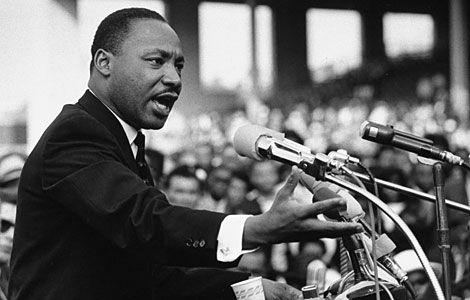
“The trouble isn’t so much that we don’t know enough, but it’s as if we aren’t good enough. The trouble isn’t so much that our scientific genius lags behind, but our moral genius lags behind. The great problem facing modern man is that, that the means by which we live have outdistanced the spiritual ends for which we live. So we find ourselves caught in a messed-up world. The problem is with man himself and man’s soul. …

“The great danger facing us today is not so much the atomic bomb that was created by physical science. Not so much that atomic bomb that you can put in an aeroplane and drop on the heads of hundreds and thousands of people—as dangerous as that is. But the real danger confronting civilization today is that atomic bomb which lies in the hearts and souls of men, capable of exploding into the vilest of hate and into the most damaging selfishness—that’s the atomic bomb that we’ve got to fear today. …

“My friends, all I’m trying to say is that if we are to go forward today, we’ve got to go back and rediscover some mighty precious values that we’ve left behind.” —Martin Luther King, Jr. (February 28, 1954)

Tozer On Sound Doctrine

“When the Holy Scriptures are rejected as the final authority on religious belief something must be found to take their place. Historically that something has been either reason for sentiment: if sentiment, it has been humanism. …

“Certain of our evangelical brethren appear to be laboring under the impression that they are advanced thinkers because they are rethinking evolution and reevaluating various Bible doctrines or even divine inspiration itself; but so far are they from being advanced thinkers that they are merely timid followers of modernism. …

“A new Decalogue has been adopted by the neo-Christians of our day, the first word of which reads ‘Thou shalt not disagree’; and a new set of Beatitudes too, which begins ‘Blessed are they that tolerate everything, for they shall not be made accountable for anything.’” —A.W. Tozer, in Man—The Dwelling Place Of God

10 Quotes From “Longing For A Changed World”

Longing For A Changed World will help you (re)establish a prayer focus that could be the beginning of the next great revival! You can check out my full book review here, and then enjoy some of the quotes that especially caught my attention.

“Our age, severed from its Biblical moorings, is neglecting history’s lessons.”

“Another characteristic of today’s Church is a lack of prayer. Instead of communing and listening to God, lifting our needs and concerns to the Lord, we rely on our own abilities and in technology to compensate for any inadequacy we may have. Thus armed, we are confident in taking on the challenges of our day, even those spiritual in nature.”

“True revival impacts all aspects of life, even to the concerns of the last, the least, and the lost. A people who uphold justice and righteousness and seeks to alleviate the plight of the poor and needy, are a people truly gripped with revival. For when we are consumed with God’s holiness and how blessed we are by His grace, we are compelled to take this Gospel to all aspects of our culture.”

“Our propensity is to focus on being doers—to be on the battlefield, sword in hand, fighting for the Kingdom and for righteousness. But as in the battle with the Amalekites, battles are won by God’s people lifting up their arms to the Lord.”

“I have been more focused on what I wanted to say in my prayer than on Whom I am approaching in prayer. This often leads to prayer that amounts to a tallying-up of my wants, without proper regard for the One into Whose presence I have come.”

“Our prayers as a whole, and prayers for revival, should reflect our poverty and powerlessness before a God who is forgiving and gracious.”

“Pray for boldness in the church—boldness to proclaim God’s Word and to firmly stand on it. Pray for boldness to confront sin yet boldness accompanied with humility as the church is aware (painfully aware) of its own sinfulness. And pray for boldness to present Christ as the Way and the Truth.”

“Praying expectantly requires us to pray to God in line with His Word and His promises. Thus a decline in biblical literacy has resulted in our prayer life wavering as well.”

“Our pleas for revival will go unheeded until we stand up for God’s Word, forsake the idols of our age, shake off the trappings of our secular and materialistic age, and embrace God’s truth.”

“As we pray for revival—for changed lives, renewed churches, and a transformed culture—our tendency might be to enlist the charismatic, the eloquent, and those who project confidence and success, traits that so readily appeal to us. But God’s manner of bringing revival has often been through ordinary people who endure affliction, hardship, and suffering, much as he did with Paul and Timothy and the Apostles.”

I’ll be sharing more resourced and thoughts from this book soon, so stay tuned!