I Press On

Not that I have already obtained all this, or have already arrived at my goal, but I press on to take hold of that for which Christ Jesus took hold of me. … I press on toward the goal to win the prize for which God has called me heavenward in Christ Jesus. (Philippians 3:12, 14)

There is no neutral, but always going forward.

There is no complacency, but always striving.

There are no shortcuts, but always straining.

There is no baggage, but always something new.

There is no regression, but always progression.

There is no relaxing, but always gripping tightly.

There is a reward—an eternal reward—which I eagerly long to receive.

God Provides For His Servants

Listen to the podcast of this post by clicking on the player below, and you can also subscribe on AppleSpotify, or Audible. 

God promised to provide for Jeremiah if he remained faithful to preach the word God had given him. Jeremiah did deliver a hard message that turned out to be highly unpopular, and as a result those who heard his sermon became quite angry with Jeremiah. 

In what I think is a very human response, Jeremiah began to complain to God—

   Your words were found, and I ate them; and Your words were to me a joy and the rejoicing of my heart, for I am called by Your name, O Lord God of hosts. I sat not in the assembly of those who make merry, nor did I rejoice; I sat alone because Your powerful hand was upon me, for You had filled me with indignation. Why is my pain perpetual and my wound incurable, refusing to be healed? Will You indeed be to me like a deceitful brook, like waters that fail and are uncertain? (Jeremiah 15:16-18 AMPC) 

God had to speak a correcting word to Jeremiah— 

   If you return and give up this mistaken tone of distrust and despair, then I will give you again a settled place of quiet and safety, and you will be My minister; and if you separate the precious from the vile—cleansing your own heart from unworthy and unwarranted suspicions concerning God’s faithfulness—you shall be My mouthpiece. Let them return to you—not you to the people. (v. 19) 

Jeremiah got over his pity party and once again continued to faithfully deliver God’s message, despite what people thought of him or said about him. Jeremiah even remained resolute in his devotion to God when the rulers of the people abused Jeremiah or threw him into prison or threatened to kill him. 

Just as God promised, as the Babylonians pressed in on Jerusalem, the people flocked back to Jeremiah to ask him to intercede before God on their behalf (21:1-2; 37:3; 42:2)

Remember that God had promised to take care of Jeremiah, assuring him of a place of quiet and safety. God also said, 

   Truly your release, affliction, and strengthening will be for good purposes; surely, Jeremiah, I will intercede for you with the enemy and I will cause the enemy to ask for your aid in the time of evil and in the time of affliction. (15:11) 

This promise was fulfilled when Nebuzaradan—the commander of the imperial guard in Nebuchadnezzar’s army—came to Jerusalem:

   Now Nebuchadnezzar king of Babylon had given these orders about Jeremiah through Nebuzaradan commander of the imperial guard: “Take him and look after him; don’t harm him but do for him whatever he asks.” … [Nebuzaradan] had found Jeremiah bound in chains among all the captives from Jerusalem and Judah who were being carried into exile to Babylon. When the commander of the guard found Jeremiah, he said to him, “The Lord your God decreed this disaster for this place. And now the Lord has brought it about; He has done just as He said He would. All this happened because you people sinned against the Lord and did not obey Him. But today I am freeing you from the chains on your wrists.” (39:11-12; 40:1-2) 

God never promises His servants their task will be easy, but He does promise both temporal provision and eternal rewards for His servants who remain faithful to Him and to His calling. 

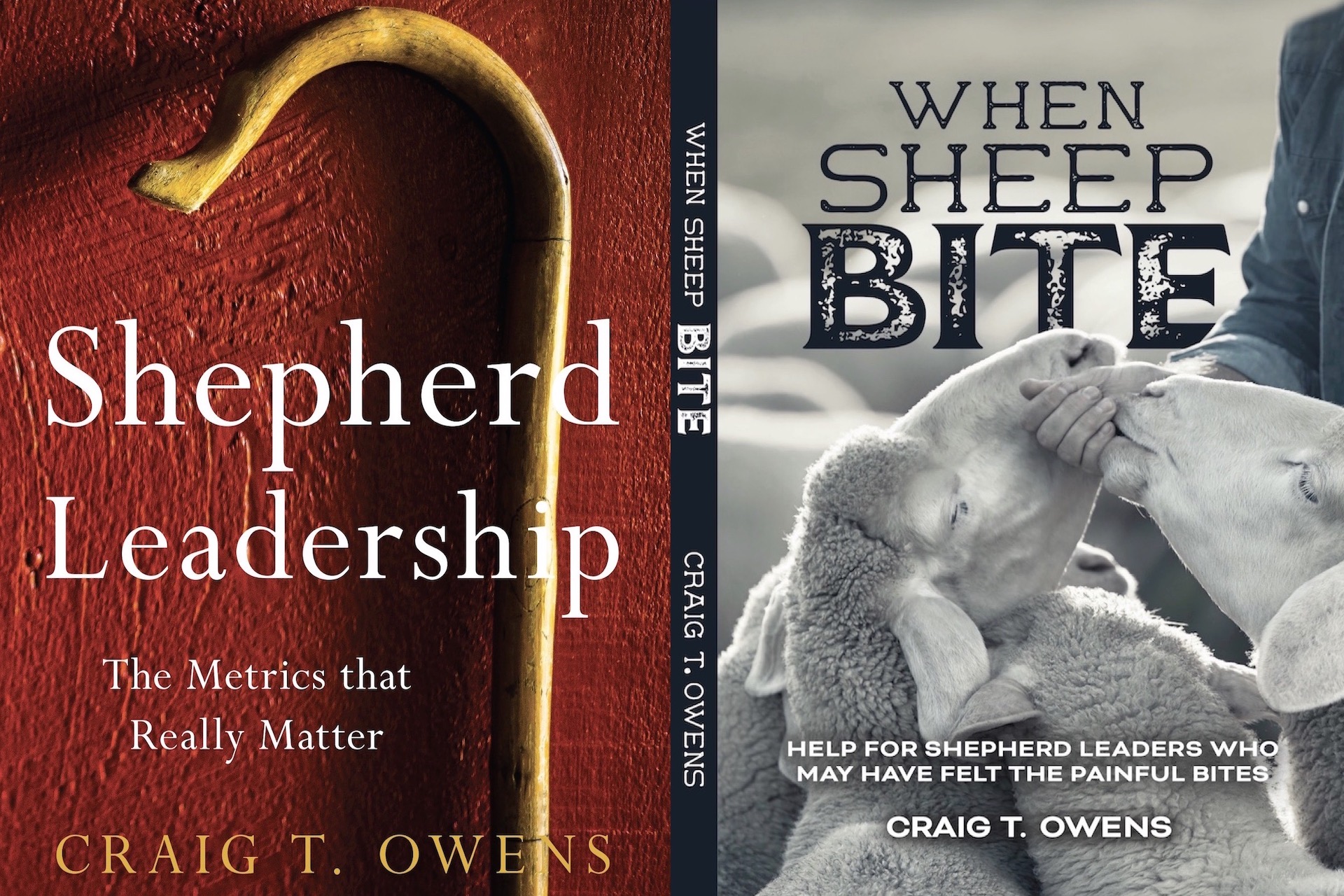
In my book Shepherd Leadership, I talk about a time God had to correct me when I was throwing myself a pity party. 

And in my book When Sheep Bite, the entire third section contains biblical strategies to help God’s servants not give in to the very natural response of fight-or-flight, but how to tap into the supernatural response of faithfulness. 

If you are a spiritual leader, I would encourage you to pick up a copy of both of these books. And keep in mind that God always provides for His servants. 

►► Would you please prayerfully consider supporting this ministry? My Patreon supporters get behind-the-scenes access to exclusive materials. ◀︎◀︎

Fickle Crowds

Listen to the podcast of this post by clicking on the player below, and you can also subscribe on AppleSpotify, or Audible. 

One day, the Lyaconians hailed Barnabas and Paul as gods and tried to offer sacrifices to them, and the next day they attempted to murder Paul. 

     Even in the light of these words [Barnabas and Paul] with difficulty prevented the people from offering sacrifice to them. But some Jews arrived there from Antioch and Iconium; and having persuaded the people and won them over, they stoned Paul and afterward dragged him out of the town, thinking that he was dead. (Acts 14:18-19) 

Crowds have always been fickle—quickly changing their allegiance from one person or idea to another one. Think about Jesus: they went from “Blessed is He Who comes in the name of the Lord” to “Crucify Him” in less than a week! 

Jesus wasn’t surprised by this. He knew what was in men’s hearts and never built His hopes or His ministry on them (John 2:23-25). 

So why do we? 

Why do we equate a large church attendance or lots of views of our online content as “successful” and anything less as “failure”? 

Jesus didn’t want or need the approval of a large crowd. Instead, He heard, “This is My beloved Son in Whom I am well pleased” (Matthew 3:17, 17:5). 

Paul didn’t want or need the approval of a large crowd. Instead, in his final letter he noted that with the exception of Luke, everyone else had abandoned him. And still some of his last words were, “I have fought the good fight, I have finished the race, I have kept the faith. Now there is in store for me the crown of righteousness, which the Lord, the righteous Judge, will award to me on that day—and not only to me, but also to all who have longed for His appearing” (2 Timothy 4:7-8). 

If we are measuring success or failure by merely humans standards, we are bound to go from elated to crushed over and over again. 

There is only one metric of success we should ever give weight to: 

We should only desire to hear our Master say, “Well done” because we faithfully stewarded the gifts and opportunities He gave to us. 

Let’s stop this thrilled-disappointed-thrilled-disappointed cycle by taking our eyes and hearts off of numbers, and resolving to keep our eyes and hearts solely on our Savior.

P.S. If this topic intrigues you, please consider checking out my book Shepherd Leadership: The Metrics That Really Matter.

►► Would you please prayerfully consider supporting this ministry? My Patreon supporters get behind-the-scenes access to exclusive materials. ◀︎◀︎

Links & Quotes

If someone is gossiping to you about others, you can be sure that they are gossiping to others about you—shut it down! Check out this full message about gossips.

I have a lot of new video content on my YouTube channel every week. Please check it out and subscribe so you don’t miss anything.

I hope you celebrated your Mom on Mother’s Day weekend. This is a great perspective from the Axis newsletter: “Some in our culture say motherhood is a prison, or a trap set by the patriarchy. Pop singer Chappell Roan, for example, recently said she didn’t know any people who have kids and are happy. Others say it’s a paradise—with ‘momfluencers’ online making it look like having kids is a nonstop joyride where the lighting is always perfect and nobody ever cries. When ‘prison’ and ‘perfection’ are presented as the only two options, it’s no wonder U.S. birth rates are declining. One way to honor mothers this year is to admit that motherhood is work—albeit spirit-forming, richly rewarding work—and that we can’t expect to see all the fruit of that labor within our lifetime. Hales writes, ‘Christian parenting is about continually pointing to Jesus as the Author and Perfecter of our faith, clinging to the reminder that He who began a good work in us and our children will complete it.’”

In his study Bible, Dr. Henry Halley offered this comment on 1 Corinthians 6:11. “The greatest proof of the new birth is a changed life. Children of God now suddenly love the following:

  1. They love Jesus. Before conversion the sinner might hold Christ in high esteem, but after conversion they love the Savior (1 John 5:1-2). 
  2. They love the Bible. We should love God’s Word as the psalmist did in Psalm 119. There he expresses his great love for God’s Word 17 times. 
  3. They love other Christians. ‘We know that we have passed from death to life, because we love each other. Anyone who does not love remains in death’ (1 John 3:14). 
  4. They love their enemies (Matthew 5:43-45). 
  5. They love the souls of all people. Like Paul, they too can cry out for the conversion of loved ones. ‘Brothers and sisters, my heart’s desire and prayer to God for the Israelites is that they may be saved’ (Romans 10:1). 
  6. They love the pure life. John says that if anyone loves the world, the love of the Father is not in them (1 John 2:15-17). 
  7. They love to talk to God. ‘Speaking to one another with psalms, hymns, and songs from the Spirit. Sing and make music from your heart to the Lord’ (Ephesians 5:19).”

T.M. Moore and I share the same passion for pastors to operate as shepherds. Moore wrote, “Shepherds equip the saints who take up the works of the ministry that build the church. The work of shepherding is hard. It’s not a program that you run from time to time, hoping to enlist new folks in the training. It is the ongoing, body-building means whereby the Lord’s flocks are nourished and become equipped to use their Spirit-given gifts (1 Corinthians 12:7-11) and power (Acts 1:8) to grow their church in unity and maturity in the Lord.” Moore also wrote an endorsement for my book Shepherd Leadership. 

John Piper has a thoughtful and biblical response to a question about Christians losing their rewards in Heaven. In part, he says, “All the good deeds that God approves and rewards are works of faith and the fruit of the Spirit. So, let’s get the idea of merit for these good deeds totally out of our minds.” He goes on to show the Scriptures that secure our promised rewards from God. 

Paleontologists have discovered an amazing dinosaur graveyard off the coast of southern Chile. The fossilized remains here gave ample evidence to the global Flood described in the Bible.

Who God Rewards

Listen to the podcast of this post by clicking on the player below, and you can also subscribe on AppleSpotify, or Audible. 

Think of the most well-known Christian evangelist you can imagine preaching before tens of thousands of people all over the world, broadcasting his sermons online, selling books, and being invited to pray with the world’s leaders. 

Now think of a pastor you may know in a rural community ministering to a small congregation. He has no online presence, no books, and is hardly known outside of his own town. 

The apostle Paul would say to both of them, “You are only servants of God.”

“What, after all, is Apollos? And what is Paul? Only servants, through whom you came to believe—as the Lord has assigned to each his task. … This, then, is how you ought to regard us: as servant of Christ (1 Corinthians 3:5, 4:1). 

Only servants of Christ.

God calls His servants to do their servant’s work with care and quality (1 Corinthians 3:10, 14). And he also says, “The one who plants and the one who waters have one purpose, and they will each be rewarded according to their own labor (v. 8). 

God’s rewards are not for big ministries, but for faithful ministers. 

I talk a lot about faithfulness in my book Shepherd Leadership. In the chapter entitled ‘Stick-to-it-iveness,’ I wrote this—

     Peter instructs us that our example for the flock must be God-honoring. People do what people see. If I would have arrived on that Saturday bent out of shape that things weren’t working out as I had planned, I would have robbed people of the enjoyment that they should have had that day. Remember that when Jesus told us that He had set an example for us (John 13:15), it was an example of putting others’ needs ahead of His own. Did Jesus want to wash those dirty feet? Probably not. But He not only washed them well, but He also had such a good attitude that its impact is still being felt today. 

     Peter was there on that day. He heard Jesus say this about following His example of such others-focused leadership: “Now that you know these things, you will be blessed if you do them.” So Peter reminds his readers that the Chief Shepherd is returning with rewards for the faithful under-shepherds. Occasionally, we will get some rewards here, but keeping our steadfast focus on the rewards and blessings that are still to come will help us stick with our responsibilities, even on those days when no one else seems to notice or even care. 

     Let’s listen to the words of the apostle Paul again: “So, then, no more boasting about human leaders!” (1 Corinthians 3:21).

And let me repeat myself—

God’s rewards are not for big ministries, but for faithful ministers.

►► Would you please prayerfully consider supporting this ministry? My Patreon supporters get behind-the-scenes access to exclusive materials. ◀︎◀︎

Faithful Service

Listen to the podcast of this post by clicking on the player below, and you can also subscribe on AppleSpotify, or Audible. 

I couldn’t say it any better than the apostle Paul said it—

   We live in such a way that no one will stumble because of us, and no one will find fault with our ministry. In everything we do, we show that we are true ministers of God. We patiently endure troubles and hardships and calamities of every kind. We have been beaten, been put in prison, faced angry mobs, worked to exhaustion, endured sleepless nights, and gone without food. We prove ourselves by our purity, our understanding, our patience, our kindness, by the Holy Spirit within us, and by our sincere love. We faithfully preach the truth. God’s power is working in us. We use the weapons of righteousness in the right hand for attack and the left hand for defense. 

   We serve God whether people honor us or despise us, whether they slander us or praise us. 

   We are honest, but they call us impostors. We are ignored, even though we are well known. We live close to death, but we are still alive. We have been beaten, but we have not been killed. Our hearts ache, but we always have joy. We are poor, but we give spiritual riches to others. We own nothing, and yet we have everything. (2 Corinthians 6:3-10 NLT) 

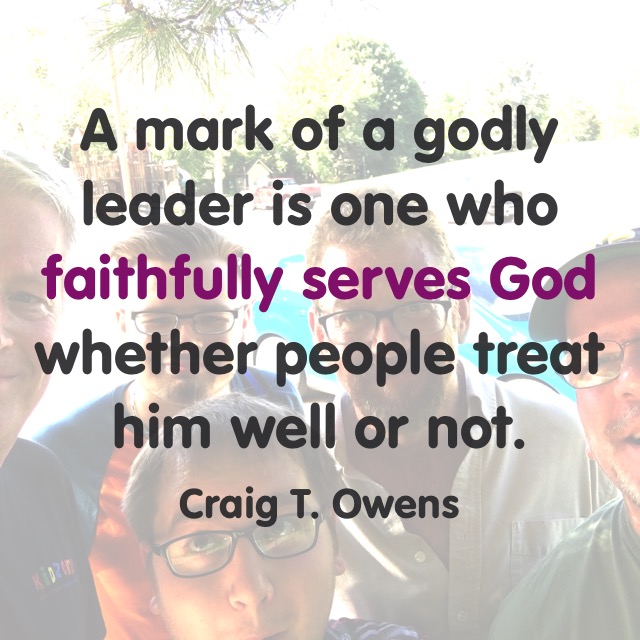
A mark of a godly leader is one who faithfully serves God whether people treat him well or not.

We don’t minister faithfully so we can receive human applause, because cheers can quickly turn to jeers. Just ask Jesus who heard everyone speaking well of Him in one moment, and then in the next moment saw that same group ready to throw Him off a cliff. 

Instead, we minister faithfully so that we can hear applause from nail-scarred Hands, and hear His voice saying, “Well done, good and faithful servant.” 

In my book Shepherd Leadership, I talk about these metrics of success. And in my book When Sheep Bite, I talk about how we can respond to the slanders and slings that come our way.

This is part 80 in my series on godly leadership. You can check out all of my posts in this series by clicking here.

►► Would you please prayerfully consider supporting this ministry? My Patreon supporters get behind-the-scenes access to exclusive materials. ◀︎◀︎

Links & Quotes

Having too many items listed as “priorities” on your To Do list can actually paralyze you. You have keep your list manageable to keep your leadership effective. Check out the full conversation Greg and I had on setting goals and making changes. This is also an important aspect of maintaining good mental health.

I have lots of new content every week, which you can check out on my YouTube channel.

According to Leslie T. Lyall, the secret of Hudson Taylor’s life and ministry could be summed up in four simple propositions: “There is a living God. He has spoken in His Word. He means what he says. And He is willing and able to perform what He has promised.”

“Hard times create strong men. Strong men create good times. Good times create weak men. And, weak men create hard times.” —G. Michael Hopf

In lamenting the rise of worldliness in our churches, John Piper said, “About forty years ago, David Wells wrote a book called No Place for Truth, which made the case that in the American church, God rests far too lightly on the people of God. He doesn’t have weight. It was the same heart cry from Dr. Wells as from J.B. Phillips. God is marginal. God has little weight in our worship services and little weight in our lives. He’s taken lightly. He’s simply one among many factors rather than the all-consuming factor, and I have thought that if I were to write a book today with a similar burden, it might have this title: Your Christ Is Too Cheap, Your Heaven Is Too Distant, Your Earth Is Too Big.”

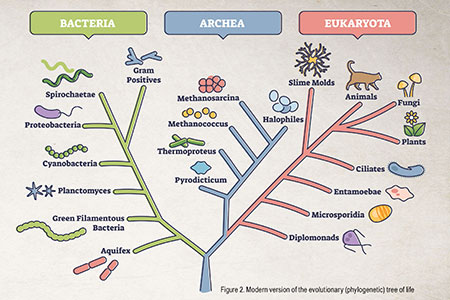
The Institute for Creation Research reported, “In July of 2024, Science magazine confidently reported, ‘The last ancestor shared by all living organisms was a microbe that lived 4.2 billion years ago, had a fairly large genome encoding some 2600 proteins, enjoyed a diet of hydrogen gas and carbon dioxide, and harbored a rudimentary immune system for fighting off viral invaders.’ That’s quite a statement that details an unknown creature living somewhere on this planet 4.2 billion years ago.” Of course, this is an unobservable, unprovable claim, but that’s part and parcel of the evolutionists’ claims. 

Fight The New Drug explains what sextortion is and how to protect yourself and your family from this insidious online threat.

“What we do on some great occasion will probably depend on what we already are; and what we are will be the result of previous years of self-discipline.” —H.P. Liddon, nineteenth-century theologian 

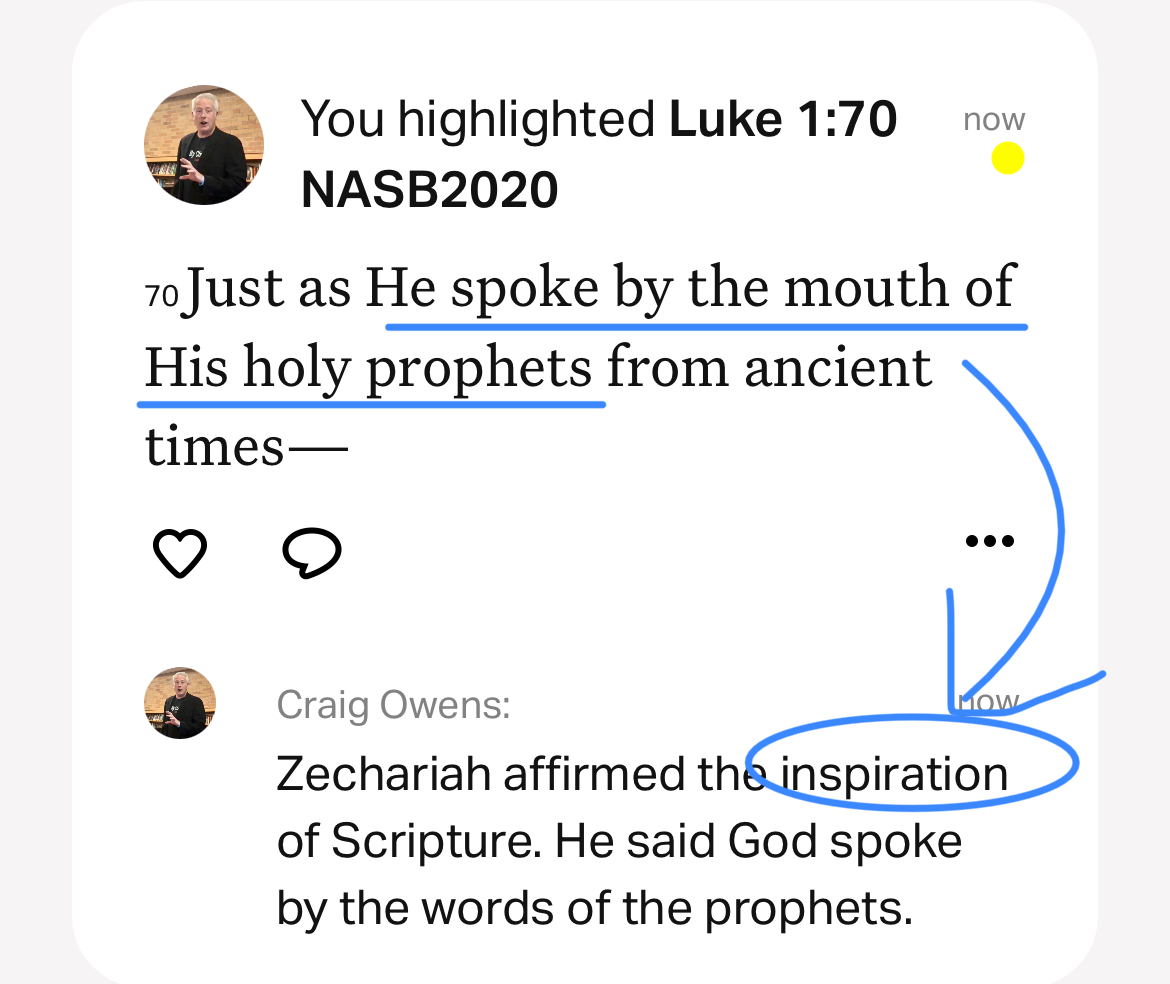
Lenny Esposito has a great podcast for Christian apologists called the Come Let Us Reason podcast. On a recent episode, Lenny used a passage in the Book of Jeremiah to talk about the inspiration of Scripture.

“God will work when He pleases, how He pleases, and by what means He pleases. He is not bound to keep our time, but He will perform His word, honor our faith, and reward them that diligently seek Him.” —Matthew Henry 

As the first Christian church dealt with a serious complaint that could have split the church internally, there are a number of leadership gifts that are in play to provide a wise solution. Most of these leadership gifts get overlooked by the casual observer, but they are all absolutely indispensable. This is new exclusive content I regularly share with my Patreon supporters. Would you prayerfully consider supporting this ministry?

Assured Expectation

Listen to the podcast of this post by clicking on the player below, and you can also subscribe on AppleSpotify, or Audible. 

A recent movie set box office records. Many Hollywood commentators are surmising that it is because the unlikely duo in the movie does something so noble at the end of the movie. Throughout the movie one of the main characters takes to calling himself “Jesus.” At the end of this movie, this character and his friend take the full brunt of the evil on them in the hopes of saving the universe. 

Of course, this storyline isn’t new to Hollywood or even in ancient literature. This epic quest is longed for in the human heart, looking for a hero to selflessly sacrifice himself to save everyone else around them. 

The only problem is that these heroes aren’t sure if their sacrifice is actually going to work. 

This, of course, isn’t the case with Jesus. Angels announce before His incarnation that He will save His people. Jesus Himself says, “I will lay down My life for My friends and I will take it up again.” And in the very last book of the Bible we read that before Time even began, Jesus was already seen as the sacrificial Lamb slain for the deliverance of His people. 

This story doesn’t start in Bethlehem, but when John 1:1 says, “In the beginning,” the language there is really saying, “From before there was a beginning, Jesus our Hero already knew the outcome of His selfless sacrifice.”  

We see hints and foreshadowing of this Most Epic Story all throughout history and throughout Scripture. Like in Psalm 132—the longest of the Songs of Ascent (at 18 verses, the next longest song is only half its length). 

(Check out all of the Scriptures in this post by clicking here.) 

The key verse (v. 10) is in the middle: it connects David and Jesus. The words “Anointed One” is one word in Hebrew: Masiah which is Messiah. In the New Testament,  the word Christ also means Anointed One. 

What do we learn in the first half of this song. It opens with the words, “O LORD, remember David…” (v. 1). 

Because this psalmist mentions the same incident that we discussed in Psalm 131, this is another reason why I think David had the incident of moving the ark of the covenant to Jerusalem in mind when he wrote the previous song (see Psalm 132:2-5; 2 Samuel 6:17). The people continued to rejoices as David made arrangements and provided building materials for his son Solomon to build the temple (vv. 6-9). 

Look at how verse 10 connects David to Jesus the Messiah. In verse 2, David swore an oath to the Lord, but he was physically unable to fulfill his promise. In verse 11 (also see 2 Samuel 7:11-16), “The Lord swore an oath to David.” 

God was able to fulfill His promise, which we see in the life, death, resurrection, and  ascension of Jesus, and then in the promised outpouring of the Holy Spirit. On the Day of Pentecost, Peter declares this in his sermon—connecting the work of Jesus to the prophesy of King David (Acts 2:22-36). 

We can sum up the first half of Psalm 132 with the words “Remember David.” And we can sum up the second half of this song of ascent with the words “Remember Jesus.”  

Remember Jesus [the] Christ, raised from the dead, descended from David (2 Timothy 2:8). 

I like this verse from the Amplified Bible: Constantly keep in mind Jesus Christ (the Messiah) as risen from the dead, as the prophesied King descended from David, according to the good news (the Gospel) that I preach.  

David swears an oath (v. 2) but has no power to fulfill it. God swears an oath (v. 11-12) and fulfills it (Luke 1:33; Revelation 11:15). 

David longs for blessings for the priests and saints (v. 10) but has no power to make it happen. God says, “I will” bless the priests and saints (vv. 13-18; 1 Peter 2:5-9; Revelation 1:6). 

All of our longings for a Hero—for salvation, for purpose, for meaning—are fulfilled in Jesus. All of God’s promises for these things are fulfilled in Jesus. All of our life should be lived in this joyful assurance (Hebrews 10:35-39; Revelation 3:11)! 

Not only should we not stumble in the homestretch, but we should live in such joyful assurance of God’s promises that we soar across the finish line! 

If you cannot remember anything else, remember David and remember Jesus. 

Check out all of the other Songs of Ascent by clicking here. 

►► Would you please prayerfully consider supporting this ministry? My Patreon supporters get behind-the-scenes access to exclusive materials. ◀︎◀︎

Determined And Empowered To Do God’s Will

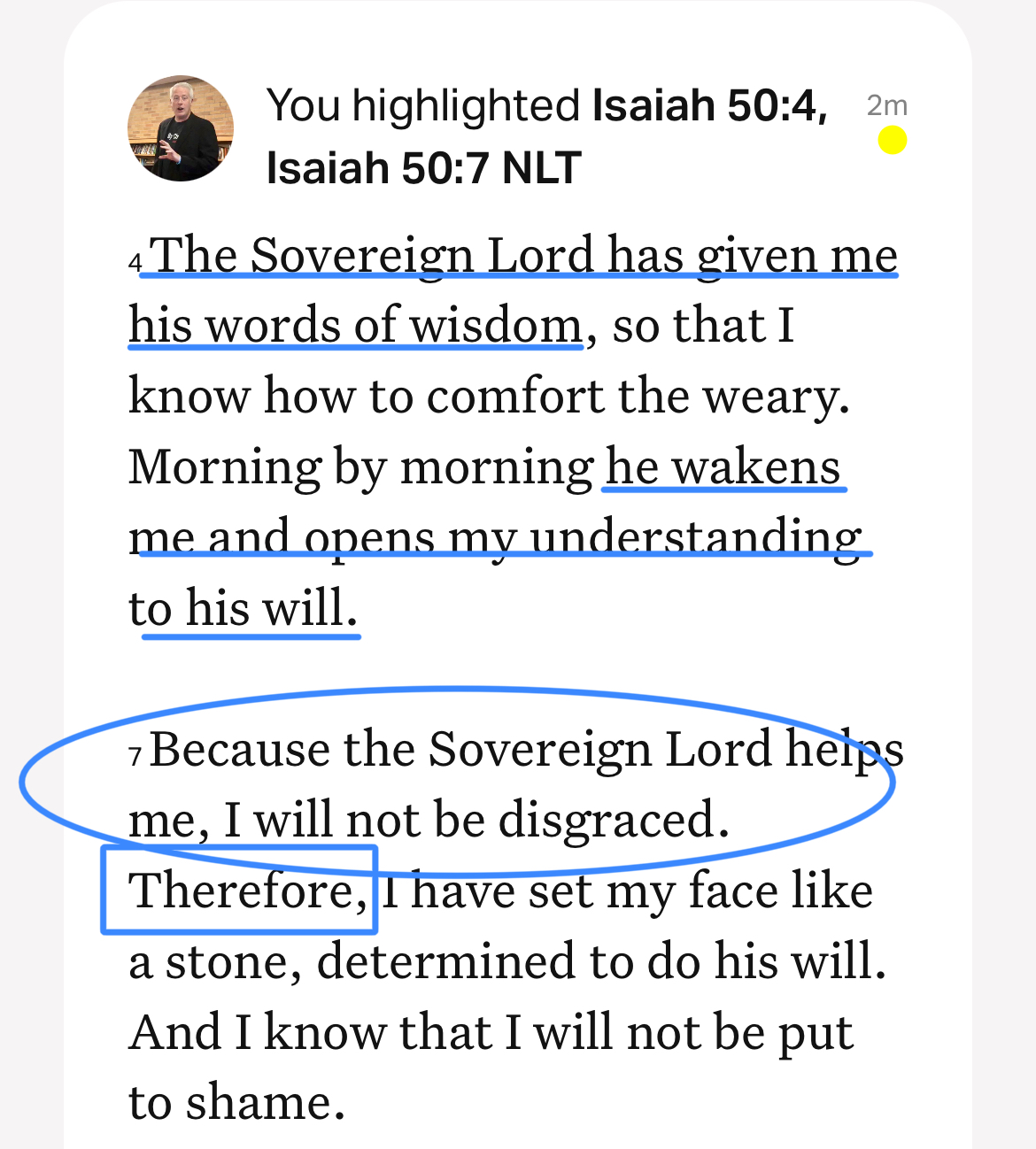
The Sovereign Lord has given me His words of wisdom, so that I know how to comfort the weary. Morning by morning He wakens me and opens my understanding to His will. … Because the Sovereign Lord helps me, I will not be disgraced. Therefore, I have set my face like a stone, determined to do His will. And I know that I will not be put to shame. (Isaiah 50:4, 7 NLT)

God’s words give me wisdom and strength. It doesn’t matter what others say when I live and speak the way God wants me to because God sees my obedience and He will reward me in the end. I don’t live for the applause of men, but only for the applause from nail-scarred hands.

Check out two related blog posts: 

I also spend quite a bit of time unpacking this idea of what really matters to God in my book Shepherd Leadership: The Metrics That Really Matter. 

A Godly Woman’s Superpower

Listen to the podcast of this post by clicking on the player below, and you can also subscribe on AppleSpotify, or Audible.

Mother’s Day messages seem to set a lofty expectation for women. When a pastor flips to Proverbs 31 and begins to read the description of the noble wife, I’m afraid many women—both moms and not-yet-moms—wonder how they could measure up to this list! The proverb itself really starts out with a question, “Who could find such a woman?!” (Proverbs 31:10).  

The Hebrew word for noble is used five times in Proverbs. Three of those are for this kind of superwoman (Proverbs 12:4, 31:10, 31:29).

This same word is also used twice for men in Proverbs—A good man leaves an inheritance to his children’s children (13:22); do not spend your strength on women, your vigor on those who ruin kings (31:3). 

(You can read all of the verses I’ve mentioned in this post by clicking here.)

A woman’s nobility and virtue either unleashes strength OR her vices deplete strength and bring ruin. In the language of Proverbs 31:3, she is either a king-maker or a king-breaker. 

This picture of empowerment is seen in the very first couple (Genesis 2:18-24). In the King James Version language, the word for helper is help meet. This means that Eve is the key that unlocks Adam’s potential. The godly woman makes possible what the godly man cannot do on his own. 

For a negative example of this, look at how Delilah sapped Samson of his strength and potential (Judges 16:6, 16, 19). On the flip side, we see a positive example in Ruth who unleashed the king-making power of her husband Boaz (Ruth 3:11, 4:11). 

As a kid, I always suspected my Mom had superpowers. I remember digging through the hair on the back of her head to find “the eyes” she said she had in the back of her head! She could kiss my boo-boo and instantly I was better, and she could help me understand the things that perplexed me the most. 

As I got older, I realized that my Mom actually did have superpowers:

  • She faithfully loved her God—Proverbs 31:30  
  • She diligently served her husband—31:11-12, 23 
  • She consistently cared for her children—31:27-28 

Ladies, that is the superpower that you have—you complete us, you elevate us, you unlock our potential! This brings both elevation for your family and honor for yourself (see Proverbs 31:29-31, and notice the phrase “city gate” in vv. 23 & 31 which symbolizes a leadership position). 

Women who ignore their God-given superpower of nobility unleash the vicious cycle of king-breakers. 

Women who use their God-given superpower of nobility unlock a virtuous cycle of king-makers. 

Ladies, be encouraged today that all that is required for this Proverbs 31 list to be an accurate description of you is faithfully loving your God and faithfully serving your family in the consistent, little things day after day after day. God sees this, He is pleased by it, and He is rewarding it! 

Guys, you have a part to play in this too. What you do with the potential that your mother and your wife have unlocked for you also plays a vital role in your family and in your community. I talked about this on Father’s Day, which you can check out here.

►► Would you please prayerfully consider supporting this ministry? My Patreon supporters get behind-the-scenes access to exclusive materials. ◀︎◀︎